
What Are the Different Types of Horse Insurance Available?
Hello fellow equestrians. Staring at a staggering vet bill after a pasture injury or sweating over liability from a riding accident can turn your passion into a source of stress. I know that knot in your stomach-the one that tightens every time you consider the “what ifs” that come with loving a large, living animal.
Let’s turn that worry into actionable knowledge. This guide breaks down the insurance landscape into clear, manageable pieces. We will explore the specific policies designed for equine partners, including mortality insurance, major medical and surgical coverage, loss of use protection, and equine liability insurance.
I’ve sorted through these policies for my own herd and clients after years of barn management, where I learned that the right paperwork is just as critical as the right feed.
The Core Policy: Understanding Equine Mortality Insurance
Think of equine mortality insurance as the bedrock of horse ownership protection. This foundational policy provides a financial safety net if your horse dies due to an accident, illness, or is stolen. It’s the base layer upon which other coverages are often built. The peace of mind it offers lets you focus on your partnership, not just the potential for loss. But is it always necessary?
The insured value, or the amount the policy will pay, isn’t just a guess. It’s typically determined by a recent veterinary appraisal or documented purchase price, especially for horses with competitive careers or high breeding potential. For the average pleasure horse, insurers may consider age, training, and soundness. Always get a professional appraisal for clarity; it prevents heartbreaking disputes during a claim and ensures accurate pricing for horse insurance coverage.
This core policy usually bundles in two critical protections:
- Theft protection: Coverage if your horse is stolen, a stark reality in some areas.
- Humane euthanasia cost coverage: This helps cover the expense if a veterinarian determines euthanasia is the most merciful option, sparing you from an agonizing financial decision during an emotional crisis.
I learned the true value of this policy not with a flashy show horse, but with a steady soul like Rusty. His insured value wasn’t six figures, but it reflected his irreplaceable role as a reliable lesson horse. That paperwork acknowledged his worth beyond dollars, securing his future and our program’s stability.
Veterinary Care Reimbursement: Medical and Surgical Coverage
This is the coverage that acts when the vet truck rolls in for an emergency. It reimburses you for treatment costs from unexpected accidents and illnesses, functioning much like major medical insurance for people. You pay the vet bill upfront, then submit a claim to your insurer for reimbursement according to your policy terms.
Break down any policy by examining these key components:
- Colic treatment coverage: Vital, as colic is a leading cause of death and often requires expensive surgery.
- Surgical coverage: For procedures from fracture repairs to airway operations.
- Hospitalization coverage: Covers stall fees and monitoring during a clinic stay.
- Diagnostic coverage: Includes costs for ultrasounds, X-rays, and bloodwork to pinpoint the problem.
Read the fine print to understand what’s not covered. Common exclusions are routine preventive care like vaccinations and teeth floating, as well as any pre-existing conditions noted before the policy started. Disclose every known issue during application; hiding a limp or a history of ulcers can void your entire policy.
Reviewing your policy limits doesn’t need to be confusing. Follow these steps:
- Find the annual aggregate limit (the total the insurer will pay per year).
- Identify the per-incident limit (the max paid for a single illness or accident).
- Note your annual deductible (the amount you pay out-of-pocket before coverage kicks in).
- Check if the deductible is per claim or per year-this makes a huge difference in cost over time.
Specific Medical Protections to Scrutinize
Beyond the basics, many insurers offer add-ons that can be lifesavers. Scrutinize these options when building your policy:
- Prescription medication coverage: For long-term or specialty drugs, which can be costly.
- Rehabilitation coverage: Helps pay for therapies like hydrotherapy or chiropractic care after an injury.
- Travel emergency evacuation coverage: Crucial if you compete, covering transport to the nearest surgical facility.
If you own breeding stock, take an extra minute to verify coverage for congenital conditions or genetic defects. Some policies exclude them outright, while others may offer an endorsement. This specific clause separates a good breeding farm policy from a generic one that could leave you financially exposed.
Shielding Yourself: Equine Liability Insurance Explained
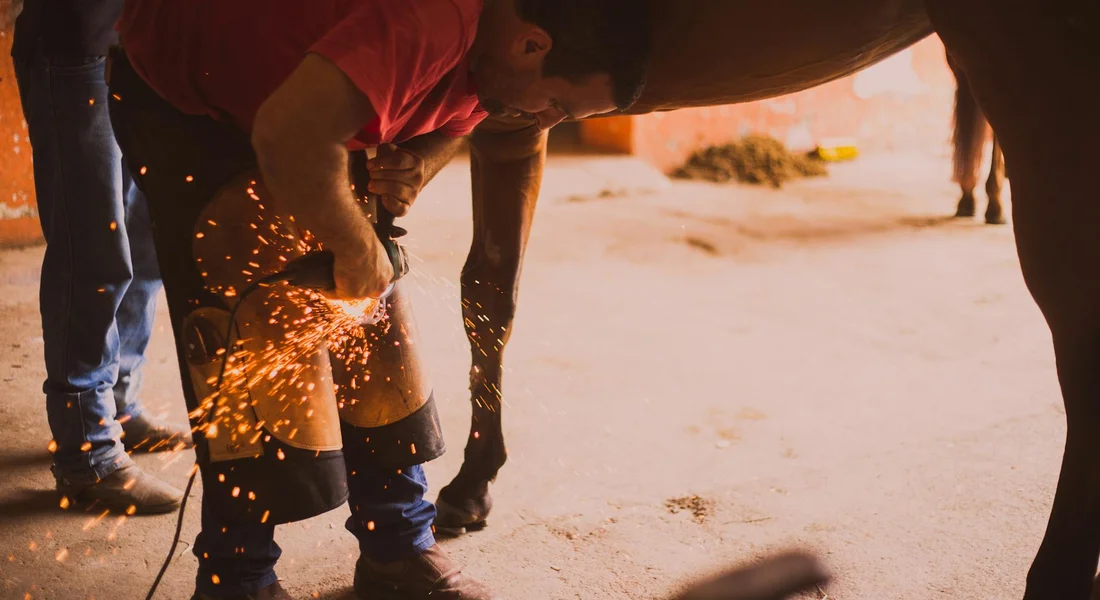
Think of equine liability insurance as your financial safety net when things go sideways. This policy protects you if your horse injures someone or damages property. I’ve seen a loose horse scrape a car, and a spooked horse bump a visitor. The bills add up fast. That’s why having horse liability insurance is so important.
Coverage typically splits into two scenarios. Boarding facility liability covers incidents on the stable’s premises. Personal liability covers you when you’re out riding, hauling, or handling your horse elsewhere. Both types are vital because accidents don’t check your location before they happen.
Let’s talk about my crew. Luna, my dapple grey Thoroughbred, is a lightning rod for tension. A plastic bag could send her skyward. Pipin, the Shetland pony, is a stealthy opportunist who loves to test fence latches. Their risks are different-one is reactive, the other is a planner-but the result could be the same: a costly claim. Your insurance needs to cover both the sensitive soul and the cheeky escape artist.
From my years in the barn, I can’t stress this enough. If you own, lease, or regularly handle horses, this coverage is non-negotiable. It’s more critical than the latest saddle pad. Protecting yourself is a key part of responsible horsemanship, ensuring a mistake doesn’t end your ability to care for your animal.
For Specialized Circumstances: Loss of Use and Specialty Insurance
Beyond basic coverage, some situations call for specialized policies. Loss of use insurance is for a heartbreaking reality: when a horse becomes permanently unable to perform its specific, trained job. This isn’t for general retirement, but for a career-ending injury or illness.
Imagine my Quarter Horse, Rusty. If a tendon injury meant he could never again carry a rider safely on trails, a loss of use policy could provide a financial buffer. It acknowledges the investment in his training and your planned future together.
Then there are policies for life’s chapters. Foal insurance can start at birth, covering congenital issues. Broodmare insurance safeguards the mare and her pregnancy. Stallion insurance protects your high-value breeding animal. These policies are about insuring potential and purpose, not just the animal’s current market value. Some horse owners also consider liability coverage to protect against injuries or property damage. We’ll explain how it fits into responsible horse ownership.
When are they necessary? Consider your horse’s role. If I were breeding Luna, her sensitive nature would make broodmare insurance a smart consideration for the risks of pregnancy. For a valuable stallion standing at stud, insurance is as standard as a breeding shed. For the average pleasure horse like Rusty, these might be overkill. It’s about matching the policy to the horse’s actual job in your life.
What Determines Your Insurance Cost? Premium Factors
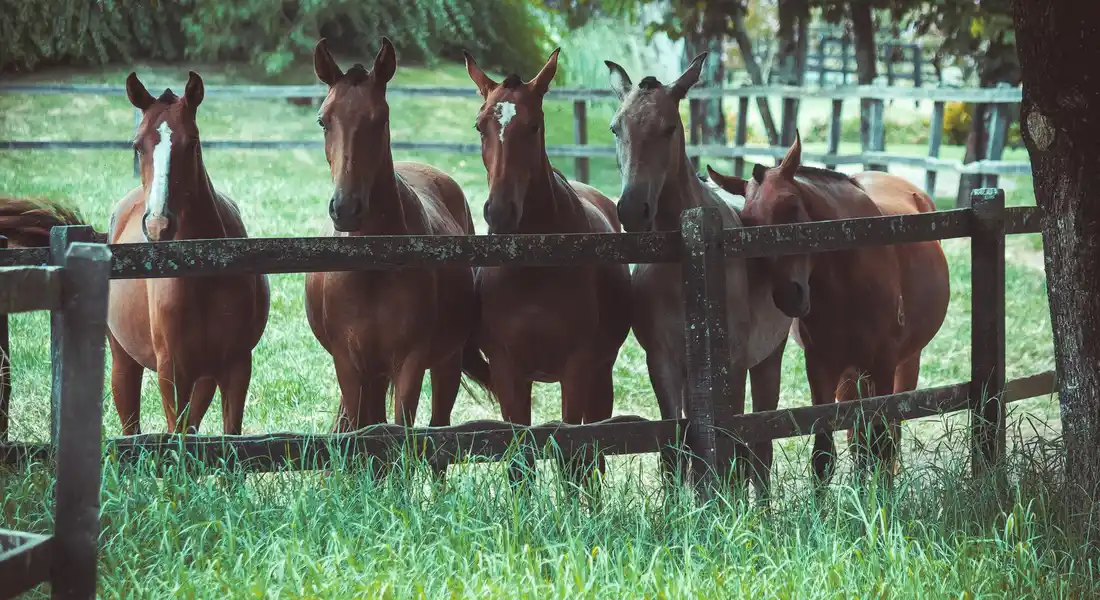
Think of your insurance premium like a horse’s feed bill-it’s not one-size-fits-all. The final number on your quote is a mix of your horse’s details and your management choices. Your premium is essentially the price of your peace of mind, and it’s calculated on the perceived risk of something going wrong. Let’s break down what underwriters are looking at when they set your rate.
- Age & Breed: Just like vet bills, costs often rise with age. Insuring a seasoned citizen like my guy Rusty (12) is typically cheaper than a fiery six-year-old like Luna. Breed matters too; a common Quarter Horse might be less to insure than a high-value Warmblood or a injury-prone Thoroughbred breed.
- Declared Value & Use: This is a big one. A $50,000 show jumper will cost more to insure than a $5,000 reliable trail horse. The primary use-pleasure, showing, breeding, or racing-directly ties to risk level. A breeding stallion has different liabilities than a kiddo’s pony like Pipin.
- Health History: A clean bill of health keeps costs down. Pre-existing conditions, like a history of lameness or colic, can lead to higher premiums or specific exclusions. I always get a fresh vet check before shopping for a new policy.
- Your Location & Setup: Where your horse lives matters. Is your barn in a region prone to wildfires or hurricanes? Is it a secure facility with monitored turnout, or a more casual setup? Companies see a well-maintained barn with good fencing as a lower risk.
Beyond the basic details, consider a professional appraisal for horses with a high declared value. A formal appraisal isn’t just for show rings; it provides concrete documentation to back up your insured amount if you ever need to file a claim. It turns a guess into a fact, which agents and adjusters appreciate.
Choosing Your Coverage: A Practical Framework for Owners
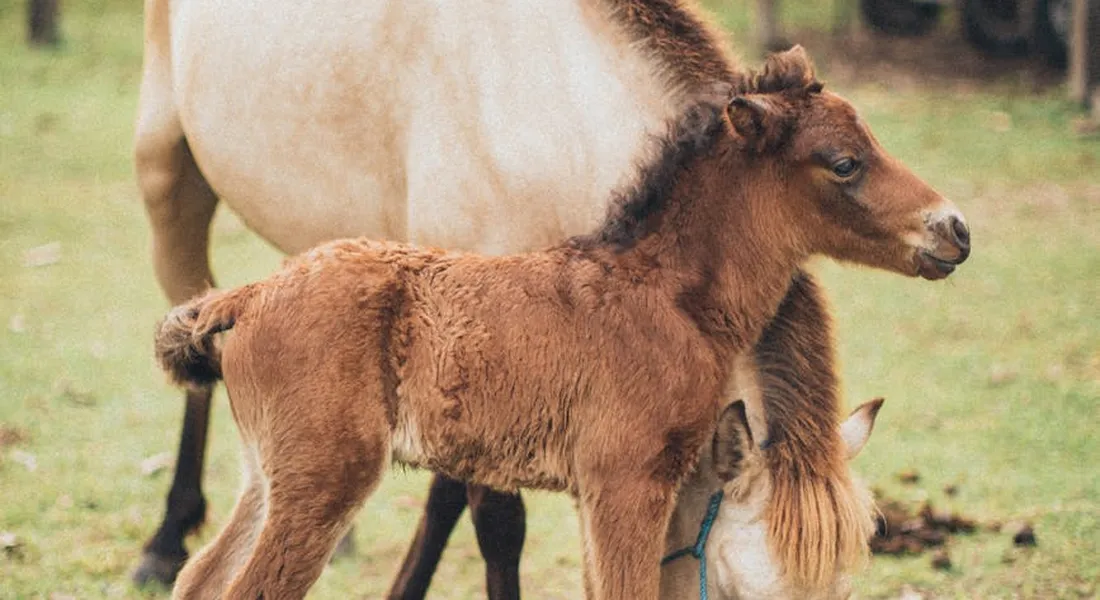
Navigating insurance options can feel like saddling a horse for the first time-overwhelming. Here’s a simple, two-question framework I use at the barn to cut through the noise.
First, look squarely at your horse’s role. Second, be brutally honest about your own financial risk tolerance. What keeps you up at night? Is it the vet bill for a mysterious lameness, or the unthinkable loss of your investment?
- The High-Performance Athlete: Think of a horse like Luna, my sensitive Thoroughbred. For her, I’d prioritize robust mortality coverage (based on her value) and a major medical/surgical plan with a high limit. Liability coverage is also key if she’s being trained or shown by professionals. You’re insuring a potential and a livelihood.
- The Retired Companion or Pasture Pet: For a horse like Rusty, who’s earned his retirement, full mortality coverage might be less critical if his market value is low. Here, major medical or “colic-only” coverage can be a lifesaver, protecting you from a catastrophic emergency vet bill while he enjoys his golden years. For Pipin the pony, liability coverage might be the main concern if he gives lessons or is around many visitors.
The final, most grounded step is all in the paperwork. Always read the exclusions section of your policy as if you’re looking for a missing fence board-meticulously. Ask your agent specific questions: “Are complementary therapies like chiropractic covered if my vet recommends them?” or “What is the exact wording around exclusion for pre-existing conditions?” Don’t assume anything is covered until you see it in writing.
FAQ: What Are the Different Types of Horse Insurance Available?
How do the different types of horse insurance policies work together?
A complete insurance plan is often built in layers, starting with a mortality policy as the base. You can then add major medical and surgical coverage to handle vet bills, and liability insurance for third-party incidents. Specialized policies like loss of use can be added for performance horses, creating a customized safety net.
What are the main categories of companies that provide horse insurance?
Providers generally fall into two main categories: companies that specialize exclusively in equine insurance and larger, multi-species farm or animal insurers. Specialized equine insurers often offer more tailored coverage and deeper equine industry knowledge, while broader agricultural insurers might bundle horse coverage with other farm assets. Choosing the right provider depends heavily on understanding your specific insurance needs.
Should I choose a different type of insurance company for a high-value show horse versus a pleasure horse?
Yes, the horse’s use and value are key factors. For a high-value competitive horse, an insurer specializing in equine athletes with experience in high-stakes mortality and loss of use claims is advisable. For a pleasure horse, a broader animal insurer or a different policy tier from a specialist may offer more cost-effective, essential coverage.
Smart Coverage for Your Stable Family
Choosing the right policy means matching it to your horse’s life stage and your own risk tolerance, whether that’s mortality, major medical, or liability coverage. The single most important step is to read the policy details closely, so you know exactly what is—and more importantly, what is not—covered before you sign.
Protecting your partnership is an act of responsible horsemanship. Take your time, ask every question, and let the peace of mind a good policy provides allow you to focus on what truly matters: the time spent with your horse.
Further Reading & Sources
- The Six Types of Equine Insurance – Horse Illustrated
- What Does Equine Insurance Cover? – Garrett Insurance
- 7 Types of Equine Insurance Explained– FullBucket Health
- Types of Horse Insurance and FAQ’s | Petplan Equine
At Horse and Hay, we are passionate about providing expert guidance on all aspects of horse care, from nutrition to wellness. Our team of equine specialists and veterinarians offer trusted advice on the best foods, supplements, and practices to keep your horse healthy and thriving. Whether you're a seasoned rider or new to equine care, we provide valuable insights into feeding, grooming, and overall well-being to ensure your horse lives its happiest, healthiest life.
Health