
How to Choose the Right Horse Insurance Policy: Your Barn-Side Guide
Hello fellow equestrians. That cold jolt when your horse comes up lame or the vet mentions surgery isn’t just fear-it’s the instant mental math of a bill that could empty your savings. I’ve felt that dread in the quiet of the stall, waiting for a diagnosis.
Let’s make sense of the fine print together. I’ll walk you through a clear, stall-tested process focusing on understanding the stark difference between mortality, medical, and liability coverage, accurately valuing your horse beyond purchase price, and identifying common exclusions that could leave you uncovered.
My decade as a barn manager, filing claims for everything from Luna’s delicate skin to Pipin’s escape-artist antics, means this advice is grounded in real pasture problems, not just theory.
Why Horse Insurance is a Smart Barn Management Tool
Viewing insurance as another stable chore shifts your mindset from reactive to proactive. It is like ensuring your paddocks are secure before turnout, not after Pipin has staged his great escape. This paperwork is a direct investment in your horse’s long-term welfare. I treat my insurance folder with the same care as my first-aid kit, because both are essential for preventing a crisis from becoming a catastrophe.
Consider the math. A severe colic surgery can cost $8,000 to $15,000 or more, while a solid yearly premium for a horse like Rusty might be a few hundred dollars. That is less than I spend on fly spray and joint supplements in a season. Paying that premium is a strategic barn management decision, protecting your savings from being swallowed by a single veterinary emergency.
The peace of mind it provides is tangible. When Luna needed emergency vet care after a pasture mishap, I could focus entirely on her comfort, not my bank account. That emotional security translates to better, calmer decision-making for you and a less stressful recovery for your horse.
Understanding Your Coverage Options: The Core Protections
Policies can seem complex, but they are built on a few key pillars. Knowing these helps you choose like a pro.
-
Mortality Coverage
This is not about market price alone; it is based on an agreed value you and the insurer set for your horse. For my reliable trail partner Rusty, that value reflects his soundness and training, not just his purchase price years ago. This coverage is a fundamental financial safeguard, ensuring you are not left with a devastating loss. These factors influence the cost of horse insurance premiums, including age, breed, training level, health history, and intended use. Understanding them helps you compare policies and plan for costs.
-
Medical/Surgical Coverage
This is your workhorse for vet bills. It covers exams, diagnostics like ultrasounds, treatments, and surgeries. I have used it for everything from Luna’s sensitive stomach issues to routine dental floats. Scrutinize the annual limit and deductible to ensure it aligns with the level of care you provide, as costs add up faster than hay in a hungry pony’s mouth.
-
Liability Coverage
Horses are powerful, and accidents happen. This protects you if your horse causes injury or property damage. If Pipin were to break his stall door and wander into the tack room, this coverage would handle the repairs. It is a non-negotiable layer of protection, especially if you board, lesson, or haul to shows. Liability insurance is crucial for any horse owner.
Other options exist, like Loss of Use for a horse who can no longer perform its intended job, or specific Theft Coverage. Loss of use insurance for horses can provide essential protection when a horse can no longer work. This option is worth discussing with your agent as you assess daily life and risks. Talk through your horse’s daily life and risks with your agent to build a policy that fits like a well-balanced saddle.
Evaluating Your Horse: The Key Factors That Shape Your Policy
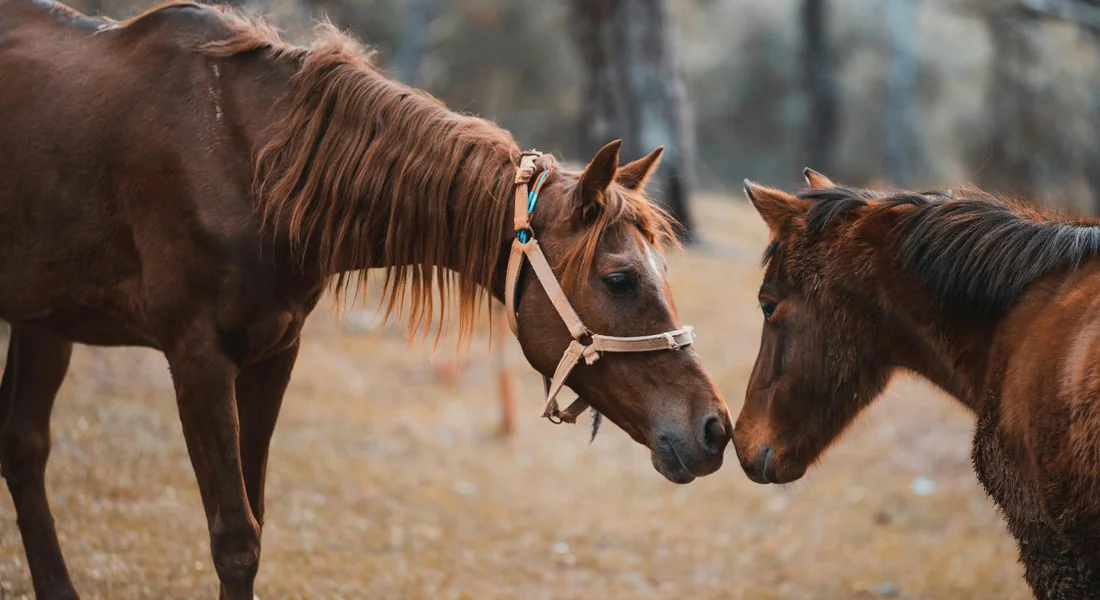
Choosing insurance starts not with a brochure, but at the stall door. You must assess your equine partner with the same clear-eyed practicality an insurer will, because their risk calculation begins with your horse’s story. There are different kinds of horse insurance—medical, mortality, and liability. Knowing what’s on offer helps you tailor coverage to your horse’s needs. I learned this managing a barn full of diverse personalities; what works for steady Rusty won’t fit fiery Luna.
Your Horse’s Personal Checklist
Grab a coffee and run through these points. It turns a vague idea into a concrete profile.
- Age is More Than a Number: Younger horses can be cheaper to insure for mortality but cost more for major medical-they’re accident-prone. Seniors, like my 12-year-old Rusty, often have higher premiums but deserve careful coverage for their veteran years.
- Breed Tells a Tale: Insurers see patterns. A sturdy Quarter Horse might be viewed as lower risk than a finely-tuned Thoroughbred like Luna, who is built for speed and sensitivity.
- Pre-existing Conditions are Non-Negotiables: That old bow tendon or history of colic must be disclosed. Hiding a past issue is a surefire way to have a claim denied, so honesty is your only policy here.
The “Job Description” Premium Impact
How your horse spends its days is a huge premium driver. A reliable trail horse dozing in the sun represents a different risk than an athlete jumping solid obstacles. Rusty’s pleasure riding premium is a fraction of what Luna’s eventing coverage costs. Breeding stock introduces risks for mare and foal, which demands specialized coverage.
Setting the Insured Value: A Practical Approach
For mortality coverage, you must declare a value. This isn’t about love; it’s about cold, hard market factors. Base this figure on a recent bill of sale, appraisal, or proven earning potential in sport or breeding. Rusty’s value is in his dependable demeanor for any novice rider. Luna’s is tied to her training and pedigree. An inflated value hikes your premium, but a lowball number could leave you financially heartbroken.
Reading the Fine Print: Questions to Ask Before You Sign
The application is done, but your work isn’t. Now comes the critical step of dissecting the policy wording-this is where many owners get tripped up. I’ve sat at my kitchen table with a highlighter, decoding clauses after a long day at the barn.
- “What specific activities are excluded from coverage?” Many policies won’t cover rodeo, racing, or polo. If you decide to try reining with your dressage horse, make sure your policy adapts.
- “How does the deductible work, and how does choosing it affect my premium?” The deductible is your share of the vet bill. Opting for a higher deductible usually lowers your monthly cost, but be sure you can comfortably write that check in an emergency.
- “Are there mandatory waiting periods before coverage is active?” Commonly, there’s a 14-day wait for colic or 30 days for certain injuries. Don’t assume coverage starts the day you pay.
- “What are the per-incident and annual coverage limits?” Does major medical have a $5,000 cap per colic episode? Is there a $15,000 annual maximum? You need to know these ceilings.
- “Does this policy have any breed restrictions or age caps for renewal?” Some companies won’t insure certain breeds or may stop offering mortality coverage for horses over 20. Confirm your horse’s long-term eligibility.
Choosing Your Insurer: Reputation, Process, and Peace of Mind

Figuring out who to trust with your horse’s insurance is like choosing a new barn buddy-you want reliability, not just a friendly face. This decision hinges on the company’s backbone and how they act when the rain starts, not just the sunny-day sales pitch. Your insurer’s true character is revealed during a claim, not during a quote.
Vet the Company Like You Would a New Horse
Start by checking the insurer’s financial stability through independent rating agencies. A strong rating means they can weather the storm when multiple claims hit. Then, listen to the barn gossip-the good kind. Ask seasoned owners about their experiences. I learned more about my current insurer over a bale of hay, hearing how they handled a complicated injury claim for a friend’s gelding, than from any brochure. Real-world stories from the paddock are your most valuable research tool.
When I was managing a barn of twenty, we had an insurer who was notorious for slow payments. Switching to a company recommended by a local trainer changed everything. Their stability was proven, not just promised.
The Claims Process: From Panic to Payment
Understand the steps before you’re in the thick of it. A straightforward process usually involves a few key pieces of paper. Here’s what you’ll typically need to gather:
- A fully completed claim form from your insurer.
- Itemized invoices and a detailed statement from your attending veterinarian.
- Photographs of the injury or condition, if applicable.
Most companies aim to settle valid claims within 30 to 60 days. Always ask, point-blank, if you are required to pay the vet first and seek reimbursement, or if they can pay the clinic directly. Knowing this saves a major headache when funds are tight.
I recall the specific rustle of paperwork when Luna colicked; having a folder ready with her records sped things up immensely. The smell of clinic antiseptic is stressful enough without fumbling for documents.
The Pre-Policy Veterinary Inspection
Many insurers require a vet exam for new policies, especially for horses above a certain value or age. This isn’t personal-it’s their risk assessment. For my high-strung Luna, a full work-up was mandatory. For old, reliable Rusty, it was a simple wellness check. Clarify who schedules the exam, what it covers, and most importantly, who pays the vet for it. You don’t want an unexpected bill before your policy even starts.
Don’t Leave Money on the Tack Room Table
Insurance premiums are a significant cost, so always ask about discounts. Common savings include:
- Insuring multiple horses under one policy.
- Member discounts for equestrian associations or breed registries.
- Paying your annual premium in one lump sum.
Bundling Pipin and Rusty saved me enough each year for a new set of boots. A simple question about discounts is a five-minute conversation that can yield real cash back.
Renewal Realities and Life Changes
Your horse’s job and health will evolve, and your policy should too. At renewal time, have a conversation. Can you lower the mortality value if your horse is retiring to pasture puff duty? Are there automatic exclusions that kick in at a certain age? A flexible insurer will work with you to adjust coverage, ensuring you’re not paying for protection you no longer need.
With Rusty now happily semi-retired, we adjusted his plan to reflect his quiet life of trail walks and treat fishing. It cut our costs and kept his essential coverage intact.
FAQ: How to Choose the Right Horse Insurance Policy
What is my budget for annual premiums and deductibles?
Your budget should balance affordable premiums with a deductible you can comfortably pay in an emergency. Consider how annual premium costs compare to potential veterinary expenses, such as colic surgery or injury treatments. Opting for a higher deductible often lowers your premium, but ensure you have savings set aside for that initial out-of-pocket cost.
Are there coverage options for transportation or theft?
Yes, many insurers offer optional add-ons for transportation accidents or theft, which are not always included in standard policies. These cover incidents during hauling or if your horse is stolen, providing extra peace of mind. Discuss your horse’s travel frequency and stable security with your agent to determine if these riders are necessary for your coverage, especially when considering liability and other essential coverage.
Does the insurer have a good reputation and financial stability?
Always verify the insurer’s financial strength through independent rating agencies like A.M. Best to ensure they can pay claims reliably. Seek feedback from fellow horse owners or equine professionals about their experiences with claim responsiveness and customer service. A reputable insurer with solid financials offers long-term security, reducing stress when you need support most. In the next step, you can compare top horse insurance companies and their plans. This helps you weigh premiums, deductibles, and coverage to find the best fit for your horse.
Your Policy, Your Peace of Mind
Selecting the right coverage means honestly evaluating your horse’s role-from a reliable gelding to a sensitive thoroughbred-and comparing policies for clear terms on mortality, medical, and liability. Your most critical task is to scrutinize the exclusions and limitations in writing, ensuring you know exactly what is not covered before any premium is paid. Also, think about how much a policy typically covers and what it costs. Costs and coverage levels vary widely between plans, so you can gauge value before you buy.
Approach this process with the same calm patience you use when introducing a new saddle or waiting for a wound to heal. At the end of the day, a good policy supports your commitment, but nothing replaces the security of knowing your horse through daily, attentive care.
Further Reading & Sources
- Equidae Insurance | Equine Insurance
- Equine Insurance Coverage | Major Medical, Mortality & Liability
- Equine Insurance | NFP
- Private Horse Owner Insurance| Markel
At Horse and Hay, we are passionate about providing expert guidance on all aspects of horse care, from nutrition to wellness. Our team of equine specialists and veterinarians offer trusted advice on the best foods, supplements, and practices to keep your horse healthy and thriving. Whether you're a seasoned rider or new to equine care, we provide valuable insights into feeding, grooming, and overall well-being to ensure your horse lives its happiest, healthiest life.
Health