
What Are the Essential Supplies for a First-Time Horse Owner?
Published on: January 4, 2026 | Last Updated: January 4, 2026
Written By: Henry Wellington
Hello fellow equestrians! That moment you lead your first horse home is pure magic, but the sheer volume of gear and gadgets can feel overwhelming fast. You’re right to worry about costly mistakes or overlooking a simple item that ensures your horse’s safety and well-being.
Let’s simplify your shopping list together. I’ll break down the absolute must-haves, starting with daily grooming kits that foster connection, moving to tack fundamentals chosen for fit over fashion, and covering feeding equipment that supports natural gut health. We won’t forget the critical health supplies to keep in your tack trunk.
My years in the saddle and as a barn manager, from fitting Pipin’s first halter to managing Luna’s sensitive needs, have taught me how to build a practical, horse-centered foundation.
Handling Your Horse: The Basics of Safety and Control
Forget the romanticized movie scenes. Real safety is built on quiet confidence and predictable gear you can trust. A spook, a pulled rein, or a simple disagreement over which way to go tests your equipment every single day. Your goal is to have gear so reliable, you forget it’s there, allowing you to focus on the conversation with your horse.
Your Non-Negotiable Handling Kit
This isn’t a wish list; it’s your core defense system. Every item has a specific, non-negotiable job. I learned the hard way with Pipin that a cheap clip is an invitation to an adventure you didn’t plan-usually toward the feed room.
- Nylon or Leather Halter: A simple, well-fitted breakaway halter is your most important tool. Nylon is durable and easy to clean, while leather is classic and breaks in beautifully. Choose one with a breakaway crown or leather strap for safety during turnout mishaps.
- Cotton or Poly Rope Lead: Skip the chain leads for now. A thick, soft cotton lead rope (about 10 feet long) is kind on your hands and sends a calm signal. Poly ropes are stronger and last longer in wet climates.
- Sturdy Snap Hook: Invest in a solid brass or steel bolt snap. Check the spring action daily. A worn-out snap is a liability. I keep a carabiner on my belt loop for temporary ties-it’s a stable hack that saves frayed nerves.
- Quick-Release Knot Skills: Your gear is useless if you don’t know how to tie a proper quick-release knot. Practice on a fence post until it’s muscle memory. The loop should be large enough to pull quickly in a panic.
How to Measure for a Perfect Halter Fit
A halter should fit like a well-tailored collar, not a tourniquet or a loose necklace. An ill-fitting halter can rub sores on the face or, worse, allow a hoof to get caught. Here’s my step-by-step, using my trusty schoolmaster, Rusty, as the model.
- Noseband: Place two fingers flat between the noseband and the bony part of Rusty’s face, just above his nostrils. You should be able to slide them up and down without pinching.
- Throatlatch: This is the most common mistake-too tight. Buckle it so you can easily fit your entire flat hand between the strap and his cheek. Listen for his breathing; you should never hear restriction.
- Crownpiece: The halter should sit below the bony protrusions of his cheekbones, about halfway between his eye and the base of his ear. If it’s pulling his eyelids taut, it’s too low.
- Final Check: Watch him chew. The halter should not shift up and down drastically with the motion of his jaw. A good fit moves with the horse, not against it.
A perfect halter fit respects the delicate anatomy of the horse’s head and allows for full, comfortable movement. Check it monthly, as weight and muscle tone change with the seasons.
The Daily Ritual: Grooming Supplies for Health and Bonding
Grooming is your daily check-in, a physical conversation that builds trust and reveals secrets. The smell of clean sweat, the sound of steady chewing, the feel of a healthy coat under your curry-this is your early warning system. Thoughtful grooming touch can deepen the connection you share with your horse. This quiet, attentive contact often becomes the language you both rely on. Your hands will learn the landscape of your horse’s body long before your eyes notice a problem.
Building Your Grooming Tote: A Checklist
Skip the pre-packaged kits with flimsy tools. Build your own arsenal. I use a simple rubber feed tub-it’s durable, washable, and cheap when stepped on.
- Rubber Curry Comb (The Circulator): Use in vigorous circles on neck, barrel, and rump to lift dirt and loosen hair. This is your first step, and it feels like a great massage. Avoid bony areas like legs and spine.
- Stiff Dandy Brush (The Debris Remover): Follow the curry to whisk away the lifted dirt and hair. Use short, firm flicks. Listen to the rhythm-it’s the sound of a job getting done.
- Soft Body Brush (The Polisher): Made of fine bristles or horsehair, this is for the face, legs, and giving the coat a final glossy sweep. This brush is for connection, not deep cleaning.
- Mane & Tail Comb (The Detangler): A wide-toothed comb is essential. Start at the very bottom of the tail hair, working out knots inch by inch. Never yank from the top down; you’ll rip out more hair than you detangle.
- Hoof Pick (The Foundation Check): Your most critical tool. Work from heel to toe, clearing debris from the triangular frog. Check for stones, thrush smell, or cracks. A clean hoof is a healthy hoof.
- Sweat Scraper (The Finisher): After a bath or a sweaty ride, use this to squeegee off excess water. Dragging water across the coat is slower and less effective than a firm, confident pull.
Grooming order matters: Curry, Dandy, Soft Brush, then finish with the mane, tail, and hooves. This sequence is efficient and mimics the natural way horses mutually groom-a fact Luna, my sensitive Thoroughbred, appreciates deeply. Her whole body softens when the routine is predictable and gentle.
Ready to Ride: Essential Tack for You and Your Horse
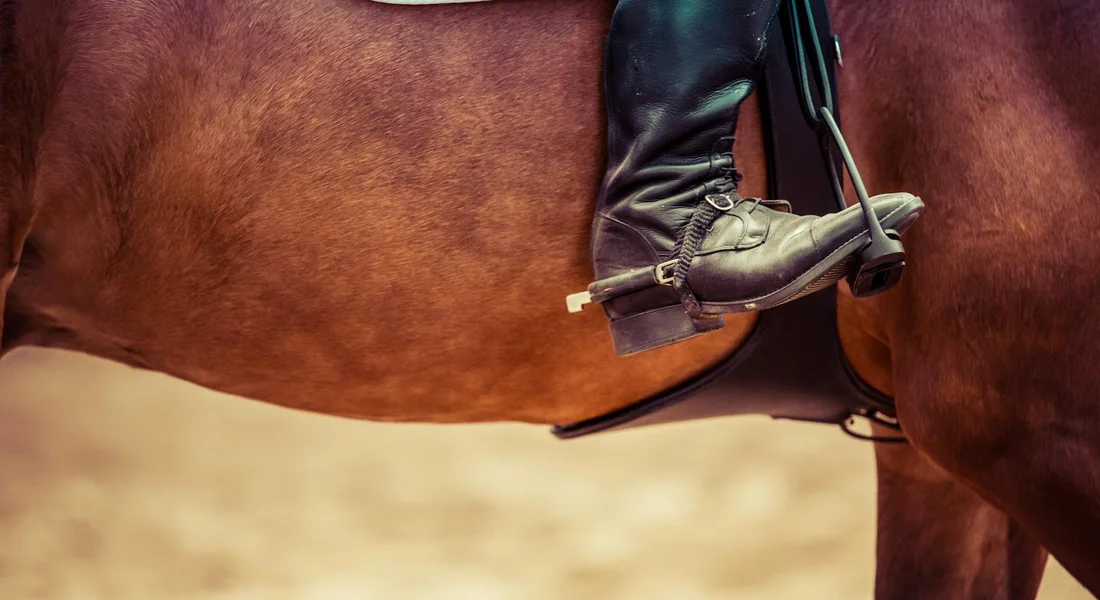
Stepping into the tack room for the first time is overwhelming. I remember staring at a wall of leather, wondering what on earth a “numnah” was and why there were so many types of metal for a horse’s mouth. Let’s simplify. Think of tack as your toolkit for safe, clear communication.
The Saddle System: More Than Just a Seat
A saddle is a weight-bearing structure that must fit two athletes: you and your horse. A poor fit causes sore backs, resistance, and long-term damage. Your very first purchase should be a professional saddle fitting, not the saddle itself. A good fitter will assess your horse’s back shape and your body, turning a confusing task into a simple solution.
Your basic saddle system includes the saddle itself, a pad or blanket, and a girth or cinch. For English disciplines, you’ll often start with an all-purpose or close-contact saddle. For Western, a well-fitted trail or all-around saddle is versatile. The pad protects the horse’s back from friction and absorbs sweat. I’ve learned to check for dry spots under the pad after a ride-a telltale sign of pressure points.
Here is a quick checklist for saddle fit basics:
- Wither Clearance: You should be able to slide two to three fingers vertically between the pommel and your horse’s withers.
- Even Bearing: The panels or bars should make full, even contact along the back, without bridging (gapping in the middle) or pinching at the shoulders.
- Freedom of Movement: The saddle must not impede the shoulder blade. Watch your horse walk; the front of the pad shouldn’t visibly shift back with each stride.
Leather quality matters, but a correctly fitted synthetic saddle is infinitely better than a poorly fitted custom leather one. I started with a durable synthetic for Luna; it was affordable, washable, and gave me time to learn her changing shape without a huge financial commitment.
Bridles and Bits: Communication Tools
The bridle holds the bit, which rests in one of the most sensitive parts of your horse’s body. This isn’t about control; it’s about conversation. My rule is to use the mildest bit that allows for safe, clear communication. For 90% of new riders and horses, that’s a simple, thick-jointed snaffle.
A basic bridle consists of a headstall, bit, and reins. Nosebands and browbands are common, but understand their purpose. A plain cavesson noseband just keeps the mouth closed, while a flash or drop noseband stabilizes the bit-often a sign the bit or hands need addressing first.
Bit fit is critical. A bit too wide slides and bangs teeth. A bit too narrow pinches the lips. You want it to rest comfortably at the corners of the mouth, creating one or two soft wrinkles. Listen for the quiet “click” of a well-fitted bit as your horse softly mouths and accepts it, a sound I wait for every time I bridle Rusty.
- Choose Type: Start with a loose-ring or D-ring snaffle with a smooth, medium-thick mouthpiece.
- Measure: Use a bit sizer or a flexible ruler to measure the space between the lips. Bits are measured in inches (e.g., 5”).
- Check Fit: The bit should extend about 1/4 inch on each side of the mouth without pulling.
- Inspect Regularly: Run your fingers along the mouthpiece. Any roughness, sharp edge, or crack means immediate replacement.
Never underestimate the power of clean, supple leather; a stiff, dirty bridle can create uneven pressure and sour a good horse. Take the time to condition your leather and wash your bit after every ride. The taste of old grass and metal is as unpleasant for them as it sounds to us.
Fueling Up: Feed, Water, and Feeding Supplies
Hay, Grain, and the All-Important Bucket
Think of hay as the steady heartbeat of your horse’s day. That comforting rustle in the rack and the sweet smell of grassy stalks are non-negotiable. A horse’s digestive system is built for steady forage intake, meaning quality hay isn’t just food—it’s essential maintenance for their gut and mind. As herbivores, horses are designed for continuous grazing, and their digestion thrives on steady forage. I base every feeding plan for my crew on this simple truth, learned over years of morning feedings.
Start with a good grass or grass/alfalfa mix hay, and let your horse’s condition guide you. Rusty, my steady Quarter Horse, maintains his perfect weight on a diet of mostly timothy hay with a handful of senior feed for his joints. For many pleasure horses, a flake of hay is worth ten scoops of grain when it comes to keeping them calm and healthy.
Grain is a supplement, not a staple. It’s for topping up calories or providing specific nutrients that hay alone can’t offer. Luna, my high-strung Thoroughbred, gets a small portion of a fat-based, low-starch pellet to keep a shine on her dapple grey coat without turning her into a rocket. Always consult with your vet or an equine nutritionist to match the grain to your horse’s actual workload and body score, not your ambitions.
Your feeding supplies need to be as thoughtful as the feed itself. Here’s a quick list of the basics:
- Heavy-Duty Buckets: Get at least two per stall-one for water, one for grain. Rubber is best; it withstands kicks, doesn’t freeze and crack as easily, and is gentle on teeth.
- Hay Net or Feeder: Slows down greedy eaters and keeps hay off the ground, reducing waste and sand ingestion.
- Measuring Scoop: Use a proper grain scoop, not a coffee can. Consistency is key to preventing colic.
- Water Trough Heater: If you live where winters freeze, this is a safety must-have. Horses drink less if water is icy, leading to impaction.
I learned the hard way about bucket security with Pipin, our clever Shetland pony. A standard clip wasn’t enough; he’d unhook it with his lips and tip his grain all over the paddock. A quick-release safety snap on a bucket holder saves feed and frustrates equine escape artists. The soft thud of an empty rubber bucket hitting the dirt is now a sound that sends me running.
Remember, the rhythm of feeding mimics natural grazing. Small, frequent meals are far better for your horse’s digestion than one or two large grain rations dumped into them. Spread their hay out, use a slow-feed net, and prioritize as much turnout as you can possibly manage. Watching them pick at grass under the sun is the ultimate sign you’re getting it right.
Keeping Them Healthy: First Aid and Preventative Care
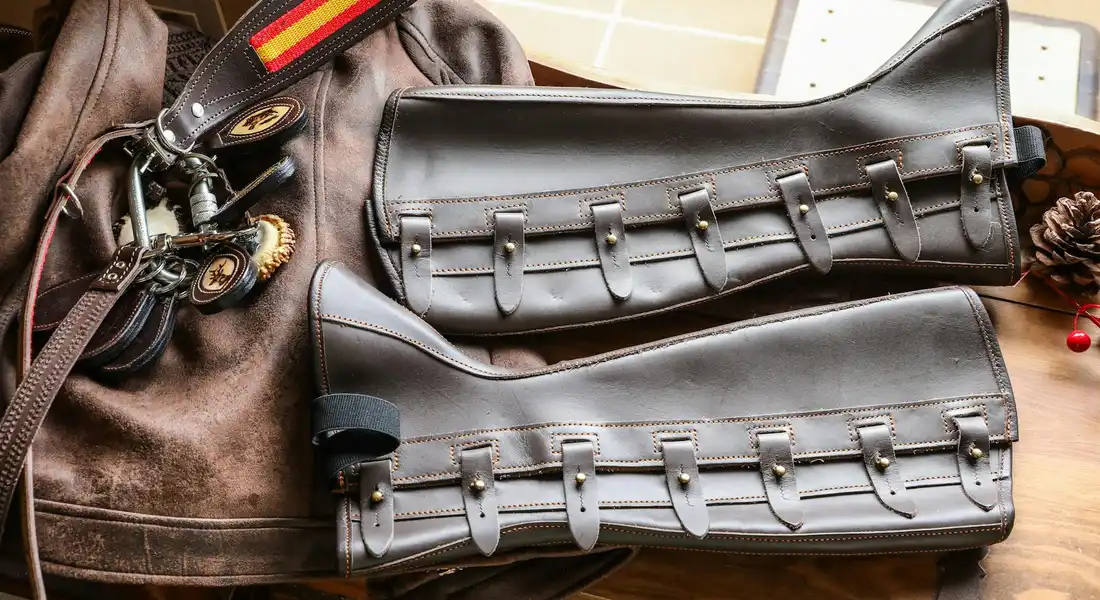
Your Horse’s Medicine Cabinet: A Starter List
Think of your first aid kit as a silent partner in your horse’s well-being. I’ve spent many a late night with a flashlight, tending to a mystery bump or a fence-line scrape. In an emergency, you may need to apply clean pressure to a wound and keep the horse calm until the vet arrives. Those quick, confident actions are exactly what a well-prepared kit supports in those critical moments. A prepared kit turns panic into manageable action, keeping small issues from becoming big ordeals.
Store these supplies in a clearly marked, portable tub. Keep it in a dry place you can reach fast.
- Antiseptic solution or spray (chlorhexidine or iodine)
- Sterile non-stick gauze pads and roll cotton
- Self-adhering vet wrap and cohesive bandage tape
- Antibacterial wound ointment
- Poultice (like clay) and standing bandages with quilted wraps
- Digital thermometer and a cheap stethoscope
- Hoof pick, blunt scissors, and clean rags
- Electrolyte paste and a probiotic gel
- Vet-approved pain reliever (only with direction)
- Flashlight, latex gloves, and your vet’s number on a card
Wound care starts with calm cleaning. I remember cleaning a deep cut on Rusty’s leg, the smell of antiseptic mixing with hay dust. Flush a wound generously with clean water or saline before you apply any antiseptic to avoid stinging.
Leg supplies are for support, not just treatment. After a spirited turnout, Luna’s legs sometimes feel warm, and a cooling poultice under a standing wrap works wonders. Always apply poultice over the entire affected area, not just the hottest spot, for even drawing power.
Your tools are your eyes and ears. Taking a temperature feels odd at first, but knowing your horse’s normal range is critical. A quiet gut heard through a stethoscope can signal colic long before they start rolling. Check vital signs with a gentle hand when your horse is healthy, so they’re calm when they’re not.
Medications require a vet’s guidance. I keep a single dose of ‘bute’ sealed in my kit, but it’s only for after a phone call to the clinic. Electrolytes and probiotics support health from the inside out, especially during stress or weather changes. Your medicine cabinet is for stabilization, not diagnosis; your vet provides the final word.
Prevention beats treatment every time. Daily turnout on good footing keeps circulation flowing and spirits high, which minimizes injury. Gentle, consistent handling makes administering any first aid far less stressful for you both.
Home Sweet Home: Stable and Turnout Essentials
Your horse’s living space is their sanctuary. Getting it right isn’t about luxury; it’s about safety, comfort, and promoting those natural behaviors that keep them sane and sound. A well-set-up stall and paddock prevent a world of problems, from boredom vices to injuries. I’ve spent more hours than I can count fine-tuning setups for everything from a sensitive Thoroughbred to a cunning Shetland pony.
Bedding, Buckets, and Barn Tools
Let’s start inside. Good bedding cushions joints, absorbs moisture, and encourages your horse to lie down and rest. Your main choices are shavings (pine is popular) or straw. I lean towards kiln-dried pine shavings for most horses, as they’re highly absorbent, less dusty, and discourage bedding consumption-a must for a food-motivated pony like Pipin. Straw can be cozy and economical, but some horses will treat it as a midnight snack, and it molds more easily in damp conditions.
Water is non-negotiable. You need sturdy, tip-resistant buckets, and I mean plural. One for the stall, one for the turnout, and a spare. In winter, a heated bucket or a tank de-icer is a lifesaver. A horse like Luna, who can be finicky, will drink more readily if her water is clean and a comfortable temperature, preventing colic risks. It’s also important to regularly test and improve your horse’s water quality. I scrub buckets weekly with vinegar to prevent slime.
Now, for the tools you’ll wield daily. This isn’t a glamorous list, but these items are extensions of your hands:
- A solid manure fork: Not a garden rake. Look for closely spaced, sturdy tines that will sift clean shavings from manure.
- A heavy-duty wheelbarrow or muck cart: Your back will thank you for a two-wheeled cart that balances the load.
- A stiff-bristled barn broom: For sweeping aisles clean of hay and debris. Safety first-a clear aisle means no tripping.
- A hoof pick: Keep one on your person, one at the stall, and one at the grooming area. There is never a good excuse to skip picking feet.
- Muck tubs: Have at least two. One for manure, and one for soiled bedding or soaking hay nets. A “hack” I live by? Keep a small, handled bucket inside your main muck tub for quick spot-cleaning of piles in the stall.
Turnout gear is its own category. Even if you plan on 24/7 pasture, you need a plan for weather. A waterproof turnout blanket with a breathable liner is essential for wet, cold climates. For summer, a quality fly sheet and a fly mask can be a mercy. Invest in well-fitting, durable gear; a cheap blanket that rubs or tears is a waste of money and a risk to your horse’s skin. I learned this after a bad rub on Rusty’s shoulder from a poorly designed strap.
Don’t forget protective boots for turnout, especially if your horse is exuberant or prone to overreaching. Simple rubber bell boots can save a hoof or coronet band from a misplaced stomp. Observing your horse’s movement in the field for a few days will tell you more about their boot needs than any catalog description. Luna, with her big movement, often wears splint boots, while Pipin the pony usually goes bare-legged, his main threat being his own cleverness.
Beyond the Basics: Seasonal and Specialized Gear
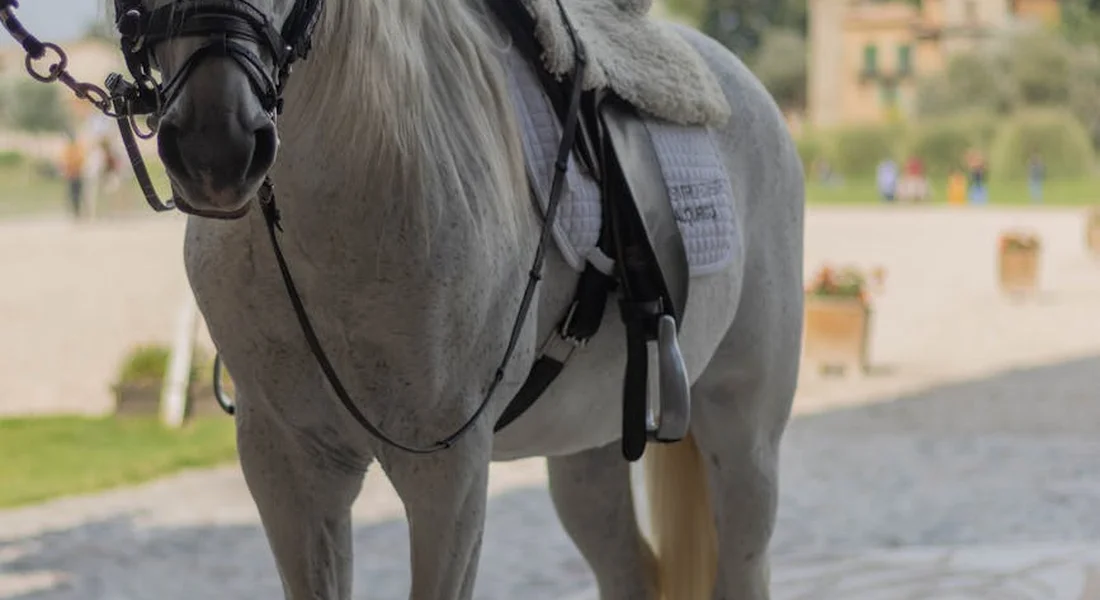
Weather Protection and Nutritional Supplements
The creak of a barn door in a winter wind is a sound that tells me it’s time to talk about the extras. Your daily tools keep the horse fed and clean, but this next layer of gear keeps them comfortable and thriving through sun, rain, and everything in between. Investing in the right seasonal protection isn’t about coddling; it’s about respecting the horse’s basic need for shelter and metabolic balance, which they can’t always find in a paddock. It’s essential to prepare your horse and barn for colder weather to ensure their well-being during autumn and winter.
Let’s start with blanketing, a topic that can start stable-yard debates. My old gelding Rusty grew a woolly mammoth coat and stayed toasty with just a run-in shed, while Luna, the Thoroughbred, would shiver in a mild drizzle. Your horse’s natural coat, age, and available shelter dictate the need.
- Turnout Sheets & Blankets: These are your workhorses. A waterproof turnout sheet is for wind and rain. A medium-weight or heavyweight turnout blanket adds warmth for clipped or thin-coated horses. Feel the lining; a smooth, tough denier outer shell and a soft, breathable inner layer prevent rubs.
- The Fit Check: A poorly fitted blanket is a misery machine. The front closure should sit on the chest, not the throat. You should fit a flat hand under the withers area. The tail flap should cover without restricting. Watch for rubs at the shoulders-that’s often a sign of poor design or size.
- Summer Armor: A lightweight, UV-protective fly sheet is a game-changer. It guards against biting insects and sun bleaching. I’ve seen a pink-nosed pony like Pipin turn into a sunburned mess without one. Pair it with a fly mask to protect eyes and ears from gnats.
Now, let’s step inside the feed room. The supplement aisle can be overwhelming, a wall of promises for glossy coats and magical healing. My first rule, forged from years of wasted dollars: a horse on excellent forage and a balanced ration often needs no supplements at all. Start with a forage test, then consult your vet or an equine nutritionist.
That said, some targeted supports have earned a permanent spot on my shelf. I think of them as insurance policies, not daily miracles.
- Joint Support: For an aging athlete like Rusty, a glucosamine/chondroitin or MSM supplement can help maintain fluid movement. I noticed a freer stride in his walk up the hill after a few months on a consistent product.
- Electrolytes: For heavy sweating during summer work or travel, plain salt isn’t enough. A balanced electrolyte paste or powder in their feed replenishes what’s lost. Luna would get a dose after a spirited training session to keep her hydrated.
- Hoof Supplements: Biotin is the star here, but it works best with a full spectrum of amino acids and minerals. This isn’t a quick fix; you’re feeding the new hoof growth from the inside, which takes nearly a year to see from coronary band to ground.
Always introduce any new supplement slowly, over 7-10 days, to avoid digestive upset, and remember that more is never better-precision is key. The thud of a healthy hoof and the sight of a comfortable horse, dry under his blanket in a downpour, are the quiet rewards of getting this specialized gear right.
FAQ: Essential Supplies for a First-Time Horse Owner
What are the most critical items to purchase first if I’m on a tight budget?
Prioritize a safe, well-fitted halter and lead rope, a hoof pick, and a basic grooming kit for daily health checks. Next, invest in essential feeding supplies like a sturdy water bucket, a grain bucket, and a hay feeder to meet your horse’s fundamental needs. A basic first aid kit and the knowledge to use it are more important than specialized tack before your first ride.
How should I organize and store all these new supplies?
Use clear, labeled storage tubs to separate categories like grooming, first aid, and tack cleaning in a dry, rodent-proof area. Keep daily-use items like your grooming tote and hoof pick in an easily accessible spot near your horse’s stall or grooming area. Designate a specific rack or hook for your saddle, bridle, and blankets to prevent damage and ensure they air out properly after use.
How often do I need to check and replace these essential items?
Inspect safety-critical items like your halter, lead rope snaps, and girth for wear before every single use, replacing anything frayed or weakened. Clean and condition leather tack regularly and thoroughly check saddle fit and bit condition with each change of season or your horse’s body shape. Plan to replace consumables like fly spray, wound ointment, and electrolytes before they expire and reassess blanket fit and supplement needs annually.
Gear Up, Then Listen Up
Start with the fundamental five items-a halter, lead rope, hoof pick, grooming kit, and basic first-aid supplies-before building out your tack room. The single most important supply you can get isn’t an object; it’s the phone number of a trusted, experienced trainer who can help you select and fit everything correctly.
Your new partnership is built on patience and observation more than any product. A happy nicker when you arrive with a halter tells you more about your progress than any checklist ever could.
Further Reading & Sources
- All the beginners items for horses | The Horse Forum
- The 40 Best Supplies for a Horse: New Horse Owner Checklist | Chewy
- A List of Equipment You’ll Need for Your First Horse
- The Horse Owner’s Shopping List of Basic Horse Supplies – My New Horse
At Horse and Hay, we are passionate about providing expert guidance on all aspects of horse care, from nutrition to wellness. Our team of equine specialists and veterinarians offer trusted advice on the best foods, supplements, and practices to keep your horse healthy and thriving. Whether you're a seasoned rider or new to equine care, we provide valuable insights into feeding, grooming, and overall well-being to ensure your horse lives its happiest, healthiest life.
Uncategorized