
How to Take Your Horse’s Vital Signs: A Step-by-Step Guide for Horse Owners
Hello fellow equestrians. That moment when your horse is quieter than usual or refuses a treat-it’s enough to make any owner’s heart skip a beat. Worrying about unseen illness or a surprise vet bill is a real stress we all share.
In this guide, I’ll walk you through checking the key vital signs every horse owner should know. We’ll cover:
- How to safely and accurately take your horse’s temperature.
- Finding the pulse and calculating a resting heart rate.
- Counting breaths to monitor respiration.
- Performing a simple capillary refill test.
- Listening for healthy gut sounds and what silence might mean.
With years of barn management and horse training under my belt, I’ve learned that knowing your horse’s baselines can save both worry and wallet.
Why Your Horse’s Vital Signs Are Your Early Warning System
Think of vital signs as your horse’s body talking to you in numbers. They are the core measurements of temperature, heart rate, and respiration that tell you how the engine is running. Tracking these numbers regularly builds a priceless health baseline for your individual horse, so you can spot a deviation long before it becomes a crisis. I check my crew’s vitals every Sunday evening; it’s our quiet ritual that has caught more than one sneaky problem. For a full, practical roadmap, the ultimate horse health troubleshooting checklist head-to-tail guide is a natural next step. It ties your vitals and daily observations into concrete actions you can take to safeguard health.
Take my old reliable, Rusty. Last spring, he was eating fine but just seemed a tad “off”-a little quieter in his stall, less eager for his evening carrot. His temperature was 101.5°F, just a degree above his normal. That tiny spike was our early warning. A call to the vet the next morning caught a minor infection before it had a chance to bloom into a full-blown fever. Knowing his normal made that slight change shout when it would have otherwise whispered.
Here are the standard resting ranges for a healthy adult horse. Remember, your horse’s personal normal might sit anywhere within these bounds.
| Vital Sign | Normal Resting Range |
| Temperature | 99.0°F – 101.5°F (37.2°C – 38.6°C) |
| Heart Rate (Pulse) | 28 – 44 beats per minute (BPM) |
| Respiration Rate | 8 – 16 breaths per minute |
What Vital Signs Tell You About Health
Each vital sign is a window into a different system. Temperature is your infection alarm. A rise often means the body is fighting something, like a brewing abscess or a respiratory bug. Heart rate is the meter for pain, stress, or cardiovascular fitness; think of it as the body’s idle speed. A resting rate that’s too high can signal colic pain or anxiety. Respiration rate and effort show how hard the lungs are working. Raspy sounds or flared nostrils with a high rate point straight to respiratory distress.
The Cost of Waiting: Catching Issues Early
Waiting to see if a problem “passes” is a gamble with your horse’s comfort and your wallet. Catching dehydration early by checking capillary refill time is a five-second test that can prevent a thousand-dollar vet visit for impaction colic. The gentle, anxiety-free monitoring you do at home builds confidence. It stands in stark contrast to the panic of a late-night emergency call where every minute feels like an hour. Early knowledge is your best tool for gentle, effective care.
Gathering Your Toolkit: What You Need for a Check-Up
You don’t need a fancy clinic. With a few simple tools, you can gather reliable data. Always have a calm helper hold your horse for safety. A dedicated “vet kit” stored in a clean tub saves precious time when you need it most.
| Tool | Primary Use | Budget-Friendly Note |
| Digital Thermometer | Taking rectal temperature | Get one with a flexible tip and a lanyard. A string and clip prevents loss. |
| Stethoscope | Listening to heart rate and gut sounds | A basic nursing model works perfectly. Clean the ears after each use. |
| Stopwatch or Smartphone | Timing heart and respiration rates | Your phone’s timer function is ideal. Just keep it on silent. |
Essential Items for Every Barn
Let’s break down each tool’s job. A digital thermometer gives you a clear number in seconds; always use a dab of lubricant for your horse’s comfort. Your stethoscope is for more than the heart; pressing it gently against the flank lets you hear the essential gurgles and pops of healthy gut motility. I keep a dedicated kit with these items, plus a notepad to log values. This routine turns guesswork into informed care.
Making Do: When You’re Without a Stethoscope
Forgot your stethoscope at home? You can still get a good pulse. Locate the facial artery that runs along the inside of the jawbone. Press your fingertips gently underneath the jaw, just forward of the large cheek muscle. Feeling for that rhythmic thud against your fingers is a direct line to your horse’s circulatory state. Follow these steps:
- Stand at your horse’s shoulder, facing their head.
- Use your index and middle fingers to find the pulse under the jaw.
- Do not use your thumb, as it has its own pulse.
- Watch your stopwatch for 15 seconds, count the beats, and multiply by four.
The pulse should feel strong and regular. A weak, thready, or erratic feel is a red flag worth a vet call.
The Step-by-Step Vital Signs Check: A Calm Routine
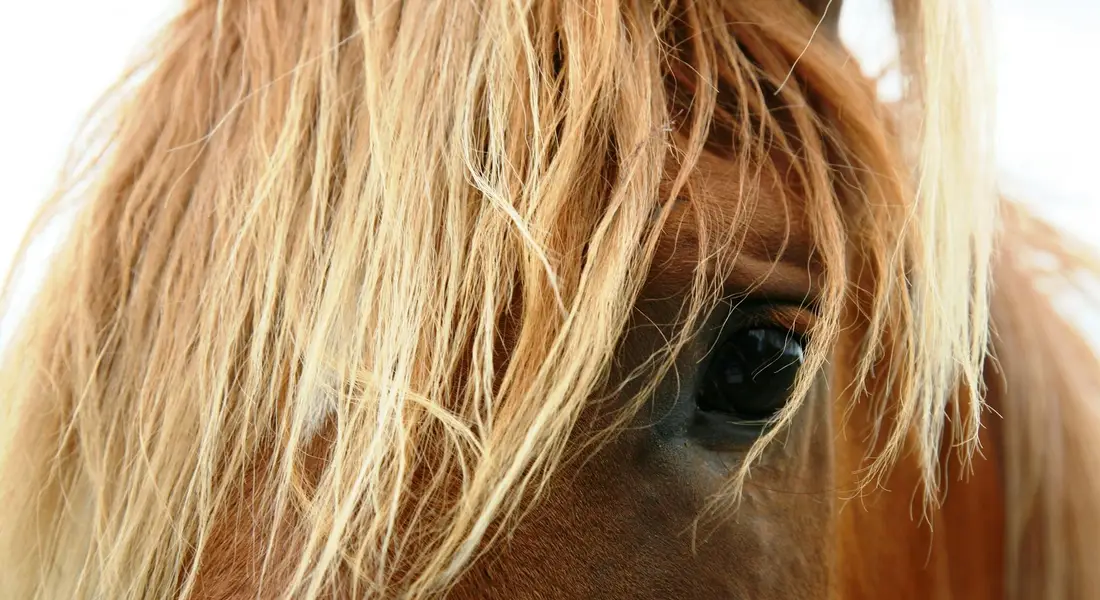
Turn this into a quiet, observant ritual you both can trust. Pick a peaceful spot after your horse has rested, like their stall or a shady corner of the paddock, when the only sounds are the thud of hooves on dirt and the rustle of bedding. I always start with Luna after she’s had her morning turnout, when her high-energy edge has softened. Move slowly and talk softly. This quiet routine helps you build a strong bond and trust your horse. Over time, calm, predictable signals deepen that partnership.
Step 1: Taking Your Horse’s Temperature
A digital readout gives you the first clue to internal battles. Always use a digital thermometer with a string and clip attached to prevent it from getting lost.
- Secure your horse with a halter. Stand at their side, near the hip.
- Coat the thermometer tip with a water-based lubricant or petroleum jelly.
- Lift the tail gently and insert the thermometer into the rectum, angling it slightly downward. Hold it steady.
- Wait for the beep, then remove and clean it.
The textbook normal range is 99 to 101°F. Any temperature over 101.5°F when your horse is fully at rest is a clear signal to phone your veterinarian. A recent trot around the field can skew results, so patience is key. Temperature is just one part of a horse’s vital signs. When you also monitor normal temperature heart rate and respiration, you gain a clearer picture of well-being and when to call your vet. With Pipin, our food-motivated pony, I have a helper offer a slow-release treat ball; his focus on the crunchy snack keeps him perfectly still.
Finding the Normal Range
Your horse’s “normal” is personal. Take a temperature reading on a quiet, healthy day to establish a reliable baseline for your individual horse. A seasoned campaigner like Rusty might sit at 99°F, while a finer-built Thoroughbred like Luna could naturally run closer to 101°F. Record these numbers in your barn log—they’re more valuable than you think, especially when assessing seasonal changes in stable temperature.
Step 2: Measuring Heart Rate and Pulse Quality
This number tells you how hard the engine is running. Press a stethoscope firmly behind the left elbow, right where the girth rests, to catch the distinctive lub-dub rhythm. Count the beats for 15 seconds and multiply by four to get beats per minute (BPM).
A healthy resting heart rate falls between 28 and 44 BPM. A persistent rate above 50 BPM in a calm horse can be a whisper of pain, anxiety, or cardiovascular strain. Feel the pulse’s character, too—a strong, steady wave is good; a faint, skipping thread is not. Understanding how heart rate and respiration reflect fitness helps tailor training and recovery. The next steps provide practical ways to monitor these indicators in daily work.
Locating the Pulse Points
Your fingers are fine tools. The facial artery, a cord-like vessel under the jawbone, offers an easy pulse point-apply light pressure until you feel the tap. For the digital artery, run your fingers along the inside of the fetlock. Practice on a steady horse like Rusty until the rhythm feels familiar under your fingertips.
Step 3: Counting Respiration Rate and Effort
Watch the flank rise and fall like a gentle bellows. Count each complete breath (one inhale and one exhale) for 30 seconds, then multiply by two for breaths per minute. Normal respiration is 8 to 20 breaths per minute.
Pay attention to the effort behind each breath. Silent, easy movement is the goal; visible abdominal heaving or pronounced nostril flare means your horse is laboring to breathe. After a workout, Luna might show a little flare, but at rest, her nostrils should be soft and quiet.
Observing for Nasal Flaring
Flared nostrils at rest are an alarm bell. This is your horse’s equivalent of gasping for air, indicating possible airway obstruction or severe respiratory distress. Compare it to the barely perceptible movement of normal, quiet breathing. A dusty hay net or poor stall ventilation can irritate airways, so always assess the environment as part of the check.
Step 4: Assessing Hydration with Mucous Membranes and CRT
Gum health is a direct window to hydration. Lift your horse’s lip and look at the gum color above the front teeth-it should be a moist, salmon pink. Now, press your thumb firmly on the gum for two seconds to blanch it, then release.
Time how many seconds for the color to flood back. A capillary refill time (CRT) of one to two seconds is perfect; three seconds or more signals dehydration that needs addressing. I do this quick check on all the horses every evening, especially after a hot day.
Checking Gum Color and Capillary Refill Time
The gums tell a vivid story. Use this simple guide to interpret what you see and feel:
- Pale or White Gums: Can point to blood loss, shock, or anemia.
- Bright Red Gums: Often associated with toxicity or severe overheating.
- Blue or Purple Gums: Indicate a critical lack of oxygen-this is an emergency.
A delayed CRT with any abnormal color requires immediate veterinary attention. This two-part check takes seconds but can reveal life-saving information.
Step 5: Listening to Gut Sounds with Auscultation
Those rumbles are the sound of a healthy digestive tract at work. Press your ear or a stethoscope firmly against the barrel, high on the flank just behind the last rib, and listen on both the left and right sides. You want to hear a mix of gurgles, pings, and long rolling sounds.
Silence, or very sparse sounds, is a classic warning sign for impaction colic. I always perform this step last in my routine, as it involves touching the sensitive belly area when the horse is already settled. With Rusty, I wait until he’s drowsy, listening for those comforting grumbles that mean all is well.
Reading the Signs: What Normal and Abnormal Look Like
You’ve got the numbers, but now you need to translate them. Normal vitals are your horse’s health signature, while abnormal readings are urgent memos from their body. The difference isn’t always dramatic; sometimes it’s a subtle shift in a familiar pattern.
I learned this with my own crew. Rusty’s steady pulse is a slow drumbeat, while Luna’s often dances a bit faster-knowing their personal baselines is my first line of defense. Trust your observation over a textbook number every time; if your gut says something’s off, listen to it. Here’s a clear table to help you spot the deviations.
| Vital Sign | Normal Range | Abnormal Indicator |
|---|---|---|
| Temperature | 99°F – 101°F (37.2°C – 38.3°C) | Sustained reading above 102°F (38.9°C) |
| Heart Rate (Resting) | 28 – 44 beats per minute (bpm) | Consistently over 60 bpm while fully relaxed |
| Respiration Rate (Resting) | 8 – 16 breaths per minute | Labored effort, flaring nostrils, or rate above 30 |
| Gut Sounds | Frequent clicks and gurgles from both sides | Silence for over a minute or sounds only in one area |
| Capillary Refill Time (CRT) | 1 – 2 seconds | Color returns in more than 3 seconds |
This table is a guide, not a gospel. Your horse’s environment and mood play huge roles in their readings, so always consider the context before sounding the alarm.
Interpreting Your Horse’s Vital Signs Chart
Think of each vital sign as a piece of a puzzle. A single odd number might be a fluke, but a pattern of them tells a true story. I always re-check any questionable reading after my horse has settled in their stall or a quiet paddock.
Use this step-by-step approach to interpret your chart:
- Temperature: A slight evening rise is normal. If you get a reading of 101.5°F, note the time of day and your horse’s activity. Wait twenty minutes in the shade and take it again if you’re concerned.
- Heart Rate: True rest is key. Luna’s heart can race just from hearing a plastic bag rustle. If the rate is high, ensure all stress factors are removed and re-assess.
- Respiration: Watch the flank. It should rise and fall smoothly. Shallow, quick breaths or visible heaving are more telling than the number alone.
- Gut Sounds: Listen like you’re tuning a radio. You want a variety of soft pops and rolls. I check all four quadrants; silence in even one is a note for my vet log.
- Capillary Refill Time (CRT): Press the gum, release, and count. Slow refill often means dehydration, which I’ve caught early on hot days with Pipin by pairing this with skin-pinch test.
When any parameter sits just outside the normal range, note it, create a calm environment, and take a second measurement before you decide on your next move.
Red Flags: Signs That Need Immediate Attention
Some signs bypass the “wait and see” phase entirely. These red flags are your cue to stop diagnosing and start dialing your veterinarian. I’ve seen enough colics and fevers to know that speed saves.
- Temperature firmly above 102°F (38.9°C): This isn’t just a warm horse; it’s a likely fever signaling infection or heatstroke.
- Resting heart rate over 60 bpm that doesn’t drop with calm: This often points to acute pain or systemic distress, like the time Rusty’s pulse stayed high before a colic episode.
- Complete absence of gut sounds: A silent belly is a major warning sign for impaction or other digestive shutdown.
- Labored respiration at rest: If your horse is working hard to breathe while standing still, it’s an airway or cardiac emergency.
- CRT longer than 3 seconds with other signs: Coupled with dry gums or lethargy, this indicates serious dehydration or shock.
- Signs of profound pain: This includes constant pawing, sweating at rest, or repeatedly looking at their side.
Your proactive observation is a cornerstone of gentle horsemanship, turning you from a passive owner into an active guardian of their well-being.
Creating a Baseline: The Power of Record Keeping
Think of your horse’s normal vitals as their personal fingerprint-knowing it is your first line of defense. I make it a habit to log vital signs for every horse in my care at least once a week, when they are feeling perfectly fine. This routine builds a priceless baseline that lets you spot the slightest deviation long before a horse looks “off.” It transforms you from someone who just takes a temperature to someone who understands a history. My method is old-school but foolproof: a waterproof notebook lives on a hook in the feed room, its pages smudged with dirt and dotted with notes about Rusty’s calm demeanor or Luna’s more spirited days.
Consistency turns random numbers into a clear story of your horse’s health. When you have a record, you’re not guessing if a pulse is high; you’re comparing it to the quiet afternoon last Tuesday when everything was normal. This is how I caught a subtle fever in Luna last spring; her temperature was only a degree up, but it was a degree above *her* normal, which I knew because I’d written it down. Here is exactly what I jot down every time:
- Date and time: Vitals can fluctuate throughout the day.
- Resting Heart Rate (Pulse): In beats per minute.
- Respiratory Rate: Breaths per minute.
- Temperature: In degrees Fahrenheit.
- Gut Sounds: A simple note like “active” or “quiet.”
- Hydration Check: Skin tent test result.
- Horse’s Behavior: Key context. Was he dozing? Eager for dinner? A little spooky?
How to Log Vital Signs for Triage
When your horse is colicking, you won’t have time to search for a pen. Keep your logging system stupidly simple: a pre-printed sheet on a clipboard or a notes app on your phone that you actually use. I use a basic spreadsheet for each horse, printed weekly and stored with the barn notebook. The real magic is in the timing-always take these baseline readings at a similar, quiet time of day, like late morning before lunchtime excitement kicks in.
This discipline turns your scribbles into a powerful triage tool for your vet. A detailed log allows you to say, “Her pulse has been 38 at rest for months, and now it’s 55,” which is far more urgent than just “her pulse seems fast.” It provides concrete trends, showing if a change is sudden or has been creeping in, which drastically changes the diagnostic picture.
Using Observation and Timing Effectively
Timing is everything, and the best time to get a true resting reading is before a meal when your horse is relaxed in their stall or paddock. Always take vital signs before feeding or strenuous work, as both can naturally elevate heart and respiratory rates. Even anticipation can skew your numbers; the crinkle of a feed bag or the sight of a saddle can send those values climbing without any actual illness.
You must become a detective of normalcy. I know Pipin’s “escape artist” stress signature-a elevated pulse paired with his ears constantly flicking toward the gate-isn’t sickness, it’s just him plotting his next great adventure. By observing and recording the context, you learn to separate everyday anxiety from genuine distress. This practice is a cornerstone of gentle horsemanship, ensuring you act on facts, not fear.
When to Pick Up the Phone: Consulting Your Vet
Knowing your horse’s normal numbers is powerful, but knowing when to act on the abnormal ones is wisdom. My rule is simple: one weird sign is a note, but two or more are a phone call for early signs of illness or injury. If Rusty has a slightly elevated temp but is otherwise bright-eyed and eating, I’ll monitor him closely. If he also has an elevated pulse and seems dull, the vet gets a call immediately.
- Multiple Abnormal Signs: A combination of fever, high heart rate, and abnormal respiration is a major red flag.
- Signs of Acute Pain: Rolling, looking at the flank, sweating profusely at rest, or refusing to bear weight on a limb are emergencies.
- Sudden, Dramatic Changes: A resting heart rate that jumps from 36 to 60 for no apparent reason demands investigation.
- Colic Symptoms: Any vital sign deviation coupled with reduced manure output or off feed is a vet situation.
Erring on the side of caution is never wrong. A good equine vet would much rather you call with detailed, calm observations than wait until a crisis unfolds. Your vital sign check transforms you from a worried owner into a valuable field reporter for your veterinary team.
From Anxiety-Free Check to Veterinary Guidance
When you do call, clear communication turns your home check into a diagnostic tool. I keep a notepad in the tack room for this. Start with the facts: “Hi, it’s about my Quarter Horse, Rusty. His temp is 102.5, his resting pulse is 60, and his gums are a bit pale.” Then layer in the behavioral and environmental context.
- Report the Numbers: State each vital sign clearly. “Respiration is 20, and gut sounds are reduced in the lower left quadrant.”
- Describe Demeanor: “He’s standing in the corner, uninterested in hay, and he kicked at his belly once.”
- Give a Timeline: “He was fine at morning feeding. I noticed this at 2 PM during turnout.”
- Mention Recent Changes: “We had a new hay delivery yesterday, and the weather shifted dramatically.”
This isn’t second-guessing-it’s partnership. Gentle horsemanship isn’t just about soft hands; it’s about having the humility to know when your expertise ends and the vet’s begins. Providing this detailed picture helps your vet decide if they can talk you through the next few hours or need to load the truck immediately.
Environmental Factors That Affect Vital Signs
Before you panic over a number, always consider the context. A horse’s body responds to its environment, and what looks like illness might just be a reaction to a hot day or a spooky plastic bag. I’ve seen Luna’s heart rate sit ten beats higher on a windy day when the flags are snapping-it’s not fever, it’s thoroughbred drama. Learn your horse’s personal stressors.
- Heat & Humidity: Both will elevate respiration and pulse as the horse works to cool itself. Provide shade and water.
- Extreme Cold: Can cause slight increases in heart rate as the body works to maintain core temperature.
- Stress & Excitement: A new environment, herd tension, or even anticipation of work can cause temporary spikes.
- Recent Exercise: Obviously, vitals will be elevated post-ride. Always take true “resting” vitals before work or long after cooling down.
Take a breath and assess the whole scene. Is Pipin’s breathing fast because he’s sick, or because he just executed his great pasture escape and sprinted two laps of honor? Context turns data into understanding. Note the conditions when you take your baseline readings, so you have a true “at rest, at home” standard to compare against.
Frequently Asked Questions: How to Take Your Horse’s Vital Signs
What does a horse vital signs chart not tell me?
A standard chart provides average ranges, but it cannot tell you your individual horse’s personal baseline. It also doesn’t account for temporary environmental factors like heat or excitement that can affect readings. The chart is a general guide, but your own recorded history for your horse is the most powerful comparison tool.
What factors can cause a healthy horse’s vital signs to temporarily fall outside the normal chart ranges?
Recent exercise, anxiety, extreme heat, or even anticipation of feeding can cause temporary elevations in heart and respiration rates. A horse’s temperature can also have a natural daily fluctuation, often being slightly higher in the evening. These contextual factors are why taking readings when your horse is truly at rest is so important for accuracy. Understanding a horse’s sleeping and resting behavior helps clarify what ‘at rest’ should look like in measurements. This context makes it easier to identify genuine resting baselines vs. transient arousal.
How often should I check my horse’s vital signs to establish a useful baseline chart?
You should check and record your horse’s vitals at least once a week when they are healthy and completely relaxed. This builds a historical record that is far more valuable than a generic chart. Consistency in timing and conditions will help you identify their true personal normal ranges for comparison when they are unwell. Daily checks for a healthy horse are crucial for early identification of any issues.
Your Daily Health Check
Make taking vitals a calm, consistent part of your routine to establish a personal baseline for your horse. The real value isn’t in a single number, but in knowing your horse’s normal so you can instantly recognize when something is off.
Go slow, be safe, and let this practice deepen your partnership. Those quiet moments with a stethoscope are your best chance to listen before a small change becomes a big problem.
Further Reading & Sources
- How to Take Your Horse’s Vital Signs
- Horses: the vital signs
- Vital Signs of the Adult Horse
- From Normal to Not: How to Take Accurate Vital Signs
At Horse and Hay, we are passionate about providing expert guidance on all aspects of horse care, from nutrition to wellness. Our team of equine specialists and veterinarians offer trusted advice on the best foods, supplements, and practices to keep your horse healthy and thriving. Whether you're a seasoned rider or new to equine care, we provide valuable insights into feeding, grooming, and overall well-being to ensure your horse lives its happiest, healthiest life.
Health