
How Much Hay Should a Horse Eat Daily? Complete Feeding Guide
Published on: January 14, 2026 | Last Updated: January 14, 2026
Written By: Henry Wellington
Hello fellow equestrians. Staring at a hay net and wondering if you’re filling it too much or too little is a quiet stress we all know. Get it wrong, and you might face a colic scare, a cranky mount, or a feed bill that makes your wallet wince.
I’ve spent countless mornings in the chill of the barn, listening to the steady crunch of hay and adjusting rations for every personality, from Pipin the pony to Luna the thoroughbred. This guide will give you the clarity you need, covering:
- The straightforward calculation to determine your horse’s perfect daily hay ration.
- How to select hay based on its type, cutting, and your horse’s unique needs.
- Feeding strategies that promote natural grazing and keep your horse happily occupied.
My years as a barn manager and trainer have been built on getting the fundamentals-like forage-right for every horse in my care.
The Golden Rule: Daily Hay Intime and Why It Matters
Here’s the bedrock principle of equine nutrition: a horse should eat 1.5% to 2% of its body weight in forage every single day. For the average 1,000-pound horse, that’s 15 to 20 pounds of hay. Think of hay not as a meal but as their full-time job. It’s what their entire biology is built to do. Mastering this foundation is central to equine nutrition basics for optimal health and performance. It guides how we balance forage with the rest of the diet to support energy and athletic goals.
Grazing is a physical and psychological necessity. An empty hay net is a red flag, not just an empty feeder. I’ve seen the shift in stable energy when the hay delivery is late; the peaceful chewing stops, and a restless anxiety takes over. Constant access to forage is the cornerstone of a calm mind and a healthy gut, not a luxury we sometimes provide.
Why Roughage is the Heart of the Diet
A horse’s digestive tract is a fermentation vat on the move. The microbes in their hindgut need a steady supply of fiber to function, generating heat and nutrients. That satisfying, rhythmic crunch of chewing isn’t just a pleasant barn sound-it produces saliva, which buffers stomach acid and helps prevent ulcers. This invites the question: does a horse’s digestive system work as a coordinated whole? It helps explain how feeding and gut microbes shape health.
When the stomach is empty, acid can splash onto unprotected upper lining. It’s a slow, painful burn. We prevent this by ensuring the fermentation factory always has fuel. The steady munching on hay mimics natural grazing, keeping the gut contented and the horse both physically and mentally occupied.
Spotting Trouble: Signs of Too Little or Too Much Hay
Your horse will tell you if the hay math is off. Watch for these signals.
Signs of Underfeeding (Too Little Hay):
- Physical: Ribs, spine, or hip bones becoming prominent. A dull, rough coat. Poor hoof growth.
- Behavioral: Wood chewing, stall weaving, or pawing. Aggression around feeding time. Consuming bedding or dirt.
Signs of Overfeeding (Too Much Hay):
- Physical: A cresty neck, fat pads over the ribs, and an overall obese condition. Increased risk of laminitis, especially in ponies like Pipin.
- Behavioral: Wasteful tossing of hay. Lethargy or lack of energy, as seen in some easy keepers who get too much of a good thing.
Calculating Your Horse’s Perfect Hay Portion
Let’s move from theory to the feed room. Guessing leads to trouble, so here is your actionable plan.
Step 1: Get an Accurate Body Weight
Do not eyeball this. A weight tape around the heart girth is your best friend and gives a good estimate. For a more precise number, use this formula: (Heart Girth in inches x Heart Girth in inches x Body Length in inches) / 330. Measure from point of shoulder to point of buttock. An error of 100 pounds means a miscalculation of 1.5-2 pounds of hay daily, which adds up fast.
Step 2: Apply the Percentage Rule
Take your horse’s weight. Multiply it by 0.015 (for 1.5%) and 0.02 (for 2%). This gives you your daily range. Let’s use Luna, our 1,000-pound Thoroughbred.
- 1,000 lbs x 0.015 = 15 pounds (minimum)
- 1,000 lbs x 0.02 = 20 pounds (maximum)
A good starting point is often 1.75%, or 17.5 pounds for Luna. Adjust within the range based on her workload, metabolism, and the weather. A hard-keeping, high-energy horse like her may need the upper end when in work.
The Critical Difference: Weight vs. Volume
This is where many well-meaning owners slip. A “flake” is not a unit of measure. I’ve lifted bales where a single, dense flake of grass hay weighed five pounds, and bales where three fluffy flakes of leafy alfalfa made up the same weight. Feeding by flakes is like cooking by the handful instead of the cup.
You must use a scale. Hang a small digital scale in your feed room and weigh your hay nets or use a bathroom scale under a hay tub. For one week, weigh every portion you feed; this simple habit will forever change your understanding of your horse’s true intake. It’s the only way to feed with confidence and precision.
What Changes Your Horse’s Hay Needs? Key Factors

Figuring out the 1-2% rule is just the start. From my years in the barn, I’ve learned that two horses, side-by-side in identical stalls, can have wildly different requirements. The true art of feeding lies in observing your individual horse and adjusting for their unique situation. Think of Pipin the clever pony and Luna the fiery Thoroughbred-their menus should never look the same.
Age and Life Stage Adjustments
A horse’s teeth and digestive efficiency change over time. A young horse with a mouthful of good teeth processes hay differently than a wise old soul. You must adapt to their life stage.
- Seniors & Worn Teeth: Old horses often struggle to chew long-stem hay properly. You’ll see wads of half-chewed hay, called “quids,” dropped near their feeder. This wastes nutrition and risks choke. Switching to a softer, leafy second-cutting hay or even a complete senior feed can be a game-changer. I regularly soak hay for older boarders to create a soft, mash-like consistency that’s easy to eat and hydrating.
- Growing Youngsters: Weanlings, yearlings, and two-year-olds are building bone and muscle. They need high-quality protein and balanced minerals more than sheer volume of hay. Their forage must be excellent-clean, free of mold, and nutrient-dense. They eat a smaller percentage of their body weight, but what they eat must be top-tier.
- Easy-Keeping Adults (and Ponies!): This is Pipin’s category. These horses seem to gain weight from smelling hay. For them, the 1% of body weight guideline is often the ceiling. Use a slow-feed net, offer lower-calorie grass hay, and monitor their body condition score like a hawk. They are masters at convincing you they’re starving.
Activity Level: Pasture Potato vs. Working Athlete
Calories burned must be replaced. My reliable trail horse, Rusty, might do a two-hour hack on Saturday, but his Tuesday is mostly standing around. Luna, in training, works diligently five days a week. Their fuel tanks are sized differently.
- The Pasture Pet or Light Trail Horse: This is Rusty’s world. Good-quality hay at roughly 1.5% of his body weight is usually perfect. His work is moderate and steady, not intense. The key for horses like him is consistent, slow-digesting forage to keep his gut happy and his mind calm during days off.
- The Horse in Training: Luna falls here. She burns significant energy. She’ll likely need hay at the full 2% of her body weight, and it may need to be a richer legume or grass mix. Never skimp on her forage to add more grain; that’s a shortcut to ulcers and behavioral issues. The hay is her basecamp.
- The High-Performance Athlete: Think eventers, racehorses, elite show jumpers. Their caloric needs can exceed what hay alone can provide. Yet, forage remains the bedrock. You increase their hay to the maximum safe amount for their weight, then carefully supplement with concentrated feeds like grains or fats to meet the energy deficit. The gut must always be moving.
Watch the manure and the ribs. A working horse eating enough good hay will have firm, moist droppings and maintain a steady weight. If the manure becomes dry or the ribs start to show, the hay amount or quality needs a bump, pronto.
Hay Quality and Type: Choosing What to Feed
Think of hay as the foundation of your horse’s diet. Getting this right affects everything from their energy to their hoof health. You must learn to assess it with your senses and understand the different types. You might also wonder about straw—do horses eat straw, and how does that fit into their diet? Understanding the role of different forages helps you plan a safe, balanced diet. Good hay supports steady digestion and keeps your horse content during long stall hours or turnout. Let’s break down how to choose the best forage for your herd.
Judging Hay Quality: A Sensory Guide
Forget fancy lab tests for a moment. Your nose, eyes, and hands are your best tools. High-quality hay has a distinct profile you can learn to recognize.
- Look for Color: Aim for a bright, leafy green. Hay that’s faded to yellow or brown has lost nutrients. A little sun-bleaching on the outside of a bale is normal, but the inside should still be green.
- Sniff for Freshness: Take a deep breath. It should smell sweet and clean, like dried grass or a summer meadow. Musty, sour, or sharp odors scream mold. Dust makes you cough? Your horse will cough too.
- Feel for Texture: Grab a handful and gently squeeze. It should feel soft and pliable, not brittle or stemmy. You want more leaves than tough stalks. Check for excessive heat, which can signal fermentation or moisture.
I learned this the hard way with a batch of timothy that looked fine from the outside. When I cracked open a bale for Luna, a cloud of fine dust poofed out, and the smell was off-like damp cellar. My sensitive Thoroughbred immediately turned her head away. We rejected the entire load. Trust your gut and your horse’s reaction; they’re often the best judges.
Grass Hay vs. Alfalfa: Picking the Right Forage
Not all hay is created equal. The main choice is between grass hays (like timothy, orchard, or bermuda) and legume hays (like alfalfa). Your horse’s job and body condition dictate the pick. A complete comparison of hay types can help you decide which options are best for your horse. Our guide walks through the pros and cons of each type.
Grass hay is your go-to for maintenance. It’s lower in protein and calories but high in fiber. This is perfect for most pleasure horses, easy keepers, or those in light work. My quarter horse, Rusty, thrives on a diet of mostly good orchard grass. It keeps his weight steady without making him fizzy.
Alfalfa is your nutrient-dense power feed. It’s rich in protein, calcium, and calories. Use it strategically: for putting weight on a thin horse, fueling a high-performance athlete, or for growing youngsters. I’ll mix a flake of alfalfa into Pipin the pony’s ration in deep winter, but I’m careful. Too much can lead to hot behavior or excess weight, especially in ponies and easy keepers.
Here’s a simple guide to help you decide:
| Choose Grass Hay When… | Consider Alfalfa When… |
|---|---|
| Your horse is an easy keeper or overweight. | You need to add healthy weight or condition. |
| They are in light work or retired. | They are in heavy training, breeding, or still growing. |
| You need a lower-protein diet for metabolic issues. | Your horse is a hard keeper who struggles to maintain weight. |
Most barns use a mix. You might feed grass hay free-choice and supplement with a measured amount of alfalfa. Always introduce new hay slowly over a week to avoid digestive upset. Alfalfa hay can benefit horses by supporting weight and energy needs when fed appropriately. Following feeding recommendations helps balance its higher protein and mineral content with total daily intake. Your hay choice directly impacts your horse’s well-being, so take the time to select it with care.
Feeding Hay for Specific Health Goals
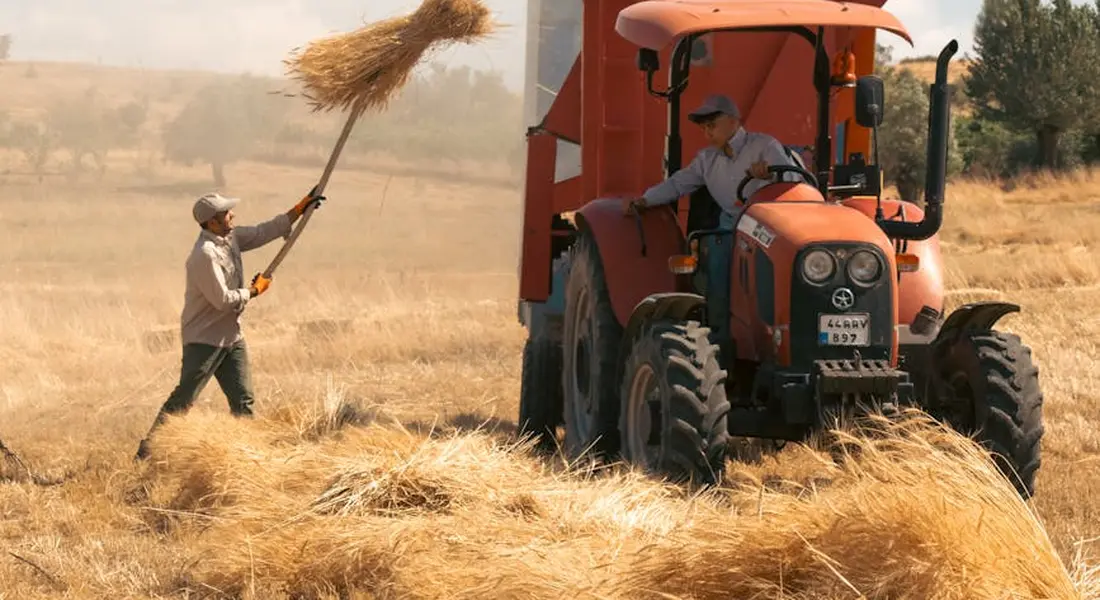
Hay is not a one-size-fits-all meal. Adjusting what and how you feed it directly targets your horse’s well-being, from waistline to mindset. Think of hay as your primary tool for shaping health, not just filling bellies. Whether you’re managing a portly pony or a lean thoroughbred, strategic forage use supports weight goals and wards off common stable issues.
Hay Strategies for the Overweight Horse
Port control is everything with an easy keeper. I learned this with Pipin, our Shetland, who treats a lush pasture like an all-you-can-eat buffet and transforms into a wooly barrel. The goal is slow, consistent weight loss, not crash dieting.
- Choose lower-calorie grass hays like mature timothy, orchard grass, or bermuda.
- Measure portions by weight using a scale; a “flake” is an unreliable guess.
- Use a slow feeder net or hay bag to stretch eating time to 12-16 hours.
These methods mimic natural trickle-feeding without the calorie overload. Starving a horse by drastically slashing hay is dangerous and can lead to colic, ulcers, or a metabolic crisis called hyperlipemia. Even Rusty, our reliable quarter horse, gets his measured orchard grass in a slow-feeder during the spring grass flush to keep his ribs just hidden.
Helping the Underweight Horse Gain Safely
Putting weight on a thin horse requires patience and rich fuel. My sensitive thoroughbred, Luna, needed this approach when she first came to us all ribs and anxiety. Start with the foundation.
- Source the best quality hay you can find-leafy, green, and sweet-smelling.
- Offer it in frequent, smaller meals to keep her digestive furnace stoked all day.
- Rule out dental problems with a vet check; an old horse might need chopped hay.
If top-shelf hay alone doesn’t do the trick, add calories cautiously. I often supplement with a cup of vegetable oil or a rice bran pellet for dense calories that won’t spike energy like grain might. This steady, gentle approach builds condition without upsetting a delicate digestive system.
Hay as Preventative Care: Gut Health and Behavior
The steady munch of hay does more than fill time. It’s medicine. A horse’s stomach produces acid continuously, and an empty gut lets that acid splash onto sensitive lining. Constant access to forage acts as a natural antacid, buffering stomach acid and drastically cutting ulcer risk. This is non-negotiable for horses with limited turnout.
Listen to the barn on a quiet afternoon. The rhythmic crunch from a stall is a sound of contentment. Without it, boredom sets in fast. Horses are wired to graze for 16-18 hours a day. Deny that, and you’ll see the consequences: fence-walking, weaving, or cribbing on wood. Providing hay around the clock satisfies that deep-rooted need to chew and forage, keeping minds calm and stable vices at bay. I’ve watched a simple hay net transform a stall-pacer into a relaxed, contented animal, its world reduced to the simple, satisfying tear of fibrous stems.
Smart Hay Feeding Practices and Tools
Feeding hay isn’t just about tossing flakes into a stall. The method matters as much as the amount. I learned this the hard way after finding Rusty, my Quarter Horse, standing in a pile of wasted stems he’d sorted through. Good delivery turns hay from a simple meal into a tool for mental and physical health. Always feed hay in a clean, dry area to avoid mold ingestion, and consider using a rack or net to keep it off the ground. Timing is everything, too. Horses thrive on routine, so feed at consistent times, ideally aligning with natural dawn and dusk grazing rhythms.
In my barn, the morning hay delivery is as ritualistic as coffee. The smell of fresh timothy mixes with the soft thud of hooves on matting. I never feed grain before hay, as that can rush chewing and lead to choke. Let them start with their roughage to kickstart saliva production, which buffers the stomach. For tools, a simple wall-mounted rack works, but for clever eaters like Pipin, you need something sturdier. I’ve seen that pony undo knots faster than a sailor.
Mimicking Grazing: Slow Feeders and Meal Frequency
A horse’s gut is designed for near-constant trickle feeding. Two big hay meals a day? That’s a recipe for ulcers and boredom. Split your horse’s daily hay ration into at least three, and ideally four or more, smaller meals. This keeps forage moving through the system steadily, mimicking the natural grazing pattern they’d have on pasture.
This is where slow feeders shine. A hay net with small holes or a specialized slow feed basket forces your horse to pick and pull, extending eating time from one hour to six or more. When I introduced a net for Luna, her anxious stall-walking decreased noticeably within a week. She was simply too busy working for her food. Here’s how to get started:
- Choose a net hole size based on your hay. For fine-stemmed hay, 1.5-inch holes are great; for coarser hay, go larger to prevent frustration.
- Introduce it slowly. Hang it next to their regular hay for a few days so they learn it’s not a toy.
- Monitor for safety. Ensure it’s hung at shoulder height to avoid a hoof getting caught and check it regularly for wear.
Remember, the goal is a calm, continuous chew. The sound of steady munching is the sound of a content digestive tract.
Balancing Hay with Grain or Concentrates
Hay is the foundation. Grain is just the fancy trim on the house. Your horse’s primary calorie source must always be quality hay or pasture. Concentrates like oats, pellets, or sweet feed are supplements, added only to meet energy or nutrient needs that hay alone can’t cover. Think of grain as a power bar for an athlete—it’s not the main course. Different hay forms—bales, pellets, or cubes—offer varying fiber content and digestibility. A simple nutritional breakdown of hay bales vs pellets vs cubes can help you tailor your horse’s diet to their workload and needs.
Most pleasure horses, like reliable Rusty, do perfectly fine on hay alone, maybe with a vitamin-mineral balancer. Adding grain when it’s not needed is like pouring high-octane fuel into a car that only commutes to the grocery store. It can lead to fizzy behavior, weight gain, and metabolic issues. For a hard-working horse, like if Luna were in regular race training, I’d add grain. The rule is simple: feed by weight, not volume. A “scoop” is meaningless.
For example, a 1,100-pound horse in heavy work might need:
- 2% of body weight in hay daily: about 22 pounds.
- Plus, 0.5% of body weight in a concentrated feed: about 5.5 pounds, split into two meals.
Always introduce any new feed gradually over 7-10 days. And that grain meal? Serve it after they’ve had some hay. A belly full of roughage first slows down the digestion of concentrates, making the whole process safer.
When to Tweak the Hay Ration: Monitoring and Adjustments
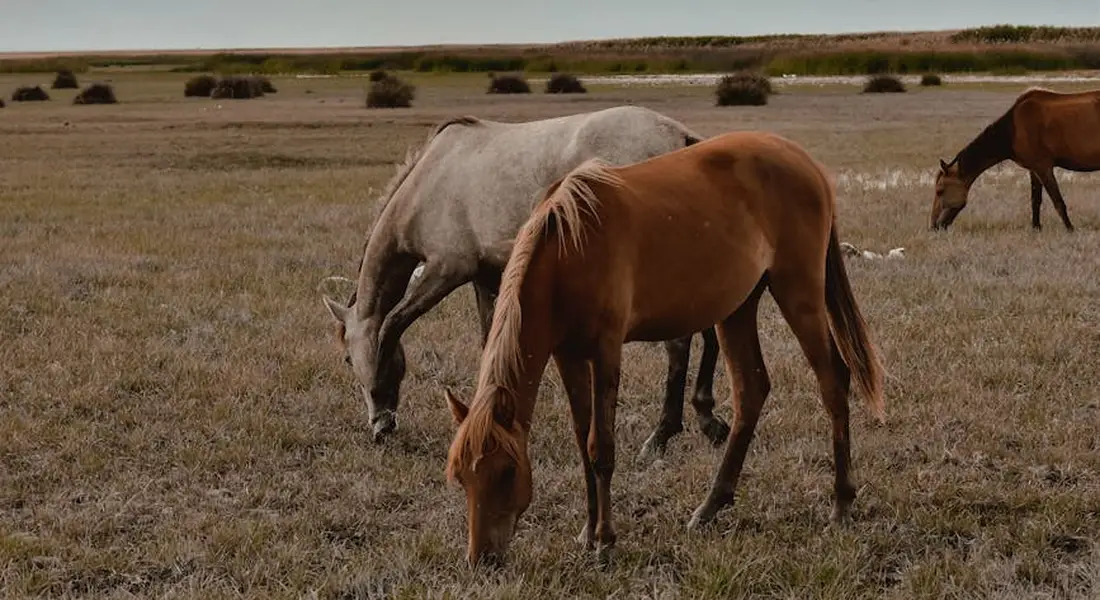
The 2% guideline is your starting line, not the finish tape. A horse’s needs change like the weather. I adjust my crew’s hay every week based on what I see in the paddock and feel under my fingertips.
Seasonal Shifts: Winter Feeding and Summer Pasture
In cold weather, hay is your horse’s furnace. Digesting fiber generates internal heat. When the temperature drops, I increase their hay by at least 15-20%, sometimes more for a thinner-skinned Thoroughbred like Luna. Providing ample hay on a bitter night is non-negotiable; it’s their primary source of warmth.
Summer brings a different calculus. A horse on lush, green pasture may only need a few flakes at night to keep them busy. Watch for overindulgence, though. I once saw Pipin, the Shetland, waddle out of a clover-rich field looking like a fuzzy barrel. Think of pasture as a loaded buffet table; you must manage access to prevent a digestive upset.
The Dental Connection: Ensuring Your Horse Can Chew
The best hay in the world is useless if your horse can’t process it. Sharp points or missing teeth turn chewing into a chore. I learned this from an old gelding who started spitting out wads of half-chewed hay, a behavior called “quidding.”
- Schedule an annual dental exam and float with your vet or equine dentist.
- Watch for dropped, partially chewed hay balls around the feeder or water trough.
- Note weight loss or long, whole stems in manure, which signal poor mastication.
Dental care is a cornerstone of welfare; it directly impacts their ability to utilize the nutrition you’re paying for.
Daily Checks: How to Monitor Intake and Body Condition
Your eyes and hands are the best tools. I make it a ritual during evening feeds.
- The Rib Test: Run your hand firmly along their ribcage. You should feel ribs like you feel the back of your hand, not see them. No padding is a problem, but a thick layer where you can’t feel any rib is another.
- The Manure Check: Manure should be formed, break upon hitting the ground, and have some moisture. Dry, hard balls can indicate dehydration or a lack of adequate roughage.
- The Leftover Scan: Is there a lot of hay wasted or trampled? Maybe the quality is poor, or they’re bored. Is the feeder cleaned out too early? They might need more.
Keep a simple weight log using a weight tape every two weeks; that trending line tells a clearer story than daily guesswork. Rusty’s weight holding steady through a muddy winter tells me my hay math is right. Luna dropping a few pounds tells me to add a flake before she even looks thin.
Frequently Asked Questions: How Much Hay Should a Horse Eat Daily?
How much hay should a horse eat daily?
A horse should consume 1.5% to 2% of its body weight in hay each day. For a typical 1,000-pound horse, this translates to 15 to 20 pounds of hay. This intake supports digestive health and meets essential nutritional requirements. Owners often translate this daily intake into a monthly figure to estimate how many hay bales are needed. A complete monthly hay bale calculation helps with budgeting and storage planning.
What is the difference between feeding by weight vs. volume?
Feeding by weight involves measuring hay in pounds or kilograms, while volume refers to imprecise units like flakes or scoops. Weight is critical because hay density varies greatly, making volume measurements unreliable. Always use a scale to ensure accurate portions and prevent over- or underfeeding.
How does the horse’s age affect hay consumption?
Young, growing horses need nutrient-dense hay to support development, while seniors often require softer, easier-to-chew hay due to dental wear. Easy-keeping adults and ponies may need limited amounts to avoid obesity, with adjustments based on metabolism. Regular monitoring helps tailor hay intake to each life stage for optimal health.
Final Thoughts from the Stable
Provide hay equal to 1-2% of your horse’s body weight daily, using a scale or weight tape for accuracy. Great hoof care starts in the gut, and consistent, quality forage is the absolute bedrock of your horse’s physical and mental well-being. It’s a fundamental aspect to consider alongside essential horse hoof care and proper trimming techniques.
Be patient with adjustments and prioritize safety by checking hay for dust or mold. Your horse’s shiny coat, steady weight, and relaxed demeanor will always tell you more than any chart ever could. For a quick path to learning those signs, consult a healthy horse daily check guide. A short daily checklist helps you notice subtle changes early.
Further Reading & Sources
- How to Calculate How Much Hay to Feed Your Horse
- Using hay in horse diets | UMN Extension
- How Much Hay to Feed Your Horse [Feeding Guide] | Mad Barn
- How much hay should a horse eat? A Horse hay calculator guide – – Chestnut Mill
At Horse and Hay, we are passionate about providing expert guidance on all aspects of horse care, from nutrition to wellness. Our team of equine specialists and veterinarians offer trusted advice on the best foods, supplements, and practices to keep your horse healthy and thriving. Whether you're a seasoned rider or new to equine care, we provide valuable insights into feeding, grooming, and overall well-being to ensure your horse lives its happiest, healthiest life.
Nutrition