
Are American Paint Horses Good for Beginner Riders? A Barn Manager’s Honest Look
Published on: May 6, 2026 | Last Updated: May 6, 2026
Written By: Henry Wellington
Hello from the barn aisle. You’re standing there, halter in hand, wondering if the stunning Paint horse you’ve fallen for is actually a safe bet for your first riding partner. That’s a smart and responsible worry to have-choosing the right horse is the foundation of everything, from your safety to your confidence in the saddle.
Let’s tack up this question together. We’ll look past the flashy coat patterns and get to the heart of the breed’s true nature. In this guide, I’ll break down the key factors every new rider should consider, including:
The classic American Paint Horse temperament: are they really as steady as they seem?
How their versatility in the arena and on the trail benefits a learning rider.
Important health and maintenance considerations unique to the breed.
My own real-life experiences training Paints and matching them with novice owners.
I’ve spent years as a barn manager and trainer, helping countless beginners find their perfect equine match, and I’ve seen firsthand how the right Paint can build a rider up for a lifetime of joy.
Temperament and Disposition: Why Paints Shine for New Riders
American Paint Horses inherit a famously steady mindset from their stock horse roots, bred for ranch work that demanded patience and a cool head. That history gives them a forgiving nature that forgives a clumsy rein or an unbalanced seat, which is pure gold when you’re just starting out. I’ve seen it firsthand with horses like my old reliable Rusty; that same “been there” attitude is a hallmark of many Paints—unlike some general misconceptions about horses.
Key temperament traits make them standout teachers. Their responsiveness means they listen to clear cues without overreacting, building your confidence with each successful ask. You get a partner who is inherently good-minded and willing, reducing those heart-in-your-throat moments that can come with a more sensitive mount.
- Patience: They tolerate the fumbling that comes with learning to groom, tack up, and mount.
- Responsiveness: They react to correct aids without needing excessive force, rewarding good technique.
- Good Demeanor: A generally calm presence in the stall or cross-ties makes handling safer and less stressful for everyone.
I remember a lesson horse named Bandit, a Paint with splashes like spilled coffee, who would stand like a statue while a beginner wrestled with the girth. That innate tolerance for human error allows a new rider to focus on learning, not on managing fear. It’s the foundation of gentle horsemanship—a relationship built on mutual trust, not anxiety.
Their versatility cements their role. This breed easily transitions from Western pleasure rings to winding forest trails, offering beginners a safe introduction to multiple disciplines. They are the ultimate all-rounders, proving that a steady horse doesn’t mean a boring one. They thrive on consistent, kind handling and ample turnout time to just be a horse, which keeps their mind fresh and willing.
Build and Conformation: A Steady Platform for Learning
Physically, the Paint Horse gives you a solid foundation to learn on. Their stocky, muscular build, much like a Quarter Horse’s, provides a wide, secure back that feels stable beneath you. That substantial bone and deep heart girth translate to a comfortable ride that’s easier to sit for longer periods. That curiosity ties into the key muscles horses rely on and how they function. Understanding these muscles helps explain why a strong, stable back supports your ride.
You benefit from their athletic yet manageable structure. They typically possess smooth, fluid gaits that help you find your balance instead of fighting to keep it. It’s the difference between a rolling walk that teaches rhythm and a choppy, jarring step that rattles your teeth. This build supports rider comfort and safety, which is everything for a novice.
Assessing any horse for beginner suitability starts with a good look at their conformation. Follow these steps to evaluate a potential mount for safety and ease of handling. Choosing the right horse for your experience level and lifestyle sets the foundation for safe, enjoyable riding. This natural fit becomes evident when you consider conformation, temperament, and daily routine.
- Stand the horse square on level ground. Look for balanced proportions-a neck that ties in well at the shoulder, a back that is not overly long.
- Check the legs for straight, clean bone with no alarming swellings or twists. Sound legs mean a sound ride.
- Observe the hoof-pastern axis; it should have a gentle slope to absorb shock, sparing both the horse’s joints and your seat.
- Watch the horse move at a walk and trot. You want even, regular strides without asymmetry or drag.
Contrast this with a more slender, high-strung breed like a Thoroughbred. While a TB like my Luna is brilliant, her finer build and sharper reactions require a more experienced seat and hands to channel that energy productively. For a beginner, the Paint’s substance and inherent calm offer a far more forgiving learning curve, letting you build skills without the extra challenge of managing a more reactive physique.
Health Considerations and Care Basics for Paint Horses
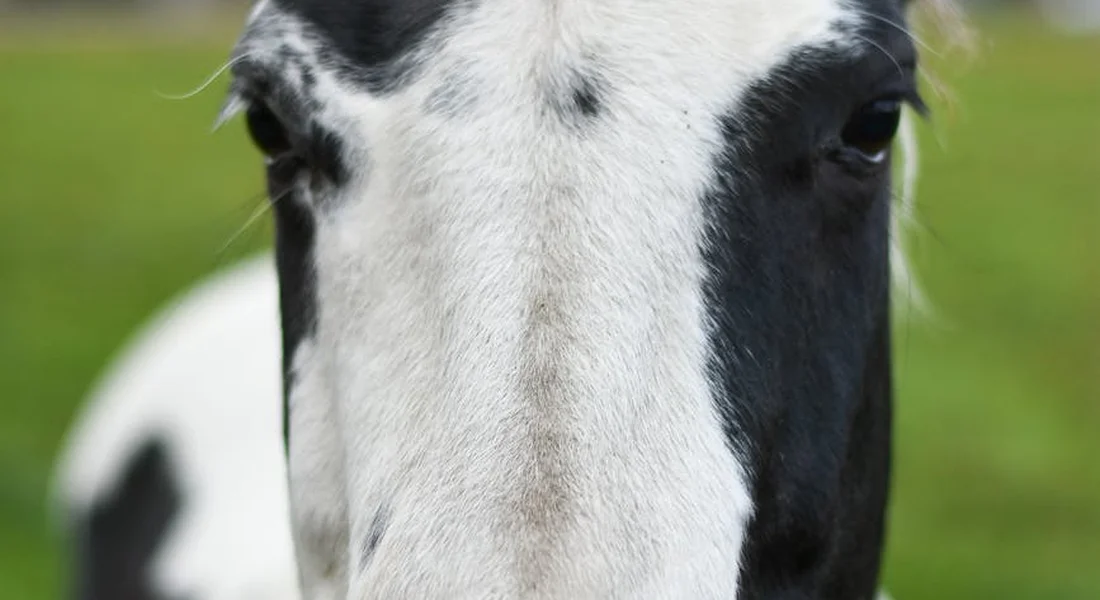
That flashy coat isn’t just for show; it comes with a responsibility to understand breed-specific health. Sunburn on pink skin and the genetic risk of Overo Lethal White Syndrome are two key considerations every Paint owner must know from day one. A consistent care routine built on observation is your best tool.
Your vet and farrier are partners, not just service calls. Schedule wellness checks twice a year and hoof trims every 6-8 weeks to build a health baseline and catch subtle changes early. This proactive rhythm is cheaper than panic.
Daily care is about rituals. Run your hands over their body during grooming, feel for lumps or heat, and note their mood at feed time. Advocating for maximum turnout time is non-negotiable, as constant movement supports digestion, hoof health, and a calm mind. I’ve seen stalled horses become fretful, while our turned-out herd, much like steady Rusty, seems to handle life with more ease.
Common Paint Horse Health Problems
Genetic conditions and sun-sensitive skin top the list. Here’s what to watch for and how to manage it.
Overo Lethal White Syndrome (OLWS) is a fatal condition in foals born from two overo-patterned parents. Affected foals are all white, have underdeveloped intestines, and cannot pass manure. Responsible breeding tests for the gene. As a buyer, ask for proof of parentage and genetic testing.
For the horse in your care, pink skin requires daily defense.
- Sunburn: White markings, especially on the muzzle and around the eyes, burn easily. Apply a zinc-oxide based equine sunscreen daily during sunny months. A well-fitted fly mask with UV protection is a stable staple.
- Skin Cancer: Gray horses like my Thoroughbred Luna are more prone, but Paints with gray patterning can be too. Look for small, black nodules around the anus, sheath, or eyes. Any new, growing, or changing lump warrants an immediate vet call.
- Step-by-Step Daily Check: 1) Feel legs for swelling or heat. 2) Inspect pink skin for redness or peeling. 3) Check eyes for clearness and gums for healthy pink color. 4) Monitor manure and appetite for consistency.
Act fast if you see lethargy, loss of appetite, or lameness. When in doubt, make the vet call; it’s always the right move for a beginner.
Cost of Care and Veterinary Expenses
Owning any horse is a financial commitment, but Paints aren’t inherently more expensive than other popular breeds like Quarter Horses. Budget for these essentials. Beyond the basics, there are hidden costs of horse ownership—15 expenses many owners don’t budget for. Being aware of them can help you plan more reliably.
| Care Item | Average Cost (Annual) | Notes |
|---|---|---|
| Hay & Grain | $1,200 – $2,500 | Varies by region and horse’s workload. Many pleasure Paints do well on just good hay. |
| Farrier (Basic Trim) | $480 – $960 | Every 6-8 weeks, at $40-$80 per visit. |
| Core Vaccinations & Teeth Float | $300 – $600 | Annual vet visit for shots and dental care. |
| Emergency Fund | $500+ (set aside) | For colic or injury. Consider equine insurance. |
My best stable hack is to buy hay in bulk with a barn group and learn to do basic grooming healthcare yourself. Setting aside $75 a month specifically for vet expenses prevents budget shock when the inevitable minor scrape or cough appears. Compared to a high-strung breed that may need more training, a steady Paint’s predictable temperament can save on behavioral consultant costs.
Training and Rideability: Building Confidence Together
This is where the Paint Horse truly shines for a novice. They possess a willing “try” and a smart mind that responds beautifully to clear, patient communication. Their reputation for a steady demeanor means they often forgive beginner errors without panic, making them fantastic teachers.
Start on the ground to build trust. Spend time just being with them in the pasture. Use consistent pressure-and-release methods for leading and tying, always rewarding the slightest try with a pause or a scratch. I taught a Paint gelding to load in a trailer using this method, and his calmness reminded me of old Rusty-once he understood, he never forgot.
Under saddle, their smooth gaits and balance make them naturals for western pleasure and trail riding. Beginner riders should focus on short, positive sessions: 20 minutes of walk-trot work, ending on a good note, does more than an hour of frustration. Establish clear aids for stop, go, and turn, and be lavish with your praise.
To maintain that wonderful rideability, keep their brain and body engaged. Swap arena work for a quiet trail walk once a week; the change of scenery reinforces trust and lowers stress for both of you. Regular, low-pressure handling maintains the bond that makes training stick.
Comparing Breeds: Paint Horses vs. Quarter Horses for Beginners
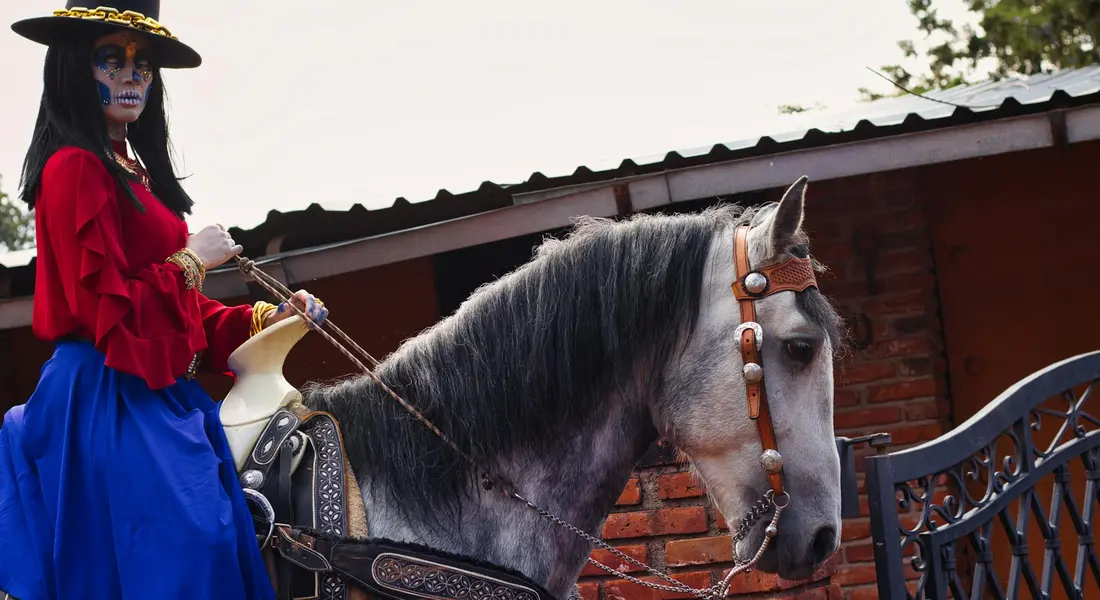
Stepping into the barn aisle, you might wonder if a flashy Paint or a steady Quarter Horse is the better teacher. Having groomed and trained both for years, I can say they often share more similarities than differences, especially for a newcomer. Let’s break down temperament, build, versatility, and care in plain terms.
Both breeds are historically working partners, which often translates to a pragmatic, willing attitude. A Paint’s temperament is frequently as calm as a Quarter Horse’s, but individual history trumps pedigree every time. Their builds are similarly sturdy, offering a balanced seat that forgives a wobbly beginner. Versatility is a strong suit for both; you’ll see them on trails, in show rings, and in lesson programs. Basic care needs-regular hoof picks, quality hay, and ample turnout-are identical. The core of your choice should hinge on the horse’s personal story, not just its breed certificate or whether it’s one of the friendliest and calmest breeds for families.
| Breed | Pros for Beginners | Cons to Consider |
|---|---|---|
| American Paint Horse | Typically possesses a gentle, people-oriented mind; distinctive appearance can build rider confidence; often bred for a comfortable, smooth gait. | Some performance bloodlines can be spirited; pink skin under white markings requires diligent sunblock; color can sometimes inflate price over ability. |
| Quarter Horse | Famous for a reliable, unflappable “cow sense” that makes them profoundly predictable; vast numbers mean more options to find the perfect match. | Extreme calmness can border on dullness, needing proactive engagement; certain sprinting lines may be too quick for a novice handler. |
Your specific goals should guide you. Dream of leisurely weekend rides? A steady Paint with mileage is fantastic. Want a bombproof partner for learning the basics? A seasoned Quarter Horse is a classic for a reason. I’ve seen a sensible Paint give a rookie the same solid feel as my old reliable Rusty, proving that a horse’s individual miles matter more than its color pattern. Always prioritize a proven, patient personality over general breed reputation.
Finding the Right Paint: Bloodlines and Selection Tips
So, you’ve set your heart on a Paint. Smart move, but now we must be picky. Within the breed, seek bloodlines known for “easy keepers” in the mind. Look for horses descended from foundation stock or lines noted for trail and pleasure disciplines, as they’re often selected for steady nerves and sensible heads.
Evaluating any horse is a ritual I take slowly, like cleaning tack. Follow these steps to avoid heartache.
- Conduct On-the-Ground Temperament Tests: Watch how the horse reacts to a flapping coat, gentle pressure near its girth, and having its feet picked up. You want calm acceptance, not tense tolerance.
- Insist on a Full Veterinary Check: This is your safety net. A vet will listen for gut sounds, check for lameness, and assess overall health. Never skip it.
- Schedule a Trial Ride with Your Instructor: Ride the horse in its home environment with your trainer present. Feel how it responds to basic aids and if it waits patiently for unclear cues.
When talking to breeders or rescues, be brutally honest about your skill level. A good seller appreciates that. Ask to see the horse caught from the field, loaded in a trailer, and standing for the farrier. Rescues can offer wonderful, experienced mounts like a wise Paint schoolmaster, but require extra time to understand any past fears. Visit multiple times at different hours to see the horse’s true nature.
Finally, match energy levels meticulously. A beginner needs a low-wattage partner. I learned this with my high-strung Luna; she was all wrong for a first-time owner. You want a horse that finds peace in quiet moments, not one that feeds on excitement. Listen to the quiet thud of its hooves on calm ground-that steady rhythm is the sound of a potential partnership built on safety and mutual respect.
Essential Gear for Beginner and Paint Horse Partnerships
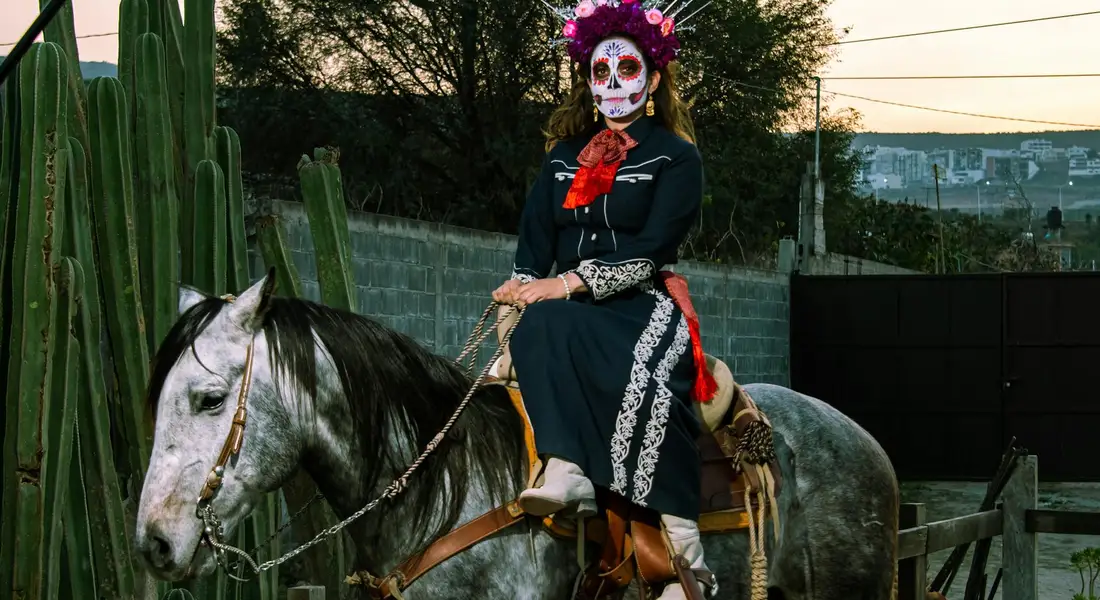
Gearing up with the right equipment builds confidence for you and comfort for your horse. Start with a core kit that prioritizes safety and correct fit, which is the foundation of any good partnership. I learned this early on when a hand-me-down saddle gave my sensitive Thoroughbred, Luna, a sore back; it was a mistake I won’t repeat.
The Foundational Kit
You don’t need a tack store’s entire inventory. Focus on these basics:
- A Well-Fitting Saddle: This is your biggest investment. An all-purpose or trail saddle is a versatile choice for beginner rides.
- A Simple Bridle: A basic snaffle bridle with a comfortable, shaped headstall is often perfect.
- A Complete Grooming Kit: Include a curry comb, dandy brush, body brush, hoof pick, and a soft cloth for faces.
- Rider Safety Gear: An ASTM/SEI certified helmet and sturdy boots with a defined heel are non-negotiable.
Why Fit is Everything for a Paint
Paint Horses are individuals, and their build can range from stocky like a Quarter Horse to rangier like a Thoroughbred. Listen for the quiet sigh your horse makes when the girth is snugged just right, not the pinched skin or restricted shoulder that comes from poor saddle tree shape. Knowing how to measure the girth is a practical next step. A quick chest measurement can guide saddle choice and prevent rubbing. The true test is watching them move freely under saddle, with no head-tossing or hollow back. I spend extra time checking Pipin the pony’s wide gullet, and the same principle applies to a broad-backed Paint.
Smart, Durable Choices for New Owners
Look for gear that is easy to clean, repair, and designed to last. For daily care and turnout, a quality nylon halter and lead rope, a moisture-wicking saddle pad, and a breathable fly mask are wise, affordable additions that support your horse’s welfare. Brands that offer used or factory-second programs can be goldmines for budget-conscious buyers seeking good leather.
Stable Hacks for Gear Care & Selection
These little tips save time, money, and ensure safety.
- Test saddle fit by checking for even pressure: slide your hand under the front of the saddle pad on both sides. You should feel consistent contact, not tight spots or gaps.
- Condition leather after every few rides with a damp cloth to remove sweat and a light oil application. The smell of clean, cared-for leather is the smell of preparedness.
- Store your bridle by hanging it, never coiled or tossed in a tack box, to prevent twisted reins and keep its shape.
- Keep a dedicated hoof-pick and brush by the gate for a quick once-over before and after turnout, catching small issues before they become big ones.
FAQ: Are American Paint Horses Good for Beginner Riders?
What are the temperament traits of Paint Horses that make them suitable for beginners?
Paint Horses are prized for their patience, responsiveness, and good-natured demeanor, inherited from stock horse lineages. They tend to forgive common beginner mistakes like clumsy cues or unbalanced seats, reducing anxiety. This steady attitude helps new riders build confidence and focus on learning fundamental skills safely. Paint Horses are known for their unique coloration and versatile abilities, making them a favorite among equestrians.
How does the size and build of a Paint Horse affect a beginner rider?
Their stocky, muscular conformation provides a wide, stable back that feels secure and comfortable for a novice. Paint Horses typically have smooth, fluid gaits that aid in balance and rhythm development. This solid build minimizes the physical challenges of riding, allowing beginners to concentrate on technique rather than stability.
What are common health issues in Paint Horses that a beginner should know about?
Key concerns include sunburn on pink skin under white markings and genetic conditions like Overo Lethal White Syndrome. Beginners should apply equine sunscreen regularly and use UV-protective fly masks during sunny periods. Establishing a routine of daily checks and annual vet visits helps catch issues early, ensuring the horse’s well-being.
Finding Your Perfect Partner
For a beginner, the right Paint is defined by a quiet temperament and solid foundational training, not just its coat pattern. Your search should prioritize finding a proven, unflappable schoolmaster over any specific breed trait.
Move forward with patience, prioritize safety in every interaction, and let good horsemanship be your guide. The best riders are the ones who learn to listen, as your horse will always tell you what it needs. Communication is key when it comes to understanding your horse.
Further Reading & Sources
- How To Paint A Horse – Step By Step Painting Tutorial
- 8. How To Paint Horses Part 1 : The Basics & Measurements – Lesley Humphrey
- How to paint Horses in Acrylic Step by step – YouTube
- How to Paint a Horse| 40 Easy Lessons on Painting a Horse
At Horse and Hay, we are passionate about providing expert guidance on all aspects of horse care, from nutrition to wellness. Our team of equine specialists and veterinarians offer trusted advice on the best foods, supplements, and practices to keep your horse healthy and thriving. Whether you're a seasoned rider or new to equine care, we provide valuable insights into feeding, grooming, and overall well-being to ensure your horse lives its happiest, healthiest life.
Choosing the Right Breed