
Friendliest and Calmest Horse Breeds for Families: Your Guide to Safe, Happy Riding
Published on: February 19, 2026 | Last Updated: December 8, 2025
Written By: Henry Wellington
Hello fellow barn buddies. Finding a steady, kind-hearted horse for your family can spike your anxiety, especially with kids involved or if you’re new to riding. You’re right to prioritize a calm temperament over flashy looks-a nervous horse isn’t just stressful, it’s a safety risk for everyone.
Let’s tackle that worry head-on. In this article, I’ll walk you through the most reliable, gentle horse breeds that thrive in family settings, explain the key personality traits that make them so trustworthy, and share my own barn-tested tips for meeting and evaluating a potential equine partner.
I’ve spent years as a barn manager and trainer matching horses like my steady Quarter Horse, Rusty, with nervous beginners, so you’re getting advice soaked in hay dust and real-life experience.
Why Temperament is Everything for a Family Horse
Choosing a horse for your family isn’t about finding the fanciest gaits or the flashiest jumper. It’s about finding a trustworthy soul. I’ve seen the magic firsthand: a steady old gelding lowering his head to accept a sticky hug from a three-year-old, or a patient mare standing like a statue while a beginner rider fumbles with the reins. That tolerance is pure gold.
Safety is the non-negotiable foundation. A flighty, high-strung horse can turn a simple trail walk into a dangerous situation. A family horse needs a brain that processes surprises with curiosity, not panic. You want a partner whose default setting is “pause and think” rather than “spin and bolt.” This creates a safe learning environment where confidence, not fear, grows.
The key traits to hunt for are patience, a high tolerance for commotion, a low-spook reflex, and a genuine affinity for people. Think of the horse that seeks out human company at the fence line, not the one hiding in the back of the paddock. I remember a lesson pony named Pip (much like our barn’s own Pipin in spirit) who would deliberately walk under low branches to try and dislodge his tiny riders, then stop and wait for them to climb back on. It was mischief, but the safe, cheeky kind that taught more about balance and grit than any drill.
- Patient: Willing to stand for grooming, tacking, and those endless “are you done yet?” moments.
- Tolerant: Unbothered by sudden laughter, dropped brushes, or awkward pats.
- Low-spook: Might look at a flapping tarp but is unlikely to whirl and run.
- Good-with-children: Demonstrates a gentle awareness and softness around smaller, unpredictable humans.
Top Friendliest Horse Breeds for Families and Kids
While every horse is an individual, certain breeds have been selectively shaped for centuries to possess the steady, cooperative minds we cherish. These breeds are the cornerstones of riding schools and backyard barns for good reason. Here are some of the most reliable, people-pleasing equine partners you can invite into your family.
American Quarter Horse
This is America’s workhorse, and its legendary “cow sense” translates into a phenomenal family sense. Bred for calm alertness around cattle, they tend to be sensible and incredibly forgiving.
- Personality: The reliable, steady-eddy. They possess a remarkable “off-switch,” able to chill in the yard after a busy trail ride.
- Typical Size: 14.3 to 16 hands, a versatile height for teens and adults.
- Family-Friendly Attributes: Their versatility is unmatched. They can patiently plod on a lead line one day and carry a more experienced rider in a local show the next. I’ve trusted horses like Rusty, our steady Quarter Horse, with every level of rider in our barn.
Morgan Horse
Often called the breed that “built America,” the Morgan is compact, powerful, and famously attached to their people. They have a sparkle in their eye that speaks more to eager-to-please intelligence than nervous energy.
- Personality: Intelligent, willing, and deeply bonded. They thrive on partnership and positive interaction.
- Typical Size: 14.1 to 15.2 hands, a sturdy and manageable size.
- Family-Friendly Attributes: Their gentle disposition and sturdy build make them suitable for both riding and driving. A Morgan often becomes a true family member, equally happy giving a child a first ride or pulling a sleigh for everyone.
Haflinger
With their flowing flaxen manes and sturdy golden bodies, Haflingers look like they walked out of a storybook. Their temperament matches the fairytale aesthetic. Bred as hardy farm horses in the Austrian Alps, they are unflappable and strong.
- Personality: Consistently calm, kind, and remarkably strong for their size. They are famously patient.
- Typical Size: 13.2 to 15 hands, a perfect “in-between” size not too tall for kids, not too small for adults.
- Family-Friendly Attributes: Their notable affinity for children has earned them a stellar reputation. They are the definition of a “plugger” – unbotered by noise and activity, making them ideal for a busy family farm.
Welsh Pony
Do not let the “pony” label fool you. Welsh Ponies, particularly the Welsh Cob sections, are athletic, intelligent, and possess tremendous heart. They are the quintessential first mount for a serious young rider.
- Personality: Bright and kind, with just enough cheekiness to keep things interesting. They learn quickly and form strong bonds.
- Typical Size: Varies by section, from smaller 12-hand ponies to sturdy cobs over 13.2 hands.
- Family-Friendly Attributes: Their durability and size make them perfect for children. They excel in pony club, learning all the games and drills alongside their young riders. They are trustworthy but never dull.
American Paint Horse
Beyond their stunning, colorful coats lies a temperament deeply rooted in Western working heritage. They share many of the same steady qualities as the Quarter Horse, often with an extra dose of quiet curiosity. Their coat colors range widely, from solid hues to distinctive patterns. This naturally leads to exploring how different coat color patterns arise and what they may signify.
- Personality: Quiet, reliable, and often exceptionally gentle. They tend to have a very “been there, done that” attitude.
- Typical Size: Similar to the Quarter Horse, ranging from 14.2 to 16 hands.
- Family-Friendly Attributes: Their calm demeanor makes them fantastic for trail riding and ranch work. The bonus for kids is obvious: that flashy coat naturally engages and delights. You get a horse with the mind of a trusted babysitter and the appearance of a living piece of art.
Most Calm and Docile Horse Breeds for Beginners
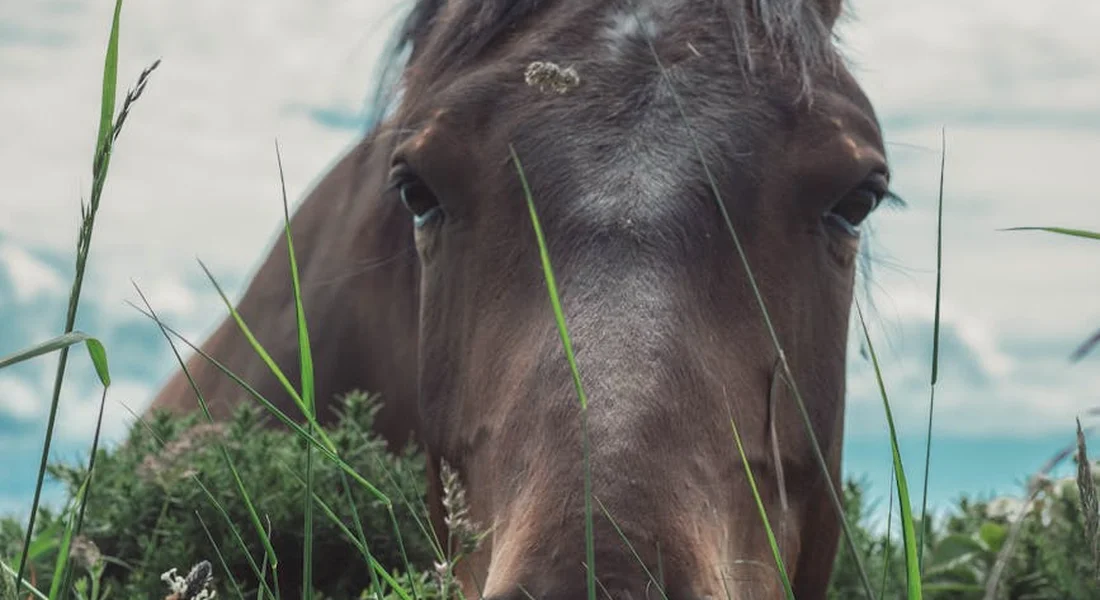
Looking for a steady-nerved partner is about finding a soul who finds chaos boring. These breeds are prized for their unflappable nature, acting as a calm anchor for wobbly riders or busy barns. Their size often matches their immense patience.
A horse’s breed gives you a strong starting point, but remember, every Pipin has his own personality; meeting the individual is the only true test.
Clydesdale
These are the gentle giants of the equine world. Standing over 18 hands, they possess immense strength but a famously patient soul. I’ve seen a Clydesdale stand like a statue while a toddler clumsily brushed its feathery leg.
Their slow, deliberate movements and forgiving nature make them ideal for fostering confidence in riders who find regular-sized horses intimidating. They are surprisingly graceful under saddle, offering a smooth, quiet ride perfect for gentle hacking and building trust from the ground up.
Percheron
Originating as warhorses, modern Percherons trade battlefield intensity for a powerful, calm presence. This deep-seated serenity makes them stars in therapy and driving programs. Their work ethic translates directly to the saddle or harness.
You get a dependable, thoughtful partner who would rather think a problem through than spook at it, a trait I deeply value during windy days when other horses are on edge. They are sturdy, intelligent, and seek to please.
Irish Draught
This breed is the gold standard for a sensible, brave, and tolerant attitude. Bred for farm work, they needed brains and bravery to navigate uneven Irish terrain. Today, that means a horse that rarely gets ruffled. Unlike some other breeds, they bring a composed presence to any situation.
Their legendary good sense makes them a superb foundation for crossbreeding, often producing the safe, family-friendly sport horses you see in lesson programs worldwide. They are athletic yet uncomplicated, capable but kind.
Shetland Pony
Do not let their small stature fool you. Shetlands are famously hardy and clever, with a cheeky streak that requires consistent, kind training. Our barn’s Pipin is a master of undoing latches, but he’s also the first to gently nuzzle a crying child.
With clear boundaries and positive reinforcement, their intelligence transforms into a sturdy, patient tolerance for young, learning riders. They are tough, long-lived, and when treated with respect, become fiercely loyal little companions.
Safety First: Essential Tips for Families Around Horses
-
Approach every horse with calm, predictable movements. Sudden gestures can startle even the calmest pony. I always teach kids to walk up to Rusty’s shoulder, not his head, letting him see and sniff them first. Move like you have all the time in the world, and the horse will mirror your calm energy.
-
Supervise children around horses without exception. Even my trustworthy gelding, Rusty, can step on a toe if a toddler wanders into his blind spot. An adult must be within arm’s reach, fully focused, not distracted by a phone. This isn’t just about the child’s safety; it’s about preventing the horse from a scary surprise.
-
Give treats correctly: offer them on a flat, open palm. Fingers curled in look too much like carrots to a food-motivated mind like Pipin’s. Always ask the horse owner first, as some horses are on strict diets or can become pushy. I keep my hand steady so Luna can take the mint gently with her lips.
-
Respect the horse’s personal space bubble, especially around their rear. You should never stand directly behind a horse, as a surprised kick is a reflex, not malice. Teach kids to always pet along the neck or shoulder, where the horse can easily see them. The barn rule is: if you can’t see their eye, they probably can’t see you.
Beyond Breed: What Makes a Horse Truly Family-Ready?
-
Consistent, gentle training builds a reliable foundation. A horse bred for calmness still needs to understand basic cues and boundaries. I look for a horse who has been handled with patience, not one who has been “cowed” into submission. Time spent on good ground manners, like standing quietly for grooming, pays off more than any pedigree.
-
A history of positive experiences with children is golden. Some horses tolerate kids, while others genuinely seem to enjoy their curious energy. Ask about past interactions: has this horse been around squeals, sudden hugs, or clumsy little hands? Pipin, for all his cheekiness, is a saint with beginners because he was introduced to kids early and often.
-
A low-stress living environment with ample daily turnout is non-negotiable for a calm demeanor. A horse stuck in a stall 23 hours a day is like a caffeine-loaded toddler-they have pent-up energy that will spill out. I advocate for pastures where a horse can move, socialize, and just be a horse. Luna’s sensitivity mellows dramatically after a long day out with her herd.
FAQ: Friendliest and Calmest Horse Breeds for Families
What are the key traits of the friendliest horse breeds for families?
Friendliest breeds consistently show high patience, a tolerance for unpredictable family activities, and a genuine enjoyment of human interaction. Their temperament is often shaped by selective breeding for cooperative tasks, making them eager to please and reliable around children. These horses typically seek out companionship and remain unbothered by the minor chaos of family life.
What characteristics define the calmest horse breeds for beginners and families?
The calmest breeds are known for their low-spook reflex, steady movements, and ability to stay composed in noisy or busy settings. They often have a historical background as draft or farm horses, which fosters a thoughtful and resilient mindset. This inherent serenity makes them safe anchors for novice riders and stressful environments alike.
How can I identify a horse breed that is both friendly and calm for my family?
Look for breeds with a reputation for blending affectionate personalities with a placid nature, such as the Haflinger or Morgan. Assess the individual horse’s response to children and new experiences during visits, as training and past handling play crucial roles. A well-suited family horse will actively engage with people while maintaining a steady, predictable demeanor in various situations.
Your New Barn Buddy Awaits
Focus on breeds with a documented history of calmness, like Quarter Horses or sturdy Ponies, but always match the horse’s energy to your family’s lifestyle. The single most important step is to arrange multiple visits, seeing how the horse behaves when bored, during feeding, and when children are near-true temperament shows over time, not in a single showcase.
Go slow with introductions and let trust build through consistent, gentle handling instead of forced affection. Your horse will tell you everything you need to know through its body language; your job is simply to pay attention. By learning what a happy, relaxed horse looks like—soft eyes and a loose, balanced stance—you’ll know when your horse is content. Understanding their body language makes it easy to tell if your horse is happy.
Further Reading & Sources
- Best Horse Breeds For Families – EquiMedic USA, Inc.
- The Best Horse and Pony Breeds for Kids
- Best Horse Breeds for Kids – Horse Illustrated
- Best Horse Breeds for Kids | Horse Saddle Shop
At Horse and Hay, we are passionate about providing expert guidance on all aspects of horse care, from nutrition to wellness. Our team of equine specialists and veterinarians offer trusted advice on the best foods, supplements, and practices to keep your horse healthy and thriving. Whether you're a seasoned rider or new to equine care, we provide valuable insights into feeding, grooming, and overall well-being to ensure your horse lives its happiest, healthiest life.
Choosing the Right Breed