
Biosecurity for Horse Farms: A Practical Barn Manager’s Guide to Stopping Disease
Hello, barn friends. That knot in your stomach when a new horse shows up coughing, or a virus starts ripping through local stables? I know it well. The threat of disease isn’t just scary-it’s a genuine risk to your horse’s health, your wallet, and your entire barn’s routine.
This guide is your frontline defense. We’re going to cover creating simple isolation protocols for new arrivals, managing essential tools like your own water buckets and thermometers, setting up footbaths that actually work, communicating clear rules with boarders and haul-ins, and crafting a sane cleaning routine for tack and spaces. I’ve managed this for over a decade, keeping everything from steady eddies like Rusty to sensitive souls like Luna healthy through it all.
Why Biosecurity Isn’t Just for Fancy Show Barns
I was mucking out stalls when I heard Luna’s sharp cough, a dry hack that echoed in the quiet barn. Within two days, Rusty was running a fever and Pipin, our usually voracious pony, turned his nose up at treats. That strangles scare taught me a harsh lesson: disease moves faster than gossip at a weekend show. An outbreak doesn’t discriminate between a sprawling competition facility and your peaceful backyard paddock; it just needs one chance to spread.
Biosecurity is simply your daily defense system. It’s the habits that stop germs from hitching a ride on your boots, your trailer, or a shared water trough. Think of it as the most basic form of kindness for your herd, protecting their health and your peace of mind. You don’t need a big budget, just a committed plan.
Building Your Biosecurity Plan: The Non-Negotiable Pillars
Your plan is a set of simple, consistent actions. It’s not a one-time checklist but a living document you adjust as your farm changes. Regular review turns panic into procedure when a new horse arrives or sickness whispers through the barn. These five pillars hold everything up.
- Risk Assessment: Look at your operation. Do you take lessons, host farriers, or bring in new boarders? Identify your weak spots.
- Quarantine: A dedicated space and time for newcomers or sick horses is your first and best filter.
- Sanitation: This means cleaning and disinfecting, not just hosing things down. Focus on high-touch areas.
- Traffic Control: Manage the movement of people, equipment, and vehicles onto and around your property.
- Health Records: Keep detailed, up-to-date logs for every horse. Vaccination dates and fecal test results are your evidence.
Your Isolation & Quarantine Protocol
When Luna first arrived, anxious and off the trailer, she went straight to our quarantine set-up. A proper quarantine stall should be as far from your main herd as possible, ideally 30 feet or more and downwind. Use it for every new arrival or any horse coming back from an event, no exceptions.
Keep them isolated for a minimum of 14 days, but 30 days is my golden rule for true peace of mind. Assign a dedicated set of tools-wheelbarrow, fork, buckets, halter-that never leave that zone. I use bright red buckets for quarantine so no one mixes them up by accident.
Your job is to monitor without mingling. Take their temperature twice a day, and watch closely for lethargy, cough, or that tell-tale thick nasal discharge. For horses, early identification and management of respiratory issues are essential. This routine supports that goal. Feed and care for isolated horses last, and always wash up thoroughly before touching your other animals.
Vaccination and Parasite Control Schedules
Talk to your vet. Core vaccines like rabies, tetanus, and Eastern/Western encephalitis form your foundational shield. Your veterinarian will tailor recommendations based on your location and your horse’s travel, turning a standard schedule into a personal armor.
For parasites, dump the calendar-based deworming. Fecal egg counts twice a year target the worms actually present, which reduces chemical use and slows drug resistance. I learned this after a routine count showed Pipin, despite his robust appetite, was carrying a surprisingly low burden, saving him an unnecessary treatment.
This proactive care is a silent pillar of biosecurity. A horse with a robust immune system from proper vaccination and low parasite load is far better equipped to fight off any novel bug that slips through your defenses. It makes your entire plan more resilient.
The Daily Grind: Hygiene and Sanitation That Actually Works
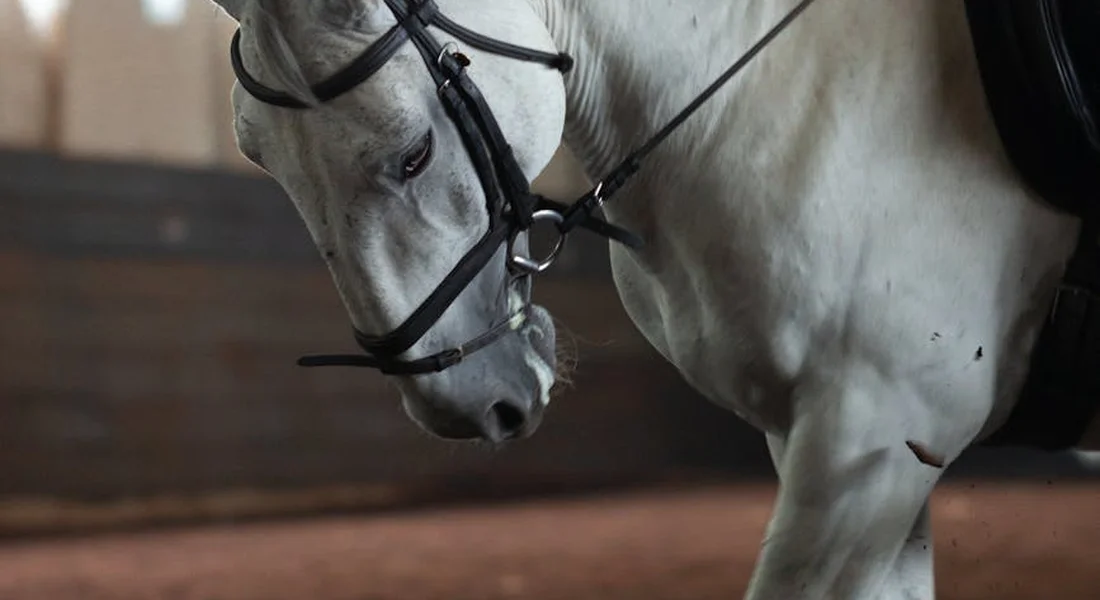
Let’s be honest, a clean barn is a happy barn, and I learned that the hard way after Luna picked up a stubborn cough that traced back to a shared water trough. Your daily cleaning routine is your first, best defense against invisible threats, and it doesn’t have to be a monumental task if you weave it into the rhythm of your day. Start with the basics: muck stalls daily, and I mean really dig out the wet spots, not just skim the top. That ammonia smell isn’t just unpleasant; it’s a red flag for your horse’s respiratory health.
Disinfectants can be confusing, so here’s my barn-tested breakdown. Bleach is cheap and effective on non-porous surfaces, but it’s harsh and breaks down quickly in organic matter. I reserve it for concrete floors after a thorough scrub. For most tools and surfaces, I prefer a quaternary ammonium compound (“quat”) because it’s gentler, stays active longer, and is effective against a broader range of viruses and fungi. Peroxygen-based cleaners are fantastic for tack and grooming tools as they foam away grease and are less corrosive. The key with any disinfectant is to clean first, then disinfect-no product can penetrate a layer of mud or manure.
Scrub water tanks at least twice a week with a dedicated brush and plain elbow grease; a quick rinse isn’t enough to stop biofilm buildup. For feed buckets, hot soapy water after every meal is non-negotiable in my book. Turn these tasks into habits by pairing them with other jobs, like scrubbing troughs while your horse is enjoying turnout, so it feels less like a chore and more like part of the flow.
Step-by-Step: Disinfecting Tack and Tools
Whether it’s a shared hoof pick or Luna’s favorite bit, any item that touches multiple horses needs a proper bath. Here’s my no-fuss method, perfected after Rusty’s bout with rain rot taught me a lesson about sponge buckets.
- Remove all organic matter. Scrape off mud, manure, and hair with a stiff brush. I do this over a trash can, not the wash rack, to keep gunk from going down the drain.
- Wash with warm, soapy water. Use a mild dish soap or castile soap and scrub every nook. For bridles, I use a soft toothbrush for the crevices.
- Apply a vet-approved disinfectant. Follow the label directions for dilution. I avoid bleach on leather entirely and opt for a equine-safe disinfectant spray or wipe.
- Allow proper contact time. This is the step everyone skips! Let the disinfectant sit on the surface for the full time listed on the bottle-usually 5 to 10 minutes-to actually kill germs.
- Rinse thoroughly with clean water and air-dry completely. Any chemical residue can irritate your horse’s skin. I hang tack in a breezy area, never in a closed, damp tack room.
Managing Feed, Water, and Bedding
What goes into your horse matters, but so does how it’s served and stored. I never, ever feed hay or grain directly on the ground where it can be contaminated by parasites. Use raised feeders or tubs, and clean up any spilled grain immediately to avoid attracting unwanted barn guests like rodents or insects. Mold in hay can pose health risks to horses, including respiratory issues. If mold is a concern, alternatives like mold-free hay, haylage, or soaked hay can help reduce exposure. For water, automatic waterers are convenient but must be checked and scrubbed daily; a stagnant pipe is a bug buffet.
Bedding management is crucial. Store your shavings or straw in a sealed, dry location off the ground. I keep mine on pallets in a locked shed. Damp bedding is a breeding ground for mold and bacteria, so skip the “fluff and save” method and remove all wet material during your daily muck-out. My hack for rodent-proofing grain bins? Use metal trash cans with tight-sealing lids, and place a few dryer sheets inside-the smell deters mice, and it’s safer than poison around curious ponies like Pipin.
Controlling the Chaos: People, Animals, and Equipment Traffic
Think of your farm’s driveway as the front line. Every tire tread on the gravel, every boot print in the aisle, is a potential path for trouble. Managing this flow isn’t about being unfriendly; it’s about being a responsible guardian. I learned this the hard way after a well-meaning visitor unknowingly tracked something into the feed room. The single most effective thing you can do is treat every new arrival-human or equine-as if they could be carrying something, because they might.
Start with a simple visitor policy. A small sign at the gate works wonders: “All visitors must report to the office first.” This gives you a chance to guide them.
- Direct all vehicles to a specific parking area, away from paddocks and barn entrances.
- Keep a stocked station with disposable boot covers and a bucket of disinfectant for foot baths at the main barn entry. I use a stiff-bristled doormat soaked in disinfectant; the scrubbing action cleans treads.
- Mount a hand-sanitizer pump right on the doorframe. Make it impossible to miss.
Animal movement needs a paper trail. A clipboard in the tack room is your best friend.
- Log every horse that leaves the property: destination, date, and return time.
- Log every horse that arrives, even for a short breeding or layover.
Horses returning from shows or events need a timeout. My rule is a minimum 14-day isolation. They stay in a separate paddock and stall at the far end of the property, with their own set of buckets, tools, and handlers. We check temperatures twice daily, watching for the slightest cough or off behavior. Rusty thinks this is a great system, as the “quarantine paddock” often gets the first cut of spring grass.
Biosecurity for Farriers, Vets, and Visitors
Your regular service providers are part of your team, so get them on board with your protocols. A quick, friendly chat sets the expectation. I simply say, “For everyone’s safety, here’s how we do things.”
Ask farriers and vets to park in your designated visitor area. This prevents their vehicle-which was at another farm just hours ago-from sitting in a puddle of your horse’s saliva or manure. Provide a large, shallow tub and a gallon of a broad-spectrum disinfectant like dilute bleach or an accelerated hydrogen peroxide solution for them to dip their tools in between horses. Clean tack and hooves are part of proper hygiene that supports horse health. Prioritizing hygiene also makes handling smoother for farriers and vets between visits. Most professionals appreciate this; it shows you care about their other clients, too.
Keep a dedicated logbook for farm entries. Have every visitor, including your vet, note their name, date, time in, and which animals they contacted. This isn’t surveillance; it’s your roadmap. If a disease pops up, you’ll know exactly who was where and can alert them instantly. That record is invaluable.
Finally, have a dedicated “visitor kit” for chores: one halter, one lead rope, one manure fork, kept separate. When friends want to help muck stalls, they use those. It prevents a well-intentioned helper from using Pipin’s halter on Luna after touching a dozen other horses at home. It’s a simple, physical barrier that makes all the difference.
Eyes On the Herd: Daily Checks and Disease Surveillance
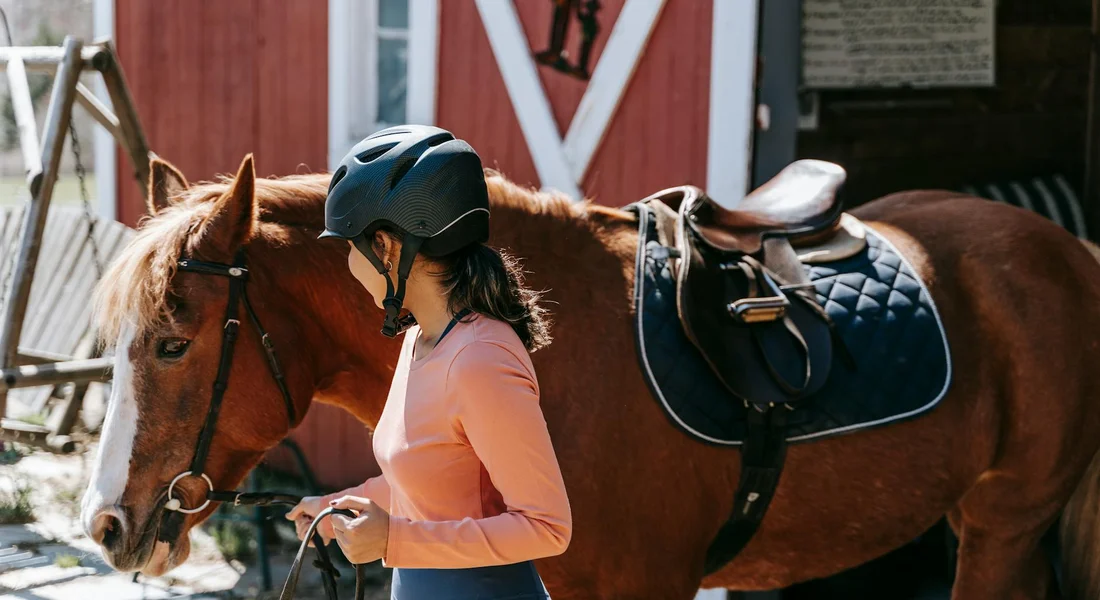
Your most powerful biosecurity tool isn’t a fancy disinfectant. It’s your own two eyes, paired with a bit of daily routine. I start every barn morning not with tasks, but with observation. I stand quietly at the gate, listening to the rhythm of the herd. The steady thud of hooves on dirt, the low rumble of contented chewing, the soft nicker for breakfast-these are the sounds of normal.
A quick daily check takes five minutes per horse. I run my hand down necks and over ribs, feeling for unusual heat or unexpected sweat. I look for bright eyes, ears that flick with interest, and a general attitude that fits their personality. My old reliable Rusty should be eagerly lipping at his stall door; if he’s standing disinterested in his hay, that’s a red flag bigger than his blaze. This daily check routine helps me catch potential health issues early.
You are looking for deviations from *your* horse’s normal, which is why knowing their baseline is non-negotiable. Common infectious disease signs are often obvious if you’re looking: persistent nasal discharge (especially thick or colored), a deep, frequent cough, lethargy, or a sudden drop in appetite. A fever is a major warning sign. I keep a dedicated rectal thermometer in the tack room-it’s a simple, vital piece of equipment. Knowing your horse’s normal temperature, heart rate, and other vital signs helps you spot deviations quickly. Those baseline vitals guide you on when to call the vet or escalate care.
This practice fosters a “see something, say something” barn culture. If the teenager mucking Pipin’s stall notices the pony is off his treats, she should tell me immediately. No observation is too small. Catching a potential issue early, like a slight cough in Luna before she runs a fever, can mean isolating a case instead of managing an outbreak.
Keeping Accurate Health and Movement Records
Your memory is not a filing cabinet. When a horse spikes a temperature at 2 AM, you need facts, not guesswork. A simple, centralized log is your barn’s legal and medical backup. I use a basic spreadsheet on a barn computer, but a binder in the feed room works just as well.
For each horse, log the essentials: temperature (when taken), vaccination dates and types, deworming schedule and product used, and farrier visits. But the critical column is “Movement & Notes.” This is where you note every time a horse leaves the property and, more importantly, every time a new horse arrives for a visit or boarding.
This record becomes priceless during a potential outbreak, allowing you to instantly trace contacts and provide your veterinarian with a clear timeline of events. When my vet asks, “When was Luna’s last rhino vaccine?” or “Did any outside horses come in last week?” I have the answer in ten seconds, not after a panicked mental scramble.
It also creates a health history. Noticing that Pipin tends to get a runny nose every spring, or that Rusty’s temperature runs a bit low normally, makes you a more informed caregiver. Good records turn reactive worry into proactive, intelligent management.
When Things Go Wrong: Your Outbreak Response Plan
Even with the best prevention, a fever can spike or a cough can echo through the barn. Your reaction in those first minutes sets the tone for everything that follows. Having a clear, pre-practiced plan is what separates a contained incident from a full-blown crisis. I’ve had to enact mine, and let me tell you, the pulse quickens, but the drill takes over.
Immediate Action: The First 30 Minutes
Don’t panic. Move with purpose. Your goal is to create a firebreak around the problem.
- Isolate the Horse: Move the symptomatic horse to a designated isolation stall or paddock well away from others. Use a separate halter and lead rope that stays with them. Walk them on a path others don’t use.
- Stop All Movement: Lock the gate. No horses in, no horses out. Cancel all lessons, trail rides, and farrier visits immediately. This is non-negotiable.
- Call Your Veterinarian: Describe the symptoms clearly-temperature, cough, nasal discharge, appetite, demeanor. Follow their instructions to the letter; they will guide your next medical steps.
Enhanced Sanitation Protocol
Normal cleaning shifts into overdrive. Your isolation zone becomes a dedicated biosecurity bubble.
- Dedicate specific tools-fork, bucket, broom, sprayer-to the isolation area. Color-code them with bright tape.
- Disinfect handles, cross-ties, and any surface the sick horse touched. I keep a bottle of disinfectant at the main entrance and at the isolation stall.
- Muck out the sick horse last. Wear coveralls and boots you can remove and disinfect before you re-enter the main barn.
Think of yourself as a potential carrier: you must clean yourself and your tools before moving back to healthy animals. The smell of bleach becomes your new normal.
Clear, Calm Communication
Information vacuums get filled with rumors. Control the narrative with transparency.
- Notify all boarders, owners, and staff immediately. Be factual about the symptoms and the steps you’re taking.
- Post clear signage at the farm entrance stating a potential disease outbreak and that the facility is closed to outside horses and visitors.
- Provide regular, succinct updates. People just need to know their horse is safe and that you’re on top of it.
I once had a scare with Luna running a temperature. By texting the barn group a simple “Isolation protocol activated, vet en route, will update by 6 PM,” I prevented a dozen worried phone calls and kept everyone focused.
Tracking the Web of Exposure
Grab a notebook and start detective work. Your vet will need this history.
- List every horse the sick animal had contact with in the last 5-7 days.
- Note any recent arrivals, off-property trips (shows, clinics), or shared equipment.
- Monitor the “contact” horses at least twice daily for the slightest change-a drooping ear, a softer nicker, a half-eaten flake of hay.
This log isn’t about blame; it’s about building a map of the outbreak. Finding Patient Zero isn’t as important as identifying every possible branch of the infection tree to prune it back. When Pippin decided to go on one of his famous fence-walking adventures and visited every run-in shed, let’s just say my tracking sheet looked like a subway map.
Frequently Asked Questions: Biosecurity for Horse Farms
What are the key components of a biosecurity plan for a horse farm?
A robust plan starts with a risk assessment to identify farm-specific vulnerabilities like visitor access or horse movements. It must include clear protocols for quarantine, sanitation, and traffic control to limit disease entry and spread. Finally, maintaining organized health records for each horse supports proactive care and swift action during incidents.
How should manure and waste be handled and disposed of?
Remove manure daily from stalls and paddocks, storing it in a covered, designated pile away from barns and water sources. Composting at proper temperatures helps neutralize pathogens before using it as fertilizer or disposing of it responsibly. Always follow local environmental guidelines to prevent contamination and reduce parasite risks on the farm. These steps form part of an effective manure management system for your stable. A well-designed system streamlines chores and protects water quality.
What procedures should be in place for sick or exposed horses?
Immediately move symptomatic horses to a pre-designated isolation area with dedicated tools and caretakers to avoid cross-contamination. Increase cleaning frequency with disinfectants in affected zones and monitor all potentially exposed horses for early signs like fever or lethargy. Communicate updates to your veterinarian and barn community to ensure coordinated management and prevent outbreaks. While containment is in place, also focus on creating a safe, enriching environment for your horse to support recovery and welfare. Simple enrichments and predictable routines can help reduce stress and promote well-being during this time.
A Healthy Herd Starts with You
Make isolation of new or sick horses your non-negotiable rule, and let diligent handwashing and equipment cleaning become as routine as feeding. This discipline also helps prevent and control equine parasites effectively. Your most powerful tool is a designated quarantine area used for every single new arrival, no exceptions.
Good biosecurity isn’t about fear; it’s a quiet, consistent practice of respect for every animal in your care. Your horse’s bright eyes and healthy appetite will always be your first and best signal that your protocols are working.
Further Reading & Sources
- Biosecurity Tips for Horse Owners
- Horses – Farm Biosecurity
- Biosecurity | Equine Disease Communication Center
- Biosecurity in the Barn – College of Veterinary Medicine – Purdue University
At Horse and Hay, we are passionate about providing expert guidance on all aspects of horse care, from nutrition to wellness. Our team of equine specialists and veterinarians offer trusted advice on the best foods, supplements, and practices to keep your horse healthy and thriving. Whether you're a seasoned rider or new to equine care, we provide valuable insights into feeding, grooming, and overall well-being to ensure your horse lives its happiest, healthiest life.
Health