
Can Horses Eat Straw? Understanding Roughage in Equine Diets
Published on: September 24, 2026 | Last Updated: September 24, 2026
Written By: Henry Wellington
Hello fellow equestrians, if you’ve ever eyed a straw bale and wondered if it could stretch your hay supply, you’re not alone. This common dilemma directly impacts your horse’s digestion, weight, and the frequency of those dreaded vet calls.
Let’s sort through the hay chaff and get to the truth. I’ll guide you through a practical look at straw as a roughage option.
- The nutritional reality of straw versus hay for your horse’s gut health
- When straw can be a useful tool for boredom or managing a portly pony
- How to safely introduce straw to avoid impaction and colic
- Critical signs your horse isn’t tolerating straw, from dull coat to odd manure
With over a decade of barn management and training, I’ve balanced diets for steady souls like Rusty and sensitive types like Luna, always with their long-term wellness in mind.
The Straight Scoop on Straw: Is It Safe to Eat?
What Exactly is Straw?
Let’s clear up the hayloft confusion right now. Straw is the dried stalk of a grain plant-like wheat, oat, or barley-after the grain head has been harvested. Think of it as the hollow, leftover stem. It’s a byproduct, grown for its seed. Hay, on the other hand, is grass or legumes cut and dried specifically for animal feed, packed with nutrients. Straw is golden and crackly; good hay smells sweet and is leafy.
In the barn, I use straw primarily as bedding. Its low nutritional value and absorbency make it perfect for that. Rusty, my Quarter Horse, occasionally nudges a mouthful from his stall corner, but it’s not his dinner. Straw is a filler, not a feeder.
The Immediate Answer: Yes, But With Caution
So, can they eat it? Technically, yes. Horses will nibble on straw bedding, and some older horsekeepers even mix a small amount of oat straw into rations for “chew time” without extra calories. But this comes with serious asterisks. To put it simply, horses are herbivores, and their digestion centers on fibrous plant matter. Understanding that digestion helps explain why nibbling non-feed items can be risky.
Straw is highly fibrous and low in protein, vitamins, and digestible energy. Feeding large quantities is like asking your horse to live on cardboard: it fills the belly but starves the body. More critically, certain types, like barley straw, can be very sharp and risk causing mouth sores or gut impactions.
My rule from the stable is simple: If you’re using straw bedding, expect some casual consumption and don’t panic. But never treat straw as a hay replacement. Monitor your horse’s droppings; if they become dry or scarce, that straw munching might be blocking things up, especially when compared to feeding wet hay.
Why Roughage is the Engine of Equine Digestion
How the Hindgut Runs on Fiber
Picture your horse’s digestive system as a two-part factory. The foregut (stomach and small intestine) handles grains and simple sugars. The massive hindgut (cecum and colon) is a fermentation vat, home to billions of microbes whose sole job is to break down fibrous roughage-hay, grass, and even that stolen straw.
This microbial jungle is a delicate ecosystem. Constant, slow trickles of fiber keep this internal compost heap productive and stable, generating volatile fatty acids that are the horse’s primary energy source. When the fiber flow stops, the microbes starve, the gut environment turns acidic, and the risk for colic and laminitis skyrockets.
I think of Luna, my sensitive Thoroughbred. Her hindgut is a barometer for her whole well-being. Keep good fiber moving through, and she’s calmer, healthier. Disrupt it, and everything gets shaky.
The Daily Fiber Requirement: More Than Just Bulk
A horse needs to eat a minimum of 1.5% of its body weight in roughage daily. For a 1,000-pound horse, that’s 15 pounds of hay. This isn’t just about preventing hunger pangs; it’s a physiological mandate. The specifics of how much hay a horse should eat daily are important for optimal health.
- Chewing produces saliva, which buffers stomach acid and prevents ulcers.
- Gut fill supports proper motility, pushing everything along smoothly.
- The physical act of foraging reduces stress and stereotypic behaviors like weaving.
Meeting this requirement means quality hay or pasture should be the cornerstone of every diet. If your horse is a hard keeper and needs more calories, add fat or commercially formulated feeds, not more grain, and certainly not more straw. The goal is to fuel the hindgut’s engine, not clog it. Watching Pipin, the Shetland, contentedly work on a slow-feed hay net for hours is seeing digestive and mental health in action.
Straw Versus Hay: Choosing the Right Roughage for the Job
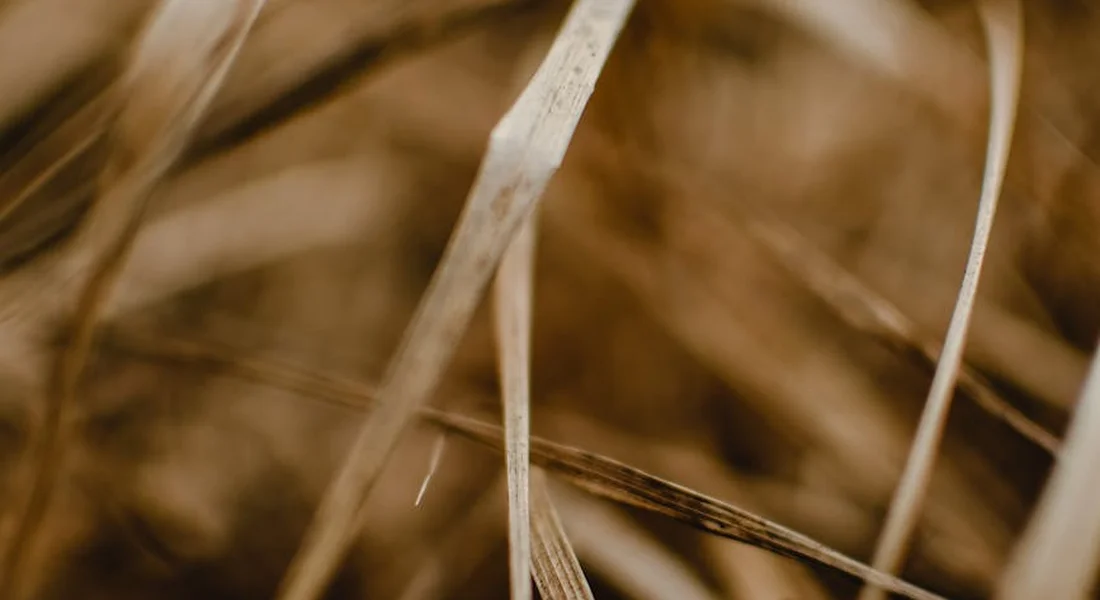
Walk into my feed room and you’ll see two distinct piles: one of fragrant, leafy hay and another of golden, hollow-stemmed straw. They might look similar to a newcomer, but to a horse’s gut, they’re as different as a steak dinner and a cardboard box. Choosing the right one isn’t about preference; it’s about purpose.
Nutritional Showdown: Protein, Energy, and Digestibility
Let’s get down to brass tacks. Good grass hay is a nutrient source. Straw is a fiber source. Hay is grown for its leaves and seed heads, packed with digestible calories, protein, and vitamins. Straw is the stalky residue after a grain crop like oats or wheat is harvested; its nutritional value is profoundly low.
Think of it this way: hay is the main course, straw is the packing peanuts. A diet of only straw would starve a horse, plain and simple, as it cannot meet their basic energy or protein requirements.
Here’s a quick comparison I keep taped to my feed room wall:
| Type | Primary Role | Crude Protein | Digestible Energy | Best For |
|---|---|---|---|---|
| Grass Hay (e.g., Timothy, Orchard) | Nutrition & Forage | 8-14% | High | Primary diet, weight maintenance |
| Straw (Oat, Wheat) | Bulking Fiber & Bedding | 3-5% | Very Low | Limited dietary bulk, bedding material |
When Hay is King, and Straw is the Jester
Hay is the undisputed king of the equine diet for good reason. It’s what keeps their bellies full, their minds busy, and their digestive tracts churning rhythmically. Every horse in my care gets free-choice hay, adjusted for weight and workload, unlike straw which they do not eat.
Straw, however, plays a very specific, limited role. I’ve used it in two scenarios:
- As a Bedding: Its lack of nutrients is an advantage here, discouraging horses like Pipin from seeing his bed as a snack bar (though he still occasionally tests this theory).
- As a Diluting Fiber for Easy Keepers: For a horse like Rusty, who looks at grass and gains weight, a veterinarian might advise replacing a small percentage of his hay with straw to add chew-time and bulk without calories. This is a veterinary nutrition strategy, not a barn manager’s cost-cutting hack.
The rustle of straw underfoot means a dry, comfortable stall. The sweet smell of hay in the morning means a content, nourished horse. Know the difference.
Navigating the Risks: When Straw Becomes a Problem
Straw isn’t inherently evil, but it demands respect. Treat it casually, and you’re inviting a world of trouble. I’ve seen the consequences of cutting corners, and they’re not pretty.
The Colic Connection: Impaction and Discomfort
This is the big one. That hollow, stemmy structure of straw is less pliable and more prone to forming a dense, indigestible mass in the gut compared to hay. An impaction colic is a slow, painful blockage. The risk skyrockets if a horse is underhydrated, eats straw too quickly, or is given straw as a primary forage without proper adaptation.
I always monitor water intake like a hawk, especially in winter or if I know a horse is on a straw-inclusive diet. A salt block and warm water in cold weather are non-negotiable partners to any fibrous feed.
Dental Dangers and Choking Hazards
Straw is tough. It’s fibrous and requires a lot of grinding. For older horses or those with dental issues, it can be a nightmare to masticate properly. Poorly chewed straw is a prime candidate for choke-that terrifying blockage in the esophagus.
I learned this lesson with a senior boarder years ago. His quidding (dropping half-chewed wads of food) with hay was bad, but with stray stalks mixed in, it was worse. Run your hands through the straw before feeding it; it should be relatively clean and pliable, not sharp or stick-like. If it feels like a bundle of twigs, it belongs on the garden, not in your horse.
The Mold and Contamination Crisis
Straw is often stored differently than premium hay, and it’s astonishingly good at hiding moisture and dust. I once broke open a bale that smelled fine on the outside, only to find a heart of grey, musty dust that made Luna cough from three stalls away.
Moldy straw is a hard no-for bedding or feed. Inhaling those spores can cause serious respiratory issues. If you’re using it as dietary fiber, the standard is even higher than for bedding. Every single flake must be shaken out, visually inspected in good light, and smelled for that sweet, clean aroma. Any doubt, throw it out. The vet bill for heaves or colic will always cost more than the bale you wasted.
Strategic Feeding: How to Use Straw Wisely in a Diet
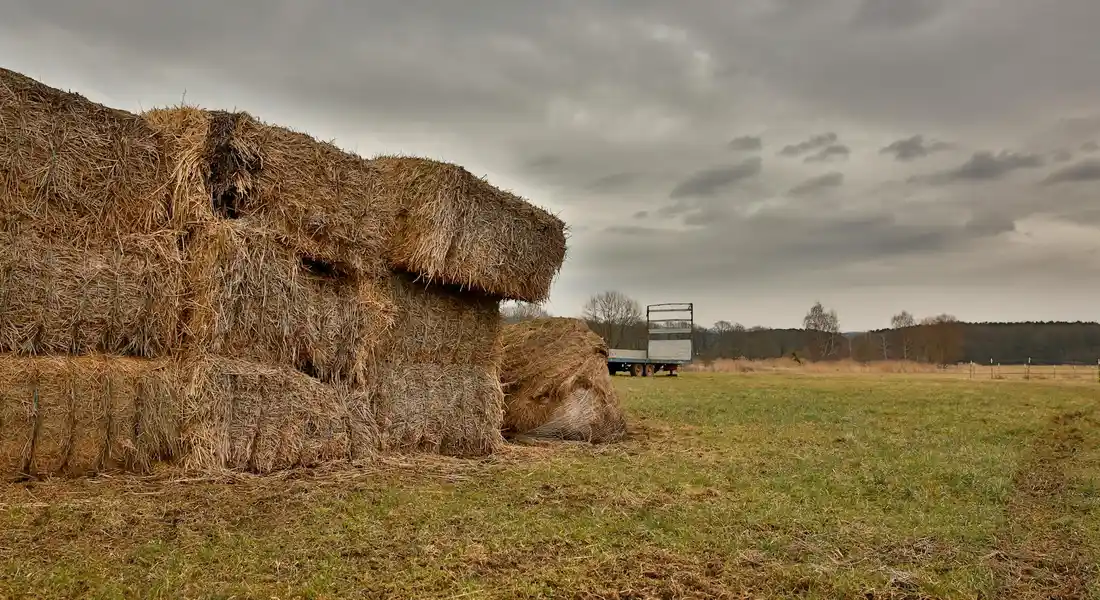
Think of straw not as a meal, but as a dietary tool. Used with intention, it can help manage weight and mimic natural grazing. My rule in the barn is simple: straw for filling time, not filling nutritional gaps. Always prioritize quality hay or pasture first.
For the Easy Keeper: A Low-Sugar Nibbling Option
Horses like my old reliable Rusty, who looks at grass and gains pounds, need clever solutions. A flake of oat or barley straw in a slow-feed net can give them hours of safe nibbling. This satisfies their need to chew without the sugar and calorie spike of richer hay. It keeps their mind busy and their gut moving, which is vital for welfare during stall rest or limited turnout.
I’ve used this with easy keepers for years. The key is monitoring their condition and manure. If you see loose stools or weight dropping too fast, you’ve gone too far-reintroduce more hay immediately.
The Soaking Method: Reducing Risks and Increasing Palatability
Dry straw can be dusty and unpalatable. Soaking changes the game. Dunk a net of straw in a clean bucket of water for 30 minutes to an hour. Soaking dramatically cuts down on inhalable dust, a must for sensitive lungs like Luna’s. It also softens the stalks, making them easier to chew and slightly more enticing.
Follow these steps for safety:
- Use fresh, clean water every time.
- Drain thoroughly to prevent bacterial growth.
- Feed soaked straw within a few hours, especially in heat.
The damp, earthy smell of soaked straw is a stable hack I swear by for picky or dust-prone horses.
Mixing It Up: Combining Straw with Hay
This is where strategy gets practical. Mixing straw into your horse’s hay ration can safely extend forage and cut calories. For caregivers budgeting feed, a quick estimate of how many hay bales a horse consumes each month is useful. A complete monthly consumption calculation can help you plan forage, cost, and storage more accurately.
- Start small: replace 10-15% of the hay weight with straw.
- Monitor closely: watch for any change in manure consistency or quidding.
- Choose wisely: oat straw is often the most palatable for mixing.
A mixed buffet in the stall encourages slower eating and more natural foraging behavior. For a high-energy horse coming off injury, I might mix a bit of straw into Luna’s hay to bulk up her ration without the heat. It’s a gentle way to manage intake.
Straw in the Stable: Its Primary Role as Bedding
The soft rustle of fresh straw bedding is a sound of comfort. Its main job is to provide a clean, cushioned place for rest. Deep, comfortable bedding is a cornerstone of equine welfare, supporting joint health and encouraging proper sleep. Turnout is best, but when they’re in, their stall should be a sanctuary.
Choosing Bedding Straw: Quality Matters for Health
Not all straw bales are created equal. You must be picky. Reject any bale that smells musty or shows greyish mold. Clean, bright, and dry straw is non-negotiable for preventing respiratory issues and hoof problems like thrush. I shake out every bale over the aisle-the cloud of dust tells me everything.
Here’s what I look for:
- Long, unbroken stalks that lock together for cushion.
- A sweet, grassy smell, not a sour one.
- Minimal seed heads, which can be a temptation to eat.
Investing in quality bedding is cheaper than a vet visit for asthma or a hoof abscess.
Managing the Chewer: When Your Horse Eats His Bed
If your horse, like the cheeky pony Pipin, starts consuming his bedding, it’s a signal. He’s likely bored or not getting enough long-stem forage. Punishing a horse for eating bedding misses the point-address the need, not the behavior. First, ensure he has unlimited access to hay before considering any management changes.
My action plan for bed-eaters:
- Increase turnout time immediately. More grazing is the best solution.
- Provide a constant, slow-feed hay source in the stall.
- If the behavior continues, switch to a less palatable bedding like shredded paper or wood pellets.
A horse eating his bed is telling you his diet or environment is lacking; listen to him. It’s a core part of gentle, observant horsemanship.
Evaluating Straw Types: Oat, Barley, and Wheat

Not all straw is created equal. Just like you wouldn’t feed any random hay, the type of straw matters for safety and palatability. The differences lie in texture, digestibility, and hidden risks.
Your choice of straw can be the difference between a safe fiber top-up and a colic or injury risk, so knowing your options is non-negotiable.
Oat Straw: The Softest Option
Oat straw is generally considered the best choice for equine consumption. The stems are softer, leafier, and more palatable than other straws. I’ve used clean oat straw as a bedding for my easy-keeper, Rusty, knowing his penchant for sampling his mattress.
It provides a decent fiber source with lower calorie density than most grass hays. Think of oat straw as the “light” version of hay-it fills the gut and satisfies the need to chew without packing on extra pounds.
Even with oat straw, quality is paramount. It must be clean, free from dust, mold, and most importantly, any leftover seed heads. Feed it as a small portion of the overall roughage, never the main event.
Barley and Wheat Straw: Handle With Care
These are the coarser cousins and require much more caution. Barley and wheat stems are tougher, less digestible, and often come with a significant hazard: awns.
Awns are those bristly, hair-like fibers on the seed heads. They are sharp and can embed in a horse’s gums, tongue, and gums, causing painful ulcers and infections. I once saw a pony with a barley awn lodged under its tongue; the discomfort was obvious.
If you must use barley or wheat straw, it should be exclusively for bedding a horse that shows zero interest in eating it, and you must source it from a supplier who guarantees it is awn-free.
The coarse stalks also pose a higher risk of impaction colic if consumed in quantity. Their fiber is more lignified, meaning it’s harder for the microbial gut population to break down. Always weigh the risks carefully.
A Note on Beet Pulp and Other Fiber Supplements
When discussing low-calorie fiber, soaked beet pulp often enters the conversation. It’s a superb, digestible fiber source that can be fed in place of some hay for overweight horses. Unlike straw, beet pulp is highly fermentable and provides actual nutritional benefit.
Soaked beet pulp shreds or pellets are a controlled, safe method of adding gut-filling fiber without the impaction risks or nutritional void of straw.
Other options like hay pellets or chopped forage can also extend chewing time. The goal is always to support the digestive system with quality, appropriate roughage. Straw can play a tiny role, but products designed as feed are almost always a safer bet for meeting fiber needs.
FAQ: Can Horses Eat Straw? Understanding Roughage in Equine Diets
Can straw be used in the diet of a horse with laminitis?
Straw can be a strategic, low-sugar roughage option for some laminitic horses requiring strict non-structural carbohydrate (NSC) restriction. Its very low sugar and starch content helps minimize insulin spikes, which is a key management goal. However, its poor nutritional value and impaction risk mean it should only be used under direct veterinary guidance, typically as a small portion of the total forage.
How can I find the specific sugar content of the straw I want to use?
Precise sugar content varies widely by straw type, harvest conditions, and growing region, so a general “per pound” estimate is unreliable. To get accurate data for formulation, especially in Canada or other specific locales, you must send a sample to an agricultural testing laboratory for analysis. Using a forage analysis is the only way to safely calculate its exact contribution to a metabolic horse’s diet.
What are the main pros and cons of feeding straw to horses?
The primary pros include providing low-calorie chew time to combat boredom and aiding in weight management for easy keepers when substituted for a small percentage of hay. The significant cons are its high impaction colic risk, essentially zero nutritional value, and potential to cause dental issues or mouth sores from coarse stalks. It is a management tool, not a nutrient source.
The Final Verdict on Straw
Straw belongs in the stall, not the feed tub; reserve it as a last-resort fiber filler only when other forage sources have failed. The best practice is to provide ample, quality hay and always monitor what your horse is actually consuming from his bedding.
Trust your eye and your horse’s condition over any rigid rule. Your partnership and attentive care will always guide you to the right choice for his unique needs.
Further Reading & Sources
- Straw as an Alternative to Grass Forage in Horses-Effects on Post-Prandial Metabolic Profile, Energy Intake, Behaviour and Gastric Ulceration – PMC
- What type of roughage is best for your horse?
- Feeding Straw to Horses: A Low-Energy Forage Alternative | Mad Barn
- Forage for Horses: Hay, Haylage, Silage, Straw & Co. Overview
At Horse and Hay, we are passionate about providing expert guidance on all aspects of horse care, from nutrition to wellness. Our team of equine specialists and veterinarians offer trusted advice on the best foods, supplements, and practices to keep your horse healthy and thriving. Whether you're a seasoned rider or new to equine care, we provide valuable insights into feeding, grooming, and overall well-being to ensure your horse lives its happiest, healthiest life.
Nutrition