
Can You Spay a Horse? Understanding Equine Reproductive Behavior
Hello fellow equestrians. If your mare’s heat cycles have her tossing her head in the crossties or becoming dangerously distracted under saddle, you’re right to be concerned about safety and potential vet bills.
In this article, I’ll cut through the confusion and provide clear, practical options. We’ll explore:
- The specific veterinary procedure for spaying mares and how it differs from small animals
- Effective, non-surgical ways to manage heat-related behavior
- The critical recovery timeline and aftercare if you pursue surgery
- How to interpret your mare’s reproductive signals for safer handling
Having managed barns and trained horses for years, I’ve guided many owners through this exact decision with a focus on equine comfort and rider confidence.
What Does It Mean to Spay a Horse?
In the simplest barn terms, spaying a mare means surgically removing her internal reproductive organs so she can no longer have foals. Think of it as a major equine surgery, similar to a human hysterectomy, but performed far less frequently than gelding a male horse. I’ve only seen it done a handful of times in my career, usually as a last resort for serious health problems.
Vets use formal terms like ovariohysterectomy (removing both ovaries and the uterus) or gonadectomy (removing just the ovaries). Essentially, the surgeon takes out the organs that produce eggs and hormones, fundamentally changing the mare’s reproductive biology. It’s not a simple in-and-out procedure; it requires entering the abdomen, which is why recovery is a big deal.
Contrast this with gelding, where a colt’s testicles are removed in a relatively straightforward external surgery. Gelding is a common rite of passage for young males to manage behavior, while spaying is a rare, significant intervention for mares. From my time managing the barn, I’ve gelded a few young colts with minimal fuss, but a spay surgery always meant weeks of careful stall rest and hand-walking for the mare involved.
Why Consider Spaying Your Mare?
Spaying is almost exclusively considered for serious medical or severe behavioral crises. The primary driver is always the mare’s long-term health and comfort, not convenience. I remember one older mare at our facility who underwent the procedure after years of struggle.
Medical reasons are the most compelling and include conditions like persistent ovarian tumors that cause pain or hormonal imbalance, or a chronic uterine infection (pyometra) that antibiotics can’t clear. In these cases, removing the diseased organs can be a life-saving measure to end constant discomfort.
Behavioral reasons are trickier and must be severe, directly tied to the estrous cycle. We’re talking about mares like my sensitive Luna, but amplified-those with dangerous, unpredictable mood swings, aggression toward handlers or pasturemates, or debilitating anxiety solely during heat. If a mare is a genuine danger to herself and others every three weeks, it becomes a welfare discussion.
A welfare-based reason might involve ending a breeding mare’s reproductive life after several difficult foalings, allowing her to retire in peace without the physical strain of cycles. This decision honors her service by prioritizing her quality of life over her reproductive utility, though it is important to differentiate this from euthanasia for ending suffering.
Before ever considering surgery, exhaust all practical alternatives. Hormone regulators, like oral altrenogest, can smooth out extreme behavioral swings for many mares. Simple pasture management-keeping her with a steady, calm gelding friend-can also provide stability. Often, ensuring ample turnout time and a consistent routine addresses many cyclical behavioral issues without a scalpel ever coming near her.
The Surgical Procedure and Its Risks
-
The surgery starts with your horse under general anesthesia, lying padded on her side in a sterile surgical suite. A veterinarian makes a careful incision, typically in the flank or on the belly, to access the ovaries. Each ovary is gently isolated and removed, with blood vessels securely tied off. The incision is then closed in layers with sutures. This procedure differs significantly from geldings, where the testes are removed to prevent breeding in male horses.
From my time assisting vets, I can tell you the room is all focused quiet, just the beep of monitors and the soft snip of instruments-it’s a precise dance, not a rough job.
-
Common risks are real, but manageable with vigilance. Infection at the incision site is a primary concern. Internal bleeding or adhesions can occur. Anesthesia always carries a risk, especially for large animals. Complications like colic or laminitis may also arise post-op due to stress and changes in routine.
You must weigh these risks against the benefits, knowing that a proactive care plan significantly stacks the odds in your horse’s favor. For senior horses, special health considerations—such as monitoring for age-related conditions, adjusting nutrition, and supporting mobility—can further guide your decisions.
-
The outcome hinges entirely on veterinary expertise and facility standards. This isn’t a routine castration; it’s major abdominal surgery. Your vet should have proven experience with equine laparotomies, especially for advanced procedures. The facility must have emergency equipment and a recovery stall with padded walls.
I never skimp on vet selection-seeing a skilled team work on a sensitive soul like Luna reinforced that the right hands make all the difference between a crisis and a controlled procedure.
Navigating Recovery and Post-Operative Care
-
Immediate monitoring is non-negotiable for the first 24 hours. Your horse will be groggy and unsteady coming out of anesthesia. A handler should stay nearby as she stands, ensuring she doesn’t fall or thrash. Offer small sips of water once she’s fully awake, but withhold hay for a few hours to prevent choke. This is just as important as preparing your horse for a safe and calm vet examination.
Stay patient during this woozy phase; it’s like babysitting a very large, disoriented toddler who just wants to lie down.
-
Stall rest is mandatory for at least two weeks to prevent incision strain. Keep the stall deeply bedded and impeccably clean. For wound care, you’ll gently clean the suture line daily with a vet-recommended solution, checking for any heat or seepage. Prevent stitching by using a clean fly sheet.
I’ve spent many hours in stall corners with Pipin after his surgeries, and I learned that consistent, calm routine is the best medicine for keeping a horse quiet and compliant. Being a calm, assertive leader for your anxious horse creates trust and ease in handling. I’ll dive deeper into this approach in the next steps.
-
Watch for these red flags daily: fever over 101.5°F, pus or foul smell from the incision, sudden swelling, loss of appetite, or signs of abdominal pain like pawing or looking at the flank. Lethargy or increased heart rate also warrants an immediate call to your vet.
Trust your gut—you know your horse’s normal, so any off behavior is worth investigating, not just waiting out. Understanding running behavior and natural instincts helps flag health concerns early. Knowing what is normal for their gait and energy makes deviations easier to notice.
-
Return to work is gradual, starting with hand-walking after the vet gives the all-clear, usually around month one. Build up slowly from there. Schedule long-term health checks to monitor for any hormonal changes or weight fluctuations, ensuring her overall wellness supports a happy life at pasture.
Advocate for that gradual return and plenty of turnout time; horses like Rusty heal better when they can finally stretch their legs and just be horses again. For horses recovering from injury or surgery, a tailored rehab plan supports steady healing. Consistent care from handlers and vets makes post-op recovery smoother.
Behavioral and Hormonal Changes After Spaying
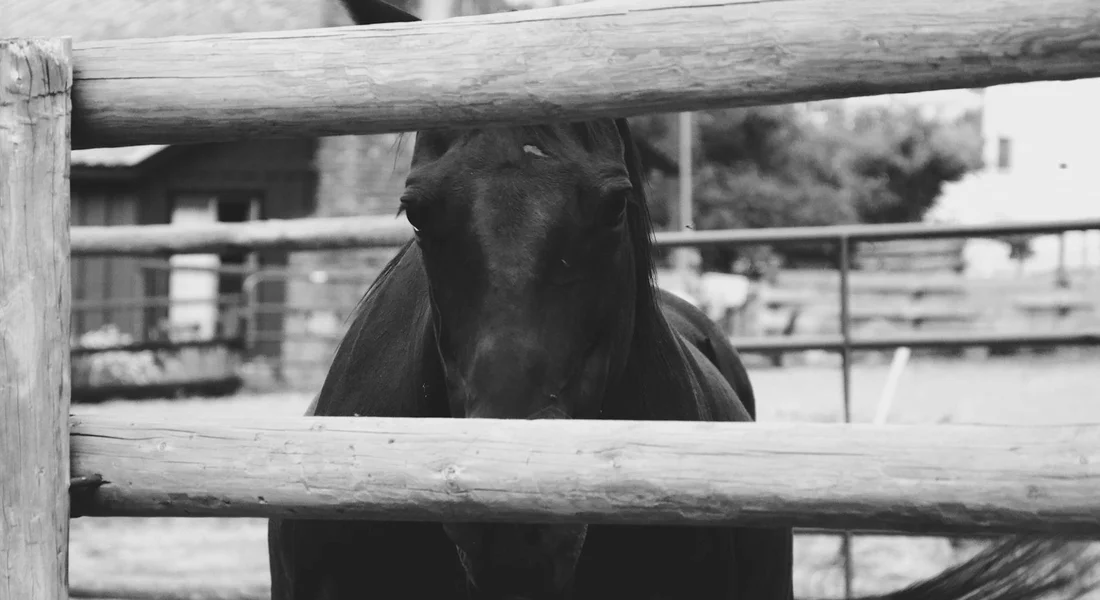
Spaying a mare removes her ovaries, the factories producing estrogen and progesterone. Take away the factories, and the hormonal supply lines shut down. This directly halts the estrus cycle, eliminating the monthly surge that drives behaviors like restlessness, calling to other horses, and reduced focus.
What Changes in Your Mare
Expect a more consistent temperament. The mood swings tied to heat often soften or disappear. A mare might trade her edgy, distracted days for a steadier, more predictable demeanor. Training becomes more reliable because you’re working with the same horse from one day to the next, not a different version influenced by hormones.
Herd dynamics frequently shift. A spayed mare may become less competitive for dominance or attention from geldings. She might spend more time grazing and less time squealing or pinning her ears. I’ve watched spayed mares become the calm anchors of their pasture groups, diffusing tension instead of creating it.
A Tale from the Stable
I managed a mare much like our sensitive Luna-a talented but hormonally tumultuous thoroughbred. Her heat cycles made her a spooky, nervous ride. After spaying for a medical issue, the change was profound. The jittery energy transformed into a willing focus. The thud of her hooves on the trail became rhythmic and confident, not a startled reaction to every leaf. She was still brilliant, just without the static.
Practical Considerations for Horse Owners
This isn’t a quick decision. It requires weighing your mare’s entire life picture against a significant surgical procedure. Your first partner in this conversation must always be a trusted equine veterinarian.
When Timing is Everything
The ideal window is often after a mare is skeletally mature but still young-typically between 2 and 5 years old. This allows for easier recovery and maximizes the behavioral benefits over her lifespan. Spaying an older mare is possible, but surgical risks and less dramatic behavioral shifts are part of the calculus.
Weighing the Costs
Think beyond the surgery bill. Compare the one-time spay cost to lifetime mare maintenance.
- Spaying: A significant upfront investment for surgery, hospitalization, and aftercare.
- Mare Maintenance: Annual costs for managing heat cycles, potential loss of training days, and possible treatments for persistent behavioral or medical issues related to hormones.
- Vs. Gelding: Castrating a stallion is generally simpler and less expensive than spaying a mare. If your choice is between buying a colt or a filly, this cost difference is a real factor. It’s important to consider these factors especially when deciding between a gelded horse versus a stallion for non-breeding purposes.
For a pleasure horse not intended for breeding, spaying can be a cost-effective solution over twenty years of ownership.
Your Decision Checklist
Walk through these points with your vet:
- What is my mare’s primary role? Is her current behavior hindering her job or her safety?
- What are the specific surgical risks for her age and breed?
- Are there alternative management strategies, like hormonal supplements or environmental changes, we haven’t exhausted?
- What does my long-term financial and care picture look like?
This framework isn’t about finding a right answer, but about asking the right questions for your unique partnership.
Can You Spay a Horse? Understanding Equine Reproductive Behavior
What are the alternatives to spaying a mare?
Before pursuing surgery, non-surgical management options should be thoroughly explored. Hormonal regulators, like oral altrenogest, can effectively smooth out extreme behavioral swings during heat cycles. Simple changes in pasture management, such as providing consistent turnout with a calm gelding companion, often reduce stress and improve demeanor. Additionally, ensuring a stable routine with ample exercise can address many cyclical issues without invasive intervention.
At what age can a mare be spayed?
The ideal age for spaying is typically after skeletal maturity, usually between 2 and 5 years old. This window allows for easier recovery and maximizes long-term behavioral benefits over the mare’s lifespan. However, older mares can undergo the procedure if medically necessary, though surgical risks may be higher and behavioral changes less pronounced.
How does spaying differ from gelding a male horse?
Spaying is a major abdominal surgery requiring general anesthesia to remove ovaries and often the uterus, leading to a longer recovery period. Gelding is a simpler external procedure involving the removal of testicles, usually performed with local anesthesia and resulting in quicker healing. While gelding is routine for managing male behavior, spaying is rare and considered only for serious health or severe behavioral issues in mares.
Your Mare, Your Choice
Spaying is a complex procedure for horses, generally reserved for specific medical issues rather than routine behavior management. The most practical path is to work closely with your equine vet to exhaust all other options, from adjusted turnout schedules to targeted training, before ever considering the operating table.
In my stable life, I’ve learned that a quiet moment observing your mare often teaches you more than any textbook. True partnership is built on listening to her, ensuring her welfare is the compass for every decision you make together.
Further Reading & Sources
- Do Horses Need to Get Spayed/Neutered? | Equine Gelding
- Should You Spay Your Mare? – Kentucky Equine Research
- Spaying mares: A method to permanently manage behavior | TSLN.com
- Why Spay Isn’t Always The Way For Mares – And How To Tell When It’s Right – Paulick Report | Latest news and commentary from the horse racing and equine world
At Horse and Hay, we are passionate about providing expert guidance on all aspects of horse care, from nutrition to wellness. Our team of equine specialists and veterinarians offer trusted advice on the best foods, supplements, and practices to keep your horse healthy and thriving. Whether you're a seasoned rider or new to equine care, we provide valuable insights into feeding, grooming, and overall well-being to ensure your horse lives its happiest, healthiest life.
Behavior