
Horse Running Behavior and Health Concerns: Understanding Natural Instincts for Safer Care
Hello from the barn aisle. When your horse suddenly rockets across the field, it’s natural to feel a mix of awe and anxiety. That burst of speed can hint at pure joy or point to underlying stress, pain, or managerial gaps that need addressing.
In this guide, we’ll untangle the threads of instinct, health, and management. You’ll get clear insights on the following key areas:
- Why the flight response is central to equine psychology and how it manifests in daily behavior.
- Critical health signs-from respiratory changes to lameness-that excessive or altered running can reveal.
- Proven, gentle strategies to channel running energy safely, ensuring both turnout freedom and stable well-being.
Drawing on years of hands-on barn management and training horses like the savvy Quarter Horse Rusty and the sensitive Luna, I’ve learned that respecting these instincts is non-negotiable for equine welfare.
The ‘Why’ Behind the Run: It’s Not Just Speed
From my chair by the paddock, coffee in hand, I’ve watched countless horses run. It’s easy to call it all “playing,” but the reasons behind those thundering hooves are as varied as the horses themselves. Understanding the motivation changes how we manage, train, and even relax around them.
The Flight Instinct: A Hardwired Survival Tool
This isn’t a choice; it’s a biological imperative. A sudden noise, a flapping tarp, a strange shadow-the reaction is immediate. The horse’s entire system floods with adrenaline, priming muscles for explosive movement. You’ll see the head snap up, nostrils flared, eyes wide, and the body coil before the first leap. This flight response is so deeply ingrained that a horse will often run first and ask questions never.
I think of my Thoroughbred, Luna. A plastic bag once blew into the arena, and she went from standing still to a full-blown gallop in two strides. There was no “play” in her expression, only pure, white-eyed alarm. Managing this instinct isn’t about eliminating it (impossible), but about building trust so the threshold for panic is higher. It’s about proving to them, consistently, that the feed sack won’t eat them.
Herd Dynamics and Social Running
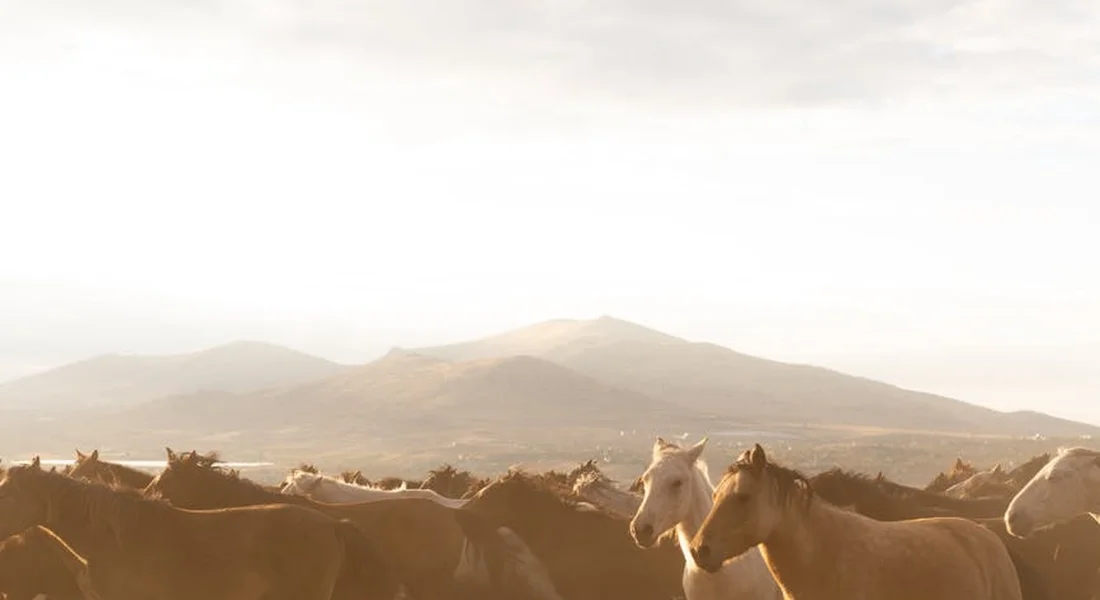
This is the joyful counterpart to fear-based flight. Watch a group turned out together after a night in their stalls. The running starts not from terror, but from sheer exuberance. It’s a social event. A younger horse might kick up its heels, provoking a chase. You’ll see them take turns being the pursuer and the pursued. This social running reinforces herd bonds, establishes playful hierarchy, and is a critical form of equine communication. Understanding horse herd dynamics and social enrichment helps caretakers foster calm, confident groups. These insights set the stage for mindful enrichment that supports positive social behavior.
My old gelding, Rusty, is usually the stoic observer, but even he’ll join in for a brief, rumbling canter when the mood strikes the herd. Meanwhile, Pipin the pony is often the instigator, darting between the big horses’ legs to start the game. It’s a coordinated dance, not a chaotic stampede.
Reading the Run: Signs of Joy vs. Signals of Distress
Distinguishing between a happy horse and a stressed one is a cornerstone of responsible care. The difference is in the details-the tension in the body, the cadence of the stride, and what happens when they stop.
The Anatomy of a Healthy Play Gallop
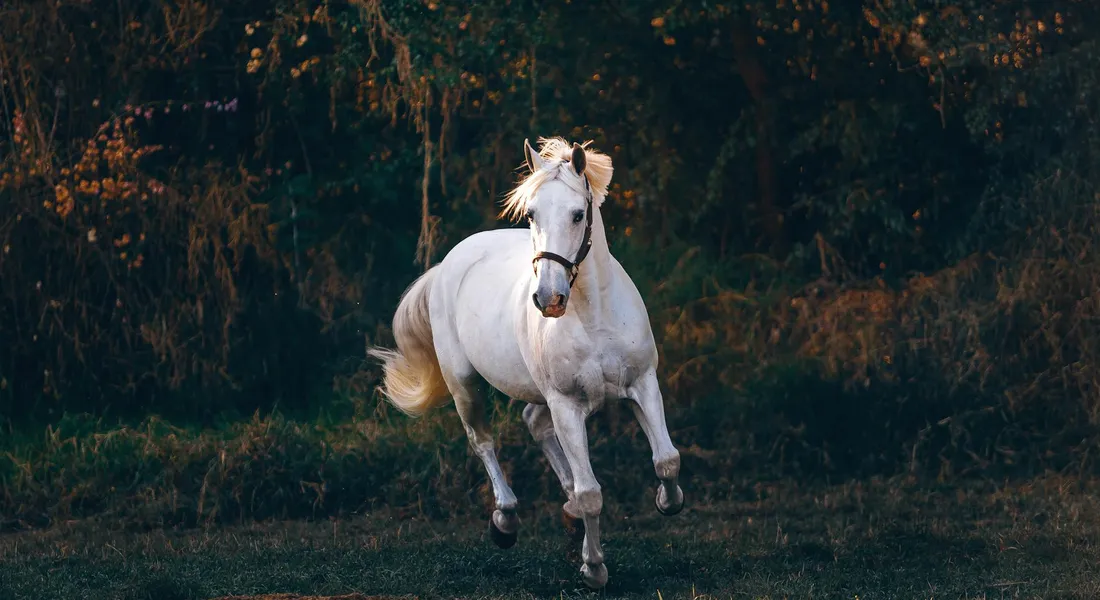
A horse running for fun is a beautiful, loose-limbed sight. Their body tells the whole story:
- Expression: Eyes are bright, ears are flicking playfully (often one forward, one back), and the mouth may be relaxed.
- Body Carriage: The back is rounded, the tail is carried up and often swinging freely, like a banner.
- Movement: The gait has a bouncing, “floaty” quality. They might incorporate playful bucks or leaps with their back arched, not hollowed.
- The Finish: They pull up, snort, shake off, and often go right back to grazing or amicably grooming a buddy. The energy dissipates quickly.
This kind of run ends with a satisfied sigh, not a panicked puff. It’s exercise and emotional release rolled into one—and a sign that you understand what they’re truly feeling inside.
Red Flags in Their Rhythm: Stress and Pain Cues
Running from pain or deep anxiety looks and feels entirely different. This is where your observer’s eye becomes crucial. Watch for:
- A Rigid Body: The neck is stiff and often held high, the back looks hollow or tense, and the tail may be clamped tightly or whipping in agitation.
- Facial Tension: The eyes show white, the nostrils are thin and flared, the ears are pinned flat back or rigidly forward.
- Erratic Patterns: The running is frantic, directionless, or repetitive (like constant circling). They might crash into fences or seem unaware of their surroundings.
- Post-Run State: They don’t settle. They continue to pace, sweat profusely from anxiety (not exertion), and their breathing remains ragged and elevated for too long.
A horse running from discomfort, like a poorly fitting saddle or a brewing ulcer, often has a short, choppy stride and may even buck in a stiff, angry manner. If my sensitive Luna starts rushing off in what seems like play but her body is tight as a bowstring, I know it’s time to check for a burr under her girth or reconsider my training approach that day. The run itself is a symptom; your job is to diagnose the cause.
When Running Points to a Problem: Key Health Concerns
Lameness and Gait Irregularities
Watch how your horse moves when they choose to run freely; a joyful gallop shouldn’t look lopsided or hesitant. I once saw Rusty, usually steady as a rock, take off after a bird and come back with a subtle head bob on his left front. That tiny change in rhythm was our first clue to a brewing abscess, reminding me that spontaneous running often reveals what controlled work hides. Look for signs like shortened stride, uneven weight bearing, or a reluctance to lead with a particular leg.
- Feel for heat or swelling in legs and hooves after turnout.
- Listen for an irregular beat as hooves hit the ground-the thud-thud-thud should be even.
- Note any stiffness or resistance when asking for a trot after free exercise.
Respiratory Strain and ‘Heaves’
Running demands peak oxygen, and a horse with compromised airways will sound like a rusty bellows. My sensitive Luna, after a vigorous roll and run, once needed ten full minutes for her breathing to settle, a red flag for inflammation. Persistent coughing during or after a run, flared nostrils long after rest, or an audible wheeze are your horse pleading for cleaner air and a vet’s opinion. This is common in dusty environments or with allergies. Knowing the common causes and practical solutions for coughing helps you act quickly. Next, we’ll outline these causes and simple fixes.
Manage this by soaking hay to cut dust, ensuring superb ventilation in the barn, and avoiding intense running on high-pollution days. A proper warm-up is non-negotiable to prepare those lungs.
Digestive Discomfort and Colic Risk
The instinct to run can clash dangerously with a full gut. I learned this the hard way with Pipin, who would bolt his grain and then zip around his paddock, leading to a scary bout of gas colic. Running, especially right after eating, can jostle the intestines and disrupt delicate digestive motility, turning a natural behavior into a medical emergency.
- Always provide at least 60-90 minutes of quiet standing or walking after a large meal before turnout.
- Feed smaller, more frequent portions to prevent gorging.
- During colic season, be extra vigilant for signs like pawing, repeated lying down, or loss of interest in running altogether.
Managing the Instinct: Safety and Welfare in Daily Life
Turnout Time is Non-Negotiable
Confining a horse to a stall because you fear they’ll run too much is like capping a volcano; pressure builds until it explodes. Daily, unstructured turnout on safe footing is the single best valve for that pent-up energy, reducing frantic bursts and promoting sane, healthy movement. At our barn, we prioritize it above almost all else-the difference in demeanor, from hoof-ringing anxiety to contented sighs, is palpable.
- Aim for a minimum of 12 hours of turnout per day, even in bad weather.
- Use track systems or large paddocks to encourage walking and trotting, not just standing.
- Pair compatible buddies; social running is often calmer than solo panic.
Creating a Calm and Predictable Environment
Horses run from fear, not just fun. Sudden noises, chaotic feed times, or inconsistent handlers can turn a paddock into a panic room. Your daily routine is your best training tool; feeding, mucking, and handling at predictable times build a foundation of trust that minimizes stress-based bolting. With Luna, I keep everything soft and slow—sudden movements near her stall are an invitation for a flight response. Understanding common horse fears and signs of anxiety helps us anticipate skittish behavior. A calm, predictable routine keeps things manageable.
Simple fixes make a world of difference. Hang quiet rubber buckets instead of metal ones, keep a radio on low for consistent background noise, and always approach your horse with a calm, announcing voice before you enter their space.
Balancing Exercise and Rest in Training
Structure work sessions to honor the run-rest cycle they’d follow in the herd. I never drill a horse after they’ve just had a big run in the field; that’s asking for mental burnout and physical strain. Instead, channel that instinct by starting with a long, forward walk on a loose rein, letting them stretch and look around, which takes the edge off before you ask for focused work.
- Begin with 15 minutes of rhythmic walking and slow trotting to warm up muscles and mind.
- Incorporate short, controlled canter sets if appropriate, then bring back to a walk before they tire.
- End every session with a long, untracked cool-down walk-this is non-negotiable for tendon and ligament health.
Remember, a tired horse is a clumsy horse. If Pipin has been zooming around his field all morning, our afternoon training is light, focused on mental games, not more running. Listening to their energy levels prevents injury and keeps the joy in their movement.
Your Role as Herd Leader: Observation and Action
In the herd, a leader provides security and direction. For your horse, that leader is you. This isn’t about dominance, but about attentive presence that builds a bank account of trust you can draw from when things get chaotic. Your most powerful tools are your eyes, your patience, and your willingness to act on their behalf.
Building a Baseline for Your Individual Horse
You cannot spot the abnormal if you don’t know the normal. Every horse has a unique running “fingerprint.” Luna’s frantic sprint is Pipin’s casual trot. Building this baseline requires quiet watching.
Note their habits. Does your horse always buck once on the left lead after cantering? Do they sigh and walk to the water trough after a good roll? These ingrained rituals are your horse’s normal, and any deviation is a flashing check-engine light.
Keep a simple mental log for each horse. I think of mine like this:
- Rusty: Jogs briskly to the gate at feeding time. His “running” is a steady, ground-covering trail trot. A gallop is rare and usually means a deer spooked him. Post-run, he breathes heavily for exactly three minutes before diving into his hay.
- Luna: Explodes into movement, all floating trot and coiled energy. Her gallop is her default “fast” gear. After exercise, she paces her stall until she cools down, her nostrils still flaring.
- Pipin: His run is a comical, determined scamper. He never runs far, just from one point of mischief to the next. He’s recovered instantly since birth, it seems.
Watch for these key baseline elements during and after movement:
- Recovery Rate: Time how long it takes for breathing to return to quiet, nostril-flaring silence after work. A lengthening time is a clue.
- Soundness: Learn their standard footfall. A subtle change in rhythm on the soft arena footing often precedes a noticeable limp on hard ground.
- Mental State: Does running leave them calm and satisfied, or wired and anxious? A change in mood post-exercise speaks volumes.
When to Call the Vet
Observation leads to action. Some running behaviors are a clear signal to pick up the phone. Trust your gut-you know your herd member better than anyone.
An immediate vet call is warranted if running is accompanied by any of these red flags: acute lameness, violent colic signs (rolling, looking at flank), labored breathing at rest, or significant trauma like a deep cut.
Other scenarios require you to halt work and make the call:
- Sudden Behavioral Shifts: Your steady Eddy like Rusty suddenly bolting violently or refusing to move. This screams pain, often neurological or musculoskeletal.
- Incoordination During Movement: Stumbling, weaving, or seeming “drunk” while running. This is not a training issue; it’s a neurological or systemic one.
- Excessive, Non-Weather-Related Sweating: A horse drenched in lather before being truly worked, especially if the sweat is cold or patchy.
- Persistent Rapid Recovery Failure: If your horse’s breathing takes twice as long to recover as their baseline on a routine workload.
- Repetitive, Aimsless Running: Stall circling or fence-line pacing that continues for hours. This is often a sign of distress, ulcer pain, or profound mental frustration.
My rule is simple: if a behavior is new, extreme, and paired with any physical distress, the vet gets a ring. I’d rather pay for a farm call that turns out to be nothing than lie awake all night wishing I had. Your role as herd leader is to interpret the run, and sometimes, the smartest action is to call in the cavalry.
Frequently Asked Questions About Horse Running Behavior and Health Concerns
Why do horses sometimes run aimlessly in circles?
This behavior often signals stress, pain, or mental distress rather than playful exercise. It can indicate underlying issues like gastric ulcers, boredom from inadequate turnout, or anxiety from environmental triggers. Consistent circling warrants a veterinary evaluation and a review of housing and management practices to address the root cause.
Can excessive running lead to long-term joint problems in horses?
Yes, repetitive high-impact running on hard or uneven ground can accelerate joint wear and increase injury risk. Providing daily turnout on safe, forgiving footing allows for natural movement that supports joint health. Balancing free exercise with rest and proper nutrition is key to maintaining soundness over time.
How can I use a horse’s natural instincts to prevent bolting during rides?
Respect the flight response by building trust through consistent, calm handling and desensitization to common fears. Incorporate long, forward warm-ups at a walk to release pent-up energy before asking for focused work. Design training sessions that mimic natural herd movement patterns, using rhythm and predictability to reduce anxiety and promote willingness.
Final Thoughts from the Stable
View your horse’s daily runs as a health report card, noting their ease and enthusiasm during turnout for clues about comfort. A sudden change in running behavior-like frantic bolting or a persistent limp-is your direct signal to pause riding and call your vet. It’s important to know the signs of a healthy horse to better understand these cues.
True horsemanship grows from quiet observation and a commitment to your partner’s native language of movement. Your patience and willingness to listen to horses, more than any tool or technique, keep your horse sound and your bond secure.
Further Reading & Sources
- The Basics of Equine Behavior | Equine Science Center
- horseOlogy | What to Know About Equine Psychology
- Using Behavior to Your Advantage in Training Your Horse | Equimed – Horse Health Matters
- Understanding Equine Behavior
At Horse and Hay, we are passionate about providing expert guidance on all aspects of horse care, from nutrition to wellness. Our team of equine specialists and veterinarians offer trusted advice on the best foods, supplements, and practices to keep your horse healthy and thriving. Whether you're a seasoned rider or new to equine care, we provide valuable insights into feeding, grooming, and overall well-being to ensure your horse lives its happiest, healthiest life.
Behavior