
Best Forage Options for Horses: Building Health from the Ground Up
Published on: February 19, 2026 | Last Updated: February 19, 2026
Written By: Henry Wellington
Hello fellow equestrians, is your horse a picky eater or gaining too much weight too fast? That quiet worry about colic or a dull coat often starts right at the manger, where forage choice makes all the difference.
Let’s tackle this together. I will guide you through the core solutions to match your horse with their perfect roughage, covering:
- Decoding hay quality by its smell, feel, and sound, not just its color
- Why turnout time is non-negotiable for both mind and gut health
- The specific jobs for grass hay, alfalfa, and soaked alternatives
- Simple, safe slow-feeding systems to extend chewing time
My years in the barn with horses like my own have taught me that the right forage is the simplest path to fewer vet visits and more relaxed rides.
Why Forage is the Foundation of Equine Health
Think of your horse’s gut as a slow-burning furnace that needs constant fuel. Their digestive system is designed for almost continuous grazing, not for large, sporadic meals. When that furnace runs low on fiber, everything from their mood to their metabolism can sputter. I keep my guys, like the sensitive Luna, on nearly constant turnout with hay nets because a busy mouth means a calm mind. Does the horse’s digestive system really work like this? Keeping fiber flowing supports that long, microbial-driven process.
The benefits of getting this right are profound. A steady stream of forage keeps the digestive tract moving smoothly, drastically cutting the risk of colic and ulcers. It provides the building blocks for strong hooves and a shiny coat. Most importantly, it turns feeding time from a moment of excitement into a state of peaceful, natural contentment.
- Mental Stimulation: Continuous chewing mimics natural behavior, preventing stall vices and boredom.
- Gut Health: Constant fiber flow buffers stomach acid and supports a healthy microbial population.
- Hoof Health: Key nutrients like biotin are best utilized when delivered steadily through quality forage.
Understanding Your Hay Options: From Timothy to Alfalfa
The Grass Hay Family: Timothy, Orchardgrass, and Bermuda
Grass hays are the steady workhorses of the forage world. Good Timothy has a sweet, floral smell and a mix of soft blades and sturdy stems. It’s a classic choice for many pleasure horses. Orchardgrass is often leafier and softer to the touch, making it palatable for pickier eaters. Bermuda hay, common in warmer regions, is fine-stemmed and can be a bit drier; it’s excellent for horses needing a lower-sugar diet. Different hay types suit different horses, and a complete comparison can help you choose the best fit. The next steps will present that comparison in detail.
For a quick comparison, here’s how they stack up:
| Type | Texture & Feel | Protein Level | Ideal For |
|---|---|---|---|
| Timothy | Mix of soft blades and coarse stems | Moderate (7-10%) | Most adult horses, easy keepers |
| Orchardgrass | Very leafy, soft, and pliable | Moderate (8-11%) | Senior horses, picky eaters |
| Bermuda | Fine, wiry stems, can be harsh | Lower (6-9%) | Horses prone to metabolic issues |
Always choose hay that smells fresh and clean, like a sun-dried meadow, not musty or dusty. I’ve found our steady Eddy, Rusty, does best on a solid timothy base-it keeps him fueled for trails without firing him up.
Legume Hay: The Power of Alfalfa and Clover
Legume hays are the protein powerhouses. Alfalfa is rich, dark green, and leafy, packing high levels of protein and calcium. It’s fantastic for hard keepers, young growing horses, or lactating mares. But it’s rich—think of it as the rich dessert of the hay world. Too much can lead to weight gain, hot behavior, or even urinary issues in some horses.
Clover hay can be similar but watch for slobbers; certain clovers contain a compound that makes horses drool excessively, which is messy but usually harmless. Alfalfa hay is valued for its higher protein and calcium, which can support conditioning in many horses. I often use alfalfa as a supplement, mixing a flake or two with grass hay for a horse like Luna when she’s in heavy training and needs the extra calories without the blood sugar spike from grain.
Mixed Hay and Regional Varieties
Don’t overlook local gems like fescue, bromegrass, or teff hay. A mixed grass/legume bale can offer a perfect balance. The single most important factor is quality and cleanliness, not just the name on the tag. I always source hay from trusted local growers-you can see the fields and know what you’re getting.
Use this hands-on check every time you evaluate a bale:
- Look: It should be mostly green, not brown or yellow. Avoid hay with visible mold, dust, or weeds.
- Smell: Take a deep whiff. It should smell sweet and fresh, like cut grass. A musty or sour odor means trouble.
- Feel: Grab a handful and twist it. Good hay has some spring and isn’t brittle or overly stemmy. It shouldn’t feel warm in the center of the bale.
Feeling the weight of a bale can also tell you a lot; a heavy, dense bale often indicates it was baled at the right moisture content. Our cheeky pony Pipin is a master at finding the dusty bits to avoid, teaching me to be just as picky as he is.
The Living Buffet: Pasture and Fresh Grass Management
Benefits of Turnout and Grazing Time
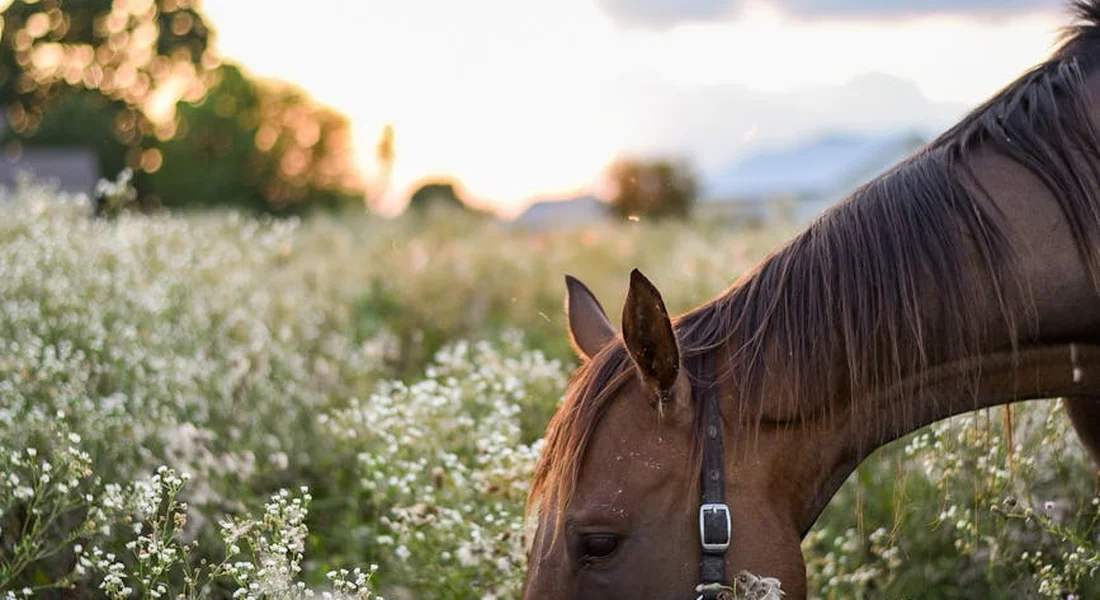
Think of your pasture as your horse’s all-access pass to wellness. I schedule turnout like a critical appointment, because watching a horse stretch its legs and drop its head to graze is the best sign of a content mind and body. The thud of hooves on soft earth beats any stable soundtrack.
Daily movement on grass delivers concrete rewards you can see and feel:
- Joint and Hoof Health: Constant, low-impact walking circulates joint fluid and stimulates strong hoof growth better than any supplement.
- Digestive Efficiency: A grazing horse produces saliva constantly, which buffers stomach acid and keeps forage moving smoothly through the gut.
- Stress Melting: Natural foraging behavior lowers cortisol levels, reducing anxiety-driven vices like weaving or stall kicking.
- Respiratory Cleansing: Fresh air flushes out dust and allergens that stagnate in a barn aisle.
I learned this with Luna, my sensitive Thoroughbred. After two days confined due to rain, she was tense under saddle and spooky at shadows. A single afternoon back in her paddock, where she could trot and snort and rip at grass, reset her completely. Her back softened, and her ears relaxed. Pasture time is therapy.
Pasture Risks and Safe Grazing Practices
That lush green carpet comes with its own set of rules. Grass is a living crop, and its sugar content swings wildly with the weather and season, posing a real founder risk. Your job is to manage the buffet, not just provide it.
Regularly patrol your pastures. Use your eyes and hands to check for:
- Poisonous plants like buttercup, maple leaves, or wilted red maple.
- Fallen branches or hidden holes that could cause a tendon injury.
- Patches of especially rich, dark green grass that signal high nitrogen and sugar.
The transition to spring grass is the most dangerous time. Introducing a horse to lush growth must be a gradual process, never a sudden feast. Here is my exact method, used on everything from ponies to seniors:
- Begin with a belly full of hay. A horse is less likely to gorge on grass if they already have fiber in their stomach.
- Limit initial grazing to 15 minutes on the new pasture. Use a timer.
- Increase time by 15-minute increments each day for at least two weeks.
- Employ a well-fitted grazing muzzle for easy keepers like Pipin. It slows intake but allows for movement and socializing.
- Target turnout for overnight or early morning when fructose levels in grass are typically lower.
Monitor your horse’s digital pulses and waistline closely during this period. A slight cresty neck or warm hooves are your cue to pull back grazing time immediately.
Beyond the Bale: Alternative Forage Forms
When to Consider Hay Cubes and Pellets
When traditional hay isn’t an option, compressed forages step in. Hay cubes and pellets solve specific problems, from dusty barns to aging teeth, but they require a different feeding strategy. I keep a bag of both on hand for emergencies and special needs. A quick look at the nutritional breakdown of hay bales, pellets, and cubes can help you tailor a plan for your horse. This side-by-side view guides which option to rely on in different situations.
Turn to these alternatives in these common scenarios:
- Poor Dentition: For seniors like Rusty, who quids his hay, soaked cubes become a soft, manageable mash he can actually swallow.
- Severe Dust Allergies: Soaked pellets produce almost zero airborne particles, giving irritated lungs a break.
- Long-Distance Travel: They are compact, weigh less, and won’t shed in the trailer like a loose bale.
- Precise Weight Management: For a horse on a strict diet, pellets allow for exact pound-by-pound measurement.
The key is to prevent rapid eating. Always soak cubes and pellets to reduce choke risk and to encourage a slower, more natural foraging pace. Here’s how they compare:
| Type | Soak Time | Best Practice |
|---|---|---|
| Hay Cubes | 20-45 min in cold water | Soak until they break apart easily. Feed from a wide, flat tub to discourage bolting. |
| Hay Pellets | 5-15 min in cold water | They turn to mush quickly. Create a thick slurry and mix with a handful of chopped forage to increase chew time. |
Feed these soaked meals in two or more portions daily. Spreading out their forage mimics the slow trickle of grazing and keeps their digestive system consistently working.
Understanding Haylage, Silage, and Chopped Forage
These moist forages are baled or chopped at higher moisture levels, then fermented. Haylage can be a dust-free godsend for horses with heaves, but it demands respect for its shelf life. The sweet, tangy smell when you open a fresh bale is distinct.
Know the differences:
- Haylage: Grass wilted to 40-60% moisture, wrapped in plastic. It’s nutrient-rich and palatable.
- Silage: Often made from corn or grass, with even higher moisture. It carries a greater spoilage risk.
- Chopped Forage (Chaff): Dry, chopped hay typically used as a fiber mixer in grain meals.
Storage is critical. Once the plastic wrap is breached, you have roughly 3-5 days to use haylage before mold and yeast begin to proliferate. I transfer opened haylage to a sealed bin and keep it in a cool, dark spot.
Offer a stern warning about silage. Improperly fermented silage can contain botulism toxin, which is almost always fatal to horses. I avoid it entirely unless it comes from a producer who guarantees consistent, tested fermentation for equine use. For most barns, high-quality haylage is the safer moist option.
Chopped forage is my go-to mixer. Adding a few handfuls of plain oat or timothy chaff to any concentrate meal forces more chewing, which slows eating and boosts saliva production. It’s a simple hack for happier digestion.
Matching the Forage to Your Horse’s Needs

Forage for the Easy Keeper vs. The Hard Keeper
Your horse’s ribs tell the real story. I spend my days running a hand over backs, feeling for that ideal covering where ribs are easily felt but not seen. This hands-on check is your best tool for categorizing your horse as an easy keeper who gains weight on air or a hard keeper who struggles to hold condition.
For the overweight horse, like my good buddy Rusty, forage management is about calorie control, not starvation. Opt for mature grass hay, which is lower in sugars and provides more chew time with fewer digestible calories. Here are your best bets:
- Late-cut timothy or orchard grass hay.
- Strictly limited pasture access, often with a grazing muzzle.
- Soaking hay for 30-60 minutes to leach out excess sugars.
The thin horse, like Luna in her peak training, needs dense nutrition to fuel their metabolism. Your goal is to pack calories into every bite without relying solely on high-starch grains. Focus on these richer options:
- A quality alfalfa and grass hay mix for added protein and calories.
- Leafy, early-cut grass hay that’s softer and more nutrient-dense.
- Free-choice access to hay, monitored to prevent waste.
Special Considerations for Seniors, Ponies, and Performance Horses
One forage plan does not fit all. Senior horses with dental issues benefit immensely from soaked hay pellets or cubes, which turn into a palatable mush they can eat without pain. I’ve watched old friends rediscover the joy of eating when their hay is served this way.
For ponies and easy keepers prone to metabolic issues, like our resident escape artist Pipin, forage is a safety game. Provide sparse, dry-lot turnout or use a slow-feed net with low-sugar straw or mature hay to keep their minds and guts busy without the sugar spike. Lush grass is a real danger for them.
Performance horses have different demands. An athlete like Luna needs higher-quality forage, such as alfalfa, to meet elevated energy needs and support muscle recovery after work. Balance this with their temperament, as too much rich hay can fire up a sensitive soul.
Sourcing, Storing, and Serving Forage Safely
How to Find and Buy Good Quality Hay
Your hay supplier relationship is foundational. Find a grower who is proud to show you their fields and baling process, and never buy hay sight-unseen. I drive out to my supplier every season to walk the stacks and shake a few bales.
When you’re there, run through this sensory checklist. Good hay should pass every test:
- Smell: It smells sweet and clean, like summer grass, never musty or sour.
- Color: Look for a bright green hue; faded yellow or brown indicates nutrient loss.
- Leafiness: Crush a handful; it should be soft and leafy, not stemmy and stiff.
- Cleanliness: Break open a bale. Reject any with dust clouds, mold, or unusual weeds.
Best Practices for Hay Storage
Bad storage ruins good hay. Always keep your hay dry, up on pallets, and in a barn with solid airflow to prevent wasteful and dangerous mold. I once lost a winter’s worth to a hidden damp spot, a costly lesson.
Stacking bales correctly preserves quality and prevents fire. Follow these steps:
- Place a moisture barrier like wooden pallets or gravel on the floor first.
- Stack bales in tight rows but leave a few inches between rows for air circulation.
- Cover the top of the stack with a breathable tarp, but never wrap the sides completely.
- Monitor the stack’s temperature regularly, especially for the first two weeks.
Daily Feeding Protocols for Stall and Pasture
Start with the math. Feed between 1.5% and 2% of your horse’s body weight in forage daily, adjusting up for hard keepers and down for easy ones. For a 1,200-pound horse, that’s 18 to 24 pounds of hay. That range is a starting point. For a complete feeding guide on how much hay a horse should eat daily, see our full guide.
For stalled horses, replication of grazing is vital. Use a slow feeder hay net to make meals last longer, reducing ulcers and stable vices born from boredom. I swear by them for horses on stall rest.
Pasture management protects your land and your horse. On a horse property, thoughtful pasture management supports safe turnout and forage health. This approach is central to effective horse property pasture management. Implement a rotation schedule, moving horses before the grass is eaten to the dirt, to ensure regrowth and break parasite cycles. Let the land rest and recover.
Common Forage Pitfalls and How to Sidestep Them

Even the best intentions with forage can go sideways if we aren’t vigilant. I’ve opened a bale that looked perfect from the outside only to find a musty, warm core-a lesson learned the hard way. Your nose, eyes, and hands are your most important tools for evaluating hay long before it ever reaches your horse’s mouth.
Recognizing and Preventing Mold, Dust, and Toxins
Bad hay doesn’t always announce itself with giant dust clouds. Sometimes the danger is quiet. Mold can appear as white or grayish fluff, black spots, or just a general clumping of stems. It gives off a distinctive smell-musty, damp, and sweet in a way that should raise alarm bells. Dust is simpler to spot; shake a flake and watch what particles fly into the sunlight.
Feeding moldy or overly dusty hay risks serious respiratory conditions like heaves, which is essentially equine asthma. I’ve seen a sensitive mare like Luna start coughing after just one feeding of a dusty batch. Toxins from certain molds or poisonous plants baled in with the hay can lead to neurological issues or organ damage.
Your first defense is storage. Keep hay off concrete floors with pallets and ensure your loft or shed is ventilated. When in doubt, throw it out; the cost of a bale is never worth a vet emergency. For hay that is merely dusty but otherwise good, soaking is a powerful fix.
How to Soak Hay Properly to Reduce Dust and Sugars
- Submerge the hay flake completely in a clean tub of water. Use a brick or a hay net with a weight to keep it under.
- Soak for 30 minutes to reduce dust and airborne particles. Soak for 60-90 minutes to also leach out water-soluble sugars, beneficial for insulin-resistant horses.
- Drain thoroughly before feeding to avoid pouring soggy, nutrient-depleted water into your horse. Feed soaked hay promptly to prevent bacterial growth.
Navigating Sudden Forage Changes and Digestive Upset
A horse’s gut microbiome is a finely tuned ecosystem. Changing its primary fuel source overnight is like sending that ecosystem through a tornado. Even a switch from one cutting of grass hay to another can cause disruption. I always transition over 7 to 10 days, no exceptions-even for my sturdy guy, Rusty.
Start by mixing 25% of the new hay with 75% of the old for three days. Then go 50/50 for another three, followed by 75% new to 25% old before making the full switch. This gradual process gives the microbial population in the cecum time to adjust, which is your single best defense against feed-change colic.
Know the warning signs. A horse off its feed, lying down more than usual, or looking at its flank is cause for immediate concern.
Immediate Actions if You Suspect Colic After a Feed Change
- Remove all remaining forage and grain from the stall or paddock.
- Call your veterinarian immediately. Do not wait to see if it “passes.”
- If advised by your vet and it is safe to do so, hand-walk the horse gently to encourage gut motility. Do not let them roll.
- Monitor vital signs-heart rate, gum color, and gut sounds-to report to the vet upon arrival.
Remember, a consistent, high-quality forage source is the bedrock of equine health. Investing time in careful selection and management saves immense worry and expense down the trail.
Frequently Asked Questions About Best Forage Options for Horses
What is the recommended daily amount of forage for an average adult horse?
An average adult horse should consume between 1.5% to 2% of its body weight in forage daily. This ensures proper gut function and meets energy needs without overfeeding. Adjust this range based on individual factors like age, workload, and metabolic rate.
How can I tell if my horse is thriving on their current forage?
Signs of suitable forage include consistent body condition, healthy hooves, and regular manure production. Watch for positive indicators like a glossy coat and calm behavior during feeding times. If you notice weight fluctuations, digestive upset, or lethargy, reevaluate the forage type with a professional.
What are the key advantages of incorporating slow-feeding systems?
Slow-feeding systems promote natural grazing patterns, which reduce stress and prevent stable vices like cribbing. They help regulate forage intake, supporting weight management and minimizing waste. By encouraging slower eating, these systems also lower the risk of choke and digestive disturbances.
Final Thoughts from the Feed Room
Select forage based on your horse’s age, workload, and any health concerns like metabolic issues or allergies. The non-negotiable rule is that horses must have access to sufficient long-stem roughage—it’s the bedrock of digestive health and stable behavior. Understand that straw is not a substitute for hay or other long-stem roughage. Some horses may nibble straw, but it should not replace proper roughage in their diet.
Go slow with any feed changes and watch your horse’s manure and mood like a hawk. The best advice I ever got came from a wise old mare: listen more to the horse in front of you than any chart or label.
Further Reading & Sources
- Forage Options for Horses Described and Compared in New Guide | News
- Forage options for horses | UGA Forage Extension Team
- Types of Forage for Horses | PetMD
- Forage for Horses
At Horse and Hay, we are passionate about providing expert guidance on all aspects of horse care, from nutrition to wellness. Our team of equine specialists and veterinarians offer trusted advice on the best foods, supplements, and practices to keep your horse healthy and thriving. Whether you're a seasoned rider or new to equine care, we provide valuable insights into feeding, grooming, and overall well-being to ensure your horse lives its happiest, healthiest life.
Nutrition