
Horse Lifespan and Gestation: Your Blueprint for Equine Health and Longevity
Hello fellow equestrians! If you’re pondering how many good years you have left with your horse or feeling daunted by the idea of breeding, that weight on your shoulders is familiar. The questions about vet bills, safe foaling, and managing an aging companion are very real, and I’ve felt them too while checking on my own herd.
I’ve walked this barn aisle with you, from helping my steady quarter horse Rusty enjoy his teens to monitoring every step of a mare’s pregnancy. That daily, hands-on experience is why I advocate fiercely for turnout, gentle handling, and listening to what each horse tells you.
This guide will cut through the overwhelm with straight talk. We’ll cover the core facts and barn-proven strategies you need, including:
- The key factors that actually influence how long your horse lives.
- Daily management choices that add healthy, active years.
- A clear month-by-month breakdown of equine gestation.
- Essential prenatal care to support the mare and foal.
My years as a barn manager and trainer, working with everything from clever ponies like Pipin to high-strung thoroughbreds like Luna, have given me the practical foundation to guide you through this.
The Average Equispan Lifespan: Setting Realistic Expectations
Forget the old “one horse year equals seven human years” myth; it’s not that linear. A domesticated horse today, with good care, often lives into its late 20s or early 30s. I’ve celebrated 30th birthdays with ponies who still mischievously untie lead ropes. While some breeds frequently surpass this, and others may sadly fall short, this range is a solid, realistic benchmark for planning your horse’s lifetime of care—much more reliable than converting horse age to human years.
Seeing a horse gracefully into its third decade is not luck; it’s the direct result of consistent, thoughtful management from the ground up. For those guiding a senior through transition-year care, a practical guide can help tailor nutrition, routine, and comfort for their golden years. This transition-year approach supports ongoing, proactive management as needs evolve.
Factors That Shape a Horse’s Longevity
A long life isn’t just about adding years. It’s about adding quality. I think of it as a three-legged stool: genetics, daily care, and dedicated health support. If one leg is short, the whole thing gets wobbly.
Breed and Genetics: The Blueprint for Longevity
Genetics load the gun, but environment pulls the trigger. Sturdier, slower-maturing breeds like many drafts and hardy ponies often have the genetic coding for longer lifespans. My old Shetland, Pipin, is a testament to this at 15, which is barely middle-aged for his type. Conversely, larger, faster-maturing breeds bred for intense athleticism may face different wear-and-tear challenges.
Knowing your horse’s breed tendencies isn’t about limiting expectations; it’s about tailoring your preventive care to their specific blueprint. A retired Thoroughbred like Luna might need more joint support, while a Quarter Horse like Rusty may need meticulous weight management as he slows down.
Environment and Daily Management: The Care Equation
This is where you, the owner or caretaker, have immense power. The single most impactful thing you can provide is not a supplement, but space.
- Freedom of Movement: Near-constant turnout with shelter is non-negotiable. It supports digestion, joint health, and mental well-being. A horse standing 23 hours a day in a box is under chronic stress.
- Social Herd Life: Horses are herd animals. A compatible buddy reduces stress, encourages play, and mimics their natural state. A lonely horse is an unhappy horse.
- Safe, Clean Surroundings: This means regular manure picking, secure fencing without hazards, and dry, clean footing. I spend more time with a manure fork and wheelbarrow than any other tool, and I consider it primary healthcare.
The daily rhythm of turnout, herd interaction, and a clean paddock does more for longevity than any bottle in the tack room.
Healthcare and Nutrition: The Foundation of a Long Life
This is your proactive partnership with your vet and your feed supplier. It’s not just crisis management.
- Preventive Veterinary Care: Twice-yearly dental checks, core vaccinations, and strategic parasite control are the trifecta. A mouthful of painful hooks can starve a horse in a field of plenty.
- Nutrition as Fuel, Not Just Food: For most horses, the bulk of their diet should be quality forage. I weigh my hay, every single flake. Grain is often just a carrier for supplements and extra calories for hard keepers. An obese horse is at severe risk for laminitis and metabolic disorders.
- The Hoof-Body Connection: A consistent farrier schedule (every 5-8 weeks) is critical. Poor hoof balance travels up the leg, affecting tendons, joints, and posture. The thud-thud-thud of a balanced hoof on hard ground is a beautiful sound.
View your feed program and vet schedule as a long-term investment, building resilience from the inside out for every season of your horse’s life. That same mindset extends to creating a perfect feeding schedule and daily routine guide. A clear plan supports steady energy and digestion through every season.
Understanding the Equine Gestation Period
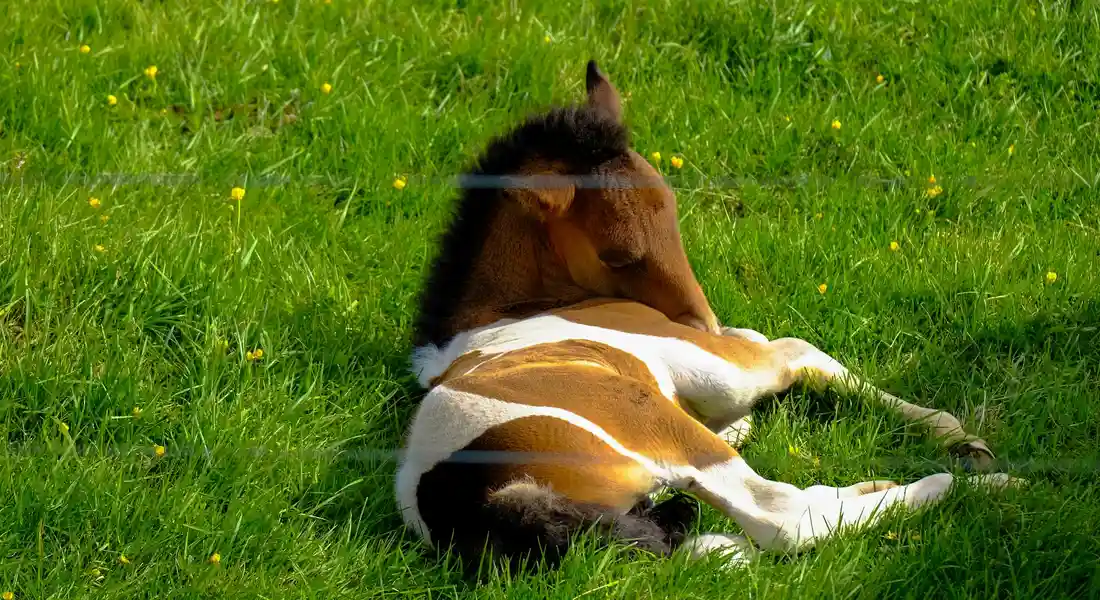
Let’s talk about the miracle of foaling, which starts with a marathon waiting game. A mare’s pregnancy, or gestation, averages about 340 days, but hold your horses—a healthy foal can arrive anywhere between 320 and 365 days without causing alarm. I’ve seen mares hold out for a full year, making everyone at the barn a bundle of nervous excitement. This is especially true for miniature horse pregnancies, which tend to be on the shorter end.
The Gestation Timeline: What to Expect
Think of gestation in trimesters, much like human pregnancy, but with hooves.
- First Trimester (Months 1-3): The early days are quiet. You might notice slight behavioral shifts-a mare like Luna might become even more touchy, while reliable Rusty might seem extra mellow. Major organ development is happening internally, but externally, you won’t see much.
- Second Trimester (Months 4-6): This is when the mare’s belly starts to round out. Her nutritional needs begin their steady climb. This is the time to reassess her diet with your vet, shifting to a high-quality senior or mare&foal feed and increasing her hay slowly.
- Third Trimester (Months 7-11): The real growth spurt. The foal gains about 70% of its birth weight here. The mare’s abdomen drops, her udder begins to develop, and she may move with the careful grace of a loaded hay wagon.
Critical Care for the Pregnant Mare
Your management directly impacts the health of both mare and foal. It’s not just about more food; it’s about the right kind of care.
- Nutrition is Non-Negotiable: Increase calories and protein gradually. A good mineral balance, especially copper and zinc, is vital for fetal development. Always provide free-choice, clean water.
- Movement is Medicine: Unless your vet says otherwise, keep that mare in work and turnout! Gentle, regular exercise maintains muscle tone, supports circulation, and can make for an easier delivery. I kept Pipin’s mom on light trail duty until her eighth month.
- Vet Visits are Your Roadmap: Schedule ultrasounds to confirm pregnancy and viability. A late-term check-up for vaccinations will pass crucial antibodies to the foal through the colostrum.
Red Flags and When to Call the Vet
Trust your gut. You know your mare’s normal behavior better than anyone.
- Any vaginal discharge before foaling time.
- Sudden loss of appetite or colic signs.
- Premature udder development or streaming milk.
- Injury or severe stress. A scared mare like Luna needs a calm, safe environment.
Watching a mare transform is a profound experience. The smell of spring hay, the quiet weight of her presence in the stall, the patient thud of her hooves on the paddock dirt-it’s a slow, beautiful lesson in patience and providing steadfast care. Your job is to be a calm, prepared anchor through this long journey, ensuring her welfare through smart nutrition, generous turnout, and vigilant observation.
Recognizing and Managing Mare Pregnancy
Walking into the barn on a frosty morning and seeing a mare dozing peacefully in her stall, her sides rounded with new life, is one of the quiet joys of horse keeping. Managing a pregnancy successfully hinges on two pillars: knowing what to look for and knowing how to adjust her care. It’s a dance of observation and gentle action, where patience truly is a virtue.
Signs of Pregnancy: From Behavioral Clues to Vet Checks
In the early days, you won’t see a bump, but you might notice a shift in demeanor. I recall our Thoroughbred, Luna, who is normally a live wire, becoming uncharacteristically placid around the 60-day mark. The most reliable early sign is a lack of returning to heat, but mares can be sneaky and some show subtle cycles, so never rely on behavior alone.
As months progress, physical clues emerge. Her abdomen will slowly drop and widen, particularly in the later stages. You might notice her udder beginning to develop, or “bag up,” weeks or even days before foaling. She may spend more time resting and her appetite can increase dramatically.
- Behavioral Hints: Unusual calmness or, conversely, irritability; decreased interest in herd drama; a newfound serenity during grooming.
- Physical Changes: Gradual abdominal enlargement, typically more pronounced on the right side; filling of the udder; relaxation of the muscles around the tailhead.
- Veterinary Confirmation: This is non-negotiable. Your vet can perform rectal palpation as early as 14-16 days or use ultrasound for a visual confirmation and to check viability. A professional check is the only way to be sure and to establish a accurate foaling timeline.
Trust your gut, but verify with science. The thud of hooves in the paddock takes on a new meaning when you know one of those hearts is beating for two.
Caring for the Pregnant Mare: Diet, Exercise, and Comfort
Caring for a pregnant mare isn’t about drastic overhauls, but thoughtful, steady adjustments. Think of it as supporting an athlete through a marathon, not a sprint. Her body is building bone, muscle, and a whole new nervous system inside her, and her needs shift significantly in the final three months. As her pregnancy progresses, it’s important to recognize the signs and stages of horse pregnancy.
Let’s break it down into manageable pieces.
Diet: Fuel for Two
For the first eight months, a mare in good flesh often does well on quality forage and a balanced vitamin-mineral supplement. The real nutritional demand rockets up in the last trimester. Switch to a senior or mare-and-foal specific grain to provide digestible protein, essential amino acids, and correct calcium-to-phosphorus ratios for skeletal development. For a more comprehensive overview, see the essential nutrition guide for pregnant mares. Always ensure fresh, clean water is available-dehydration is a serious risk.
- Foundation: Free-choice, excellent-quality hay (preferably grass or a grass-alfalfa mix).
- Supplementation: A balancer pellet or fortified grain added in the late stages; consider salt and trace minerals.
- Feeding Frequency: Smaller, more frequent meals are easier on her digestive system as the foal takes up more room.
Exercise: Keep Her Moving
Turnout time is non-negotiable. A pregnant mare needs to move freely to maintain muscle tone, circulation, and mental well-being. Daily turnout in a safe, spacious paddock is the best gift you can give her-it prevents stiffness and supports natural digestion. Light riding or groundwork can often continue well into pregnancy if she is comfortable and your vet approves, but listen to her. If she seems unwilling or awkward, stop.
Comfort: A Peaceful Environment
Stress is the enemy. Ensure her stall is deeply bedded to cushion her joints and provide a clean, dry place to rest. Maintain her regular social contacts if possible; isolation can cause anxiety, but also watch for herd dynamics that might lead to kicking. In the final weeks, the smell of fresh straw and the quiet rhythm of her chewing become a vigil. Introduce her to the foaling stall gradually so it’s a familiar, safe space when her time comes.
It’s a profound responsibility, marked by the steady cadence of daily care. You’re not just feeding a horse; you’re cultivating the start of another life.
Preparing for a Healthy Foaling
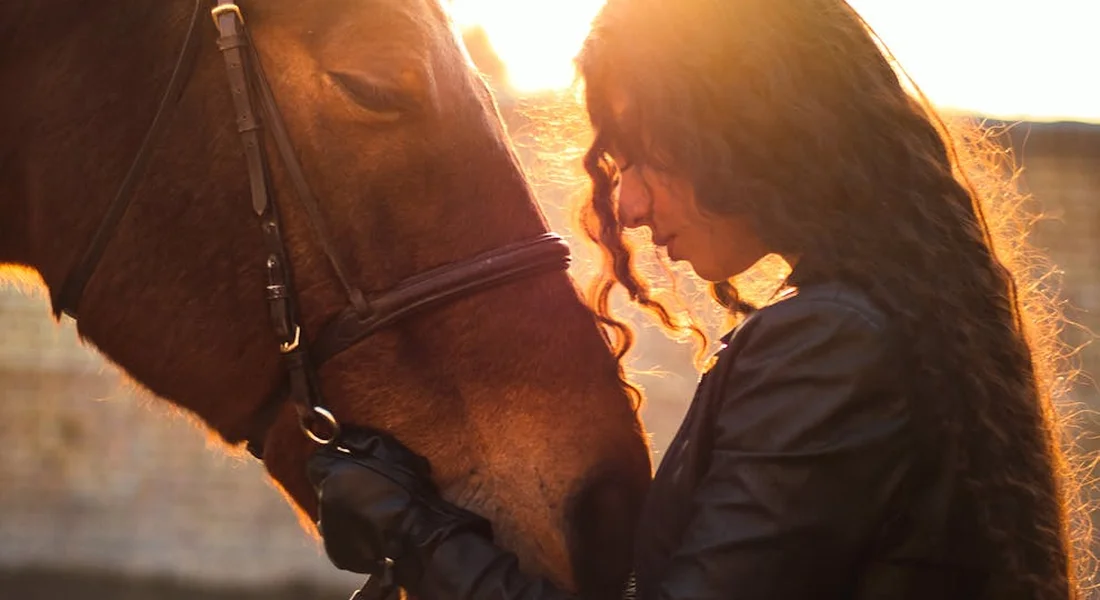
Getting ready for a foal starts long before your mare’s belly drops. I remember preparing for Luna’s first foaling; I transformed a quiet corner stall with thick, fresh straw and kept a battery lantern hooked by the door for soft light. The goal is to mimic a safe, peaceful pasture environment right in your barn, reducing stress for the mare when her time comes. Start by ensuring your mare has had proper prenatal vet care, including vaccinations and deworming schedules tailored for gestation. Her nutrition is paramount-she needs quality forage and a balanced supplement, but avoid overfeeding grain which can lead to problems. A spacious, clean foaling stall, bedded deeply to cushion the arrival, is non-negotiable.
Watch for the subtle physical changes in the final month. The mare’s udder will begin to fill, and you might notice a relaxation of the muscles around her tailhead. Regular turnout is a fantastic preparation tool, keeping her muscles toned and her mind calm, which directly supports a smoother labor. Set up a monitoring system, whether it’s a simple baby monitor or a camera, so you can keep an ear out without hovering. Have your foaling kit ready and within arm’s reach: clean towels, iodine for the umbilical stump, a enema for the foal, and your vet’s number on speed dial.
The Foaling Process: What to Expect When Your Mare is Due
When true labor begins, the mare often becomes restless, pacing, sweating, and looking at her flanks. I’ve spent many nights on a cot in the tack room, waiting for that telltale sign. The first stage involves uterine contractions and can last several hours; your job is to provide quiet privacy and observe from a distance. She may lie down and get up repeatedly. Once the water breaks-a sudden gush of fluid-the second, active stage is imminent. This is when you’ll see the amniotic sac, a whitish balloon, appear at the vulva.
Normal presentation is two front hooves followed by a nose. If you see anything else, call your vet immediately. Do not pull on the foal; let the mare’s natural contractions do the work, intervening only if progress stalls for more than ten minutes. The actual delivery is often surprisingly quick, a powerful rush followed by a sudden quiet. You’ll hear the mare’s heavy breathing and the first wet sounds of the foal moving inside the sac. Once the foal is out, the mare will usually rest for a moment before turning to nicker and lick her newborn, breaking the sac and stimulating breathing.
Newborn Foal Care: The First Critical Hours
Those first moments are pure magic, filled with the smell of damp foal and the mare’s gentle grunts. Your primary role is supportive observer. Ensure the foal’s nostrils are clear of membranes and that it starts breathing with strong, rhythmic breaths-listen for that first gasp and cough. Allow the mare to bond through licking, which dries the foal and stimulates circulation. Do not cut the umbilical cord immediately; let it break naturally or wait until it stops pulsing, usually within ten minutes, then dip the stump in iodine to prevent infection.
The foal should attempt to stand within 30 minutes to an hour. This is a wobbly, determined process. Clear the stall of any hazards and provide steady footing. Once up, the foal must nurse and receive the vital colostrum, the mare’s first milk, within the first two to four hours to gain crucial antibodies. Guide the foal to the teat if needed, but let it find its way. Check that the mare passes the placenta within three hours; retaining it is a veterinary emergency. In those first hours, your gentle presence reassures both animals, setting the stage for a healthy start. Remember Pipin, our Shetland? His first foal was on its feet in twenty minutes, a testament to a calm mare and a stress-free environment.
Supporting Your Horse Through Its Golden Years
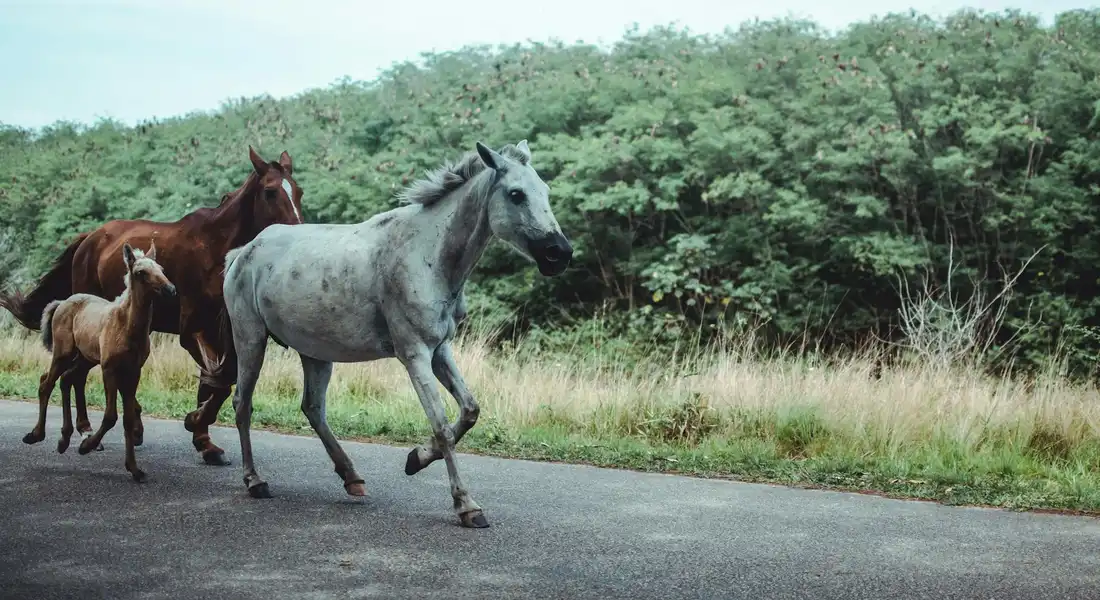
Watching a horse grow old is a profound privilege, a slow dance of adjusting your steps to theirs. I’ve stood in the stall with Rusty, listening to the steady, rhythmic crunch of his senior feed, knowing every year together is a gift. Their needs shift, but the goal remains the same: comfort, dignity, and quality of life.
Adjusting Care for the Aging Equine
Senior care isn’t about dramatic changes, but thoughtful tweaks. It starts with keen observation-you become a detective of slight shifts. Is Pipin taking one extra breath after a trot? Does Luna’s coat look a little duller despite your grooming? These tiny clues guide you.
Nutrition is often the first frontier. Teeth wear down or get loose, making chewing long-stem hay a challenge. Switching to a complete senior feed or soaked hay pellets can be a game-changer, ensuring they get every calorie and nutrient without the struggle. I add warm water to Rusty’s mash in winter; the steam rising smells like oatmeal, and he loves it.
- Dental Checks: Schedule vet exams every six months. Sharp points or infected teeth cause silent pain and weight loss.
- Hoof Care: Circulation changes. More frequent, gentle trimming maintains balance and prevents strain on stiff joints.
- Mobility Support: Consistent, low-impact movement is medicine. A gentle 20-minute walk keeps fluids moving and muscles engaged.
- Stall Comfort: Deep, soft bedding is non-negotiable. It cushions old bones and makes lying down and getting up safer.
Joint supplements can help, but nothing replaces a good farrier and a consistent routine. I keep a close eye on their topline-those muscles over the withers and back are the first to fade if nutrition or comfort slips.
Quality of Life and Gentle Goodbyes
This is the hardest, most loving part of stewardship. We measure quality of life in daily moments, not grand gestures. Can they get up and down easily? Do they greet you with interest, or is their head perpetually low? Are they maintaining social bonds with the herd, even if it’s just standing in the shade together?
Create a simple checklist for your own peace of mind. A good day includes moments of bright-eyed awareness, comfortable rest, and pain-free movement. A bad day is marked by constant discomfort, an inability to enjoy food, or social withdrawal-these are the signs we must heed, not ignore. I knew it was time for an old lesson horse when he stopped nickering for his carrot and just stared at the wall.
Making the decision for humane euthanasia is the ultimate act of kindness, a final shield from suffering. Talk to your vet long before you think you need to. Understand the process. Plan for a peaceful day in a familiar place, with their favorite treats and the smell of home.
- Monitor their ability to perform the “Five Freedoms”: freedom from hunger/thirst, discomfort, pain/injury, fear/distress, and freedom to express normal behavior.
- Consult your vet objectively. Describe what you see, not just what you feel. They are your crucial partner in this assessment.
- Choose a day that is too early rather than a single day too late. Let their last day be a good one, not a crisis.
Afterward, give yourself grace. Grief is the price of such deep partnership. The thud of hooves, the smell of their coat-these memories become a quiet, enduring part of your life at the barn.
FAQ: Horse Lifespan and Gestation
What is the average lifespan of a horse?
The average domestic horse with proper care typically lives into its late 20s or early 30s. This range serves as a realistic benchmark for lifetime care planning, though some breeds may live longer. Achieving this lifespan is a direct result of consistent, high-quality management and preventive healthcare.
What factors influence a horse’s lifespan?
Three core factors shape a horse’s longevity: genetics, daily management, and dedicated healthcare. Essential daily elements like ample turnout, social herd life, and a safe environment are foundational for physical and mental well-being. A proactive partnership with your vet for dental care, nutrition, and farrier work builds long-term resilience from the inside out. These factors also influence how long horses live as pets. Understanding them helps set realistic expectations for their lifespan.
How long is the gestation period for a horse?
A mare’s gestation period averages approximately 340 days, but a normal pregnancy can range from 320 to 365 days. This timeline is often viewed in three trimesters, with the foal undergoing significant growth, especially in the final months. The exact length can vary by individual, making attentive late-term care and observation crucial.
Stewardship for the Long Run
Plan for a gestation period that averages 340 days, and provide a nutrient-rich diet and calm environment for the expecting mare. The single best investment you can make is a strong partnership with your veterinarian for regular check-ups and a solid emergency plan.
Patience is the quiet foundation of all good horsemanship, from breeding decisions to caring for a senior companion. Your horse’s behavior and condition are his clearest language; taking the time to listen ensures you’re both headed in the right direction. Understanding horse behavior and psychology is essential in this process.
Further Reading & Sources
- Horse – Wikipedia
- Equus caballus (horse) | INFORMATION | Animal Diversity Web
- Horse Lifespan 101 (Life Stages, Teeth, Senior Horse Care) – Horse Rookie
- The lifespan of a Horse. How Long Do Horses Live? – Passing Fancy Horses
At Horse and Hay, we are passionate about providing expert guidance on all aspects of horse care, from nutrition to wellness. Our team of equine specialists and veterinarians offer trusted advice on the best foods, supplements, and practices to keep your horse healthy and thriving. Whether you're a seasoned rider or new to equine care, we provide valuable insights into feeding, grooming, and overall well-being to ensure your horse lives its happiest, healthiest life.
Health