
What is the Average Lifespan of a Horse and What Impacts Longevity?
Hello fellow equestrians, have you ever found yourself staring at your horse, wondering just how many years you might have together? That quiet worry about their long-term health, especially as vet visits stack up or their pace slows on the trail, is a feeling I know all too well from my own barn days.
Let’s get straight to it. In this article, I’ll share what decades of mucking stalls and training have taught me about helping horses live longer, fuller lives. We’ll cover the honest average lifespan you can expect for different types of horses, the top five factors that silently chip away at their years, and practical, daily habits that are proven to boost longevity.
My advice comes from hands-on experience managing barns and training horses, from caring for wise old souls like my quarter horse Rusty to understanding the needs of sensitive thoroughbreds like Luna.
The Average Lifespan of Domestic Horses
Most of our domestic horses live between 25 and 30 years. That’s a good, solid benchmark to hold in your mind. “Average” is a useful starting point, but it dances around quite a bit. Shetland ponies like my old scamp, Pipin, frequently trot well into their 30s, sometimes hitting 40. Draft breeds, with their immense size, often have shorter averages, more like 18 to 25 years. The modern sport horse, bred for high performance, may face different wear and tear that can impact later life.
You’ll hear about outliers, like Old Billy who lived to 62 or the more recent Sugar Puff. These horses are the celebrated exceptions, not the rule. For us as caretakers, the goal isn’t chasing records but ensuring our companions have every chance at a long, healthy life filled with good grass and gentle retirement.
This number shifts instantly based on a few key variables. The quality of daily care, the breed’s inherent hardiness, and simple luck all play their part from the very beginning.
Genetic Blueprint: How Breed and Bloodlines Affect Longevity
Selective breeding gives us incredible athletes and gentle giants, but it often trades broad-spectrum hardiness for specific traits. Breeding for extreme speed, a particular conformation, or immense size can inadvertently stack the deck for certain health issues later on. A horse’s genetics are its first foundation. Are genetic considerations central to horse breeding? They guide choices that balance speed, conformation, and health.
Here’s a look at typical lifespan ranges across some familiar breeds. Breed type and size often influence these numbers. Understanding the breed type can help set realistic longevity expectations. Remember, a well-cared-for individual can always outlive these averages.
| Breed | Typical Lifespan Range | Notes |
|---|---|---|
| Arabian | 25-35 years | Known for stamina and longevity; robust overall. |
| Quarter Horse | 25-30+ years | Generally sturdy; some lines prone to specific genetic disorders like HYPP. |
| Thoroughbred | 20-25 years | Bred for speed and early performance; can be more susceptible to certain injuries and health issues. |
| Shetland Pony | 30-40 years | Extremely hardy; built to survive harsh conditions, often leading to long lives. |
| Warmblood (Sport Horse) | 20-30 years | Varies widely; longevity often tied to management during competition years. |
This is where responsible breeding is paramount. Known disorders like Polysaccharide Storage Myopathy (PSSM) in drafts or Hereditary Equine Regional Dermal Asthenia (HERDA) in Quarter Horses are carried in bloodlines. Ask questions about the health history of a horse’s lineage; it’s the most significant predictor of its own future.
The Hardiness of Mixed Breeds and Mustangs
Contrast this with a good old-fashioned grade horse or a mustang. These horses are shaped by natural selection and diverse genetics. Without the pressure for a single, exaggerated trait, their blueprint often prioritizes overall survival and healthy physical traits. I’ve seen more than one wise, ancient mutt-of-a-horse still happily on the job at 28.
Feral populations like mustangs face brutal culling, but those that survive to adulthood often possess incredible metabolic efficiency and tough constitutions. They didn’t have a human to deworm them or fix their feet-only the strongest genetics persisted. This genetic diversity can be a powerful gift, often translating to fewer inherent disorders and a resilient nature.
Nutrition and Weight Management: The Fuel for a Long Life
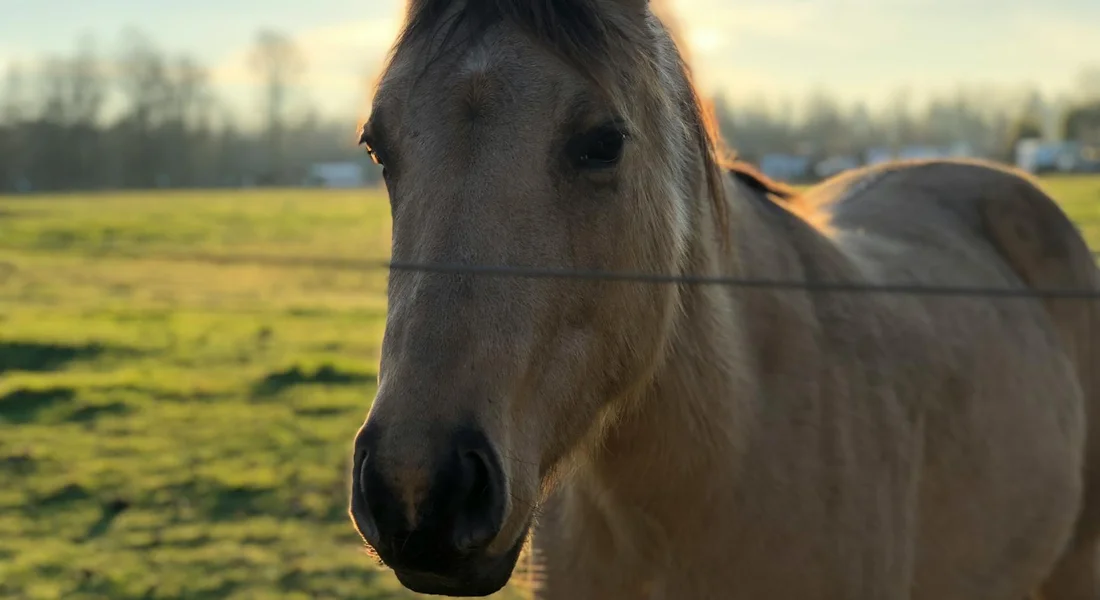
Think of your horse’s body like a finely-tuned engine. What you put in the fuel tank determines how well it runs for decades. A poor diet doesn’t just mean a dull coat; it silently strains organs, weakens the immune system, and sets the stage for chronic disease. Consistent, quality nutrition is the single most powerful daily investment you make in your horse’s longevity.
The foundation is simple, yet we often complicate it. The core components are non-negotiable:
- Continuous Quality Forage: Horses are designed to graze for 16+ hours a day. Their gut health and mental well-being depend on a near-constant trickle of hay or pasture. I’ve seen cranky stall-weavers transform into calm partners simply by ensuring a never-empty, slow-feed hay net.
- Balanced Mineral Supplementation: Your local hay is likely deficient in something. A simple salt block isn’t enough. A region-specific mineral supplement fills the gaps that forage misses, supporting everything from hoof horn to muscle function.
- Appropriate Senior Support: As teeth wear down, oldsters like my guy Rusty need help. Soaked senior feeds or cubed hay pellets become essential to keep weight on and nutrients flowing without the stress of chewing long stems.
Knowing *what* to feed is useless if you can’t gauge *how much*. This is where your hands become your best tool.
Regular body condition scoring is not optional; it’s your early-warning system against the twin killers of obesity and emaciation. Do this every two weeks without fail:
- Run your hands over the ribs. You should feel them with light pressure, like the corduroy of a well-worn jacket, not see them or have to dig for them.
- Check the crest of the neck. Is it firm and fatty, or soft? A hard, cresty neck is a flashing red light for metabolic trouble.
- Look from the top and side. Does your horse have a slight waist? Does the belly tuck up, or is the profile one round barrel?
- Adjust feed immediately. This isn’t just data collection. A slight drop in score means more hay. A creeping upward trend means it’s time to pull back on the grain and increase exercise.
The Hidden Dangers of Modern Feed Practices
Our desire to “power up” our horses can backfire catastrophically. High-grain diets are a modern invention with ancient consequences. Feeding excessive grain or sugary feeds is like pouring sugar directly into your horse’s bloodstream, a surefire path to metabolic syndrome and its brutal partner, laminitis. I learned this the hard way with a sensitive mare years ago; a well-meaning but heavy grain meal sparked a laminitis scare that aged us both.
This isn’t just about sore feet. Metabolic syndrome is a whole-body inflammatory state that damages blood vessels, overloads the pancreas, and forces the liver into overtime. It directly shortens lifespan by stressing every major organ. For most pleasure horses, grain is an unnecessary risk. If you need more calories, look to soaked beet pulp or a fat supplement like rice bran instead.
Proactive Health Care: Veterinary and Dental Foundations
Waiting for lameness or colic to call the vet is a crisis-management strategy, not a longevity plan. Proactive care is always cheaper-financially and emotionally-than emergency intervention, and it adds quality years to the back end of life. Think of it as routine maintenance on your most valuable vehicle.
Your annual care schedule should be as predictable as the changing seasons. Mark your calendar for this step-by-step protocol:
- Core Vaccinations: Spring and fall shots for diseases like Eastern/Western Encephalomyelitis, Tetanus, West Nile, and Rabies. This is non-negotiable armor against preventable suffering.
- Strategic Deworming: The “paste and pray” every-8-weeks model is obsolete and creates drug-resistant super parasites. Submit a fecal egg count twice a year. Deworm based on the results, targeting only the horses that need it. This preserves medication efficacy.
- Bi-Annual Dental Floats: A horse’s teeth continuously erupt. Sharp points and hooks form, causing pain, quidding, and weight loss. A thorough float by a certified equine dentist or vet every 6-12 months ensures comfortable chewing. You cannot have a healthy old horse with a painful mouth.
Parasite Control: An Invisible Battle
You can’t see the enemy, but its effects are cumulative and devastating. Internal parasites like strongyles and roundworms cause low-grade, chronic damage to the intestinal lining and blood vessels. This silent leaching of nutrients and causing of micro-inflammations weakens the horse from the inside out, year after year. Modern management is about smart strategy, not chemical bombardment.
Beyond fecal counts, use these resistance-aware tactics: rotate grazing with other species if possible, harrow pastures in hot, dry weather to break the parasite lifecycle, and pick manure from paddocks regularly. It’s a boring battle, but winning it is a cornerstone of a long, vibrant life.
Lifestyle and Environment: Turnout, Exercise, and Welfare
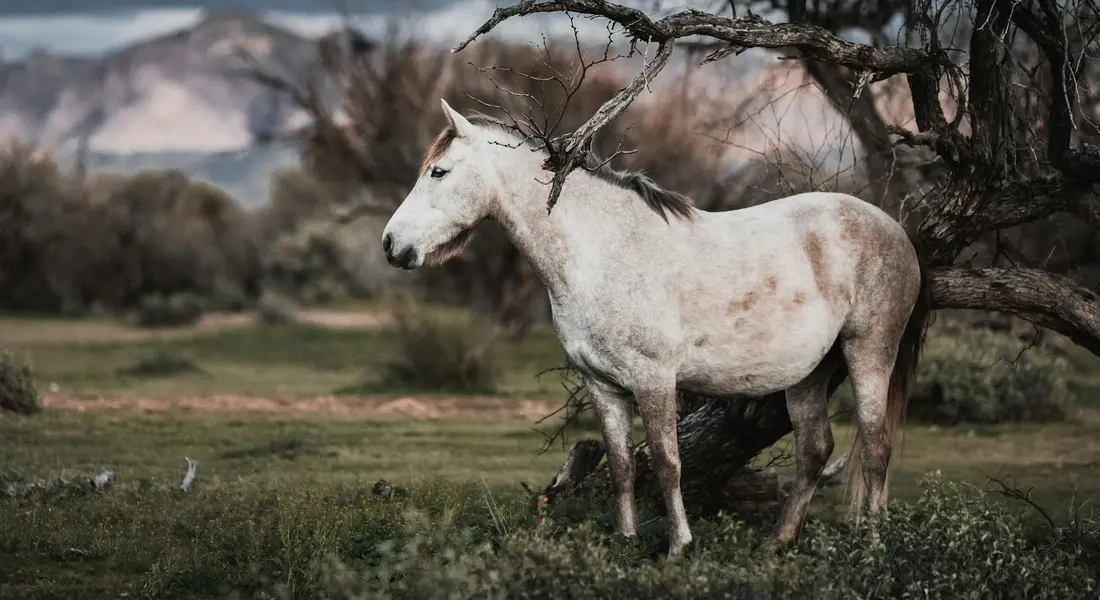
Let’s get straight to the point: if your horse is cooped up, you’re shortchanging their lifespan. I view maximum turnout as the foundation of longevity, not a bonus, and after decades in the barn, I’ve never seen a philosophy pay off more for a horse’s mind and body. The creak of a stall door opening to pasture is the sound of health.
Confinement breeds stress, and stress invites illness. My sensitive Thoroughbred, Luna, taught me that a few extra hours of turnout could transform her from a tense, spooky ride into a calm partner, simply by letting her socialize and move freely. Her digestion improved, and that constant look of worry in her eye softened.
The benefits aren’t subtle; they are profound and multi-layered:
- Natural movement supports joint health: Constant, voluntary walking acts like pumping oil through engine parts, keeping joints lubricated and mobile without the concussion of forced work.
- Social interaction reduces anxiety: Mutual grooming and herd hierarchy provide mental stimulation that a stall mirror or toy can never replicate, lowering cortisol levels.
- Grazing mimics natural foraging: A horse’s gut is designed for near-constant intake of roughage, which buffers stomach acid and prevents ulcers born from meal-based feeding.
Advocating for turnout, even at a boarding barn, is your responsibility. Practical, safe pasture management starts with your own eyes—walk your fences, know the plants, and ensure there’s always fresh water and shelter. For the escape artist like my pony Pipin, this meant installing tighter woven wire to satisfy his curious mind safely.
Create low-stress living by thinking like a horse. Pair compatible personalities, provide windbreaks, and offer hay in multiple locations to encourage peaceful movement and mimic the slow search for food. The thud of hooves on dirt during a morning roll is a daily win for welfare.
The Purposeful Movement Principle
There’s a critical difference between exercise you impose and movement your horse chooses. Forced exercise, while necessary for training, carries inherent injury risk; voluntary movement in turnout is the repair and maintenance work that longevity is built on. It’s the difference between a prescribed workout and living an active life.
Watch Rusty, my Quarter Horse, in the field. He will trot up a gentle slope, stretch down to graze, and amble to his favorite scratching post, engaging his core and joints in a way that no 30-minute lunging session ever could. This self-regulated activity strengthens tendons and bone density at a natural pace.
Your job is to facilitate this, not micromanage it. Provide varied terrain like gentle hills and firm, dry tracks to encourage healthy hoof mechanism and muscle development through simple daily living. Longevity isn’t about avoiding movement; it’s about fostering the right kind.
Navigating the Golden Years: Senior Care and Retirement Planning
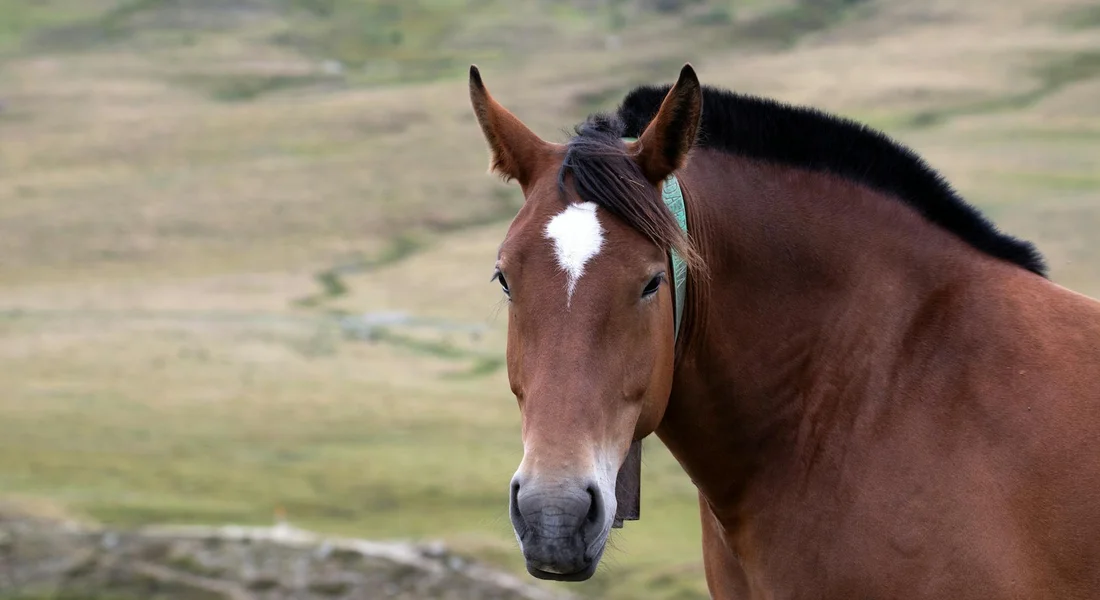
Caring for an older horse is a sacred commitment, and it begins with vigilant observation. Catching age-related changes early is the single most powerful tool you have to extend comfortable life, often through simple management shifts. That old adage “they’re just getting older” is a starting point for investigation, not an excuse. In senior horse care, senior horse health considerations such as dental needs, arthritis management, and nutrition matter. These factors guide daily decisions to tailor care for each horse.
Learn the early whispers of common conditions. Arthritis might show as a slight hesitation before stepping out of the stall. Cushing’s disease (PPID) often announces itself with a coat that stays too long and curls, not just in winter. Unexplained weight loss can signal dental pain or metabolic shifts. With my seniors, I run my hands over their backs and hips weekly, feeling for muscle loss long before the eye can see it.
Adapting their world is straightforward, practical, and deeply kind. Focus on these core areas:
- Softer bedding: Deep, banked shavings or peat moss provide a forgiving surface for thin-skin points and arthritic joints when lying down.
- Soaked feeds: Converting hay to soaked cubes or pellets bypasses dental issues, boosts water intake, and makes every calorie count.
- Tailored veterinary checks: Move beyond annual shots to bi-annual exams that include blood work for PPID and frequent dental floats to maintain chewing ability.
- Gentle exercise routines: Consistent, low-impact movement like daily hand-walking or gentle riding keeps circulation flowing and stiffness at bay.
Planning a dignified retirement is an act of love. Decide if your horse needs the quiet of a private pasture or the structured care of a retirement facility based on their medical needs and personality. Some, like a perpetually social horse, may decline without company, while others crave solitude.
This phase is about honoring a lifetime of partnership. Ensure their days are filled with the smell of sun-warmed grass, the comfort of a well-fitted blanket, and the peace of a predictable routine that puts their comfort first. It’s the final, and perhaps most important, chapter of responsible ownership.
Frequently Asked Questions: Horse Lifespan and Longevity
How does a horse’s early life and training impact its potential lifespan?
The foundation laid in a horse’s first few years critically influences its long-term soundness. Improper nutrition during growth or excessively demanding training on young joints can create chronic issues that surface later in life. A patient, developmentally-appropriate start is a direct investment in more healthy years.
Beyond physical health, how does mental well-being contribute to a horse’s longevity?
Chronic stress from isolation, boredom, or inconsistent handling creates a state of constant physiological tension that can weaken the immune system over time. A content, mentally stimulated horse is more likely to have healthy digestion, better resilience, and fewer stress-related ailments. Providing a species-appropriate lifestyle with social interaction and enrichment directly supports a longer, healthier life.
Why do feral horses often have different lifespan challenges compared to domestic horses, despite being hardy?
Feral horses face acute survival pressures like predation, drought, and injury without medical intervention, which often leads to a shorter *average* lifespan. However, natural selection ensures the individuals that survive to adulthood possess robust genetics for hardiness and metabolic efficiency, traits that have evolved to withstand harsh conditions. In contrast, domestic horses often face chronic, management-related challenges like obesity and metabolic disease that can shorten an otherwise protected life.
Your Partner for the Long Ride
A horse’s longevity is shaped by the daily choices we make, from the quality of their forage to the fit of their saddle and the time they spend moving in a field. The single biggest factor within your control is a consistent, proactive care protocol that partners with a trusted vet and farrier.
Approach each day as an opportunity to observe and listen-your horse’s eyes, energy, and way of moving are the most honest health reports you’ll get. True horsemanship isn’t about counting the years, but about making each year count through patient, attentive partnership.
Further Reading & Sources
- How long does a horse live ? – Royal Horse
- How Long Do Horses Live For? | Agria Pet Insurance
- Horse Lifespan and Health Tips
- How Long Do Horses Live? | PetMD
At Horse and Hay, we are passionate about providing expert guidance on all aspects of horse care, from nutrition to wellness. Our team of equine specialists and veterinarians offer trusted advice on the best foods, supplements, and practices to keep your horse healthy and thriving. Whether you're a seasoned rider or new to equine care, we provide valuable insights into feeding, grooming, and overall well-being to ensure your horse lives its happiest, healthiest life.
Health