
Horse Measurement & Size: Ensure Comfort and Safety with Accurate Sizing
Published on: December 29, 2025 | Last Updated: December 8, 2025
Written By: Henry Wellington
Hello fellow equestrians! That moment of doubt when a new saddle pinches or your horse seems unexpectedly thin hits every owner. Getting size wrong isn’t just inconvenient; it’s a direct path to lameness, behavioral problems, and expensive vet visits.
Let’s build your confidence. In this guide, I’ll walk you through the practical, barn-proven methods I use every day:
- How to correctly measure height in hands and estimate weight with a simple tape.
- Why your horse’s unique shape matters more than just numbers for tack fit.
- Turning size data into a health monitoring tool to spot trouble early.
My years of barn management and training, from fitting sensitive Luna to keeping an eye on Rusty’s weight, have shown me that precise measurement is the foundation of gentle horsemanship.
Why Accurate Measurements Are Your First Step in Horse Care
Guesswork has no place in a stable. I learned that the hard way when I eyeballed Rusty’s weight and piled on an extra scoop of grain. A few days later, he was unusually quiet, and that gut-churning fear of colic set in. An accurate weight tape would have told me he was already at a perfect score, saving him discomfort and me a panic. Measurements are the silent language of good husbandry.
Your horse’s numbers-height, weight, girth-are the foundation for everything. They dictate saddle tree width, blanket size, dewormer dosage, and feed volume. Get them wrong, and you’re inviting pressure sores, ill-fitting gear, or nutritional imbalances. Think of it as tailoring a suit; you wouldn’t buy one without knowing the chest and inseam.
Beyond tack and feed, regular measuring tracks wellness. Is Luna dropping weight from nervous energy, or is Pipin packing on too many pounds from his clever treat-stealing escapades? Consistent records create a baseline, so subtle changes scream for attention long before a problem becomes a crisis. It turns reactive worry into proactive care.
Measuring Horse Height: Hands, Withers, and the Right Tools
The standard is the withers-that bony prominence where the neck meets the back. It’s the highest non-movable point, giving a consistent reference. Forget measuring to the top of the ears; that changes with every head toss. You want the solid, reliable datum point that a saddle or blanket sits behind.
You have two main tool choices: a rigid measuring stick or a soft fabric tape. The stick is king for precision, often used for official records. The tape is your quick, barn-aisle friend. I keep a stick for annual checks and a tape hanging on a stall door for monthly updates-the creak of its case is part of our routine.
What Exactly is a “Hand” in Horse Measurement?
A “hand” is a four-inch unit, a tradition from ancient times when traders used the width of a man’s hand. Today, it’s universal in the equine world. Height is written in a specific way: 15.2 hands means fifteen full hands plus two extra inches. That decimal point is not a true decimal; it’s a shorthand for the additional inches, so 15.2 hands translates to sixty-two total inches at the withers.
It’s a quirky system, but it works. For perspective, my sturdy Rusty stands at a solid 15.1 hands, while Luna, all leggy elegance, is 16.2. Pipin, of course, measures in a cheeky 9.3 hands. Knowing these numbers in hands instantly gives you a mental image of their stature within their breed.
Step-by-Step: How to Use a Measuring Stick or Tape
Patience and a level surface are your best tools. Here’s how to get a clean read.
- Position Your Horse: Ask your horse to stand square on firm, flat ground. A slight slope will skew the number. A helper with a bucket of grain works wonders for keeping them still.
- For a Measuring Stick: Place the base of the stick squarely on the ground beside the front leg. Extend the arm so it rests level across the highest point of the withers. Read the measurement where the arm meets the vertical scale.
- For a Measuring Tape: Hold the zero end at the ground by the front hoof. Run the tape taut up the leg, following the contour of the shoulder, straight up to the withers. Ensure the tape is perpendicular to the ground for an accurate vertical measure.
- Take Three Reads: Horses shift. Do it a few times and use the most consistent result. The soft thud of hooves settling back into position is your cue to try again.
Always reward calm cooperation with a scritch or a treat-you’re building trust for next time. I measure Luna after a long turnout when she’s more likely to stand and doze.
Common Mistakes and How to Avoid Them
Even seasoned folks slip up. Here’s what to watch for.
- Uneven Ground: This is the top culprit. A two-inch slope can add fake height. Always use a level paddock or aisle.
- Poor Stance: A horse standing with legs camped out or tucked under changes the withers’ height. Wait for a square, relaxed posture.
- Measuring the Wrong Point: Don’t measure to the top of the shoulder blade or the middle of the back. Find that definitive bony peak of the withers.
- A Sagging Tape: A fabric tape must be held taut, but don’t pull so tight it digs into the hair. You’re measuring the horse, not constricting it.
- Rushing the Job: Spooking a horse with quick movements defeats the purpose. Move slowly, let them sniff the tool, and talk in a low, reassuring voice.
I once measured a fresh-from-the-pasture Pipin on a slight hill and nearly classified him as a giant Shetland-his smug expression said he knew I’d messed up. Double-check your conditions, and your data will be gold.
Beyond the Withers: Essential Body Measurements for Care
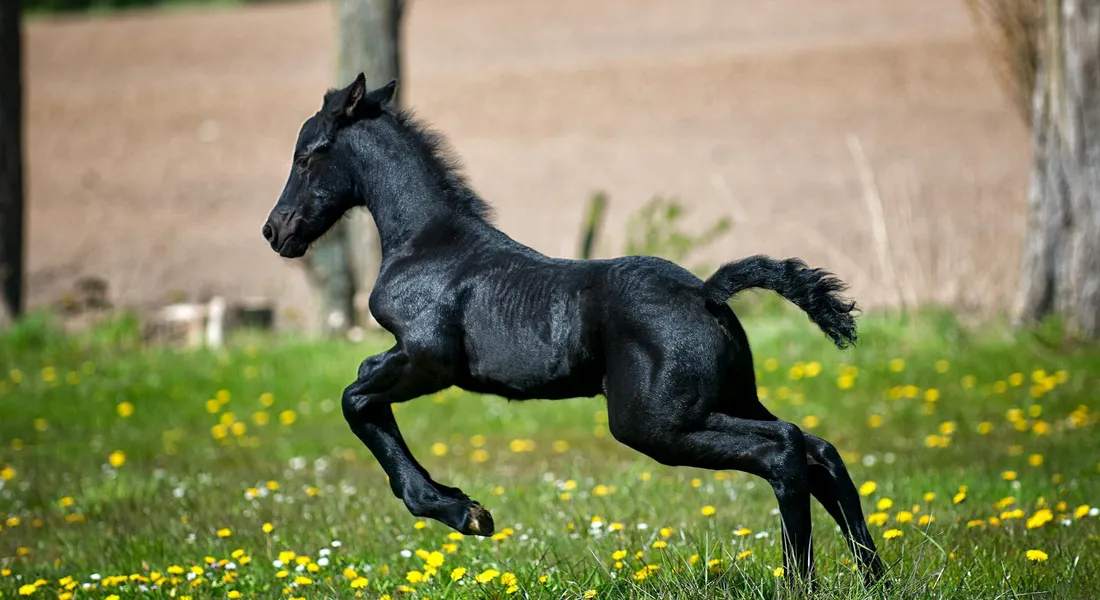
Withers height gives you a number, but true horsekeeping demands a fuller picture. Knowing key body dimensions transforms guesswork into precise care, from managing weight to ensuring tack doesn’t pinch or rub. I learned this through seasons of blanket fittings and saddle searches, where a simple tape measure became my best tool for preventing discomfort.
How to Measure Heart Girth for Weight Estimation
This circumference tells you more than any scale could about your horse’s condition. Tracking heart girth monthly is a silent guardian of health, catching subtle weight loss or gain before your eye does. I keep a log for every horse, and spotting a change in Rusty’s girth last spring alerted us to adjust his hay before he became too portly for trail season—an essential part of equine body condition scoring.
Use a soft, non-stretch measuring tape. Position your horse square on level ground.
- Place the tape’s end just behind the withers, where the neck meets the back.
- Run the tape down behind the elbow, following the natural curve of the ribcage.
- Bring it all the way around the belly, under the girth area, and back to your starting point.
- The tape should be snug but not tight; you should be able to slip a finger underneath.
With this number, use a weight tape formula or an online calculator for an estimate. Remember, a horse carrying extra weight here is working harder with every breath and step, impacting long-term joint health. For easy-keepers like Rusty, this measurement guides our hay ration more reliably than any fixed bag recommendation.
Determining Back Length for Saddle Fit
Back length is the golden rule for finding a saddle that doesn’t bridge or pinch. An improperly sized saddle presses on unprotected vertebrae, causing soreness that often gets mislabeled as bad attitude. Luna, my sensitive Thoroughbred, once spent weeks tense under saddle until we realized her “new” saddle was two inches too long, pressing on her loins.
To find this critical length, feel for these bony landmarks:
- The front of the withers (the pommel placement point).
- The rear of the last rib, which lines up with the point of the croup.
Measure in a straight line between these two points with a flexible tape. Your saddle’s seat should sit completely within this span, never extending past the last rib onto the lumbar area. This measurement saves you hours of frustrated trial and error, and more importantly, spares your horse a world of hidden ache.
Neck and Shoulder Width for Halter and Blanket Fit
Neck and shoulder measurements are the unsung heroes of daily comfort and safety. A halter that gapes or digs can teach a horse to resist handling, while a tight blanket restricts movement and chafes the skin. Our pony Pipin is a Houdini with ill-fitting gear; a slightly loose halter once meant a muddy chase before breakfast.
For halters, measure around the full circumference of the noseband and the crownpiece behind the jaw. For blankets, you need two key numbers:
- Neck Circumference: Measure around the base of the neck where a collar would sit. A too-tight neck opening will rub hair away.
- Shoulder Width: Measure from the point of one shoulder, across the withers, to the point of the opposite shoulder. This ensures the blanket’s front seams sit correctly without binding.
Always check fit by running your hand under all edges; you should feel even pressure, not tight spots or loose flaps. Well-fitted turnout gear allows for natural grazing and rolling, which is central to the gentle, welfare-focused horsemanship we practice every day. A proper fit means peace of mind when you turn them out, hearing the satisfying thud of hooves on soft ground instead of the rustle of a torn blanket strap.
Horse Breed Size Charts: From Ponies to Drafts
Walking down my barn aisle, the difference between Luna’s elegant, lofty frame and Pipin’s compact, sturdy build is a daily reminder that size dictates so much more than saddle fit. Knowing the general ballpark for your horse’s breed is the first step in setting realistic expectations for everything from feed costs to trailer space.
Average Height and Weight Ranges by Breed
These numbers are averages-you’ll always find the occasional tall Arabian or petite Thoroughbred. Think of this chart as a starting point for conversations with your vet and farrier.
| Breed | Average Height (in hands) | Average Weight (in lbs) | Notes from the Barn |
|---|---|---|---|
| Shetland Pony | 9.2 – 10.2 hh | 400 – 450 | Deceptively strong for size. Pipin can drag a full hay bale. |
| Welsh Pony | 12 – 13.2 hh | 500 – 600 | A classic child’s mount, often with a hardy constitution. |
| Arabian | 14.1 – 15.1 hh | 800 – 1,000 | Finely built, their weight is often less than a similarly sized stock horse. |
| Quarter Horse | 14.3 – 16 hh | 1,100 – 1,300 | Rusty sits at 15.1hh and 1,150lbs-a classic, muscular build. |
| Thoroughbred | 15.2 – 17 hh | 1,000 – 1,300 | Luna is 16.1hh but lean; weight management is key for this build. |
| Draft (Clydesdale, Percheron) | 16 – 18+ hh | 1,800 – 2,200+ | Everything is bigger: feet, appetite, and heart. Budget accordingly. |
This chart isn’t a substitute for a weight tape or scale, but it helps you spot if your animal is trending far outside their breed’s typical range, which is a vital health check. A 1,500-pound Quarter Horse is likely obese, while a 1,500-pound Draft could be underweight. Understanding the average height, weight, and breed ranges helps put these numbers in perspective.
Understanding Pony vs. Horse Distinctions
The official cutoff is 14.2 hands. Anything at or below is a pony; anything over is a horse. But as anyone who’s met a clever Connemara or a chunky Haflinger knows, the distinction runs deeper than inches.
- Proportions: Ponies often have shorter legs relative to their body depth, a thicker neck, and a broader barrel. They are engineered for efficiency and warmth.
- Metabolism: Many ponies are notorious easy keepers. Pipin looks at a lush spring blade of grass and gains five pounds. Their dietary management must be meticulous.
- Temperament (Generally): While not a hard rule, ponies are frequently praised for intelligence and criticized for cunning. They problem-solve, which often means unlatched gates.
- The “Warmblood Pony” Exception: Breeds like the German Riding Pony are built and perform like small horses, challenging the stereotype.
The most practical tip I can give is to measure with a proper stick, not a guess, because that final half-hand determines classes at shows and even some medication dosages. I’ve seen a 14.2.5 hand animal cause a full-blown identity crisis for an owner!
Remember, size is a framework, not a destiny. My big-hearted Rusty proves that a steady Quarter Horse mind can come in a mid-sized package, while Luna requires careful handling despite her tall stature. Your management should respect the blueprint of their breed while catering to the individual animal standing in your cross-ties.
Putting Measurements to Work: Tack, Blankets, and Health
Knowing the numbers is one thing, but the real magic happens when you apply them. This is where your measuring tape transforms from a simple tool into a guide for comfort, performance, and preventative care. I’ve saved myself countless hours of trial-and-error and my horses from discomfort by trusting the tape before making a purchase.
How to Use a Horse Size Chart for Blanket Fitting
Blanket fit is a science, and a poor one leads to rubbed shoulders, sore withers, or a chilly horse. The standard measurement runs from the center of the chest, along the side, to the point of the buttock. Stand your horse square on level ground. The most common mistake is pulling the tape too tight; let it lie flat and snug against the contour of the body for an honest reading.
Here’s how to interpret that number against a size chart:
- Compare Brands: A 78″ in one brand might be a 75″ in another. Always check the brand’s specific chart.
- Mind the Build: A stocky Quarter Horse and a lean Thoroughbred with the same length may need different “fits” (standard, deep, or full) for proper shoulder room.
- The Tail Test: A properly fitted blanket should cover from the chest to the tailhead without pulling the tail forward or leaving the hindquarters exposed.
- The Shoulder Check: Ensure front closures and darts align with the shoulder point, allowing free movement without binding.
My old reliable, Rusty, is a perfect 78″ in most standard-fit sheets. But for my sensitive Luna, with her prominent withers, I always opt for a “high-wither” design in her size. For a unique hack, trace your horse’s wither shape on a piece of cardboard and take it shopping with you-it’s a foolproof way to visualize how a blanket’s front arch will sit.
Girth and Saddle Size Based on Your Horse’s Build
Saddle and girth shopping can feel like a gamble, but your horse’s measurements stack the odds in your favor. The tree width of a saddle must correspond to the width of your horse’s withers, not the length of its back. A too-narrow tree pinches; a too-wide tree pounds down and causes soreness. Understanding the signs of a poorly fitting saddle helps you spot issues early. These signs can guide your choice as you compare options.
Use your hand to gauge wither shape, then match it to common tree classifications:
- Narrow/Medium-Narrow: For high, defined withers (common in Thoroughbreds like my Luna).
- Medium/Medium-Wide: For moderate withers with a well-muscled back (many Quarter Horses and warmbloods).
- Wide/Extra Wide: For mutton-withered, very round-bodied horses or draft crosses.
Girth length is determined by measuring from the middle billet hole on one side, under the belly, to the middle hole on the other side. Always check for a hand’s width of space between the girth and the elbow when fastened to prevent rubbing and restricted movement. A short girth digs; a long one has too much dangling strap. For barrel-shaped horses, a girth that is narrower in the middle can prevent chafing. Knowing how to measure a girth correctly is essential. If unsure, follow a quick girth-measurement guide to get it right.
Weight Monitoring for Diet and Medication
This is where your weight tape becomes a critical health management tool. A horse’s weight isn’t static-it fluctuates with work, season, and age. Establishing a consistent weekly weigh-in routine gives you an early warning system for weight loss or gain long before it becomes visible to the eye.
Use the weight to calculate two fundamental things:
- Feed Rations: Hay and grain should be measured by weight, not volume. A horse generally needs 1.5-2.5% of its body weight in total feed per day. Knowing your horse’s actual weight prevents under or over-feeding.
- Medication Dosages: Dewormers, sedatives, and many supplements are dosed precisely by weight. Guessing can lead to dangerous under-dosing or toxic overdosing.
I track Rusty and Luna’s weights on a simple barn calendar. Seeing that Luna dropped 25 pounds during a busy show week told me to up her calories. If you notice a change of more than 50 pounds on your weight tape in either direction without a clear reason, it’s time to investigate with your vet and reconsider your feeding program. It’s a simple act that speaks volumes about their well-being.
Estimating Your Horse’s Weight Without a Scale
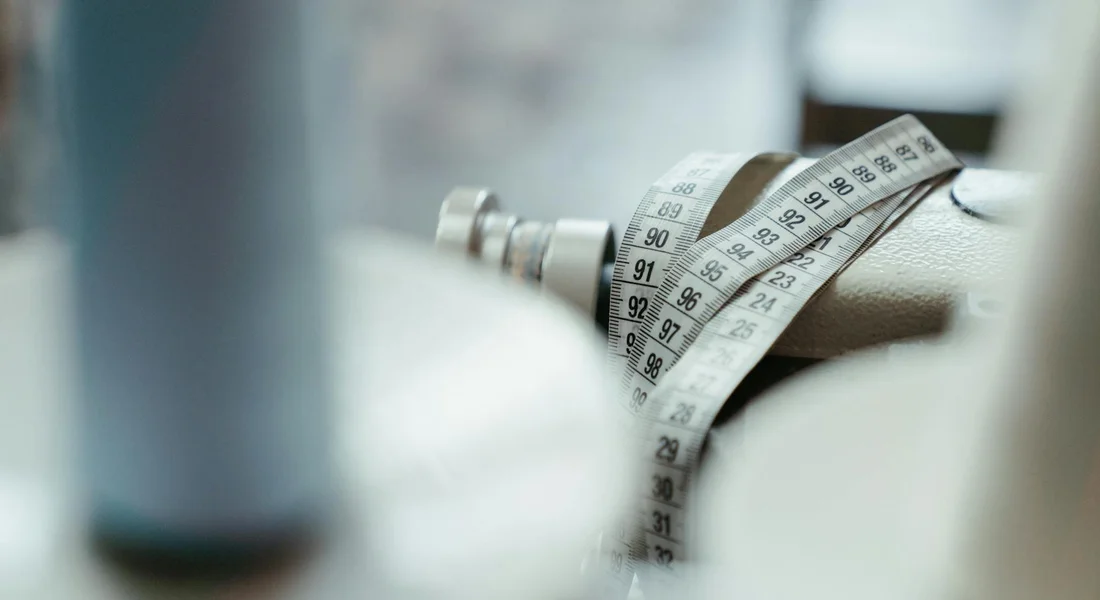
Not every barn has a livestock scale, and that’s perfectly fine. I’ve kept track of everything from dewormer doses to hay rations for a dozen horses using some simple math and my own two hands. Knowing your horse’s approximate weight is a cornerstone of responsible care, ensuring everything from feed to medication is spot-on. It’s a skill I use weekly, whether checking if Pipin needs a little more groceries or if Luna’s training diet is sufficient.
The Heart Girth Weight Formula Explained
This trusty formula has bailed me out more times than I can count. All you need is a flexible measuring tape and a cooperative horse. The standard formula is: Weight (lbs) = (Heart Girth in inches)² x Body Length in inches / 330. It looks complicated, but it’s just three easy steps.
- Measure the heart girth. Snug the tape around the fullest part of the barrel, just behind the withers and elbows. You should feel the tape settle into the hair with a gentle pressure.
- Measure the body length. Place one end of the tape at the point of the shoulder, and run it straight back to the point of the buttock. Keep it level for accuracy.
- Do the math. For my horse Rusty, with a 72-inch girth and 68-inch length, it’s (72 x 72 x 68) / 330. That puts him right around 1,070 pounds.
I use this for every horse, but I know it’s an estimate. The key is consistency-measure at the same time of day, perhaps before morning feeding, to track meaningful trends. A number from this formula gives you a solid starting point for any health or nutrition conversation with your vet.
Visual and Hands-On Checks for Body Condition
The numbers tell one story, but your eyes and fingertips tell the whole truth. Weight is just a figure; body condition is the real health indicator. Begin your assessment by simply watching your horse move in the paddock, looking for smooth, flowing muscles without hollows or sharp angles—essential signs of a healthy horse that you can learn to identify with a daily health check guide.
Then, during your grooming session, make it a tactile check. Run your hands over these key areas:
- The Ribs: You should easily feel them with flat fingers, but not see them. Think of the feel of a well-worn leather wallet-present but padded.
- The Back and Withers: The spine should have a rounded, padded feel. On a sensitive horse like Luna, a sharp wither is often my first clue she’s dropped weight.
- The Neck and Shoulders: Look for a clean crest without a hard, fatty ridge, and shoulders that blend smoothly into the body.
This hands-on practice is the heart of gentle horsemanship. Your daily touch builds a connection and turns routine care into early detection. I’ve found that horses with ample turnout time often self-regulate their condition better, moving and grazing as nature intended. Pipin’s cheeky escapes to the lush grass are proof he knows what he needs!
Combine the formula with your senses. This dual approach-a calculated estimate paired with a physical evaluation-gives you the complete picture of your horse’s well-being. It’s how I catch the subtle changes that keep all my charges thriving.
FAQ: Horse Measurement & Size
How do I use a horse size chart to match a rider?
A horse size chart for riders typically matches the horse’s height and weight to a rider’s experience and size for safety and balance. Generally, a horse should be able to comfortably carry 15-20% of its own body weight, which includes the rider and tack. The 20% rule is a common shorthand for this capacity, offering a quick reference. It’s a guideline rather than a hard limit, as individual horses differ in conformation and fitness. Always prioritize the horse’s comfort and conformation over strict chart numbers, as a well-balanced, sturdy horse can often carry a rider more effectively than a taller, finer-boned one.
Why is there a horse size chart by weight, and how is it used?
A horse size chart by weight is crucial for calculating accurate feed rations, medication dosages, and dewormer amounts to ensure health and avoid toxicity. It helps categorize horses into broad weight ranges (like pony, light horse, draft) to inform appropriate tack strength and trailer capacity. This chart is a starting point, but you must use a weight tape or formula for your specific horse, as individual variation within a breed is significant.
How do I convert a horse size chart from hands to feet and inches?
To convert hands to feet and inches, remember one hand equals four inches. First, multiply the full hand number by 4 (e.g., 15 hands is 60 inches), then add the remaining inches listed after the decimal point. Finally, divide the total inches by 12 to get feet; for example, 15.2 hands (62 inches) converts to 5 feet and 2 inches at the withers.
Measure for Success, Not Just Size
Consistent, accurate measurements are your best defense against ill-fitting tack that can cause soreness and behavioral issues. Make a habit of using a flexible tape to record your horse’s girth, back length, and height each season, as their shape changes with work, age, and forage. These numbers also guide you toward tack that is properly fitted and adjustable as your horse changes.
Approach each fitting with a calm patience that lets your horse stand naturally, building trust for the next time. A strong bond grows from consistent, calm handling and listening to your horse’s cues. Trusting your horse is the key to smoother, more confident performance. The final judge is always your horse-a smooth stride and a soft eye mean you’ve gotten it right.
Further Reading & Sources
- Horse Height & Weight: A Guide
- A Look at Different Horse Heights – Horse Illustrated
- Sizing Horses: Key Measurements Tips for Riders and Horses
- Horse – Wikipedia
At Horse and Hay, we are passionate about providing expert guidance on all aspects of horse care, from nutrition to wellness. Our team of equine specialists and veterinarians offer trusted advice on the best foods, supplements, and practices to keep your horse healthy and thriving. Whether you're a seasoned rider or new to equine care, we provide valuable insights into feeding, grooming, and overall well-being to ensure your horse lives its happiest, healthiest life.
Stable Management