
How to Feed Beet Pulp to Your Horse: Benefits, Amounts, and Safe Practices
Hello fellow equestrians. Seeing your horse lean or listless, especially when hay alone isn’t cutting it, is a gut-punch every responsible owner fears. I’ve spent countless evenings in the feed room, mixing supplements for a ribby Luna or a senior companion, wondering if there was a safer, simpler way to add calories.
This guide will cover the specific benefits of beet pulp for digestive health and hydration, beyond just weight gain, a clear, step-by-step method to calculate the right amount for your horse’s body weight and workload, and crucial soaking protocols to make it safe and palatable, preventing choke.
My years in the barn as a manager and trainer have been built on finding these gentle, effective solutions that prioritize the horse’s well-being above all.
What is Beet Pulp, Anyway?
Beet pulp is the fibrous material left after sugar beets are processed for their sweetness, much like the pulp leftover in your kitchen juicer. This unassuming by-product transforms from a waste material into a valuable source of safe, digestible fiber for your horse. It’s sold dried, and you’ll commonly find it in two practical forms for easy feeding.
- Shredded: This version looks like fluffy, brown flakes and absorbs water rapidly, which horses often find appealing.
- Pelleted: These are neat, compact cylinders that store well but require dedicated soaking time to fully expand before feeding.
Key Benefits of Adding Beet Pulp to Your Horse’s Diet
Supercharges Hydration and Hindgut Health
Soaked beet pulp holds water like a kitchen sponge, delivering crucial hydration directly to your horse’s digestive tract. This added moisture helps maintain a fluid digesta flow and supports the billions of beneficial microbes in the hindgut, which are essential for overall health. A healthy hindgut means better nutrient absorption and a lower risk of issues like impaction colic.

I remember a scorching summer with Rusty, my trail-savvy Quarter Horse, who would work all day but was oddly suspicious of his water bucket after a ride. A soaked beet pulp mash became our ritual, guaranteeing he rehydrated and kept his digestion moving smoothly without any stress.
- By promoting a stable hindgut environment, beet pulp can help prevent digestive upsets and support a robust immune system.
Provides Safe Calories Without the Starch Spike
For horses needing extra calories, beet pulp offers digestible fiber that is converted to energy slowly, unlike the rapid sugar rush from high-starch grains. This steady energy release is ideal for maintaining or gaining weight without sparking insulin spikes or excitability. It’s a safer choice for horses prone to metabolic issues, including laminitis.
My senior Shetland, Pipin, needs plenty of calories to fuel his clever escapes but has a metabolism that can’t handle grain. Soaked beet pulp gives him the condition he needs without the risk, and he devours every last bit.
- Incorporate beet pulp for hard keepers, aging horses with dental challenges, or any equine where calm, sustained energy is the goal.
An Ideal Carrier for Supplements and Medicine
The slightly sweet taste and soft, uniform texture of a beet pulp mash make it excellent for concealing powders and liquid medications. Most horses find it palatable enough to clean the bucket, ensuring they get their full dose of necessary supplements or treatments. This saves time, money, and frustration at feeding time.
My sensitive Thoroughbred, Luna, would turn her nose up at her powdered supplements until I started using beet pulp as a base. Now, mixing her joint support into a small mash means no more wasted powder on the stall floor-just a happy horse and a clean bucket.
- Use a small amount of soaked beet pulp as a mixing agent to administer dewormers, vitamins, or any other supplement, making medicating a hassle-free task.
Your Beet Pulp Feeding Guide: How Much is Just Right?
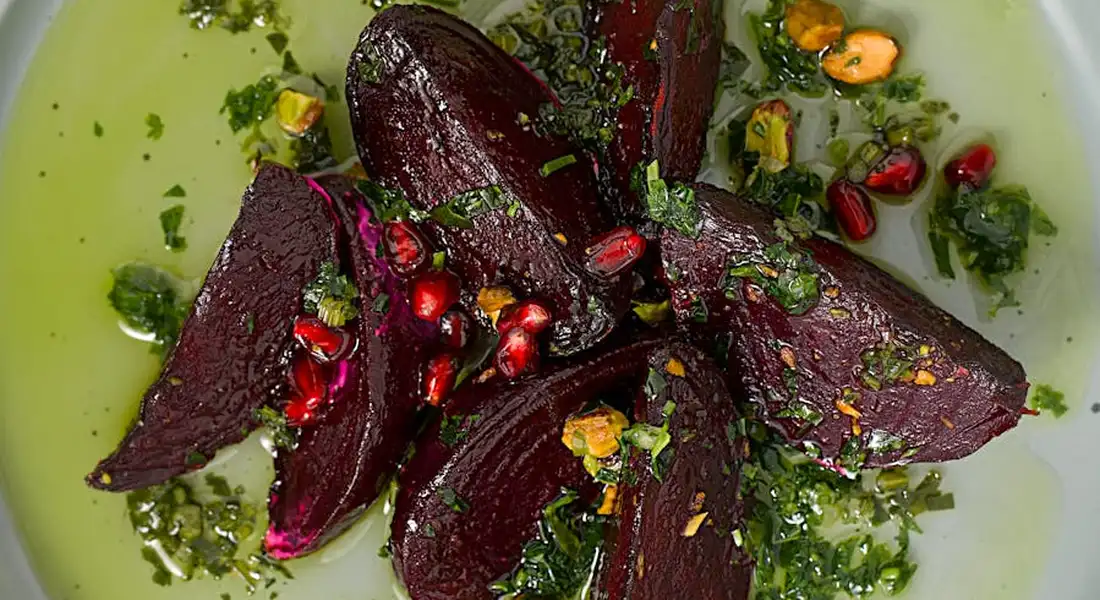
Finding the right amount is less about strict formulas and more about observing your horse. Start small and build up based on their individual needs. Always begin with a soaked cup or two to ensure they like it and it doesn’t upset their digestion. Also, keep in mind that the amount of sweet feed should support proper portion control for your horse. Adjust portions based on body condition and activity to maintain balance.
Standard Dosing for Most Horses
For the average horse in light work, beet pulp shines as a superb fiber supplement. A good starting point is 0.5 to 2 pounds of dry beet pulp shreds or pellets per day. Once soaked, this will expand into a hefty, satisfying meal. Think of it as a hearty side dish, not the main course-it should never replace your horse’s essential long-stem hay or pasture. I often mix a single soaked quart into Luna’s evening meal as a carrier for her supplements and to add harmless calories that don’t make her hot. When you compare hay bales, pellets, and cubes, you’re weighing their nutritional breakdown to fit your horse’s needs. That context helps you balance fiber, energy, and minerals with beet pulp and hay.
Adjusting for Weight Goals and Workload
Your horse’s job and body condition are the real guides. Here’s how I adjust in my own barn:
- The Horse Needing to Gain: For a thin horse like Rusty was last winter, I gradually increased his dry ration to 4 pounds daily, split between two meals. This provided steady, fermentable calories without the starch rush of high-grain feeds.
- The Horse in Moderate Work: A horse in consistent training may benefit from 1-2 pounds of dry beet pulp daily. It supports energy for work and aids muscle recovery without fizzy behavior.
- The Idle Pasture Pet: For a good-doer like Pipin, beet pulp is mostly a treat or a vehicle for medication. A half-pound or less of dry shreds, soaked, is plenty. It’s a low-sugar way to give him a tasty snack without the grain.
Important Ratios: Calcium, Phosphorus, and Total Diet
Beet pulp is naturally high in calcium and low in phosphorus. This is great for balancing diets heavy in grains (which are often higher in phosphorus) but requires awareness. You must consider the entire diet’s calcium-to-phosphorus ratio, aiming for a balance between 1:1 and 2:1 (Ca:P). A key safety tip is to not let beet pulp overwhelm the forage portion of the meal. As a rule of thumb, it should not make up more than 25-30% of your horse’s total daily forage intake by weight. This is especially important when balancing diets for performance horses.
The Non-Negotiable Step: How to Soak Beet Pulp Safely
This is the most critical part of feeding beet pulp. Feeding it dry is a severe choking hazard, as the shreds can expand in the esophagus. The goal is a soft, porridge-like consistency. Proper soaking is not a suggestion-it is an absolute requirement for safe feeding.
Step-by-Step Soaking Instructions
- Choose Your Container: Use a bucket, tub, or feed pan with plenty of extra room for expansion. I use dedicated, clearly marked buckets in the feed room.
- Measure Dry Beet Pulp: Scoop your desired amount of dry shreds or pellets into the container.
- Add Warm Water: Cover the beet pulp completely with warm water. The ratio is roughly 2 parts water to 1 part dry pulp by volume. The warm water speeds up the process significantly.
- Soak Thoroughly: Allow it to soak for a minimum of 4-6 hours, or even overnight in cool weather. For a quicker method in a pinch, soaking with very hot water for 1-2 hours can work, but always check for remaining hard bits.
- Check Consistency Before Feeding: Before you dump it in the stall, squeeze a handful. It should be soft and crumbly, with no hard, dry centers. If there’s excess water, you can drain it off.
Soaking Safety and Storage Tips
Managing moisture is key to preventing problems. In warm weather, soaked beet pulp can ferment or spoil within 12 hours, so only make what you can feed that day. My barn hack is to soak the next day’s batch in the evening and store the covered bucket in a cool tack room overnight. In winter, be vigilant for frozen chunks. If you find your mix is icy, break it up and add warm water to thaw it completely before feeding. Always provide plenty of fresh water alongside the meal, as the soaking process hydrates the feed, not the horse.
Special Considerations: Who Really Thrives on Beet Pulp?
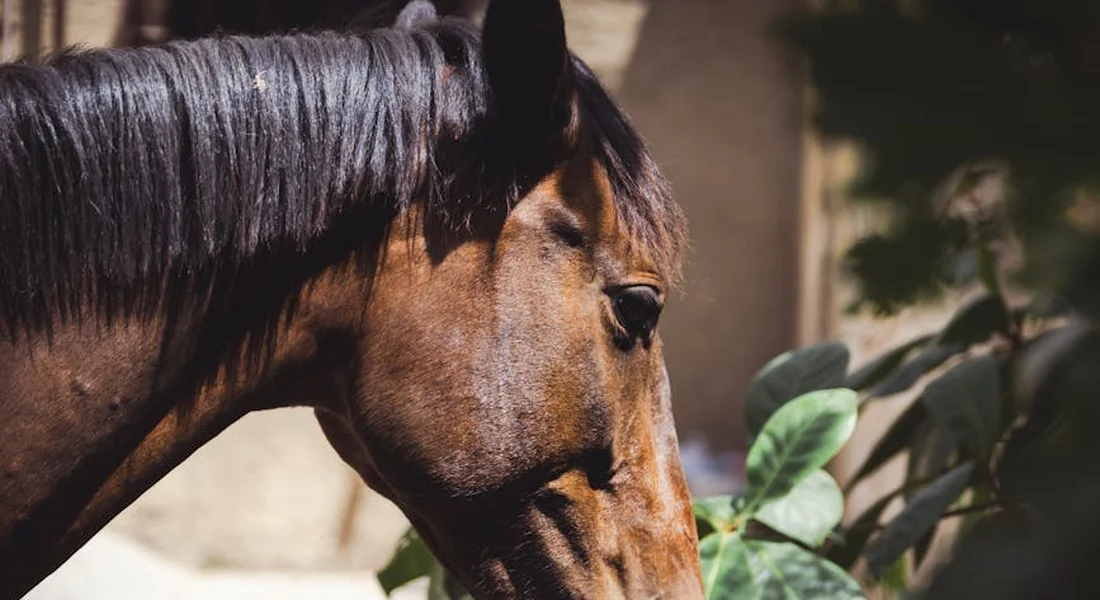
Not every horse needs beet pulp, but for some, it’s a barnyard miracle. I keep it on hand for specific residents in my care. This soaked feed truly shines for horses with unique challenges that make standard forage difficult. Let’s talk about the equines who benefit most.
Senior Horses and Dental Issues
I remember an old lesson horse who started quidding his hay, dropping wet, half-chewed wads everywhere. His ribs began to show. Switching him to a beet pulp mash was the turning point, providing easy calories he could actually swallow and utilize. The texture is a savior for worn teeth.
- Soft and Manageable: Soaked beet pulp requires minimal chewing. It’s perfect for horses with missing molars or dental pain.
- Fights Weight Loss: It’s a highly digestible source of fiber and calories, helping veterans like Rusty maintain body condition when hay isn’t enough.
- Encourages Hydration: The water in the mash supports kidney function and digestion, which can lag in older horses.
The Nervous or Ulcer-Prone Horse
My sensitive Thoroughbred, Luna, used to bolt her grain, her anxiety spiking with every mouthful. Replacing part of her concentrate with a beet pulp mash forced her to eat slowly, creating a calming, rhythmic routine that soothed her mind and her stomach. The difference in her demeanor was palpable, especially considering her anxious nature and skittish behavior.
- Promotes Slower Eating: A horse can’t gulp a soggy mash. This mimics natural grazing, reducing stress and gastric acid splash.
- Provides Physical Buffer: The fiber forms a comforting mass in the stomach, offering protection for ulcer-prone equines.
- Adds Forage Time: For a stabled horse, a long-lasting mash is enriching mental stimulation, combating stall boredom.
Common Beet Pulp Pitfalls and How to Avoid Them
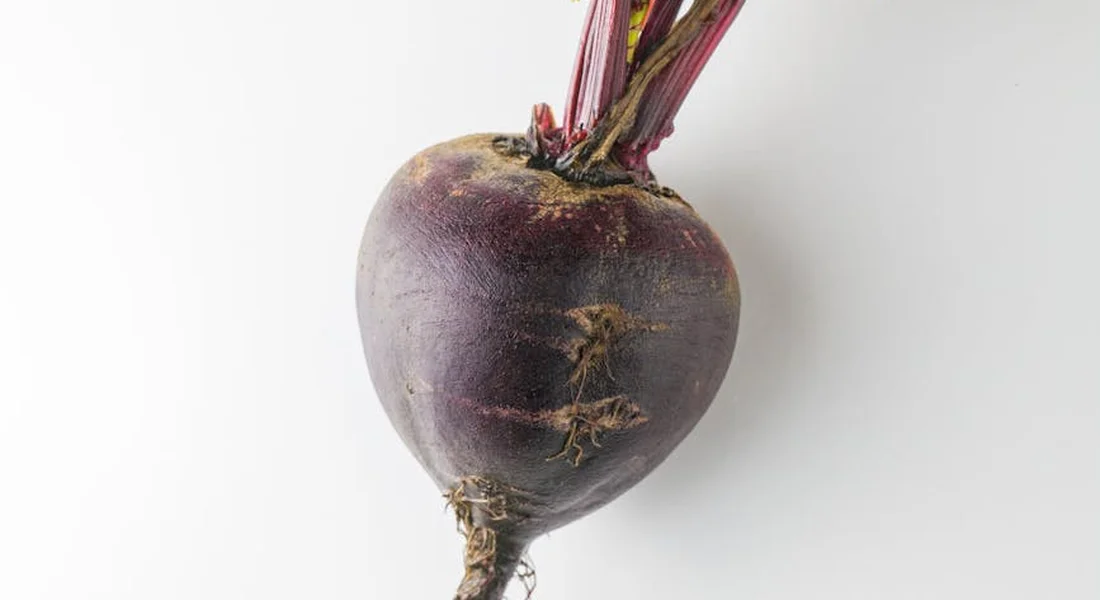
Even the best supplements can cause problems if used incorrectly. Smart feeding avoids these common missteps and keeps your horse safe and comfortable. A little knowledge goes a long way at the feed tub. To protect against colic, avoid the top 7 feeding mistakes that greatly increase risk. We’ll highlight them in the next section.
Myth Busting: Sugar Content and Molasses
The sugar fear is real, but often misplaced. Plain beet pulp shreds, before soaking, typically contain less than 10% sugar, making them a low-risk option for many metabolic horses. The high sugar reputation comes from molasses-coated versions. To understand why horses seek sugar cubes, consider their natural diet and energy needs. This helps explain how sweet treats fit into their overall nutrition.
- Know Your Product: “Plain” or “unmolassed” on the bag is key. Molasses-added pulp is for palatability and has much higher sugar.
- Soaking Reduces Sugar Further: The soaking process leaches out soluble carbohydrates, lowering the sugar content of the final mash.
- Check for “Beet Pulp with Molasses”: This is a different product. Use it intentionally, not by accident, and factor it into your horse’s total sugar intake.
Introducing It Slowly and Watching for Changes
A sudden feed change is a classic colic trigger. Always introduce beet pulp over 7 to 10 days, starting with a soaked quarter-cup and gradually increasing to your desired amount. This gives the hindgut microbes time to adjust without revolt.
- The Slow Build: Start tiny. Mix a small amount of soaked pulp into their normal feed. Increase the portion a little each day.
- Monitor the Manure: Your best clue is in the paddock. Watch for consistency-loose stools can mean you’re moving too fast.
- Watch Their Behavior: Note any signs of bloating or discomfort. A happy horse like Pipin will dive into his new mash with gusto, not hesitation.
Frequently Asked Questions About Feeding Beet Pulp to Horses
What are the benefits of beet pulp for nursing mares?
Beet pulp offers nursing mares easily digestible calories to support increased energy demands for milk production. Its high water content when soaked aids in maintaining hydration, which is vital for lactation and overall mare health. Additionally, its low starch profile helps avoid metabolic upset, ensuring a steady nutrient supply for both mare and foal.
How does beet pulp benefit horses with digestive sensitivities?
Beet pulp’s soft, soaked texture is gentle on the digestive tract, making it suitable for horses prone to issues like gastric ulcers or impactions. It promotes a stable hindgut environment by supporting beneficial microbes, which can reduce inflammation and improve nutrient absorption. This fiber source also encourages slower eating, mimicking natural grazing and lowering stress-related digestive disturbances. Understanding how a horse’s digestive system works helps explain these benefits. It highlights why beet pulp can be a helpful component of a balanced diet to support gut function when used appropriately.
Can beet pulp be used to support weight gain in underweight horses?
Beet pulp is an excellent source of safe, fermentable calories that promote steady weight gain without the risks associated with high-starch feeds. Its high digestibility ensures efficient nutrient uptake, which is crucial for rebuilding condition in thin horses. When incorporated gradually into the diet, it provides sustained energy and helps maintain hydration, supporting overall recovery and health. However, it should be balanced with other essential components of a healthy horse diet.
From My Feed Room to Yours
Start beet pulp slowly, measure every serving by weight, and always soak it thoroughly to prevent choke. Treat it as a helpful supplement to your horse’s forage, not as the main event of their dinner.
Watch how your own horse responds—a shinier coat or steadier energy tells you you’re on the right track. The best feeding plan is the one you build together, paying close attention to what they tell you. After all, feeding for optimal health and performance takes more than just guesswork.
Further Reading & Sources
- Dos & Don’ts of Feeding Beet Pulp to Horses – Tribute®
- Benefits of Beet Pulp for Horses – Kentucky Equine Research
- Pros and Cons of Feeding Horses Beet Pulp – The Horse
- Has anyone made their own beet pulp for horses?
At Horse and Hay, we are passionate about providing expert guidance on all aspects of horse care, from nutrition to wellness. Our team of equine specialists and veterinarians offer trusted advice on the best foods, supplements, and practices to keep your horse healthy and thriving. Whether you're a seasoned rider or new to equine care, we provide valuable insights into feeding, grooming, and overall well-being to ensure your horse lives its happiest, healthiest life.
Nutrition