
Fueling the Equine Athlete: How to Create a Balanced Diet for a Performance Horse
Published on: February 20, 2026 | Last Updated: February 20, 2026
Written By: Henry Wellington
Hello from the barn aisle, fellow equestrians. You’ve put in the miles, perfected your cues, and your horse is willing-but something’s off. Maybe their energy fades mid-course, their coat lacks bloom, or you’re nervously side-eyeing every potential digestive upset. I’ve been there, staring at a feed chart with Luna, my sensitive Thoroughbred, wondering if the fuel matched the job.
That worry about their well-being and performance is where good horsemanship begins. Getting diet wrong doesn’t just mean a sluggish round; it can mean costly vet visits and missed goals. This isn’t just about more grain; it’s about precision, balance, and working with your horse’s unique physiology.
In this guide, we’ll break down the pillars of performance nutrition. We’ll cover how to honestly assess your current feeding program, the practical math behind calculating energy and protein needs for different disciplines, navigating the complex world of supplements and forage enhancers, and why meal timing is as critical as the ingredients. You’ll get a clear, step-by-step framework.
I’ve built these plans for years as a barn manager and trainer, balancing the needs of reliable campaigners like Rusty and high-octane athletes like Luna, always with their long-term health at the forefront.
Start with the Basics: The Performance Horse’s Nutritional Engine
Why Forage is Non-Negotiable (Even for Athletes)
I’ve watched countless riders meticulously measure grain while the hay net swings near empty. For the equine athlete, forage is the primal engine, not background noise. That steady crunching keeps the digestive tract moving, prevents acidic buildups, and offers a critical mental anchor during long stall periods. Think of your horse’s gut as a continuous fermentation belt; shutting off the forage supply is like jamming the machinery, inviting colic and ulcers. That brings up the question: do horses need grain? The great equine diet myth debunked suggests that for most horses, forage can meet energy needs and support performance without relying heavily on grain.
Your daily baseline is at least 1.5% of body weight in hay or pasture. For a 1,200-pound horse, that’s 18 pounds of hay minimum. I learned to weigh it, not guess, after Luna’s sensitive system protested with a mild colic when I got sloppy. Use a kitchen scale or a hanging fish scale for a week-you’ll be shocked how off your “flake math” can be. That daily need scales up to about 540 pounds a month. Many owners then run a complete monthly hay-bale calculation to budget.
Not all hay is equal. Choosing the right type prevents you from pouring on grain to compensate for poor forage. For horse owners, a complete comparison of hay types helps identify the best hay for horses. Here’s a simple breakdown:
| Hay Type | Key Characteristics | Best For Performance Horses Who… |
|---|---|---|
| Grass Hay (Timothy, Orchard) | Lower in protein and calories, high in digestible fiber. | Maintain weight easily or need a steady, calm energy source. My Quarter Horse, Rusty, does his best trail work on this. |
| Legume Hay (Alfalfa) | Rich in protein, calcium, and dense calories. | Need muscle repair or significant calorie boosts without bulk. Use judiciously for hot types like my Thoroughbred, Luna. |
Water and Salt: The First Supplements You Must Provide
Water is the silent partner in every metabolic process. A performance horse can sweat out 3-4 gallons in a serious workout, and dehydration crushes stamina before you feel it in the reins. Check water sources twice daily for cleanliness, quantity, and temperature-a too-cold bucket in winter can slash intake as surely as a dirty one in summer. Regular water-quality testing can reveal contaminants or mineral imbalances that affect intake. Improving your water source based on test results supports consistent hydration and performance.
Plain white salt is a requirement, not a supplement. Horses lose sodium daily through sweat and urine and cannot store it. Always provide a white salt block in the stall or field, and add a tablespoon of loose salt to at least one meal daily to guarantee intake. My Shetland, Pipin, gets his in a handful of soaked beet pulp, and he licks the tub clean.
For horses in heavy, repetitive work where sweat soaks the saddle pad, a balanced electrolyte can be useful. Electrolytes are a tactical add-on for heavy sweating days, but they never replace free-choice salt and fresh water.
Fueling the Work: Energy Sources Beyond Hay
Decoding Concentrates: Grains, Proteins, and Fats
When forage can’t meet the energy demands of jumping, racing, or endurance, we add concentrates. Treat these like a precision drill bit, not a sledgehammer. Grains provide soluble carbohydrates for quick energy, but feeding them like candy leads to fizzy behavior and can disrupt the delicate hindgut microbiome.
Let’s break down the common players:
- Oats: The classic. Lower in starch than corn, they offer a safer burst of energy. Luna gets a measured cup to take the edge off her workouts without boiling over.
- Corn: High-starch and energy-dense. Excellent for weight gain, but it’s potent fuel-like giving a sports car nitro. Proceed with caution.
- Barley: Often steam-rolled to improve digestion, it sits between oats and corn in the energy spectrum.
Fat is your best friend for cool, dense calories. Vegetable oil or rice bran provides slow-release energy without the behavioral heat. Starting with a quarter cup and working up to a cup of oil daily can significantly boost endurance capacity while keeping a horse’s mind settled in the crossties.
Protein repairs muscle; it doesn’t fuel it. Sources like soybean meal or alfalfa deliver essential amino acids. A hard-working performance horse might need a diet with 12-14% protein, but anything beyond what’s needed for repair is simply excreted-a costly waste. Understanding what counts as the essential components in a healthy horse diet can guide feeding choices.
Matching Energy Type to Performance Discipline
Feeding a reiner like a endurance mount is like putting jet fuel in a diesel truck. The discipline dictates the diet. Quick, explosive work demands rapidly available energy, while sustained effort requires a long, slow burn from fats and fibers.
For the Sprint Athlete (e.g., Barrel Racing, Show Jumping):
- Priority: Rapidly available carbohydrates from grains.
- Diet Focus: Moderate starch from oats or a commercial mix, always balanced with ample forage to buffer the stomach.
- Watch For: Nervous energy or “hot” behavior; be ready to cut back grains and increase fat for steadier fuel.
For the Endurance Athlete (e.g., Distance Riding, Eventing):
- Priority: Slow-release energy from fats and high-quality fibers.
- Diet Focus: Foundation of excellent hay, supplemented with fat (oil, beet pulp) and minimal starchy grains.
- Watch For: Weight maintenance and hydration status; electrolytes during competition are often non-negotiable.
The Balancing Act: Vitamins, Minerals, and Supplements
Core Vitamins and Minerals No Diet Should Miss
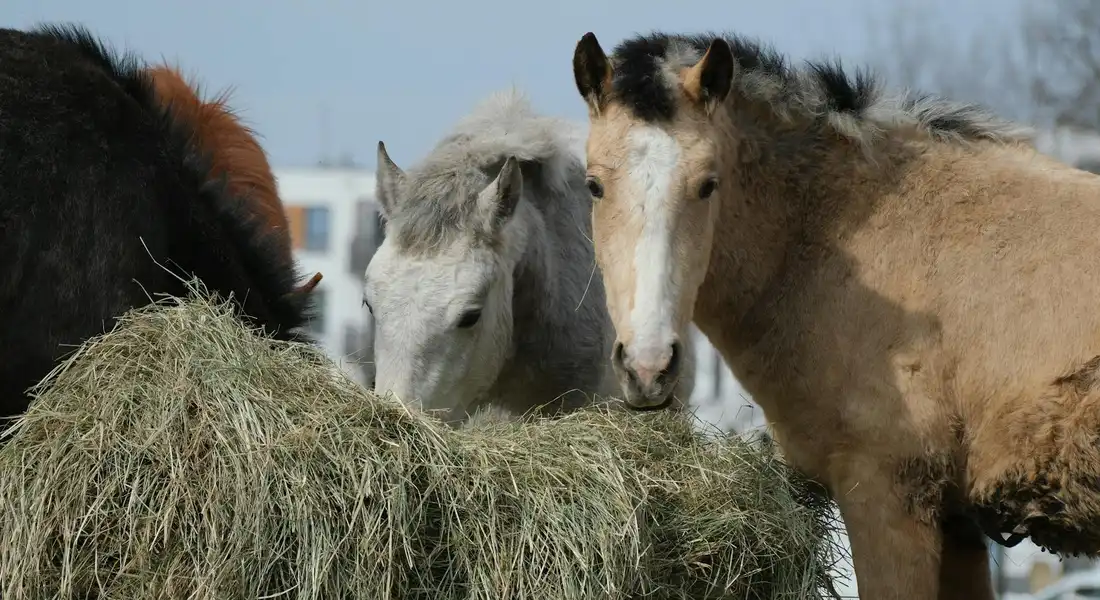
Think of vitamins and minerals as the tiny, critical screws that hold the whole nutritional engine together. Get them wrong, and things start to rattle loose, no matter how good your hay is. The foundation of any performance diet is a correct calcium-to-phosphorus ratio, ideally between 1.5:1 and 2:1, to support that hard-working skeleton. I’ve seen horses on green, lush pasture alone develop imbalances because the grass was phosphorus-heavy.
Then you have your powerhouse antioxidants: Vitamin E and Selenium. They work as a team to mop up the cellular debris from intense exercise. A deficiency here can lead to muscle stiffness or tying-up. Most quality fortified feeds or a good ration balancer are formulated to cover these bases when fed at the recommended rate, which is why I always read the tag on the bag before anything else.
The danger comes from the supplement shelf. Adding a separate selenium supplement on top of a already-fortified feed is a recipe for toxicity. My barn rule is simple: never add a standalone mineral without knowing exactly what’s already in your horse’s daily serving from all sources.
When to Consider Targeted Supplements
Supplements are the specialized tools, not the toolbox. I reach for them when there’s a diagnosed need or a persistent issue that forage and base feed can’t address. For my old guy Rusty, a glucosamine and chondroitin blend became a non-negotiable part of his dinners to keep his joints oiled for trail work. Joint supports are for maintenance in a seasoned athlete, not a magic fix for acute lameness-your vet needs to see that first.
Hoof builders with biotin can work wonders, but only if the primary diet is already solid. I’ll consider them for a horse with consistently brittle feet, but not for one with just normal hoof wear. Always rule out management issues like wet-dry cycles or improper trimming before blaming nutrition alone for hoof problems.
Calming aids are a whole other pasture. I’ve tried them with sensitive souls like Luna, but they’re a last resort after ensuring her workload, turnout, and basic diet aren’t fueling the anxiety. Supplements should fill specific, identified gaps; they cannot compensate for a fundamentally unbalanced core diet or a management problem. A five-minute chat with an equine nutritionist can save you hundreds in misguided bottles.
Building Your Feeding Plan: A Step-by-Step Barn Manager’s Guide
Step 1: Assess Your Horse’s True Workload
Be brutally honest here. We all think our horse works hard, but definitions matter. A “light” workload is Luna having a 30-minute training ride three days a week. “Moderate” is what my client’s jumper does: an hour of flatwork and jumping four to five days a week. “Heavy” is the endurance horse in peak season or a three-day eventer. The feed bag’s directions are based on these categories-picking the right one is your first major calorie decision.
Step 2: Weigh Your Hay and Measure Your Concentrates
Guessing is how you get a fat horse or a thin one. A hay scale transformed my feeding program. That flake of alfalfa? It could be 4 pounds or 8. Invest in a simple hanging scale; know that your 1,200-pound horse needs roughly 18-24 pounds of total feed (hay + grain) per day, with at least 1% of their body weight in hay/forage. It’s crucial to understand how much hay your horse should eat daily.
For concentrates, use a scoop, but know what that scoop weighs. A pound of pellets is not a pound of sweet feed. Split all grain meals into at least two, preferably three, smaller feedings to keep that hindgut happy and avoid sugar spikes. Big meals are a fast track to colic or founder.
Step 3: Integrate Fats and Oils Safely
Want a glorious coat and steady energy? Fat is your friend. But introduce it like you’re introducing a nervous horse to a new puddle-slowly. I start with a quarter cup of a plain oil, like soybean or canola, drizzled over their dinner. Increase by a quarter cup every four to five days until you reach your desired amount, usually topping out at 1-2 cups daily for a performance horse.
This slow ramp-up lets the microbial population in the cecum adjust. A sudden glug of oil can cause disastrous runs. For horses that turn their nose up at oily feed, soaked beet pulp is a brilliant, fiber-rich carrier that masks the texture and taste perfectly.
Step 4: Establish a Consistent Daily Schedule
Horses are creatures of exquisite habit. Their gut motility and anticipation run on a clock. My barn’s clock looks like this: The main grain meal goes in 3-4 hours before planned work. This gives them time to properly digest and utilize that energy, rather than working on a full stomach.
They get hay right after they’re cooled down and dry. Small hay nets are filled for overnight munching. The most critical rule is consistency-feeding at the same times every day, weekends included, minimizes stress and supports a healthy digestive rhythm. The predictable thud of the feed cart is a comfort to them, and a cornerstone of good management to you.
Reading the Signs: Is Your Horse’s Diet Working?
Physical Indicators of a Balanced Diet
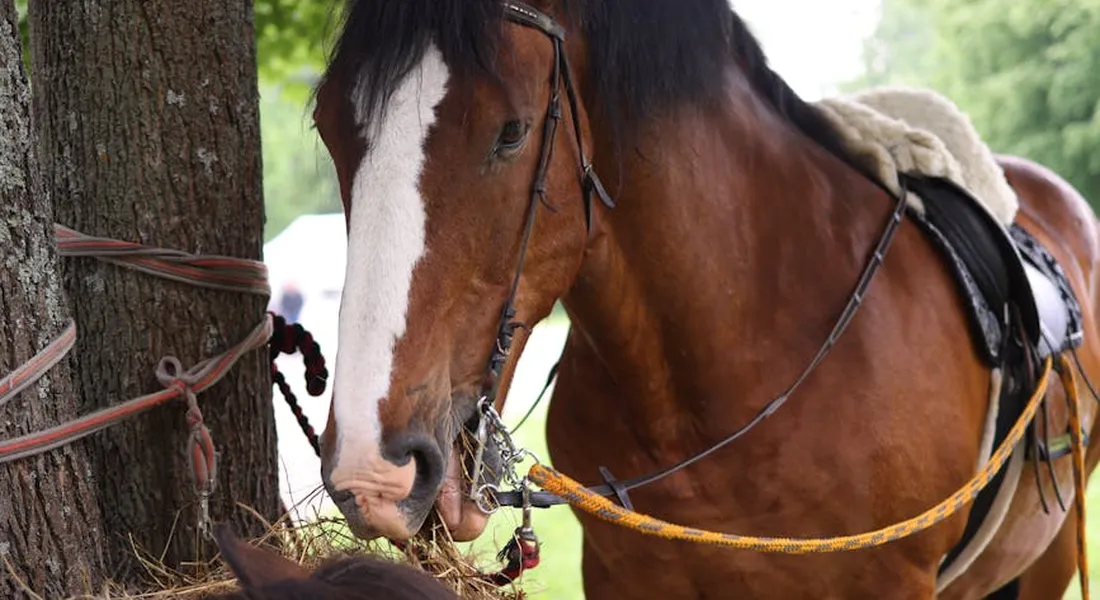
Your horse’s body is the most honest report card you’ll get. I spend my days in the barn running my hands over coats and watching manure piles, and these daily checks tell me more than any feed chart. It’s a daily check for me, and one you should be doing too.
Look for these consistent signals that your feeding plan is on track.
- Consistent Weight: A performance horse should not look like a runway model or a stuffed sausage. Monthly weigh-taping or a keen eye for rib coverage is key.
- Shiny Coat: A diet rich in quality fats and protein produces a coat that gleams like polished leather, not a dull, dry blanket.
- Firm Manure: Well-formed, moist balls that break apart on impact signal a happy, efficiently working digestive system.
- Steady Energy: They should have bright, willing energy for work without nervous spikes or crashing fatigue afterwards.
- Healthy Hooves: Strong walls, fast growth, and no cracks or flares are built from the inside out by proper minerals.
Make hands-on assessment a habit. You should easily feel but not see the ribs, which is a Body Condition Score of 5 on the 1 to 9 scale-our barn’s golden target.
Red Flags: Symptoms of Nutritional Trouble
Horses communicate problems through their physique and behavior. When Luna gets a dull, patchy coat, I know it’s time to scrutinize her fat source and trace minerals immediately.
Watch for these warning signs that mean your diet needs a tweak or a professional opinion.
- Unexplained Weight Loss or Gain: Sudden changes often point to calorie imbalance, poor quality feed, or an underlying issue.
- Dull, Rough Coat or Slow Shedding: This screams deficiency, often in fatty acids, copper, or zinc.
- Loose Stools or Very Dry Manure: Digestive upset from imbalance, bad hay, or a microbiome in distress.
- Behavioral Shifts: New lethargy, grouchiness, or excitability can stem from blood sugar spikes or nutrient shortages.
- Poor Hoof Quality: Slow growth, brittle walls, or recurrent abscesses often have a nutritional root.
Do not wait and see. If you spot two or more of these red flags consistently, it’s time to call your vet or an equine nutritionist for a tailored plan.
Common Feeding Pitfalls to Sidestep in the Stable
Five Costly Mistakes I’ve Seen in the Feed Room
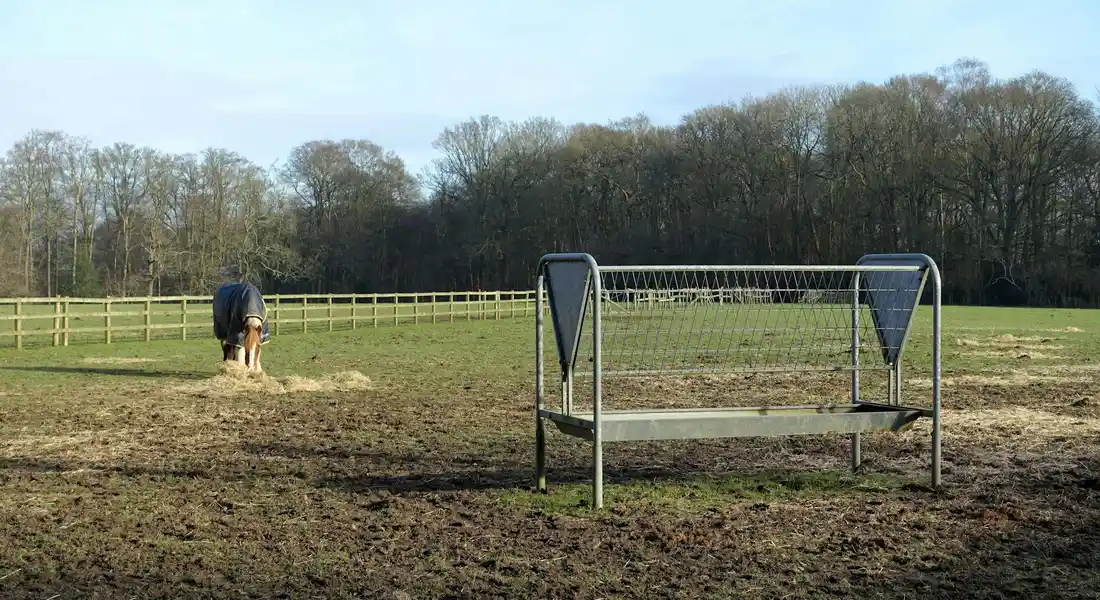
After a decade of managing barns, I’ve cleaned up more feeding errors than I care to count. These are the big five blunders I’ve made myself or seen others repeat, each with a lesson attached.
- Overfeeding Grain on Emotion: That “hungry” look is often just curiosity or boredom. I once nearly foundered a sweet gelding by giving extra “treat” meals. More grain rarely equals more performance, but it always equals more risk.
- Ignoring Seasonal Adjustments: A horse burning calories to stay warm in winter needs more hay, not more grain. Summer sweat demands electrolytes, not just extra water. Their needs dance with the weather.
- Treating All Hay as Equal: That lush second-cutting alfalfa and the stemmy grass hay from the back field are worlds apart in protein and sugar. Getting your hay tested isn’t fussy; it’s fundamental economics and safety.
- Neglecting Dental Care: The finest diet is useless if your horse can’t chew it. I’ve seen horses waste half their feed due to painful hooks or waves. Float those teeth yearly.
- The Wholesale Feed Change: Swapping bagged feed or hay sources overnight is begging for colic. The gut microbes need time to adapt, a lesson I learned the hard way with a costly vet visit.
The Golden Rule: Make All Changes Slowly
This is the one non-negotiable rule in my feed room. Any change to concentrate, hay source, or even a new supplement must happen over 7 to 10 days minimum.
Start by mixing 25% of the new feed with 75% of the old. Gradually shift the ratio every few days. Why? A horse’s hindgut is a fermentation vat full of delicate microbes. Shocking that system with new food can cause colic or trigger laminitis, as the wrong sugars rapidly ferment.
I keep a transition schedule taped to the grain bin. For Pipin the pony, even a new bale of hay gets introduced slowly. Patience here isn’t just virtue; it’s preventive medicine.
FAQ: Fueling the Equine Athlete: Creating a Balanced Diet for a Performance Horse
What is the ideal ratio of forage to concentrate in the diet?
Forage should form the majority of the diet, typically provided at a minimum of 1.5% of the horse’s body weight daily. Concentrates like grains and pellets are added strategically to meet energy deficits from work, often starting at a rough ratio of 70% forage to 30% concentrate by weight. The exact ratio fluctuates with workload, but the foundation must always be ample, quality forage to maintain digestive health and function. For weight management, this Forage-first approach provides a solid base for a controlled diet. Small, regular adjustments can help maintain a target body condition score while meeting energy needs.
Which specific vitamins and minerals are most critical, and how are they provided?
The most critical include calcium and phosphorus in a correct 1.5:1 to 2:1 ratio for bone health, and the antioxidant team of Vitamin E and selenium for muscle recovery. Trace minerals like copper and zinc are also vital for hoof integrity and coat quality. These are most reliably provided through a quality ration balancer or fortified feed specifically formulated to complement your base forage, preventing dangerous imbalances.
What are the best practices for feeding schedules around training and competition?
Schedule the main grain or concentrate meal 3 to 4 hours before exercise to allow for digestion and make energy available. This ties in with guidance on how long to wait after eating before exercising. Generally, a 2–4 hour window works for many horses, depending on size and workload. Provide ample forage or hay after the horse is fully cooled down to support continued gut motility and recovery. Most importantly, maintain extreme consistency in daily feeding times to minimize stress and support a stable metabolic rhythm, especially on competition days.
The Performance Horse’s Fuel Gauge
Build your performance horse’s diet on a foundation of premium forage, adding concentrated energy sources like grains and fats only as his workload demands. The most critical adjustment you’ll make isn’t in the feed bucket, but in the schedule, ensuring rest and recovery are valued as highly as work. A practical daily routine guide can help you translate this principle into a precise feeding schedule for every day. Implementing it consistently supports steady energy and recovery cycles.
Watch his energy, coat, and attitude more closely than any chart-they are his direct feedback. True performance is a partnership, and his well-being is the ultimate metric of success.
Further Reading & Sources
- Performance Horse Nutrition and Notes on Conditioning | Equine Science Center
- Horse Nutrient Requirements with Exercise | Purina Animal Nutrition
- Performance Horse Nutrition – “The goal of Performance Horse Nutrition, LLC® is to bring the latest and most innovative equine nutrition knowledge to horse owners throughout the world. These advances in equine nutrition are made available in premium quality horse feed and supplements manufactured in association with PHN.”
- Feeding Strategies for Peak Performance in Horses | CAES Field Report
At Horse and Hay, we are passionate about providing expert guidance on all aspects of horse care, from nutrition to wellness. Our team of equine specialists and veterinarians offer trusted advice on the best foods, supplements, and practices to keep your horse healthy and thriving. Whether you're a seasoned rider or new to equine care, we provide valuable insights into feeding, grooming, and overall well-being to ensure your horse lives its happiest, healthiest life.
Nutrition