
How to Create a Progressive Conditioning Plan for Your Horse
Hello fellow equestrians! Does your horse seem winded too quickly on a gentle trail, or do they feel stiff and resistant after a basic workout? That nagging worry about soreness, injury, or costly vet visits is a sign you’re a caring owner-it’s the same unease I feel when Luna comes in a little too quiet from the arena.
Turning that concern into a clear, safe fitness strategy is what we’ll do here. You’ll learn: how to conduct a frank assessment of your horse’s starting point, set realistic fitness milestones tailored to their personality and workload, build a weekly schedule that incrementally challenges their body, weave in mandatory rest and mental variety, and monitor subtle signs of improvement or strain.
My years of barn management and training, from putting miles on reliable Rusty to patiently conditioning high-strung Luna, are built on the belief that true fitness comes from consistency, not coercion.
Start with a Honest Assessment of Your Horse
Before you plot a single canter circle, you need a candid snapshot of your horse’s current reality. I learned this the hard way with Luna, pushing for a fitness level she simply hadn’t built yet. Evaluating age, overall health, and current fitness isn’t a suggestion-it’s your responsibility. This honest look prevents injury and shapes a plan that respects your horse’s individual needs, whether they’re a senior like Pipin or a sensitive soul like Luna. Your baseline assessment should include a simple fitness test, tracking resting heart rate, recovery time, and muscle tone, always adjusting your pace for your horse’s age.
Evaluating Current Fitness Level and Age
Your horse’s daily life tells a fitness story. Compare a pasture puff to a horse in light work by feeling for muscle along the back and watching their ease of movement. Age directly dictates your conditioning speed; older joints need more careful preparation, while young minds need patience. Run through these key evaluation points in your next grooming session to get the full picture.
- Heart Rate Zones: A true resting heart rate, taken in a calm stall, should fall between 28-44 BPM. Anything consistently higher can signal underlying stress or poor fitness.
- Respiration: Watch their flank for 60 seconds. Easy, quiet breaths mean a relaxed system; labored effort at rest is a red flag.
- General Stamina: Note how they handle their current work. Does a 30-minute hack leave them bright-eyed or looking for the barn?
- Muscle Tone: Palpate the hindquarters and topline. You want firm, defined muscle, not the soft, underdeveloped feel of a horse living on hay alone.
Conducting a Baseline Fitness Test
This is your starting line metric, not a race. On a cool morning in a flat, secure area, perform this controlled trot session. I use our sand ring with Rusty to ensure consistent footing. This test reveals cardiovascular fitness and muscular resilience without asking for too much, too soon.
- Record the resting heart and respiration rates before any activity. Do this with your horse calmly haltered.
- Begin with a 10-minute walk on a long rein, allowing muscles to warm and the mind to settle.
- Execute 15 minutes of steady, working trot. Maintain a rhythm you can sit to-think metronome, not racehorse.
- Immediately upon halting, check the heart rate. Time how many minutes it takes to return to the pre-work resting rate. A fit horse recovers in under 10 minutes.
- Observe for signs of stiffness or hesitation in the next 24 hours. A head bob, shortened stride, or lingering puffiness tells you you’ve found their current limit.
Define Clear and Achievable Conditioning Goals
Vague aims like “get fitter” lead to muddled plans and frustrated horses. Your goal must be concrete, like “build the stamina for a two-hour trail ride” or “develop the strength for a consistent jumping grid.” A specific goal transforms daily work into purposeful progress, keeping both you and your horse motivated. Base these objectives on the real demands of your chosen discipline, from leisurely trails to competitive eventing.
Identifying Your Discipline or Activity
Conditioning is not one-size-fits-all. The physical demands of reining are worlds apart from those of competitive trail. Your plan must prioritize the right kind of fitness. Match your training focus to the primary energy system and muscles your sport requires.
- Trail & Pleasure Riding: Focus on steady-state cardio, sure-footedness, and mental calm over long durations. Think of Rusty’s steady rhythm on a hillside.
- Dressage: Targets suppleness, precise muscle engagement, and powerful hindquarter push. It’s about quality of movement, not just mileage.
- Jumping & Eventing: Develops explosive power, agility, and the ability to recover quickly between efforts. Strength training is non-negotiable.
- Endurance & Distance: Builds a massive aerobic engine, metabolic efficiency, and incredible tendon resilience. Long, slow work is the cornerstone.
Setting Specific Strengths and Weaknesses to Address
Now, get hyper-specific about your horse’s own body. Is their right lead canter weaker? Do they fatigue quickly on long inclines? I know Pipin’s weakness is his attention span for repetitive work. Honestly identifying one or two key weaknesses allows you to direct your conditioning energy where it will have the greatest impact. Use this checklist to guide your assessment:
- Does my horse bend evenly through their rib cage in both directions?
- Can they maintain impulsion going uphill without scrambling or breaking gait?
- Do they recover their breath within 15 minutes of finishing moderate work?
- Is their topline uniformly developed, or is there a dip behind the withers or over the loin?
- How is their hoof balance and leg soundness on firm ground after work?
Your answers here become your roadmap. For Luna, it’s about building tolerance for pressure without tension. For an older horse, it might be improving joint mobility and core stability to protect those aging limbs.
Design the Progressive Workload Schedule
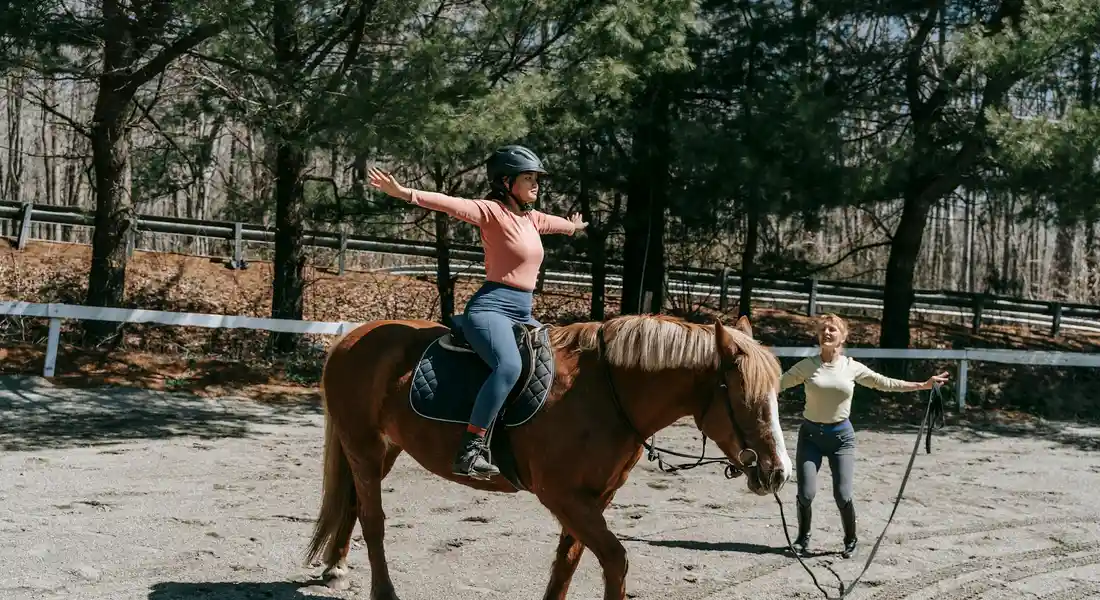
Think of conditioning like building a stone wall. You don’t just pile rocks haphazardly; you lay a solid base, carefully add layers, and let the structure settle. A good schedule is your blueprint. It moves your horse forward without breaking him down. I learned this the hard way with Luna; too much enthusiasm on my part led to a sore, footsore mare. Now, I plan every step.
The goal is consistent, measurable progress that respects your horse’s need for both work and genuine rest. You’ll focus on three levers you can adjust: duration (how long), intensity (how hard), and terrain (where). You only tweak one lever at a time.
Principles of Periodization and Load Management
Periodization is a fancy word for a simple, logical approach: dividing your conditioning into distinct phases, each with a specific goal. It’s how you avoid the “just ride” trap and build an athlete.
- Foundation Phase: This is your non-negotiable base. For 4-8 weeks, you focus almost exclusively on long, slow distance work at a walk and a relaxed trot. The aim is to build tendon and ligament strength, develop aerobic fitness, and establish a work ethic. This is Rusty’s favorite phase-steady miles where he can just be a horse.
- Building Phase: Here, you introduce controlled stress. Over another 4-8 weeks, you begin adding intensity through structured trot and canter work, introduce gentle hills, and maybe start short intervals. This phase builds muscular strength and cardiovascular capacity. You’ll see your horse’s topline change here.
- Peak Phase: This is the final preparation, lasting 2-4 weeks, where you simulate the demands of your goal event. You incorporate specific work like collected canters, hill sprints, or longer interval sets. The final week is always a taper-reducing load so your horse arrives fresh and ready.
Every phase must include de-load weeks, where you reduce the workload by 30-50% to allow the body to adapt and strengthen. I schedule these every fourth week, like a built-in vacation for Pipin’s clever mind and sturdy legs.
Structuring Weekly Increases in Duration and Intensity
The golden rule is the 10% guideline: do not increase total weekly workload (time, distance, or intensity) by more than 10% from the previous week. This is your guardrail against injury.
Start by tracking your current baseline. If your horse comfortably walks for 30 minutes three times a week, that’s your starting point. The chart below shows a sample progression from the Foundation into the Building phase for a horse like Luna.
| Week | Focus | Sample Session (Total 30-40 min) |
|---|---|---|
| 1 | Baseline | 10 min walk warm-up, 15 min steady trot, 5 min walk cool-down. |
| 2 | +10% Duration | 10 min walk, 17 min steady trot, 5 min walk. |
| 3 | Consolidate | Repeat Week 2 workload, focusing on rhythm. |
| 4 | De-Load Week | 10 min walk, 10 min trot, 10 min walk hack. |
| 5 | Introduce Intensity | 10 min walk, 15 min trot with 2x 2-min bursts of engaged, powerful trot, 5 min walk. |
Listen to the quality of movement more than the clock; a slow, rhythmic 20-minute trot is far more valuable than a rushed, irregular 30-minute one. Count strides or sing a song to keep your tempo steady-the thud of hooves should sound like a metronome.
Incorporating Variety: Interval Training and Hill Work
Once your foundation is solid, variety builds fitness faster and prevents mental boredom. Interval training means alternating periods of work and active recovery. Hill work is nature’s ultimate fitness tool.
For a beginner hill session, find a gentle, forgiving slope with good footing-a 10-15% grade is perfect.
- Warm up thoroughly on flat ground for 15 minutes.
- Walk up the hill, encouraging a purposeful, marching step. Let your horse find his balance.
- Turn and walk slowly back down. Descending is not a break; maintain control and engage the core to protect the forelegs.
- Repeat the walk up/down cycle 3-4 times.
- If your horse is strong and responsive, try one or two hill trots. Keep them short-20-30 strides up is plenty.
- Finish with a long, loose-walk cool-down on flat ground.
For intervals on the flat, try this: after your warm-up, trot for 3 minutes at a working pace, then walk actively for 2 minutes. Repeat this cycle 2-3 times. The walk period is not passive; it’s active recovery where the heart and lungs learn to recover more efficiently.
Hills build the engine, and intervals teach it to be economical. Together, they transform a horse from merely fit to athletically resilient. You’ll feel the difference in their powerful push from behind and the steady, even sound of their breathing.
Integrate Recovery and Health Support
Think of recovery as part of the work, not a break from it. Your horse’s body builds strength during rest, not while trotting circles, so skimping on downtime undermines your entire conditioning plan. I schedule mandatory rest days for every horse in my care, from Rusty after a long trail to Luna following a focused flatwork session. Watch for subtle signs like a dull coat or a grumpy attitude at feeding time-these are your horse’s way of talking. Regular vet and farrier visits are your best defense against small issues becoming big problems. For your safety, always listen when your horse says “no.” A resistant horse isn’t being naughty; they’re often communicating pain or fatigue. Especially when a horse is recovering from injury or surgery, rest and gradual rehab are crucial. Working with a veterinarian, I tailor gentle rehab plans to support healing and a safe return to work.
- Elevated resting pulse or respiration long after cooling out.
- Unusual stiffness or reluctance to move forward under saddle.
- Behavioral changes like irritability, spookiness, or disinterest in treats.
- Any lingering lameness or soreness, even if it seems minor.
The Role of Rest and Recovery Days
Muscles mend and ligaments strengthen when your horse is dozing in the sun, not when they’re in motion. A true recovery day means no structured riding, just gentle movement that promotes circulation without strain. For Pipin, our clever pony, this often means a day of unrestricted turnout where he can choose to roll, graze, or simply nap. This mental break is as vital as the physical one. On light days, I opt for activities that keep things loose and low-pressure.
- Hand-walking on varied terrain for 15-20 minutes.
- Unsupervised turnout in a safe pasture for several hours.
- Gentle grooming sessions to check for sore spots and improve bonding.
- Liberty work in a round pen, allowing the horse to move freely without tack.
Monitoring for Signs of Overtraining
Your daily observation routine is your most powerful tool. Start each day at the stall door: listen for the quiet sound of chewing hay and watch for the bright, interested look that says your horse is ready. Feel your horse’s legs for heat or swelling before and after work, and note their energy level during grooming. Luna taught me that a tucked tail or pinned ears during tack-up can be the first whisper of overtraining. If you notice ongoing fatigue or reluctance to move, those can be signs your horse is overworked. It may mean your horse needs lighter, more consistent exercise instead of more intensity. Keep a simple logbook; tracking trends is easier than relying on memory.
Here are key red flags that demand an immediate reduction in workload:
- A resting heart rate consistently over 40 beats per minute.
- Lethargy or depression in the stall or pasture.
- Loss of appetite, especially for grain or favorite snacks.
- Weight loss or a failure to gain muscle despite increased work.
- Shortened stride or a persistent, mild head nod.
Scheduling Regular Veterinary and Farrier Check-Ups
Base your schedule on your horse’s individual needs, not a generic calendar. Before you ramp up any conditioning, get a pre-program vet exam to establish a health baseline, including joint flexion tests and a discussion of nutritional support. This upfront exam isn’t just one appointment; it helps determine if there are initial or ongoing veterinary care needs for your horse. Knowing this early lets you plan future checkups and care accordingly. For hoof care, balance is everything. An unbalanced trim can cause strain all the way up the leg. My farrier comes every five weeks for Luna, as her thoroughbred feet grow faster than sturdy Rusty’s.
Build these check-ups into your plan:
- Veterinary Exam: Schedule one at the start of your conditioning plan and every 6-12 months thereafter. Discuss preventative care for joints and tendons.
- Farrier Visit: Every 5-8 weeks is standard. Request specific attention to medial-lateral balance and proper breakover to support athletic movement.
- Bodywork Consideration: Consider a chiropractic or massage therapy session every few months, especially after intensity increases.
Fuel and Prepare: Nutrition and Routines
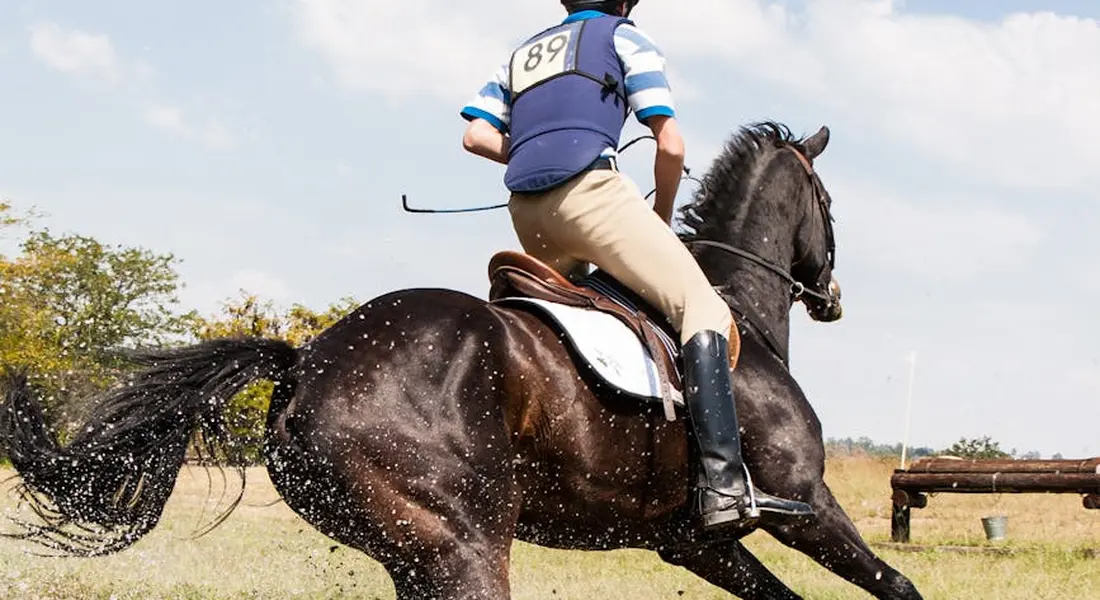
Think of conditioning like building a house: you need good materials and a solid foundation. Your horse’s diet and daily routines are that foundation. I’ve seen too many eager owners crank up the work without adjusting the fuel, leading to tired, sore horses. Remember Luna, my sensitive Thoroughbred? When we started her conditioning, I learned the hard way that her high-energy diet needed tweaks before asking for more miles. Always match your feed to the work, not the other way around.
Adjusting Diet for Increased Energy Demands
More work means more calories, but don’t just dump extra grain in the bucket. Horses digest best with slow, steady changes. I start by increasing roughage-that’s hay or pasture-because it’s what their gut is built for. For Rusty, my reliable Quarter Horse, I’ll add a flake of alfalfa to his evening hay over a week. This is part of adjusting his diet for peak summer performance—keeping energy steady with gut-friendly forage. Hot summer days call for gradual changes and careful hydration. Sudden feed changes can colic your horse, so take it slow over at least five to seven days.
Here’s how to incrementally boost calories:
- Quality Roughage First: Ensure your horse has access to good hay or pasture for at least 1-2% of their body weight daily. For a 1000-pound horse, that’s 10-20 pounds of hay.
- Balanced Grains or Supplements: If hay isn’t enough, add a concentrated feed. I use a balanced grain mix with fat for slow-release energy, especially for Luna who needs sustained fuel without the buzz.
- Timing Matters: Feed grain after exercise, not before, to avoid digestive upset. I give Pipin his small meal after our sessions to reward his cheeky efforts.
- Monitor and Adjust: Watch your horse’s weight and energy levels. Feel their ribs weekly-you should cover them with a light layer of fat, not see them.
Essential Warm-Up Routines for Suppleness
A proper warm-up is like stretching before a run; it gets the blood flowing and muscles ready. Skipping it invites stiffness and injury. I spend 10-15 minutes loosening up every horse, starting with a walk. For Luna, who tenses up, I keep the reins long and let her snort out the jitters. Your goal is to raise the heart rate gently and increase joint fluid without strain.
Follow this sequence for a supple start:
- Walk on a Loose Rein: Five minutes of casual walking lets your horse stretch their neck and back. Listen to the rhythm of their hooves-it should be even and relaxed.
- Large Circles at the Walk: Ask for gentle bends in both directions. Imagine drawing big, lazy circles in the sand. This warms up the shoulders and hips.
- Increase to a Working Trot: Post for two minutes, then sit for two. Keep circles large to maintain balance. Feel for smooth transitions-no jerky movements.
- Incorporate Lateral Movements: Add leg-yields or shoulder-in at the walk or trot. This boosts flexibility. With Pipin, I use treats to encourage his smart, food-motivated bends.
- Finish with Stretches: Ask for a long and low frame at the trot for a minute. Let your horse reach down, stretching the topline.
Effective Cool-Down Routines for Recovery
Cooling down is not optional; it’s how you prevent muscle soreness and flush out lactic acid. I’ve seen horses tied up sweaty and stiff the next day-don’t let that be yours. After a ride, I always walk until breathing is normal. With Rusty, who hates puddles, I use that time to navigate around them for mental cool-down too. There’s a proper way to cool down a horse after exercise. It involves a gradual slowdown and a final leg check. A good cool-down can mean the difference between a brisk next ride and a lame one.
Here’s my step-by-step protocol:
- Gradual Slowing: Ease from your workout pace to a walk over three to five minutes. No sudden stops.
- Long, Uninterrupted Walk: Walk for 10-15 minutes on flat ground. Let your horse stretch their neck and chew the bit. The sound of steady hoofbeats should slow to a calm rhythm.
- Post-Ride Grooming Check: Once unsaddled, groom thoroughly. Feel for heat or swelling in legs, and brush away sweat to dry the coat. I always check Luna’s delicate skin for chafing.
- Offer Water and Electrolytes: Provide fresh water after the walk. For hard workers, add electrolytes to replenish salts lost in sweat.
- Turnout Time: If possible, turn your horse out to move freely. Gentle movement aids circulation and recovery. Pipin’s evening wanderings help him unwind after training.
Track, Adjust, and Succeed
Creating a plan is one thing, but sticking to it blindly is a recipe for sore muscles or a sour attitude-for both of you. The real magic happens when you listen to the data and your horse’s feedback, turning a rigid schedule into a living, breathing partnership. I learned this the hard way with Luna; pushing her on a “set” plan without noting her tense back led to a frustrating week of resistance. Tracking progress isn’t about obsession, it’s about informed care. Use a simple journal, a GPS app, or a heart rate monitor to see the story behind every sweat mark. Interpreting this info lets you adjust on the fly, keeping your horse safe and willing. Your goal is a fit partner, not a finished checklist.
Methods for Tracking Mileage and Heart Rate
You don’t need a lab coat, just consistent note-taking. For mileage, a smartphone GPS app works fine for tracking trail rides or arena circuits. For heart rate, a basic monitor gives you a window into your horse’s effort level. Watch for the recovery rate-how quickly the heart rate drops after exercise-as it’s a golden ticket to understanding fitness. A fit horse’s pulse will plummet within 10-15 minutes of stopping work. I clip a monitor on Rusty sometimes; seeing his steady rate after a long climb tells me more than his steady trot ever could. Keep a log. This simple table is what I use on a clipboard in my tack room.
| Date | Activity | Distance/Mileage | Avg. Heart Rate | Recovery Rate (after 10 min) | Notes & Horse’s Attitude |
|---|---|---|---|---|---|
| e.g., 10/26 | Trail ride, hills | 4.2 miles | 110 bpm | Down to 48 bpm | Rusty: eager, ears forward. Good hydration. |
| e.g., 10/27 | Flat arena work, trot sets | 2 miles (estimated) | 130 bpm | Down to 60 bpm | Luna: slightly distracted, required more warm-up. |
Your notes column is crucial. Jot down the weather, footing, or if your horse spooked at a leaf. That context turns numbers into a useful narrative for your conditioning story.
How to Adjust the Plan Based on Progress
Data tells you when to hold steady, advance, or take a big step back. Think of your plan as a dialogue, not a monologue. Here are common scenarios and how I handle them.
- For Better-Than-Expected Gains: If recovery rates are consistently fast and your horse feels fresh, you can cautiously increase. Add 5-10 minutes to your aerobic work, or introduce one extra hill per week. Don’t jump two levels at once; fitness builds in layers, like a good bedding pack.
- For Slight Lameness or Stiffness: This is an immediate red flag. Pull back to walking only or give a full day of hand-grazing turnout. I once missed Pipin’s subtle head-bob after a sandy ride, and it cost us a week of light work. When in doubt, rest it out-a missed ride is cheaper than a vet call.
- For Weather Adaptations: High heat or humidity? Drop intensity by 20-30% and monitor hydration closely. Deep, frozen footing? Swap distance for controlled, shorter arena work to protect tendons. Your horse’s comfort is the priority.
- For a Plateau or Slow Progress: Don’t just hammer harder. Variety stimulates fitness. If trot sets are getting stale, add a long, steady trail walk or introduce gentle pole work. Sometimes a mental break fuels physical progress.
- For Negative Feedback: If heart rates stay high after work or your horse becomes resistant, your ask is too big. Revert to the previous week’s successful workload for a solid 3-4 sessions before trying to move forward again. Patience here builds trust.
Adjusting isn’t a sign of failure; it’s the hallmark of a thoughtful horseman. Your horse’s well-being is the ultimate metric, far beyond any number on a GPS screen. Keep your eyes open, your notes handy, and your plans flexible.
Frequently Asked Questions About Creating a Progressive Conditioning Plan
How will you structure weekly increases in workload?
Weekly increases should follow the 10% rule, meaning total workload (duration, intensity, or distance) should not increase by more than 10% from the previous week. It is crucial to adjust only one variable at a time, such as adding a few minutes of trot before introducing hills or intervals. Furthermore, incorporating a de-load week every three to four weeks, where you reduce workload by 30-50%, is essential to allow for physiological adaptation and prevent overuse injuries.
What are the signs of overtraining to monitor for?
Key signs include a persistently elevated resting heart rate, unusual stiffness or a shortened stride under saddle, and behavioral changes like irritability or disinterest in work. You should also monitor for a loss of appetite or unexplained weight loss despite an increased feeding regimen. Consistent, careful observation during daily care is your best tool for catching these early warnings before they develop into serious issues.
How will you adjust the diet to support increased energy demands?
Always increase calories gradually, starting with quality roughage like hay or pasture to meet the bulk of new energy needs before adding concentrated feeds. Transition between feeds gradually to allow the digestive system to adapt safely as you adjust your horse’s diet. If you’re switching to a different feed, do so slowly and monitor digestion and energy levels closely. The diet adjustment should be made over 5-7 days to avoid digestive upset, and feedings should be timed after exercise, not before. It is vital to regularly monitor your horse’s weight and body condition, feeling for fat cover over the ribs, and adjust the feed plan accordingly to support muscle development and overall health.
From the Barn Door: A Conditioned Mindset
Build fitness by increasing time or difficulty, never both at once, and treat rest days as non-negotiable parts of the program. The most critical tool in your tack box is a simple journal to track workouts, recovery, and your horse’s mood-it turns guesswork into a plan.
This journey is as much about developing your feel as it is about building equine muscle. Your horse’s honest feedback—a deep sigh after work, a brisk walk to the gate, or a hesitant step—is the ultimate gauge for what to do next. It’s all about building better communication with your equine friend.
Further Reading & Sources
- Guide to Conditioning Horses: Exercises & Plans for Optimal Performance | Mad Barn
- Preparing your horse for the (crazy-fun) sport of endurance riding
- Conditioning Your Horse During Downtime
- Keep Your Horse Fit During Time Off | Horse Journals
At Horse and Hay, we are passionate about providing expert guidance on all aspects of horse care, from nutrition to wellness. Our team of equine specialists and veterinarians offer trusted advice on the best foods, supplements, and practices to keep your horse healthy and thriving. Whether you're a seasoned rider or new to equine care, we provide valuable insights into feeding, grooming, and overall well-being to ensure your horse lives its happiest, healthiest life.
Exercise