
Safe Horse Trailer Loading and Tying: Your Step-by-Step Guide to Stress-Free Travel
Hello fellow equestrians. That hollow thud of a hoof kicking a trailer wall or the sudden jerk on a lead rope – these moments spike your heart rate for good reason. Improper loading and tying are prime causes of injury, expensive vet bills, and shattered confidence for both horse and handler.
Take a deep breath of that barn air. I will break this down into manageable, safe steps. This guide covers preparing your horse’s mind and body before you even approach the trailer, the non-negotiable safety inspection of your rig and gear, a patient loading technique that works for the stubborn and the spooky, how to tie correctly with the right knot and breakaway safety, and the safe unload and post-travel check every horse deserves.
My advice comes from a tack trunk filled with years of barn management, loading everything from reliable Rusty to flighty Luna, and outsmarting escape artists like Pipin.
Your Pre-Trip Trailer Safety Check: More Than a Quick Glance
Rushing your safety check is a recipe for a roadside panic. I learned this the hard way years ago with a rusty hinge that nearly gave way with a horse inside. Now, my check is a ritual I never skip.
Scrutinize the Floor and Ramps
A weak floor is a catastrophic failure waiting to happen. You must inspect from both top and bottom.
Conduct the “Boot Test” and Visual Inspection
Walk the entire floor inside the trailer. Listen and feel. A solid floor has a firm, dull thud. A spongy feel or a suspicious creak means trouble. From underneath, probe every inch of the floorboards and support beams with a screwdriver, looking for soft, rotten wood that looks darker or crumbles easily. Pay extra attention where urine and manure collect. The ramp is just as critical; ensure its hinges are solid and its surface provides solid, non-slip traction.
Test All Latches, Doors, and Partitions
Every moving part is a potential escape route or pinching hazard. Test them like a curious, 1,200-pound toddler would.
- Operate every latch, bolt, and slam lock multiple times. They should engage smoothly and hold firm under pressure.
- Check that divider bars, breast bars, and butt bars swing and lock securely without sticking.
- Inspect door hinges for rust or weakness. Ensure rear doors and ramp latches have a solid secondary safety chain or clip.
A loose partition swinging mid-turn can cause a horse to panic and scramble, turning a quiet haul into chaos.
Ensure Proper Ventilation and Light
A dark, stuffy trailer is a terrifying cave for your horse. Good airflow prevents overheating and keeps respiratory irritants at bay.
- Clean all vents and windows of dust, dirt, and cobwebs. Make sure they open and close as designed.
- Check that interior lights work. A well-lit interior is less intimidating for loading and allows you to see your horse during stops.
- Replace any burnt-out bulbs and consider adding reflective tape inside for added visibility if a light fails.
Your horse’s comfort and calm during the trip start with the air they breathe and what they can see around them.
Calm Minds Load Best: Preparing Your Horse and Yourself
If you’re tense, your horse will be a live wire. Your energy is the lead rope they follow.
Gear Up with the Right Equipment
The wrong gear can turn a simple load into a battle of wills. Your tools should build confidence, not fear.
Choosing Your Halter and Lead Rope
Skip the flimsy, breaking-point nylon halter. I use a strong, well-fitting leather or biothane halter for trailering. Leather has a bit of give in an emergency, and biothane is easy to clean. Attach a sturdy, 10-12 foot cotton or yacht rope lead with a solid brass snap-this gives you space to work safely away from their feet. Avoid chain leads for loading unless you are supremely skilled; they often increase anxiety in sensitive horses like my Luna.
Establish a Calm “Loading Mindset”
Loading isn’t about winning; it’s about inviting. Your goal is to make the trailer the most peaceful place to be.
- Park your trailer in their familiar space for a few days before the trip. Let them sniff it, eat hay near it, and see it as part of the scenery.
- Practice your “whoa” and “back” commands on the ground away from the trailer until they are crisp and responsive.
- Feed them their favorite meals inside the stationary, open trailer. Create a positive association.
Think of this as a step-by-step framework you can build on to teach your horse to load. A detailed, step-by-step guide will tie these concepts together in the next steps.
Rushing this process tells your horse the trailer is a scary place you need to force them into.
Basic Groundwork Exercises at the Trailer
Use your groundwork to teach trailer proximity is rewarding. With Pipin, I practice yielding hindquarters and forequarters beside the trailer, not just at the ramp.
- Ask your horse to stand quietly parallel to the trailer, rewarding patience.
- Practice walking forward one step and stopping, then backing two steps, establishing control of their feet.
- Finally, invite them to put just their front feet on the ramp, then immediately ask them to back off calmly. This builds confidence and control.
This teaches them that loading and unloading is a series of calm, deliberate choices, not a frantic scramble, avoiding some common trailer loading mistakes.
The Step-by-Step Loading Process: A Dance, Not a Drag
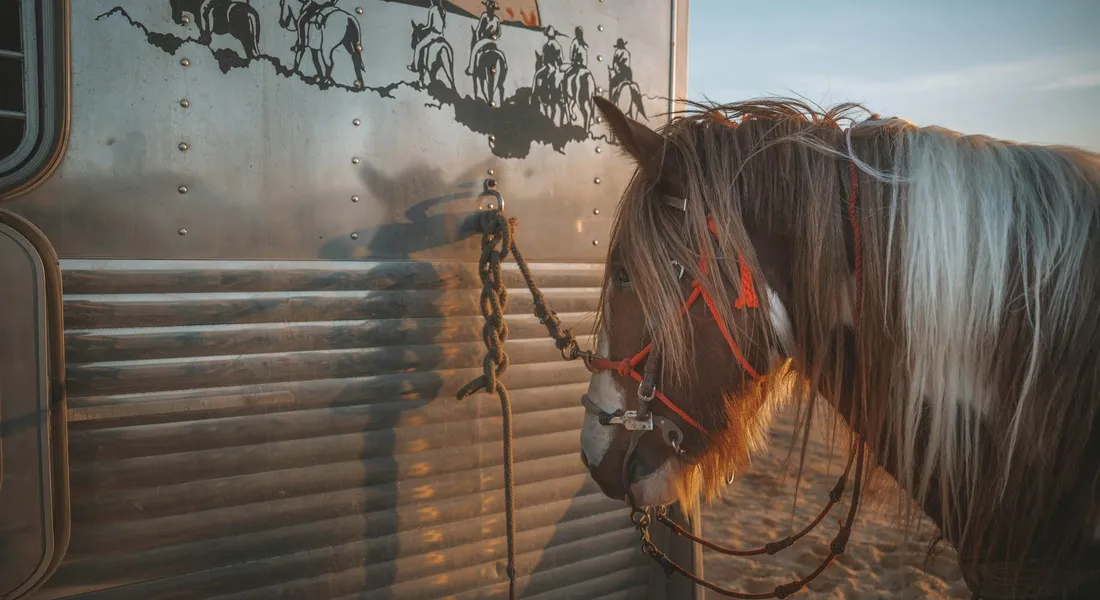
Loading a horse should feel like a partnered walk, not a tug-of-war. I’ve spent years at the ramp, from convincing Luna to ignore the echoing boogeyman inside to outsmarting Pipin’s crafty retreats. Your patience here builds trust for a lifetime of safe travel.
Step 1: Position and Present the Trailer
Park on level, solid ground and ensure the interior is bright, clean, and free of strange objects. I always toss a flake of sweet hay just inside the door. Let the horse investigate the trailer on their own terms, sniffing the ramp and listening to the quiet creaks, so it becomes a curiosity, not a cave. For a nervous soul like Luna, I might park the trailer in her turnout for a few afternoons, door open, so it’s just another part of the scenery.
Step 2: Ask for the First Step
Stand beside your horse, facing forward, and apply gentle, steady pressure on the lead rope toward the trailer. The moment they even lean forward or shift weight, release all pressure. This release is the reward, teaching them that forward movement relieves pressure. With Rusty, I might pair this with a soft vocal cue; with Pipin, a food-motivated pony, a tiny nibble of carrot for looking at the ramp works wonders. Mastering this approach is the groundwork for lead-steering your horse with confidence onto the trailer. In the next steps, related cues and drills will be linked to further refine this skill.
Step 3: Reward the Try and Continue Forward
Celebrate the smallest effort. If they put one foot on the ramp, stop, let them stand, and give a scratch. Never rush. If they back out, calmly reset and ask again. Loading is a series of micro-negotiations, and winning each one builds a calm brain for the journey. I’ve spent 45 minutes on one step with a reluctant horse, and that time is never wasted-it’s an investment in a safe loader.
Step 4: Secure the Butt Bar or Door
Once fully inside, give them a moment to find their balance before you move. Secure the butt bar first, then the chest bar or door, doing so quietly and smoothly. Always secure the divider or butt bar before you move to tie the head; this prevents a panicked back-out if they startle. The familiar thud of the bar closing should be a neutral sound, so practice this routine even during mock loads.
Secure Tying in the Trailer: The Art of Safe Restraint
Tying is about giving enough freedom to balance and too little to entangle. A poorly tied horse is in genuine danger. I’ve seen panic from a stuck head, and it’s a heart-stopper you can prevent with these details. To put these details into practice, follow a safe, step-by-step tying method.
Choosing the Correct Tie Ring or Anchor Point
Use only a solid, welded ring designed for tying. Avoid tying to door handles, hinge bars, or any potentially weak point. The anchor point should be at or slightly above the level of the horse’s withers when they are standing normally inside the trailer. This height allows for natural head movement during balance shifts without encouraging pulling. If a horse tends to rear or bolt, rely on trained handling techniques and seek professional guidance to stay safe. Safe, consistent procedures help prevent injuries to you and the horse.
Spacing and Positioning for Different Trailer Styles
In a slant load, each horse should have clear space without their hip rubbing a divider. In a straight load, ensure the horse can stand square without being cramped. For a wider horse like Rusty in a straight load, I sometimes remove a divider entirely to give him room to brace comfortably. Always check for sharp edges or protruding bolts within the horse’s space-run your hand over every surface they might touch.
The Only Knot You Need: The Quick-Release Safety Knot
This knot must hold under steady pressure but release with one sharp pull on the free end. It is non-negotiable for trailer safety.
How to Tie It and Why It’s Non-Negotiable
- Pass the lead rope through the tie ring.
- Create a loop in the free end (the tail) of the rope.
- Pass this loop under the rope going to the horse’s halter.
- Pull the loop through to form a slip-knot, but leave a long, accessible tail dangling.
In an emergency, a yank on that free tail unties the entire knot instantly, which could save your horse from injury if they fall or panic. Practice this knot until you can tie it in the dark, because you might need to.
Determining the Perfect Tie Length
The rope should be short enough that the horse cannot get a leg over it or lower its head to the floor, but long enough to allow full vertical and some lateral head movement for balance. A good rule is to tie so the horse can just touch the trailer wall in front of it with its nose, but not turn its head sideways to nibble its neighbor. For my 16-hand Thoroughbred Luna, that’s about 18 inches of rope; for Pipin, it’s far shorter. Always use a strong, smooth lead rope without any hardware that could snap or catch.
Navigating Common Loading Problems and Spooky Behavior
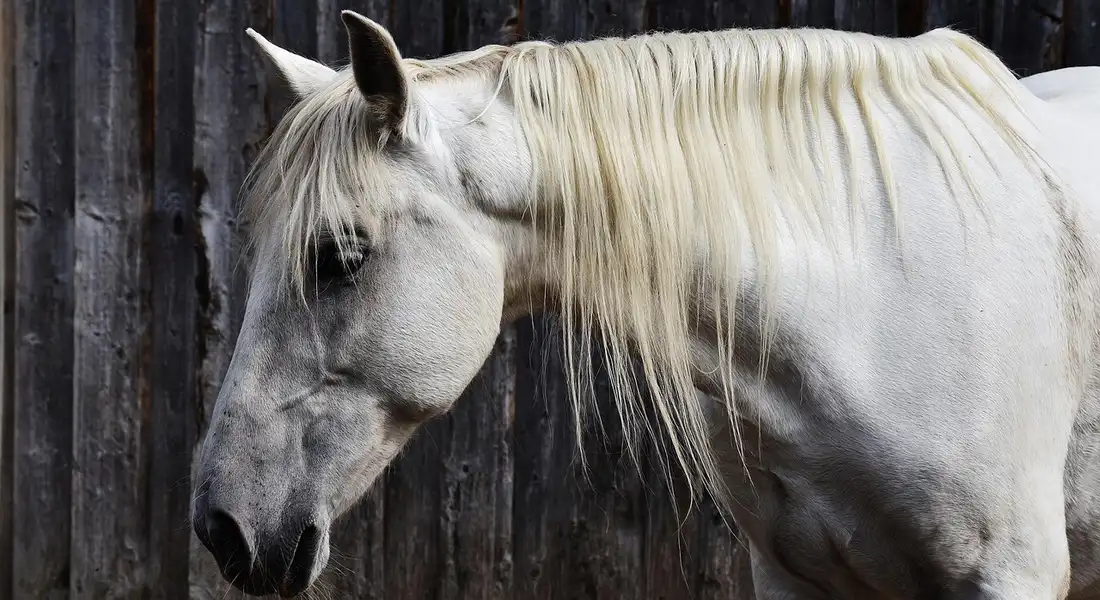
No matter how many miles you have under your belt, every horse can have an opinion about the trailer that day. The key isn’t forcing compliance, it’s patient problem-solving. Your calmness is the most important tool in your tack box—especially when you need to calm a stressed horse.
The Horse Who Plants Its Feet
This is a power struggle you will never win by pulling harder. I’ve stood in the sunshine with Rusty, who decided the trailer was suddenly a cave of doom, more times than I can count. Stop pulling on the lead. Instead, apply rhythmic, sideways pressure to the halter, asking the horse to move its feet in any direction-even just one step sideways-then immediately release. You’re not pulling them forward; you’re re-engaging their brain and feet. Once they’re moving, gently direct that energy toward the ramp. It’s a dance, not a tug-of-war.
Sometimes, the issue is physical. A dark trailer feels like stepping into a void. Turn on all interior lights, remove the center divider if safe, or even park with the sun at the horse’s back to illuminate the space. Make the inside more appealing than the outside with a flake of hay or a bite of grain in a manger.
The Horse Who Rushes or Balks at the Ramp
The hollow, booming sound of hooves on a ramp can trigger a deep instinct. Luna, my sensitive Thoroughbred, taught me to desensitize her to this. Practice leading over other strange surfaces on the ground first-a tarp, a rubber mat, a piece of plywood-until the act of stepping onto something new is no big deal. For the rusher, use a long lead rope and ask them to back away calmly after one step in. For the balker, ensure the ramp is secure and non-slip. Adding a textured rubber mat or even a thin layer of sand or shavings can dampen that scary noise and feel.
When to Use Shipping Boots or Bandages
This choice depends on your horse, the journey length, and your own skill level. I default to boots for most of my horses because they are quick and foolproof to put on. Shipping boots offer excellent protection from scrapes and bumps, but ensure they fit snugly without twisting and that the bell covers the entire coronary band and heel bulb. They are my go-to for short trips or for horses who fuss with leg wraps. When selecting any type of footwear, especially for longer journeys, it’s important to choose the right hoof boots for your horse.
Bandages with thick padding underneath require more skill to apply evenly. They provide superior support for long hauls and can be combined with a stable wrap over the top. If you use bandages, practice applying them at home until you can achieve consistent, comfortable pressure-too tight restricts circulation, too loose slips and becomes a hazard. For a horse known to scramble or paw, a bell boot under either protection is a wise investment.
Final Safety Protocols Before You Drive Away
One Last Visual Check of Your Horse
Before you even think about climbing into the truck, pause. Walk back to the trailer window and really look at your horse. I watch for the quiet chew of contentment, not the fixed stare of fear. Check that their weight is evenly balanced on all four feet-a horse leaning hard against the butt bar is telling you they’re uncomfortable. This sixty-second visual scan catches ninety percent of potential problems before the wheels start turning.
Make it a habit to run through this mental checklist every single time:
- Head and Halter: Is the halter snug but not tight? I look for at least two fingers’ space under the cheekpiece. Ensure the lead rope is tied with a quick-release knot to a solid ring, with no excess dangling near their feet.
- Body Language: Are their ears relaxed or pinned back? Is their breathing steady? I remember loading Luna for a clinic; her dappled grey coat hid the subtle tremor of anxiety until I saw the whites of her eyes. We took five more minutes for deep breaths, and it made all the difference.
- Legs and Stance: Look for clear, uncrossed legs. A horse shifting constantly might be standing on a dropped hay net or a pinched blanket strap.
Listen for the soft thud of a hoof adjusting, not the frantic scramble of panic. Your horse’s comfort in this moment sets the tone for the entire trip.
Confirming Trailer Hitch and Connection Security
The connection between truck and trailer is your mechanical lifeline. Treat it with the same respect you give a fresh saddle fitting. After latching the coupler onto the ball, I always give it a firm, downward tug. You should hear a solid *clunk*, not a metallic rattle. A properly secured hitch feels stubbornly immovable, like a wise old pony who’s decided he’s not moving from his sunny spot.
Here’s my no-nonsense pre-trip ritual, honed from hauling everything from sensible Rusty to clever Pipin:
- Safety Chains: Cross them under the tongue and hook them securely. This creates a cradle that will catch the tongue if the coupler fails.
- Breakaway System: Plug in the emergency brake cable and give the pull-test a gentle yank to confirm it’s engaged and functional.
- Lights and Signals: Have a helper press the brake pedal while you verify all trailer lights mirror the truck’s signals. No flickering, no dim bulbs.
- Tire Kick: Literally, give each tire a solid kick to check for proper pressure. A soft tire sounds and feels hollow, a disaster waiting for the highway.
I once saw a trailer come adrift because someone forgot the simple hitch pin. The screech of metal still makes my neck hair stand up. Double-checking these points takes two minutes but protects a lifetime of partnership.
The Golden Rule of Constant, Careful Supervision
Your job isn’t over once the engine starts. Think of yourself as a pilot in the cockpit, constantly monitoring the gauges. For us, the main gauge is our horse. Constant supervision means active observation, not just occasional glances in the rearview. Plan to stop every 60-90 minutes on long hauls for a welfare check.
When you pull over, don’t just pump gas. Open the trailer doors slowly and speak to your horse. Watch for these signs:
- Sweat Patterns: Light dampness on the neck is normal. A soaked, trembling horse is in distress.
- Water and Air: Offer a sip of water. Feel the airflow inside the trailer-is it stale and hot, or fresh and cool?
- Mental State: Does your horse brighten when they see you, or do they seem dull and withdrawn?
I never leave a horse hitched and alone in a trailer. Not for coffee, not for a restroom break. If I must step away, another responsible person stays with the rig. Your attentive presence is the final, non-negotiable safety protocol that blankets every mile. It’s the gentle horsemanship that turns a stressful transport into a simple change of scenery for your equine friend.
FAQ: How to Safely Load and Tie a Horse to a Trailer
Where can I get a professional horse trailer safety inspection near the 48166 area?
You can find qualified inspectors at local trailer dealerships, large-animal veterinary clinics, or dedicated equine transport companies. Many certified mobile technicians will also come to your location to perform a thorough inspection. It is recommended to schedule this service annually to complement your own pre-trip checks.
What is the proper way to use horse trailer safety chains, and can I buy them online?
Safety chains must be crossed under the trailer tongue and hooked to the vehicle’s frame to create a supportive cradle if the hitch fails. You should ensure they are strong, rated for your trailer’s weight, and have no excessive wear or rust. Yes, reliable safety chains meeting DOT specifications can be purchased from reputable online retailers like Amazon, but always verify the load rating and reviews before buying.
Are horse trailer safety decals or a safety certificate required in Ontario, Canada?
In Ontario, a formal safety certificate is not specifically required for private horse trailers, but your trailer must pass a general safety inspection if deemed necessary by law enforcement. Official decals or a valid Commercial Vehicle Operator’s Registration (CVOR) safety decal are mandatory for commercial operators. It is crucial to consult the Ontario Ministry of Transportation for the most current regulations based on your trailer’s size and use.
Parting Thoughts at the Hitch Rail
Successful trailering is built on patient practice and rock-solid safety habits. For beginners, the handle horse safely beginners guide covers the basics with humane, simple steps. It complements this trailering advice and helps you get started with confidence. Always secure your horse with a quick-release knot or panic snap, and never tie him directly to the trailer without testing that everything gives way under pressure.
Your horse’s confidence at the trailer grows with each calm, positive experience. The best tool you have isn’t a rope or a whip; it’s your ability to read his hesitation and respond with quiet reassurance.
Further Reading & Sources
- Horse Trailer Maintenance and Trailering Safety | Equine Science Center
- Troubleshooting Horse Trailer Loading: One Step at a Time – The Horse
- NASD – Horse Trailer Maintenance and Trailering Safety
- Safely Trailering and Loading Your Horse | Extension News and Publications
At Horse and Hay, we are passionate about providing expert guidance on all aspects of horse care, from nutrition to wellness. Our team of equine specialists and veterinarians offer trusted advice on the best foods, supplements, and practices to keep your horse healthy and thriving. Whether you're a seasoned rider or new to equine care, we provide valuable insights into feeding, grooming, and overall well-being to ensure your horse lives its happiest, healthiest life.
Equipment