
Teach Your Horse to Load in a Trailer: A Step-by-Step Guide for Calm and Confident Trailering
Hello fellow equestrians. That moment of balking at the trailer ramp, the whites of your horse’s eyes showing, can ruin your whole day. I know the frustration of a missed trail ride and the genuine fear of a panicked scramble all too well from my barn years.
This guide will transform that tense standoff into a quiet conversation. We will move beyond force and into partnership, covering a clear, patient method built on trust.
Here is exactly what we will walk through together:
- Setting the stage for success by making the trailer a safe, interesting place, not a dark cave.
- A gradual step-by-step training sequence that rewards the smallest try, from walking near the trailer to putting two feet on the ramp.
- Reading your horse’s body language to know when to ask for more and when to take a pressure-free break.
- Practical troubleshooting for common refusals, because every horse, from a stubborn pony to a spooky thoroughbred, has their own reasons.
My methods are honed from years of barn management and training, where I learned that a horse who walks on willingly is a testament to gentle horsemanship.
Understanding the Horse’s Mind: Why Loading is So Hard
The Psychology of the Trailer
To us, a trailer is a simple metal box on wheels. To your horse, it’s a predator. Think of the last time you had to reach into a dark, cramped closet with a weird smell and a creaky floor-that’s their reality. The trailer is a dark, noisy, unstable cave that violates every instinct in their flight-animal wiring.
It moves unpredictably, makes hollow booming sounds underfoot, and completely limits their primary defense: running away. Confinement is the core issue, amplified by common fears like the clang of the ramp, the sensation of the floor shifting, or the memory of a past bad trip involving sharp turns or a slammed divider.
Reading Your Horse’s “No” Signals
Horses shout “I’m not okay!” with their bodies long before they explode. Missing these cues is how loading turns into a battle. The signs progress from subtle to blatant.
- The Subtle “No”: A hard stare at the trailer, stiffness through the neck, the whites of the eyes showing, flared nostrils, or a locked lower jaw.
- The Clear “Stop”: Planting the feet like concrete posts, raising the head high above the withers, excessive sweating on the neck (not from heat), or quick, shallow breathing.
- The Overt “Get Me Out of Here!”: Spinning away, rushing backwards, rearing, or striking.
I learned this the hard way with Luna, my sensitive Thoroughbred. I mistook her tense stillness for compliance, only to have her whirl and bolt when the ramp touched her hoof. Ignoring the early tension signals guarantees you’ll eventually face the panic response; always listen to what their posture is telling you before the lead rope goes tight.
Preparation is Everything: Getting You and Your Horse Ready
Your Essential Equipment Check
Safety starts long before you ask for that first step. A scary experience in a faulty trailer can ruin a horse for life. Do this walk-around every single time.
- Floor Integrity: Tap every board with a hammer. A solid *thud* is good; a hollow *crunch* means rot. Check from both inside and underneath.
- Ventilation & Lighting: Ensure all windows or vents work and aren’t creating scary shadows. A dark cave is scarier than a bright, airy space.
- Secure Dividers & Walls: Yank on every divider, breast bar, and butt bar. They must latch firmly with no unexpected movement or rattling.
- Non-Slip Footing: Lay down thick rubber mats over a solid floor. Add clean shavings or sand for extra grip and to muffle sound.
- Ramp Stability: The ramp must not bounce, flex, or make loud noises when walked on. Practice lowering it quietly yourself.
- Hazard Hunt: Run your hands along all interior edges. Feel for loose bolts, sharp weld spots, or rusty protrusions that could cause a nick.
This ten-minute inspection is non-negotiable; it transforms a potential torture chamber into a merely unfamiliar room, which is a problem we can solve with patience.
Foundational Groundwork is Non-Negotiable
If your horse won’t back up three steps softly from light pressure on the lead rope in the open field, don’t expect them to do it on a narrow ramp. Trailer loading is just applied groundwork.
You must have three cues rock-solid:
- Yielding the Hindquarters: Moving their back end over teaches them to disconnect their feet from a panic response.
- Moving the Shoulders: Directing their front end gives you control over their direction toward the opening.
- Backing Up Softly: This is your “reset” button and your emergency exit cue for unloading safely.
Master these in a calm, familiar space until they are thoughtless, one-pressure responses; the trailer is not the place to teach basic manners.
Setting the Scene for Success
Your environment either sets you up for a win or a fight. Control what you can to stack the odds in your favor.
Park on perfectly level, solid ground in a familiar area like their paddock or a spot they graze. Ensure the footing leading to the ramp is dry and non-slip. Choose a quiet time of day-early morning or late evening-when the barn isn’t bustling with feeding time or farrier visits.
Turn it into a horse-friendly loading zone. Park with the trailer facing a fence or natural barrier to prevent circling escapes. Have your horse’s favorite hay net waiting inside the bright, open trailer. The goal is to make the trailer the most boring, safe, and mildly interesting place in the immediate vicinity. During loading, use calm, steady cues to safely guide and tie your horse to the trailer. A simple, predictable routine helps keep both horse and handler safe and reduces stress.
The Step-by-Step Loading Protocol: Patience Over Pressure

Forget the yelling and the pulled ropes. True trailer loading is a conversation, not a coercion. I learned this the hard way with my sensitive Thoroughbred, Luna; a rushed approach only taught her the trailer was a scary place. Your goal is to make the trailer a neutral, or even interesting, space where your horse chooses to go—avoid common mistakes that instill fear.
Phase 1: Introduction and Desensitization
Start with the trailer parked in your horse’s normal turnout or work area for a few days. Let them see it as just another fence. Your first session is purely about curiosity. I always begin with a deep breath for myself and a pocket full of Pipin’s favorite oat treats-if it works on a cunning pony, it works on anyone.
- Let your horse sniff every part of the trailer-the ramp, the sides, the interior. Stand quietly and let them investigate.
- Encourage them to touch the ramp with a front hoof. I often tap the ramp with my hand to show it’s solid.
- Lay the ramp flat on the ground and walk them over it, back and forth, like a bridge. This gets them used to the sound and feel.
- Place a small feed bucket or scatter treats just inside the doorway. Let them eat with all four feet firmly on the ground, no pressure to step up.
The aim here is zero reaction. The creak of the ramp should be no more exciting than the rustle of a hay net.
Phase 2: The Single-Step Game
This is where pressure-release, or “negative reinforcement,” shines. You apply a light, steady pressure on the lead rope asking for forward, and you release the millisecond your horse even considers complying. You are not rewarding the step; you are rewarding the thought of stepping forward.
With Rusty, who has a stubborn streak about new things, I’d stand parallel to the ramp. I’d apply gentle, steady rope pressure. The moment I felt his weight shift forward, even a muscle twitch, I’d release all pressure and praise him. If he took a full step onto the ramp, he hit the jackpot-a whole handful of treats. We might do this for ten minutes, just for one foot. That’s okay. The try is everything.
Phase 3: Walking In and Building Confidence
Once one foot is easy, the rest usually follow. Now, make the inside irresistible. A bucket of mash or a target stick at the front of the trailer gives them a job and a reward. Here’s how to build a solid routine:
- Ask for a calm, walk-in load. No rushing.
- Let them stand and eat their reward for a full minute. Teach them that stillness inside is profitable.
- Ask for a calm, controlled back-out. Use a verbal cue like “back” that they know from groundwork.
- Repeat the load and unload 3-4 times in one session. Do not close the divider or rear door yet.
- End the session on a good note, even if it’s just a single perfect load. Quit while you’re ahead.
I keep sessions under 20 minutes. A horse’s brain fries fast, and their patience thins. A short, positive experience is worth ten long, grumpy ones.
Fixing Common Loading Hang-Ups
Even with perfect protocol, you might hit a snag. Here’s how to troubleshoot without losing your partnership.
The Horse That Plants and Balks
When a horse becomes a statue, the worst thing you can do is become a tug-of-war champion. First, rule out pain. A sore back or ill-fitting trailer can cause this. Always check your equipment and your horse’s physical comfort before labeling them “stubborn.”
Go back to Phase 1 groundwork. Then, apply rhythmic pressure, not a steady pull. Gently bump the lead rope in a pulse pattern. Have a helper stand safely behind (not directly behind!) and wiggle a long rope near their hindquarters to encourage forward motion. The “half-load” fix is brilliant: teach them to stand with just their front feet on the ramp, get rewarded, and back off. This breaks the task into a manageable chunk. Never winch a planting horse. You’ll win the battle and lose the war.
The Horse That Rushes or Panics Inside
This is often a claustrophobia or instability issue. Luna taught me this. If a horse scrambles in, they’re telling you they feel trapped or unsafe. Your immediate focus must shift to calmness before the load even begins. Practice loading and backing out immediately, reinforcing that exit is always an option. Ensure the trailer is hitched and on solid ground so it doesn’t rock or bang. The thud of a shifting trailer can spook the bravest soul.
If possible, load a calm, confident buddy first. Sometimes, seeing a friend standing quietly is the best reassurance. Never, ever close the door on a panicking horse. Your safety and their welfare require a quick, calm retreat and a reset.
When to Consider Helpful Tools
Tools are aids, not solutions. A butt rope, when used correctly, is a guiding tap on the hindquarters to suggest forward motion, not a cable to drag with. It should be a loose loop that applies momentary pressure, not a cinched winch line.
Trailering boots or protective leg wraps are wise for any horse, especially during learning, to prevent scrapes. Remember, gadgets are poor bandaids for missing foundational training. If you find yourself reaching for a complicated contraption, take three steps back in your protocol instead. The trust you build through patience is the only tool that never fails. When it comes to leg protection, properly applied polo wraps can provide added support during exercise.
Essential Safety for Horse and Handler
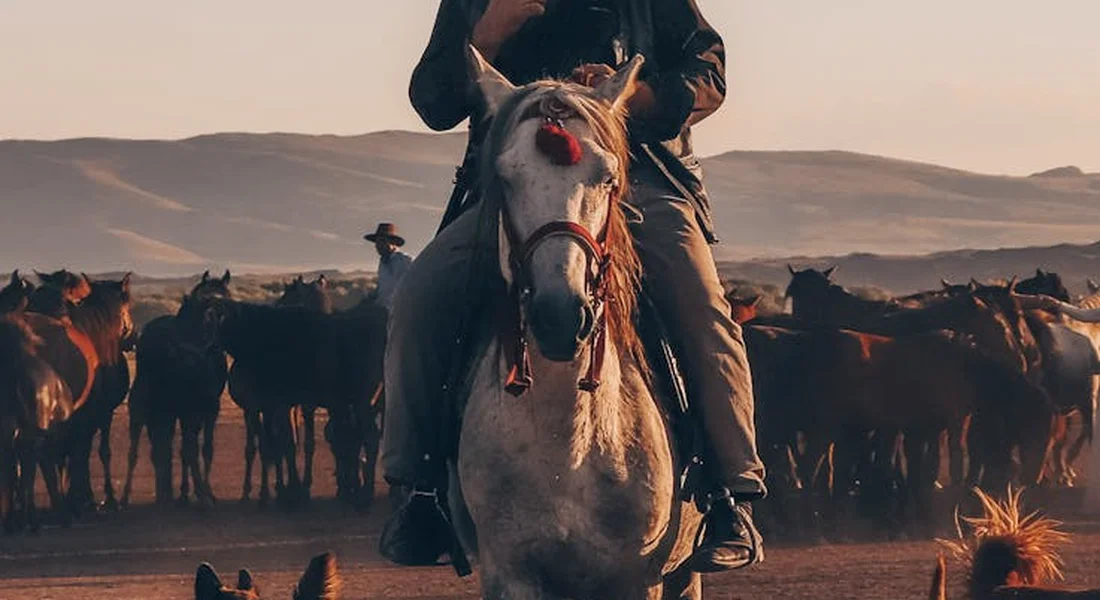
Loading a horse is where preparation meets practice, and nothing matters more than keeping both of you sound and sane. I learned this the hard way with Luna, whose dapple grey coat would darken with sweat at the mere sight of the trailer, turning a simple load into a tense standoff. True safety starts long before the first step onto the ramp; it’s woven into your approach, your equipment, and your daily barn rhythm. Creating a safe, enriching environment for your horse—at the barn and beyond—gives you a foundation of confidence. When enrichment is part of daily care, loading routines feel smoother and safer for both of you.
Your Role as the Calm Leader
Your horse is reading your breathing, your posture, and the quiet tension in your hands. If your shoulders are tight and your breath is shallow, you’re silently telling your horse there is danger ahead. I make a habit of taking three slow breaths myself before I even clip the lead rope, a trick that works on my high-strung Thoroughbred as well as my cheeky Shetland, Pipin.
View this as a quiet conversation, not a forceful confrontation. The goal is to build a ‘yes’ with patience, not to win a argument through pressure. When I feel my own frustration rising-like when Rusty plants his feet at a puddle near the trailer-I end the session by asking for one simple thing he’ll do, then quit for the day.
The Golden Rules of Trailer Traffic
These rules are non-negotiable, forged from years of hearing the creak of leather under tension and the sudden scrape of a shod hoof on metal. Protecting yourself physically is the foundation that allows you to remain mentally calm for your horse. Always treat the loading zone with the same focus as a busy arena.
- Always wear fitted gloves and sturdy boots with a defined heel. Leather gloves saved my hands when Luna once spooked and pulled back.
- Never, ever wrap the lead rope around your hand, wrist, or any body part. Hold it in a safe, open loop.
- Keep the horse’s head centered toward the trailer opening. A turned head can lead to a skewed body and a risky scramble.
- Before every session, physically check that the trailer is securely hitched to the vehicle, the parking brake is set, and the interior is clear of hazards.
- Clear the area of well-meaning helpers. Too many people create noise and movement that can panic a horse. You and one confident assistant are plenty.
Building a Lasting Positive Routine
The worst time to ask a horse to load is when you’re in a hurry for the vet or a show. Make the trailer a boring, neutral piece of pasture furniture long before you need it to move. I regularly park my trailer in the turnout field for weeks at a time to help my horses get used to it before any long travel.
Horses like Pipin, the food-motivated escape artist, learn to see it as a source of good things. Feed their hay or grain near it, let them use it for shade, and occasionally leave a few carrot pieces inside. This dissolves the mystery and the fear.
Practice loading in short, positive bursts every few weeks, not just when travel is imminent. This routine maintenance preserves the trust you’ve built and makes every real trip begin on a confident note. The smell of fresh hay from the trailer manger should become a happier signal than the smell of anxiety from your sweat.
Frequently Asked Questions About Teaching Your Horse to Load in a Trailer
What are the best practices for using trailer loading aids like butt ropes or target sticks?
Trailer loading aids should complement foundational training by providing gentle guidance, not force, to encourage voluntary forward movement. Always introduce aids gradually in a low-pressure environment, ensuring they are used with light, rhythmic cues and immediate release to reward effort. Prioritize safety by avoiding tight restraints and monitoring your horse’s comfort to prevent fear or resistance. Beginners can benefit from the handle horse safely beginners guide, which provides practical safety steps. Using its guidance helps you apply gentle cues and keep safety at the forefront as you progress.
How can watching trailer loading videos benefit both me and my horse?
Instructional videos offer visual demonstrations of effective techniques, such as reading subtle body language and applying pressure-release methods, which can enhance your understanding before hands-on practice. They allow you to observe varied approaches from experts, helping you adapt strategies to your horse’s unique temperament without trial-and-error stress. However, use videos as a supplement to personalized, patient training sessions, not a replacement for direct, trust-based interaction.
How do I adapt trailer loading training for a horse with a previous bad experience?
Begin by allowing the horse to associate the trailer with positive experiences, such as feeding or grooming nearby, without any loading demands for several sessions. Progress at an extremely slow pace, using desensitization exercises like touching the ramp or walking over it on the ground, and always end on a calm note to rebuild confidence. If setbacks occur, pause and revert to earlier steps, and consider enlisting a professional trainer for specialized guidance to address deep-seated fears. Many horses have common fears and skittish responses to unfamiliar trailers. Understanding these anxiety cues helps guide a calmer, more effective loading plan.
Onward and Upward: The Road is Yours
Successful loading is built on patience, positive reinforcement, and letting your horse find the courage to step forward on their own terms. The core of the entire process is breaking it into tiny, rewarded steps, never letting frustration become part of the equation.
This journey teaches you more about your horse’s trust and your own leadership than any trail ride ever could. The quiet moment when they finally choose to walk in, relaxed and willing, is the only reward you need. It all begins with building a strong bond and trusting your horse. That bond turns every ride into a lesson in leadership and partnership.
Further Reading & Sources
- How to Load a Horse in a Trailer: Step-By-Step Guide – Vetericyn …
- How to Load a Horse Into a Trailer | Downunder Horsemanship
- How To Load a Horse in a Trailer | PetMD
- Trailer Loading – Western Horseman
At Horse and Hay, we are passionate about providing expert guidance on all aspects of horse care, from nutrition to wellness. Our team of equine specialists and veterinarians offer trusted advice on the best foods, supplements, and practices to keep your horse healthy and thriving. Whether you're a seasoned rider or new to equine care, we provide valuable insights into feeding, grooming, and overall well-being to ensure your horse lives its happiest, healthiest life.
Behavior