
Photosensitivity in Horses: How to Spot, Treat, and Prevent Sunburn
Hello fellow equestrians. You’ve noticed a strange rash or raw, flaky skin on your horse’s muzzle or white socks, and you’re wondering if it’s a simple sunburn or something more serious. That nagging worry about a potential health complication and another vet bill is completely valid.
This is often photosensitivity, and managing it means going beyond slapping on some lotion. We’ll cover the key differences between a true sunburn and a photosensitive reaction, walk you through the common culprits hiding in your feed or pasture, and outline a practical care plan. You’ll learn the clear signs of photosensitivity, its surprising primary and secondary causes, effective treatment steps, and how to build a solid prevention routine with management, wardrobe, and nutrition.
My years in the barn as a manager and trainer have taught me that solving skin issues requires a detective’s eye for detail and a deep commitment to the horse’s overall comfort and welfare.
Spotting the Signs: How to Tell if It’s More Than a Pink Nose
That first day you see a little pink on your horse’s muzzle, you might shrug it off. A sun-kissed nose, no big deal. But photosensitivity is a crafty mimic. The key is watching what happens next. Look for changes that seem to intensify, not fade, with continued sun exposure, especially on areas with white or light-colored hair and pink skin. Traditional equine skin conditions usually don’t worsen just from a sunny day.
The classic early signs are redness, swelling, and a strange tenderness. Your normally head-shy horse might flinch when you try to halter them. You’ll see the skin on the muzzle, around the eyes, or on the ears look irritated and feel oddly warm to the touch, like a fresh burn. Beyond visible changes, recognize subtle signs of equine pain that may be easy to miss. Early recognition helps you act quickly and seek appropriate care. As it progresses, the skin becomes dry and scaly, then may form blisters, ooze, and crust over. In severe cases, the skin can actually die and slough off, leaving raw, painful ulcers.
Mild Discomfort vs. Medical Emergency
It’s a spectrum, from a minor rash to a condition requiring immediate veterinary intervention. Here’s a quick comparison to help you gauge the severity. Recognizing common horse allergies early is part of this spectrum, guiding what steps to take and when to seek care. The following sections focus on identification and practical management strategies.
| Mild / Early Stage | Severe / Advanced Stage |
|---|---|
| Pink or red skin on muzzle, ears, or around eyes | Intense swelling of the affected areas, making the muzzle look “mumpy” |
| Slight scaling or flakiness of the skin | Weeping blisters, thick crusts, and oozing serum |
| Minor sensitivity when touched | Extreme pain, head-shyness, reluctance to eat or drink |
| Minimal swelling | Necrosis (skin death) and sloughing, leaving raw ulcers |
| Horse behaves mostly normally | Signs of systemic illness: depression, fever, jaundice (yellow gums/eyes) |
I learned this the hard way with my Thoroughbred, Luna. A faint pink blush on her white snip one morning turned into hot, angry skin by afternoon turnout. That rapid progression from simple pinkness to palpable heat was my cue that this wasn’t a normal sun reaction and needed swift action.
Untangling the Cause: Photosensitizing Agents and Internal Trouble
Once you see the signs, the detective work begins. Photosensitivity typically walks one of two paths, and figuring out which one is critical for treatment.
Primary Photosensitivity
This is the direct route. Your horse eats or contacts a plant or substance containing photodynamic compounds. These agents circulate in the blood, reach the skin, and act like tiny light-activated bombs when UV rays hit them. If your horse isn’t eating properly, understanding why intake drops helps you find practical solutions and prevent further risk. Common culprits include:
- St. John’s Wort: Often found in hay or pasture, this is a frequent offender.
- Buckwheat (especially green plants or hulls): Sometimes used as a cover crop.
- Certain Clovers (like alsike clover): Can cause “dew poisoning” or “trifoliosis.”
- Bishop’s Weed and Wild Parsnip: More common in certain regions.
- Some medications and moldy feed: Certain drugs or toxins can have this effect.
The Liver Connection: When the Skin Reveals Internal Issues
This secondary, or hepatogenous, photosensitivity is the more sinister path. The problem isn’t something on the skin, but a malfunction deep inside-the liver. Think of the liver as your horse’s master filter and waste processor.
When the liver is damaged by disease, toxins, or certain plants like ragwort or panicum grass, it can’t properly break down a normal plant pigment called phylloerythrin. This substance builds up in the bloodstream, travels to the skin, and becomes a potent photosensitizer. In these cases, the skin lesions are a glaring warning sign of a potentially life-threatening internal crisis. Your vet will look for other clues like jaundice (a yellow tinge to gums and the whites of the eyes) and elevated liver enzymes on a blood panel.
I explain it to my students like this: A healthy liver quietly processes waste. A struggling liver is like a backed-up sink-toxins overflow into the system, and the skin, being the largest organ, often shows the spill first.
Who’s at Risk? Identifying Vulnerable Horses
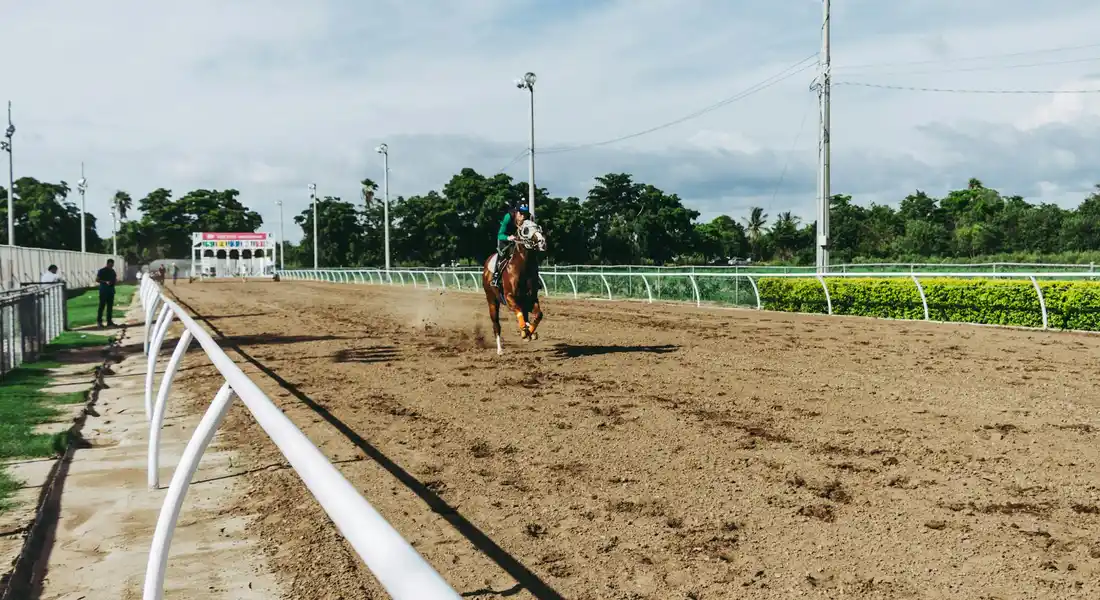
Spotting a horse prone to photosensitivity is often as simple as looking at their coat and skin color. Horses with pink skin under white hair lack melanin, the natural sunscreen that protects from ultraviolet rays. I’ve learned this firsthand with Luna, my dapple grey Thoroughbred; her pink muzzle requires vigilant shade management on bright days, especially since different horse breeds and colors can affect how sensitive their skin is.
While some horses are genetically predisposed, others find trouble on the pasture. The high-risk groups include:
- Pink Skin & White Markings: Look at noses, around the eyes, and under white socks. A pink blaze on a sorrel face, like Rusty’s, needs watchful care.
- Light-Colored Muzzles: Common in greys, cremellos, and some light bays. The skin here is thin and often exposed while grazing.
- Certain Breeds: Paints, Pintos, Appaloosas, and any breed with extensive “chrome” carry more pink skin. My cheeky Shetland, Pipin, is solid black and less at risk, but no horse is truly exempt.
- Pasture Pioneers: Horses on weedy fields or lush clover. Ingesting plants like St. John’s Wort or certain clovers can trigger phototoxic reactions internally.
Any horse, regardless of color, can develop photosensitivity if they ingest the wrong plant, making pasture management everyone’s concern. It’s not just a fair-skinned horse problem; it’s a husbandry issue. A complete identification guide to safe and toxic plants for horses can help you spot threats before they appear. Familiarize yourself with common culprits to strengthen pasture safety.
From Diagnosis to Healing: Your Action Plan
Finding crusty, inflamed skin on your horse can be alarming, but a calm, structured response makes all the difference. Your immediate goal is to stop the damage and start the soothing process—especially when dealing with sensitive areas like the face and ears. Think of it like treating a severe burn—gentleness is key.
- Immediate Removal from Sunlight: Get your horse into a deeply shaded stall or run-in shed right away. I’ve had to hustle Luna in from the paddow midday more than once. Continuing sun exposure worsens the lesions dramatically.
- Gentle Cleansing of Affected Areas: Using cool water and a very mild, non-detergent soap, softly wash the sore skin. Avoid scrubbing; imagine patting dry a fresh wound to prevent further pain or tearing. The smell of clean, cool water is a relief in itself.
- Soothing Topical Treatments: After patting dry, apply veterinarian-recommended creams or pure aloe vera gel. The cool gel provides instant relief. For DIY care, I keep a bottle of pure aloe in the tack room fridge-the chill adds an extra layer of comfort.
- The Critical Veterinary Call: This is non-negotiable. You must rule out secondary photosensitivity caused by liver dysfunction, which is a serious internal health issue. Topical care is first aid, not a cure for underlying disease.
What Your Veterinarian Will Do
Your vet’s visit will be a detective mission to find the root cause. A good physical exam, where the vet runs their hands over the horse’s coat and skin, can reveal the texture and extent of damage that eyes alone might miss. This early look can also flag common skin conditions in horses, guiding diagnosis. Spotting patterns early helps ensure timely treatment. They’ll want to hear all about your pasture, hay source, and any recent changes.
The diagnostic process typically follows a clear path:
- Physical Exam & History: They’ll inspect the lesions and ask detailed questions about your horse’s environment and diet. Be ready to describe your grazing land.
- Blood Work: This checks liver enzyme levels. Elevated enzymes can indicate that the liver isn’t properly filtering phototoxic compounds, pointing to primary liver disease.
- Potential Liver Biopsy: In persistent or severe cases, a small tissue sample may be taken. This sounds scarier than it is-it’s a quick, sterile procedure that provides definitive answers for targeted treatment.
It’s a straightforward process that prioritizes your horse’s long-term health over a quick fix. Trust in it.
Sun Smart Management: Prevention is the Best Cure
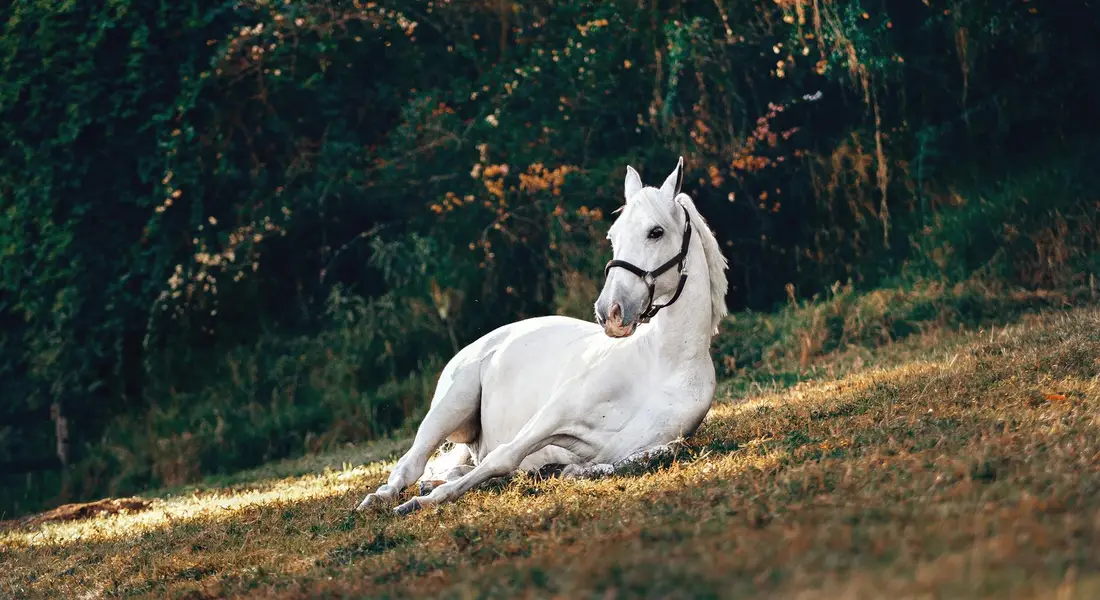
Afternoon sun on the back of a sensitive horse like Luna taught me that managing photosensitivity is a daily, hands-on commitment. Proactive care turns potential pain into simple routine, letting your horse enjoy their turnout without fear. It starts with viewing your pasture and schedule through a sun-smart lens.
- Pasture Management is Your First Defense. Walk your fields regularly to spot and remove toxic weeds like certain clovers and St. John’s Wort. I’ve spent many hours with Rusty, who’s less picky, ensuring his grazing area is clean. The goal is to eliminate the internal triggers before they ever become a problem.
- Time Turnout Like a Pro. Peak UV rays beat down between 10 a.m. and 4 p.m. I schedule my herd’s turnout for early morning and late afternoon. Luna’s dapple grey coat gets a break during the harshest light, and I’ve noticed her skin stays cooler and calmer. Evening brings the happy sound of hooves thudding back to the barn for a midday rest.
- Embrace Physical Barriers Without Hesitation. A well-fitted fly mask with a nose cover is non-negotiable for my horses. For pink noses and white socks, I keep a bottle of equine-safe sunscreen by the gate. Apply a thick layer to clean, dry skin-the smell of coconut and hay means you’re doing right by them.
When to Call the Vet: Red Flags You Shouldn’t Ignore
Photosensitivity can shift from mild pink skin to a serious medical issue faster than a summer storm rolls in. This condition demands a vet’s eye at the first sign of escalation, not a hopeful wait in the stall. I learned this the hard way with clever Pipin, who once found a patch of questionable weeds.
- Skin That Weeps or Blisters Severely. If the affected skin develops large, fluid-filled blisters or begins oozing, that’s a hard stop. This indicates deep tissue damage and a high risk for infection that home care can’t fix.
- A Horse Who Acts “Off” or in Pain. Noticeable behavioral changes are a major clue. Is your normally calm horse suddenly agitated, depressed, or refusing to be touched? That pain signal is urgent and requires professional pain management.
- Rapid Worsening Despite Your Efforts. You’ve applied sunscreen, provided shade, and removed suspect plants, but the redness is spreading or intensifying within a day. This tells you the reaction is outpacing your management, and internal causes need veterinary diagnosis.
FAQ: Photosensitivity in Horses
How is photosensitivity different from sunburn?
Photosensitivity is an abnormal reaction where internal substances or external agents sensitize the skin to UV light, often signaling underlying issues like liver disease. Sunburn, however, is direct damage from UV rays on the skin surface, similar to a thermal burn without systemic triggers. Photosensitivity typically causes more severe, rapid lesions on unpigmented skin and may require addressing internal causes beyond topical care.
What plants can cause photosensitivity in horses?
Common photosensitizing plants include St. John’s Wort, buckwheat, and alsike clover, which contain photodynamic compounds that react with sunlight. Other offenders are bishop’s weed, wild parsnip, and certain moldy feeds or toxins that introduce these agents into the bloodstream. Regular pasture inspection and removal of these plants are crucial to prevent primary photosensitivity reactions.
When should a veterinarian be called for photosensitivity?
Contact a veterinarian immediately if skin lesions rapidly worsen, develop severe blisters, oozing, or signs of infection like pus. You should also seek help if your horse shows behavioral changes such as depression, pain, or systemic symptoms like jaundice (yellow gums or eyes). Being able to spot early signs of illness or injury in your horse helps you act quickly to obtain care. This proactive awareness supports timely treatment and recovery. Early veterinary intervention is essential to rule out serious internal causes, such as liver dysfunction, and to initiate appropriate treatment.
Your Horse’s Sun-Sense Plan
Watch for early warnings like increased head-shaking or tender, pink skin on the muzzle and heels. Routine, preventive care—shifting turnout to dawn and dusk, using a quality UV-blocking fly sheet, and applying equine-safe sunscreen—is your most powerful tool against painful blistering. It’s also essential to regularly check for other common equine skin problems to ensure your horse’s overall skin health.
Managing photosensitivity is a daily practice in gentle stewardship, not a quick checklist. Your horse’s ease in their own skin, whether dozing in the shade or grazing calmly, is the ultimate measure of your sun-sense strategy’s success.
Further Reading & Sources
- Sunburn and Photosensitivity in Horses – Kentucky Equine Research
- Photosensitization in Horses: Causes, Signs, Treatment & Prognosis | Mad Barn
- Government of Ontario | Gouvernement de l’Ontario
- Sunburn and Photosensitization in Horses – Veterinary Partner – VIN
At Horse and Hay, we are passionate about providing expert guidance on all aspects of horse care, from nutrition to wellness. Our team of equine specialists and veterinarians offer trusted advice on the best foods, supplements, and practices to keep your horse healthy and thriving. Whether you're a seasoned rider or new to equine care, we provide valuable insights into feeding, grooming, and overall well-being to ensure your horse lives its happiest, healthiest life.
Health