
Preparing for Foaling: Setting Up a Safe and Serene Birthing Environment
Published on: July 24, 2026 | Last Updated: July 24, 2026
Written By: Henry Wellington
Hello fellow equestrians, if your mare is nearing her due date, that thrilling anticipation is probably tangled with knots of worry. The prospect of a midnight complication or a distressed foal is a heavy weight for any responsible owner.
Take a deep breath. With some thoughtful preparation, you can transform that anxiety into confident readiness. I will walk you through the practical steps to build a haven for this miracle.
In this guide, I’ll cover:
- Choosing and prepping the perfect foaling stall-it’s about more than just clean bedding.
- Gathering your must-have supply kit for both the birth and those fragile first hours.
- Creating a quiet monitoring routine that respects the mare’s need for peace.
My advice comes from countless nights spent in the straw, overseeing foalings and learning the subtle signs that mean “all is well” or “it’s time to call the vet.”
Why the Foaling Environment Matters for Mare and Foal
Imagine trying to give birth in a busy, cluttered closet. That’s what a poorly planned stall feels like to your mare. A peaceful, predictable space reduces her stress, allowing natural instincts to take over smoothly and safely. I’ve spent countless nights on a bale of hay, watching the rhythm of labor stall simply because a mare felt cornered or heard a strange noise.
For the foal, this stall is its entire world for the first critical days. Every surface it touches, every breath it takes, matters. A clean, spacious environment directly supports a strong immune system and confident first movements. The difference between a foal that stands quickly and one that struggles often comes down to the footing and peace you provide.
Think beyond just containment. This is about welfare. Gentle horsemanship starts here, by giving your mare the dignity of a comfortable, secure place to bring life into the world. It’s the foundation for a healthy bond and trust and a thriving baby.
Designing the Ideal Foaling Stall: Size, Safety, and Setup
Getting this right is part barn science, part common sense. I treat it like setting up a nursery, but one where the baby might try to run within an hour. Your goal is to build a fortress of safety that feels like a quiet pasture corner, a place that is both secure and comfortable. Let’s break down the three pillars: size, cleanliness, and traction.
What is the Ideal Size for a Foaling Stall?
A standard 12×12 box stall is too small. You need room for the dramatic sprawl of labor and the foal’s first clumsy circles. I insist on a minimum of 14×14 feet, with 16×16 being the ideal for most light horse breeds. Remember my Quarter Horse, Rusty? His sturdy build taught me that even reliable horses need extra space when they’re at their most vulnerable. Beyond stalls, horse stall arena dimensions matter for safety and training. Are proper dimensions horse stall arena considerations something you tailor to your horse?
Bigger space reduces the chance of the mare rolling into a wall or getting cast. If you can, use a paddock shelter or a temporary indoor pen to maximize square footage and mimic natural turnout conditions. The cost of a few extra boards is nothing compared to the cost of a preventable injury.
How Should the Stall Be Prepared to Ensure It Is Clean and Safe?
Start this process at least two weeks before the due date. A truly clean stall isn’t just swept-it’s sanitized. Strip everything out, scrub the walls with a vinegar solution, and let the sun and air dry it completely to kill lurking pathogens. The smell of fresh wood and clean straw should be the only scent greeting the new foal.
Your bedding is your foal’s first mattress. Follow this sequence for a safe, deep bed:
- After cleaning, sprinkle agricultural lime on the bare floor to neutralize odors and inhibit bacteria.
- Lay down a thick base of dust-free pine shavens, at least 12 inches deep.
- Top with a 6-inch layer of bright, clean wheat straw for cushion and insulation.
Get on your knees and crawl around the stall to find hidden hazards like protruding nails, splinters, or gaps in the walls. Check that all buckets are solidly attached and that any automatic waterers have guards to protect tiny heads.
The Non-Negotiable Need for Non-Slip Flooring
This is the single most overlooked detail. The frantic scramble of a newborn is all power and no coordination. A slippery floor can cause a traumatic splay or a hard fall, damaging tendons or spirit in an instant. I recall the hollow thud of a foal slipping on wet clay; it’s a sound you never forget, and one you must prevent.
If your stall has concrete, seal it with interlocking rubber mats wall-to-wall. For a dirt floor, ensure it is crowned for drainage and packed firm. Mix a few bags of coarse, washed sand into your top layer of bedding to create a grippy texture that stabilizes those first steps. Test it yourself-your boot should grip firmly when you twist your weight.
Monitor this footing constantly. As soon as the mare’s water breaks or the bedding becomes damp, fork out the wet spots and add fresh, dry material. Keeping the surface dry and textured is a simple, daily act that safeguards your foal’s future soundness.
Choosing and Managing Bedding for a Safe Birth
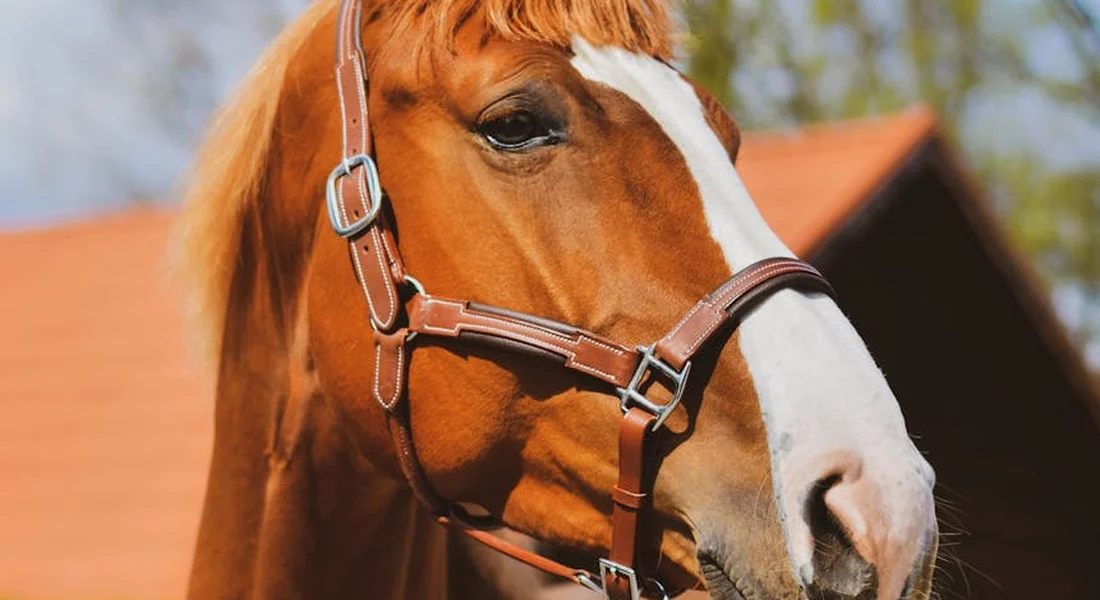
The floor of that stall isn’t just a place to stand; it’s the delivery room floor and your foal’s first playground. Get this wrong, and you’re adding risk. Get it right, and you create a forgiving, secure foundation for one of life’s messiest miracles.
What Type of Bedding Is Best for a Foaling Stall and Why?
After years of late nights in the barn, I’ll choose deep, long-stem wheat or oat straw every single time. Here’s the breakdown.
- Straw (The Gold Standard): Long straw creates a lofty, supportive bed that doesn’t cling. It allows the mare to nest and provides excellent traction for a wobbly newborn. You can hear the distinctive rustle if she’s getting restless, a useful late-night cue. It’s also less likely to stick to a wet foal or get inhaled into tiny nostrils.
- Wood Shavings (The Acceptable Alternative): If you must use shavings, choose large, dust-free flakes. Avoid fine, dusty shavings at all costs-they are a respiratory hazard for the newborn. Shavings can stick to the foal’s wet coat and umbilical stump, requiring more wiping down.
- Avoid Sawdust and Peat Moss: These are a hard no. They create dangerous dust clouds and pose a serious inhalation risk for the foal’s brand-new lungs.
The choice here is about managing risk and mimicking nature; a deep straw bed is the closest we can get to the soft, giving meadow a mare instinctively seeks.
Bedding Management: Depth, Cleanliness, and Maintenance
Don’t just toss in a few bales. This is a calculated build. I start with a completely stripped, disinfected stall floor.
- Build a Foundation: Lay down a base layer of absorbent pelleted bedding or even lime to manage moisture at the base level. This helps keep the top straw drier.
- Pile It High: Bed the entire stall with a minimum of 12 to 18 inches of loose, clean straw. The walls should look like a deep, golden nest. This depth cushions the foal’s fall at birth and protects it if it tumbles while learning to stand.
- Daily Fork-Over: Every single day, thoroughly fork over the entire bed. Remove any wet spots and manure to keep the area hygienic and dry. This isn’t just cleaning; it’s your daily chance to check for any concerning pre-birth discharges.
- Keep It Topped Up: As the mare moves around and nests, the bed will pack down. Fluff it and add fresh straw daily to maintain that critical, deep cushion. A thin, matted bed is a hazard.
Your maintenance routine in the final weeks is a direct investment in the health of the mare’s udder and the foal’s first breath-clean, dry, and deep is the mantra.
Essential Foaling Kit and Supplies to Have on Hand
When the big moment arrives, you won’t have time to run to the tack room. Your kit should be a grab-and-go fortress of preparedness, stored right outside the stall. Forget fancy packaging; focus on function.
Your Foaling Kit Must-Haves
Pack these items in a clean, dedicated bucket or tub. Check it weekly so nothing goes missing.
- For the Umbilical Stump: A small, clean container with fresh 2% chlorhexidine or iodine solution for dipping the stump immediately after birth. This is non-negotiable for preventing infection.
- For Toweling Off: Several clean, old towels (I have a stack just for this). You’ll use them to briskly dry the foal, stimulate its breathing, and clear its nostrils.
- For the Mare: A tail wrap (vet wrap or a self-sticking bandage) to keep her tail hair out of the way during delivery and cleanup.
- For You: Disposable obstetrical gloves (shoulder-length), a flashlight with fresh batteries, a sharp pair of scissors (sterilized), and a reliable clock for timing the stages of labor.
- For Cleanup: Heavy-duty trash bags for the afterbirth, and a separate bucket with warm water and mild soap for cleaning the mare’s backend once she’s ready.
This kit isn’t about intervening in a normal birth; it’s about being ready to assist calmly and hygienically if nature needs a single, steady hand.
Emergency Plan and Veterinary Contact Protocol
Hope for the best, plan for the worst. Your emergency plan should be as rehearsed as a fire drill.
- Post the Numbers: Have your vet’s emergency number, a backup vet’s number, and a trusted experienced friend’s number printed in large font and taped inside the foaling kit and on the stall wall. Phones die; paper doesn’t.
- Define the Red Flags: Know when to call, without hesitation. This includes: more than 30 minutes of hard straining with no progress, a red or abnormal presentation (like a hoof alone), or a foal that seems weak and isn’t nursing within two hours.
- Prep Your Trailer: Ensure your horse trailer is hooked up, clean, and ready to go. If you need to transport the mare or foal for emergency care, you cannot waste ten minutes fiddling with a hitch.
- Delegate Tasks: If you have help, assign roles beforehand. Who calls the vet? Who holds the mare? Who fetches items? Chaos is contagious; clear instructions are calming.
The moment you see a problem, your first move is to call the vet, not to search the internet-those saved minutes can save a life.
Creating a Calm Atmosphere: Lighting, Noise, and Stress Reduction
A mare needs to feel safe and private to foal smoothly. Think of it as setting up a quiet, dimly lit sanctuary. I’ve spent many late nights in the barn, and the difference a considered environment makes is profound, especially when accounting for seasonal environmental changes to the space.
Why Is Proper Lighting Important, and What Kind Is Recommended?
Bright, overhead lights are alarming and can disrupt the natural process. You want enough light to see clearly but not so much it creates harsh shadows or feels intrusive. A single 40-watt incandescent bulb in a corner fixture often provides the perfect soft glow. This mimics dusk, a time when horses naturally feel secure. Red light is an excellent option if you can source a red bulb, as it preserves night vision for both you and the mare while providing ample illumination for checks. Avoid LED shop lights or fluorescent tubes; their stark, flicker-free brightness is unsettling in a quiet stall.
How Can You Make the Environment as Quiet and Stress-Free as Possible?
Your goal is to buffer the mare from the usual barn cacophony. Start by choosing the quietest, most secluded stall available, away from feed rooms, aisles with heavy foot traffic, and paddocks where other horses congregate at night.
- Limit human traffic to only essential, calm individuals.
- Muffle sounds by banking fresh straw or shavings deeply against the walls.
- Keep radios and unnecessary chatter off. The soundtrack should be the mare’s quiet breathing and the rustle of bedding.
- If possible, relocate any neighboring animals that are known to be noisy or disruptive in the evening.
Familiarity is your greatest tool for reducing stress, so move the mare into her foaling stall at least two weeks prior to her due date so she settles in completely. Use her regular, clean bedding-the familiar smell is comforting.
Recognizing Foaling Signs and Setting Up Your Monitoring Plan
Nature usually knows what it’s doing, but our watchful eye is a crucial safety net. Learning a mare’s specific “tells” is part of the art.
What Are the Signs That Foaling Is Imminent?
The final 24-hour countdown often comes with a clear checklist. Watch for these changes, which I’ve logged in my own barn journals time and again.
- Udder Development: The teats become full, waxy, and may leak streaks of yellow or white colostrum, often called “waxing up.”
- Muscle Relaxation: The muscles around her tailhead and croup soften and appear to sink in, making the tailhead look more prominent.
- Restlessness: She may pace, look at her flanks, get up and down frequently, or act generally unsettled in a way that’s unusual for her.
- Milk Calcium Levels: Using a commercial test strip, the calcium concentration in her milk will spike, indicating labor is likely within 12-24 hours.
The most reliable sign of active first-stage labor is persistent sweating across her neck and flanks, unrelated to heat or exertion.
What Is the Protocol for Monitoring the Mare Once She Begins Showing Signs?
Once you see a combination of the signs above, shift into your monitoring routine. The key is to observe without interfering.
- Initiate Quiet Checks: Use a baby monitor or a foaling alarm system. For visual checks, peek quietly every 30-60 minutes. Do not enter the stall unless necessary.
- Stage One Observation: This is the longest stage, where the mare is experiencing contractions but the foal is positioning. She may act colicky. Your job is solely to be a patient witness; let nature take its course unless she is in visible distress for an extended period.
- The Critical Moment: When her water breaks and she begins serious pushing, note the time. The foal should be presented within 20-30 minutes of active labor. If progress stalls, or if you see anything other than two front feet and a nose in the birth canal, call your vet immediately.
- Post-Birth Protocol: After the foal is born, allow the mare and foal time to bond. Observe to ensure the foal stands and nurses within two hours, and that the mare passes her placenta within three. Keep the environment quiet and warm.
I keep a foaling kit-with clean towels, iodine for the umbilical cord, and my vet’s number on speed dial-just outside the stall door, so everything is at hand but out of the mare’s sightline. Preparedness, not panic, is the hallmark of a good foaling attendant.
Post-Foaling Monitoring and Immediate Care
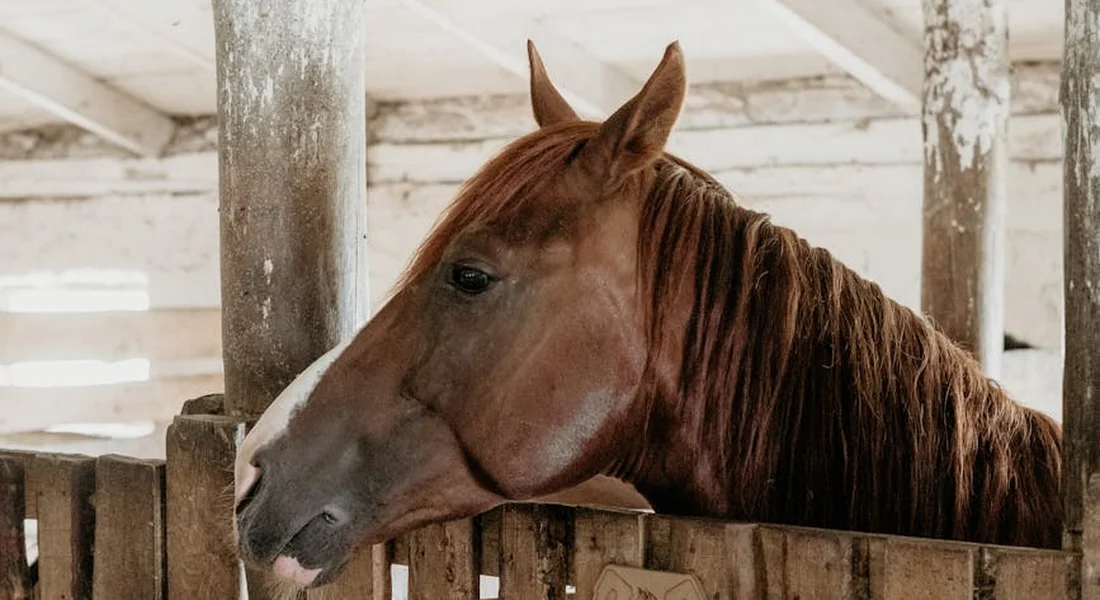
The real work begins once that amazing, slippery foal hits the straw. Your role shifts from quiet observer to active supporter. The air is thick with the smell of warm hay and new life, and your focus must be sharp.
Neonatal Monitoring: The First Critical Hours
I watch the clock closely. The first hour sets the tone for everything that follows. A healthy foal will be sitting up within minutes, standing within an hour, and nursing within two hours. We call this the 1-2-3 rule for a reason.
I check for the tell-tale signs of vigor: strong, coordinated attempts to rise, a bright and alert demeanor, and a strong suckle reflex. A weak or disinterested foal is a red flag. Your vet’s number should already be in your hand.
- The Umbilical Cord: Let it break naturally. Once it does, I dip the stump in a clean, veterinary-recommended antiseptic solution like dilute chlorhexidine. This is not a one-time event; I re-dip it two to three more times in the first 12 hours to prevent infection.
- The First Milk (Colostrum): The foal must ingest high-quality colostrum within those first critical hours to gain essential antibodies. I watch to ensure a proper latch and actual swallowing. If nursing hasn’t happened by two hours, I intervene.
- First Passages: The meconium, or first manure, must be passed. It’s dark and sticky. If the foal is straining, a warm, soapy water enema from your foaling kit can provide relief. Always consult your vet before administering any enema to a newborn.
My rule is simple: if anything feels off in those first three hours-excessive weakness, trembling, or no interest in the mare-I call the vet. No hesitation. Knowing when to call a vet is crucial for your horse’s health.
Mare Care and Environmental Clean-Up
While the foal is finding its legs, your mare needs your attention. She’s exhausted, thirsty, and her body is still completing a major process. I always have a bucket of fresh, tepid water ready the moment she shows interest. Water-source enrichment—keeping troughs clean, accessible, and tepid—makes drinking easier and more inviting. When the source is engaging and reliable, she stays hydrated while she regains strength.
I offer a small, sloppy bran mash or very wet hay pellets to help ease her digestive system back into gear. The main event, however, is the placenta. It should pass within three hours.
- Placenta Inspection: Never pull on the hanging placenta. I let it descend naturally, often placing it in a clean bucket as it emerges to keep it from tearing. Once passed, I lay it out on a clean surface to check it’s all there. Any pieces retained inside can cause a life-threatening infection.
- Mare’s Health Check: I quietly check her vital signs-gums should be pink, pulse rate will be elevated but should steady. I look for any signs of excessive bleeding or discomfort that could indicate a tear. A gentle wipe down with clean towels removes birth fluids and helps her feel better.
- Stall Reset: Once the pair is stable, I get to work on the stall. I remove all wet, soiled bedding from the birthing area. I leave dry bedding around the edges and lay down a fresh, thick bank of straw or shavings. This gives the foal a clean, dry, and non-slippery surface for its next wobbly attempt to stand.
A calm, clean environment is now your best tool for preventing disease and encouraging the vital bonding between mare and foal. I give them space, watching from a distance, letting the soft nickers and the gentle thud of a newborn foal finding its balance be the only sounds in the barn. It’s a crucial first step in ensuring proper care and raising a horse as a pet.
FAQ: Preparing for the Perfect Foaling Environment
What equipment and supplies should be gathered and ready before the due date?
Assemble a dedicated kit with essential items for hygiene, assistance, and emergency care. This should include disinfectant for the umbilical stump, clean towels for drying the foal, and a tail wrap for the mare. Also ensure your veterinary contacts and an emergency transport plan are prepared and clearly posted. For a thorough reference, consult the should horse first aid kit complete checklist. Keeping that checklist accessible helps verify preparedness at a glance.
Why is proper lighting important, and what kind is recommended?
Soft, dim lighting helps the mare feel secure and prevents disruption to the natural birthing process. A single low-wattage bulb or a red light provides enough illumination for monitoring without creating harsh shadows. This type of lighting mimics a calm, dusk-like environment, reducing stress for both the mare and the foaling attendant.
How can you make the environment as quiet and stress-free as possible?
Select a secluded stall away from high-traffic barn areas and noisy animals to minimize disturbances. Use deep bedding against walls to muffle sounds and strictly limit human presence to only essential, calm individuals. Moving the mare into this prepared stall several weeks prior allows her to settle in and become familiar with the peaceful space.
A Peaceful Start for Mare and Foal
Focus on creating a safe, quiet, and deeply bedded space where your mare feels secure, and keep your foaling kit and veterinarian’s contact information immediately accessible. Your primary role is to be a calm, prepared observer-intervene only if the mare or foal is in clear distress, as most births proceed smoothly without help. Additionally, proper nutrition is crucial in late gestation. An essential nutrition guide for pregnant mares can help you tailor her diet as foaling approaches.
Trust the process and your own steady presence, which often provides more comfort than any piece of equipment. At the end of the day, the best tool you have is your ability to read your horse and respond with quiet confidence. This comes from building better communication with your horse.
Further Reading & Sources
- Preparation helps foaling go smoother for both mares and horse managers | Oklahoma State University
- 3 Ways to Make a Safe & Comfortable Foaling Horse Stall – American Stalls
- Foaling stall construction – Jessica Jahiel’s HORSE-SENSE
- Welcoming Your First Foal – Tips for Creating A Safe Space – American Stalls
At Horse and Hay, we are passionate about providing expert guidance on all aspects of horse care, from nutrition to wellness. Our team of equine specialists and veterinarians offer trusted advice on the best foods, supplements, and practices to keep your horse healthy and thriving. Whether you're a seasoned rider or new to equine care, we provide valuable insights into feeding, grooming, and overall well-being to ensure your horse lives its happiest, healthiest life.
Stable Management