
The New Horse Integration Plan: A 90-Day Guide to Joining the Herd
Hello from the barn aisle. That mix of excitement and dread when your new horse arrives is a feeling I know well. You’re picturing peaceful grazing, but your mind races with scenes of squeals, flying hooves, and a costly emergency call.
I’ve stood in your muddy boots, watching a confident herd boss like my Quarter Horse Rusty size up a nervous newcomer. A rushed introduction risks injuries, shreds your horse’s confidence, and turns your pasture into a stress zone. A methodical integration plan isn’t just about peace of mind-it’s a non-negotiable for equine welfare.
This 90-day guide will walk you through a slow, sensible process that respects the herd’s language. We’ll cover:
- Why a strict quarantine period is your first and best defense against invisible illness.
- How to use fence-line networking so horses meet without the pressure of shared space.
- The art of reading equine body language to spot curiosity versus real tension.
- Strategic turnout schedules that build relationships gradually, not forcefully.
- Practical stable hacks to manage feed time and reduce competition anxiety.
I’ve built this plan over years of managing barns and training everything from hot Thoroughbreds to clever ponies, always putting herd harmony and turnout time first.
Why a 90-Day Integration Plan Matters for Herd Harmony
Understanding Herd Dynamics and the Need for Gradual Introduction
Think of your herd as a tightly-knit community with its own language, inside jokes, and unspoken rules. Now, imagine a stranger moving into your home overnight. The newcomer doesn’t know the routines. The residents feel their space is invaded. It’s a recipe for tension, and for horses, that tension isn’t just rude looks-it’s kicks, bites, and chased-off feed. Understanding how to manage aggression and bullying in a horse herd helps restore balance. With the right approach, you can support each horse and maintain a peaceful group.
Horses are wired for a clear social order. They figure out who’s who through gradual, often noisy, conversations of pinned ears, squeals, and controlled chasing. Forcing this process in a small space is like hosting a boxing match in a phone booth. A structured 90-day plan replicates the slow, sniff-from-a-distance introductions they’d use in the wild, giving everyone time to adjust without feeling trapped or threatened.
I learned this the hard way years ago, rushing a sweet gelding into a field. The resulting scuffle left a nasty gash. Now, I treat every new arrival like my pony Pipin eyeing a new gate latch-with respect for the potential chaos and a plan to manage it.
Here’s what a patient approach buys you:
- Reduces Injury: Controlled introductions minimize full-contact “arguments” over territory.
- Builds Trust: Your new horse learns you are a source of safety, not just more stress.
- Prevents Long-Term Behavioral Issues: A bullied horse can become anxious or aggressive. A bully can become a tyrant. Slow integration curbs both.
- Preserves Herd Peace: The existing herd doesn’t have its world turned upside down in a single afternoon.
Before the Introduction: Essential Safety and Health Checks
Structuring the Initial Quarantine Period
This isn’t just a suggestion; it’s your first and most critical line of defense. A proper 2-3 week quarantine keeps invisible threats like viruses, contagious coughs, or resistant worms from sweeping through your entire barn.
Your new horse should have no nose-to-nose contact and be housed at least 30 feet away from your resident herd, with separate handling tools. This period is for observation, not just isolation. Use this time to plan a safe, enriching environment for your horse. In the next steps, you’ll find resources linked to creating that environment.
- Veterinary Exam: A full check-up, including temperature monitoring for 48 hours after arrival to catch travel stress illnesses.
- Deworming Strategy: Consult your vet for a fecal egg count and targeted deworming. Blanket deworming contributes to parasite resistance.
- Vaccination Review: Ensure vaccines (like Flu/Rhino, Strangles, West Nile) are current and match your farm’s requirements. Timing boosters may be needed.
- Health Observation: Watch their appetite, manure consistency, and breathing alone in a stall or small paddock. You learn their normal before adding herd dynamics.
Setting Up Your Space for Safety
While your new boarder is in quarantine, use the time to predator-proof your setup. Walk your fences like a horse looking for an adventure. Check every post, rail, and wire for weak spots. Look for loose boards, protruding nails, or sagging electric tape. The thud of a testing kick shouldn’t lead to a breakout.
Ensure you have multiple water troughs and hay piles. Boss mare Luna shouldn’t be able to guard the only water source. This simple step cuts down on 50% of introductory squabbles.
Prepare a separate, adjacent paddock for the first visual and sniffing phases. The fence line should be sturdy and allow horses to touch noses safely if they choose. Clear sightlines are key-let them see each other for days before sharing dirt. Ensure it’s safe and secure.
- Inspect and repair all fencing. A Shetland pony can find a gap you’d swear doesn’t exist.
- Set up at least two widely-spaced water sources and feeding areas in the main turnout.
- Have a secure holding pen or stall ready as a neutral “time-out” space if needed during early mingling.
- Double-check all gate latches. I’ve seen more than one clever horse work a stallion latch.
The 90-Day Timeline: Phased Introduction to the Herd
Weeks 1-3: Quarantine and Acclimation
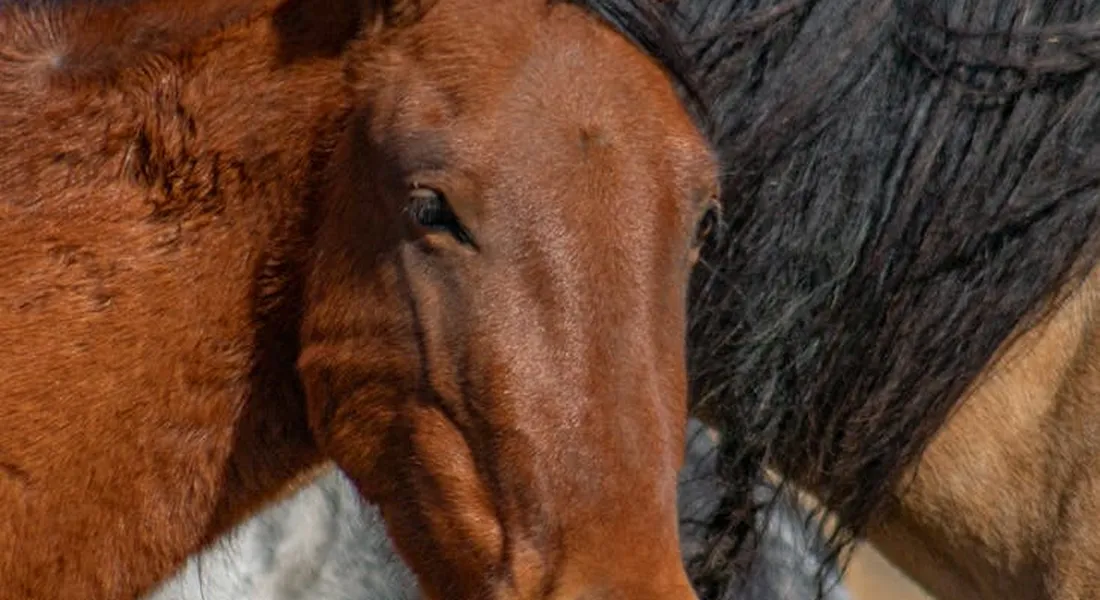
This first month is all about lowering stress and building trust. Your new horse needs a quiet, separate space like a stall or small paddock away from the main herd. I learned this the hard way with Luna; her thoroughbred nerves needed a full week just to settle her breathing when other horses raced by. Rushing this phase risks health setbacks and behavioral issues, so patience here pays off in spades.
Your primary goals are simple: let the horse decompress, establish a predictable care routine, and begin safe, visual hellos. Feed and handle them at the same times each day. The rhythm of your routine—the clank of the feed bucket, the scrape of the muck rake—becomes their security. Consistency is key when feeding horses and setting daily routines.
Your Daily Acclimation Checklist
- Provide fresh water and quality hay, checking intake amounts.
- Perform a quick health check: eyes bright, manure normal, no signs of injury.
- Spend quiet time in the stall or paddock, just talking or reading aloud.
- Hand-walk around the new property, letting them sniff and look.
- Allow visual contact over a safe fence with one calm herd member, like old Rusty.
That fence-line introduction is gold. They can squeal, posture, and sniff without risk. Watch for curious snorts and relaxed chewing-these are good signs that they’re processing the new company without panic.
Weeks 4-6: The First Physical Meetings
Now for the main event. The first touch should happen in a neutral area-think the large arena or a grassy spot no horse considers “theirs.” Have an experienced handler on each horse. Keep lead ropes loose but ready. Sessions should be short, ten minutes max, to prevent escalating tensions.
I always use a steady “buddy horse” for these first dates. Rusty, with his been-there-done-that attitude, has shown many a new horse the ropes. His calm energy is contagious. Choosing the right equine ambassador can make a nervous introduction feel like a casual hello.
Step-by-Step to That First Sniff
- Walk both horses parallel to each other at a safe distance, with a handler on each side.
- Allow them to turn and face each other, letting them stretch their noses out.
- Watch body language closely: pinned ears or a raised tail mean back up and try again later.
- Look for soft blinking, licking lips, or a relaxed head carriage as green lights.
- End on a positive note, ideally after a calm moment of mutual sniffing.
If Pipin the pony is involved, have extra treats ready for distraction. His cheeky intelligence means he tests boundaries, so clear rules are key. Your goal isn’t instant friendship, but a peaceful acknowledgment that no one is a threat.
Weeks 7-12: Moving to Group Turnout and Bonding
Transitioning to full herd life is a delicate dance. Start by turning your new horse out with just one or two of the most compatible buddies from the fence-line meetings. Do this during a calm part of the day, like a lazy morning. Plan to supervise the first few hours closely. That steady, small-scale introduction lays the groundwork for introducing the new horse to an established herd. The following steps will guide that gradual integration.
The initial moments often involve chasing, pinned ears, and establishing order. This is normal, but you must step in if it turns vicious or if one horse is relentlessly bullied. True acceptance is seen in the quiet moments afterward: do they graze near each other? Researchers also study how horses play to understand their social behavior. That play can reveal how they understand and relate to others.
Watch for the bonding behaviors that signal a turning point. Mutual grooming, or “allogrooming,” where they stand head-to-tail scratching each other’s withers, is the equine equivalent of a handshake. Sleeping near one another is another huge sign of trust. With Luna, it was the day she and Rusty dozed off in the same sunny patch that I knew she was home.
Monitoring the New Herd Dynamic
- Ensure all horses have access to hay piles and water sources to prevent resource guarding.
- Check for new, superficial kicks or bites; a few are typical, but deep wounds are not.
- Note if the new horse is integrating or perpetually drifting on the herd’s outskirts.
- Continue providing individual attention to reassure your new equine partner.
This phased approach respects the herd’s complex social web. Granting them time to establish relationships at their own pace prevents injuries and builds a foundation for long-term harmony in the pasture. It’s especially important when introducing young or rescue horses
Managing Herd Dynamics and Reducing Competition
Feeding and Resource Strategies to Prevent Conflict
Watch any herd at feeding time, and you’ll see the pecking order in action-the pinned ears, the strategic shoves, the quiet horse left with the scraps. For a new horse, this isn’t just rude; it’s a major stressor that can halt integration in its tracks. The goal isn’t to eliminate the natural hierarchy but to manage resources so every horse, regardless of rank, can eat and drink in peace. I’ve spent too many evenings refilling water buckets kicked over in a scuffle to ignore this.
Your first line of defense is space. Lots of it. Here’s how to set it up:
- Spread Hay Piles Far Apart: Don’t dump hay in one heap. Create multiple piles, at least 30 feet apart, so a dominant horse can’t guard them all. The sound of contented chewing should come from all corners of the paddock.
- Use Multiple Feeders and Water Troughs: If you use feeders, have several. For water, consider a long trough or two separate sources. This prevents a bottleneck where the new guy gets chased away.
- Feed the New Horse Separately Initially: For the first week or two, I often feed the newcomer in a separate stall or adjacent pen. This guarantees they get their full ration without pressure, letting them settle before facing the dinner-time crowd.
- Ensure Ample Space at All Resources: This includes mineral blocks and shady spots. Competition isn’t just about food; it’s about comfort. A tight space at the waterer can spark a fight faster than anything.
Think of it like setting up a buffet at a party-you wouldn’t put all the food on one small table. By scattering resources, you diffuse tension and allow the herd to establish order without anyone going hungry or thirsty. The thud of hooves moving calmly between piles is the sound of a plan working.
Assessing Horse Compatibility for Smoother Integration
Throwing horses together and hoping for the best is a recipe for torn blankets and vet bills. Thoughtful matching is the cornerstone of gentle integration. You’re not just adding a horse; you’re arranging a social circle, and personality is everything. Look beyond breed and color to the individual’s energy and history.
Start your risk assessment with these key factors:
- Age and Maturity: A rowdy four-year-old and a arthritic twenty-year-old are often a poor match. Similar life stages or a calm elder can provide stability.
- Sex: Geldings with geldings or mares with mares is generally simpler. Mixed herds can work beautifully, but require extra observation, especially if hormones are in play.
- Energy Levels: Pair a high-strung horse with another firecracker, and you may have constant drama. Match them with a steady, low-energy type for a calming influence.
My best tip? Introduce your new horse to one calm, older resident first—a “guide horse.” This steady Eddie teaches the new arrival the farm’s routines and herd manners without the chaos of the full group. I used this method with Luna, my sensitive Thoroughbred, and Rusty, my steady Quarter Horse. It’s especially helpful when you’re teaching basic ground manners.
Luna arrived all nerves and lightning, spooking at her own shadow. Rusty, a reliable trail veteran who hates puddles but loves treats, was unflappable. By letting Luna shadow Rusty for a few days in a small paddock, she learned where the water was, when dinner came, and that the world wasn’t so scary. His quiet confidence was her security blanket. When she later joined the main herd, she had a friend, which drastically cut down on the frantic running and anxiety. Watching them, with Rusty dozing and Luna grooming his neck, was proof that a little pre-planning pays off in peace.
Reading the Signs: From Aggression to Acceptance
Identifying and Managing Aggressive Behaviors
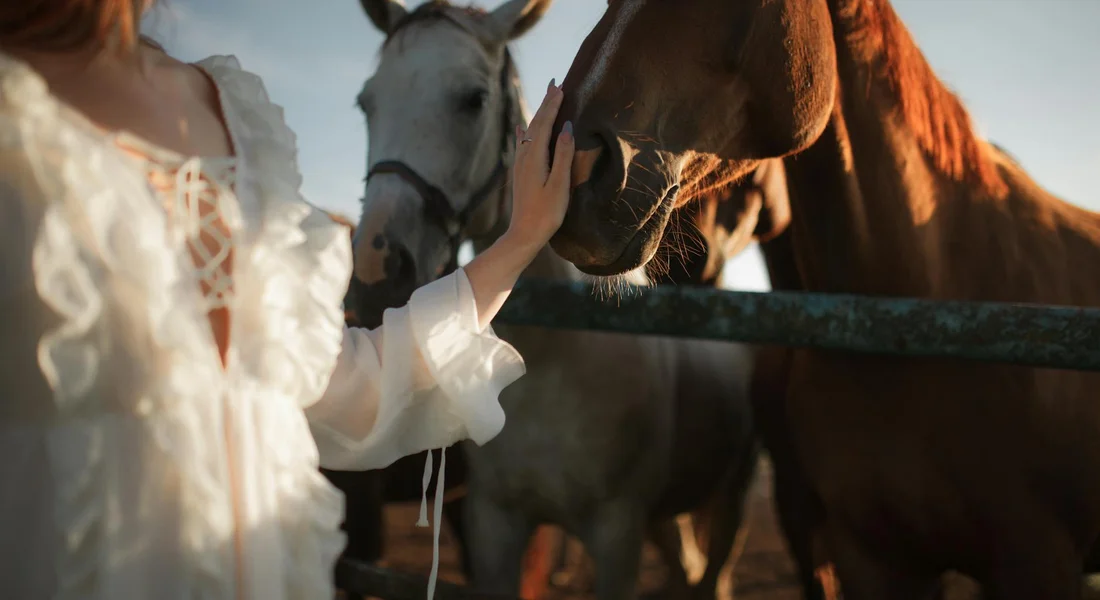
The first time I introduced Luna to the main herd, the air grew thick with tension, a stark contrast to the usual peaceful crunch of hay. Knowing the difference between routine hierarchy squabbles and dangerous aggression is your most critical skill during integration. Normal establishing behaviors include brief squeals, playful nipping, and short-lived chasing that ends without contact. True aggression is persistent, intense, and aims to harm.
Watch for these red flags:
- Ears pinned flat for extended periods, not just a flicker.
- Intentional kicking with full force, often with a loud *thud* against flesh or fencing.
- Relentless chasing that corners the new horse, preventing escape or access to resources.
- Biting with serious intent, not just a warning nip.
When you see these, act immediately. Your primary goal is to redirect attention and diffuse the situation without adding to the panic. Here is my step-by-step protocol from the barn:
- Redirect Attention: Create a loud, neutral noise-clap your hands or shake a bucket of grain. This often breaks their focus.
- Create Space: Use a long dressage whip or a lunge line to block the aggressor, waving it in the air or tapping the ground to establish a boundary. This is about guiding, not hitting.
- Separate if Needed: If the behavior continues, calmly move the new horse to a neighboring paddock for a visual but safe break. This isn’t failure; it’s strategic management.
- Reassess the Setup: Often, aggression flares over food. I once saw Pipin guard the water trough for hours. Ensure multiple, widely spaced piles of hay and several water sources.
Call a professional trainer if you see drawn blood, if the new horse is consistently denied all food or water, or if the intense bullying hasn’t lessened after three to four days. Some dynamics need an expert eye, and there’s no shame in asking for help to keep everyone safe.
Positive Indicators of Herd Acceptance
After the storm of introduction comes the quiet relief of acceptance. You’ll see it not in grand gestures, but in the small, daily rhythms of the herd. Acceptance looks like relaxation, not just tolerance. Contrast this with a horse who stands alone at the fence line, ears constantly swiveling in worry, or who gets chased away every time it approaches the hay.
Look for these positive signs:
- Relaxed Body Language: Soft, droopy lower lips, a hip cocked in rest, and ears casually pointed forward or to the side.
- Communal Eating and Drinking: The new horse comfortably shares a hay pile, like Rusty allowing Luna to nibble beside him without pinning his ears.
- Mutual Grooming: They stand head-to-tail, gently nibbling each other’s withers-a clear sign of bonding.
- Synchronized Resting: They doze off near each other, a ultimate sign of trust in the herd.
- Initiating Play: Playful bucks, kicks, and chasing where roles reverse and both horses engage willingly.
The sweetest sound I know is the contented sigh of a newly integrated horse napping in the sun, surrounded by buddies. This harmony is what we work for, and it’s a testament to patient, observant management.
When Things Don’t Go Smoothly: Contingency Plans
Having a Backup Strategy for Failed Introductions
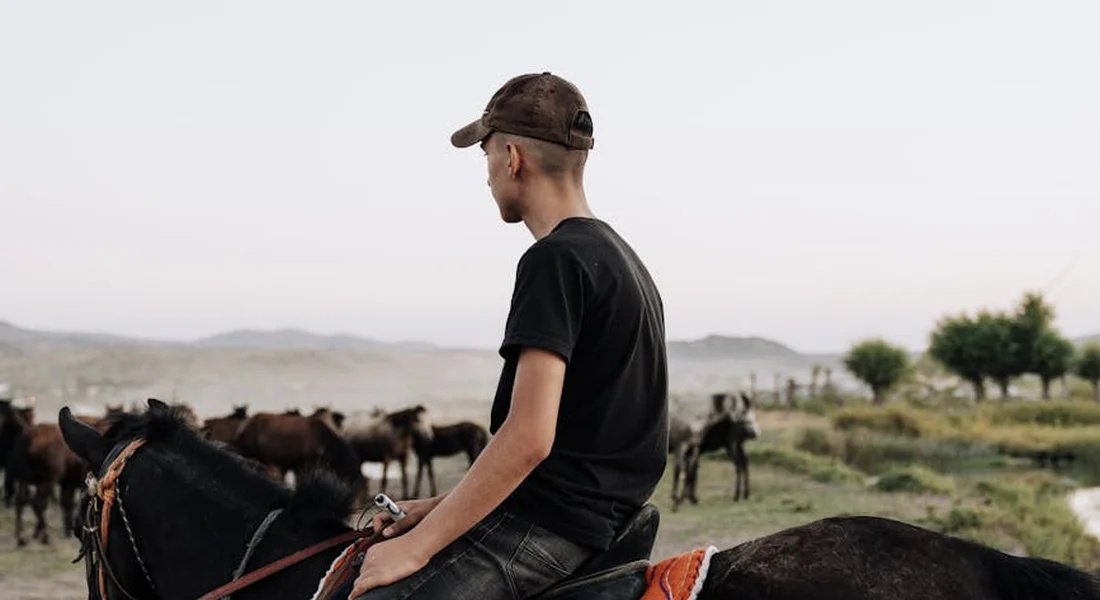
Not every horse becomes fast friends. I remember introducing a sleek, nervous mare to Rusty; his usual calm vanished into a series of annoyed tail swishes. A failed introduction is data, not disaster, and your backup plan is proof of good horsemanship.
When the initial snorts and squeals don’t settle, have these contingencies ready.
- Permanent Separate Turnout with a Buddy: Some personalities clash for good. Instead of risking injury, use sturdy fencing to create adjacent paddocks. Each horse gets companionship without contact. My pony Pipin has lived contentedly for years beside the larger herd, sharing gossip over the fence line.
- Re-order Your Introduction Sequence: Skip the boss horse first. Sometimes introducing the newbie to the lowest-ranking, most gentle member builds confidence. Luna, my sensitive Thoroughbred, accepted a new gelding only after he’d spent a week bonding with our oldest, slowest mare.
- Switch Paddocks Entirely: Dynamics change with space. A steeply sloped field or a round pen can alter movement and hierarchy. The sound of hooves on different footing can reset tense attitudes.
- Call in a Professional Trainer or Behaviorist: If you see relentless chasing or true aggression, seek expert eyes. They spot the subtle warning signs-a tightened jaw, a fixed stare-that you might miss in the moment.
Forcing harmony compromises welfare; sometimes the kindest choice is a peaceful, separate living arrangement. Turnout time is vital, but safety trumps all.
Ongoing Monitoring and Adjustment in the 90-Day Guide
Think of this 90-day plan as a living document written in hay dust and hoof prints. Your daily, quiet observation is the most critical adjustment tool you have. Stand by the fence with your coffee and just watch.
Keep a simple log. A weather-beaten notebook in the tack room works perfectly. Jot down three things each day:
- Social dynamics at the hay net. Who is tolerated? Who is driven away?
- Any fresh marks on coats-muddy hoof prints or hairless nips.
- The new horse’s basic behaviors: drinking, resting, and manure consistency.
Be ruthlessly ready to slow down or repeat a step. If the new horse spends a week hiding in the corner, backtrack to separate paddocks for five more days. I once extended the “neighbor phase” for two months with a rescue who jumped at every rustle. His comfort dictated our pace.
Let the horses’ responses guide you, not the calendar. The creak of the gate and the quiet crunch of grazing should sound relaxed, not frantic. Your patience builds the trust that turns individuals into a herd.
FAQ: The New Horse Integration Plan
What are the primary goals for the first 30 days of the new horse integration plan?
The first 30 days focus on health security and personal acclimation. This phase prioritizes a strict quarantine to prevent disease spread and allows the new horse to physically and mentally recover from transport stress. The goal is to establish a trusting routine and provide controlled, visual introductions over a safe fence line before any physical contact occurs.
What safety protocols must be in place before introducing the new horse to the herd?
Essential safety preparations include a veterinary-reviewed health check and a secure, distant quarantine area. You must inspect and repair all fencing to prevent breakouts or injuries during initial interactions. Setting up multiple, widely-spaced resources like water troughs and hay piles in the main field is critical to minimize competition from the very first introduction.
What contingency plans should be ready if the integration does not go smoothly?
A core contingency is the option for permanent or long-term separate, adjacent turnout where horses have companionship without physical contact. You should be prepared to backtrack in the introduction process, such as re-isolating the new horse or trying a different “buddy horse” for introductory sessions. In cases of sustained aggression, having a professional trainer or behaviorist on call is a vital part of a responsible plan.
The Turnout Gate, Not a Finish Line
Successful herd integration hinges on a slow, step-by-step introduction over weeks, never forcing a new horse into full contact on day one. Using physical separation like adjoining paddocks or a safe fence line for the first month allows horses to communicate and establish order without the risk of injury, which is vital for healthy herd dynamics and social enrichment.
The next ninety days are about reading your horse’s language-a pinned ear or a relaxed sigh tells you everything. Your patience in following their lead builds a foundation of security that lasts for all their days in your care.
Further Reading & Sources
- Safe and Sensible Equine Herd Integration | Horse Journals
- Integration – Horse
- Equine Structural Integration & Massage
- Integration – West Point Thoroughbreds
At Horse and Hay, we are passionate about providing expert guidance on all aspects of horse care, from nutrition to wellness. Our team of equine specialists and veterinarians offer trusted advice on the best foods, supplements, and practices to keep your horse healthy and thriving. Whether you're a seasoned rider or new to equine care, we provide valuable insights into feeding, grooming, and overall well-being to ensure your horse lives its happiest, healthiest life.
Behavior