
Understanding Your Horse’s Framework: A Guide to Skeletal and Muscular Anatomy
Hello from the barn aisle. You’ve probably felt that moment of worry when your horse takes an odd step, or you’ve struggled to explain a stiffness to your farrier. Knowing what’s happening under the skin turns guesswork into knowledge.
This isn’t just academic. It’s the difference between managing a subtle lameness and missing it, between a saddle that fits and one that pinches. A working grasp of anatomy makes you a better partner, advocate, and caretaker for your horse.
We’re going to break down the blueprints. You’ll get a clear look at the foundational skeletal structures from withers to hocks, explore the major muscle groups that create power and movement, and connect it all to real-world riding, tack fit, and equine wellness. This is the manual you wish came with your horse.
I’ve built this guide from years of fitting saddles, managing soundness, and training, always with a hand on the horse to feel what the anatomy is actually doing.
Why Your Horse’s Frame Matters for Everyday Care
Think of your horse’s skeleton as the frame of a beautiful, living barn. Everything else—muscles, tendons, movement, and spirit—is built upon it. Knowing the basic blueprint changes how you see every interaction. I adjust Luna’s blanket differently than Pip’s because their shoulders are built worlds apart. A saddle doesn’t just sit on hair; it must clear the spine and sit behind the shoulder blade. Your horse’s entire comfort in work starts with respecting the bones underneath. Understanding this foundation is crucial when delving deeper into horse anatomy and biology.
This foundational knowledge directly impacts daily choices, from the fit of a halter to the length of a riding session, making you a more thoughtful and effective caretaker.
The Equine Skeleton: A Built-in Support System
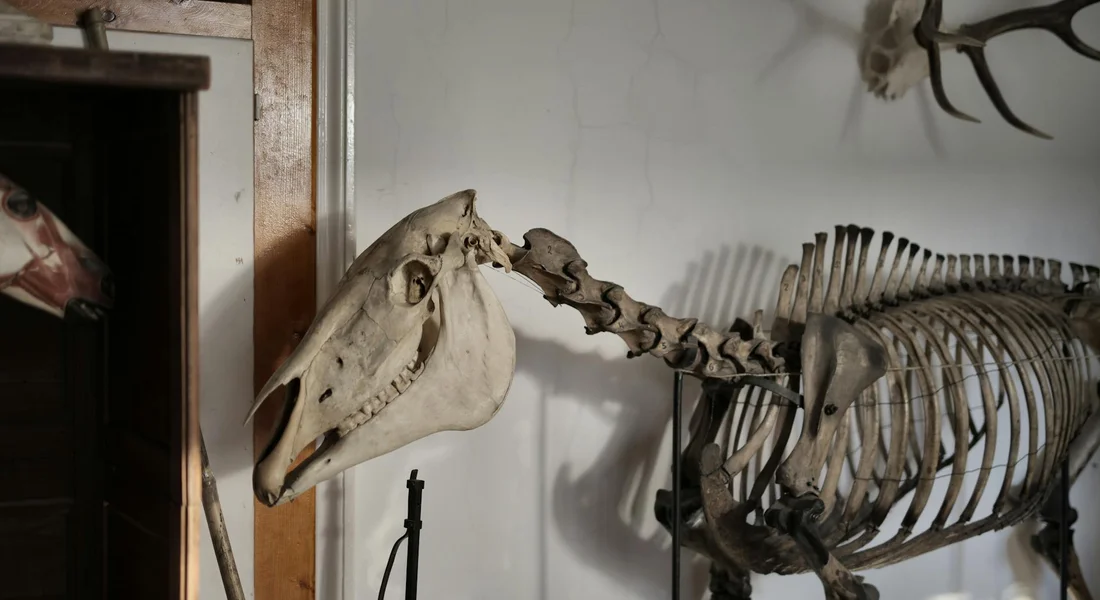
A horse has around 205 bones, all connected to create a structure that is both incredibly strong and surprisingly shock-absorbent. The skeletal system provides protection, produces blood cells, stores minerals, and of course, enables movement. It’s not a rigid statue but a dynamic framework of levers and pulleys. When you hear the solid thud of hooves on good ground, that’s the sound of the entire skeletal column efficiently transferring force.
Every time you run your hand over your horse, you’re tracing the landscape of this living architecture-the prominent withers, the curve of the ribs, the solid cannon bone.
The Axial Skeleton: The Central Pillar
This is the central core, the “main street” of your horse’s body. It includes the skull, the vertebrae (making up the spine), the ribs, and the sternum. The spine itself is a marvel of engineering, with different sections designed for specific jobs.
- Neck (Cervical Vertebrae): Allows for grazing, balance, and expressing mood. Its flexibility is key for collection.
- Withers (Thoracic Vertebrae): These are the tall spines where the saddle sits. Their height and shape are critical for tack fit.
- Back (Thoracic & Lumbar Vertebrae): A bridge for weight carriage. A strong back is a healthy back, supported by muscle.
- Hindquarters (Sacrum & Coccygeal Vertebrae): The powerhouse. The fused sacrum connects the spine to the pelvis, driving impulsion forward.
When I check a horse’s weight, I feel for ribs under my hand; those ribs are part of this axial structure, protecting the heart and lungs housed within.
The Appendicular Skeleton: The Leg Framework
Everything that attaches to the axial pillar-the shoulders, hips, and all four legs. This is the motion machinery. A horse’s front legs are attached to the body by pure muscle and tendon (no collarbone!), which is why proper hoof balance is non-negotiable. The hind limbs are directly attached via a ball-and-socket hip joint, built for thrust.
Let’s simplify a front leg, from the top down:
- Scapula (Shoulder Blade): A flat bone under the muscle, allowing that swinging stride.
- Humerus: The upper arm bone, from shoulder to elbow.
- Radius & Ulna: The forearm. The ulna forms the point of the elbow you can feel.
- Cannon Bone: That strong, upright bone below the knee. The suspensory ligament runs down the back of it.
- Fetlock & Pastern: The shock-absorbing joints that take a tremendous pounding.
- Coffin Bone: The critical bone inside the hoof. Its angle and health define the entire foot.
Seeing a leg as a connected chain of bones explains why a long toe or a bruised sole doesn’t just hurt the foot-it sends stress waves all the way up that framework.
Muscles: The Power Behind Every Movement
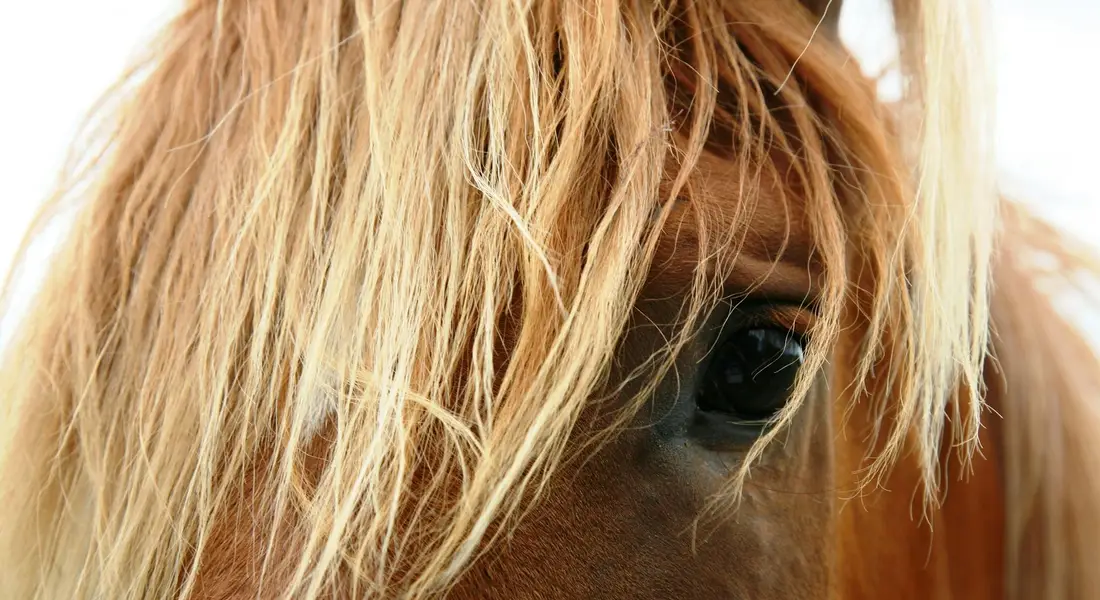
Think of your horse’s muscles as the engine under the hood. I spend my days feeling them warm up, contract, and sometimes protest. A well-muscled back is not just for show; it’s the fundamental platform for every saddle and the origin of true impulsion.
Major Muscle Groups and Their Jobs
Muscles work in teams. The hindquarters are the engine room, the propulsive force. When Luna explodes forward after a bird flushes, that’s her gluteal and hamstring groups firing like pistons.
The back and abdominal muscles form the vital core. A weak topline and slack belly are a recipe for a sore back and inefficient movement. I build topline not in the stall, but with long, low stretching under saddle and plenty of rhythmic trot work in the field.
Up front, the pectorals and shoulder muscles bear weight and allow for that floating extension. The neck muscles are more than just steering; they balance the entire front end. Here’s a quick breakdown of the power players:
- Propulsion Unit (Hindquarters): Gluteals, hamstrings, and quadriceps. These create the thrust. You feel this when asking for a canter depart.
- Core Stabilizers (Back & Belly): Longissimus dorsi (the main back muscle) and the abdominal chain. This is the body’s natural girth, supporting the rider and protecting the spine.
- Steering & Weight-Bearing (Front End): Pectorals, brachiocephalicus, and trapezius. These allow for graceful turns and absorb concussion.
Muscle isn’t built overnight. I think of Pipin, who, despite his small size, has dense, powerful muscles from years of playful hillside dashes. Contrast that with a stall-bound horse whose muscles may look full but lack functional strength. Consistent, varied movement over terrain is the ultimate muscle-builder, far surpassing endless circles in an arena.
Ligaments and Tendons: The Body’s Straps and Ropes
If bones are the beams and muscles are the motors, then ligaments and tendons are the specialized straps and cables that hold it all together. Their health is non-negotiable, as injuries here are often slow and costly to heal.
Tendons connect muscle to bone. The feel of the superficial digital flexor tendon running down the back of the cannon bone is a daily check for me. A cool, tight tendon after work is a good sign; any warmth or swelling means stop, cold-hose, and call the vet.
Ligaments connect bone to bone, acting as the joint’s primary stabilizers. The suspensory ligament is a classic worry, especially in performance horses. It’s the main support structure for the fetlock, and its soundness is everything.
These structures are mostly made of collagen-tough, fibrous, and with limited blood supply. That’s why they heal slowly. They thrive on consistent, gradual conditioning and wither under sudden stress or deep, uneven footing.
- Tendons: Muscle-to-bone cables. They transmit the force of contraction to create movement. The digital flexor tendons are the most commonly injured.
- Ligaments: Bone-to-bone straps. They stabilize joints and limit abnormal movement. Key ligaments include the check ligaments and the collateral ligaments in all joints.
- Common Thread: Both are elastic but can be overstretched. Both benefit from controlled exercise and suffer from fatigue, which is why I never school a tired horse.
I listen for the tell-tale “thud” of a horse landing evenly on soft ground versus the concerning “click” of a joint over hard, dry terrain. Protecting these structures starts with mindful management: gradual fitness increases, proper hoof balance, and that golden rule of turnout. Equally important is creating a safe, enriching environment for your horse, with varied footing, shelter, and mental stimulation. A well-designed paddock supports health and behavior as much as formal training. A horse moving freely in a paddock is lubricating joints and tensioning ligaments in a natural, healthy way no hand-walking can replicate.
How It All Works Together: From Grazing to Galloping
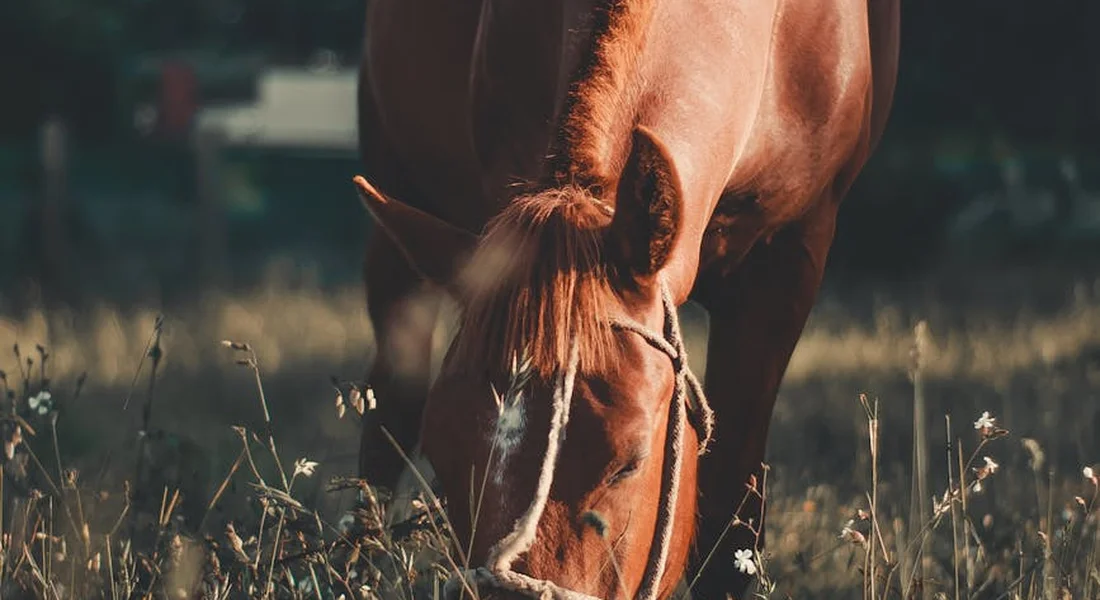
Think of your horse not as a statue, but as a living, breathing pulley system. Every bite of grass involves the hinge of the jaw, the stretch of the neck muscles, and the shift of weight across the pelvis. Seeing this daily dance-from the slow crunch of hay to the powerful thrust of a canter-is what connects textbook anatomy to the real, dusty animal in your care. I’ve spent countless hours watching Pipin orchestrate his great escape, noting how his compact spine and powerful hindquarters coil and spring, a masterpiece of muscular engineering. Understanding these muscles can deepen your appreciation even further.
Spotting Trouble: Anatomy in Action
Your most important diagnostic tool isn’t in your tack box; it’s your own eyes. Make a habit of watching your horse move on loose ground when they think no one is looking, as that’s when they show their true stride. Here are a few visual red flags that signal something in the skeletal or muscular system is asking for attention: Keeping an eye out for subtle changes can help you spot early signs of illness or injury in your horse. In the sections to follow, you’ll find quick checks to catch issues before they escalate.
- Short, Choppy Stride: This often whispers of a sore back or tight shoulders. I first noticed it with Luna on a cold morning; her normally fluid trot looked pinched, like she was walking on eggshells.
- Dragging Toes: A subtle scuffing sound behind them usually points to stiffness in the hind end, from the gluteal muscles down through the hocks.
- Uneven Hoof Wear: This is your farrier’s map to limb imbalance. A hoof that wears more on one side can trace back to a misaligned joint or compensatory muscle strain higher up.
These clues are your horse’s first, quiet attempt to tell you where it hurts before a real lameness appears.
Caring for the Whole System: Practical Barn Wisdom
Anatomy isn’t just for vets; it’s a blueprint for daily care. Every choice you make at the barn, from how you turn out to how you cool down, directly supports or stresses those bones and muscles.
Turnout is non-negotiable. It is not a luxury or a mere convenience. Stalling a horse for long periods is like putting a marathon runner in a closet-their joints seize, their muscles atrophy, and their mind festers. A healthy exercise turnout schedule for your horse keeps movement regular and predictable. It helps balance work, rest, and recovery. Daily movement in a paddock or pasture is the single best thing you can do for joint lubrication, muscle tone, and skeletal stress relief. Rusty, even at 12, stays supple because he’s always wandering, grazing, and rolling.
Build a Movement Ritual
Think of your ride as a three-act play: preparation, performance, and recovery.
- The Warm-Up (10-15 minutes): Start with a long, marching walk on a loose rein. This allows the synovial fluid in the joints to warm up, like oiling a stiff hinge. I always do this with every horse, letting them stretch their neck and back before asking for more.
- The Cool-Down (Just as long!): Never just unsaddle a sweaty horse. A gradual walk until their breathing is normal and their coat is dry prevents muscles from cramping and helps clear metabolic waste.
Hoof Balance is Whole-Body Balance
An unbalanced trim is like a wobbly table; everything on top must tense to compensate. Work with a skilled farrier who understands how the hoof’s angle affects the tendons, joints, and posture all the way up to the poll. Regular six-to-eight-week trims are a cornerstone of systemic health.
Listen with Your Hands
Incorporate gentle bodywork into your routine. Run your hands over your horse’s back and neck after work, feeling for heat, tight spots, or flinches. A simple post-ride massage with steady, flat-handed strokes can increase circulation and help you spot minor soreness before it becomes a major issue. Even Pipin, for all his mischief, stands still for a good shoulder rub.
Frequently Asked Questions About a Horse’s Skeletal and Muscular System
How does a rider’s position directly influence a horse’s muscular development?
A balanced, centered rider allows a horse to engage its core and hindquarter muscles symmetrically, promoting even topline development. An unbalanced rider, leaning or sitting crookedly, forces the horse to compensate with one-sided muscle strain. This can lead to muscle asymmetry, a stiff back, and resistance under saddle.
What are the key differences between muscle soreness and a muscle strain in horses?
General muscle soreness is a diffuse stiffness often felt after hard work, usually easing with light movement and massage. A specific muscle strain involves a sharper, localized pain, often with heat, swelling, or noticeable lameness. Always consult a veterinarian to diagnose a potential strain, as it requires targeted rest and rehabilitation.
Can you recommend specific exercises to build essential topline and hindquarter muscles?
Long, low walking and trotting on gentle hills encourages the horse to engage its back and hind limb muscles for propulsion. Transitions within and between gaits ask the hindquarters to push and the core to stabilize. Groundwork exercises like carrot stretches and backing up in-hand also actively build these crucial muscle groups.
Your Horse’s Body: A Partnership, Not a Puzzle
Knowing the major bones and muscles isn’t just trivia; it directly informs better tack fit, balanced riding, and smarter injury prevention. Use this map of your horse’s anatomy to regularly check that your saddle clears the spine and doesn’t pinch the shoulder, as this is the foundation of comfort under saddle.
Be patient with yourself as you learn to see and feel these structures in your living, moving horse. The most important takeaway is to let your horse’s movement and demeanor guide your decisions, because they are the ultimate authority on their own comfort. It’s essential to have a good grasp of understanding horse behavior and psychology to interpret these cues effectively.
Further Reading & Sources
- Components of the Musculoskeletal System of Horses – Horse Owners – MSD Veterinary Manual
- Musculoskeletal Anatomy Of Your Horse
- Anatomy of a Horse – Skeleton, Muscles, Organs and Their Functions – ClipMyHorse.TV Magazine
- Essential Anatomy for Understanding Horse Musculoskeletal Health
At Horse and Hay, we are passionate about providing expert guidance on all aspects of horse care, from nutrition to wellness. Our team of equine specialists and veterinarians offer trusted advice on the best foods, supplements, and practices to keep your horse healthy and thriving. Whether you're a seasoned rider or new to equine care, we provide valuable insights into feeding, grooming, and overall well-being to ensure your horse lives its happiest, healthiest life.
Health