
Customizing Horse Exercise: A Breed-Specific Guide to Optimal Health and Behavior
Published on: April 19, 2026 | Last Updated: April 19, 2026
Written By: Henry Wellington
Hello from the barn aisle! If you’ve ever watched a high-energy horse like my Thoroughbred, Luna, pace her stall while a calm soul like Rusty the Quarter Horse dozes, you’ve seen the puzzle firsthand. Figuring out the right exercise for different breeds isn’t just about riding time; it’s about preventing anxiety, obesity, and those vet bills that sneak up from strain or stress.
In this article, I’ll help you build a routine that fits your horse’s blueprint. We’ll cover how to interpret natural energy levels and build requirements by breed, practical steps for creating balanced, engaging activity plans, and the critical role of daily turnout and gentle movement for mental and physical welfare.
My tips are forged from years of barn management and training, where I’ve learned that the best fitness plan always starts with listening to the horse.
More Than Just Breed: The Five Factors That Dictate Activity
Breed gives you a great starting point, but it’s not a life sentence. Think of it like human siblings-same parents, wildly different personalities. A feisty Thoroughbred might prefer a quiet trail, while a steady draft could surprise you in a driving class. Your horse’s individual needs always trump the textbook description.
| High-Energy Thoroughbred | Calm Draft Horse |
|---|---|
| Built for speed and quick reaction | Built for steady, powerful pulling |
| Often requires more mental engagement | Typically more placid and forgiving |
| May need careful fitness management to prevent injury | Often needs consistent activity to maintain healthy weight |
Beyond breed, these five factors fine-tune the exercise plan. I keep them in mind every morning when I feed.
- Age: A young horse is building bone; an older one is maintaining comfort.
- Current Fitness Level: You can’t run a marathon on couch-potato conditioning.
- Health Status: Arthritis, metabolic issues, or past injuries directly limit what’s safe.
- Intended Workload: A weekend trail buddy has different needs than a competition prospect.
- Individual Personality: This is the big one. My Thoroughbred, Luna, needs a soft voice and varied work to stay focused, while Rusty, my Quarter Horse, is steady as a rock but will balk at a new puddle.
Assessing your horse doesn’t need a vet degree, just good observation. For those moments when you’re unsure, I lean on a simple ‘when to call the vet‘ decision-making guide to know when to call in a pro. Here’s how I start with any horse in my care.
- Observe pasture movement. Does your horse move freely and play, or stand stiffly in one spot? The thud of hooves during a morning buck is a good sign.
- Check recovery rate after work. A fit horse’s breathing should normalize within 10-15 minutes of cooling down.
- Note any stiffness or resistance. Does your horse consistently brace when tacking up or refuse a lead? That’s a message, not misbehavior.
Conditioning the Hot-Blooded Athlete: Arabians and Thoroughbreds
The Arabian: Engineered for Endurance
An Arabian’s energy is a gift that needs a constant outlet. They thrive on consistency, not bursts of frantic activity. For these horses, mental fatigue is just as important as physical tiredness for a balanced demeanor. A bored Arabian will invent their own fun, and you might not like their ideas.
Suitable activities use their stamina and engage their clever minds:
- Long, exploratory trail rides with varied terrain.
- Structured endurance training builds their natural talent.
- Dressage exercises that challenge their intelligence and agility.
Avoid drilling them in the ring day after day. The repetition turns their bright mind sour. Warm-up and cool-down are non-negotiable for their fine tendons. Start with 10 minutes of energetic walk on a loose rein, asking for gentle lateral stretches. After work, walk until the sweat dries and their sides stop heaving. I always listen for that smooth, quiet breathing before I put them away.
The Thoroughbred: Channeling Speed and Sensitivity
Retraining an off-track Thoroughbred is about rewriting muscle memory. They know go, but we must teach them slow and strong. Focus on building topline and core strength with slow, deliberate work before asking for any speed. It’s a marathon, not a sprint.
Their athleticism comes with considerations. Delicate legs need forgiving footing, and a nervous gut means stress management is part of fitness. Always ensure ample turnout for mental peace. A sample conditioning week for a retraining OTTB might look like this:
- Monday: 30 minutes of longeing with direction changes, no side reins.
- Tuesday: 45-minute relaxed hack on a long rein.
- Wednesday: Hill work at a walk, building hindquarter strength.
- Thursday: Light longeing or turnout only.
- Friday: Flatwork with transitions and circles.
- Weekend: Turnout or a leisurely trail walk.
Signs You’re Not Meeting Their Needs
These high-performance minds and bodies send clear signals when the balance is off.
Behaviors indicating inadequate exercise:
- Stall weaving or fence walking.
- Hyperactivity, spookiness, or inability to focus under saddle.
- Destructive chewing or digging.
Risks of over-exercising a hot-blooded horse:
- Stress injuries like tendon strains or hairline fractures.
- A soured, resistant attitude toward work.
- Exacerbated metabolic issues or weight loss.
The goal is a tired but happy horse, not an exhausted or frantic one. It’s a dance, and you learn the steps by watching your partner.
Steady Power: Workouts for Stock and Pleasure Breeds
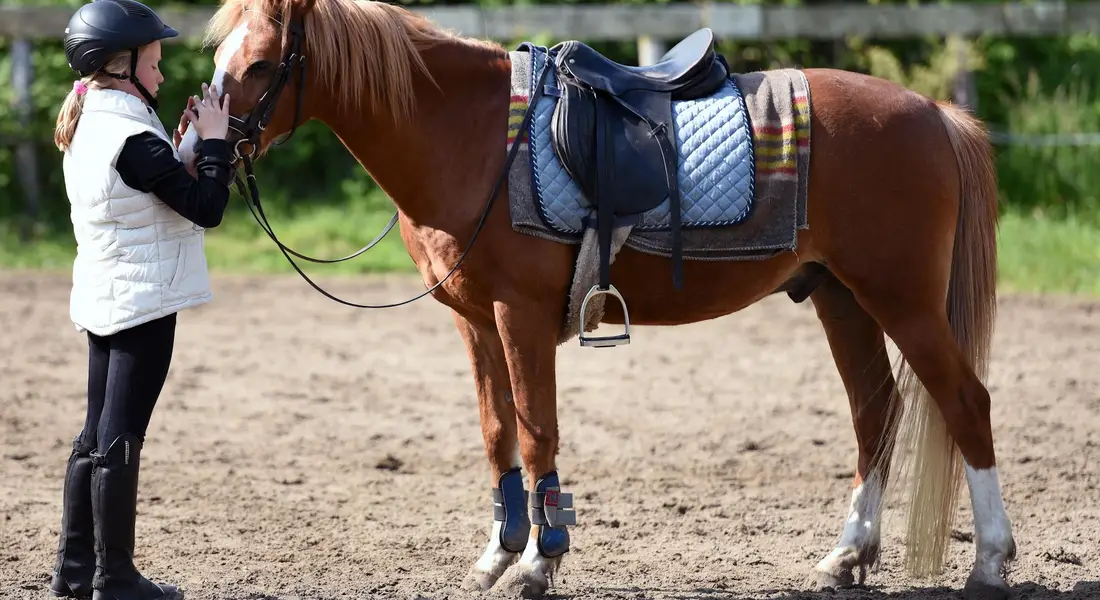
The Quarter Horse: Strength Over Stamina
Muscle is their superpower, not marathon-running lungs. A Quarter Horse is built for explosive, collected movements, more like a sprinter than a distance runner. This contrasts sharply with, say, an Arabian, whose exercise revolves around building wind and sustaining a steady trot for miles. Our goal is to hone that power without asking for endless cardio they’re not built to give.
Focus your workouts on activities that demand controlled bursts of energy, which build both muscle and mind. Think detailed reining patterns, trail rides with frequent stops for log crossings or tight turns, or introductory cattle work that teaches them to think on their feet. I’ve spent years crafting these sessions, and the snort of satisfaction after a well-executed spin is its own reward.
As these athletes age, their needs shift from building muscle to preserving it. Take my guy Rusty, a savvy 12-year-old. We’ve swapped daily lungeing for more trail walking to keep his joints happy. For an older stock horse, prioritize consistency over intensity-a solid 45-minute walk-trot ride five days a week does more good than one intense weekend session. Always listen for that soft, rhythmic thud of hooves on the trail; it’s the sound of a sound body.
The Versatile All-Rounder
Breeds like Paints, Appaloosas, and Morgans are the ultimate jacks-of-all-trades. This versatility is a gift, but it demands creativity from us to prevent the drudgery of doing the same arena circles every day. A bored horse is an uncooperative horse.
The golden rule for all-rounders is variety: change the scenery, the task, and the pace as often as you can. One day can be a dressage school, the next a hack through the woods, and the next some ground work with poles. This mental stimulation is as crucial as physical exercise.
For maintenance fitness or older horses in this category, low-impact is key. Here are my go-to ideas:
- Long, slow trail walks with plenty of grazing stops.
- In-hand hill walks to build hindquarter strength gently.
- Swimming or water treadmill sessions if available.
- Light arena work focused on long-and-low stretching.
- Free-longeing in a safe round pen for voluntary movement.
Gentle Giants: Keeping Draft and Cob Types Fit and Healthy
With these powerful beings, our primary job is weight management and structural support. They are not designed for high-impact sports or speed. Regular, moderate movement is the cornerstone of health for a heavy horse-it keeps the pounds off and the joints oiled without undue strain. I’ve seen the difference in a draft who gets steady, gentle work versus one who lives in a paddock; the former moves with a lighter, freer step.
Ideal workouts respect their size and strength. Driven carriage work is phenomenal, as it engages their mind and body in a balanced pull. Leisurely rides at a walk and a steady trot are perfect. Never underestimate the value of a simple in-hand walk up a gentle slope; it builds topline and cardiovascular health with minimal concussion.
Over-exercising these breeds invites specific dangers. We must be vigilant for:
- Joint and ligament stress, particularly in the fetlocks and hocks.
- Overheating due to their large mass and often thick coats.
- Respiratory strain from moving their great weight at speed.
Footing is everything. Seek out soft, supportive ground. A well-maintained sand ring, a grassy field, or a soft dirt trail is ideal. Avoid deep, heavy mud that can suck at their hooves and strain tendons, and be wary of hard, rocky ground that offers no cushion for those massive limbs. Their comfort is written in their movement-a smooth, ground-covering walk is what you want to hear and see.
The Non-Negotiable Foundation: Turnout and Free Movement
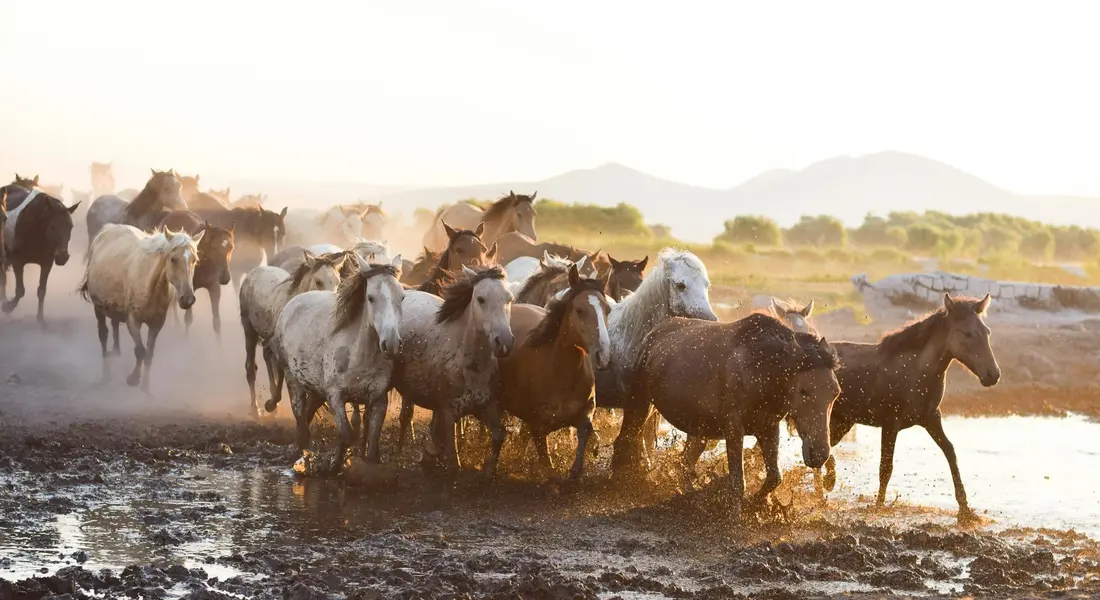
Why Pasture Time is Not Just “Time Off”
I’ve mucked stalls for horses who paced holes in the aisle and others who greeted me with a soft nicker from their paddock. The difference always comes down to turnout. Daily freedom to move isn’t a bonus; it’s the bedrock of soundness for every single breed, from fiery Thoroughbreds to steady drafts. Locking a horse up full-time is like asking you to live in your bathroom; it wears on the mind and the body.
Turnout maintains health in three big ways. Constant, low-level walking keeps synovial fluid flushing through joints, preventing stiffness. Grazing keeps the digestive tract in motion, reducing colic risk. Mentally, it allows for herd interaction, play, and choice, which lowers stress. A well-planned turnout is part of a healthy exercise routine for a horse. Coordinating outdoor time with a consistent turnout schedule supports gradual conditioning and safer workouts. A horse that spends its day outside is simply more prepared to focus when you tack up.
While all horses need turnout, high-energy breeds burn off nervous energy through movement, making it even more critical. This ties into the good horse, tired horse idea and the debunking of five exercise-turnout myths. Here’s a baseline guide.
| Energy Level | Breed Examples | Minimum Daily Turnout |
|---|---|---|
| High-Energy | Thoroughbred, Arabian, Belgian Malinois | 12+ hours (24/7 with shelter is ideal) |
| Moderate-Energy | Quarter Horse, Morgan, Tennessee Walker | 8-12 hours |
| Lower-Energy | Draft Cross, Many Ponies, Comfortable Seniors | 6-8 hours (watch calorie intake) |
Our pony Pipin is a turnout evangelist. His favorite game is luring the big horses to the fence line then ducking under the rail to steal their hay. This cheeky, self-directed exercise keeps his old pony joints limber and his intelligent brain out of trouble, proving fitness isn’t always about saddles and schedules.
Creating a Turnout Paradise
A small, empty dirt lot does little good. You want a space that invites your horse to travel. Hang hay nets at opposite ends of the paddock to force walking between snacks, mimicking natural foraging. A gentle, safe slope is gold for building subtle hindquarter strength. Together, this helps create an enriching pasture environment for horses. Designed for movement and foraging, it supports mental engagement.
Herds are the best fitness coaches. A compatible buddy will encourage running, playing, and mutual grooming. If you must turn out alone, a calm goat or sheep can provide social stimulus. The sound of contented chewing and the thud of playful hooves are signs you’ve gotten it right.
Seasons directly impact your turnout strategy. In hot months, ensure shade and water so movement happens during cooler dawn and dusk. Icy winters may shorten turnout time, which means the structured exercise you do provide must thoughtfully compensate for that lost mobility. A horse coming in from a snowy paddock needs a longer, more deliberate warm-up under saddle.
Building Your Horse’s Personal Fitness Plan
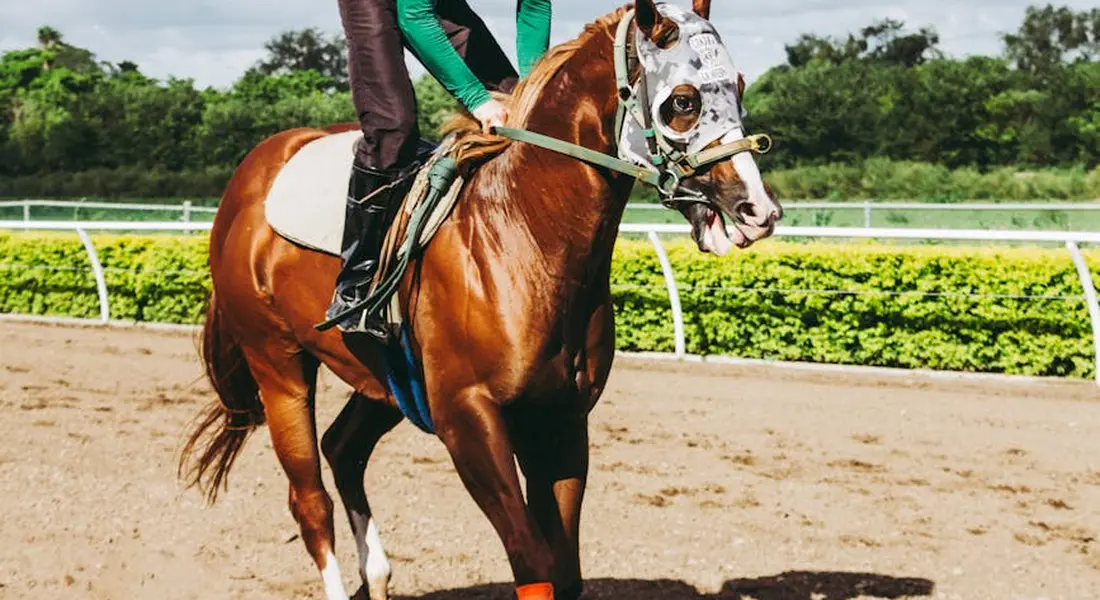
The Golden Rules of Safe Conditioning
- Begin with a proper warm-up. Spend ten minutes walking and slow trotting on a loose rein to increase blood flow and prepare the tissues for work.
- Increase workload gradually. Never add more than ten percent per week to your riding time, distance, or intensity to avoid strain.
- Always finish with a cool-down. Walk until your horse’s breathing is even and their muscles feel soft under your leg, not hard.
- Listen to your horse. Stiffness, reluctance, or a bad attitude are data points telling you to stop and check for pain or fatigue.
These rules apply to Luna during her dressage training and to Rusty before a long trail ride. Ignoring them is how you create a horse that breaks down, not one that builds up.
Putting It All Together: A Sample Weekly Schedule
This sample week is for a mid-level pleasure horse in consistent work, assuming they get daily turnout as outlined above, along with a proper feeding schedule.
- Monday: 35-minute flat ride. Focus on long, stretching walks and steady trot work.
- Tuesday: 20-minute longeing session. Use this to encourage forward movement without a rider’s weight.
- Wednesday: Active rest. Full turnout only. No riding or longeing.
- Thursday: 45-minute trail ride or hill work. Varied terrain builds strength and mental freshness.
- Friday: 30-minute focused ride. Practice circles, transitions, and bending at the walk and trot.
- Saturday: Fun day. This could be a hack, a groundwork lesson, or simply grazing in hand.
- Sunday: Another active rest day with full turnout.
After any new or harder work, run through this quick recovery checklist. A happy, fit horse will have a bright appetite, a willing attitude, a sound stride, and consistent, well-formed manure. If one item is off, give them an extra easy day. That aligns with a daily check guide for signs of health in horses. A quick, consistent daily check helps catch issues early and guide recovery.
Steady, patient consistency forges a far fitter and more willing partner than sporadic, intense workouts ever can. I built Rusty’s trail endurance over years of regular, mindful rides, not weekend heroics. Your horse’s body thrives on predictable rhythm.
FAQ: Exercise and Activity Requirements for Various Horse Breeds
What are the signs of inadequate exercise for this breed?
Common signs include stall-walking, weaving, or other repetitive behaviors that indicate pent-up mental and physical energy. You may also observe increased spookiness, hyperactivity under saddle, or the development of destructive habits like cribbing. A horse that is not receiving sufficient activity will often struggle to maintain focus and a calm demeanor during handling or training sessions. Keep in mind that some horses show similar signs when they are overworked and needs more structured exercise in place of longer or tougher sessions. In those cases, reassessing workload and rest can help guide adjustments to keep them moving healthily.
What are the risks of over-exercising this breed?
Over-exercising can lead to stress-related injuries such as tendon strains, ligament damage, or hairline fractures, especially in breeds not conditioned for intense, repetitive work. It can also cause a sour attitude towards work, metabolic issues like excessive weight loss, and overall systemic fatigue that compromises the immune system. The goal is always to achieve a tired but willing partner, not an exhausted or resentful one.
How do the exercise needs vary by season or climate?
In extreme heat, exercise should be scheduled for cooler parts of the day, with a greater emphasis on hydration and electrolyte balance, while intensity may need reduction. During icy or very wet winters, structured exercise must often compensate for reduced safe turnout time, requiring a longer, more deliberate warm-up. Always adjust the duration and intensity of workouts based on temperature and humidity to prevent overheating or respiratory strain.
Ride Safe, Train Smart
Let your horse’s breed guide the framework of their exercise, but always fine-tune for their individual age, health, and spirit. A sustainable program mixes steady conditioning with playful variety, keeping muscles strong and minds curious to avoid sourness or strain. This framework naturally leads to creating a progressive conditioning plan for your horse. Next, we’ll outline how to tailor it to age, health, and temperament.
Move forward with patience, and let your horse’s comfort and enthusiasm set the pace for each day. Learn to talk with your horse and understand their signals, building better communication. The deepest training wisdom comes from listening to the quiet message in their breathing and the rhythm of their hooves on the ground.
Further Reading & Sources
- Maximize Your Horse’s Potential: Balancing Nutrition, Exercise, and Ca – Just Horse Riders
- Training and Conditioning Your Equine Athlete | Equimed – Horse Health Matters
- Physical Conditioning of Horses | Oklahoma State University
- Introduction to Breeds and Disciplines | US Equestrian
At Horse and Hay, we are passionate about providing expert guidance on all aspects of horse care, from nutrition to wellness. Our team of equine specialists and veterinarians offer trusted advice on the best foods, supplements, and practices to keep your horse healthy and thriving. Whether you're a seasoned rider or new to equine care, we provide valuable insights into feeding, grooming, and overall well-being to ensure your horse lives its happiest, healthiest life.
Breed-Specific Care