
Equine Veterinary Medicine: Your Guide to Horse Health, Scope, and Specialties
Hello fellow equestrians. That moment when your horse comes up lame or turns away from his feed-your mind races with vet bills and “what ifs.” I know that chill; I’ve felt it in the barn aisle more times than I can count.
This article will map out the entire field of equine vet care, so you can move from anxiety to understanding. We will cover:
- The real, day-to-day scope of equine veterinary medicine, from wellness checks to crisis management.
- How modern specialties like dentistry and lameness experts target specific health issues.
- Practical ways this knowledge helps you advocate for your horse’s comfort and longevity.
My years of daily barn management and training, from deciphering Pipin’s clever escapes to managing Luna’s sensitive digestion, are built on a foundation of solid veterinary partnership.
The Heart of the Matter: What is Equine Veterinary Medicine?
Picture your own doctor’s office, but swap the waiting room chairs for a dusty barn aisle. Equine veterinary medicine is simply healthcare for horses, donkeys, and mules. It’s a dedicated practice that diagnoses ailments, mends injuries, and champions preventive strategies to ensure a full, healthy life, especially when addressing common equine health problems.
This field is the bedrock of responsible ownership, directly impacting welfare, performance, and longevity. My high-strung Thoroughbred, Luna, taught me this during a midnight colic scare. The quiet thud of her pawing at the stall floor was my first clue. Our vet’s timely arrival and skilled assessment-listening to gut sounds with a stethoscope-turned panic into a manageable treatment plan. That experience underscored how a vet transforms fear into actionable care.
Every equine vet’s work is built on four foundational pillars:
- Preventive Care: This is the frontline, using vaccines, dental work, and nutrition plans to stop illness before it starts.
- Diagnosis: Vets play detective, using tools from hands-on palpation to advanced imaging to pinpoint the issue.
- Treatment: Once the problem is known, they administer therapies, from medications to rehabilitation exercises.
- Surgery: For issues that can’t be fixed with medicine alone, they perform procedures ranging from routine to life-saving.
Your First Call: The Core Services of an Equine Veterinarian
Your vet is your partner in everyday health and sudden crises. Their services bridge routine maintenance and emergency intervention, creating a safety net for your horse.
A standard wellness visit is a thorough head-to-hoof inspection. Here’s the typical step-by-step process:
- The vet watches the horse stand and move, noting posture and attitude from a distance.
- They listen to heart and lung sounds with a stethoscope, often over the rustle of hay.
- Eyes, gums, and teeth are checked for color, moisture, and signs of trouble.
- Hands palpate the neck, back, limbs, and abdomen, feeling for heat, swelling, or pain.
- Finally, they review your observations and map out a care schedule with you.
You’ll rely on them for a host of common procedures:
- Administering annual vaccinations based on your local disease risks.
- Conducting lameness exams to find the source of a limp or shortened stride.
- Providing basic wound care, including cleaning, suturing, and bandaging.
- Performing dental floats to rasp down sharp enamel points on molars.
True care is a daily collaboration. You become the vet’s eyes and ears between visits, monitoring the small details they can’t see. After a long trek, I always check my reliable Quarter Horse, Rusty. Feeling his joints for any unusual heat is a five-second habit that catches problems early.
Routine Wellness and Preventive Care
This is the unglamorous, vital work that keeps your horse thriving. An annual preventative plan is the most cost-effective and kindest thing you can do for your equine partner.
Think of it as your horse’s yearly checklist:
- Vaccine Schedule: Core vaccines like tetanus and rabies are a must, with others added based on travel and exposure.
- Deworming Strategy: Skip the calendar. Modern practice uses fecal egg counts to deworm only when necessary, preventing parasite resistance.
- Nutrition Consultation: Your vet can assess body score and recommend forage adjustments, often solving weight issues without extra grain.
Their advice extends beyond the needle and pill. A good vet will always advocate for more turnout time, discussing pasture management to reduce mud and maximize grazing for mental and physical well-being.
Handling Emergencies: Colic, Injury, and Critical Care
When the unthinkable happens, knowing your vet’s role keeps you grounded. Colic, serious lacerations, and acute lameness are the classic barn-nightmare scenarios. Your immediate actions can stabilize the situation before professional help arrives.
For a colic suspect like Luna was, immediately remove all feed but offer water. Keep the horse walking quietly if it’s safe to do so. For a bleeding wound, apply firm, direct pressure with a clean towel. Do not attempt to clean a deep laceration yourself, as this can interfere with the vet’s assessment and treatment.
Your vet’s emergency kit is a marvel of portable care. It carries strong pain management medications, bags of intravenous fluids to combat dehydration, and even digital radiography for instant images. Their ability to administer fluids and pain relief on the spot is often what carries a horse through the trip to a surgical facility or overnight recovery.
When You Need an Expert: A Guide to Equine Veterinary Specialties
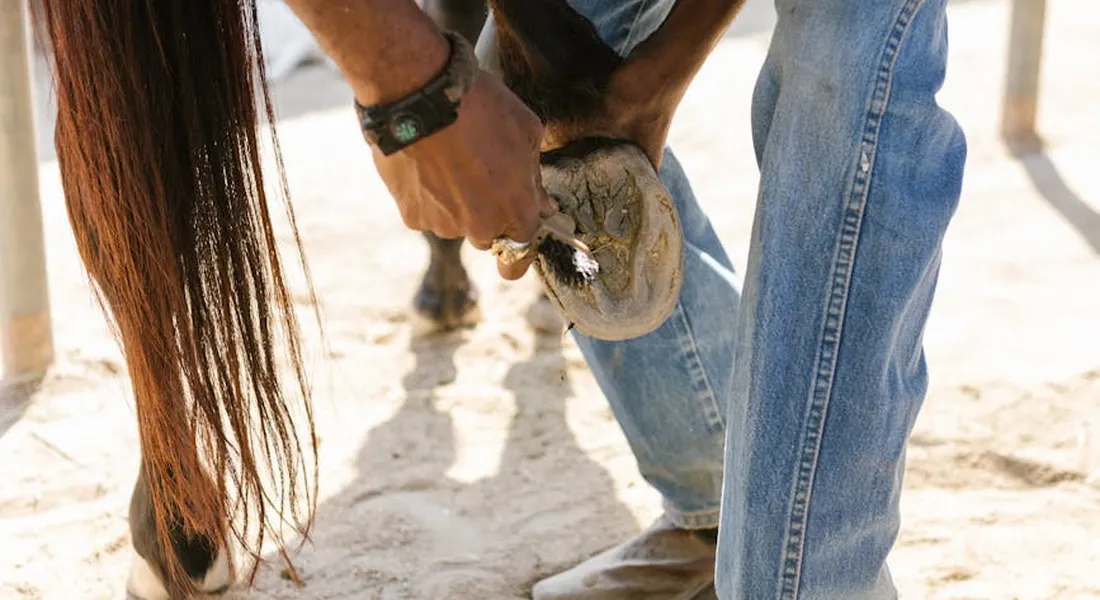
Your primary vet is your first call for shots and sniffles, much like a family doctor. But horses, like people, sometimes develop tricky problems needing a sharper eye. That’s where board-certified specialists come in. Think of it like your doctor sending you to a cardiologist for a heart issue. Your equine vet might refer you to a vet with years of extra training in one specific body system.
This referral system ensures your horse gets the most advanced care possible for complex health puzzles.
| Specialty | Focus Area | Typical Cases |
|---|---|---|
| Sports Medicine & Rehabilitation | Performance, gait analysis, injury prevention | Subtle lameness, tendon strains, poor conditioning |
| Orthopedic Surgery | Bones, joints, ligaments | Fractures, joint chips, severe osteoarthritis |
| Podiatry | Hoof anatomy and pathology | Laminitis, navicular disease, complex corrective shoeing |
| Internal Medicine (Gastroenterology) | Digestive system | Recurrent colic, gastric ulcers, weight loss |
| Internal Medicine (Cardiology) | Heart and circulatory system | Heart murmurs, irregular rhythms, fainting episodes |
| Internal Medicine (Neurology) | Brain, spinal cord, nerves | Wobbler syndrome, head trauma, unexplained stumbling |
| Ophthalmology | Eyes | Recurrent uveitis, corneal ulcers, vision loss |
| Dentistry | Teeth and oral cavity | Periodontal disease, tooth root abscesses, bit resistance |
| Theriogenology | Reproduction | Infertility, high-risk pregnancy, neonatal care |
Specialists for Movement and Structure
Lameness is a common worry. I’ve walked countless circles watching Rusty, looking for that tell-tale head nod. A sports medicine vet is your go-to for this. They examine the entire animal in motion, often using gait analysis technology. Orthopedic surgeons fix major structural issues, while podiatrists dive deep into hoof mechanics.
Successful treatment often hinges on a three-way partnership between you, the specialist, and your farrier to align medical care with proper hoof support.
Imagine Luna comes up slightly lame after a workout. A sports medicine specialist starts with a physical exam, then might use nerve blocks to isolate the painful area. Diagnostics like radiography or MRI create a map of the problem. I once had a horse with a mysterious shoulder lameness; only a specialist’s ultrasound found a tiny tendon lesion invisible on X-ray.
Specialists for Internal Systems
When trouble hides inside, internal medicine specialists find it. Gastroenterologists tackle gut health, using endoscopy to view the stomach lining for ulcers. Cardiologists listen to heart sounds and use echocardiograms to see valve function. Neurologists assess coordination and reflexes to pinpoint nervous system disorders.
Tools like ultrasound and endoscopy let these vets diagnose conditions like colic or pneumonia quickly, guiding treatment without guesswork.
For a horse showing vague signs like lethargy and mild colic, an internal medicine vet might perform an abdominal ultrasound. This shows gut movement, fluid, and organ texture in real time. It can reveal an impaction or a tumor, deciding the path between medical management and surgery.
Specialists for Eyes, Teeth, and Reproduction
Some experts focus on very specific areas. Ophthalmologists handle eye emergencies-a corneal scratch can become serious fast. Dentists maintain oral health, which directly affects digestion and comfort. Theriogenologists manage the breeding and foaling process from start to finish.
Preventive care from a dental specialist stops minor issues from becoming major sources of pain and systemic infection.
Our pony Pipin taught me this. He started dropping grain and making funny faces while chewing. Our vet sent us to an equine dentist who found sharp hooks lacerating his cheeks. A routine float solved it. Catching it early spared Pipin chronic pain and prevented weight loss. Now his dental check-ups are non-negotiable.
The Vet’s Toolbox: Diagnostic Imaging and Procedures
Back in the day, a vet’s diagnosis relied heavily on sharp eyes and experienced hands. While those are still irreplaceable, modern tools let us see inside the living horse, turning guesswork into precision. These imaging tools are the cornerstone of a targeted, effective treatment plan that gets your horse comfortable and back to work faster. Let’s peek inside the vet’s truck and see what these machines really do.
Radiology (X-rays): The Bone Photo
Think of an X-ray as a detailed black-and-white photo of your horse’s bones and joints. It captures shadows cast by dense tissue. We use it constantly for lameness workups. Is that subtle limp a bone chip in the fetlock? Is Pipin’s occasional head-toss related to a tooth issue? The X-ray tells the tale. For the horse, it’s usually a breeze. They stand still, often with a light sedative for perfect positioning, while a technician steps behind a protective shield for a quick snap. The thud of the machine is often the most dramatic part.
Ultrasound: The Soft Tissue Sonar
If X-rays are great for bones, ultrasound is our window to everything else. A handheld probe glides over the coat with a slick gel, sending sound waves into the body. The returning echoes create a real-time, gray-scale image on a screen. This is how we map tendon fibers, check ligament integrity after a strain, or even watch a fetal heartbeat flutter during a reproductive exam. The experience is non-invasive and often relaxing-just a cool gel and gentle pressure. I’ve held many a horse, like the sensitive Luna, for ultrasounds, and they usually just doze off.
Endoscopy: The Internal Camera
When a problem is hidden deep in the airway or gut, the vet goes exploring. An endoscope is a long, flexible tube with a tiny camera and light on the end. For a respiratory scope, it’s passed up the nostril to view the throat, trachea, and airways. Is there inflammation, mucus, or a rogue polyp causing that cough? For a gastric scope, it’s passed via the nose to the stomach to check for ulcers-a common issue for many performance horses. The procedure is minimally invasive and done with sedation, so the horse feels little beyond the odd sensation of the tube passing. It provides direct, undeniable evidence of what we’re dealing with.
Each of these tools removes the mystery from injury and illness. Seeing a torn tendon on ultrasound dictates a specific rehab protocol. Spotting a joint chip on X-ray informs a surgical plan. This clarity is a direct form of advocacy for your horse, ensuring their treatment is as precise and gentle as possible, avoiding a blanket approach that might miss the mark. It’s the difference between treating a symptom and solving the actual problem.
Building the Herd Health Plan: Prevention, Nutrition, and Owner Partnership
Think of your vet as your co-pilot, but you are the one flying the plane every day. Your daily observations and routines are the bedrock of prevention. I learned this after a chilly morning with Pipin; a slight change in his manure clued me into a potential issue long before any lameness appeared. Your consistent, watchful eye is the first and most critical line of defense in your horse’s healthcare team.
Your Role in Preventive Care: More Than Just Calling the Vet
Preventive care is about rhythm, not reaction. It’s the daily sweep of the stall, the feel of a coat under your hand, and the sound of steady chewing at dinner. I build my barn’s health plan around the seasons, because a horse’s needs shift as predictably as the weather. Here is a simple seasonal framework I follow with Rusty, Luna, and Pipin:
- Spring: Schedule vaccinations and dental check-ups. Watch for laminitis risks as lush grass comes in. I start pulling Luna off the rich pasture for part of the day to manage her sensitivity.
- Summer: Focus on hydration, fly control, and hoof care. Sweat marks on saddles tell me who needs extra electrolytes after a trail ride.
- Fall: Prepare for cooler weather with body condition scoring. Deworming based on fecal egg counts happens here, and I check Pipin’s fuzzy coat for any hidden weight loss.
- Winter: Monitor water intake to prevent colic. Increase roughage for heat, and check for ice in paddocks. Rusty’s hatred of puddles turns into a disdain for icy patches that needs managing.
Tailored Nutrition: From Spry Seniors to Energetic Athletes
Your vet’s nutritional advice should fit your horse like a well-made saddle. A one-size-fits-all grain bucket does not exist. For my herd, the dinner menu varies wildly. Understanding the equine nutrition basics helps you balance forage, energy, and gut health for optimal health and performance. Consulting your vet transforms feeding from guesswork into a precise strategy for health and performance.
Pipin, our savvy senior, gets a soaked pellet with joint supplements and plenty of soft, leafy hay to keep his system moving. Luna, the Thoroughbred, needs controlled energy; her diet is built on premium hay with a small, balanced concentrate to fuel her mind and muscles without fireworks. Good ol’ Rusty thrives on quality pasture and hay alone, with a vitamin supplement to round things out. A vet helps you see that the bulk of every plan must be roughage-their digestive tract is designed for near-constant grazing, not two large meals.
Gentle Horsemanship and the Vet’s Eye
Gentle horsemanship starts with a horse that feels well. Discomfort breeds resistance. Regular vet care is the foundation of trust, ensuring pain isn’t mislabeled as stubbornness. A sudden spook or a pinned ear during grooming is often a headline, not a personality trait. Thoughtful grooming touch deepens connection when calm and patient. The way you touch and communicate during grooming matters as much as the act itself.
I use Luna as my barometer. Her sensitive nature means a slight stiffness from a tight saddle pad or a subtle toothache shows up as tension under saddle long before she goes lame. That partnership with my vet means we investigate these behavioral whispers immediately. It turns training sessions into conversations, not corrections. Ensuring ample turnout time is a non-negotiable part of this; a horse with room to move and be a horse is a horse physically and mentally prepared to partner with you.
Choosing Your Equine Veterinary Partner
Selecting the right vet is like choosing a co-pilot for your horse’s health journey. You want someone skilled, communicative, and who shows up when your world is falling apart at 2 AM. Your primary vet relationship is the cornerstone of proactive care, not just crisis management.
From my years in the barn, here’s how I evaluate a potential veterinary partner. I consider three non-negotiables.
- Proximity and Emergency Protocol: Distance matters in an emergency. I aim for a clinic within a 45-minute radius. Always ask, “What is your after-hours procedure?” The clinic I use for Luna has a dedicated emergency line, which saved us during a sudden bout of distress last spring.
- Bedside Manner-For Both of You: A great vet talks to you and your horse. They should explain a diagnosis in plain terms, like comparing a hoof abscess to a splinter under your fingernail. I avoid vets who seem rushed or dismiss my observations about Rusty’s subtle stiffness.
- Specialty Alignment: General practice is fine, but if your horse has specific needs, seek a vet with that focus. My gelding Rusty sees a vet who specializes in senior horse joint care, while Pipin’s vet is a wizard with clever ponies and their dental quirks.
Once you’ve booked an appointment, a little prep turns a chaotic visit into a efficient one. A prepared barn tells your vet you respect their time and prioritize your horse’s comfort. Take a moment to prepare your horse for a safe, calm vet examination. With that readiness, the exam can be quicker and more comfortable for both horse and handler.
My standard prep list, born from frantic experience:
- Have your horse caught, groomed, and waiting in a well-lit, clean stall or aisle. The thud of hooves on a swept concrete floor is far less stressful than on gravel.
- Gather all records: recent shots, deworming dates, and a list of concerns. I keep a binder for each horse.
- Move other horses out of the immediate area to minimize distractions. Luna gets particularly fussy if her buddies are watching.
- Have a lead rope and a capable handler ready. I always hold my own horses-they trust my voice and steady hands.
View your vet as a lifetime partner, not a periodic contractor. Annual wellness exams build a history that helps your vet spot the smallest deviation from normal, often long before a major issue arises. My long-standing vet knew Pipin’s weight was a half-pound off his baseline, which caught a dental problem early. This relationship, built on trust and consistent care, is the ultimate form of gentle horsemanship and advocacy for your horse’s welfare.
FAQ: Equine Veterinary Specialties
What does an equine theriogenologist do?
An equine theriogenologist is a board-certified specialist in reproduction. They manage the entire breeding process, from fertility evaluations and artificial insemination to high-risk pregnancy care and neonatal foal medicine. Their expertise is crucial for solving infertility issues and ensuring the health of both mare and foal throughout gestation and birth.
When should I consider seeing an equine ophthalmologist?
You should consult an equine ophthalmologist for any specialized or persistent eye issue beyond simple irritation. They diagnose and treat serious conditions like corneal ulcers, recurrent uveitis (moon blindness), and cataracts using specialized equipment. Their focused skill is vital for preserving vision and managing painful ocular diseases that require precise, long-term treatment.
How is an equine podiatrist different from my farrier?
An equine podiatrist is a veterinarian who specializes in the medical and surgical conditions of the hoof, such as laminitis, navicular disease, and deep infections. Your farrier is a skilled craftsman who provides routine hoof care and applies shoes based on veterinary and podiatric diagnoses. They work best as a team, with the podiatrist diagnosing the pathology and the farrier executing the prescribed therapeutic shoeing.
Final Thoughts from the Stable
Equine veterinary medicine covers everything from annual shots to specialized care for lameness or colic. Building a relationship with a vet you trust, before you have an emergency, is the single most important thing you can do for your horse’s long-term health, as it supports all aspects of their care.
Good horsemanship means using your vet as a partner and trusting your own daily observations of your horse. The most critical diagnostic tool is often your own intuition, honed by quiet hours spent noticing what ‘normal’ looks like for your friend. A brief daily signs check can translate those observations into action. A concise guide on signs of a healthy horse can support your routine in the next steps.
Further Reading & Sources
- What Is Equine Medicine? | Ross Vet
- American Association of Equine Practitioners – Raising the Standard in Horse Health
- Equine Medicine | Cornell University College of Veterinary Medicine
- Equine Veterinary Journal | BEVA Journal | Wiley Online Library
At Horse and Hay, we are passionate about providing expert guidance on all aspects of horse care, from nutrition to wellness. Our team of equine specialists and veterinarians offer trusted advice on the best foods, supplements, and practices to keep your horse healthy and thriving. Whether you're a seasoned rider or new to equine care, we provide valuable insights into feeding, grooming, and overall well-being to ensure your horse lives its happiest, healthiest life.
Health