
Common Equine Health Problems: A Proactive Guide to Prevention
Hello from the barn aisle. You’re watching your horse a little closer lately, maybe noticing a slight head bob or a change in manure. That nagging worry about their health is real, and so is the stress of unexpected vet bills and lost riding time.
Good horsemanship means learning to spot the early whispers of trouble. This guide will walk you through the most frequent health issues we face at the stable and, more importantly, how to stop them before they start. We’ll cover lameness and joint care, colic prevention, common skin conditions, foundational hoof ailments, and respiratory risks in the stable.
For over fifteen years managing barns and training everything from steady Quarter Horses like Rusty to sensitive Thoroughbreds like Luna, I’ve learned that prevention always beats the cure.
Start with a Healthy Baseline: Know What Normal Looks Like
Preventing health problems starts long before a crisis; it begins with knowing your horse’s unique version of normal. The most powerful tool in your barn isn’t a fancy supplement-it’s your own daily, observant presence. I learned this with Luna, whose high-strung “normal” involves a lot of pacing; if she were suddenly still and dull, that would be my red flag. Your goal is to become so familiar with your horse’s routines and quirks that the slightest deviation rings an alarm bell.
Make these five quick checks part of your morning ritual when you first say hello. Look for bright, curious eyes and a general demeanor that fits your horse’s personality. Notice if the hay from last night is gone. Glance at the manure pile for normal, formed balls. Run a hand over the coat for a smooth, lying-flat feel. Catching a subtle change in appetite or attitude today can prevent a vet bill tomorrow. I keep a simple notebook on the feed room wall-just a few lines per horse on feed, mood, and any oddities-and over time, it reveals patterns no single day ever could.
The Daily Once-Over
This is a two-minute check you can do during grooming. Always announce yourself when entering a stall, especially if the horse is dozing. Start by listening: press your ear to their barrel just behind the last rib. You should hear steady gurgles and pops like a slow, bubbling creek. Run your hands down all four legs, feeling for unusual heat or swelling. Lift the lips to check gums (they should be salmon pink) and peek at the teeth for trapped hay. Look for clear, bright eyes and clean nostrils without discharge. Your hands are your best diagnostic tools for detecting the first whisper of inflammation or injury. It’s part of a head-to-tail health check.
Establishing Your Horse’s “Normal”
Take these readings when your horse is truly at rest, not after work or when excited. For pulse, feel the artery under the jawbone or inside the front leg. Count the beats for 15 seconds and multiply by four. Respiration is easiest to watch by the flank movement; one inhale and exhale counts as one breath. For temperature, use a lubricated digital thermometer and hold it gently in the rectum for about a minute. Knowing your horse’s personal baselines is far more valuable than just memorizing textbook averages. For a practical, step-by-step take your horses vital signs guide, refer to the next steps. It walks you through each measurement in order so you can track changes over time.
| Vital Sign | Healthy Adult Range | Your Horse’s Baseline |
|---|---|---|
| Resting Pulse | 28-44 beats per minute | ______ bpm |
| Resting Respiration | 8-16 breaths per minute | ______ breaths/min |
| Temperature | 99-101°F (37.2-38.3°C) | ______ °F |
Taming the Tummy Troubles: Colic and Gastric Ulcers
Gut issues are the bane of a barn manager’s existence, but their roots are often in our management. Colic often stems from a digestive system shocked by a sudden change, be it new hay, a missed watering, or stalled inactivity. Gastric ulcers, meanwhile, fester from a different kind of stress: empty stomachs, high-concentrate diets, and the pressures of training and travel. Many behavioral issues, like grumpiness during girthing or a lackluster coat, can be traced back to gastric discomfort we can’t see.
Colic: The Emergency Every Owner Fears
The signs can be dramatic or deceptively mild. Classic indicators include persistent pawing, repeatedly looking at the flank, lying down and getting up, trying to roll, and a lack of gut sounds. If you see any of these, stop feeding, prevent rolling (which can twist the gut), and call your vet immediately. Time is tissue in a colic case; never adopt a “wait-and-see” approach. Your prevention plan is daily and straightforward: ensure fresh, unfrozen water is always available, mimic grazing with slow-feed hay nets or multiple small meals, and prioritize turnout for movement. A moving horse is a digesting horse. Be vigilant and know the early signs of illness or injury in your horse.
Gastric Ulcers: The Silent Agony
These are rampant in performance horses but don’t spare the happy hacker. The horse’s stomach continuously produces acid, and without the buffering effect of forage, that acid splashes onto the unprotected upper lining. Risk factors include high-grain/low-forage diets, stressful training, frequent travel, and prolonged stall confinement. Prevention means keeping the digestive conveyor belt moving with forage, which is why I am fanatical about maximizing pasture time. Use slow-feed hay nets to make meals last, reduce grain where possible by substituting with fat sources like rice bran, and work with your vet to minimize reliance on NSAIDs like Bute.
Dental Care: The First Step to Digestion
All the best feed is useless if your horse can’t chew it properly. A yearly float by an equine dentist or vet is non-negotiable. Horses’ teeth erupt continuously, developing sharp points and hooks that lacerate cheeks and tongue. Watch for quidding (dropping half-chewed wads of hay), weight loss despite good appetite, foul breath, or head-tossing while eating. These sharp points don’t just cause mouth pain; they lead to improperly chewed food, which can contribute to choke, colic, and poor nutrient absorption. Good digestion starts with a comfortable mouth.
Foundation First: Hoof Care and Lameness Prevention
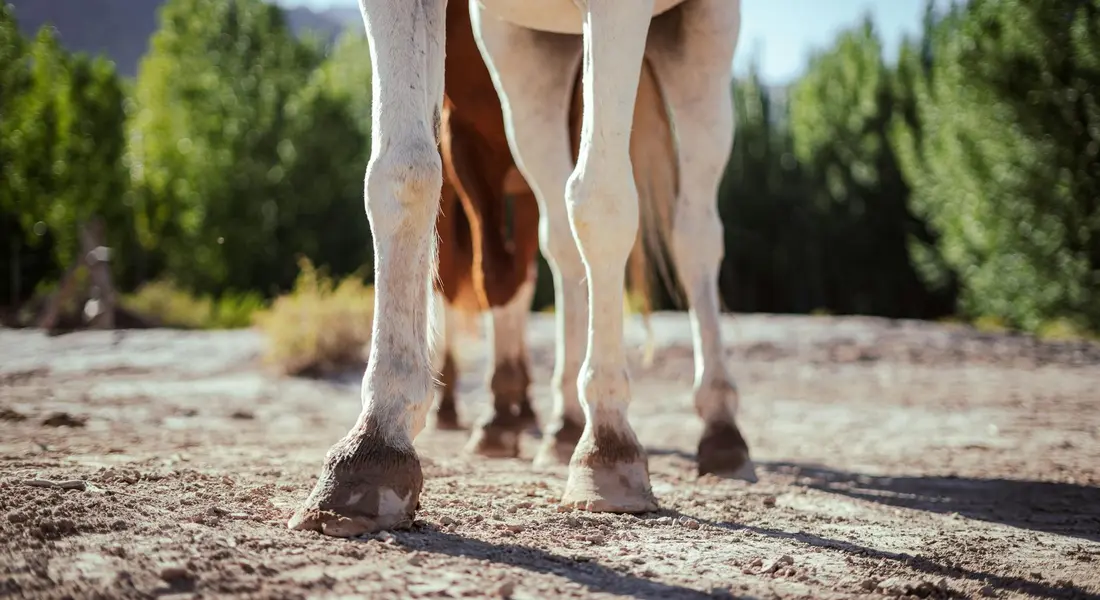
Think of your horse’s hooves as the foundation of a house. A crack in the foundation affects everything above it. Consistent, mindful hoof care is the single most effective daily habit for preventing lameness and keeping your horse sound for the long trail ahead. Most issues, from thrush to laminitis, give you early warning signs if you know where to look.
Your daily hoof-picking ritual is a diagnostic check, not just a chore. Merge prevention into a seamless routine: pick feet clean, feel for heat or odd pulses, note any unusual smell or discharge, and ensure your farrier visits every 5-8 weeks without fail. This consistent attention builds a health baseline you’ll notice immediately if it changes.
Hoof Health: More Than Just Picking Feet
There’s a right way to pick a hoof. Stand at the shoulder facing the rear, run your hand down the tendon, and squeeze the fetlock to ask for the foot. Hold the hoof securely with one hand and pick from heel to toe with the other, clearing the crevices of the frog and collateral grooves. This is your inspection time.
- Look for pebbles, nails, or cracks in the hoof wall.
- Smell for the pungent, black gunk of thrush.
- Feel the hoof wall for unusual warmth compared to the other hooves.
Your farrier is your primary prevention partner, not just a nail-bender. A regular trimming schedule maintains proper hoof angle and balance, preventing strains that lead to conditions like ringbone. For shod horses, resetting shoes on time prevents loosening and lost shoes that can cause bruising or tendon stress.
Laminitis and Founder: Preventing a Crisis
Laminitis is a terrifying inflammatory event within the hoof. I’ve seen it spring from seemingly innocent sources: a bucket of grain left unsecured, a lush spring pasture, or an overweight pony like Pipin sneaking extra hay. The triggers often involve a sugar or starch overload, which is why obese horses and those with metabolic issues are at high risk.
Prevention is a management mindset, not a mystery. For at-risk horses, use a grazing muzzle during peak grass growth, soak hay to leach out sugars, and maintain a lean body condition score. Have your vet test for Insulin Resistance if you notice fat pads on the neck, shoulders, or tailhead. It’s far easier to manage diet than to treat a foundered hoof.
Joint Issues: Arthritis and Ringbone
Joint wear isn’t just for old campaigners. I’ve seen early stiffness in younger horses from poor conformation or inconsistent work. The signs are subtle at first: a slight hesitation leaving the stall, a shorter stride on one side, or a faint puffiness around a pastern or fetlock.
- Maintain a healthy weight to reduce mechanical stress on joints.
- Provide consistent, low-impact exercise like daily turnout and walking to keep synovial fluid moving.
- Discuss a preventative joint supplement regimen with your vet before you see obvious lameness.
Motion is lotion for a horse’s joints; consistent, gentle movement is the best preventive medicine you can offer. A horse standing in a stall 23 hours a day will stiffen up far faster than one with daily movement, even if it’s just meandering in a paddock.
The Internal Balance: Metabolic and Endocrine Disorders
These conditions are masters of disguise, often masquerading as simple weight gain or “slowing down with age.” Equine Metabolic Syndrome (EMS) and Pituitary Pars Intermedia Dysfunction (PPID, or Cushing’s) are different but often overlap, with both increasing the risk of laminitis. The cornerstone of managing both is lifestyle, long before medication becomes necessary.
Think of management as adjusting your horse’s entire world to support their internal chemistry. This isn’t about a quick fix but a sustainable, daily approach to diet, exercise, and observation that keeps them stable and comfortable.
Equine Metabolic Syndrome (EMS) and Obesity
EMS is essentially a pre-diabetic state linked to obesity. The horse becomes insulin resistant, meaning its body can’t properly process sugars from grass or grain. You’ll see telltale fat deposits-a cresty neck, lumpy shoulders, and fat around the tailhead.
- Restrict access to lush, sugary pasture. Use a dry lot or a grazing muzzle.
- Soak hay for 60 minutes in hot water to reduce soluble carbohydrates.
- Increase daily exercise, even if it’s just hand-walking or lunging.
- Use a weight tape every month to track trends, not guess by eye.
For an EMS-prone horse, a single spring day on rich grass can be as dangerous as a bucket of grain. I manage Rusty’s access carefully; his sturdy Quarter Horse build wants to store every calorie.
Cushing’s Disease (PPID)
PPID is a hormonal disorder common in older horses, typically over 15. It’s caused by a benign tumor in the pituitary gland. The signs can be quirky: a long, curly coat that doesn’t shed, excessive drinking and urinating, loss of topline muscle, and a dull demeanor.
The biggest threat with PPID is its link to recurrent laminitis and a suppressed immune system. Management involves a multi-pronged approach. Regular vet checks for diagnosis and prescription medication (Prascend) are vital. Beyond pills, these horses need meticulous hoof care, frequent dental checks for infections, and help regulating their body temperature in extreme weather.
- Schedule senior wellness bloodwork at least annually.
- Provide shelter from heat and cold, as their thermostat is broken.
- Be extra vigilant for any small wound or infection, as healing can be slower.
Surface and Breath: Skin Conditions and Respiratory Health

Your horse’s daily environment is the front line for preventing a host of common issues. A damp stall or a dusty barn aisle isn’t just an annoyance-it’s an invitation for trouble on the skin and in the lungs. The twin pillars of prevention here are a clean, dry standing surface and fresh, moving air, which are far more powerful than any medicated shampoo or cough syrup you’ll find after the fact. I’ve spent too many winter evenings treating preventable ailments that a better management routine could have stopped.
Skin Deep: Pastern Dermatitis and Rain Rot
Often called “mud fever” or “scratches,” pastern dermatitis, and its cousin rain rot, are bacterial parties thrown by moisture and skin compromise. Constant wetness from mud or soggy bedding softens the skin’s defenses, letting bacteria in. Friction from tall, muddy grass or bedding creates micro-abrasions, giving those bacteria a perfect entry point to set up shop. I keep a close eye on Rusty’s white socks, as that sorrel coat loves to hide early red flags.
Prevention is a battle fought with consistency, not heroics:
- Keep legs dry. This is non-negotiable. For horses turned out in wet conditions, consider breathable, waterproof turnout boots or applying a thin barrier of petroleum jelly to clean, dry pasterns.
- Groom thoroughly every day. Run your hands down the legs to feel for scabs, not just look. Brush away dirt and mud to let the skin breathe.
- Manage your paddock. Rotate horses to prevent muddy bogs around gates and feeders. Adding gravel or wood chips to high-traffic areas can be a game-changer.
- Don’t over-wash. Hosing legs daily strips natural oils. When you do wash, dry them completely with a towel-don’t just let them air dry.
Breathing Easy: Preventing Respiratory Issues
A horse’s respiratory system is remarkably delicate, and the modern stable is full of irritants. Dust from hay, mold spores, and ammonia from urine in bedding are the usual suspects. You can hear the problem before you see it: a soft cough as your horse takes the first bite of dry hay, or a quiet wheeze when you trot off on a dusty trail. Understanding these common causes points to practical solutions for keeping a horse cough-free. From better ventilation to careful forage handling, addressing them can reduce coughing. With a sensitive soul like Luna in my care, I treat air quality with the same seriousness as feed quality.
Your goal is to minimize what they inhale. Here’s your action plan:
- Soak or steam your hay. This is the single best thing you can do to reduce dust and spore inhalation. A 10-15 minute soak binds the particles.
- Prioritize stable ventilation. Open windows and doors, use fans (safely caged), and ensure there’s a clear airflow path. Stuffy air is unhealthy air.
- Keep bedding clean and deep. Ammonia fumes from wet stalls are brutal on airways. Pick stalls diligently and add fresh, absorbent bedding.
- Vaccinate. Work with your vet on a core respiratory vaccine schedule, typically including influenza and strangles (a risk-based vaccine). This builds a firewall against contagious diseases.
Proactive Protection: Vaccinations and Parasite Control
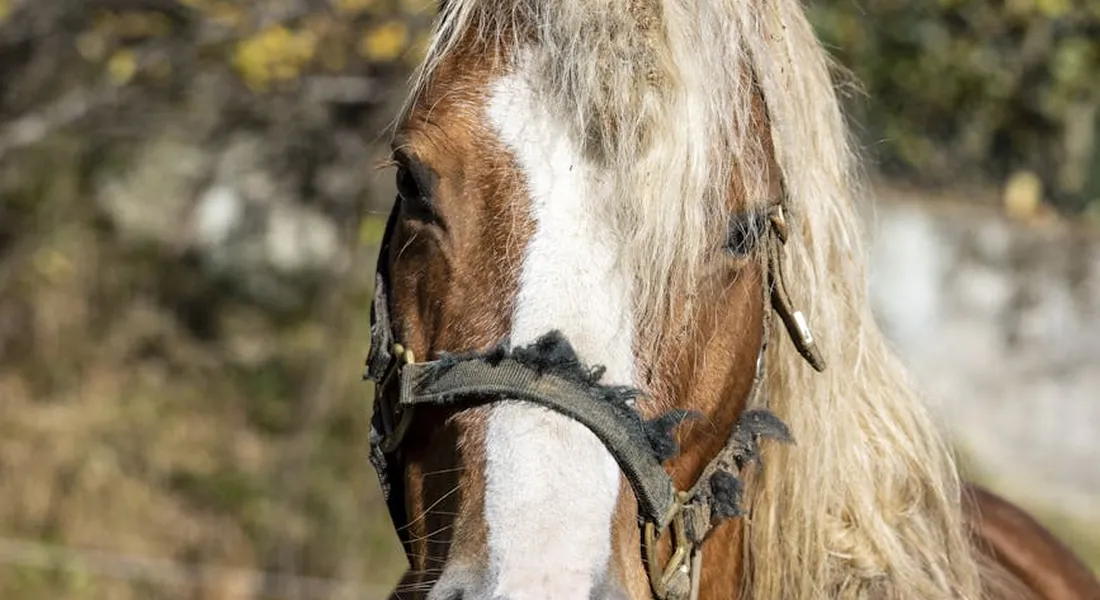
This isn’t optional paperwork; it’s the shield that protects your horse from invisible threats. Thinking of skipping vaccines or deworming because your horse “looks fine” is like canceling your home insurance because your house hasn’t burned down yet. A proactive schedule, tailored to your horse and your region, is the bedrock of responsible ownership.
Vaccinations: Building Immunity
Vaccines introduce a harmless version of a disease so your horse’s immune system can learn to fight the real thing. Core vaccines protect against severe, widespread diseases. Your veterinarian is your partner in designing an annual schedule, but core protection typically includes Tetanus, Eastern/Western Equine Encephalomyelitis, West Nile Virus, and Rabies – ensuring your horse is covered year-round. Risk-based vaccines, like those for Strangles or Potomac Horse Fever, depend on your location and travel plans.
- Tetanus: A fatal nervous system disease caused by bacteria in soil. Any wound can be a source.
- Mosquito-Borne Diseases (EEE/WEE, West Nile): Transmitted by bugs, these cause severe brain inflammation.
- Rabies: Always fatal. Protects both your horse and the humans who handle it.
Parasite Control: Beyond the Paste
The old “deworm every horse every two months” strategy is not only outdated but dangerous, as it has created super-resistant parasite strains. The modern approach is strategic, using fecal egg counts (FECs) to identify which horses are high shedders and need targeted treatment, rather than blanketing the entire herd. Regular FEC testing guides when to treat and which horses to target. It also helps monitor progress and slow resistance over time. My cheeky pony Pipin, for instance, seems to have a cast-iron gut and typically tests low, so his deworming schedule is very light.
Effective, responsible parasite control involves multiple tactics:
- Perform Fecal Egg Counts. This simple test, done 1-2 times a year, tells you your horse’s parasite load and guides treatment.
- Rotate dewormer classes strategically. Use only the drug your vet recommends based on the FEC, and rotate chemical classes to slow resistance.
- Practice aggressive pasture management. Picking manure from paddocks at least twice a week breaks the parasite life cycle more effectively than frequent deworming.
- Cross-graze pastures. If possible, rotate horses with sheep or cattle, as their parasites are not host-specific and will die off.
Frequently Asked Questions: What Are the Most Common Equine Health Problems and How to Prevent Them?
What vaccinations are essential for maintaining equine health?
Core vaccines protect against life-threatening diseases like tetanus, Eastern/Western equine encephalomyelitis, West Nile virus, and rabies. Your veterinarian will recommend risk-based vaccinations, such as for influenza or strangles, based on your horse’s exposure and travel. Maintaining an annual schedule tailored to your region is fundamental for prevention. Understanding common horse vaccination and deworming schedules helps you coordinate care with your veterinarian. This knowledge supports year-round protection and effective parasite control.
How can parasites be effectively controlled in horses?
Modern control relies on strategic deworming guided by fecal egg counts (FECs) to identify and treat high-shedding individuals. Excellent pasture management, including regular manure removal and rotational grazing, is crucial to breaking the parasite lifecycle. Rotating dewormer drug classes based on veterinary advice helps combat dangerous parasite resistance.
How is equine metabolic syndrome managed and prevented?
Management focuses on strict dietary control, including restricting access to sugary pasture and soaking hay to reduce non-structural carbohydrates. Regular, consistent exercise is vital to improve insulin sensitivity and maintain a lean body condition. Proactive monitoring for fat deposits and working with your vet for early testing are key to prevention.
Steady Habits for Sound Horses
Routine care like quality forage, regular exercise, and proactive vet checks forms your first line of defense against colic, lameness, and other ailments. Building a consistent daily routine where you note the small details-how much water they drank, the look in their eye-is what turns you from an owner into a true caregiver.
Horse care is a practice in patience, where safety and kindness always trump shortcuts. Your most important tool isn’t in your tack trunk; it’s your willingness to watch, wait, and understand the quiet messages your horse sends every day. Doing this properly means learning how to care for a horse as a pet, not merely as a ride. That commitment—grooming, feeding, daily routines, and steady training—nurtures trust and well-being.
Further Reading & Sources
- Equine Disease | Animal and Plant Health Inspection Service
- Equine wellness: An ounce of prevention is worth a pound of cure | Cornell University College of Veterinary Medicine
- The Most Common Health Problems in Horses | Albany Vets
- National Equine Health Plan | Equine Disease Communication Center
At Horse and Hay, we are passionate about providing expert guidance on all aspects of horse care, from nutrition to wellness. Our team of equine specialists and veterinarians offer trusted advice on the best foods, supplements, and practices to keep your horse healthy and thriving. Whether you're a seasoned rider or new to equine care, we provide valuable insights into feeding, grooming, and overall well-being to ensure your horse lives its happiest, healthiest life.
Health