
Horse Property and Pasture Management: Building a Foundation for Equine Health and Happiness
Published on: January 3, 2026 | Last Updated: January 3, 2026
Written By: Henry Wellington
Hello fellow equestrians! Are you watching your horse pick through sparse, muddy ground, already dreading the next farrier or vet bill for a pasture-related injury? That worry is a sign you care, and it’s a common stress when land isn’t managed for equine well-being.
This guide will turn that anxiety into action. I’ll explain what makes property truly horse-ready and give you the hands-on steps to manage it. We’ll cover:
- The key components that transform simple acreage into safe, functional horse property
- Pasture rotation plans to stop overgrazing and encourage lush growth
- How to read your soil and grass health like a stable-side detective
- Selecting fencing and organizing space to prevent accidents and encourage movement
I’ve spent years as a barn manager and trainer, fixing poorly planned paddocks and nurturing pastures back to life, so you’re getting advice worn in by boot leather and proven by healthy horses.
What Makes a Property a “Horse Property”?
A horse property isn’t just a few acres with a barn slapped on it. It’s land intentionally designed and managed for the daily life, safety, and well-being of horses. The difference is in the details-and the design intent.
Non-negotiable elements transform raw land into a true home for your herd.
- Safe Fencing: This is your primary safety barrier, not just a boundary.
- Reliable Shelter: Horses need protection from sun, wind, and rain, 24/7.
- Clean Water Access: A constant, fresh supply is non-negotiable for health.
- Secure Storage: Feed must be kept dry and rodent-free, and tack safe from the elements.
I learned about design intent the hard way with Pipin, our Shetland escape artist. We moved to a new place with existing fencing, and within hours, he was methodically testing every post, rail, and gate latch. His clever persistence proved that a property isn’t “horse-safe” until a curious, food-motivated pony says it is.
Essential Infrastructure for Safety and Turnout
Your fencing choice directly dictates how much peaceful turnout your horse gets. Nervous owners with unsafe fences keep horses stalled, but confident owners with secure perimeters can let them be horses. Considering the best types of fencing for horses and their pros and cons can help you decide what’s right for your setup. That choice influences safety, maintenance, and turnout satisfaction.
Compare common types with maintenance in mind:
- Wood: Classic and strong, but requires regular checking for splinters, loose boards, and rot.
- Vinyl: Low maintenance and highly visible, but can become brittle in extreme cold and is a bigger upfront investment.
- Electric Tape: Excellent for creating safe boundaries and teaching respect, but needs consistent power checks and tape tightening.
Shelter doesn’t need to be fancy. A three-sided run-in shed, positioned with its back to the prevailing wind, is perfect. Even a thick line of trees can serve as a crucial windbreak, letting your horse choose their comfort level.
Water is where diligence pays off. Automatic waterers are convenient but must be checked daily for malfunctions. I prefer large, rubber tanks I can scrub out myself.
- Empty the tank completely every day.
- Scrub the sides and bottom with a stiff brush to dislodge algae and slime.
- Rinse thoroughly before refilling with fresh, cool water.
That simple routine prevents biofilm buildup and encourages drinking, which is vital in summer heat.
Why Pasture Management is the Bedrock of Equine Health
Think of your pasture as your horse’s primary dinner plate and gym. Poor management here leads directly to the vet bills we all dread: laminitis from too-rich grass, obesity from unlimited calories, or colic from abrupt changes in forage quality.
Horses are designed to walk and graze for up to 18 hours a day. A well-managed pasture supports this natural behavior, reducing stress on both their mind and their digestive tract. Creating an enriching environment is essential for their well-being.
My thoroughbred, Luna, has a sensitive gut that acts as a perfect barometer for forage consistency. The spring flush of grass used to send her into a whirl of loose manure and anxiety. By slowly introducing her to new growth and using a grazing muzzle, I mimic the slow, steady grazing her system needs, preventing digestive upset before it starts.
Understanding Pasture Grasses and Forage Value
Not all grass is created equal. Knowing what’s in your field helps you balance your horse’s diet.
- Cool-season grasses like Timothy and Orchardgrass: Provide good fiber and are generally palatable, but can become sugar-rich in cool, sunny weather.
- Warm-season grasses like Bermuda and Bahia: Tougher stems, lower in sugars, and better for easy keepers, but may lack protein in poor soil.
- Legumes like Alfalfa and Clover: Protein-packed and nutritious, but too much rich clover can cause bloating; always mix with grasses.
Toxic plants are silent threats. You must become a botanical detective.
- Walk your entire pasture every week, especially after rains or disturbances.
- Look for invaders like ragwort, yellow star thistle, or wilted red maple leaves.
- Dig out offenders by the root or use a targeted, horse-safe herbicide.
Your hay shed is an extension of your pasture. Storing bales off the ground on pallets and under a waterproof tarp preserves those crucial nutrients for winter, making your pasture management pay off year-round.
Setting Up for Success: Fencing, Layout, and Water Systems
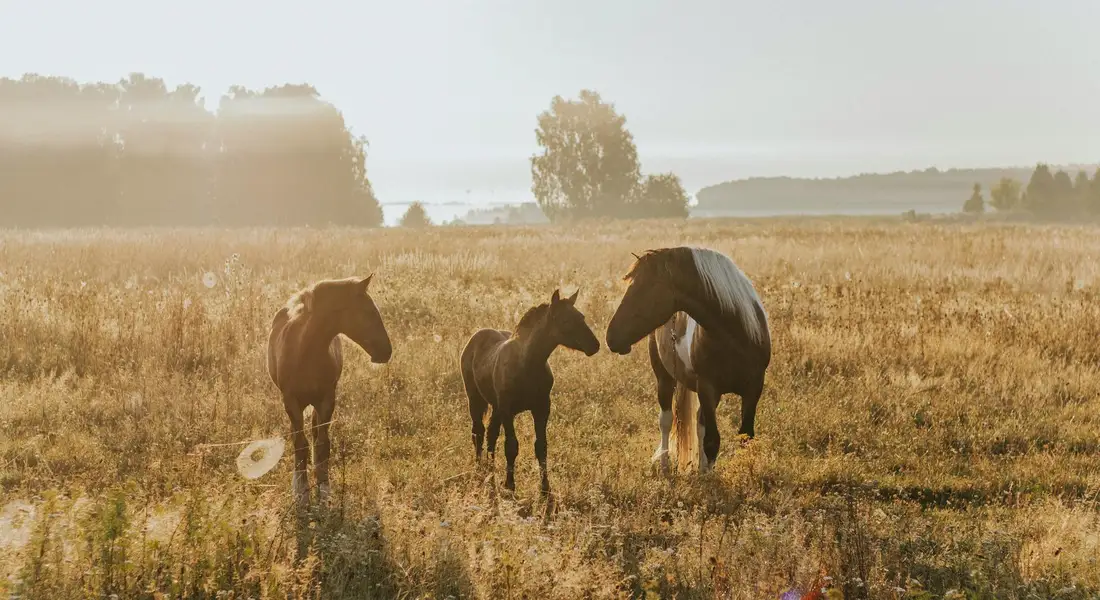
Good property management starts with smart infrastructure. Think of it as building a safe, comfortable home where your horses can thrive. The single best change I ever made at my barn was installing cross-fencing to divide our big field into smaller paddocks. This isn’t just about creating more spaces; it’s the foundational move for everything that follows, especially pasture rotation. Smaller areas let you control grazing, rest the land, and manage manure effectively. It turns a passive field into an active tool for horse health.
Water is the silent partner in this setup. A reliable, clean source in every paddock is non-negotiable. I learned this the hard way when a single trough froze in winter, and Luna’s anxiety spiked because she had to wait her turn at the one working waterer. Plan for automatic waterers or multiple troughs from the start, as consistent hydration prevents colic and keeps the herd calm.
Choosing and Maintaining Equine Fencing
The right fence is a peace-of-mind investment. After trying various types, I lean towards tightly strung, high-tensile electric tape or sturdy wooden boards. They’re visible, give when bumped, and send a clear message. Pipin, our clever escape artist, taught me that a weak electrical charge is just an invitation for mischief. Here’s how to get it right from the ground up.
- Set your corner and gate posts deep, using concrete for stability. These are the anchors for your entire fence line.
- Space line posts evenly, typically 8 to 12 feet apart, sinking them at least a third of their length into the ground.
- Attach your chosen rails, boards, or tape insulators securely. For electric, ensure all connections are weatherproof and tight.
- String your wire or tape with consistent tension, avoiding sagging. A taut fence is a safe, effective one.
- Connect to a powerful, grounded energizer and test the voltage along the entire line before introducing any horse.
Installation is just the beginning. Fences need a watchful eye. Every Saturday morning with my coffee, I do a slow walk of the perimeter. This weekly check is a ritual that has caught everything from a loose post kicked by Rusty to chewed boards from bored ponies. Make it a habit with this quick list:
- Look for loose, leaning, or rotting posts.
- Inspect for broken boards, sagging rails, or frayed tape.
- Test the electrical charge with a fence tester-aim for at least 3,000 volts.
- Clear vegetation that might short out an electric line.
- Check gate latches and hinges for smooth operation.
Creating a Functional Grazing Layout
Paddock design is where practicality meets horse psychology. Long, narrow lanes encourage running, while square or rectangular shapes promote calmer, more even grazing. Size depends on your herd, but a good rule is to allow at least 600 square feet per horse in a dry lot, and much more for pasture. Always position gates for easy flow-you don’t want to be maneuvering a feed cart or a nervous horse through a tight corner.
Think about your own movement, too. Place gates so you can access every paddock with a tractor or wheelbarrow for manure removal. I designed our layout so all paddocks funnel toward a central alleyway, making daily mucking a straight-line task instead of a puzzle. A layout that simplifies your chores means they get done consistently, which is the bedrock of good pasture hygiene.
Drainage is dictated by your land’s shape and your layout choices. A slight slope is ideal to prevent muddy bogs where horses stand at the gate. Use the natural lay of the land to your advantage, and consider adding gravel or sand in high-traffic areas. How you arrange paddocks directly impacts manure management. Cluster them around a central composting area to minimize hauling distance. A well-planned property turns maintenance from a chore into a seamless routine, giving your horses more time for the important things-like grazing and relaxation.
The Grazing Game Plan: Rotation, Stocking, and Forage Control
Managing your pasture isn’t a passive job where you just open the gate and hope for the best. It’s an active, daily strategy to keep your grass growing and your horses from turning their lunch into a dirt lot. Think of it as being the conductor of a grassy orchestra, where timing and rotation create harmony instead of mud.
Your primary tools are understanding stocking rate-how many horses your land can realistically support-and pasture rotation, which is simply moving them between different paddocks to let the grass recover. Overgrazing happens when horses are left on the same patch too long, eating the grass down to the roots so it can’t come back. I’ve seen it turn a lush field into a bald, weedy patch in a single season.
Implementing a Pasture Rotation Schedule
A good rotation schedule protects your investment in the land and your horse’s health. It’s the single best thing you can do for your pasture. Here is a straightforward plan to follow. That means considering an ideal pasture rotation schedule to support your horse’s health. This approach helps optimize turnout, forage quality, and rest periods.
- Divide and Conquer. Use permanent or temporary fencing to split larger pastures into smaller paddocks. Even two or three sections make a huge difference. I use inexpensive step-in posts and electric tape to create temporary subdivisions for Luna, who seems to treat stationary grass as a personal insult.
- Follow the Grass Height Rule. Move your horses when the grass gets down to about 3-4 inches. Let the rested paddock regrow to 6-8 inches before grazing it again. This keeps the plants healthy and storing energy in their roots.
- Enforce a Rest Period. A paddock needs 3-4 weeks of rest, sometimes longer in dry spells, to recover fully. This rest period is the secret weapon that also disrupts parasite cycles, breaking the chain of reinfection.
This system promotes even grazing, because horses like Pipin can’t just camp out on the tastiest clover, and it forces the herd to mow the whole area evenly. You’ll see less manure buildup in specific spots and a thicker, more resilient stand of grass over time.
Calculating Your Stocking Rate
This is the math that keeps your pasture from crying uncle. A classic rule of thumb is 1 to 2 acres of good pasture per horse, but that’s just the starting line. So, exactly how much pasture land do you need per horse? Your climate, soil, grass type, and whether you provide supplemental hay all change the equation.
In arid regions or with poor soil, you might need 3 or more acres per horse. Overcrowding is the fastest path to a quagmire of mud, overrun with weeds and parasite larvae, because the grass simply cannot keep up with the demand. I learned this the hard way early on, watching Rusty’s favorite grazing spot turn into a slick, barren pit after a wet winter with too many mouths on it. The guide I read later confirmed it: no amount of care can fix ground that’s simply used beyond its capacity.
Be brutally honest with your calculation. If you have 3 acres and three horses in a humid climate, you are overstocked and must commit to heavy rotational practices and supplemental hay. Your pasture’s health, and your horses’ well-being, depend on this honest assessment. More hooves on less ground is a recipe for constant repair work, especially if you haven’t designed your pasture properly.
Ground Up Care: Soil, Weeds, and Manure
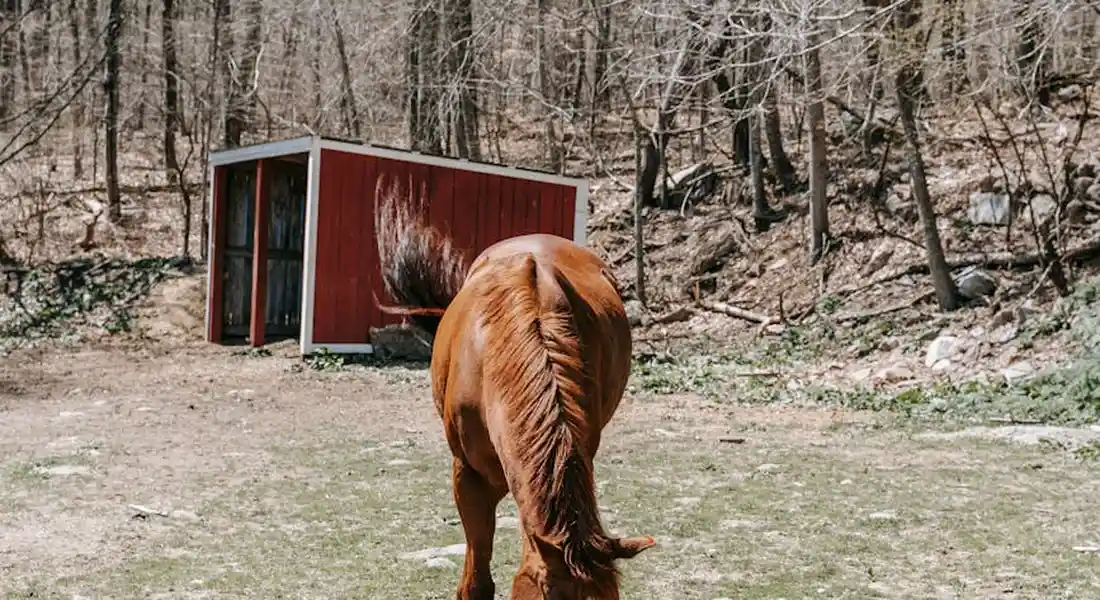
You can feed the best hay and provide the safest fencing, but it all starts with the dirt under your boots. Healthy soil is the quiet, unseen engine of a good pasture; it’s what grows nutritious grass and supports those thudding hooves. Managing your land means looking past the green surface to the complex world beneath it.
Too often, we treat manure removal as a mere chore, something to be endured before we can saddle up. I’ve spent countless afternoons with the wheelbarrow, but I’ve learned to see it differently. Strategic manure management is a direct line to parasite control and a fundamental act of pasture stewardship.
Soil Testing and Amendments
Think of your pasture soil like a giant, slow-digesting horse. It needs the right balance of nutrients to produce quality forage. You wouldn’t feed Luna the same as Pipin, so why guess what your field needs? A soil test is your feed chart for the land.
I test my main grazing areas in early spring, just as things start to green up. Here’s my method:
- Use a clean shovel or soil probe to collect 10-15 samples from across a pasture, taking from the top 4-6 inches.
- Mix all these samples together in a clean plastic bucket.
- Fill the bag provided by your county extension office or agricultural lab with this mixed soil.
The results will tell you two key things: pH and major nutrients like phosphorus and potassium. If your soil is too acidic (low pH), applying lime is like giving it a digestive buffer, making the existing nutrients more available to the grass roots. Fertilizing based on the test is like topping up specific vitamins instead of blindly dumping a bag of grain.
Integrated Weed and Manure Management
Weeds are opportunists, filling in bare spots where your grass is struggling. My first line of defense is always mechanical. Regular mowing, before those seed heads form and dry out, prevents millions of future seeds from hitting the ground. For toxic plants like ragwort or stubborn patches, hand-pulling with gloves is a satisfying, if tedious, task.
Manure management is your silent partner in this fight. A consistent schedule breaks the parasite lifecycle and returns the field to grazing faster. My rule of thumb:
- Small paddocks and high-traffic areas: Pick daily. This is non-negotiable for control.
- Larger rolling fields: Harrow weekly in dry weather to break up piles, or pick a section systematically.
- Composting: Create a designated pile, turn it regularly to generate heat, and in 6-12 months you’ll have gold for your garden or non-grazed areas.
Leaving manure scattered everywhere creates sour, matted spots where grass won’t grow and parasites thrive. Regular removal is the single biggest thing you can do to improve pasture drainage and reduce your deworming dependency. The difference in the springy feel of the turf and the overall health of your herd will prove the effort worthwhile.
Seasonal Routines and Daily Checks for Lasting Pasture Health
Think of pasture care like a slow, steady trail ride-it requires attention to the changing terrain underfoot. A skimmable, yearly plan prevents overwhelm and directly supports hoof health, as consistently wet or parched ground is a leading culprit for cracks, thrush, and soreness. Here’s how to break it down.
Spring and Summer: Growth and Vigilance
The burst of green is a relief after winter, but it demands a watchful eye. Lush spring grass is high in sugars, and unlimited access can quickly lead to founder, a lesson I learned monitoring Luna’s eager grazing. Your seasonal to-do list focuses on control and maintenance.
- Soil Test: Every other spring, test your soil pH and nutrient levels; fertilize only if the results recommend it to avoid runoff.
- Reseed Bare Spots: Scratch up muddy or thin areas and scatter a hardy pasture seed mix to prevent weeds from taking hold.
- Monitor Growth: Mow before grasses seed to encourage leafy, nutritious growth and discourage weeds.
- Fence Patrol: After every storm, walk the line. High winds can loosen posts and drop branches, creating escape routes for clever ponies like Pipin.
Implement a strict grazing schedule. Use a temporary electric fence to create smaller paddocks, rotating horses every few days to let grass recover and prevent hoof-churning mud. This rotation also helps manage the moisture that can soften hooves and make them prone to bruising. During mud season, this practice protects pastures and keeps your horses’ hooves healthier.
Fall and Winter: Preparation and Renovation
This season is about battening down the hatches and setting the stage for next year. Fall renovation is your best chance to thicken your pasture stand, which protects the soil from winter erosion and provides better footing. Your tasks shift from growth to preservation.
- Final Mowing: Cut grass down to about 4 inches to discourage mold and rodent habitat under snow.
- Clear Drainage: Check all ditches and gutters; water should flow away from pastures to prevent icy bogs that wreck hooves.
- Assess Shelters: Ensure run-ins are sound, with no sharp edges or leaking roofs, before the weather turns.
- Plan Renovation: If you have large bare areas, fall is the time for core aeration, overseeding, and perhaps a rest period.
Manage your hay inventory like a precious resource. I keep a simple spreadsheet tracking bales used per week, so I never face a mid-blizzard shortage with Rusty and the herd. When the ground is frozen or soggy, use a sacrifice area or dry lot. Confining horses to a small, resilient space during winter preserves your pasture’s root system and prevents deep, muddy hoof holes that take all spring to heal.
Daily Barn Chores That Support Your Land
These quick tasks are the glue that holds your seasonal plans together. Your daily walk to the field is a critical health check, catching subtle lameness or fence damage in its earliest stages. Make it a non-negotiable part of your routine.
- Check water troughs for leaks, debris, and proper levels-twice a day in summer heat.
- Pick manure from gates, shelters, and high-traffic areas to break parasite cycles and reduce fly populations.
- During turnout and bring-in, visually scan each horse’s posture and movement, and give fence lines a once-over.
This daily habit is your early warning system for everything from leaky tanks to lame horses. It’s how I spotted Luna’s slight favoring of a front foot last month, which traced back to a stone bruise from our hard, summer-dried ground.
Frequently Asked Questions About Horse Property and Pasture Management
What is the difference between general property management and specialized equine property management?
Specialized equine property management focuses exclusively on the unique needs of horses, their facilities, and their land. It involves deep knowledge of safe fencing, rotational grazing, manure management, and pasture health to prevent injury and illness. A general property manager may maintain buildings, but an equine specialist ensures the entire environment supports the biological and behavioral needs of the horse.
How do I choose a good horse property management company, and what should I look for in reviews?
Look for a company with proven experience managing equine facilities, not just residential rentals. Reviews should specifically mention their responsiveness to fencing issues, knowledge of pasture maintenance, and understanding of equine care schedules. Be wary of generic property management reviews and seek out testimonials from horse owners that detail the health and safety of the properties under their care.
What are the key benefits of using a dedicated horse property management service for my rental or farm?
A dedicated service saves you time by handling daily maintenance, emergency repairs, and tenant screening with an equine expert’s perspective. They proactively manage pasture rotation, soil health, and facility upkeep to protect your land’s long-term value and the horses’ well-being. This expertise helps prevent costly problems like overgrazed fields, unsafe fencing, and drainage issues that a standard management company might overlook.
Your Land, Their Legacy
Successful horse property management boils down to controlled grazing and proactive soil health. Consistently rotating your herd to fresh pasture before the grass is stressed is the non-negotiable rule that safeguards your forage and your horses’ well-being, especially when managing foundered horses.
Approach this work with patience and a focus on safe, secure boundaries. The most important tool in your shed is your own observation-your horse’s calm grazing or restless pacing tells you everything about your pasture’s health.
Further Reading & Sources
- Basic Pasture Management for the Equine Owner
- Managing established horse pastures | UMN Extension
- Horse Pasture Management- Basic Land Stewardship …
- Pasture Health & Grazing Management for Horses – [Guide] | Mad Barn
At Horse and Hay, we are passionate about providing expert guidance on all aspects of horse care, from nutrition to wellness. Our team of equine specialists and veterinarians offer trusted advice on the best foods, supplements, and practices to keep your horse healthy and thriving. Whether you're a seasoned rider or new to equine care, we provide valuable insights into feeding, grooming, and overall well-being to ensure your horse lives its happiest, healthiest life.
Stable Management