
How Much Pasture Land Do You Need Per Horse?
Published on: March 1, 2026 | Last Updated: March 1, 2026
Written By: Henry Wellington
Hello fellow equestrians. Are you watching your field turn to dirt or fretting over your horse’s weight and behavior? That nagging worry about nutrition, vet bills, and herd dynamics is a sign you’re a thoughtful owner.
Getting turnout right is more art than spreadsheet. I’ll walk you through the real-world factors I use every day at my barn. We’ll cover: the baseline acreage numbers you can start with, how horse size, pasture quality, and climate change everything, and affordable strategies to keep your grass growing and your horse moving.
My experience managing pastures for everything from sturdy Quarter Horses to finicky Thoroughbreds has taught me that land math is always paired with hands-on observation.
The Basic Rule: How Much Pasture Per Horse?
Let’s start with the numbers everyone tosses around the barn. Forget searching for a single magic number; proper pasture management is a dynamic dance between what your land gives and what your horse takes.
Understanding “Grazing Capacity” and “Stocking Rate”
These two terms are your new best friends. Grazing capacity is the total amount of usable forage your pasture can produce in a year. Stocking rate is how many animals that forage can support sustainably. Think of capacity as the size of your hayloft and rate as how many mouths you can feed from it all season long.
I calculate stocking rate in “Animal Units.” One unit equals a 1,000-pound horse eating about 2% of its body weight daily. My Quarter Horse, Rusty, is roughly one unit. My clever Shetland, Pipin, is about half a unit, but his appetite for mischief is off the charts.
The 1-2 Acre Myth vs. Reality
The old “an acre or two per horse” rule is a dangerous oversimplification. I believed it until I saw a two-acre field reduced to hardpan and weeds by two hungry boarders. That guideline assumes perfect, fertile soil, reliable rainfall, and a horse that only nibbles.
In reality, an acre in lush Kentucky bluegrass can support more than an acre in sandy, dry Texas soil. Your goal isn’t just acreage; it’s consistent, high-quality grass. Start with the 1-2 acre idea as a pencil sketch, then prepare to erase and redraw based on the factors below.
Factors That Drastically Change Your Pasture Math
Now for the details that make your situation unique. Ignoring these is why some pastures thrive and others become expensive dirt lots.
Climate: Your Region’s Rainfall and Growing Season
Climate is the boss. More rain usually means more grass, but only if it falls at the right times. A long growing season lets grass recover quickly from grazing. A short one, like ours with five-month winters, means grass has less time to regrow. In dry climates, you need significantly more land to gather the same nutritional value from sparse, tough grasses.
I plan my grazing rotation around our spring rains and summer dry spells. When the ground gets that baked, hard smell, I know it’s time to pull the horses off and let the land rest.
Soil Quality and What’s Actually Growing
Dig a little deeper-literally. Poor soil grows poor grass. A simple soil test tells you what’s missing. Is your pasture mostly nutritious ryegrass and clover, or is it taken over by stemmy, unpalatable weeds? Lush, green turf can be deceiving if it’s nutritionally empty, like feeding your horse celery all day.
After Rusty started looking ribby on a weedy field, we tested the soil. It was acidic and low in phosphorus. Amending it was a game-changer. Now, the thud of hooves on thick turf is a sound I love to hear.
- Test Your Soil: Contact your local agricultural extension office. It’s inexpensive and tells you exactly what to add.
- Identify Your Grasses: Learn the good plants from the invaders. Healthy pasture is a diverse mix.
- Renovate Regularly: Overseeding and resting paddocks keeps the good stuff growing.
Your Horse’s Size, Appetite, and Lifestyle
This is where personal knowledge of your horse is irreplaceable. A 1,600-pound draft horse isn’t just two of Pipin. Metabolic rates differ wildly. A horse’s job directly impacts how much pasture they need to fuel their body.
My Thoroughbred, Luna, burns calories just thinking about spooking at a leaf. She needs dense, high-quality pasture to maintain her weight. Pipin, however, would balloon into a wooly beach ball on the same acreage. He gets a dry lot with a grazing muzzle and measured turnout. Always tailor space and forage type to the individual, not just the species.
Consider these variables for your own herd:
- Body Weight: Heavier horses simply need more bulk.
- Metabolism: Easy keepers versus hard keepers change everything.
- Workload: A weekend trail horse has different needs than a full-time lesson pony.
- Age: Senior horses may need softer, more digestible grasses.
A Quick Grazing Guide by Horse Size and Breed
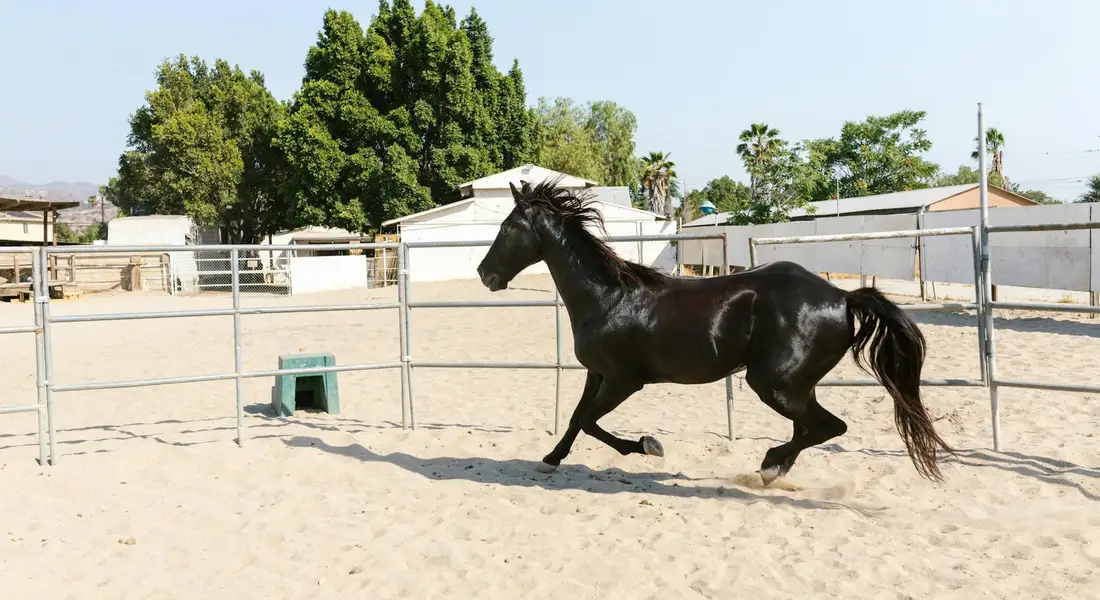
Think of pasture like a buffet table. Some horses are light nibblers, others are hearty eaters, and a few will clean the plate and ask for seconds. Your land needs to match their appetite. I’ve spent years matching horses to paddocks, and it always comes down to body size, metabolism, and that unique personality.
Ponies, Minis, and the Easy Keepers
My Shetland, Pipin, teaches me daily that small size means big management. These compact equines thrive on fewer calories and are champion weight-gainers. Giving them too much lush pasture is like handing a child a candy store key. For ponies and minis, focus on quality, not quantity, to prevent metabolic issues. A well-maintained half-acre to one acre per animal often suffices. Your goal is slow, steady grazing on mixed grasses, not rich monocultures.
I manage Pipin’s waistline with a track system around his paddock’s edge, encouraging movement. He forages for hours without gorging on the greener center. Easy keepers also benefit from sparse, mature grasses lower in sugars. Always use a grazing muzzle if your pasture is too rich, as it allows movement while limiting intake. Regular body condition scoring is your best tool here.
The Average Riding Horse: Quarters, Thoroughbreds, and More
This is where the classic “one to two acres per horse” rule finds its home. But within that range, you must read your horse. My Quarter Horse, Rusty, is a living tractor who maintains weight on air and goodwill. My Thoroughbred, Luna, burns calories just thinking. Rusty does fine on an acre of decent pasture, while Luna might need two acres of higher-quality forage to keep condition. The land must support their energy output.
For mixed herds, calculate for your hardest keeper. If Luna needs two acres, Rusty gets a larger, but less lush, portion. Key signs your pasture is insufficient include hay consumption skyrocketing, weight loss, or increased cribbing. Good pasture for this group should let them eat 1-2% of their body weight in grass over 12-16 hours of turnout. Listen to the rhythmic tear of grass and the contented chewing; that’s the sound of a satisfied horse.
Draft Breeds and Large Warmbloods
Grand size means grand appetites. A draft horse can easily weigh twice what my Quarter Horse does. Simply put, they need more room. Plan for a minimum of two acres per draft horse, and often more, as their sheer weight can compact soil and damage grass quickly. Their grazing is less dainty browsing and more methodical mowing.
Pasture for large breeds must be robust and deeply rooted to withstand their impact. I’ve seen a single draft horse turn a wet corner into a mud hole in a week. Rotate these giants frequently, and consider pairing them with lighter horses to help evenly distribute grazing pressure. Their water needs are also substantial; a single tank might not cut it for a herd.
Beyond Acreage: Mastering Pasture Management
Acres are just the canvas. Management is the art. You can have five acres and ruin them in a season, or manage two acres beautifully for years. It’s about working with the land, not just fencing it off.
Why Rotational Grazing is Non-Negotiable
Letting horses graze one field to dirt is a sure path to weeds, parasites, and poor nutrition. Rotational grazing mimics natural herd movement. By moving horses between smaller paddocks, you give grass time to recover, which breaks parasite cycles and promotes thicker growth. An ideal pasture rotation schedule for horse health guides when to move and how long paddocks should rest. This approach supports consistent forage intake, reduces parasite exposure, and promotes overall well-being. I rotate my trio every one to three weeks, depending on grass height.
Here’s my simple system:
- Divide your total acreage into at least 3-4 smaller paddocks.
- Graze one paddock until the grass is about 3 inches tall-no shorter.
- Move the horses to the next paddock and let the first rest for 3-4 weeks.
- During rest, mow if needed to encourage even growth.
The change in my horses’ coats and hoof health after starting this was proof enough. Rotational grazing turns your land into a sustainable resource, not a sacrifice zone.
Key Maintenance: Mowing, Manure, and Water
Pasture care is less about grand gestures and more about consistent chores. The smell of fresh-cut grass after mowing isn’t just pleasant; it’s functional. Mowing weeds before they seed and evening out rough patches encourages horses to graze evenly instead of spot-picking. Aim to mow rested paddocks every few weeks.
Manure management is critical. Piles left to fester become parasite hotels. I scoop paddocks weekly, and the compost pile becomes garden gold. Managing manure on horse pastures is a core step in parasite control. Good pasture rotation and manure removal work together to reduce worm loads in the herd. Regular manure removal is your first and cheapest defense against worms. Fresh, clean water is the other pillar. A stagnant pond won’t do. Use automatic troughs or clean buckets daily. I’ve seen horses drink less from dirty water, risking colic.
Fencing for Safety and Effective Grazing
Fencing defines your management. It needs to be safe, visible, and sturdy enough to encourage calm grazing, not escape artistry. For interior paddock divisions, I use tightly strung electric tape or braid. It’s affordable, flexible for creating rotation cells, and gives a clear psychological barrier that most horses respect after one investigative touch. For perimeter fences, consider more permanent options like wooden board or non-climb mesh.
The right fence lets you control grazing flow. I once used temporary fencing to create a narrow lane to a new paddock, which moved the herd without a chase. Check fences daily for slack wires, broken posts, or chewed boards-the quiet thud of hooves should be the only excitement in your pasture. Avoid barbed wire at all costs; the scars it leaves aren’t worth the risk.
When Pasture Isn’t Enough: Smart Supplementation
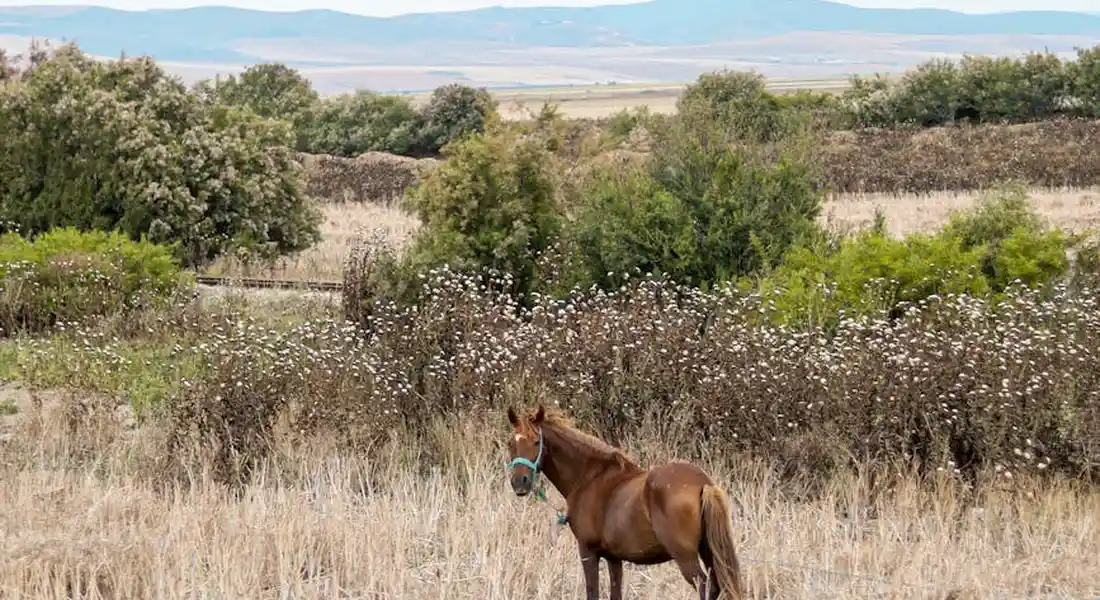
Picture a lush, green field in May, and now picture that same field in August’s heat-browned, short, and crunchy underfoot. Pasture is a seasonal buffet, not a year-round guarantee, and your feeding plan must account for its natural ebbs and flows. I’ve spent many winters watching Rusty stare morosely at frozen ground, his reliance on hay absolute.
Hay vs. Pasture: Balancing the Diet
Think of hay as preserved sunshine. It’s your baseline, the roughage constant that keeps the hindgut fermenting and your horse’s mind content. Pasture is the nutrient-dense bonus on top. The golden rule is that a horse must always consume at least 1.5% of its body weight in roughage daily, whether that comes from pasture, hay, or a mix of both. If hay is your main forage, precise daily amounts matter. Our complete feeding guide on how much hay a horse should eat daily walks you through weight-based targets and adjustments.
You’ll need to become a grass detective. Walk your pasture regularly. When the grass is less than 3-4 inches tall, its nutritional value plummets. That’s your cue to unroll a hay bale in the field or provide hay in a slow-feeder net. For an easy keeper like Pipin, rich spring grass means I pull him off pasture for part of the day and feed him lower-quality, mature grass hay to prevent founder.
The Dry Lot and Track System Solution
A dry lot isn’t a punishment; it’s a vital management tool. It’s a paddock without grass, typically with a gravel base and sand footing. Having a dry lot is like having a dietary pause button for horses who need strict calorie control or are recovering from illness. Luna, my sensitive Thoroughbred, spends her nights on a dry lot with a hay net to manage her weight without depriving her of movement.
For smaller properties, consider a track system around your pasture’s perimeter. This encourages natural movement and foraging behavior without giving unlimited access to rich grass. They walk, they nibble, they socialize over the fence-it’s a brilliant hack for metabolic health.
- Dry Lot Basics: Size should allow for trotting and rolling. Provide constant access to fresh water and a shelter or windbreak. Use slow-feed hay nets to promote trickle feeding.
- Track System Perks: Increases daily steps, reduces boredom, allows for herd interaction, and lets you control grass intake by moving hay stations.
Parasite Management Without Unlimited Land
Unlimited pasture often means unlimited parasite larvae. Smaller acreage, managed well, can be cleaner. The most powerful parasite control tools are a manure fork and a well-timed rotation schedule, not just a paste dewormer. I pick my paddocks every other day without fail. It’s a meditative chore, listening to the thud of manure hitting the cart.
Implement strategic rotational grazing. Divide your space into smaller paddocks and rotate horses every 1-3 weeks. This breaks the parasite life cycle by allowing grass to rest and sunlight to kill larvae. Follow a “graze, mow, rest” cycle for best results.
Calculating Your Horse’s Specific Land Needs
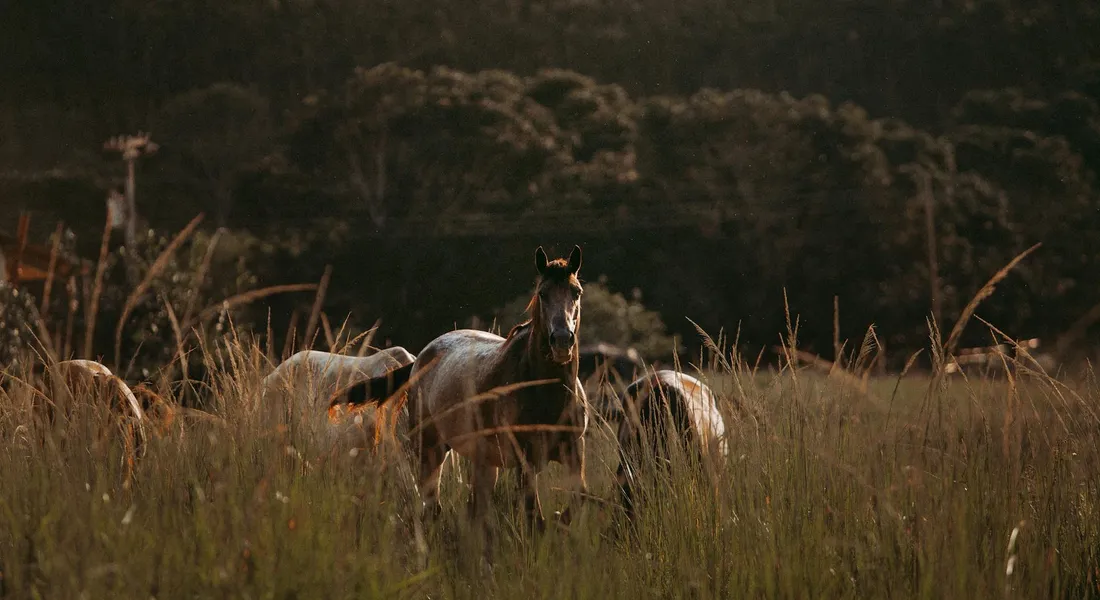
Forget vague rules of thumb. Your land needs depend on your dirt, your climate, and your horse’s metabolism. An accurate calculation starts with the sober acceptance that you are a grass farmer first and a horse owner second. The health of your soil dictates the health of your forage.
A Simple 5-Step Pasture Calculator
Grab a notebook. Walk your property. This is your audit.
- Determine Total Useable Acreage. Subtract space for barns, dry lots, tracks, and buildings. Only grazeable land counts.
- Assess Your Forage Type & Quality. Is it dense, lush bluegrass? Or sparse, native bunch grasses? Lush turf can support more horse per acre.
- Apply the Carrying Capacity Formula. In a good growing climate with managed pasture: 2 acres per 1,000-pound horse is a sustainable start. In arid regions, you may need 5-10 acres or more.
- Factor in the Growing Season. How many months is grass actively growing? If you have 4 months of snow, you need 8 months of hay storage, not more pasture.
- Adjust for Your Horse. A hard-keeping Thoroughbred (Luna) may need richer, more abundant forage than an easy-keeping pony (Pipin) on the same acreage.
When to Call in the Experts
Your local Cooperative Extension agent is a treasure. Call them for a soil test; it’s inexpensive and tells you exactly what minerals your pasture lacks or has in excess. They can also help identify toxic plants and recommend the best grass seed blends for your area.
Consult a qualified equine nutritionist if your horse has special needs like EMS, PSSM, or is a performance athlete. They can create a bespoke plan that integrates your pasture’s specific nutritional profile with supplemental feeding. Bringing in a professional to walk your land with you can transform guesswork into a confident, long-term management plan.
FAQ: How Much Pasture Land Do You Need Per Horse?
What is a “pasture pet” horse?
A pasture pet is typically a horse that is retired, semi-retired, or has manageable health issues, making it best suited for light companionship and living primarily at pasture. Their main requirement is a safe, low-stress environment with adequate forage and shelter rather than a rigorous work schedule. When considering one, ensure your land can provide the necessary space and care for a horse that may need special attention to diet or mobility.
Where can I find pasture pet horses for sale near me?
You can search for them through local equine rescue organizations, Facebook groups dedicated to horse rehoming, and reputable classified sites like DreamHorse.com or EquineNow. Be very cautious with listings on platforms like Craigslist, and always prioritize thorough checks when adopting or buying a horse. A trustworthy source will be transparent about the horse’s history, health, and temperament.
What should I consider when looking for a cheap pasture pet horse under $500?
The initial purchase price is only a small part of the long-term cost of responsible horse ownership. A very low price can sometimes indicate significant undisclosed health, soundness, or behavioral issues that will lead to high veterinary bills. Focus on finding a sound, healthy companion from a verifiable source and budget for ongoing expenses like feed, hoof care, and dental work, which are the same regardless of purchase price. Also consider ongoing veterinary costs, which can be a substantial part of yearly ownership expenses. Planning for routine care and potential emergencies will help you gauge the true cost of horse ownership.
Pasture Truths from a Barn Manager
While the 1-2 acre per horse guideline is a solid start, your land’s quality and your management routine matter just as much. Consistent, monitored turnout on well-maintained pasture is non-negotiable for a horse’s physical health and mental peace.
Your horse’s behavior is the most honest review your pasture will ever get. Watch them, learn from them, and let their well-being guide your decisions every time. Let that insight guide how you design a safe, effective horse pasture. Simple changes in fencing, drainage, and rotation can turn behavior into lasting welfare.
Further Reading & Sources
- Planning your horse pasture site | UMN Extension
- How Many Horses Can Your Pasture Maintain? | Iowa State University Extension and Outreach Small Farm Sustainability
- How much land do I need for a horse? | Extension Horses
- How Much Land Per Horse? | Stable Management
At Horse and Hay, we are passionate about providing expert guidance on all aspects of horse care, from nutrition to wellness. Our team of equine specialists and veterinarians offer trusted advice on the best foods, supplements, and practices to keep your horse healthy and thriving. Whether you're a seasoned rider or new to equine care, we provide valuable insights into feeding, grooming, and overall well-being to ensure your horse lives its happiest, healthiest life.
Stable Management