
Your Complete Spring Horse Care Checklist: Shedding, Shots, and Pasture Prep
Hello fellow equestrians! I was just out in the barn this morning, listening to the steady thud of hooves on fresh straw and watching Luna’s dapple grey coat come off in woolly clumps. You’re probably seeing the same hairy tumbleweeds and starting to mentally budget for vet visits.
That knot in your stomach about balancing health needs, costs, and your horse’s comfort is something I know well. Spring brings a unique set of puzzles for every horse owner.
Let’s solve them together. This guide provides my proven spring roadmap, covering low-stress strategies for managing the seasonal shed, a clear plan for essential vaccinations and shots, and a thorough walkthrough for safe pasture preparation.
My advice is born from years in the saddle and the stall, managing spring transitions for every personality from Rusty the puddle-hating veteran to Pipin the clever pony.
Spring Grooming: Taming the Shedding Coat
The smell of fresh hay mixes with the cloud of hair floating off your horse’s back-spring is here. I spend these first warm days covered in a fine layer of equine fuzz, and I wouldn’t have it any other way. A systematic approach to shedding keeps your horse comfortable and reveals the healthy summer coat waiting underneath.
Assembling Your Shedding Toolkit
Think of your grooming kit as a painter’s palette: each tool has a specific job. You don’t need fancy gear, just these reliable basics.
- Rubber Curry Comb: The workhorse of shedding season. Use it in firm, circular motions to break up dirt and lift dead hair from the roots. The gentle nubs massage the skin, stimulating oils. I keep one dedicated just for Luna; her sensitive skin responds better to a softer rubber.
- Shedding Blade: This metal or rubber blade with gentle teeth is for bulk removal. Always pull it in the direction of hair growth, never against it or on bony areas. On a thick-coated pony like Pipin, the shedding blade pulls out hair in satisfying tufts, but I go easy around his withers.
- Grooming Block or Mitt: A fantastic option for sensitive horses or hard-to-reach spots. They conform to the body and are less intimidating for youngsters or ticklish areas.
- Dandy Brush and Soft Body Brush: After the heavy lifting, the dandy brush flicks away loosened hair and dirt. Finish with a soft body brush to distribute skin oils and give that final shine.
Safety is simple: listen to your horse. If they flinch or tighten their skin, lighten your pressure or switch tools. It’s especially important when handling a horse for the first time.
Effective Daily Brushing Routine
Consistency beats marathon sessions. Ten minutes of focused brushing each day keeps the hair avalanche manageable. Follow this order to work from deep clean to polished finish.
- Start with the rubber curry comb on the neck, shoulders, and barrel. Use those circles to loosen everything up. You’ll hear the satisfying rasp of hair releasing.
- Grab your shedding blade. Work from neck to rump, following the muscle contours. Skip the legs, face, and any bony prominences with this tool to avoid discomfort.
- Go over the entire body with your dandy brush, using short, flicking strokes to lift the now-loosened hair from the coat.
- Use your grooming mitt or block on sensitive spots: behind the elbows, the belly, and inside the thighs. Rusty hates his belly done but tolerates the soft block.
- Finish with long, sweeping strokes of the soft body brush. This is when you feel the new smoothness of the emerging summer coat.
Always brush from top to bottom, front to back. It’s a rhythm that soothes both you and the horse.
Skin and Coat Health in Spring
That damp, warm weather is a playground for skin issues. Vigilant grooming is your first line of defense.
Rain rot (dermatophilosis) looks like little crusty scabs along the back and rump. It thrives under wet, matted hair. Prevention means ensuring your horse can dry off properly; I’m a stickler for checking blankets and providing a dry, muddy corner of the paddock. At the first sign of scabs, I gently brush the area (if the horse allows) and call my vet for a medicated shampoo recommendation.
Sweet itch, an allergic reaction to midge bites, makes horses rub their manes and tails raw. Fly sheets and strategic turnout-away from dawn and dusk breezes near water-are key. I’ve found a fan in Luna’s stall during peak bug hours helps immensely. To round out protection, consider a broader plan to manage flies pests your horse. It can include repellents, stall hygiene, and targeted fly-control products.
Scratches (pastern dermatitis) pops up on muddy, feathered legs. Keep legs clean and dry. For Pipin, who loves puddles, this means a quick hose and towel dry after turnout. If any skin condition seems inflamed, oozing, or makes your horse persistently itchy, skip the home remedies and get your vet involved.
Health Protocols: Vaccinations and Parasite Control
The thud of hooves on softening ground is a reminder that bugs and microbes are waking up too. Spring health prep isn’t just a calendar item; it’s a cornerstone of responsible ownership. Proactive care now prevents panic and vet emergencies later in the season.
Scheduling Spring Vaccinations
Vaccines are not one-size-fits-all. Your vet will tailor a plan based on your location, travel, and horse’s age. The goal is to administer them early in spring, giving immunity time to build before disease-carrying insects peak.
| Core Vaccines (Recommended for All) | Risk-Based Vaccines (Discuss with Vet) |
|---|---|
| Tetanus | Strangles |
| Eastern/Western Equine Encephalomyelitis (EEE/WEE) | Influenza |
| West Nile Virus | Potomac Horse Fever |
| Rabies | Rhinopneumonitis |
Herd immunity protects everyone, from the seasoned trail horse like Rusty to the barn pony. I schedule my trio’s shots on the same day to minimize barn disruption and stress.
Implementing a Deworming Plan
The old “paste-and-waste” routine every eight weeks is outdated and breeds parasite resistance. Smart deworming is strategic.
Start with a fecal egg count (FEC) test. Your vet analyzes a manure sample to identify which parasites are present and in what quantity. This test tells you if your horse is a high, medium, or low shedder of worm eggs, so you only deworm when necessary. In my herd, Luna typically has a moderate count, while Pipin is consistently low.
Rotate dewormer classes based on FEC results and veterinary advice, not the calendar. Pasture management is half the battle: pick manure piles at least twice a week, rotate grazing areas if possible, and avoid overstocking paddocks. It’s simple, manual work that drastically cuts the worm cycle.
Annual Spring Wellness Exam
This vet visit is more than just shots. It’s a full-body audit of your horse’s condition as they come out of winter.
Your vet will check body weight and condition score, listen to heart and lungs, examine eyes and teeth, and palpate limbs for any subtle swellings. I always ask for a dental float if needed; a comfortable mouth is the foundation of good digestion and a happy attitude under saddle.
Prepare your horse by practicing picking up all four feet and standing quietly. That groundwork also sets the stage for a safe, calm veterinary examination. A relaxed, cooperative horse makes the vet visit smoother. Have any notes on changes in appetite or behavior ready. I view this exam as a partnership-my daily observations combined with the vet’s clinical eye. It’s the best reassurance that your horse is truly ready for the busy seasons ahead.
Pasture Preparation: Safety and Grazing Readiness
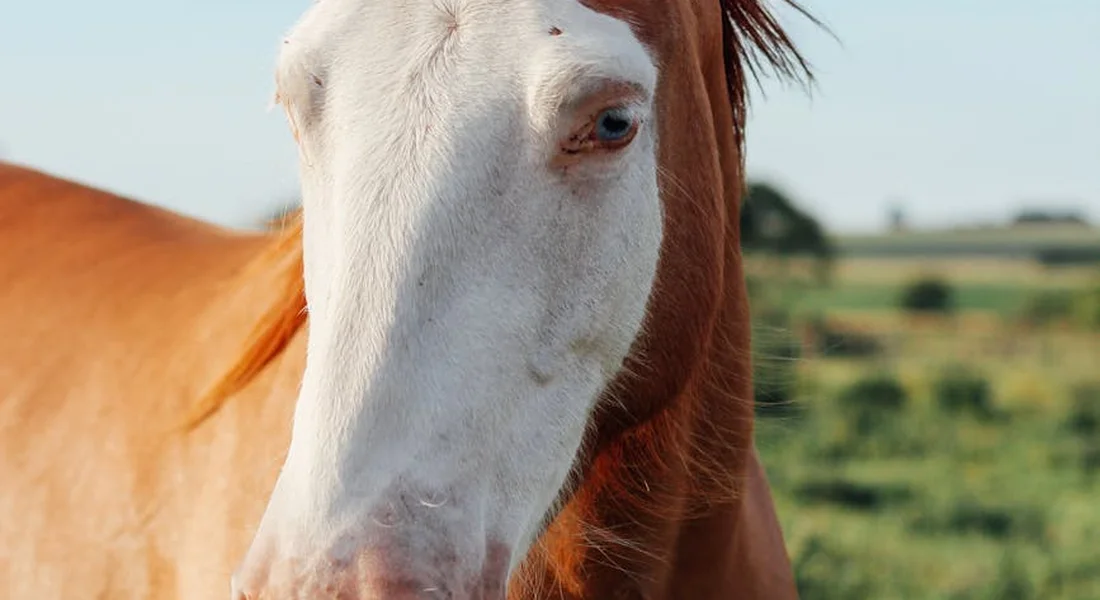
That first true day of spring, when the air smells like damp earth and green things, makes every horse owner itch to throw open the gates. Before you do, a methodical pasture check is the best gift you can give your herd for a safe, healthy season. I learned this after Rusty came in limping from a hidden hole, a reminder that comfort begins with the ground they stand on.
Fencing and Shelter Safety Check
Walk your fence lines with a skeptical eye and a bucket of spare nails. Your goal is to think like Pipin, the escape artist, and find every potential weakness before he does. I do this every March, and it’s saved me from countless headaches.
Start with a solid inspection checklist. Grab a notebook and look for these common issues:
- Splintered or loose boards: Press on every wooden board. A wobble today is a gap tomorrow.
- Sagging or broken wire: Check for tautness and rust spots that could snap.
- Unstable gate latches: Test them yourself. A clever pony can lift a simple hook.
- Protruding nails or sharp edges: Run your hand along posts and rails. Find them before a horse’s side does.
- Run-in shed integrity: Look for rotten floorboards, loose roofing, or exposed nails inside the shelter.
Fixing these hazards is straightforward work. Carry a basic repair kit: a hammer, fencing pliers, spare boards, and heavy-duty wire. Tighten, replace, and secure as you go. That moment you hear the solid thud of a well-set post is deeply satisfying.
Weed Control and Pasture Maintenance
A lush pasture isn’t just about grass height; it’s about what’s growing in it. Identifying and managing toxic weeds is a non-negotiable part of spring care. I spend hours on this, knowing Luna’s sensitive system reacts badly to certain plants.
For safe weed removal, you have a few options. Choose based on your pasture size and the weed’s stubbornness.
- Manual pulling: Effective for small infestations. Get the whole root to prevent regrowth.
- Regular mowing: Prevents weeds from going to seed and spreading. It’s a simple, ongoing control method.
- Targeted herbicides: Use only as a last resort and select products labeled safe for horses. Always follow the grazing withdrawal time.
Beyond weeds, understand your soil. A simple, affordable soil test tells you exactly what nutrients your pasture lacks or has in excess. This prevents you from wasting money on unnecessary fertilizers. Rotate your grazing areas to prevent overgrazing and parasite buildup. A good rule is to move horses when the grass is about 3-4 inches tall, letting each section recover fully.
Water Troughs and Drainage Management
Clean water is as vital as clean hay. Scrubbing out water troughs is a messy but critical spring ritual that directly impacts herd health. I empty and scrub ours with a stiff brush every two weeks to stop slimy algae and mosquito larvae.
Your water management checklist should include:
- Deep cleaning: Empty the trough completely. Scrub all sides and the bottom to remove biofilm.
- Algae control: A splash of white vinegar can help deter growth without harsh chemicals.
- Stable positioning: Place troughs on a level, gravel base to prevent sinking and reduce mud.
Now, tackle the mud. Managing spring mud isn’t about eliminating it entirely, but creating firm, dry pathways to protect hooves and pasture. Install gravel or wood chips in high-traffic areas like gate openings and around feeders. For persistent wet spots, dig a shallow drainage ditch to channel water away. Hearing the clear splash of run-off, instead of a sickening suck, is a win for you and your horses. This approach is part of managing mud season to protect your pastures and your horses’ hooves.
Foundation Care: Hoof and Teeth for Spring
The shift in seasons is felt from the ground up-literally. Your horse’s hooves and teeth are the front line of their health, and spring demands our attention here. Ignoring these foundations can undo all your other good care, turning lush grass into a liability instead of a reward. So, what does a seasonal routine horse care schedule look like? A simple plan keeps hooves, teeth, and feeding aligned with the changing seasons.
Scheduling a Spring Farrier Visit
Warmer weather and spring grass supercharge hoof growth. This sounds great, but that fresh growth can be softer and more brittle, leaving hooves prone to cracks and chips if not managed. I schedule my crew for a trim every 6-8 weeks in spring without fail, as reliable as the mud.
Daily hoof picking is your most powerful tool. Don’t just flick out the dirt. Really look. Press on the sole and frog. That unmistakable, foul smell of thrush? You’ll find it in packed, wet clefts. A quick spray with a thrush treatment after picking keeps it at bay.
- Pick all four hooves daily, without exception.
- Feel for heat or a pounding pulse in the hoof wall, which can signal inflammation.
- Check for cracks, splits, or loose shoes immediately after pulling from pasture.
- Apply a hoof conditioner to the wall to combat dryness from winter and moisture from spring.
The hoof wall is like a fingernail; what happens at the coronary band today shows up at the ground weeks later. Consistent care now prevents lameness later.
Arranging Dental Floating
Spring is the perfect time for dental work. You want your horse chewing efficiently before they’re spending hours each day grinding down fibrous grass. An annual float is non-negotiable for me, as vital as spring shots. Those sharp points and hooks from winter feed patterns can cause real pain.
Watch for the subtle signs. I’ve seen ponies drop half-chewed wads of hay-called “quidding”-because their mouths hurt. A horse losing weight despite a good appetite, or tilting its head oddly when you bridle, often points to a dental issue.
- Quidding or dropping grain.
- Unexplained weight loss or difficulty maintaining condition.
- Resistance to the bit or head tossing.
- Undigested hay in manure.
- Foul odor from the mouth or nasal discharge.
A certified equine dentist or veterinarian will use a speculum to hold the mouth open safely. Proper dental floating requires sedation for a thorough exam and a smooth, pain-free experience for your horse. It’s a quiet morning at the barn for them, and the difference in their comfort and digestion is profound. Regular dental floating is important for maintaining long-term oral health and comfort in horses. It helps prevent sharp enamel points and uneven wear, supporting digestion and performance over time.
Adjusting Diet and Routine for Spring
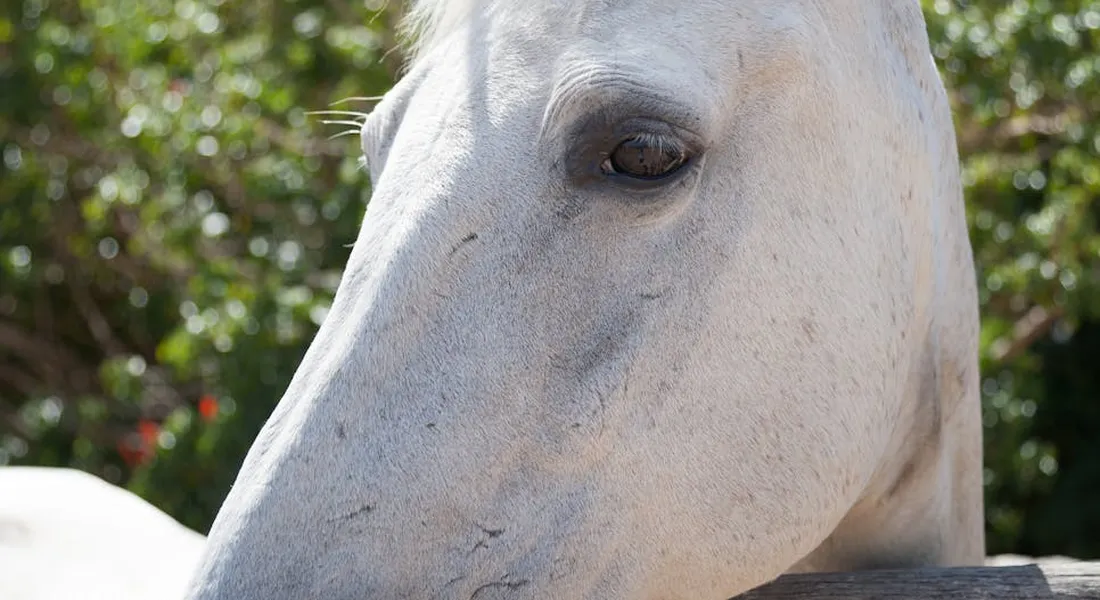
That first warm breeze carrying the scent of damp earth and new grass is a siren song for our horses, but it’s our job to manage the buffet. Spring isn’t just about swapping blankets; it’s a careful recalibration of everything from feed to footing. I’ve learned that rushing this shift is how you end up with a colicky horse or a foundered pony-just ask Pipin, who once taught me a very expensive lesson about unsupervised pasture access.
The key to a smooth seasonal shift is mimicking nature’s gradual pace, not flipping a switch from winter hay to spring salad bar. This means planned changes to grazing, a critical eye on grain, and tailored plans for your older equine partners.
Transitioning to Spring Grass and Feed
Lush spring grass is deceptively high in sugars like fructans, which can overwhelm the hindgut and trigger laminitis. I treat introducing Luna to fresh pasture with the same caution I’d use handling dynite-slow and controlled. A sudden change is a direct threat to their metabolic health.
Follow these steps over two to three weeks to safely transition your horse to spring pasture:
- Start with a Full Belly. Turn them out for their first short graze after they’ve eaten their normal hay meal. This takes the edge off their appetite and slows their grass consumption.
- Limit Initial Exposure. Begin with just 15-20 minutes of grazing on the new grass. Yes, they’ll act insulted. Increase time by 15-30 minutes every other day until they reach their full turnout schedule.
- Choose Your Grazing Time Wisely. Sugar levels in grass are lowest in the early morning. Avoid late afternoon and evening turnout during peak growth periods, as sugar content is highest after a sunny day.
- Monitor Relentlessly. Check for warm hooves or digital pulses daily. Any sign of stiffness or reluctance to move is a red flag to pull them off the grass immediately.
On the grain front, as workload increases you may need to adjust rations. Always increase a horse’s energy needs with forage first, then fat supplements like rice bran, and only then consider adding more concentrated grain. For many horses like Rusty, his spring tune-up just means a scoop of a balancer pellet over his hay to cover vitamins without the sugar spike.
Special Considerations for Senior Horses
Spring can be tough on the old-timers. Their worn teeth make chewing new, fibrous hay harder, and arthritic joints creak in the damp chill. My barn’s elder statesman needs a different playbook altogether.
For shedding, a senior horse’s thinner skin and slower circulation benefit immensely from extra grooming with a soft rubber curry to stimulate oils without irritation. I spend more time hand-grooming, which doubles as a check for new lumps or weight loss.
Maintaining weight is a battle of calories versus digestion. Soak senior pellets or cubed hay to create a mushy, easy-to-eat meal that provides hydration and prevents choke. Adding a weight-gain supplement with digestible fiber and oil is often smarter than piling on more grain.
Joint care becomes non-negotiable. The inconsistency of spring weather-warm days, cold nights-can make arthritis flare, so I ensure turnout on a dry, level pad and consider a proactive supplement regimen started well before the riding season kicks in. A gentle, consistent walking warm-up is more valuable than any jarring trot work.
Updating Exercise and Tack Checks
After a winter of lighter work, both horse and rider are eager to move. Rushing this leads to pulled muscles and sore backs. I start my horses back with ground work and long, slow hill walks to rebuild tendon strength and cardio without pounding.
Increase ridden work by no more than 10-15% in duration or intensity per week, and always listen for the soft sigh or eager step that tells you they’re enjoying themselves, not just enduring it. Luna’s first spring rides are all about relaxation, not fitness.
Your tack has been idle too. A pre-season inspection is a safety and comfort ritual. Run your hands over every inch of leather and stitch, feeling for dry rot, cracks, or worn areas that could fail under pressure. Here’s my quick checklist:
- Leather Condition: Check for stiffness or cracks, especially at stress points like billets and stirrup leather folds. Clean and condition thoroughly.
- Stitching: Look for frayed, broken, or discolored threads on girths, bridles, and saddle panels.
- Fit: After a winter off, your horse’s shape may have changed. Re-evaluate saddle balance and gullet width, and ensure the girth doesn’t pinch behind the elbows.
- Hardware: Test buckle tongues and billet straps for weakness. Ensure bit rings show no sharp edges or corrosion.
- Safety Gear: Inspect helmet shells for cracks and check the integrity of any riding vest foam.
Finding a stiff, brittle billet strap last spring on my own saddle was a wake-up call. That quiet thud of a hoof on the trail is a sound you want to hear, not the snap of leather giving way. A little care now prevents a world of trouble later.
Frequently Asked Questions: Your Complete Spring Horse Care Checklist
What are the key steps for managing spring pasture beyond just a safety check?
Beyond checking fences, effective spring pasture management requires a proactive weed control plan and soil testing. Implementing a rotational grazing schedule prevents overgrazing and reduces parasite loads. Proper drainage and footing management in high-traffic areas are also crucial to prevent mud and hoof problems.
How should care be adjusted for senior horses during the spring transition?
Senior horses often need a more gradual introduction to spring grass due to metabolic sensitivities and require special attention to their dental health for proper digestion. Their diet may need to be supplemented with soaked feeds or joint support supplements to maintain weight and comfort. Increased grooming vigilance helps monitor their thinner skin and overall condition as they shed their winter coat. Feeding senior horses’ special dietary needs considerations should guide forage and supplement choices. This helps balance energy and nutrients for long-term health.
Why is herd health management particularly important in spring?
Spring brings horses into closer contact on fresh pasture, increasing the risk of spreading parasites and communicable diseases. A strategic, fecal egg count-based deworming plan for the entire herd is essential to prevent resistance and control parasites effectively. Ensuring all horses are on a synchronized vaccination schedule also maximizes herd immunity against seasonal threats like mosquito-borne viruses.
A Smooth Transition into Spring
This season’s checklist boils down to proactive care: schedule your vet and farrier now to address vaccinations and hooves softened by spring moisture. These steps align with our seasonal health concerns horses year round guide, offering a season-by-season overview for year-round care. Referencing it can help tailor vaccines, nutrition, and turnout to each season. Then, focus on introducing lush pasture and increased exercise gradually to safeguard your horse’s digestive and physical health.
Your horse is your best guide through this seasonal shift, so watch their condition and listen to their feedback. A quiet nicker of contentment after a good roll in the fresh grass is the only reward you need for a job well done.
Further Reading & Sources
- SPRING HORSE HEALTH CHECKLIST – Equestroom
- Spring Horse Care Checklist – Horse Illustrated
- Spring Horse Care: 11 Tips to Get Ready for Riding Season
- Spring Horse Care Checklist – Equine Medical and Surgical Associates
At Horse and Hay, we are passionate about providing expert guidance on all aspects of horse care, from nutrition to wellness. Our team of equine specialists and veterinarians offer trusted advice on the best foods, supplements, and practices to keep your horse healthy and thriving. Whether you're a seasoned rider or new to equine care, we provide valuable insights into feeding, grooming, and overall well-being to ensure your horse lives its happiest, healthiest life.
Health