
Equine Lactation Decoded: How Mares Nourish Their Foals
Hello fellow equestrians. That moment a foal first searches for a drink is both beautiful and nerve-wracking. If you are breeding a mare or fostering an orphan, questions about her milk supply can stir up real anxiety over the foal’s health and those mounting vet calls.
Let’s settle those worries. I will walk you through the entire process, from the biology to the barn management. You will get a clear picture of how lactation works, learn to spot the signs of good production, and know how to handle common hiccups.
Having managed breeding programs for years, I have spent countless nights in the foaling stall, my hands-on experience shaping the practical advice you will read here.
The Basics: Do Horses Really Lactate?
Yes, absolutely. A mare produces milk specifically for her foal, just like other mammals. This isn’t a trick question. The real curiosity for horse owners often lies in the details surrounding this biological process. I’ve spent countless quiet mornings in the foaling stall, listening to that rhythmic nursing sound, and it’s a powerful reminder of this fundamental equine function.
Do Mares Lactate Without Foals?
Typically, no. Healthy mares not in late pregnancy or recently having given birth should not be producing milk. Lactation is triggered by the hormonal cascade of pregnancy and birth. If you find a non-pregnant mare with a swollen udder or milk, call your veterinarian immediately. This condition, called false lactation, can signal a hormonal imbalance, a tumor, or even the ingestion of certain plants or medications. I once had a boarder’s gelding-yes, a gelding-show mild udder development from a feed contamination, which underscores why any unexpected lactation warrants a professional look.
The Purpose of Equine Milk Production
Equine milk has one primary job: to be the perfect, complete nutrition for a newborn foal for the first months of its life. It’s densely packed with antibodies, fat, protein, and sugars designed for rapid growth. This milk, especially the first milk called colostrum, is the foal’s only source of initial disease protection. Beyond nutrition, the act of nursing comforts the foal and helps form the critical mare-foal bond. The purpose is singular and vital, not a general bodily function, unlike feeding for older horses which focuses on maintaining health and performance.
How Equine Lactation Works: From Hormones to Milk Letdown
The system is an elegant dance of anatomy and chemistry. It starts deep within the mare’s body and responds to the external world-specifically, to her foal.
The Role of Prolactin and Oxytocin
Think of these as the “start” and “release” hormones. Prolactin is the foreman for milk production. Its levels rise in late pregnancy, directing the mammary glands to synthesize milk. Oxytocin is the delivery coordinator. It’s released in pulses when the mare feels her foal nudging the udder or hears it nicker, triggering the actual letdown of milk into the teats. Stress or pain can block oxytocin, which is why a calm, comfortable mare is crucial for successful nursing.
Udder Anatomy: Teats and Mammary Glands
A mare’s udder has two halves, each with one teat and a complex network of milk-producing glands and ducts stored above it. Unlike a cow’s four-quarter udder, the mare’s system is simpler. The teats are smaller and more muscular. You should never see a stream of milk freely flowing from a mare’s teat; a healthy udder only releases milk under the suckling pressure of the foal or careful hand-milking. Regular, gentle feeling of the udder’s temperature and firmness is how we monitor for normal changes versus dangerous signs of mastitis.
The Milk Letdown Reflex
This is the final, visible step. It’s a neurohormonal reflex-a signal from the brain to the udder. The sequence is beautiful in its simplicity:
- Stimulation: The foal bumps and nudges the udder with its muzzle.
- Signal: Nerves send a message to the mare’s brain.
- Release: The brain tells the pituitary gland to release oxytocin into the bloodstream.
- Action: Oxytocin causes tiny muscles around the milk-filled alveoli to contract, squeezing milk down into the teat sinus where the foal can get it.
You can sometimes see this happen-a slight tightening of the udder, a dripping of milk. A good mare will often stand square, lift a hind leg slightly, and sigh deeply when letdown occurs, a posture of focused relaxation. It’s a moment of pure biological cooperation.
The Golden Hour: Colostrum and Early Foal Nutrition
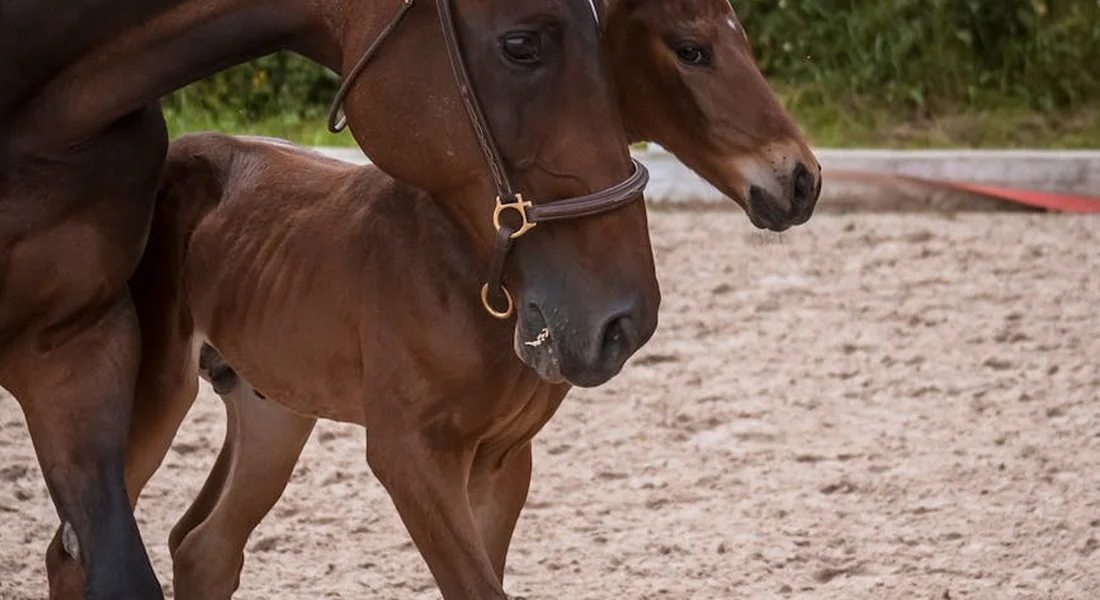
The first few hours after a foal arrives are a flurry of shaky legs, soft nickers, and a critical biological process. I’ve sat in more than a few straw-bedded stalls in the deep night, watching this unfold. It’s not just beautiful; it’s a functional miracle. Everything hinges on that first milk.
What is Colostrum and Why It’s Critical
Colostrum isn’t just “first milk.” It’s a thick, sticky, antibody-rich substance the mare produces in her udder in the final days before foaling. Think of it as the foal’s first vaccine and superfood, delivered in one warm meal. A foal is born with virtually no immune defense, and colostrum is the only way it receives the antibodies it needs to survive its new germ-filled world. The consistency is like golden syrup, and the smell is uniquely sweet. You know it when you see it.
Ensuring Immunoglobulin Transfer
The antibodies in colostrum are called immunoglobulins. For them to work, the foal must absorb them through its gut wall-a special ability that disappears fast. The gut “closes” to these large molecules within 12 to 24 hours of birth. This is why timing is non-negotiable.
- Nursing Should Happen Within 2 Hours: A healthy foal will usually stand and nurse within this window. Watch for it.
- Check for a “Wet” Foal: A foal with sticky, golden milk on its head or shoulder is a good sign it found the udder.
- Have a Backup Plan: Keep frozen, high-quality colostrum from a screened donor mare on hand. If the mare leaks colostrum before birth or the foal doesn’t nurse, you can thaw and bottle-feed it. I’ve done this, and it’s a lifesaver.
If you are ever unsure if a foal got enough, your vet can do a simple blood test to check its immunoglobulin levels a day or so later. Don’t guess.
Timing: When Milk Comes In After Birth
The transition from colostrum to true milk is rapid. You’ll notice the change within the first 12 to 24 hours. The thick, yellow colostrum gradually becomes thinner, whiter, and more opaque-that’s the mature milk coming in. The mare’s udder will feel full, tight, and warm just before and after birth. A good rule of thumb is that if a mare’s udder is massively engorged and dripping milk long before she foals, she may be losing precious colostrum; wrapping her teats with vet wrap can help preserve it. After the foal nurses regularly, the udder should feel softer and more manageable.
What’s in Mare’s Milk? Composition and Changes Over Time
Mare’s milk isn’t a static substance. It’s a dynamic, changing formula designed precisely for a fast-growing, quick-running prey animal. It’s quite different from the milk we typically drink.
Fat, Protein, and Lactose: The Building Blocks
The basic components tell a story of an animal built for endurance and growth.
- Fat: This is the primary energy source. Mare’s milk is relatively low in fat (around 1.5%) compared to cow milk. This makes sense-a foal needs sustained energy for almost constant movement, not heavy, rich calories.
- Protein: Critical for building muscle and tissue. The protein content is moderate but highly digestible, providing the building blocks without overtaxing the immature system.
- Lactose (Milk Sugar): This is high in mare’s milk. It provides quick energy and supports healthy gut bacteria. The high lactose content is why mare’s milk tastes surprisingly sweet, and why foals can sometimes get loose stools if they overindulge-their systems are processing a lot of sugar.
From Colostrum to Mature Milk: How Composition Shifts
The milk evolves as the foal’s needs change. Colostrum is extremely high in antibodies (immunoglobulins) and protein, but lower in lactose and fat. It’s all about immune transfer. Within days, it shifts to mature milk: lactose increases, protein drops, and fat levels stabilize. This gradual shift is nature’s perfect recipe, ensuring the foal’s digestive tract has time to adapt without shock. By the time the foal is a few months old and starts nibbling hay and grain, the mare’s milk production will naturally begin to decrease in both quantity and nutrient density.
Comparing Mare’s Milk to Cow or Goat Milk
This is where it gets interesting for orphaned foals. You cannot simply feed cow milk. The composition is wildly different.
| Milk Type | Fat % | Protein % | Lactose % | Key Note |
|---|---|---|---|---|
| Mare | ~1.5% | ~2.5% | ~6.5% | High sugar, low fat. Designed for frequent nursing. |
| Cow | ~3.5% | ~3.5% | ~4.5% | Higher fat & protein, lower sugar. Can cause digestive upset in foals. |
| Goat | ~3.8% | ~3.5% | ~4.5% | Closer to cow milk. Still not an appropriate sole substitute. |
If you are ever faced with an orphan foal, you must use a commercial mare’s milk replacer specifically formulated to match this unique profile; homemade recipes using other mammalian milks often fail with devastating consequences. I keep a bag of quality replacer in my feed room, just in case. It’s a piece of mind you hope to never use.
The Lactation Timeline: How Long Do Mares Produce Milk?
In the quiet of the barn, the rhythmic sound of a foal nursing is pure contentment. That milk supply is a temporary, precious resource. A mare’s body is finely tuned to match her foal’s growth.
Typical Lactation Duration and Milk Yield
Most mares will produce milk, or “freshen,” for about 5 to 7 months if left to nature’s schedule. Peak milk production hits around the second month, where a good milker might produce 2-3 gallons a day-that’s like carrying two large milk jugs! Yield then gradually tapers as the foal starts nibbling hay and grain.
I’ve seen this range firsthand. My old mare could have fed twins, while a more refined thoroughbred produced just enough. Both raised healthy foals.
Every mare is an individual, and her milk yield is directly tied to her genetics, her body condition, and most critically, the demand from her foal.
Stages of the Lactation Cycle
Think of lactation not as a steady stream, but as a wave with distinct phases.
- Colostrum Phase (First 24-48 hours): This isn’t true milk but liquid gold-antibody-rich colostrum. The mare’s body switches to producing it just before birth.
- Peak Production (Weeks 4-12): The foal’s main growth spurt happens here. The mare’s udder will feel full and firm, and you’ll see the foal nursing frequently.
- Maintenance Phase (Months 3-5): Production slowly declines as solid food intake increases. The udder feels less tight.
- Involution (Weaning Onward): Once nursing stops, the mare’s system gets the signal to shut down. The udder may swell briefly before drying up.
Natural Weaning vs. Human-Led Weaning
On pasture, a mare often weans her foal herself between 8 and 12 months, sometimes stretching beyond a year. She’ll start walking away, saying “enough is enough.” It’s a slow, behavioral process. This gradual weaning is crucial in the development and care of foals as they grow into yearlings.
In our managed world, we often wean earlier, between 4 and 6 months, for various management reasons. This abrupt cutoff requires careful planning.
- Abrupt Weaning: Foal and mare are separated completely, often with other weanlings for company. This is stressful but fast; you must monitor both for signs of distress, founder risk for the mare, and ensure the foal is confidently eating solid food.
- Gradual Weaning: A gentler method. The pair are separated by a safe fence line where they can see and touch but not nurse. This can ease the transition for both hearts and udders.
I used the fence-line method with Rusty and his dam years ago. The first day was full of whinnies, but by day three, they were peacefully grazing on either side of the fence, and her udder adjusted without painful engorgement.
Caring for the Nursing Mare: Nutrition and Health Tips
A lactating mare is a nutritional athlete. She’s not just eating for two; she’s producing for two. Her feed tub is your primary tool for supporting her and her foal.
Feeding for Two: Adjusting the Mare’s Diet
Forget the standard scoop. A nursing mare’s calorie needs can be 1.5 to 2 times her maintenance requirement. She needs constant access to top-quality forage-think the greenest, leafiest hay you can find.
Free-choice hay is non-negotiable; her gut must be full to generate both body heat and milk calories. I add a fourth feeding during peak lactation, usually a late-night hay net, to keep the furnace stoked.
Grain or concentrate intake will likely need a significant increase. Don’t just double it blindly. Make changes slowly over a week to avoid colic or founder.
Key Nutrients: Energy, Protein, and Minerals
It’s not just about more food, but the right building blocks.
- Energy: Calories from fats (like rice bran) and fermentable fibers are safer than overloading with sugary grains.
- Protein: Look for a feed with 14-16% protein. This supports milk protein, which is what builds that foal’s muscle and bone.
- Calcium & Phosphorus: Milk drains these minerals. The correct ratio (about 2:1 Ca:P) is critical to prevent the mare from leaching them from her own bones.
- Water: This is the most overlooked nutrient. Milk is mostly water! She must have clean, available water at all times, or her supply will plummet.
Monitoring Mare Health: Weight and Udder Condition
Your eyes and hands are your best tools. Weigh-tape her weekly. A slight dip post-foaling is normal, but she should not become ribby.
A common mistake is letting the mare get too fat early on; it’s harder to get weight on a thin, depleted mare in month four of nursing. Aim for a body condition score of 5.5 to 6.5.
Run your hands over her udder daily. It should feel soft and pliable after the foal nurses, not hot, hard, or lumpy. A hot, painful udder signals potential mastitis, which requires an immediate vet call.
Watch her demeanor, too. A mare who is dull, off her feed, or overly protective of her udder is telling you something is wrong. She’s working hard. Your job is to support that work with good hay, smart supplements, and vigilant care.
Spotting Trouble: Common Lactation Problems in Mares
Even with the best care, the milk-making process can hit a snag. Knowing the signs early is your best tool for keeping both pregnant mare and foal healthy and comfortable.
Low Milk Supply: Causes and Solutions
A fretful, constantly nursing foal who isn’t gaining weight can signal low supply. The causes are often rooted in stress, poor nutrition, or pain.
First, always rule out pain by checking for mastitis or a sore back from nursing. A mare in discomfort will literally hold back her milk.
Nutrition is the cornerstone. I’ve seen a mare’s output transform simply by upgrading her from decent hay to lush, leafy alfalfa-mix (especially for lactating mares) and ensuring her grain is a high-quality lactating mare formula. She needs immense calories and constant access to fresh water.
Beyond basics, consider these steps:
- Increase turnout time. The relaxation of grazing does wonders for milk let-down.
- Offer a soaked bran mash. The warmth and extra fluids can stimulate production.
- Consult your vet about herbal galactagogues, like fenugreek or blessed thistle. These milk-boosting supplements can help, but get professional guidance on dosage.
- Ensure the foal is nursing effectively. A weak suckle won’t stimulate adequate supply.
Equine Mastitis: Signs and First Aid
Think of mastitis like a painful, clogged duct that becomes infected. It’s an urgent issue. I’ve caught it in a mare because she kept swinging her hindquarters away when her foal tried to nurse.
Your first clue is often the mare’s behavior: pinning ears, kicking at her own belly, or resisting the foal. Understanding the psychology behind these behaviors is crucial for horse handling.
Upon inspection, you might find:
- A hot, hard, or swollen udder, often just on one side.
- Milk that is clumpy, stringy, or has a strange color (yellowish, bloody).
- A mare who is generally lethargic or running a fever.
Your immediate first aid is simple: apply warm compresses to the affected quarter for 15 minutes several times a day to encourage drainage and soothe discomfort. Gently hand-milking the affected quarter can also relieve pressure. This is not a substitute for the vet-antibiotics are almost always necessary to clear the infection.
Caring for an Orphaned or Rejected Foal
This is a round-the-clock labor of love. The sudden loss or rejection of a dam is a crisis. Your first call is to your veterinarian to secure a colostrum supplement or donor milk.
Colostrum is non-negotiable; the foal must ingest these vital antibodies within the first 12-18 hours of life.
You become the foal’s milk bar. This means bottle or bucket feeding a commercial mare’s milk replacer every 1-2 hours, around the clock, at first. The routine is exhausting but precise.
- Keep the foal warm and in a safe, deeply bedded stall.
- Introduce a quiet companion for mental well-being-a gentle goat, a elderly pony like Pipin, can provide crucial social lessons.
- Mimic nursing posture: squat down, don’t loom over them. This feels more natural and prevents aspiration.
Mare and Foal Bond: Nursing Behavior and Weaning
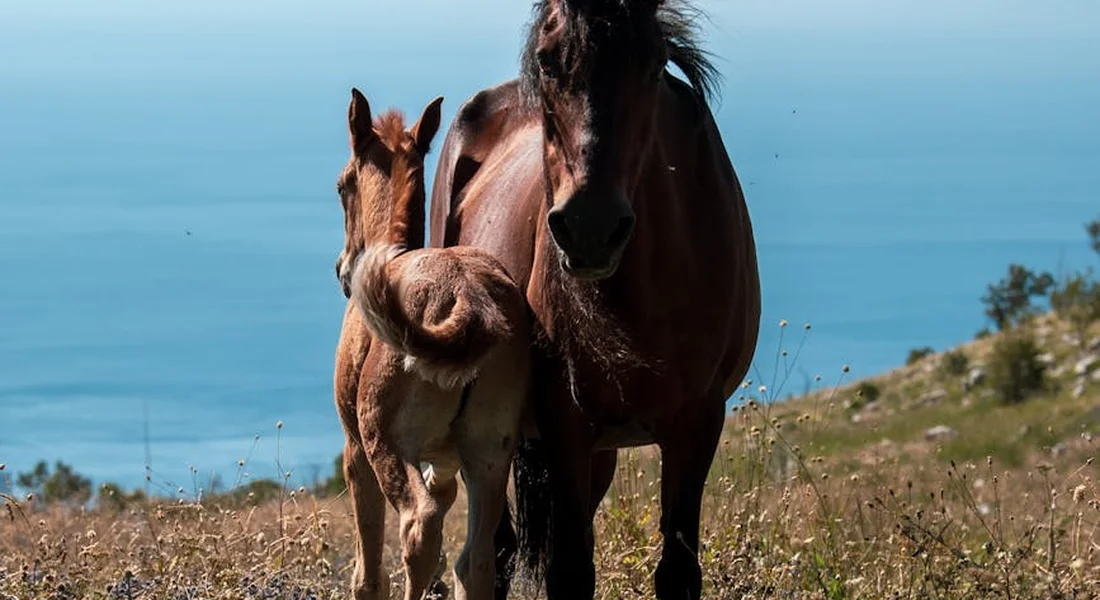
Watching the nursing ritual is to witness the foundation of trust. It’s a dialogue of nudges, nickers, and satisfied sighs.
Normal Nursing Patterns and Frequency
Newborns are snackers. Expect a healthy foal to nurse frequently-as often as every 30 minutes in the first week. Each session is brief, maybe a minute or two.
This constant tapping of the milk bar is nature’s way of regulating the mare’s supply and keeping the foal’s tiny stomach comfortably full.
As weeks pass, the frequency drops. By a month old, you might see nursing bouts every hour or two, often paired with mare and foal taking a nap together afterward. The sound is unmistakable: a rhythmic tail swish from the mare and the soft grunt of a contented baby.
Signs Your Foal is Getting Enough Milk
You don’t need to measure every ounce. A thriving foal broadcasts its satiation clearly. Look for these reliable signs:
- A foal that nurses vigorously and then wanders off to nap or play, looking relaxed.
- Consistent weight gain. A simple weight tape over the withers gives you great data.
- Bright, alert eyes and a shiny coat.
- Passing firm, yellow manure and clear urine frequently.
The most telling sign is a mare with a noticeably softer, smaller udder after a nursing session, and a foal with milk on its muzzle. If the foal is constantly at the udder, bawling, and the mare’s bag remains tight, trouble is brewing.
Gentle Weaning Techniques for a Smooth Transition
Abrupt separation is a trauma. I prefer methods that allow sight and sound, just not touch. The goal is to dial down the dependency, not sever the bond in panic.
One of the kindest methods is the fence-line wean. Mare and foal are separated into two safe, adjoining paddocks with a secure fence. They can see and call to each other, but the foal cannot nurse. This approach is a practical step in the weaning process when separating mare and foal, helping reduce stress for both. It also frames the transition as a gradual move toward independent eating and consistent behavior. This setup allows the mare’s milk to dry up gradually with less physical discomfort and teaches the foal independence without isolation.
Start by briefly separating them for a few hours a day, well before the actual weaning date. This builds tolerance. Ensure both have familiar equine buddies for distraction-weaning is easier with friends. A calm companion like Rusty can steady a nervous weanling.
Monitor the mare’s udder for dangerous tightness, and be prepared to hand-milk a small amount for her relief. Within a week, you’ll see a new dynamic: a foal learning to be a horse, and a mare getting her body back. This is also a good time to review foal health care guidelines, including vaccination and treatment schedules for young horses. Keeping up with these plans helps ensure a healthy start for the foal.
Frequently Asked Questions About Equine Lactation
Is Lactation a Normal Process for All Mares?
Lactation is a standard biological function for mares following the birth of a foal. It is a hormonally driven process specifically intended to nourish their young. Proper nutrition and a calm environment are crucial for supporting a mare through this demanding period. Preparing a clean, safe foaling area in advance creates the ideal birthing environment. Adequate bedding, good footing, and easy monitoring support a calm transition.
Can a Mare Produce Milk If She Hasn’t Foaled?
Milk production without a recent pregnancy is abnormal and termed false lactation. This condition is a serious red flag that requires immediate veterinary investigation. It can indicate underlying issues such as hormonal disorders, certain tumors, or exposure to specific substances.
Why Is a Foal’s Nursing Behavior So Frequent?
Newborn foals nurse very often, sometimes every 30 minutes, because their stomachs are small and mare’s milk is low in fat but high in lactose. This frequent nursing pattern effectively stimulates the mare’s ongoing milk production and ensures the foal receives a steady stream of energy. The behavior naturally decreases in frequency as the foal grows and begins to consume solid food.
The Heart of a Mare
Equine lactation is a powerful, natural process fueled by the bond between mare and foal. Trust the mare’s instincts, ensure she has ample forage and water, and let that first vital nursing session happen undisturbed.
Watch quietly from the stall door, letting their partnership set the rhythm. Your patient observation is the best support you can offer during this foundational time.
Further Reading & Sources
- Lactation in horses – PMC
- Feeding Postpartum Mares – Kentucky Equine Research
- Feeding Broodmares During Lactation – The Complete Guide
- When maternal behavior in mares goes wrong | dvm360
At Horse and Hay, we are passionate about providing expert guidance on all aspects of horse care, from nutrition to wellness. Our team of equine specialists and veterinarians offer trusted advice on the best foods, supplements, and practices to keep your horse healthy and thriving. Whether you're a seasoned rider or new to equine care, we provide valuable insights into feeding, grooming, and overall well-being to ensure your horse lives its happiest, healthiest life.
Health