
Can Horses Breathe Through Their Mouths? Clearing Up Equine Respiration for Healthier Horses
Hello fellow equestrians, have you ever seen your horse with its mouth agape after a gallop and felt a spike of worry about its breathing? That sudden concern for their comfort and the potential for a costly vet call is something every horse owner faces, and it’s why understanding how horses breathe is so vital.
We’re going to look at the facts that every rider should know, including the biological design that locks horses into breathing through their noses, the serious health warnings an open mouth can actually indicate, and simple, daily management practices to keep those airways clear and functioning perfectly.
From managing my own barn to training sensitive souls like Luna, my experience is built on listening to the rhythm of equine breath in the quiet of the stall, not just reading textbooks.
The Short, Firm Answer
No, a healthy horse at rest cannot breathe through its mouth. The anatomy of their head physically prevents it. That soft, wet nose is their sole air intake and exhaust system. This singular design is a fundamental truth of equine biology and has huge implications for their health and performance.
Why Can’t They? A Look Inside Your Horse’s Head
To understand this, you need a quick tour of the plumbing. Picture the horse’s head not as a human head, but as a specialized, high-efficiency air filtration unit. The design prioritizes breathing while running, with a failsafe to prevent choking on food. It’s especially crucial when considering how a horse’s digestive system works.
The Soft Palate: Nature’s One-Way Valve
Right at the back of the mouth, behind the hard palate you feel with your finger, is a fleshy flap called the soft palate. In a horse, this flap is uniquely long and forms an incredibly tight seal with the base of the epiglottis. Think of it like a rubber trapdoor that only opens one way-for swallowing. This seal is so complete that it physically blocks any air trying to travel from the nostrils, down the throat, and into the mouth cavity. I’ve seen it firsthand during dental exams; that pink tissue creates a near-perfect wall. That same anatomy helps explain why a horse drools frothy saliva from the mouth. Foamy saliva often appears when a horse is chewing, salivating during dental work, or experiencing mouth irritation.

When a horse swallows, the larynx lifts, the epiglottis tilts back, and the soft palate momentarily disengages to let food or water pass over it into the esophagus. It’s a swift, coordinated motion. The rest of the time, that valve is shut, keeping the airway and digestive tract as separate highways.
The Horse’s Airway Highway (And Why There’s No Mouth Exit)
Let’s trace the route of a single breath. Air enters the nostrils, which can flare wide to increase volume. It travels up the nasal passages, past the complex turbinate bones that warm and filter it. From there, it dips down into the pharynx (the shared space at the back of the throat), but it is instantly funneled into the larynx (voice box) and down the trachea (windpipe). The mouth is entirely bypassed.
Here’s the critical junction: the epiglottis. This leaf-shaped cartilage acts as the traffic cop at the entrance to the larynx. It is designed to sit *above* the soft palate, sealing the windpipe from the *nasal* pathway, not the oral one. This creates a direct, sealed tunnel from nose to lungs. The system is engineered for maximum airflow during galloping, with zero chance of a shortcut through the mouth. This is also why a horse with a nasal obstruction is in immediate, severe distress-they have no backup plan.
The only time you’ll hear mouth breathing is in extreme, pathological distress, like when the soft palate is damaged or displaced, or during a terminal event. It is never a normal sound. Hearing it means stop everything and call the vet, now. It’s a sound that, in twenty years, I’ve only heard once, and it still chills me-it’s the sound of a biological system in catastrophic failure.
Spotting Trouble: Signs of Compromised Airflow
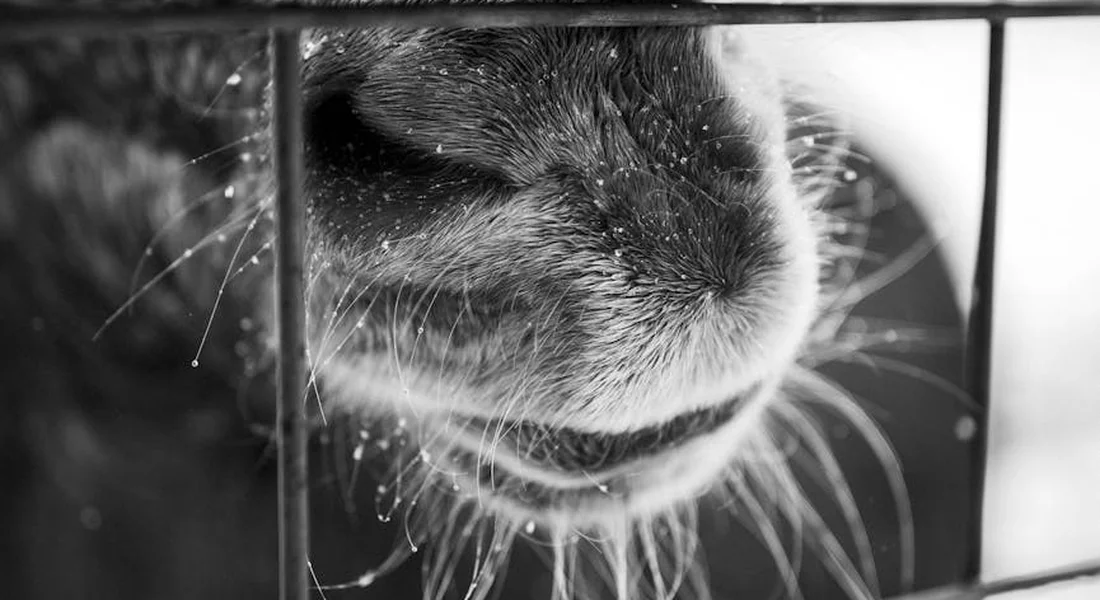
You learn the music of a healthy horse’s breath over time-the soft sigh through velvet nostrils, the steady rise and fall of their barrel. When that rhythm falters, it’s a silent alarm. Your daily grooming and feeding routine is your best chance to catch subtle changes before they become crises. Knowing what signs to look for in a healthy horse can make all the difference.
Watch for more than just the obvious cough. I once missed the early signs with Luna because I was focused on her energy level, not her breathing at rest. A horse that breathes heavily after minimal work, or whose flanks show an extra “heave” to push air out, is asking for help.
- Audible Changes: Listen for a snore, whistle, or grunt during inhalation or exhalation. It’s not character; it’s obstruction.
- The Nose Knows: Persistent, thick discharge from one or both nostrils is a billboard for infection or irritation.
- Behavioral Tells: A dip in performance, head-tossing, or even a new reluctance to take the bit can signal discomfort from labored breathing.
- Resting Rate: Know your horse’s normal. Count breaths per minute by watching the flank; consistently over 16 at rest in a calm environment is a note for your vet.
Trust the bond you’ve built. Rusty, my old reliable, once just stood listlessly in his stall, ignoring the sound of the treat bin. That profound lack of interest in food or surroundings can be one of the clearest signs something is internally wrong.
Common Culprits: What Blocks a Horse’s Airways
Airflow issues boil down to two problems: a roadblock in the pipe, or the pipe itself swelling shut. Figuring out which scenario you’re facing directs everything from your first-aid kit to your long-term management plan.
Physical Blockages
These are the tangible, often sudden, obstructions. Choke is the most common, where poorly chewed grain or hay forms a damp plug in the esophagus. I’ve dealt with it more than once, thanks to Pipin’s enthusiastic snacking. While choke affects the food tube, not the windpipe, the excessive salivation and distress can make breathing sound ragged and difficult.
Other physical saboteurs lurk in every corner of the barn and pasture.
- Foreign Bodies: A sniffed-up burr, a piece of fencing, or even a small stone. Curiosity can literally take their breath away.
- Feed and Forage: Inhaling chaff or awns from dusty hay. Always feed hay from a ground-level net or feeder to encourage natural head-low posture.
- Structural Problems: Some horses are born with or develop narrow nasal passages, cysts, or a condition called “roaring” where a nerve impairment limits larynx function.
For a suspected choke, action is calm and immediate. Remove all food and water immediately to prevent further blockage, keep the horse quiet, and call your veterinarian without delay. Do not administer anything by mouth.
Invisible Invaders: Infections and Allergies
This is where the war gets quiet. Bacteria, viruses, and allergens cause inflammation, swelling the airways from the inside. Recurrent Airway Obstruction, or ‘heaves,’ is essentially horse asthma, often triggered by the very environment we create for them.
Luna taught me this lesson harshly. Keeping her in during a pollen storm to “protect” her was the worst thing I could do. Stagnant stall air, rich with dust and ammonia, is a potent cocktail for respiratory inflammation, while turnout acts as a natural anti-inflammatory.
Know your enemy. These invaders work differently.
- Infectious Agents: Strangles, influenza, and rhino. They travel fast, bring fever, and often require isolation. Vaccination and biosecurity are your shields.
- Environmental Allergens: Mold spores in hay, dust from bedding, and seasonal pollens. Symptoms often improve within hours of being on fresh pasture.
- Chronic Management: For horses with heaves, treat every day like allergy season. Soak hay for 30 minutes, use low-dust bedding like peat or shredded paper, and barn with cross-ventilation.
Your first line of defense is the simplest. Prioritize turnout over stable time, because the smell of fresh grass and the feel of a breeze are more than luxuries-they are medicine for the lungs.
How to Be Your Horse’s Breathing Buddy
-
Step 1: Wage War on Dust in the Barn
I learned this lesson the hard way with Luna, my sensitive Thoroughbred. A dusty hay delivery turned her usually quiet breaths into a faint, worrisome whistle. Your first line of defense is to soak your hay for at least 30 minutes before feeding, which weighs down the microscopic particles that irritate delicate airways. It’s a simple chore that makes a world of difference.
Next, audit your bedding. Shavings and straw can be surprisingly dusty. Opt for low-dust alternatives like peat moss or shredded paper to create a cleaner resting space for your horse. Finally, throw those barn doors wide open. Good ventilation isn’t just about a breeze; it’s about constantly flushing out airborne irritants. I aim for a barn where the air always smells like clean hay and outdoors, not stale dust or ammonia.
-
Step 2: Make Turnout a Priority
Nothing clears a horse’s head-and sinuses-like freedom. Confinement in a stall allows mucus and debris to settle, but movement in the pasture encourages natural drainage. Maximizing turnout is the single most effective thing you can do for your horse’s respiratory health and overall mental well-being. I structure Rusty and Pipin’s schedule so they are out first thing, rain or shine.
Watch a horse on pasture: they lower their heads to graze, which helps drain their airways, and the steady movement keeps their respiratory system engaged. Even on muddy days, the benefits of fresh air and movement far outweigh the hassle of a dirty coat. Your horse’s lungs are designed for the open field, not the four walls of a stall. An honest look at stall boarding vs pasture boarding helps you assess your horse’s well-being and turnout needs. That comparison can inform how you manage daily routine and shelter.
-
Step 3: Listen and Observe Daily
Become a student of your horse’s normal breath. This takes five quiet minutes. Stand at their shoulder when they are truly at rest, not anticipating food. Count the gentle rise and fall of their flank over 15 seconds, then multiply by four to get their resting breaths per minute. For most adults, 8 to 16 breaths is typical.
Place your ear against their barrel and just listen. You should hear a soft, effortless flow of air-no gurgles, whistles, or raspy pulls. Knowing this baseline is like having a secret code; any change is your early warning system. Catching a subtle shift in sound or rhythm is often how you spot trouble long before a cough ever appears.
FAQ: Can Horses Breathe Through Their Mouths? Understanding Equine Respiration
What is the equine respiratory disease complex and how does it affect horses?
The equine respiratory disease complex refers to a group of infectious conditions, often viral and bacterial, that commonly cause outbreaks in herds. It typically includes pathogens like equine influenza and equine herpesvirus, leading to symptoms such as fever, nasal discharge, and coughing. Management focuses on vaccination, biosecurity, and isolating affected horses to prevent spread.
Are there any supplements that can support a horse’s respiratory health?
Yes, certain supplements, like those containing omega-3 fatty acids, antioxidants, or herbs such as mullein, can help reduce airway inflammation and support immune function. They are often used as part of a holistic approach for horses with chronic issues like heaves or allergies. Always consult your veterinarian before adding supplements to ensure they complement your horse’s specific diet and treatment plan.
What should I do in an equine respiratory emergency?
In an emergency, such as sudden severe distress, choking, or obvious obstruction, immediately remove the horse from any stressors like dust or activity. Keep the horse calm and still to minimize breathing effort, and contact your veterinarian without delay for urgent intervention. Do not administer any medications or food by mouth unless directed by a professional, as this could worsen the situation. During this wait, basic emergency first aid steps can help stabilize the horse until the vet arrives. These actions should be limited to what you have been trained to perform and should not replace professional care.
Steady Breaths in the Stable
Horses are obligate nasal breathers, so seeing one use its mouth is a major red flag that demands your full attention. If you ever witness forced mouth breathing, especially during or after work, stop all activity immediately and seek veterinary assistance-it’s often a sign of a serious airway obstruction that can affect how a horse’s respiratory system supports its performance.
From watching Luna’s nostrils flare after a brisk ride to hearing Rusty’s quiet sighs at dusk, I’ve learned that knowing your horse’s normal rhythm is your most powerful diagnostic tool. Your patience in observing these quiet details is the cornerstone of safe, compassionate horsemanship.
Further Reading & Sources
- Equine exercise physiology-challenges to the respiratory system – PMC
- The Impacts of Obligate Nasal Breathing – Achieve Equine, LLC | FLAIR® Equine Nasal Strips
- Equine Mythbusters: Horses Can’t Breathe Through Their Mouths | Eventing Nation – Three-Day Eventing News, Results, Videos, and Commentary
- Respiratory system of the horse – Wikipedia
At Horse and Hay, we are passionate about providing expert guidance on all aspects of horse care, from nutrition to wellness. Our team of equine specialists and veterinarians offer trusted advice on the best foods, supplements, and practices to keep your horse healthy and thriving. Whether you're a seasoned rider or new to equine care, we provide valuable insights into feeding, grooming, and overall well-being to ensure your horse lives its happiest, healthiest life.
Health