
Group Turnout vs. Individual Turnout: A Practical Guide to Safer, Happier Horses
Hello fellow barn folks. That knot in your stomach when you hear a squeal from the pasture, or the pang of guilt seeing your horse alone over the fence-I know it well. Choosing how to turn out your horse isn’t just about convenience; it’s a core decision that impacts their mental well-being, physical safety, and your vet bills.
Let’s untangle this together. We’ll look at the natural herd benefits and real risks of group play, the controlled calm versus potential loneliness of solo time, and how to match your horse’s personality and your farm’s setup to the right choice.
This comes from two decades of barn management and training, mending scrapes from squabbles and coaxing lonely horses out of their shells, all to find that sweet spot for each unique animal.
What is Turnout and Why Does It Matter for Horse Health?
Defining Turnout: More Than Just Pasture Time
Turnout is that glorious thud of hooves hitting soft ground as your horse leaves the stall. It’s the cornerstone of equine welfare, not merely a plot of grass. True turnout means freedom-freedom to move, to graze, to interact, and to just be a horse. I’ve watched Rusty, my quarter horse, perform his elaborate afternoon roll, a full-body shake that says more about his contentment than any feed bucket ever could. Think of turnout as your horse’s daily dose of “horse-ness,” a non-negotiable reset for both body and mind. It’s essential for maintaining their mental and physical health, especially when considering exercise and turnout myths.
This time isn’t passive. It’s active living. It’s Luna stretching her Thoroughbred legs in a playful buck, or Pipin the pony orchestrating a covert snack raid. Quality turnout provides three core things: unrestricted movement, social opportunity, and mental stimulation through environmental exploration. A dirt paddock with a buddy can be just as valuable as a lush pasture if it offers these elements.
The Non-Negotiable Benefits of Daily Turnout
Skipping turnout is like us sitting in a chair all day-it leads to stiffness, poor digestion, and a sour mood. The benefits are physiological and psychological, woven into every aspect of health.
- Physical Health: Constant, low-grade movement keeps synovial fluid flushing through joints, supports healthy hoof mechanism, and massively aids digestion by keeping the gut in motion.
- Mental Well-being: It prevents stereotypic behaviors like weaving or cribbing. A turned-out horse is typically a calmer, more focused partner under saddle.
- Natural Behavior: This is where they graze, groom, play, and communicate. Denying this is denying their fundamental nature.
I never skip turnout, even in lousy weather. The investment in a good blanket and a well-drained paddock pays back tenfold in vet bills you’ll likely avoid. A horse that moves freely is a horse whose body and temperament remain more resilient.
The Pros and Cons of Group Turnout
Advantages of Group Turnout: Herd Harmony and Social Savings
Seeing a herd doze together in the sun, one horse standing watch, is a beautiful sight. Group living is their default setting. The advantages are profound when managed well.
- Social Fulfillment: Horses are hardwired for herd life. Companionship reduces stress and provides constant, low-level interaction. I’ve seen Luna’s anxiety drop noticeably since joining a calm group.
- Behavioral Education: Younger or inexperienced horses learn boundaries and social cues from older members. They learn how to be horses.
- Economic & Practical Efficiency: For boarding stables, it maximizes land use and can mean lower costs. It also means less individual fencing and more shared maintenance.
- Dynamic Exercise: They move more naturally in a group, walking, trotting, and playing in ways a solo horse in a paddock often won’t.
The right group can function like a well-oiled machine, providing enrichment no human can replicate with toys or gadgets. It’s the original social network, and it’s free.
Disadvantages of Group Turnout: Risks and Herd Politics
It’s not all mutual grooming and harmony. Herd politics are real, and the risks require your vigilance. I’ve broken up my fair share of squealing matches over a prime hay pile.
- Injury Risk: Kicks, bites, and collisions happen. A well-placed hoof can cause a fracture or a nasty wound that needs stitching.
- Bullying and Stress: Not every horse fits in. A low-ranking individual may be chased from food or water, leading to weight loss and chronic anxiety.
- Resource Guarding: Hay, minerals, shelter-all can become flashpoints for conflict, especially in limited spaces.
- Disease Transmission: Contagious conditions like strangles or ringworm spread much faster in close contact.
You must be brutally honest about your horse’s personality; a timid soul like Luna might wither in a group with dominant types, while a pushy pony like Pipin might need a firm equine referee. The setup is everything.
How Group Turnout Shapes Herd Dynamics and Behavior
The pasture is a classroom. The hierarchy established out there directly influences behavior in the cross-ties and under saddle. A confident herd leader is often a confident riding horse.
Watch them for twenty minutes. You’ll see the diplomat, the instigator, the peacekeeper. These roles provide stability; horses understand where they stand, which actually reduces tension. But a fluid or contested hierarchy means constant, low-grade stress that can manifest as spookiness or resistance during work.
I use group turnout as a training tool. A horse that learns to respect space in the field is easier to handle on the ground. Your job is to manage the environment-ensure multiple hay piles, wide water access, and safe shelter-so the politics don’t turn toxic. It’s about setting the stage for natural behavior to unfold safely.
The Pros and Cons of Individual Turnout
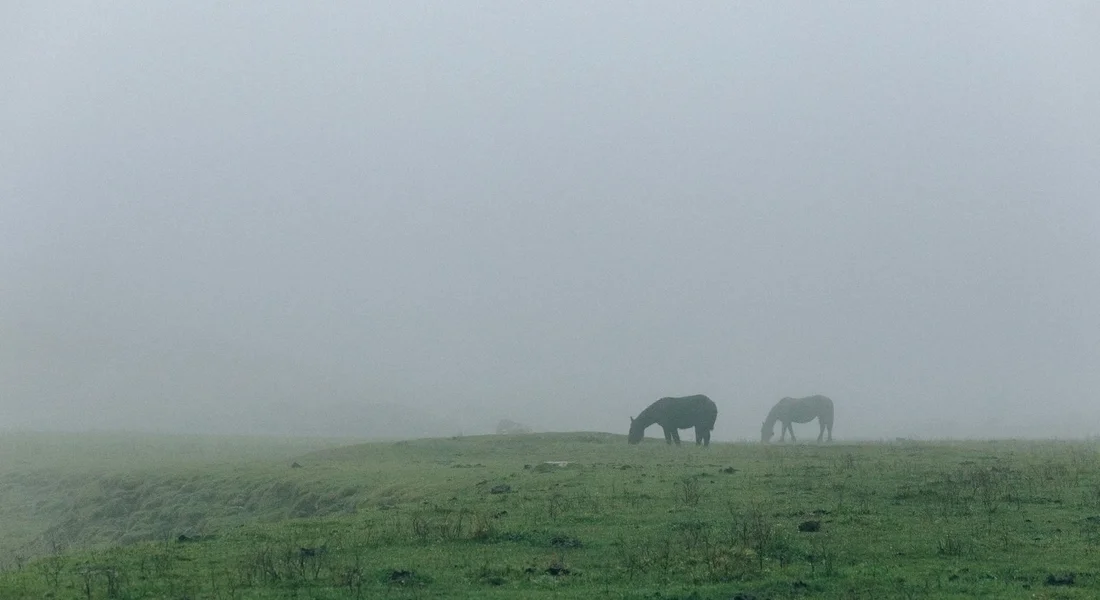
Advantages of Individual Turnout: Control and Custom Care
Individual paddocks offer a level of management precision that group settings can’t match. You dictate exactly what goes into your horse’s mouth, which is a game-changer for animals with dietary restrictions. This control prevents feed bullying and ensures each horse receives their specific grain or supplement ration without interference. It complements the overall well-being of your horse in any turnout environment.
Think of a horse like my thoroughbred, Luna: she’s prone to weight gain and needs a measured diet. In her own space, I know the dapple grey isn’t pilfering extra calories from a buddy’s bucket. Injury risk from playful or aggressive herd dynamics also plummets.
- Tailored footing for horses with leg issues or laminitis.
- Immediate isolation at the first sign of contagious illness.
- Simplified monitoring of manure output and water consumption.
The quiet of a solo paddock, broken only by the thud of their own hooves, allows for easy daily checks. You catch subtle limps or shifts in behavior faster when you’re not sorting one horse from a moving group.
Disadvantages of Individual Turnout: Isolation and Inefficiency
Horses are wired for company. Denying that can lead to stress behaviors like weaving, cribbing, or incessant calling. The silence isn’t always peaceful; it can be lonely. Isolation contradicts their fundamental herd instinct, potentially creating mental health issues that manifest as physical problems. Separation anxiety in horses is a common cause of such stress.
From a practical stance, individual turnout demands more from you and your land. It requires more linear feet of fencing, more water troughs to clean, and more time spent moving horses in and out. The efficiency of throwing a herd into one large pasture vanishes.
- Increased labor for daily mucking of multiple smaller areas.
- Reduced natural movement, as solo horses often move less without social prompting.
- Greater financial outlay for infrastructure and maintenance.
I’ve seen it with Pipin, our Shetland: alone, he’ll stand by the gate waiting for action, but with a friend, he trots and explores. Without companionship, a horse’s world shrinks, and their overall fitness can suffer from self-imposed stall rest.
How Individual Turnout Fosters Personal Accountability in Care
When your horse lives alone, you become their entire world. There’s no herd to provide social grooming or shared warmth. This setup forces you, the caregiver, to actively provide all enrichment, exercise, and interaction they need. Understanding herd dynamics and social enrichment informs how you plan care, even for a solo horse. It guides you to design activities that mimic natural social cues.
You can’t assume they’re getting movement by playing; you must ride, hand-walk, or provide a toy. You are their sole source of mental stimulation. This accountability deepens your observational skills. You notice the small things: how they track your approach, the consistency of their manure piles, the wear pattern on their hooves.
It builds a direct bond but also a heavy responsibility. Every decision-from turnout time to paddock placement-rests solely on your judgment, making you a more attentive and responsive horse keeper.
How to Choose: Key Factors for Decision Making
Assessing Your Horse’s Personality and History
Start by being brutally honest about your horse’s character. Is she a social butterfly or a grumpy hermit? Watch how they interact over the fence. A horse’s past injuries in group settings are a glaring red flag that often dictates the safest future.
Take my crew: Rusty, our quarter horse, is a steady Eddy who enjoys company but doesn’t demand it. Luna’s high-strung nature means she bonds intensely with one buddy; without one, she paces. Pipin’s cheeky intelligence turns to mischief without an outlet. Your horse’s personality is the first filter.
- Note their herd rank: are they a bully, a victim, or neutral?
- Review veterinary records for past kick injuries or stress-related colics.
- Observe their current behavior: do they seem content alone or constantly seek contact?
This assessment isn’t a one-time event; it’s an ongoing conversation with your animal, spoken in the language of their behavior.
Evaluating Your Facilities and Resources
Your land and budget are the unyielding reality checks. Dreaming of individual paddocks is pointless if you only have one large field. Safety trumps all, so inspect fencing, gate latches, and water access with a critical eye for both setups.
For individual pens, you need robust, visible fencing that prevents contact but allows social sightlines. Water systems must be reliable in every paddock. Do you have the time for the extra chores? The smell of fresh hay might be sweet, but hauling it to six spots is heavy work.
- Measure space: individual pens should allow for trotting and rolling.
- Check shelter placement: can all horses access windbreaks without conflict?
- Calculate cost: additional water lines, fencing materials, and labor hours.
Your facility’s layout will often make the choice for you, guiding you toward the most practical and safe configuration.
Considering Management Goals and Stakeholder Alignment
Why is this horse in your care? A competition athlete, a retired companion, a breeding mare? Each goal has different turnout needs. Align every decision with the primary objective for the horse’s health and performance.
A trainer might prioritize injury-free legs for a show horse, leaning toward individual turnout. A retirement barn might value social fulfillment above all. If you board, the barn’s policy is a key stakeholder you must reconcile with your own philosophy.
Have the conversation. Talk to your vet, farrier, and barn manager. Gentle horsemanship means advocating for your horse’s needs in a chorus of opinions, ensuring their welfare remains the central note.
List your non-negotiables: daily turnout, social contact, specific dietary control. See which system best meets them. The right choice harmonizes your horse’s nature, your resources, and your shared goals. A healthy exercise turnout schedule for your horse can reinforce that balance, blending turnout with purposeful workouts for fitness and welfare.
When to Opt for Group Turnout: Effective Scenarios
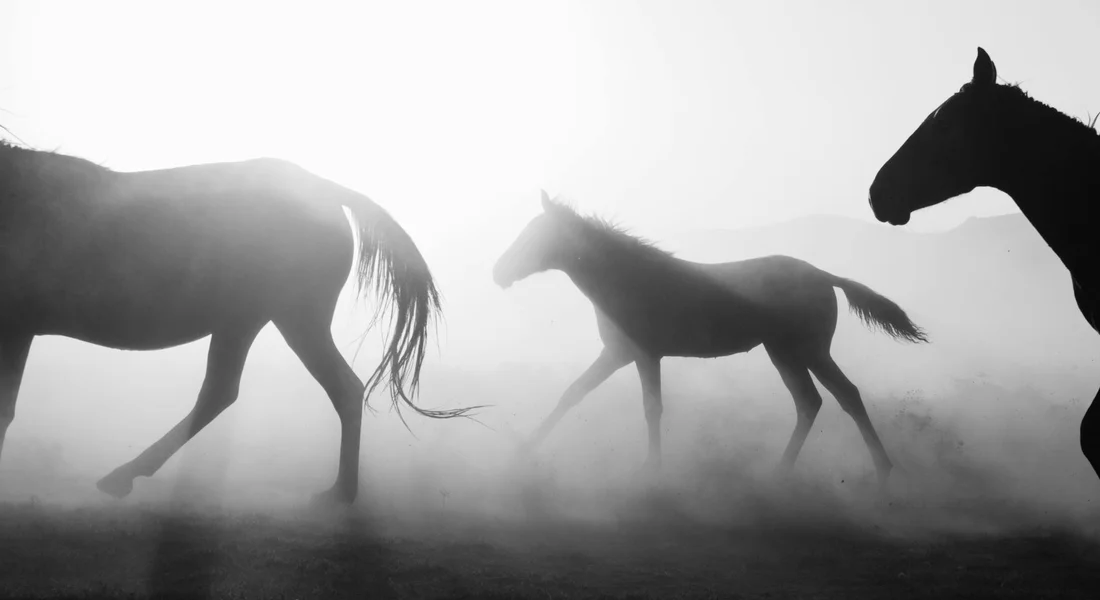
Ideal Candidates for Herd Life
Watch a healthy herd in a field, and you’ll see the truth: most horses are wired for company. The soft nickers over the fence line and the synchronized grazing are signs of a content social unit. Do horses truly need companions, and how do herd dynamics shape their behavior? Understanding this helps explain why social structure and turnout matter. Horses with steady, easygoing demeanors often thrive in a group, finding comfort and security in the herd’s rhythm. I’ve seen it with my old gelding Rusty; his reliable nature makes him a peacekeeper, teaching younger horses manners simply by being a calm presence.
Youngsters, like a growing Thoroughbred, benefit immensely from older, wiser heads. They learn bite inhibition, how to move their feet respectfully, and general herd etiquette through play and correction. For a high-energy horse like Luna, a compatible group can provide essential social exercise that burns off steam in a way a solitary paddock never could. The key is compatibility, not just throwing any horses together.
Good candidates typically show these traits:
- Moderate to low herd hierarchy drive (they aren’t constantly battling for top spot).
- No history of severe aggression or fence fighting.
- General good health without conditions easily spread or worsened by roughhousing.
- A personality that seems relaxed or curious around others, not chronically anxious.
Managing a Successful Group Turnout
Throwing horses together and hoping for the best is a recipe for vet bills. A successful group dynamic is built intentionally. Always introduce new members over a safe fence line for several days, letting them meet without full contact-you’ll hear the squeals and see the posturing, which is normal herd negotiation. I learned this the hard way years ago; a rushed introduction left a nasty bite on a shoulder.
Resource guarding is the root of most paddock drama. You must eliminate competition. This isn’t just about one big hay pile; it’s about strategic placement.
- Provide multiple hay nets or feeders spaced farther apart than a horse’s kick radius.
- Ensure there are at least two water sources, preferably three for a group of four or more.
- Have enough shelter so a lower-ranking horse can escape weather without being cornered.
Space is non-negotiable. Cramped quarters amplify tension. A good rule of hoof is a minimum of one acre for the first two horses and an additional half-acre for each horse after that, though more is always better. Regular observation is your best tool-knowing who hangs out with who and spotting a limp early makes all the difference.
When to Opt for Individual Turnout: Effective Scenarios
Horses That Need Solo Space
While herd life is natural, it’s not a universal fit. Some horses are happier, healthier, and safer alone. Any horse with a contagious condition, like a skin fungus or respiratory virus, requires immediate isolation to protect the entire barn. I’ve nursed many a pony through ringworm in a solo paddock, where they can’t rub it on their friends.
Then there are the individuals whose personalities or needs clash with group living. This includes the severe bully, the perpetually picked-on, and horses on strict metabolic or recovery diets. A food-motivated escape artist like Pipin might need individual turnout simply to manage his calorie intake and keep him from undoing latches to share his neighbors’ lunch. It’s a welfare choice, not a punishment.
Consider individual turnout for:
- Horses recovering from surgery or major injury who need restricted movement.
- Senior citizens who struggle to compete for resources, even in a gentle herd.
- Stallions or mares in intense hormonal cycles.
- Extremely anxious horses who find social stress overwhelming, despite careful introductions.
Setting Up a Safe and Stimulating Individual Paddock
A solo paddock shouldn’t be a boring prison. Your goal is to create a secure, engaging environment that mimics natural benefits. Safety starts with the fence: use visible, solid fencing like wooden boards or tightly woven mesh without dangerous gaps where a hoof could catch. I always run my hand along any fence line, checking for loose wires or splinters that could cause a nasty cut.
Size matters for solo horses too. A tiny pen leads to pacing and boredom. Aim for enough room for a good roll and a brisk trot. Inside that space, combat loneliness and boredom with clever hacks. A sturdy Jolly Ball or a slow-feeder net stuffed with hay can turn a simple paddock into a source of mental occupation for hours. The steady munching sound is calming for them and for you.
Essential elements for a good individual set-up include:
- Reliable, clean water refreshed daily, checked twice in freezing weather.
- A well-drained, level footing to prevent mud fever or leg strain.
- Access to shelter from sun, wind, and rain-a simple run-in shed works perfectly.
- Visual contact with other horses, if possible, to provide social connection without the risk.
Rotate toys and feeder locations to keep things interesting. The thud of a ball being kicked around is a sure sign your solo horse is engaged, not just standing there waiting for barn time. It’s about quality of life, ensuring that even alone, their turnout time is enriching and safe.
Implementing a Hybrid Turnout System
After years of managing a mixed herd, I’ve learned that strict adherence to one turnout method often creates more problems than it solves. The most harmonious barns I’ve worked in often use a flexible, hybrid approach that adapts to the needs of individual horses and the rhythms of the day. This isn’t a compromise; it’s a strategic management tool.
Combining the Best of Both Worlds
A hybrid system uses both individual and group turnout, not randomly, but with clear intent. The goal is to provide social fulfillment while mitigating risk. Think of it as scheduling different activities for different personalities.
For instance, my sensitive Thoroughbred, Luna, thrives on afternoon group turnout when she’s had a morning workout and is more mentally settled. My old reliable, Rusty, prefers his solo morning grazing session before joining the herd later. By tailoring turnout type to the horse’s daily routine and temperament, you can preemptively sidestep a lot of common behavioral and injury issues.
This model is excellent for introducing new horses, managing dietary needs, or giving a bullied herd member a peaceful break. It allows every horse to experience the head-lowering relaxation of grazing with friends, without the constant, high-stakes pressure of 24/7 herd dynamics.
Steps to Establish a Hybrid Routine
Shifting to a hybrid system requires observation and planning. You cannot just start shuffling horses around. Follow these steps to build a routine that sticks.
- Conduct a Horse-by-Horse Audit. List each horse’s age, health, personality, and social standing. Note who plays well, who starts fights, and who just wants to be left alone. Pipin, my Shetland, gets group time only with carefully chosen, calm companions; otherwise, his cheeky escapades turn into full-blown herd chaos.
- Design Your Turnout Spaces with Intention. You need safe, adjacent paddocks. A central group area surrounded by several individual “run-in” pens works brilliantly. This allows horses to see and smell each other during individual time, fulfilling social needs visually, which is half the battle.
- Create a Clear, Posted Schedule. Consistency reduces anxiety. Chart which horses are together, and when. For example: “7-11 AM: Individual turnout. 1-5 PM: Group A (Rusty, Luna) in back pasture, Group B (Pipin, elderly mare) in sand paddock.” This helps all staff and owners stay on the same page.
- Master the Transition. The most critical moment is moving horses in and out. Always bring the most submissive horse in first and take the most dominant one out first. This prevents gate-blocking and bullying. I learned this the hard way after a certain sorrel Quarter Horse decided he owned the gate area for an entire afternoon.
- Monitor and Adjust Relentlessly. Watch for new bite marks, changes in herd hierarchy, or signs of stress like fence-walking. Your first schedule is a draft, not a decree; be prepared to swap pasture buddies or adjust times based on what you observe. The system serves the horses, not the other way around.
Implementing this takes more initial effort from the barn manager, but the payoff is immense. You’ll hear less screaming over fences, see fewer injuries, and notice a deeper sense of calm in your herd. The sound of contented chewing, rather than frantic galloping, will become your barn’s background music.
Frequently Asked Questions: Group Turnout vs. Individual Turnout
What factors should be considered when choosing between group and individual turnout?
The decision hinges on three core pillars: your horse’s unique personality and social history, your facility’s physical layout and resources, and your specific management goals for the horse. You must honestly assess whether your horse is a herd-bound socialite or a content loner, and if your land can safely support the chosen system. Ultimately, the choice must align the horse’s welfare needs with what is practically and safely achievable.
In what scenarios is group turnout the most effective choice?
Group turnout is most effective for socially confident, easygoing horses that thrive on companionship and for young horses learning herd etiquette from calm elders. It is ideal when managing a large number of horses on ample land where resources like hay, water, and shelter can be provided in multiple, spaced-out locations to minimize conflict. This system excels at providing natural, dynamic exercise and mental stimulation through constant social interaction.
How can a hybrid approach combining both methods be implemented?
A hybrid approach is implemented by creating a structured schedule that allocates specific times for solo and group time, based on each horse’s needs and temperament. It requires having adjacent safe spaces, like individual pens bordering a larger group area, to allow for visual contact and smooth transitions. Success depends on vigilant monitoring and flexibility, ready to adjust pairings and routines based on observed herd dynamics and individual behavior.
Your Horse’s Herd Happiness
Choose turnout based on your horse’s unique personality and your facility’s safety, not just convenience. The most critical step is to manage all introductions over several days in a large, neutral space, letting herd dynamics settle without forcing friendships.
Stay observant and be ready to adjust; a perfect system on paper often needs tweaking in the pasture. Your horse’s relaxed demeanor or anxious pacing will give you the clearest review of your turnout decision.
Further Reading & Sources
- Voter turnout – Wikipedia
- Voter turnout | MIT Election Lab
- Individual or Group Turnout
- Voter Turnout – AP Gov Review | Fiveable
At Horse and Hay, we are passionate about providing expert guidance on all aspects of horse care, from nutrition to wellness. Our team of equine specialists and veterinarians offer trusted advice on the best foods, supplements, and practices to keep your horse healthy and thriving. Whether you're a seasoned rider or new to equine care, we provide valuable insights into feeding, grooming, and overall well-being to ensure your horse lives its happiest, healthiest life.
Competing