
Introducing a New Horse to the Herd: A Barn Manager’s Blueprint for Peace
Hello fellow equestrians. That flutter in your stomach when the new horse’s trailer rolls in isn’t just excitement-it’s the genuine worry about kicks, vet calls, and shattered barn harmony.
I’ve stood in those boots, holding my breath as a new face eyed the established herd. A successful introduction hinges on strategy, not luck. This guide will give you that plan.
We’ll cover the core steps I use every time, including:
- Assessing your current herd’s personality pecking order long before the new horse arrives.
- The critical health quarantine phase that protects everyone and serves as a gentle hello.
- Controlled, visual introductions over a fence line to let them meet without touch.
- Reading the silent language of ears, tails, and posture during the first supervised turnout.
- Providing enough space, resources, and escape routes to defuse tension from day one.
This process is built on two decades of barn management, from settling anxious thoroughbreds like Luna to outsmarting clever ponies like Pipin.
Start With a Solid Plan: Pre-Introduction Prep
Rushing a herd introduction is like throwing a surprise party for someone who hates crowds-it’s a disaster waiting to happen. The work you do in the days and weeks before the first real meeting is what builds a foundation for a peaceful pasture.
Step 1: The Essential Quarantine
This is the non-negotiable first move, every single time. Your new horse, no matter how healthy they look, needs a period of isolation. I learned this the hard way years ago, skipping a proper quarantine for a sweet-looking mare who then shared a respiratory bug with three others. A month of vet bills and coughing horses is a powerful teacher.
A proper quarantine lasts a minimum of two to three weeks in a separate airspace. This means:
- Stall or paddock at least 35 feet away from the resident herd.
- No shared water troughs, feed tubs, or hay nets.
- Dedicated grooming kits and mucking tools.
- Care for the new horse last in your daily routine to avoid tracking pathogens.
This time isn’t just about disease prevention; it’s a crucial adjustment period for the newcomer to settle their nerves without the social pressure of a full herd. You’ll learn their habits, and they’ll start to recognize you as a safe constant.
Step 2: Vet and Paperwork Check
While your new horse is in quarantine, get the medical and administrative details in perfect order. Assume nothing. A call from the previous owner’s vet can save you immense headache. That first vet visit sets the tone for ongoing care. Your First Vet Visit: Complete Checklist for New Horse Owners can guide that appointment.
- Confirm all core vaccinations (EEE/WEE, Tetanus, West Nile, Rabies) are current.
- Verify a negative Coggins test for Equine Infectious Anemia within the past 12 months.
- Request a deworming history and plan a fecal egg count with your own vet.
- Check for any known allergies, old injuries, or behavioral notes (e.g., “dislikes chestnuts being touched”).
Having this paperwork organized isn’t just about barn records-it’s proof of your commitment to responsible ownership and protects every animal in your care. It also gives you a clearer picture of what you’re introducing, like knowing my mare Luna needed a quieter corner of the herd due to her thoroughbred sensitivity.
The First Hello: Fence-Line and Scent Exchange
After quarantine, it’s time for the first supervised “meet and greet.” The goal here is controlled curiosity, not contact.
Choosing the Right Introduction Paddock
The location for this first meeting is critical. You need a neutral, safe space where no horse feels territorial.
- Use two adjacent paddocks or a single paddock split by a very sturdy, visible fence. Electric tape over a solid rail works well.
- Ensure the fence is in excellent repair-no loose boards, sagging wire, or protruding nails.
- The area should be free of obstacles like loose tires or equipment where a spooked horse could get trapped.
- Provide hay piles or water on both sides of the fence, but spaced well apart to discourage fence-fighting over resources.
A proper setup allows for natural investigation-the squeals, the snorts, the arched necks-without the hooves and teeth that can lead to injury. I always use our front paddock for this, as none of the horses consider it their “core” territory.
Reading Early Interactions
Watch their body language like it’s your favorite movie. You’re looking for communication, not just conflict.
- Positive Signs: Mutual grooming over the fence, relaxed lower lips, soft blowing through nostrils, grazing near each other. This is what you hope to see after the initial posturing.
- Warning Signs: Flat ears pinned for more than a few seconds, repeated striking at the fence, frantic chasing along the barrier, or one horse relentlessly harassing another without break.
- The “Pipin Factor”: Remember my Shetland, Pipin? The little ones can be instigators. Watch for the cheeky pony sneaking under fences to start trouble or steal food, which can disrupt the entire dynamic.
Let them interact like this for several days, or even a week, until the dramatic displays settle into mutual disregard or quiet interest. This fence-line time is the most important investment you can make in a peaceful full introduction later. The smell of each other, the sounds, and the rituals become familiar, taking the edge off that first real encounter.
Reading the Room: Understanding Herd Body Language
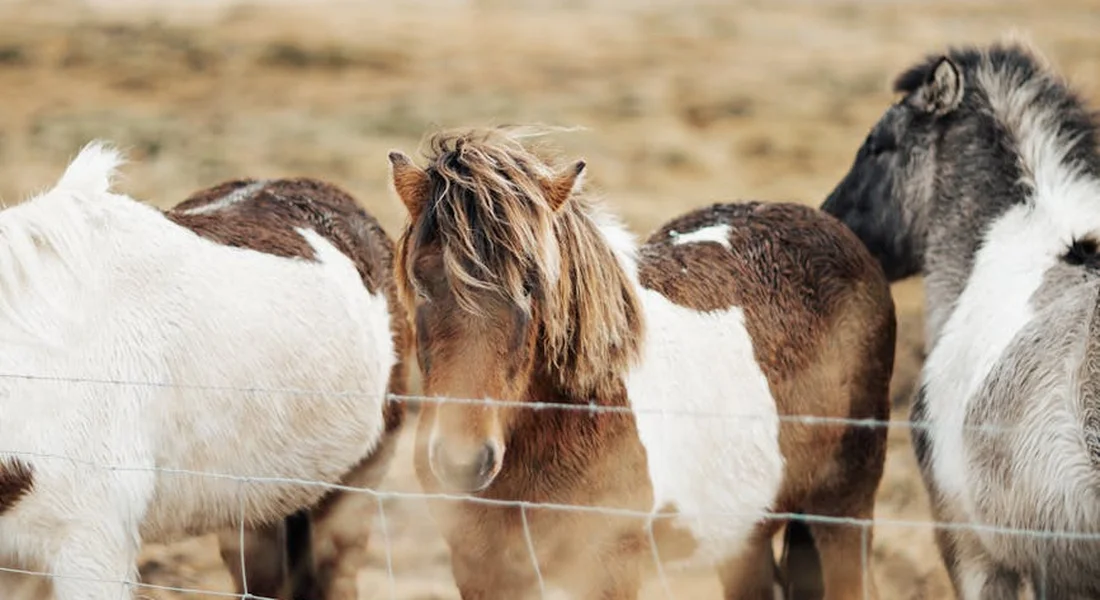
Before horses even touch noses, they have a full conversation with their ears, eyes, and posture. Watching this silent dialogue is your most important job. Your ability to read these subtle cues is what prevents a simple meeting from turning into a rodeo. I’ve spent countless hours leaning on the fence, coffee in hand, learning the dialect of my herd, from Pipin’s mischievous ear flicks to Luna’s high-headed alerts. This awareness lets you tell if your horse is happy and relaxed. Understanding their body language in the moment helps you respond to keep that mood steady.
Calm Signals to Encourage
Look for these relaxed behaviors that suggest curiosity, not conflict. They mean the herd is processing the newcomer without immediate threat.
- Soft, Forward Ears: The horse is interested and attentive, not alarmed.
- Low Head Carriage: A neck stretched down for a sniff shows investigative calm.
- Relaxed Lip and Chew: A slow, chewing motion often signals submission and acceptance.
- Quiet Snorts: Gentle puffs are about clearing the nose for better smell, not aggression.
- Turning Sideways: Presenting their flank, not their front, is a neutral, non-confrontational stance.
I always feel a wave of relief when I see Rusty do his classic “sniff-and-sigh” when a new boarder arrives. That deep exhale is a universal horse sign for “you’re probably okay.”
Red Flags That Mean ‘Stop’
These signs mean you need to immediately create space. They are escalations that can lead to kicks or bites in seconds.
- Pinned Ears Flattened Back: This is horse swear words. It’s a direct threat.
- Raised Tail with Tensed Hindquarters: The body is coiling like a spring for a potential kick.
- Striking with a Front Leg: A pawing or jabbing motion is a clear “back off.”
- Deep, Guttural Squealing: This isn’t a playful nicker; it’s a battle cry often paired with a reared head.
- Chasing with Intent: A determined chase, not a loose shuffle, means real aggression.
Once, during an introduction, I saw Luna’s ears vanish into her mane and her hip turn sharply. We intervened before her thought became a action, which is the entire goal of reading these red flags.
The Big Meeting: Supervised Direct Contact
This is when you move from fence-line neighbors to shared space. Your presence is a calm referee, not a participant. Choose a large, familiar paddock with good footing and no tight corners where a horse could be trapped. The open space of our main pasture, with its gentle slope, has been my go-to stage for years.
Step-by-Step to the First Nose Touch
- Walk Both Horses In Hand: Bring the new horse and the herd’s most easygoing member into the space. Keep a safe horse-length between them.
- Allow Parallel Investigation: Let them walk near each other, sniffing the air. Listen for soft nickers, not squeals.
- The Controlled Approach: Turn them to face each other at a slight angle, not head-on. Allow them to stretch their necks forward.
- The First Touch: Let their muzzles meet briefly. You’ll see whiskers twitch and nostrils flare as they exchange breath.
- Redirect and Reward: After a few seconds, calmly ask your horse to walk on with you. Offer a verbal “good boy” to reinforce the calm behavior.
This gradual dance builds confidence without forcing a confrontation that neither horse is ready for. It took three short sessions like this for Pipin to stop viewing every new horse as a personal treat thief.
Tools to Have on Hand (Just in Case)
Hope for a peaceful meeting, but prepare for a spat. Having these items nearby lets you act swiftly and safely.
- Two Sturdy Lead Ropes on Secure Halters: Never rely on a single rope or a slip knot. I use a quick-release knot I can pop open with one pull.
- Thick Leather Gloves: Rope burn is a real risk if you need to separate quickly. My old broke-in pair has saved my hands more than once.
- A Long Dressage Whip or Plastic Flag: This is a barrier extender, not for hitting. A wave near a hindquarter can discourage a kick without you getting close.
- A Human Assistant: A second calm person to handle one horse is invaluable. Two sets of eyes see twice as much trouble.
- A Basic First-Aid Kit: Stock it with vet wrap, antiseptic spray, and sterile gauze. It’s for superficial scrapes, not major injuries.
Your most important tool is your own calm energy; horses mirror your tension, so take a deep breath and project quiet confidence. The thud of hooves on dirt sounds a lot louder when you’re nervous, but staying grounded keeps everyone safer.
When Things Get Hairy: Handling Aggression and Fights
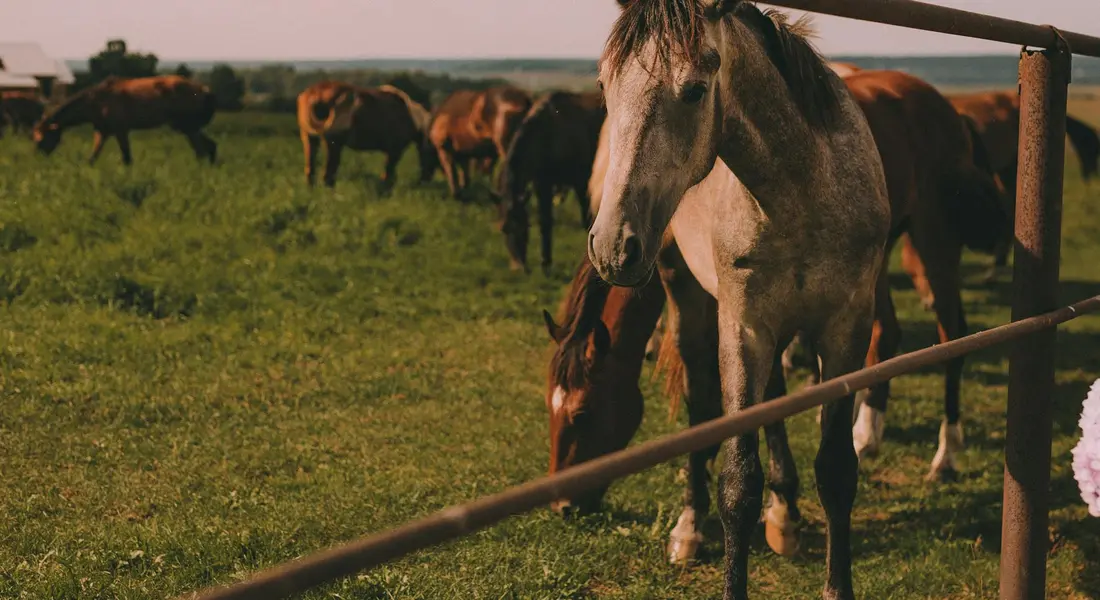
The initial meetings between horses often involve pinned ears, squeals, and some dramatic posturing. Understanding why horses squeal and clack during interaction helps explain these moments and can guide your response. This is normal communication. But when it escalates to lunging, biting, or full-blown kicks, you need a plan. I’ve broken up more squabbles than I can count, like when Luna decided Rusty was too close to her hay pile. The key is to stay calm and act decisively.
De-escalation Techniques
Your primary goal is safety for all animals and yourself. Never get directly between two fighting horses. Instead, use these methods to redirect their focus.
Always have a long lead rope or a lunge line in your hand during early introductions. A well-aimed swing of the rope’s end near a hindquarter-not on it-can create a safe distraction. A sudden noise or movement from a distance is far safer than stepping into their blind spot.
Use your voice as a steadying tool. A firm, low “easy” can be more effective than a shout. I’ve found that horses like Rusty, who’s seen it all, often respond to a familiar command before a younger, hotter horse like Luna does.
Create a physical barrier if possible. A sturdy fence panel or even a large wheelbarrow can be pushed between them to break their line of sight. Breaking their visual focus is often the fastest way to stop a fight from escalating.
If you have help, coordinate a simultaneous retreat. Each person calmly leads a horse away in opposite directions, avoiding any sudden pulling that might trigger more resistance.
When to Call It a Day
Persistent aggression isn’t a contest of wills; it’s a sign your timeline is too fast. Recognizing the cutoff point prevents injuries and lasting trauma.
Separate the horses immediately if you see any of these signs:
- Relentless chasing that doesn’t subside after a few minutes.
- Any contact that draws blood or causes obvious lameness.
- Panicked body language: whites of the eyes showing, high-headed and tense flight response.
- One horse being cornered with no escape route.
There is no shame in a strategic retreat-it means you’re reading your horses correctly. I’ve had to call it a day with Pipin more than once; his clever nipping required multiple short sessions. Go back to simply letting them see each other over a fence, where they can communicate safely without physical risk. This patience is essential because not all horses are immediate companions.
FAQ: Introducing a New Horse to an Established Herd
How do I prepare for introducing a new horse to an established herd?
Beyond quarantine, mental preparation is key for both the newcomer and the herd. Introduce calming routines like hand-walking the new horse near the herd’s space to build familiarity and help in managing anxiety in horses. Ensure all horses are tired from prior exercise to lower their energy and potential for conflict during the first meetings.
What is the best location for the initial introduction?
The best location is a neutral, large area with excellent footing, clear sightlines, and no blind corners. It must have a very sturdy, visible fence like a double-fenced alleyway or a solidly divided paddock. Good footing prevents slips during any excited movement, and the space should allow a horse to move away without being trapped. In planning, the fencing layout is a key part of creating a safe turnout area for horses. A thoughtful layout provides clear boundaries and easy exit routes.
Should the horses be separated by a fence first, and for how long?
Yes, a secure fence-line separation is a critical safety step before any direct contact. They should interact this way for a minimum of several days to a full week, allowing their initial curiosity and posturing to settle. This period ends when they show mutual disinterest or calm, positive behaviors like grazing peacefully near each other.
Setting the Herd Up for Success
Introducing a new horse is a structured process of gradual introductions in neutral space, followed by safe, supervised cohabitation. The single most important ingredient is never time-it’s your patience. A 90-day new horse integration plan can guide you through joining the herd with clear milestones and safety checks. This approach makes patience actionable as you progress through the steps.
Watch the herd dynamics more than the clock, and trust that the horses will work it out. Your job is to manage the environment for safety, then step back and let their language take over.
Further Reading & Sources
- Introducing a New Horse to the Herd
- How to Safely Introduce a New Horse to Your Herd – SmartPak
- Introducing Your Horse to a New Herd
- Adding a New Horse to your Herd – Springhill Equine Veterinary Clinic
At Horse and Hay, we are passionate about providing expert guidance on all aspects of horse care, from nutrition to wellness. Our team of equine specialists and veterinarians offer trusted advice on the best foods, supplements, and practices to keep your horse healthy and thriving. Whether you're a seasoned rider or new to equine care, we provide valuable insights into feeding, grooming, and overall well-being to ensure your horse lives its happiest, healthiest life.
Behavior