
Hay Bales vs. Pellets vs. Cubes: Decoding the Best Forage for Your Horse
Hello fellow equestrians, that moment of doubt in the feed aisle-weighing cost against quality and convenience against health-is a shared stable experience. Choosing the wrong forage form can lead to digestive upset, behavioral quirks, and those vet bills we all dread.
Let’s simplify that choice. In this guide, we’ll walk through the core truths of each option so you can feed with confidence. We’ll cover:
- The unbeatable mental and physical benefits of long-stem hay from a bale
- When nutrient-dense pellets make sense for seniors or easy keepers
- How cubes can be a game-changer for reducing waste and respiratory dust
I’ve balanced these decisions daily for over a decade in the barn, keeping everything from cheeky ponies to sensitive thoroughbreds thriving on a foundation of good forage.
The Forage Foundation: Why Roughage Rules Your Horse’s Diet
What Every Horse Owner Must Know About Fiber
Your horse’s digestive tract is a slow, steady fermentation factory built for grass, not gas. Horses eat straw as roughage in some settings, illustrating how roughage choices shape their equine diets. Fiber from roughage is the bedrock of their health, powering everything from gut motility to mental calm.
I learned this watching my old gelding Rusty in the pasture. His head stayed low for hours, methodically grazing. That constant, slow intake of fiber is what keeps a horse’s stomach acid in check and their mind content. It also makes me curious about how a horse’s digestive system works. Understanding that system helps explain why steady forage matters.
Think of fiber as both food and medicine. The physical act of chewing long stems produces buckets of saliva. This saliva is nature’s antacid, bathing the stomach to prevent ulcers from forming.
Skimp on roughage, and you invite colic, boredom, and stable vices like cribbing. Horses are designed to have forage moving through their system for 18-20 hours a day, no exceptions.
My barn rule is simple: forage first, everything else second. Whether it’s from pasture, hay, or a processed stand-in, fiber must make up the vast majority of your horse’s daily diet.
Nutritional Face-Off: Hay Bales, Pellets, and Cubes Under the Microscope
Hay Bales: The Pasture in a Package
There’s a reason the scent of a fresh bale smells like health. Traditional baled hay, with its long stems and varied texture, most closely mimics a horse’s natural grazing pattern.
I feed bales to horses with ample turnout, like my steady Eddy Rusty. The length of the hay is crucial. Longer stems require more chewing, which maximizes saliva production and naturally slows consumption.
You trade this ideal form for some practical hassles. Storage space, dust, and potential mold are real concerns. Always inspect your bales by hand and nose-good hay should smell sweet and feel springy, not damp or dusty.
Here’s how bales stack up in daily use:
- Nutritional Profile: Directly reflects the field it was cut from; protein and sugar levels can vary between cuttings.
- Best For: Horses with healthy teeth, easy keepers, and any horse who benefits from the slowest possible eating time.
- Stable Hack: Use a slow-feed net to reduce waste and make that precious bale last even longer.
Hay Pellets: The Concentrated Forage
Hay pellets are forage that’s been pulverized and cooked into tiny, uniform cylinders. This process creates a dust-free, consistent feed that’s a lifesaver for horses like my dust-sensitive Luna.
The density fools many owners. A quart of pellets weighs far more than a quart of loose hay. You must feed pellets by weight, not volume, to avoid accidentally over or under-feeding.
Their biggest drawback is speed. Horses can inhale pellets, missing the critical chewing phase. I always soak pellets into a mash to slow eating, add water, and revive some of that lost texture. As herbivores, horses rely on thorough chewing to kickstart digestion. Slowing their intake supports that digestive process.
Consider these points before buying a bag:
- Nutritional Profile: Very consistent, but the heating process can degrade certain heat-sensitive vitamins like A and E.
- Best For: Horses with respiratory issues, seniors with poor dentition, or as a precise carrier for supplements.
- Stable Hack: Mix soaked pellets with a handful of long-stem hay to encourage more chewing and provide gut-scratching fiber.
Hay Cubes: The Happy Medium
Hay cubes are chopped hay compressed into small, brick-like pieces. They strike a clever balance between the natural benefits of bales and the convenience of pellets.
My clever pony Pipin will nose his cubes around his bucket, playing with them before eating. This inherent “fuss factor” naturally extends meal time better than pellets alone.
Cubes can be fed dry, but I prefer to soak them. A bucket of soaked cubes becomes a wholesome, crumbly mash. Soaking dramatically reduces the risk of choke and is a sneaky way to boost your horse’s water intake.
Weigh the pros and cons for your situation:
- Nutritional Profile: Excellent retention of leaves and nutrients, with less waste and sorting than from a loose bale.
- Best For: The traveling horse, the picky eater who sorts through bales, or the owner with very limited storage.
- Stable Hack: For a greedy eater, scatter soaked cubes on a clean stall mat or in a large tub to force slower foraging.
Cost, Storage, and Sweat Equity: The Real-World Stable Test
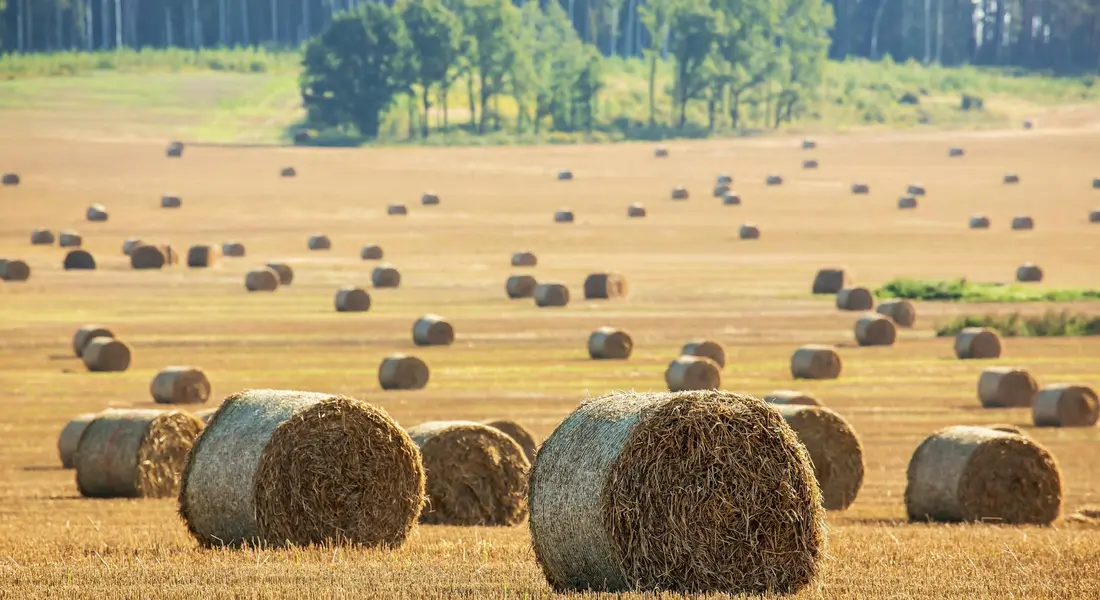
Nutrition labels are one thing, but the real test happens in the drafty feed room and the muddy paddock. Choosing between bales, pellets, and cubes often boils down to your wallet, your storage space, and how much sweat you’re willing to invest before the sun comes up. I’ve spent countless mornings breaking ice off water buckets and heaving hay, and let me tell you, the easiest option for your back isn’t always the best for your bank account or your horse.
Calculating Your True Cost Per Nose
That bargain hay bale price can be a mirage. You must factor in waste, storage loss, and your time. True cost is what you pay for the nutrition that actually ends up inside your horse, not in the dust on the floor. Let’s break it down practically.
Consider a standard two-string bale of grass hay. You lose some to weather, some to moldy flakes you can’t feed, and a fair bit to selective eating where they drop the stems. With pellets or cubes, waste is nearly zero, but you pay a premium for that processing and convenience. I keep a simple spreadsheet for my crew-Rusty, Luna, and the pony Pipin-to track what each form costs per pound of digestible fiber.
- Hay Bales: Lower upfront cost per pound. Hidden costs include storage space (a dry loft is gold), labor for moving and flaking, and potential waste of 15-30%.
- Pellets & Cubes: Higher price per pound. Savings come from minimal waste, compact storage (bags stack in a corner), and precise portion control for easy or hard keepers.
My rule? For a small barn or a single horse, the math often favors processed forage. For a large herd, bales usually win on pure economics, but only if you have dry storage and the muscle to manage them. The thud of a heavy bale off the truck is a sound that means you’ve got work to do.
Matching the Forage to Your Horse: A Guide for Every Age and Issue
No two muzzles are alike. What keeps one horse thriving can cause another trouble. Your forage choice is your most powerful tool for managing health, beyond any supplement in a tub. Listen to your horse-they’ll tell you what works.
For the Senior Citizen: Dental Health and Easy Eating
Old horses like my reliable Rusty often have worn teeth or gaps that make chewing long-stem hay a chore. You’ll see wads of hay, called quids, dropped in the stall. Soaked hay cubes or pellets become a lifesaver, transforming into a soft mash they can gum easily. This ensures they get every bit of nutrition without the frustration.
Soaking also increases water intake, which is a bonus for kidneys that might not be what they once were. I start Rusty’s dinner by pouring warm water over his alfalfa cubes; the smell alone brings him pacing to his stall door. Avoid dusty hay for seniors-it irritates those older airways. A consistent, easy-to-eat forage source keeps weight on and their routine peaceful.
For the Easy Keeper and the Hard Holder: Weight Management Tactics
This is where form truly dictates function. For the pony Pipin, an easy keeper, every calorie counts.
- Easy Keepers: Use low-sugar, mature grass hay. To slow consumption, use a tight slow-feeder net with hay. Pellets are risky for them as they can be eaten too fast, leading to boredom and weight gain, but a small portion of soaked plain grass pellets can extend eating time.
- Hard Holders: Like my lean Thoroughbred Luna, they need digestible calories. High-quality alfalfa or mixed hay cubes are excellent. You can feed them more frequently without the bulk, and adding a fat supplement to their pellet ration is simple and effective. The goal is constant, quality intake without overwhelming a sensitive gut.
Turnout time on good pasture is non-negotiable for both, but how you deliver their supplemental forage makes all the difference in managing their condition. Understanding the benefits of different turnout environments—pasture versus paddock—can guide that approach. Each setting offers its own advantages for delivery efficiency and condition management.
For the Sensitive Gut: Supporting Ulcer-Prone and Colicky Horses
A horse’s stomach produces acid continuously. For stressy types or performance horses, forage is the best antacid. Long-stem hay encourages natural chewing and saliva production, which buffers stomach acid most effectively. But for horses with a history of impaction or who are poor chewers, long hay can pose a risk.
This is the balance. For ulcer management, free-choice hay is ideal. If dust is a trigger, steamed hay or soaked cubes are superb alternatives. Soaked beet pulp or alfalfa pellets can create a soothing, wet mash that promotes gut motility and hydration, crucial for colic-prone individuals. I’ve found that for Luna, who has a nervous digestion, a combination works best: a slow-feeder hay net available always, with a small soaked meal of alfalfa pellets to ensure she starts her work day with a calm, full stomach.
The rhythm of their gut is a sound you learn to listen for; consistent, appropriate forage keeps that rhythm steady and quiet.
From Bag to Bucket: Practical Feeding Steps and Safety Tips
Knowing the numbers is one thing, but getting the forage into your horse safely is where the real horsemanship happens. I’ve seen too many good intentions lead to a panicked call because someone soaked pellets wrong or a clever pony figured out how to inhale his dinner.
How to Soak Forage Cubes and Pellets Correctly
Soaking isn’t just about adding water; it’s about transforming the feed to prevent choke and support digestion. My method is simple and born from necessity after a scary moment with an eager senior horse. It’s a practical way to keep your horse hydrated and encourage water intake.
- Choose Your Vessel: Use a clean, heavyweight bucket that won’t tip. A muck bucket works perfectly.
- Cold Water is Key: Always use cold water. Warm water can accelerate bacterial growth, turning your forage soup sour and dangerous in minutes.
- The Ratio & Wait: For pellets, a 1:1 ratio (one part pellets to one part water) and a 10-minute soak usually does it. For hard cubes, you’ll need more water-about 2:1-and at least 30 minutes, sometimes longer in winter. They should break apart easily with your fingers.
- The Critical Check: Before serving, plunge your hand into the center of the soaked mass. If it’s even slightly warm to the touch, discard it immediately-it’s fermenting.
- Feed Promptly: Serve soaked forage within a few hours, and always clean the bucket thoroughly afterwards to avoid mold.
The goal is a crumbly, mash-like consistency that encourages chewing and slows consumption. If it looks like cement, you didn’t use enough water.
Slowing Down the Fast Eater: Tricks for Every Forage Type
A horse that bolts its feed is a choke risk waiting to happen. Here’s how I manage the gobblers in my herd, from Luna the Thoroughbred to Pipin the pony.
- For Hay Bales: Use a small-hole hay net, double-netted if needed. Place large, heavy rocks in the feeder to force them to fish around. I often split their hay ration into three or more smaller servings throughout the day.
- For Cubes & Pellets (Dry): Never feed them dry to a fast eater. This is rule number one. If you must, spread them thinly over a large, flat rubber mat or in a specially designed slow-feeder tub with obstructions.
- For Soaked Forage: Mix in a handful of large, smooth rocks (bigger than a hoof) or several clean, large river stones. They’ll have to nose around them to get every bite. You can also add a few cups of plain, soaked beet pulp to increase volume without calories.
- The Universal Trick: Feed on the ground, not in a raised tub. This encourages a natural head-down position and slows intake. Just make sure the area is clean and free of sand.
Patience is a management strategy, and slowing a horse’s eating is one of the easiest ways to prevent a costly and terrifying vet emergency. It’s important to separate fact from fiction when it comes to feeding your equine friend, so be sure to avoid common horse feeding myths that can be harmful to your pet.
Making Your Choice: A Barn Manager’s Forage Decision Checklist
Staring at the feed store options can be overwhelming. Print this, stick it on your tack trunk, and run through it with your horse in mind.
- Dental Health: Can your horse chew long-stem hay effectively? Seniors or those with dental issues often need the pre-processed help of soaked cubes.
- Time & Labor: Do you have 30 minutes twice a day to soak forage? If your schedule is chaotic, good-quality hay or a suitable hay pellet might be more realistic.
- Storage & Mess: Do you have a dry, rodent-proof place for 50 bales? Can you handle the dust and chaff of hay? Pellets and cubes win for compact, clean storage.
- Water Intake: Is your horse a poor drinker, especially in winter? Soaked forage is a brilliant way to sneak in extra hydration.
- Weight & Metabolism: Is your horse an easy keeper or a hard keeper? You can feed a much larger volume of soaked, low-sugar cubes to a fat horse for fewer calories, or pack calories into a skinny horse with denser pellets.
- Your Horse’s Brain: Does your horse need a long-duration foraging activity to stay calm and content? Nothing beats a slow-fed hay net for mental well-being.
When to Mix and Match: Using Multiple Forage Forms
You are not locked into one choice. I frequently blend forage types to solve specific problems. My old gelding Rusty gets a base of grass hay to keep him chewing for hours, but I also give him a small soaked alfalfa cube mash for his joints and to ensure he gets his supplements down easily.
For a neurotic horse like Luna, I might offer a portion of her ration as soaked timothy cubes in the morning to take the edge off her hunger before riding, while her main nutrition comes from a measured hay net she works on all day. The most effective feeding program often mimics nature’s variety, using different tools for different needs.
Pipin, our clever Shetland, gets his ration in a trickle feeder to slow his eating, but I’ll hide a few plain grass pellets in a boredom-buster ball for mental stimulation. Mixing formats lets you tailor not just nutrition, but also behavior and enrichment.
FAQ: Hay Bales vs. Pellets vs. Cubes for Your Horse
What are the key differences between hay cubes and hay pellets for horses?
Hay cubes are chopped and compressed hay that retain more texture, encouraging slower eating and natural foraging behavior. Hay pellets are pulverized and cooked, offering a dust-free, consistent feed but requiring soaking to prevent rapid consumption. Cubes often provide a better balance for mental stimulation, while pellets are ideal for precise portion control and horses with respiratory issues.
How do hay pellets compare to beet pulp for managing PSSM in horses?
Hay pellets provide a consistent source of fiber but may lack the high fermentable fiber content of beet pulp for supporting gut health in PSSM horses. Beet pulp is excellent for promoting hydration and smooth digestion, which can help manage muscle metabolism issues associated with PSSM. Combining soaked hay pellets with beet pulp in a mash can offer balanced nutrition while minimizing sugar intake that might exacerbate symptoms.
Is feeding hay pellets more cost-effective than traditional baled hay?
Hay pellets have a higher upfront cost per pound but minimize waste and storage losses, making them efficient for small barns or precise feeding. Baled hay may appear cheaper initially, but hidden costs from spoilage, labor, and selective eating can add up over time. Your choice should factor in herd size, storage space, and time available for daily management to determine true economy.
From the Hayloft: Parting Thoughts
Choose bales for natural chewing, pellets for consistent meals, or cubes as a versatile hybrid, but the foundation of every horse’s diet must be abundant, long-stem forage to support both gut health and mental well-being. Let cost, storage, and your horse’s individual needs guide your final pick.
Transition between any feeds slowly over a week or more to keep your horse’s digestion steady. To transition safely between feeds and change your horse’s diet, pace the switch over several days and monitor digestion. Your best gauge of success isn’t the bag label-it’s your horse’s bright eyes, steady weight, and contented chewing you hear from the stall.
Further Reading & Sources
- Q&A: Alfalfa Hay, Cubes, and Pellets for Horses – Kentucky Equine Research
- Forage Cubes and Pellets for Horses – [How and When to Feed] | Mad Barn
- Feeding Horses Hay Cubes Versus Hay Pellets
- Feeding Grass Hay vs. Pellets, Cubes & Chopped Hay – Pros & Cons
At Horse and Hay, we are passionate about providing expert guidance on all aspects of horse care, from nutrition to wellness. Our team of equine specialists and veterinarians offer trusted advice on the best foods, supplements, and practices to keep your horse healthy and thriving. Whether you're a seasoned rider or new to equine care, we provide valuable insights into feeding, grooming, and overall well-being to ensure your horse lives its happiest, healthiest life.
Nutrition