
Monitor Horse Fitness with Confidence: Your Guide to Heart Rate and Respiration
Hello fellow equestrians! That faint, rapid pulse under your fingertips or the short, quick breaths after a simple workout can send a ripple of concern through any horse owner. You’re right to pay attention-these vital signs are direct windows into your horse’s well-being and fitness level.
Let’s turn that worry into knowledge. By the end of this guide, you’ll know exactly how to track these metrics and what they’re telling you about your horse’s condition.
We will cover:
- Where and how to find your horse’s pulse, beyond just the jaw.
- The clear difference between normal resting rates and working rates.
- How to count respiration and why it’s just as crucial as heart rate.
- Practical ways to use this data to build a smarter fitness plan.
This isn’t just theory; it’s the same daily check-in I’ve used for over a decade in the saddle and stall to keep every horse, from steady Rusty to spirited Luna, thriving.
The Foundation: Normal Resting Heart and Respiration Rates
A truly relaxed, healthy adult horse will show a resting heart rate between 28 and 44 beats per minute (bpm), with a respiration rate of 8 to 16 breaths per minute. These numbers are your baseline, the vital sign signature of a content equine (a guide helps you determine this).
Several factors can shift these rates, so know your individual horse. I keep a little logbook for each of mine.
- Age: Young foals and senior citizens like my pony Pipin naturally run a bit higher.
- Fitness Level: My steady Eddy, Rusty, often clocks in at 30 bpm, while Luna the Thoroughbred rests closer to 40 bpm on a good day.
- Stress: A trailer backing up or a new horse in the field can send those numbers climbing fast.
- Ambient Temperature: A hot, sticky day asks their body to work harder, elevating rates to cool down.
Use this table as a quick cheat sheet for what to expect during different activities.
| State | Heart Rate (bpm) | Respiration Rate (breaths/min) |
|---|---|---|
| Rest | 28 – 44 | 8 – 16 |
| Light Work (walk/trot) | 60 – 80 | 20 – 40 |
| Recovery (2 min post-work) | Should drop below 60 | Should be slowing noticeably |
Your Hands-On Guide to Taking Measurements
Gathering these numbers yourself is simpler than you think, and it builds a deeper connection to your horse’s well-being. It also dovetails with equine body condition scoring, giving you a clear way to assess your horse’s condition. You need quiet, patience, and maybe a cheap stethoscope from the farm store. Over time, you’ll be able to track changes and respond quickly to shifts in condition.
For the heart rate, use a stethoscope on the left chest wall just behind the elbow, or feel for a pulse with your fingers. Listen or feel for 15 seconds, multiply by four, and you have beats per minute.
For respiration, stand quietly at your horse’s side and watch the flank rise and fall-each cycle is one breath. Count for 30 seconds and double it. Don’t stare at their head; it makes them nervous. This practice helps you identify and manage respiratory issues in horses. It also cues you when to seek veterinary care.
The golden rule is to ensure your horse is actually at rest. I do this before morning feeds when the barn is sleepy. Let them stand in a familiar space, haltered but loose, for a good 15 minutes after any activity.
Finding the Pulse: A Practical Demo
My favorite spot is the facial artery, tucked under the cheekbone along the jaw. Press two fingers there gently until you feel a soft, rhythmic throb. It feels like a tiny, steady drumbeat against your skin.
Count the thumps for 15 seconds, then multiply by four to get your bpm. For a more accurate read on a new horse, count for a full 30 seconds and double it. With Rusty, I can find it blindfolded; with Luna, I wait for her to sigh and lower her head first.
Counting the Breath: Watching the Flank
Look for the full, smooth expansion of the ribcage, not a shoulder shift or a head toss. The flank will roll out and then back in. Time it: if you count 3 breaths in 30 seconds, that’s 6 breaths per minute-beautifully low.
A persistently high resting respiration rate can be a quiet flag for dehydration or low-grade anxiety. I learned this with Luna; on a warm day, her breaths were quick until I led her to the trough. Now, I always note the weather when I log her numbers.
Under Saddle: How Exercise Intensity Changes the Numbers
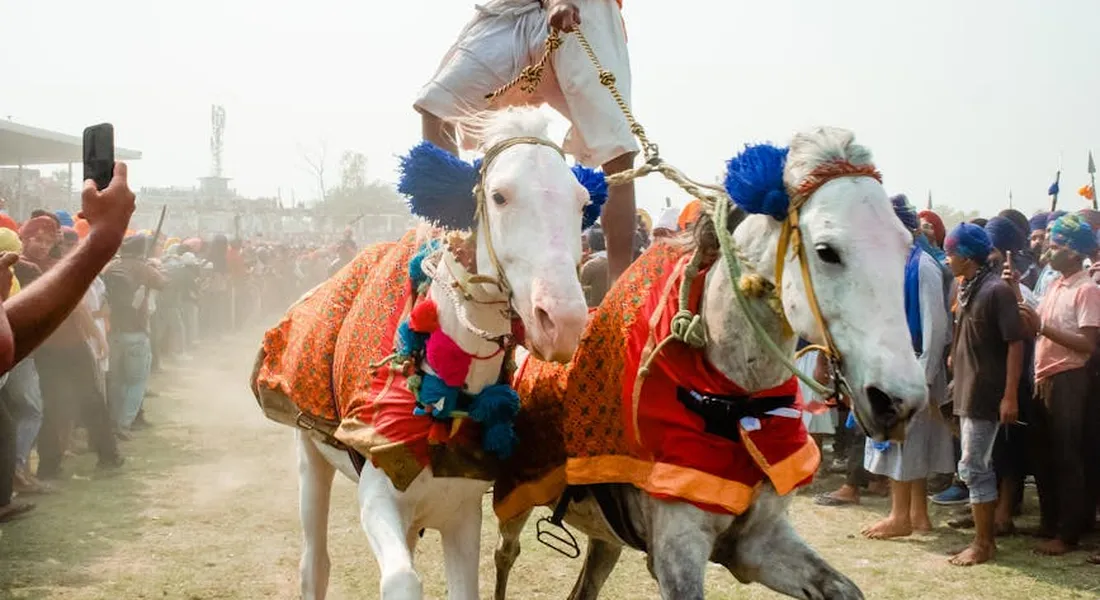
When you swing into the saddle and ask for a trot, you’re asking your horse’s cardiovascular system to go to work. I watch Luna’s sides every time we pick up the pace. The relationship between workload and these internal numbers is direct and unforgiving: more physical demand equals a higher heart rate and faster breathing as the body scrambles to deliver oxygen and remove waste. It’s a basic engine principle.
The true measure of fitness isn’t how high the numbers go, but how efficiently they return to baseline after you slow down. This is where understanding a few key terms turns you from a passenger into an informed coach.
- Aerobic Capacity: This is your horse’s endurance engine. Work in this zone uses oxygen efficiently to fuel muscles for sustained effort, like a long trail ride or a steady dressage school. Heart and respiration rates are elevated but steady.
- Anaerobic Threshold: Think of this as the red line on the tachometer. It’s the point where the demand for energy outpaces the oxygen supply, causing a rapid spike in heart rate and labored breathing as the body starts producing lactic acid. Canter work or jumping often pushes into this zone.
- Peak Heart Rate: This is the maximum beats per minute your horse can hit during all-out exertion, like a gallop or a spook. It’s a ceiling you rarely want to touch in daily training.
A fit horse, like a well-tuned athlete, can achieve more work with less cardiovascular strain, recovering that gentle resting breath in the crossties while a less-fit companion is still heaving. I see it comparing Rusty’s steady trail trot to Pipin’s frantic pony sprints; the pony’s heart is hammering far sooner. The goal is to expand the aerobic capacity and push that anaerobic threshold further out, so your horse works stronger for longer without tipping into distress. Endurance is shaped by several factors—conditioning, nutrition, and recovery. Understanding how these elements interact explains why some horses sustain effort longer with less fatigue.
Understanding Heart Rate Zones for Training
Breaking down heart rate into zones gives you a training map. It tells you what you’re actually building-stamina, strength, or speed. You learn to listen with your eyes and hands, not just your ears.
Training in the lower zones builds the foundational cardiovascular fitness that keeps a horse sound and willing over miles and years. This is the bulk of your work. As the intensity climbs, you shift from building the heart’s endurance to challenging the respiratory system’s ability to process oxygen and clear carbon dioxide under pressure.
- Light Exercise (50-70% of max HR): Walk, slow trot. This zone builds capillaries and conditions the musculoskeletal system gently. The horse breathes easily, and conversation is possible. Perfect for warm-ups, cool-downs, and rehabilitation.
- Moderate Exercise (70-85% of max HR): Working trot, steady canter. Here you’re squarely in aerobic conditioning, building that crucial stamina. Respiration is rhythmic but more pronounced. This is your prime fitness-building zone.
- Heavy Exercise (85-100% of max HR): Fast canter, gallop, intense collection. You’re flirting with or crossing the anaerobic threshold. Training here improves explosive power and tolerance to lactate, but it requires careful management and ample recovery. The horse’s flanks will be pumping.
Matching your workout goals to these zones prevents you from accidentally hammering your horse in a heavy zone when you only meant to build moderate stamina. I once over-faced a green horse by staying in a heavy canter too long, and the next day he was stiff and sour. That respiratory fatigue is real. For most pleasure and trail horses, living in the light to moderate zones, with just occasional dips into the heavy, creates a robust, happy athlete.
The True Test: Heart Rate and Respiration Recovery
Peak numbers during a workout tell only half the story. The real magic of fitness is revealed in the minutes after exercise, watching how swiftly your horse’s body returns to its peaceful, resting state. I call this the cooldown clock, and timing it never gets old.
Heart rate recovery is simply how fast your horse’s pulse drops after exertion. It is a premier indicator of cardiovascular fitness because it shows how efficiently the circulatory system can meet demand and then relax. A fit heart doesn’t need to work overtime once the work is done.
You can track this easily with a stethoscope or your fingers on the facial artery. Here’s my barn method.
- Take the heart rate immediately as you halt your horse after a standardized work session, like a 20-minute trot-and-canter set.
- Let your horse stand quietly on a loose rein. Do not walk them around just yet.
- Take the heart rate again at exactly two minutes of rest.
- A fit horse in moderate work will often drop their rate by at least 40-50 beats within that two-minute window.
- Respiration will usually follow a similar, slightly slower, recovery curve. Watch for those flanks to soften and the breaths to become slow and deep.
I keep a small notebook on my grooming tote to jot down Luna’s two-minute recovery number after a training session; seeing it improve over weeks is more satisfying than any ribbon. Rusty, my steady eddy, always hits his reliable number right on time.
This speedy return to normal is powered by stroke volume. Think of stroke volume as how much blood the heart pumps with each beat. A stronger, fitter heart muscle pumps more blood per beat, so it doesn’t need to beat as many times to supply oxygen during work or to clear waste after. It’s a more efficient engine. A high level of fitness increases stroke volume, which is the direct reason a seasoned horse’s pulse plummets so fast after a gallop, while a greener horse’s heart keeps hammering. Their engine is still learning its capacity.
Watching this recovery is my daily dose of equine biofeedback. That rapid *thud-thud-thud* softening into a steady, quiet *lub-dub* is the sound of a job well done, a body in good tune. It’s a conversation where the horse always tells the truth.
Reading the Red Flags: Signs of Abnormal Rates
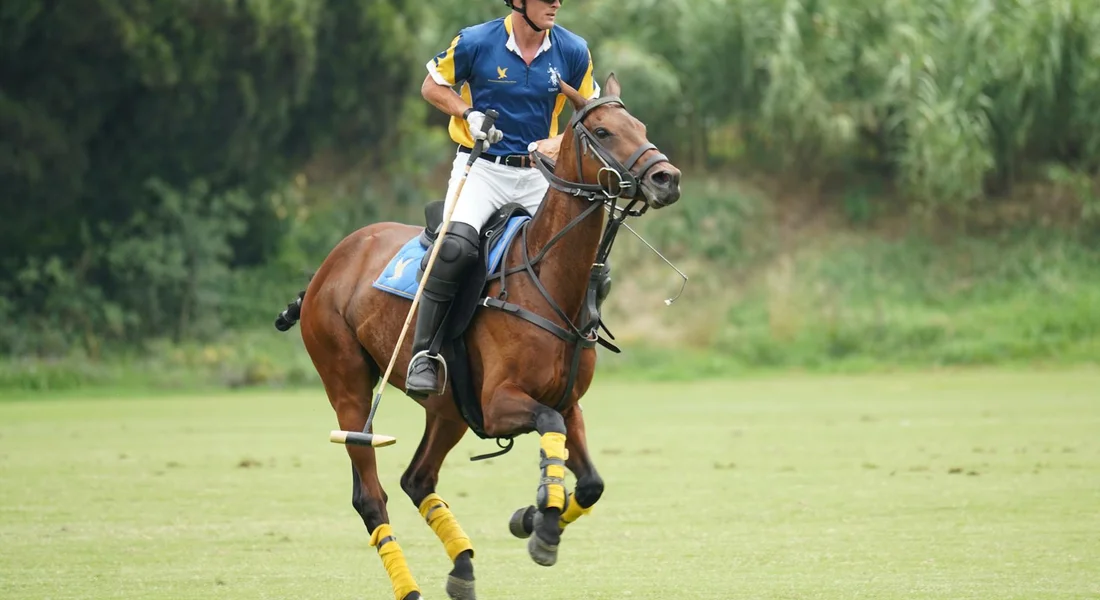
Knowing your horse’s normal numbers is your first line of defense. The real skill comes in recognizing when those numbers are telling you something is wrong. I’ve stood in many a stall, hand on a flank, counting and worrying, and that hands-on time is what teaches you the subtleties.
Watch for these specific symptoms of concern:
- A Persistently High Resting Rate: If your horse’s resting heart rate is 10-15 BPM above their normal baseline long after they’ve cooled down, it’s a whisper you need to hear. This isn’t workout fatigue; it’s their system staying on high alert.
- Labored Breathing at Rest: Normal resting breaths are quiet and effortless. Abdominal heaves, flared nostrils, or an audible groan or groan with each exhale are serious signs. You see the whole barrel work, not just a gentle rise.
- Uneven or Shallow Respiration: The rhythm should be a steady in-and-out metronome. Hitches, long pauses, or only very shallow, quick breaths indicate pain or distress. It’s the body trying to protect itself.
- Failure to Recover Post-Work: A fit horse’s rate should drop significantly within 10-15 minutes of stopping. If the pulse is still pounding at 80 BPM after a 20-minute walk, the work was too much or something else is amiss.
Differentiating between hard work and a cry for help is critical. A tired horse sweats, breathes hard, and has a high heart rate during and immediately after exercise, but these numbers should steadily improve with walking and rest. The look in their eye is one of exertion, not anguish. Sometimes fatigue signals that the routine needs adjustment: signs your horse is overworked and needs more exercise, not just more rest, can guide a measured, progressive conditioning plan. A calm, steady pace and consistent work will often restore balance and support recovery.
Signs of pain or illness, however, are often paired with other clues: a dull or anxious expression, unwillingness to move, pawing, looking at their flank, or a lack of interest in food and water. I remember checking Luna after a spirited ride; her heart was up, but it settled quickly as she dove into her hay. When Pipin colicked, his pulse stayed high and thready even while standing still, and his eyes were wide with worry.
State clearly when to stop work and contact a veterinarian: Stop immediately and do not ask for more work if your horse’s heart rate remains above 60-64 BPM after a 15-20 minute cool-down, if their breathing is labored or uneven at rest, or if high rates are combined with any sign of pain or distress. Your vet needs to know the specific numbers you recorded, when you took them, and what the horse was doing. This isn’t being overly cautious; it’s responsible horsemanship. That moment you decide to make the call is the moment you become your horse’s best advocate. Especially when those signs are emergency indicators.
Putting Data to Work: Monitoring for Smarter Training
Tracking heart rate and respiration turns guesswork into guidance. This data helps you manage training load like a pro, preventing overwork before your horse ever nods off or develops a sour attitude. I learned this with Luna, my sensitive Thoroughbred. Her energy is endless, but her tolerance for repetitive drilling is not. By monitoring her recovery rates, I adjust our sessions in real-time, ensuring we build fitness without frying her nerves.
Think of these metrics as your horse’s internal dashboard. A persistently elevated resting heart rate or slow respiration recovery after work screams for a lighter day. It is a direct line to their well-being. Consistently high numbers are a plea for more turnout or a slower pace, not more lunging. Your goal is steady progress, not pushing through fatigue.
The Tools of the Trade: From Hands to High-Tech
You have options for gathering this intel, from free and simple to tech-assisted. Each has its place in a thoughtful barn.
- Manual Tracking is your foundation. Feel for the heartbeat under the girth or behind the elbow, counting for 15 seconds. Watch the flank rise and fall for breaths. I do this with Pipin every day; his cheeky antics mean I need a quick check before we even think about work. It costs nothing and sharpens your observation skills.
- A Heart Rate Monitor, like a chest strap, offers undeniable precision. I strapped one on Rusty during our summer trail conditioning. Seeing his pulse climb on a steep hill let me pause before he started to puff. It is excellent for matching effort to terrain and catching subtle spikes you might miss by hand.
- Combined Monitors that track heart rate and respiration together are the full picture. They are fantastic for detailed fitness plans but can be a significant investment. For most pleasure horses, manual checks paired with occasional monitor use give you all the insight you need.
The best tool is the one you will use consistently, whether that is your watch and a notepad or a digital readout. Fancy gear is useless if it gathers dust in the tack room.
Reading the Story, Not Just the Sentence
One number is meaningless. The magic is in the trend. A single high reading could be from a squirrel scare, a windy day, or a new bale of itchy hay. Progress is seen over weeks and months.
Keep a simple log. Note the date, activity, and conditions. I track everything: “Luna, post-flatwork, 68 BPM, breezy day,” or “Rusty, post-trail, breathing recovered in 3 minutes, hot and humid.” You can also measure your horse’s fitness by measuring recovery time after activity—how long it takes for the heart rate to return to resting levels. This helps show conditioning gains as you log and compare workouts. Look for the pattern: a decreasing resting heart rate or faster recovery at the same workload means your horse is getting fitter. If the numbers trend upward, it is time for more rest, more turnout, or a vet call.
Your horse’s baseline is unique. Luna’s normal is different from Rusty’s. Compare your horse to their own past performance, not a textbook ideal or the pony in the next stall. This patient, trend-based approach is the heart of gentle, effective horsemanship. It lets you advocate for their body with hard evidence.
Building Your Routine: A Simple Fitness Monitoring Plan

-
Establish a baseline: Guide on recording resting rates for a week.
Before you ask your horse for any real effort, you need to know their normal. A true resting rate is taken when they are calm, dry, and haven’t eaten in the last hour. I find early morning, just as the sun hits the pasture and the birds are chirping, is perfect. Approach quietly with your stethoscope and timer. That baseline feeds your daily checks for signs of a healthy horse. A simple daily check guide lets you compare heart rate, breathing, and appetite to the norm.
For a solid baseline, record both heart and respiration rates at the same time each morning for seven consecutive days, writing the numbers in a barn notebook you won’t lose. My Quarter Horse, Rusty, has a rock-solid resting heart rate of 32 beats per minute, but Luna, my Thoroughbred, sits at 38 on a calm day-knowing this prevents panic.
Place the stethoscope just behind the left elbow to find the heartbeat. Count for 15 seconds and multiply by four. For respiration, watch the flank rise and fall; one inhale and exhale equals one breath. Do this before turnout or feeding, when they’re truly at rest.
-
Integrate workout checks: Steps for measuring rates during and after key exercises.
Once you have your baseline, start collecting data under saddle. You don’t need fancy gear-a simple watch with a second hand works. After a standard five-minute warm-up at a walk, halt and quickly take a heart rate. This gives you a “working warm-up” number.
I always check rates immediately after a specific exercise, like a trot set or a canter sequence, and then again two minutes into the cool-down walk. The thud of hooves slowing to a walk is your cue to listen. The post-exercise rate shows exertion, and the two-minute recovery rate is a goldmine for fitness insight.
For safety, practice this during low-key sessions first. With a sensitive horse like Luna, I make the whole process a gentle, pat-and-listen routine so she doesn’t tense up. A fit horse’s rate should drop significantly within those first two minutes of walking.
-
Log and review: Method for tracking data to spot improvements or warning signs.
Data is useless if it’s scribbled on stall walls. Dedicate a page per week in your barn log. Create columns for date, resting rate, exercise type, rate after work, and rate after two minutes of walk. Note the weather and your horse’s attitude too.
Review your log every Sunday with a cup of coffee; look for trends, not just daily numbers. Is the recovery rate getting faster? That’s fitness. Is the working heart rate higher for the same old trail loop? That’s a warning sign. I caught Pipin’s slight cough early because his respiration rate was elevated for three days straight, despite his cheeky attitude.
This isn’t about perfection-it’s about patterns. A sudden spike or a consistently sluggish recovery is your horse whispering that something is off, long before they might go lame.
-
Adjust accordingly: How to use this information to modify your horse’s conditioning program.
Your log tells a story. If recovery rates improve week to week, you can gradually increase duration or intensity. Add five minutes to your trot work, or introduce a gentle hill. If the numbers plateau, maintain the current workload for another week before nudging it up.
An elevated resting rate on a normal morning, or a working heart rate that skyrockets for familiar work, means you must pull back and investigate. This is where gentle horsemanship shines. Maybe they need a light hack day, more turnout time, or a vet check. Forcing work when the data says “no” is how problems start.
I use this system with all three of mine. Rusty’s program builds slowly, Luna’s adjusts for her mental energy, and Pipin’s keeps his intelligent mind engaged without strain. Their welfare is the ultimate goal, and these numbers are the roadmap.
FAQ: Understanding Heart Rate and Respiration for Monitoring Horse Fitness
What is heart rate recovery and why is it important?
Heart rate recovery is the rate at which a horse’s pulse decreases after exercise stops. It is crucial because it serves as a premier indicator of cardiovascular fitness and efficiency. A rapid recovery suggests a well-conditioned horse, while a delayed drop can signal overwork or underlying health issues.
What are signs of abnormal respiration in a horse?
Signs include labored breathing at rest, such as abdominal heaves, flared nostrils, or audible groans. Uneven, shallow, or persistently rapid breaths outside of exercise are also red flags. These abnormalities often point to pain, respiratory distress, or illness and require prompt veterinary attention.
Why is monitoring both heart rate and respiration crucial for assessing fitness?
Monitoring both provides a comprehensive view of your horse’s physiological response to training. Heart rate reflects cardiovascular strain, while respiration indicates oxygen exchange and metabolic demand. Together, they help tailor fitness plans, prevent overtraining, and early detect potential health problems for optimal well-being. Understanding a horse’s normal temperature and heart rate is a practical way to interpret these signals. These key vital signs—temperature, heart rate, and respiration—help answer questions about whether a horse’s physiology is within normal limits for training and health.
Final Thoughts from the Stable
Weave heart and respiration checks into your daily grooming or tack-up to establish a reliable baseline. Watching the trend of these numbers over weeks tells you infinitely more about fitness and stress than any single post-ride spike.
Go slow, keep sessions positive, and never force a reading on a nervous horse. Your mindful observation, paired with this data, fosters the deepest kind of care.
Further Reading & Sources
- UNDERSTANDING VITAL LIFE SIGNS IN HORSES
- FS1262: Measuring Temperature, Pulse, & Respiration (TPR): What’s Normal for My Horse? (Rutgers NJAES)
- Normal Vital Signs of the Horse – Mid Coast Equine
- Equine Vital Signs – What’s normal? | Total Equine Veterinary Associates’ TEVApedia
At Horse and Hay, we are passionate about providing expert guidance on all aspects of horse care, from nutrition to wellness. Our team of equine specialists and veterinarians offer trusted advice on the best foods, supplements, and practices to keep your horse healthy and thriving. Whether you're a seasoned rider or new to equine care, we provide valuable insights into feeding, grooming, and overall well-being to ensure your horse lives its happiest, healthiest life.
Exercise