
Spring Pasture Transition: A Safe Guide to Switching Your Horse from Hay to Grass Without Colic
Hello fellow equestrians. That first flush of green pasture is a welcome sight, but moving your horse from winter hay to rich spring grass too quickly is a fast track to digestive upset and alarming vet bills.
I’ve felt that knot of worry in the barn aisle, too. Today, I’ll share the step-by-step, barn-tested method I use to make this change smoothly. We’ll focus on:
- The critical “slow start” protocol for introducing new grass.
- How to use grazing muzzles and drylot time as helpful tools, not punishments.
- Reading your horse’s manure and behavior for early gut warnings.
- Adjusting hay feedings to support a stable microbial transition.
My years of barn management and training everything from reliable Rusty to sensitive Luna have taught me that a patient transition is the cornerstone of springtime welfare.
Why the Spring Switch Can Spell Trouble for Your Horse’s Gut
That first whiff of spring grass is intoxicating for your horse, but their digestive system views it as a shock to the system. Moving abruptly from winter hay to lush pasture is like swapping your steady oatmeal breakfast for a buffet of rich desserts-it’s a recipe for gut upset. The microbial population in your horse’s cecum needs time to adapt to the new, wetter, sugar-rich food, and a sudden change can lead to painful gas, impaction, or worse.
The Hidden Risk in That Lush Green Carpet
Spring grass is deceptively dangerous because it’s high in non-structural carbohydrates (NSCs) and water, while being low in roughage fiber compared to hay. This combination can ferment too rapidly in the gut. I’ve seen it with my sensitive Thoroughbred, Luna; one eager hour on fresh grass left her gassy and uncomfortable, a clear warning to go slower. The risk isn’t just colic-founder from grass-induced laminitis is a real threat, especially for easy keepers.
Think of your horse’s gut microbiome as a seasoned crew used to processing dry hay. Throwing them into the deep end with spring pasture overwhelms them, causing a die-off of good bacteria and a surge in gas production that stretches the intestinal walls. That’s when you hear the first warning signs: a restless shift in the stall or a hollow drum-like sound when you tap their belly. So, does a horse’s digestive system really work? Understanding these cues helps explain how the gut processes forage.
Signs of Colic Every Owner Should Memorize
Colic can escalate quickly, so knowing these signs is non-negotiable. If you see any of these, stop reading and call your vet.
- Repeatedly looking at their flank or biting at their side.
- Pawing the ground or lying down and getting up frequently.
- An absence of manure piles over several hours.
- Rolling with unusual urgency, not just for a good scratch.
- Loss of interest in food and water, which is a huge red flag for a horse like Rusty, who never turns down a treat.
- Excessive sweating or a rapid pulse when at rest.
Time is your greatest ally, and memorizing this list could save your horse’s life. I keep it posted on my tack room door every spring as a stark reminder.
Your Step-by-Step Blueprint for a Gradual Pasture Introduction
This isn’t about deprivation; it’s about intelligent acclimation. A slow transition respects your horse’s biology and prevents midnight vet visits. Your goal is to mimic the slow increase in grazing time they’d have in a natural, unrestricted environment.
Step 1: Start With a Full Belly of Hay
Never turn a hungry horse out onto fresh pasture. Feed them their normal ration of good-quality hay about an hour before turnout. This hay acts as a fibrous buffer in their stomach, slowing down their consumption of grass and giving their microbes a fighting chance. I always do this with Pipin, our Shetland pony; his food motivation is legendary, and a belly full of hay takes the edge off his initial grass frenzy. Plus, it’s important to know that horses eat hay, not straw, as part of their regular diet.
Step 2: Time Those First Grazing Sessions
Limit the first introductions to just 15-20 minutes. I time these sessions for late afternoon or early evening when the sugar content in the grass is typically lower. Use a timer on your phone-it’s easy to lose track of time when you’re enjoying the sight of your horse grazing. After the session, bring them in and offer more hay to ensure roughage keeps moving through their system.
Step 3: The Slow and Steady Increase
Gradually extend pasture time over 10-14 days. A solid schedule I follow with all our horses looks like this:
- Days 1-3: 20 minutes of grazing, once per day.
- Days 4-6: 30-45 minutes, once per day.
- Days 7-10: 1 hour, potentially split into two sessions.
- Days 11-14: Increase by 30-60 minutes every other day until reaching full turnout.
Watch your horse’s manure like a hawk; loose stools are a sign to pause and not increase time. Luna’s manure tells me more about her gut health than any other indicator.
Step 4: Continuously Adjust Hay Rations
As pasture time increases, you must decrease hay. This is a balancing act to prevent obesity and maintain digestive health. Weigh-taping your horse weekly gives you hard data to work with, not just guesswork. Start by reducing their evening hay ration first, as they’ll have been grazing during the day.
- If they are cleaning up all their hay and gaining weight, cut back by a half-flake.
- If manure becomes too soft, increase hay slightly to add bulk.
- For hard keepers or older horses, you may need to supplement with a balancer pellet instead of cutting hay too drastically.
The end game is a horse who enjoys ample turnout without your hay net gathering dust in the corner. It’s a dance, and you’re leading based on what your horse’s body tells you each day.
Reading Your Pasture: Grass Height, Moisture, and Management

The Goldilocks Zone for Spring Grass Height
Spring grass shouldn’t be a free-for-all buffet right away. Think of it like introducing a rich new food to a sensitive stomach. I watch my pasture like a hawk, and you should too. The ideal height is that “just right” spot where the grass has enough fiber to balance the sugars. Aim for a pasture where the grass stands about 4 to 6 inches tall before you turn your horse out for more than a few minutes. This height means the plant is mature enough to have developed structural carbohydrates, which slow down digestion compared to sugary new shoots.
Too short, and you risk damaging the root system and offering mostly soil and stress. Too long and overly lush, and you’re looking at a fructan feast that can quickly lead to trouble. I learned this with Pipin; his cleverness means he’ll find the sweetest, longest blades first, so I have to manage the paddock carefully.
- Under 3 inches: Avoid grazing. Let it recover.
- 4 to 6 inches: The prime grazing zone for a controlled introduction.
- Over 8 inches: Consider mowing or using rotational grazing to manage the richness before full turnout.
Why Wet, Frosty, or Lush Grass Requires Caution
Weather changes everything about your pasture’s safety. That morning dew or a late frost isn’t just pretty; it signals a shift in sugar content that your horse’s gut might not handle. Grass under stress-from frost, drought, or rapid growth-accumulates higher levels of fermentable sugars called fructans, a primary culprit in springtime laminitis. Your horse’s digestive system can get overwhelmed, leading to a painful cascade.
I never turn Luna out on frosty grass. Her thoroughbred metabolism is like a finely-tuned engine, and that cold, sugary meal is a recipe for stiffness and discomfort. Wet, lush grass is similarly problematic because it’s often the most immature and potent. If the pasture squelches under your boots, it’s a sign to delay or severely limit grazing time that day.
Using Rotational Grazing as Your Ally
This is my number one stable hack for a smooth spring transition. Instead of one large pasture, divide your space into smaller paddocks. Rotational grazing forces a pause, giving you control over intake and the grass time to regrow healthily. It mimics natural herd movement and prevents horses from gorging on the same tender spots day after day.
Here’s my simple system. I use temporary electric tape to create two or three sections. Rusty and his pals get rotated every 3 to 4 days.
- Start turnout in the first paddock for a limited time, say 30 minutes.
- After grazing, move them to a dry lot or stall with their normal hay.
- Rotate to the next paddock once the first is grazed down to about 3 inches.
- Let the rested paddock recover fully to that 6-inch ideal before grazing again.
This rhythm keeps the grass in its best condition and your horse’s belly from getting a shocking new diet all at once.
Supporting Digestive Health Beyond the Grass
Water Access: The Forgotten Hero of Digestion
We obsess over grass, but water is what keeps everything moving smoothly inside. A horse switching from dry hay to moist pasture might drink less, but that doesn’t mean water isn’t critical. Constant access to fresh, clean water is non-negotiable; it prevents impaction colic by helping fiber swell and move through the gut. I check buckets twice a day during transitions, scrubbing out any slime or old feed.
Remember, digestion is a hydraulic system. If your horse isn’t drinking enough, even the best pasture management can fail. I often add a splash of apple cider vinegar to a bucket to encourage drinking, especially for picky horses like Rusty, who’d rather eat treats than drink sometimes. Hydration mistakes—5 reasons your horse might not be drinking enough are common culprits behind poor intake. Knowing these can help you tailor strategies to keep Rusty sipping.
Should You Use a Probiotic or Digestive Supplement?
This is a common barn aisle debate. My rule is simple: let the horse tell you. For most easy-keepers on a slow transition, they aren’t necessary. For horses with a history of digestive upset, like my sensitive Luna, a probiotic can help stabilize the gut microbiome during the change. It’s like sending in reinforcements for the good bacteria.
Look for supplements with live yeast cultures or direct-fed microbials. Give them a week or two before the pasture transition begins. Digestive aids with prebiotics or digestive enzymes can also support the breakdown of new sugars. But don’t rely on a powder to fix poor management. No supplement replaces gradual introduction and good pasture observation.
Monitoring Weight and Body Condition
Your eyes and hands are the best tools you have. Spring grass can pack on pounds quickly, hiding under a winter coat. Weigh-tape your horse weekly and run your hands over their ribs, withers, and neck to feel for fat deposits you can’t see. A sudden gain signals you need to cut back grazing time faster than planned.
I keep a simple log for each horse. For Pipin, the sturdy pony, I’m feeling for ribs every other day because he gains weight just looking at grass. For a leaner type, you might be monitoring to ensure they’re getting enough. Adjust your hay ration accordingly-sometimes you need to offer less hay on heavy pasture days, but never eliminate it entirely during transition. That steady fiber base is their security blanket.
Barn Manager’s Notebook: Practical Daily Management Hacks
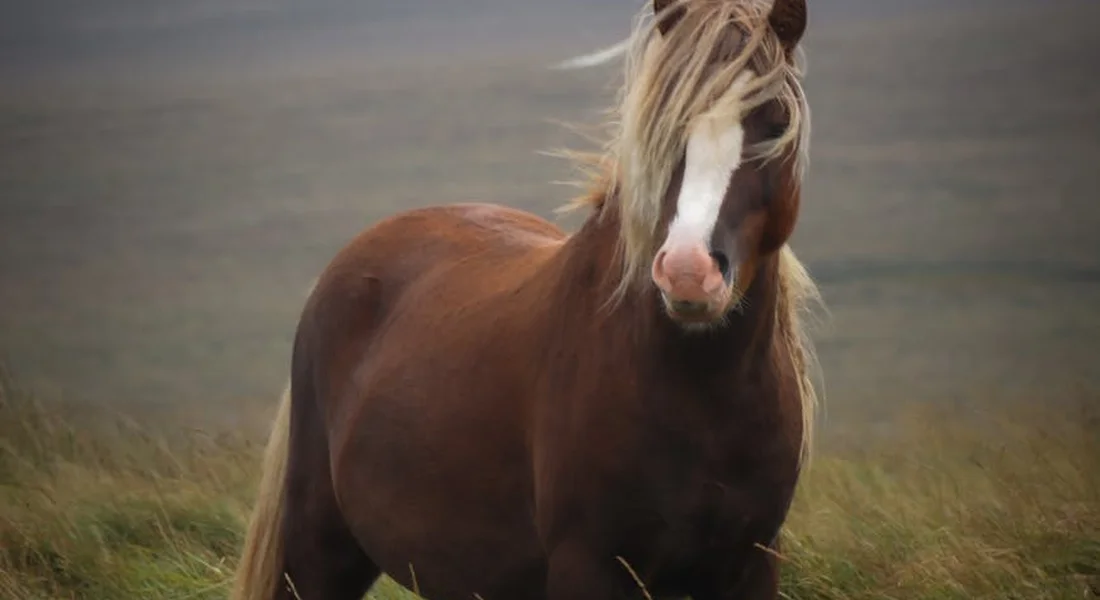
Spring management is less about grand gestures and more about the quiet, daily rituals that keep a gut healthy. I live by a simple notebook at the barn, scribbling down who got how much time where. This isn’t just busywork; it’s your first line of defense.
The Grazing Muzzle: A Tool, Not a Punishment
Let’s clear the air on muzzles. Seeing a horse in one tugs at the heartstrings, but think of it as their protective healthcare gear, much like a good pair of hoof boots. For horses prone to laminitis or those who just can’t stop themselves, a muzzle allows for the mental freedom of 24/7 turnout while physically limiting intake. The goal is to let them be horses-walking, socializing, napping in the sun-without overdosing on sugar. Fit is everything; you should be able to slide two fingers comfortably under the strap, and it must allow for normal drinking. I introduce it in the stall first with a handful of hay inside, so Pipin learns it’s not a scary trap but just a weird new feeder.
Manure Matters: What to Look For in the Pile
Your daily stall cleaning is a goldmine of information. When the grass comes in, make manure checks part of your routine. You’re looking for consistency, literally. It’s one of those daily health indicators you don’t want to miss.
Observing Behavior and Comfort
Stand quietly and watch. Are they grazing happily or parked at the fence line pawing? After they eat, do they lie down to sunbathe normally, or are they repeatedly getting up and down? I pay close attention to the flank area-any persistent looking at it, nipping at it, or stretching out as if to urinate when they don’t need to is a bright warning light. The shift from contented grazing to restless pacing is subtle but critical; it’s the moment you decide to pull them in and offer some trusted hay instead. Listen, too. A silent gut is a bad sign. Place your ear against their barrel; you want to hear consistent gurgles and pops, the sound of a happy engine at work.
When to Escalate: Recognizing Red Flags for Veterinary Care
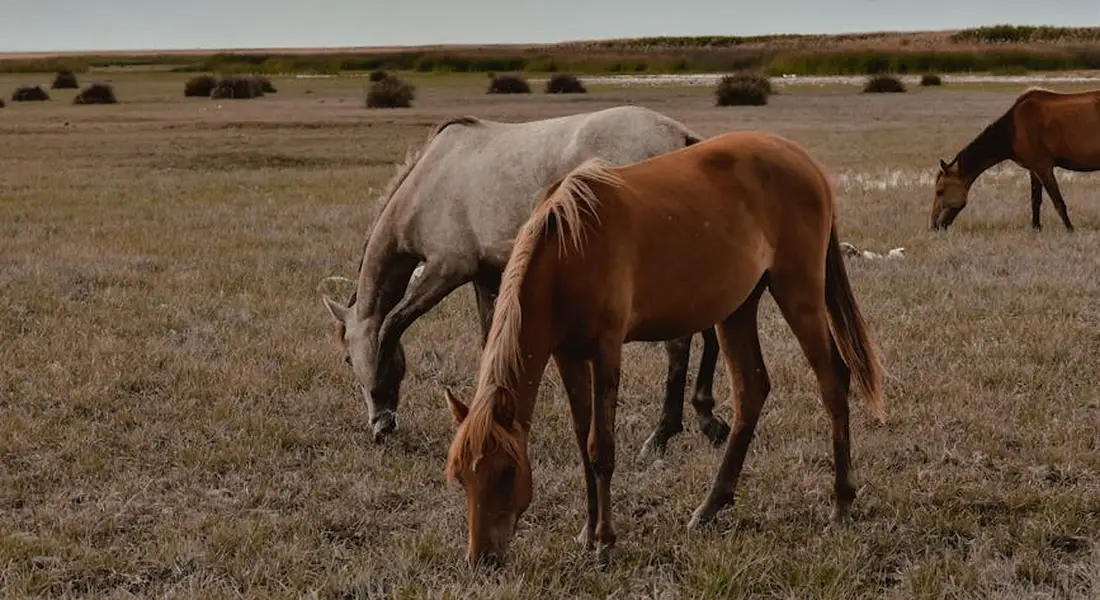
All our careful management is to avoid this moment, but you must be prepared for it. Knowing when to move from “watchful waiting” to “making the call” is a non-negotiable skill.
Colic Symptoms That Mean “Call the Vet Now”
Time is tissue when it comes to a gut crisis. Don’t wait to see if it passes. Call your veterinarian immediately if you see:
- Persistent, unproductive rolling or attempts to lie down and thrash. Occasional rolling is normal; frantic, repeated rolling is not.
- Total absence of gut sounds on both sides after multiple checks.
- Profuse sweating at rest when the weather doesn’t warrant it.
- Violent or frequent pawing that seems focused and distressed.
- Visible distention of the abdomen, making them look “bloated” or taut.
- No passing of manure for an unusually long period, especially with signs of straining.
Your job is not to diagnose the type of colic, but to recognize the severity of the signs and get professional help en route. While you wait, follow your vet’s instructions, which usually involve moving the horse to a safe, deeply bedded area if possible and removing all food.
Working With Your Vet Proactively
A great spring transition starts with a winter conversation. At your horse’s pre-spring check-up, discuss your pasture plan. Ask about their risk level for conditions like laminitis. Some vets recommend a baseline fecal egg count to see if a parasite load could compound the digestive stress of new grass. Having your vet’s number in your phone is basic; having a shared management plan for your specific horse is advanced horsemanship. When you do call in an emergency, you’ll be able to give a clear, concise history: “This is Luna, she’s a 6-year-old Thoroughbred. She went on pasture for two hours today, which was day three of her introduction. Her manure was loose this morning, and now she’s showing X, Y, Z signs.” That information is gold and can shape the vet’s initial response and travel priorities.
FAQ: Transitioning Your Horse from Hay to Pasture in the Spring (Without Causing Colic)
What is the ideal length of grass for initial grazing?
For the safest introduction, aim to graze your horse on pasture that is 4 to 6 inches tall. This height indicates the grass is mature enough to have developed more beneficial fiber, which helps balance the sugars. Grazing on grass shorter than 3 inches or excessively long, lush pasture can increase the risk of digestive upset.
How can I increase grazing time safely?
Increase pasture time very gradually over a period of 10 to 14 days. A safe method is to add only 15 to 30 minutes every other day after the initial short sessions. Continuously monitor your horse’s manure and behavior for any signs of looseness or discomfort, which signal you should pause the increase. Pairing this with an ideal pasture rotation schedule can improve overall horse health. A well-planned rotation balances forage intake and rest, supporting digestion and weight management.
When should I consult my veterinarian during this process?
Consult your vet proactively to create a transition plan, especially for horses with a history of colic or laminitis. Call immediately if you observe any urgent colic signs like persistent rolling, absence of gut sounds, or no manure. You should also call for advice if your horse shows consistent, mild signs of distress despite a slow transition.
Setting the Stage for Spring Grazing
Introduce fresh grass in short, incremental bursts over at least two weeks, and always monitor your horse’s manure for concerning changes. The cornerstone of a safe switch is feeding a full portion of hay before turnout, which satisfies their hunger and slows down their ingestion of potent new grass.
Your horse’s behavior and appetite are your most honest guides-adjust your plan based on what they tell you. A smooth transition is a testament to patience and a quiet commitment to their well-being. If you’re considering changing your horse’s diet, transition between feeds gradually to support digestion. This helps prevent digestive upset and keeps them comfortable.
Further Reading & Sources
- Pasture and Hay for Horses
- Hay Versus Pasture Grass for Horses: Comparing Forage Sources | Mad Barn
- Do horses prefer grass to hay? If so, why do we feed them mostly hay instead of grass? – Quora
- Using hay in horse diets | UMN Extension
At Horse and Hay, we are passionate about providing expert guidance on all aspects of horse care, from nutrition to wellness. Our team of equine specialists and veterinarians offer trusted advice on the best foods, supplements, and practices to keep your horse healthy and thriving. Whether you're a seasoned rider or new to equine care, we provide valuable insights into feeding, grooming, and overall well-being to ensure your horse lives its happiest, healthiest life.
Health