
How to Manage Your Horse’s Weight and Diet: A Straight-Talk Guide from the Barn
Published on: February 12, 2026 | Last Updated: February 12, 2026
Written By: Henry Wellington
Hello fellow equestrians. Is your horse looking a bit too rotund, or is that rib cage more visible than you’d like? Improper weight directly risks laminitis, metabolic trouble, and those vet bills that keep you up at night.
Let’s get your partner back on track. I will walk you through the core strategies I use every day at the stable.
- Performing a accurate body condition score beyond just a glance.
- Designing a forage-first feeding plan that actually works.
- Harnessing daily turnout for natural calorie management and better behavior.
- Establishing a simple weekly log to track progress without the guesswork.
My advice is forged from years as a barn manager and trainer, fine-tuning meals for easy-keepers like Rusty and anxious types like Luna.
Start With a Hands-On Assessment: Body Condition Score
Forget the scale for a moment-your best tools are your eyes and your hands. Managing weight starts with a consistent, hands-on evaluation system that tells you more than any number ever could. I make it a point to check every horse in my care this way, from old reliable Rusty to spirited Luna, because each one tells a different story under my fingers.
What is a Body Condition Score and Why Does It Matter?
Think of the Body Condition Score (BCS) as your horse’s internal fuel gauge, but for body fat instead of gas. It’s a standardized scale from 1 (severely emaciated) to 9 (extremely obese), with a score of 5 being ideal. This system translates vague terms like “a bit ribby” or “a little heavy” into a clear, actionable number. In the barn, I rely on it to prevent silent creep toward obesity, which is a fast track to metabolic trouble, and to ensure no hard keeper slips through the cracks.
How to Perform a Body Condition Score Check: A Step-by-Step Guide
Set aside five minutes when your horse is relaxed. Stand at their side and use flat hands, not fingertips, to feel for fat cover over bone and muscle. This tactile check cuts through a fluffy winter coat or a sleek summer shine to give you the real story.
- Run your hands over the ribs. You should feel them easily with a slight layer of fat, like a velvet cover over a series of pencils. If you have to press, they’re too fat; if they feel sharp, they’re too thin.
- Feel the neck crest. Run a hand from the poll toward the withers. It should be firm and muscular. A soft, bulging crest that rolls to the side signals excess fat.
- Check behind the shoulders. Slide your hand into the pocket where the girth lies. Fat deposits here feel like soft, squishy lumps and are a classic sign of overweight.
- Look at the back and tailhead. View your horse from behind. The spine should be level, not peaked, and the bones around the tailhead should be smooth, not protruding or buried in dimples of fat.
Key Factors That Influence Your Horse’s Weight
A perfect diet for one horse can be all wrong for another. Your horse’s weight is a puzzle shaped by genetics, lifestyle, and health, not just the scoop in their bucket. Here’s what tilts the balance: If you’re aiming to put healthy weight on your horse, consider calories, forage quality, and feeding timing. In the next steps, you’ll find care tips on put healthy weight horse nutrition to help you apply these ideas.
- Breed & Metabolism: Compare my two: Rusty the Quarter Horse is an ‘easy keeper’ who maintains weight on air and kindness, while Luna the Thoroughbred is a ‘hard keeper’ who burns calories just thinking about running.
- Age: Senior horses often struggle to keep weight on due to worn teeth and less efficient digestion, while youngsters and adolescents may need more fuel for growth.
- Workload: A horse in light trail work has vastly different caloric needs than one in consistent arena training.
- Turnout Time: More movement and foraging on pasture naturally regulates weight better than stalled confinement. I advocate for as much turnout as possible.
- Metabolic Health: Conditions like PPID (Cushing’s) or insulin resistance can cause abnormal fat distribution and make weight management a clinical priority.
Setting a Routine: How Often to Assess Weight and BCS
Consistency is your secret weapon. I recommend a quick visual check every time you groom, a formal hands-on BCS assessment once a month, and a weight tape measurement every other month. Keep a simple logbook-a note on your phone works-to track scores and weight over time. This log helped me spot Pipin the pony’s subtle weight gain before spring grass made it a laminitis risk.
Recognizing the Red Flags: Signs of Weight Imbalance
Sometimes, problems shout; other times, they whisper. Training your eye to see the early warnings of weight imbalance is a cornerstone of proactive care. The thud of hooves on the ground should sound confident, not labored, and the silhouette against the barn light should be one of balanced health.
Spotting an Overweight Horse
An overweight horse isn’t just “stocky”-they’re carrying extra strain on their joints and metabolic system. Visible fat pads are not a sign of prosperity but a risk factor for painful conditions like laminitis. Look and feel for these signs:
- Ribs cannot be felt at all with light pressure; they are buried under a thick, spongy layer.
- A neck crest is thick, firm, and cresty, sometimes leaning to one side.
- Noticeable fat deposits behind the shoulders, over the withers, and around the tailhead.
- A back that has a visible “crest” or ridge down the spine, or a gully along the top-line.
- Heavy breathing or sweating with minimal exercise.
Identifying an Underweight Horse
An underweight horse often has a dull coat and a worried look in their eye. Prominent bones are a cry for help, signaling everything from inadequate calories to painful dental issues. The causes are often fixable, but you have to see them first. Key signs include:
- Ribs, spine, and hip bones are sharply visible and easy to see from a distance.
- The top-line is sunken, with the spine standing higher than the surrounding muscle.
- The tailhead is prominent and bony, with hollows on either side.
- The coat is dry, dull, and lacks its normal sheen, even in summer.
- Low energy or a lack of muscular development appropriate for their workload.
From my experience, a sudden drop in condition, like I once saw with a boarder’s horse, often traces back to a dental problem making chewing painful or poor-quality hay that’s just filler. Always investigate the root cause-more grain is rarely the only answer.
Building the Foundation: Forage Management and Hay Quality
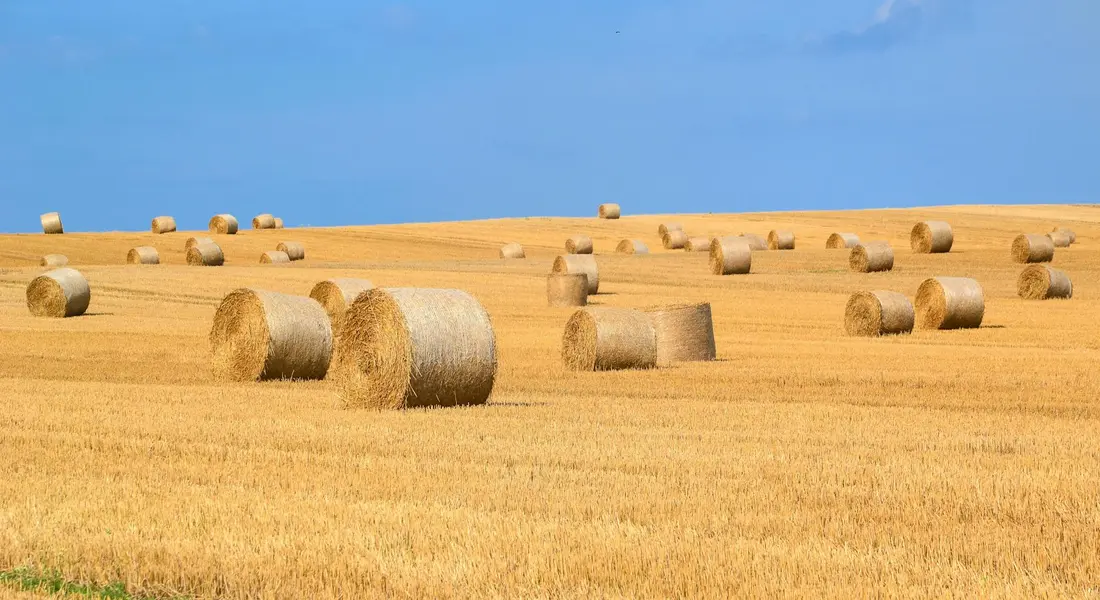
Forage is the cornerstone of every horse’s diet, not just background noise. Getting this right is your most powerful tool for weight control. I’ve managed Rusty’s tendency to gain weight just by breathing fresh barn air through smart forage choices. Your hay selection and grazing strategy set the stage for everything else, acting as the steady thermostat for your horse’s energy balance.
The Central Role of Roughage in Equine Weight Management
Horses are designed to digest fiber constantly. They should consume 1 to 2 percent of their body weight in roughage daily. For a 1,000-pound horse, that’s 10 to 20 pounds of hay. This isn’t just about calories; it’s about gut health and psychological well-being. Constant forage access prevents gastric ulcers and stable vices, creating a calmer, more content partner. I learned this watching Luna; her anxiety dropped when we swapped her sparse meals for all-day, slow-feed hay nets. This guide is pivotal in understanding how much hay to feed for optimal horse health.
Choosing the Right Hay: Low-Calorie Options for Weight Loss
When your horse needs to slim down, hay type matters more than quantity. Seek out mature, late-cut grasses. These have higher indigestible fiber and lower soluble sugars. Good options include late-cut timothy, mature orchard grass, or a tested straw blend. Late-cut timothy often has a non-structural carbohydrate (NSC) level under 10%, making it a safer, slower-burning fuel for portly ponies like Pipin. Always request a hay analysis report to compare protein and sugar levels-it’s like reading a nutrition label for your horse.
Managing Pasture Grazing: Strategies for Grass Intake Control
Pasture is a tricky blessing. Lush spring grass can be as sugary as candy. You must control access, not eliminate it. Here are my go-to methods for horses like Rusty who view pasture as an all-you-can-eat buffet:
- Strip Grazing: Use temporary electric fencing to provide a fresh, narrow strip of grass each day. This dramatically limits intake.
- Dry Lot Turnout: Offer a grass-free paddock with a slow-feed hay net. This allows social time and movement without the grass calories.
- Timed Turnout: Turn out during lower-sugar periods, like late at night or very early morning. Monitor seasonal changes in grass growth and sugar content.
Rotating between these strategies based on the season and your horse’s condition keeps them moving and happy without the weight gain.
Using Tools Like Grazing Muzzles Effectively
A grazing muzzle is a welfare-friendly tool, not a restriction. It allows horses to enjoy turnout, take small bites, and drink normally. Fitting one wrong can cause rubs and frustration. Consider a grazing muzzle acclimation plan your horse won’t hate to ease the transition. With this plan, you set up a smoother, more cooperative turnout. Follow these steps for success:
- Measure and Fit: Ensure the muzzle allows full jaw movement and drinking. There should be about a finger’s width of space around the nose. Check the crownpiece for tightness.
- Acclimate with Patience: Start with 15-minute sessions in the muzzle while offering hay. Gradually increase time over a week. Some clever souls, like Pipin, need extra reassurance.
- Perform Daily Checks: Look for hair loss or rub marks. Inspect the muzzle for wear that could enlarge the grazing hole. Keep it clean of mud and debris.
Proper muzzle use preserves the joy of turnout while protecting your horse from the risks of laminitis and obesity.
Balancing the Scales: Concentrates, Calories, and Rationing
Concentrates are your finishing tool, not the foundation. Many horses in light work thrive on forage alone. I once fed Luna a generic “performance” grain and spent the next hour trying to channel her newfound rocket fuel. Feed should complement the forage, not compete with it, and always be measured by weight, not by the unreliable scoop.
Calculating the Correct Feed Amount for Your Horse
Start with your horse’s current weight and honest workload. A 1,000-pound pleasure horse in light work may only need 0.5% of its body weight in concentrate-that’s just 5 pounds. Use a kitchen scale. The formula is simple: Horse’s Weight (lbs) x Activity Factor (0.005 for light, 0.0075 for moderate) = Daily Concentrate (lbs). Rusty gets calculated at the light-work rate even on trail days, because his metabolism stores every spare calorie.
Safely Increasing Calories for the Underweight Horse
Adding weight is a marathon. Dumping in grain risks colic and founder. Increase intake slowly and strategically:
- Maximize Forage First: Ensure they are eating 2% of their body weight in high-quality hay. Alfalfa or mixed grass-legume hay can provide more calories per bite.
- Incorporate Healthy Fats: Add a fat source like stabilized rice bran or flaxseed oil. Begin with a quarter cup daily, working up to one or two cups over two weeks.
- Introduce Concentrates Last: If still needed, add a digestible, low-starch feed in half-pound increments every few days.
This gradual approach allows the hindgut microbiome to adapt, ensuring better nutrient absorption and a steadier weight gain.
Safely Reducing Calories for the Overweight Horse
Cutting calories too quickly is dangerous. It can trigger hyperlipemia, a serious metabolic condition. Instead, redirect and reduce:
- Eliminate grain entirely first. Most overweight horses don’t need it.
- Switch to your lower-calorie hay, as discussed in the previous section.
- Increase daily movement. This isn’t about intense riding; a 30-minute hand-walk or groundwork session helps immensely.
Spread their reduced hay ration across multiple slow-feed nets to prolong eating time and prevent hunger stress. When Pipin needed to trim down, this method kept his clever brain busy and stopped his fence-walking.
Selecting Suitable Concentrates and Balancers
If you must feed a concentrate, choose based on need. For horses requiring calories, pick a high-fat, low-starch grain. For those just needing vitamins and minerals, use a pelleted balancer. Always read the feed tag’s calorie statement, listed as Megacalories per pound (Mcal/lb); a balancer might be around 1.0 Mcal/lb, while a high-fat feed could be 1.6 Mcal/lb. For Luna’s sensitive system, I use a simple vitamin-mineral balancer-it supports her health without the sugar rush. For a performance horse, a balanced diet supports performance, ensuring steady energy and recovery. A balanced approach helps optimize performance and long-term health.
Moving Towards Health: Exercise and Turnout
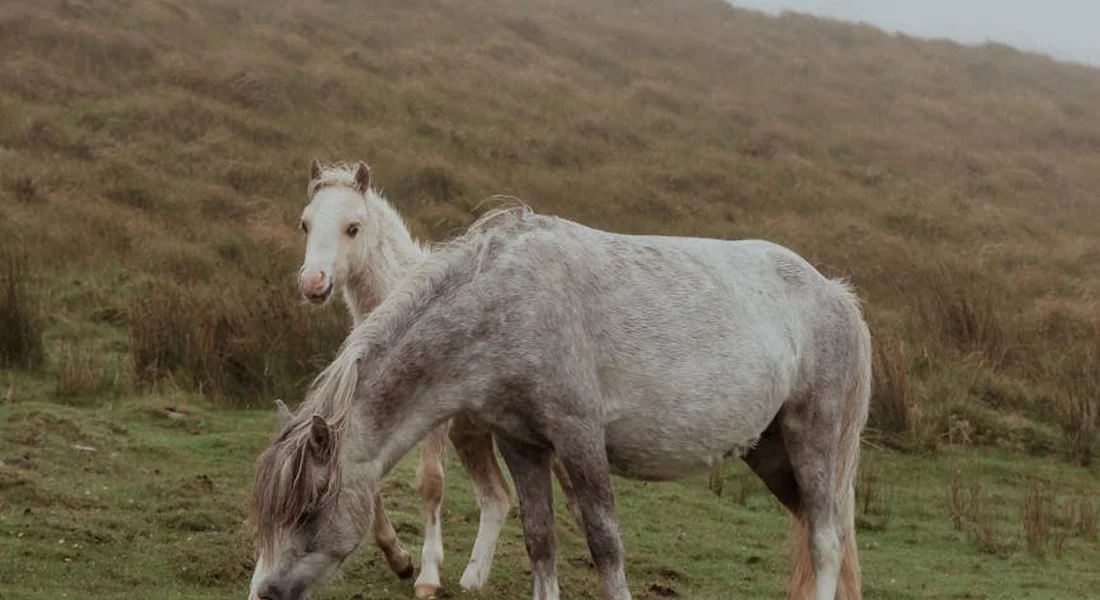
Think of diet as the fuel you put in the tank, and exercise as the engine that burns it. You can’t manage weight with just one. Consistent movement is the non-negotiable partner to a balanced diet, transforming stored calories into useful energy and muscle. A horse’s body is built to travel miles daily, and our job is to honor that design as best we can in a domestic setting. Safe weight loss should be gradual and monitored. Tracking the safe weight loss rate helps protect energy, joints, and overall health.
How Exercise Supports Weight Loss and Muscle Tone
Activity does two brilliant things: it burns immediate calories and builds lean muscle, which in turn increases metabolic rate. I see this with my own horses. Luna, my Thoroughbred, needs consistent, thoughtful work to channel her energy and stay trim. A sedentary day for her means a restless night and a tighter girth the next morning.
Your program doesn’t need to be Olympic-level. Start where your horse is.
- Groundwork is gold. Long-lining, in-hand walking over poles, or simple yielding exercises engage their brain and body without a rider’s weight.
- Under-saddle work should prioritize steady cardio. A brisk 45-minute walk with some hills and trot intervals is far better for weight management than 15 minutes of intense arena work followed by stall rest.
- Tailor the effort to the individual. For an older guy like Rusty, a long, quiet trail walk is perfect. For a portly pony like Pipin, even 20 minutes of purposeful lunging before dinner can make a difference.
The goal is a consistent rhythm that elevates the heart rate and encourages deep breathing, not sporadic bursts of sweat.
Incorporating Turnout for Natural Movement and Grazing
This is my hill to die on: maximize turnout, always. A stall is for bad weather and veterinary care, not for 23-hour living. Turnout provides low-intensity, all-day movement that no riding session can replicate-it’s the foundation of a sound mind and body.
I watch my herd and see Pipin trotting to chase off a bird, Rusty ambling from hay pile to water trough, Luna stretching into a glorious roll. This is natural maintenance exercise.
- It dramatically reduces stall vices and boredom-related anxiety.
- It allows for trickle-feeding movement, which is how their digestive system is meant to function.
- It promotes healthier hoof mechanism and circulation simply through the act of walking.
If you must limit grass intake, use a grazing muzzle on a well-fitted halter; it’s a kinder tool than complete pasture deprivation. The mental benefit of simply being outside, feeling the sun and wind, is a critical part of equine welfare we must never undervalue.
Special Considerations: Metabolic Health and Laminitis Prevention
This is where weight management shifts from a cosmetic concern to a critical health intervention. Excess fat, particularly in the crest, tailhead, and shoulders, isn’t just inert padding-it’s metabolically active tissue that can disrupt insulin regulation. This disruption is the gateway to equine metabolic syndrome (EMS) and its most devastating consequence: laminitis.
Understanding the Risks of Equine Metabolic Syndrome
Equine Metabolic Syndrome is a collection of traits: obesity, insulin dysregulation, and a predisposition to laminitis. The primary driver is diet, specifically an overabundance of sugars and starches (NSC) that the horse’s system cannot handle. It’s a modern problem for a ancient gut.
You might notice a cresty neck that feels hard, fat pads over the eyes or shoulders, and unusual lethargy. Any horse can develop EMS, but “easy keepers” like many ponies, drafts, and some Quarter Horse lines are genetically predisposed and require vigilant management. Catching it early through observation and sometimes blood tests is the single best thing you can do.
Dietary Adjustments for Horses with Insulin Resistance
Managing a metabolic horse is a commitment, but it is absolutely manageable. The diet becomes ultra-specific, focusing on low-NSC intake.
- Eliminate all high-sugar treats. No apples, no carrots, no molasses-laced goodies. Switch to a single handful of a low-starch pellet or a slice of watermelon rind.
- Soak your hay. Submerging hay in clean, fresh water for 60 minutes can leach out a significant portion of the water-soluble carbohydrates. It’s a game-changer.
- Provide controlled pasture access. This often means using a muzzle, turning out in a dry lot, or only allowing grazing in the early morning hours when sugar content is lowest.
- Choose feeds wisely. Select a commercial feed specifically labeled for metabolic support, or use a simple, fortified vitamin/mineral pellet alongside your soaked hay.
Never starve a metabolic horse; instead, provide free-choice, soaked hay in a slow-feed net to keep the gut moving without spiking blood sugar. This approach, paired with consistent exercise, is your strongest defense in protecting those delicate hooves and ensuring a long, comfortable life.
Putting It All Together: Creating a Sustainable Feeding Plan
Crafting a feeding plan that works is less about rigid rules and more about steady rhythm. Think of it like setting a reliable beat for your horse’s day, one that supports their weight goals without feeling like a constant battle. You’ll weave together slow feeding, constant hydration, and a predictable schedule. Start by jotting down a simple weekly log—note what you feed, when, and how your horse looks and behaves. This log becomes your best friend for spotting trends and making gentle tweaks.
The Importance of Slow Feeding for Weight Control
Horses are designed to graze for up to 18 hours a day, not stand over a hay pile gone in an hour. Slow feeding nets or bags with small holes force your horse to nibble, mimicking that natural pacing. This regulated intake prevents gorging, cuts down on wasteful bedding hay, and keeps their mind busy, which I’ve seen curb stable vices like weaving. My personal stable hack? For a clever overeater like Pipin, I use a double hay net-one net inside another with smaller holes. It turns his meal into a puzzle, satisfying his food motivation while slowing him down to a healthy crawl.
Ensuring Proper Hydration with Salt and Water
Water is the silent partner in every weight management plan. A dehydrated horse can’t digest fiber properly or metabolize fat effectively, undermining all your careful feeding. Always provide fresh, clean water and a plain white salt block available 24/7, not just in summer. To keep hydration on track, actively encourage water intake by offering fresh water in multiple bowls or troughs and keeping sources clean and accessible. A quick check of your horse’s drinking habits can guide hydration tweaks as needed. I keep a beat-up blue bucket by the wash stall that gets scrubbed and refilled twice a day without fail. Monitoring water intake can be an early alert; a drop might signal a health issue or that your horse isn’t eating enough soaked hay.
Developing a Consistent Feeding Schedule
Horses thrive on routine. Feeding smaller meals three to four times a day, rather than one or two large grain dinners, keeps their digestive engine running smoothly and blood sugar stable. This approach is a game-changer for sensitive souls like Luna, helping to buffer that high-energy temperament. This mirrors equine nutrition basics—feeding for optimal health and performance. A balanced plan relies on steady forage, controlled concentrates, and regular meal timing. Here’s a sample table for a horse on a maintenance diet with controlled hay access:
| Time | Feed Type | Notes |
|---|---|---|
| 6:00 AM | Flake of grass hay in slow-feed net | Check water and salt block. |
| 12:00 PM | Second flake of hay | Observe horse’s attitude and manure. |
| 4:00 PM | Small, measured concentrate feed (if needed) | Soak beet pulp for easy-eating senior. |
| 8:00 PM | Final hay net for overnight | Ensures continuous foraging. |
Knowing When to Call in the Pros: Professional Nutrition Advice
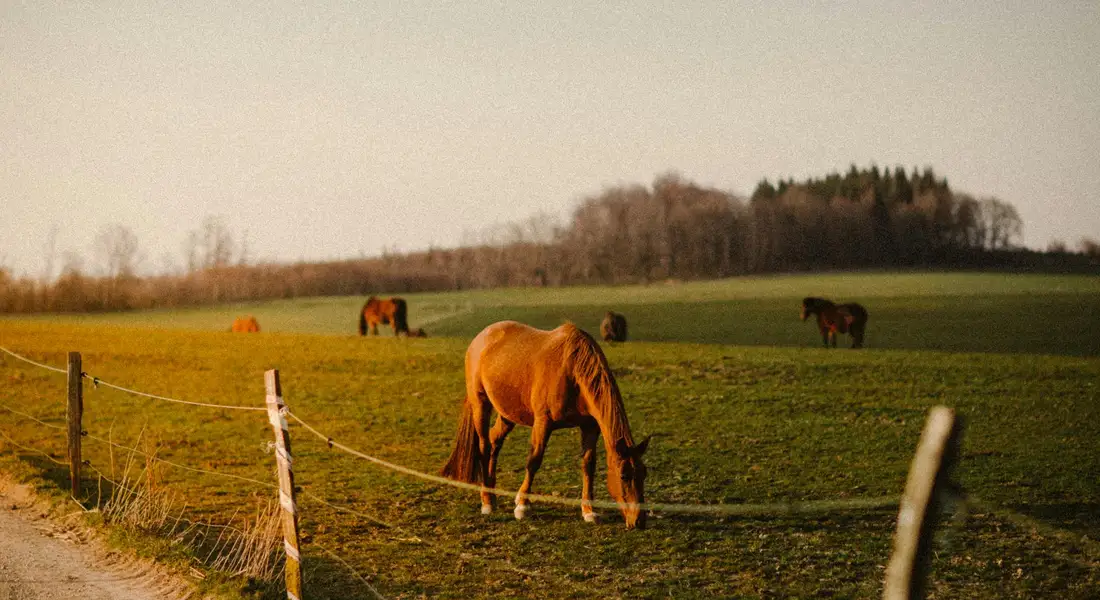
You can do a lot on your own, but some puzzles need a specialist. Calling in an equine nutritionist or your vet isn’t a sign of failure; it’s a commitment to getting the details exactly right for your horse’s unique body. These pros have tools and knowledge we don’t, like analyzing hay samples or formulating rations for metabolic conditions. It’s the ultimate act of gentle horsemanship.
Red Flags That Signal You Need Expert Help
Listen to what your horse is telling you between the lines. If you see rapid, unexplained weight loss or gain, that’s your first and biggest red flag to pick up the phone. Other warning signs include subtle signs of laminitis like a shorter stride or digital pulse, a dull coat that doesn’t improve with diet, or a horse that simply doesn’t respond to your careful adjustments. Pipin’s cheeky escapes were once a clue-turns out he was hunting for richer grass due to a mineral imbalance, a fix we only found with a vet’s help.
- Sudden change in body condition score over weeks.
- Heat in the hooves or reluctance to move.
- Chronic diarrhea or poor-quality manure.
- Loss of muscle despite adequate protein intake.
How to Work with an Equine Nutritionist or Vet
To get the most from a consultation, come prepared. Bring a detailed diet history, including hay type, grain brands, and treats, plus your weekly monitoring notes. Request a fecal egg count test to rule out parasites stealing nutrients. Ask for a written, tailored plan you can implement at home. Remember, you’re a team: your daily observations on the ground combined with their clinical expertise create the best path forward for your horse’s welfare.
- Compile one month of feeding logs and photos of your horse.
- Schedule a farm call so the pro can see your horse in person.
- Discuss turnout time and forage quality as core components.
- Agree on a follow-up date to assess progress together.
Frequently Asked Questions: How to Manage Your Horse’s Weight and Diet
How do I calculate the correct amount of feed for my horse?
Start by determining your horse’s accurate weight using a weight tape or scale. Calculate concentrate needs based on body weight and actual workload, typically ranging from 0.5% to 1.5% of body weight. Always measure feed by weight using a scale, not volume by scoop, for precise calorie control. If you plan to use sweet feed, be mindful of its sugar content and keep portions tight to maintain balance. Knowing the right amount to include in the daily ration helps ensure proper portion control.
What are the signs of an underweight horse?
Sharp ribs, hip bones, and spine are easily visible or felt with no fat covering. The horse will have a prominent, bony tailhead and a sunken topline where the spine appears higher than the back muscles. Other indicators include a dull coat and lack of energy or muscle tone appropriate for their age and work. These signs can indicate underlying health issues related to their anatomy.
When should I consult an equine nutritionist or veterinarian about my horse’s weight?
Seek professional help if you observe rapid, unexplained weight loss or gain despite dietary adjustments. A consultation is crucial if you suspect metabolic issues like insulin resistance or if your horse shows signs of laminitis. Professionals are also valuable for creating a balanced diet during life stage changes, like senior care or rehabilitation.
From the Feed Room: Lasting Wellness
Manage weight through weekly hands-on checks and always tweak forage before concentrates. The most effective tool you have is generous daily turnout, which keeps the mind calm and the body moving naturally toward a healthy condition.
I’ve adjusted many diets for sensitive souls like Luna, and it never pays to hurry. Your horse’s steady energy and quiet contentment are the truest measures of success-prioritize that partnership above all.
Further Reading & Sources
- Caring for the underweight horse | UMN Extension
- Caring for the overweight horse | UMN Extension
- How Much Do Horses Weigh? Average Horse Weight & Key Factors Explained
- How Much Does a Horse Weigh?
At Horse and Hay, we are passionate about providing expert guidance on all aspects of horse care, from nutrition to wellness. Our team of equine specialists and veterinarians offer trusted advice on the best foods, supplements, and practices to keep your horse healthy and thriving. Whether you're a seasoned rider or new to equine care, we provide valuable insights into feeding, grooming, and overall well-being to ensure your horse lives its happiest, healthiest life.
Nutrition