Equine Cushing’s vs. Insulin Resistance: Spot the Signs, Choose the Right Care
Hello fellow equestrians. Noticing your horse’s dull coat, strange fat deposits, or that nagging lethargy can send your mind racing to vet bills and scary diagnoses. That knot in your stomach is real, and I’ve felt it too while checking on a quiet horse in a stall.
We’re going to clear up the muddle between Pituitary Pars Intermedia Dysfunction (PPID, or Cushing’s) and Insulin Resistance (IR). You’ll get a straightforward guide on decoding the distinct symptoms of each condition, understanding why confusing them harms your horse’s treatment plan, and actionable management strategies for feeding, turnout, and care.
My advice is grounded in years of barn management and training, where I’ve helped horses like my sensitive Thoroughbred, Luna, navigate similar health challenges.
What is Equine Cushing’s Disease (PPID)?
Think of Equine Cushing’s, formally known as Pituitary Pars Intermedia Dysfunction (PPID), as a malfunctioning thermostat in your horse’s brain. This thermostat, the pituitary gland, gets stuck in the “on” position, flooding your horse’s body with hormones it doesn’t need.
The pituitary gland is the master regulator, but a benign tumor causes it to overproduce hormones like ACTH. This leads to excessive cortisol, a stress hormone, coursing through your horse’s system year-round. You might hear it called Cushing’s, PPID, or just “that pituitary thing.” It’s most common in horses over 15, though I’ve seen subtle signs start earlier. My first real-world clue with an old lesson horse was a long, wavy coat in July that refused to shed, a hallmark sign that something internal was out of sync. Recognizing these early cues not only flags hormonal issues but also helps you spot signs of illness or injury in your horse early, enabling timely care. Staying observant about subtle changes in coat, energy, and appetite can prevent bigger problems from developing.
The Root Cause: Why the Pituitary Gland Misfires
That benign tumor acts like a stuck throttle on hormone release. The gland loses its normal feedback mechanism and just keeps pumping. This state of hormone overload is called hyperadrenocorticism. This constant hormonal bath slowly wears down the body’s systems, impacting everything from fat metabolism and muscle tone to the immune system and hoof health.
What is Insulin Resistance in Horses?
Insulin Resistance is a metabolic traffic jam. Insulin is the hormone that acts like a key, unlocking your horse’s cells to let glucose (sugar) in from the bloodstream for energy. With Insulin Resistance, the cells stop responding to the key. The pancreas makes more and more insulin, but the glucose just piles up in the blood.
This condition is often the engine under the hood of Equine Metabolic Syndrome (EMS), and that high insulin level is a direct trigger for painful, debilitating laminitis. A simple, hands-on stable hack is to regularly feel the top of your horse’s neck; a hard, cresty lump of fat there is one of the clearest early warning signs that insulin may not be working properly. This ties into a broader question: are most common equine health problems preventable with routine care? Understanding risk factors and early signs helps us prevent them.
What Pushes a Horse into Insulin Resistance?
Three main factors can lead a horse down this path. The biggest is obesity, particularly where fat is stored-in the crest, shoulders, and tailhead. Genetics play a role; some breeds are simply more prone. The final trigger is diet, specifically non-structural carbohydrates (NSCs) from rich pasture, sugary hay, or high-grain meals. It’s not just about overall weight, but about the metabolically active fat that disrupts how the body handles sugar. A targeted weight-management plan, balancing forage and portions, can help. Managing your horse’s weight through diet is essential.
Side-by-Side: Comparing Clinical Signs and Symptoms
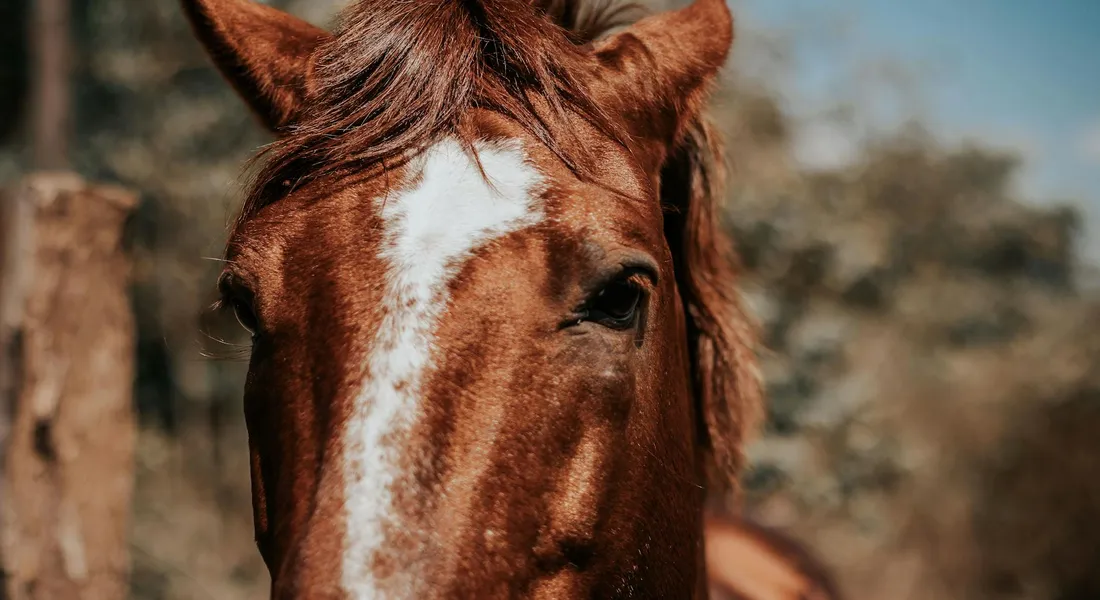
You can’t manage what you don’t know, and telling these two apart starts with your own two eyes and a good pair of hands. The physical clues are distinct, but they require you to look past the overall picture and focus on the specific details of your horse’s body and behavior. Here’s a scannable breakdown. For a deeper, psychology-based understanding, the complete guide to understanding horse behavior and psychology offers more context. It helps connect the cues you notice to what’s going on in the horse’s mind.
| Physical Trait | Equine Cushing’s (PPID) | Insulin Resistance (IR) |
|---|---|---|
| Coat & Hair | Hirsutism: A long, curly, woolly coat that fails to shed. It feels dense and persistent, like a winter blanket in July. | Normal shedding pattern. The coat may appear abnormally shiny or “oily” due to metabolic disruption. |
| Body Shape | Loss of topline muscle, creating a swayback. A pendulous “pot belly” despite possible weight loss. The overall look is aged and tucked up. | Abnormal, regional fat deposits. A hard, cresty neck; fat pads over the tailhead (“apple butt”), shoulders, and above the eyes. |
| Laminitis | Can occur, often chronic and more manageable but persistent. It’s linked to the hormonal imbalance. | A primary and recurrent red flag. Often severe, acute, and directly triggered by high insulin levels in the bloodstream. |
| Energy & Thirst | Lethargy, reduced performance. Excessive drinking and urination (you’ll be filling that water bucket constantly). | Often normal energy levels. Appetite may be ravenous. No typical increase in thirst. |
I’ve run my hands over both types of coats in my barn. The feel of a PPID coat is unmistakable-it’s a thick, matted carpet that just won’t quit, while the sight of those rock-hard fat pads on an IR horse tells a story of internal metabolic chaos.
Tell-Tale Signs of Equine Cushing’s (PPID)
PPID is a master of slow disguise. You might blame aging for years before the puzzle pieces snap together. This condition whispers its symptoms over seasons, making vigilant observation your most powerful tool.
- Hirsutism: The classic sign. A long, wavy coat that remains in summer or sheds in bizarre, patchy clumps.
- Muscle Wasting: Loss of topline and rump muscle, leading to a swayback and prominent spine.
- Pot Belly: A sagging abdomen, caused by weakened abdominal muscles and fat redistribution.
- Polyuria/Polydipsia (PU/PD): Excessive drinking and urination. You’ll notice a suddenly soaked stall or a water tank that empties too fast.
- Lethargy: A decreased enthusiasm for work, seeming “off,” or just acting older than their years.
Tell-Tale Signs of Insulin Resistance
IR is more about what the body does with energy than about aging. It’s a system stuck in “store fat” mode, and the body broadcasts this through very specific fat deposition that you must learn to recognize and palpate.
- Abnormal Fat Pads: A cresty neck you can’t pinch, hard fat on the tailhead, shoulder lumps, and fat above the eyes.
- Easy Keeper Syndrome: Gains weight on air, while barn mates on the same diet stay lean.
- Recurrent Laminitis: The big warning bell. Episodes often follow access to lush grass or high-sugar feeds.
- Increased Appetite: Can seem constantly hungry, even when overweight.
I advocate for monthly body condition scoring with your hands, not just your eyes. Running your hands over neck crest and ribs is the earliest detection system you have for insulin resistance, long before laminitis strikes.
Getting a Diagnosis: How Vets Tell Them Apart
Your observations are critical, but the final word comes from your veterinarian. This diagnostic journey is a partnership, starting with you relaying every subtle change and your vet connecting them with clinical science. Do not self-diagnose or treat based on symptoms alone.
The process begins with a thorough physical exam and a detailed history. Your vet will ask about laminitis episodes, coat changes, water consumption, and diet. Be ready to share your horse’s complete feed regimen, including pasture access and all supplements; what you see as a “handful” of treats could be a key data point. This is especially important if it’s your first vet visit for the horse.
Tests for Diagnosing Equine Cushing’s Disease
Diagnosing PPID involves measuring the hormone ACTH. Nature complicates this, as ACTH levels naturally rise in the fall, so timing and interpretation are everything.
- Baseline ACTH Test: A single blood draw. Simple, but levels can be normal in early PPID. Fall values require different reference ranges.
- Dexamethasone Suppression Test (DST): More definitive. A blood sample is taken, dexamethasone is injected, and a second sample is drawn ~24 hours later. In a healthy horse, the dexamethasone suppresses cortisol production; in a PPID horse, it doesn’t.
With my old gelding Rusty, we needed the DST for a clear answer. A single test can be misleading, so trust your vet’s judgment if they recommend follow-up testing based on glaring clinical signs.
Tests for Diagnosing Insulin Resistance
Here, the focus is on how the horse’s body processes sugar and insulin. Diagnosis often relies on a combination of dynamic tests and fasting levels, as a single snapshot can miss the problem. This topic links to the ultimate horse health troubleshooting checklist for a practical, whole-horse, head-to-tail approach.
- Fasting Insulin & Glucose: The starting point. Blood is drawn after 6-12 hours with no food (hay only). High fasting insulin is a strong indicator.
- Oral Sugar Test (OST): A more challenging but revealing test. Fasting blood is taken, a measured dose of corn syrup is administered, and blood is drawn again. It shows how the horse’s system reacts to a sugar hit.
- Combined Glucose-Insulin Test (CGIT): Performed by a vet, this measures the body’s ability to clear glucose and insulin from the bloodstream after an IV injection.
For a horse like Luna, who might be sensitive but not obviously cresty, these tests were vital. Seeing the actual numbers-how high her insulin spiked and how slowly it came down-gave us the concrete evidence we needed to overhaul her management completely.
The Hormonal Story: Understanding the Key Differences
To manage these conditions well, you need to know where the trouble starts. PPID, or Cushing’s disease, begins with a glitch in the pituitary gland, flooding the body with cortisol, while insulin resistance is a failure of the body’s cells to listen to insulin’s instructions. They are different problems from different places.
- PPID’s issue is upstream: The pituitary gland acts like a command center gone rogue, overproducing hormones that disrupt cortisol balance and affect everything from coat to metabolism.
- Insulin resistance is a downstream block: The muscle and fat cells become resistant, so insulin can’t shuttle glucose inside, leaving sugar to accumulate in the bloodstream.
- They often share a stall: A horse can absolutely have both conditions simultaneously, which I’ve seen complicate care for wise old souls like Rusty, requiring extra detective work.
Let me use a barn analogy. PPID is like a broken faucet on a water trough-it just won’t stop flowing, drenching the system in stress hormones. Insulin resistance is like that one drain in the wash stall that’s always clogged; the water (sugar) has nowhere to go, so it pools up.
Getting a clear diagnosis is vital. I remember a pony like Pippin who needed testing for both, because treating one without addressing the other is like mucking a stall but leaving the wet spot under the bedding. Your vet can help untangle the symptoms with specific blood tests.
Management and Treatment: Two Different Care Paths
Your daily strategy hinges on the root cause. For PPID, we use medication to dial down hormone production at the source, but for insulin resistance, we focus on diet and exercise to help the body’s cells respond better. Both are lifelong commitments, not quick fixes.
Your routine becomes their lifeline. Consistency in care-whether it’s pill time or pasture time-builds a stable foundation that keeps your horse comfortable and thriving for years. If you’re wondering what a seasonal routine for horse care looks like, a simple schedule can guide you through the year. I’ve learned that a predictable schedule soothes anxious horses and makes your job easier.
Caring for a Horse with Cushing’s Disease
Medication is your primary lever. Daily pergolide (Prascend) is the gold standard, and giving it at the same exact time every day prevents hormonal roller coasters. I hide it in a mashed carrot or a bit of soaked beet pulp for my veterans.
- Daily medication ritual: Administer pergolide consistently, never skipping a dose. Use a pill crusher if needed and mix it with a palatable, low-sugar carrier.
- Supportive care checklist: Prioritize frequent hoof care every 6-8 weeks, schedule dental exams twice a year, and maintain a targeted deworming program based on fecal counts.
- Diet for the aging body: Supplement with high-quality protein like alfalfa pellets or a senior feed to support muscle mass, and provide free-choice, low-sugar hay to encourage constant foraging.
Observe the details. With a horse like Rusty, I noticed a brighter eye and smoother coat within weeks of starting medication, a clear sign we were on the right track. Ample turnout with quiet herdmates supports their overall well-being immensely.
Caring for a Horse with Insulin Resistance
Food is your most powerful medicine here. Replace sugary pasture and grains with tested, low-starch hay, and feed it in slow-feed nets to stretch out meal times and prevent spikes. I soak my hay for 60 minutes to leach out excess sugars.
- Nutritional management: Provide measured amounts of soaked hay, select a specialized low-starch concentrate if needed, and always use a well-fitted grazing muzzle during turnout on fresh grass.
- The exercise imperative: Incorporate regular, gentle movement like daily hand-walking or light riding to improve glucose uptake in the muscles; even 30 minutes makes a difference.
- Weight monitoring: Regularly assess fat deposits at the crest, tailhead, and ribs, adjusting feed portions to maintain a lean body condition score of 4 to 5.
Movement is non-negotiable. For a sensitive horse like Luna, consistent, calm exercise became her best metabolic tune-up, far more effective than diet alone. Start slow and build duration, keeping sessions stress-free to avoid cortisol spikes that can worsen insulin resistance. A healthy exercise turnout schedule for horses helps maintain consistent activity levels and reduces stress during transitions. Integrating regular turnout with calm, progressive exercise supports long-term metabolic health.
Long-Term Outlook: Prognosis and Daily Life
The good news is straightforward. With a dedicated management plan, both Equine Cushing’s and Insulin Resistance are controllable. Your horse can enjoy a good quality of life for many years. As horses age, chronic conditions can arise, and a thoughtful daily care routine helps manage them. A structured approach to aging care supports ongoing comfort and well-being. Success isn’t about a cure; it’s about consistent, daily stewardship that becomes part of your barn rhythm.
Never forget the common enemy: laminitis. This devastating hoof inflammation is the single biggest threat to long-term soundness in both conditions. Every management decision you make, from pasture time to feed choice, is a direct defense against this painful reality.
Integrating care into your daily routine is how you win. It’s less about grand gestures and more about smart, sustainable habits.
- Make a grazing muzzle as routine as a halter. Letting a horse like Pipin roam without one on spring grass is like leaving a kid alone in a candy shop.
- Set loud phone reminders for medications. Pergolide for Cushing’s must be given at the same time every day, no exceptions.
- Soak hay for 30-60 minutes to reduce sugars. I use a clean trash can filled in the morning, so it’s ready for evening feeds.
- Create a “dry lot” turnout space. Even a small paddock without grass gives them vital movement and social time without the sugar risk.
- Keep a simple journal. Note weight, appetite, and any unusual sweating or lethargy. It helps you spot trends before they become crises.
I’ve managed horses like wise old Rusty, who lived cheerfully with IR for years. We had our system: soaked hay, a muzzle for his few hours on pasture, and regular hoof checks. Seeing him doze in the sun, healthy and content, proved that this careful life is still a full one.
FAQ: Equine Cushing’s vs. Insulin Resistance
What are the primary causes of Equine Cushing’s disease and insulin resistance?
Equine Cushing’s disease, or PPID, is primarily caused by a benign pituitary tumor that disrupts normal hormone regulation. Insulin resistance stems from metabolic dysfunction where cells become resistant to insulin, often triggered by obesity, genetics, and high-sugar diets. These causes are distinct, with PPID being a neurological disorder and insulin resistance a metabolic one.
What are the key differences in the underlying hormonal imbalances?
In Cushing’s, the hormonal imbalance involves excessive cortisol production due to pituitary gland overactivity. For insulin resistance, the issue is elevated insulin levels because cells fail to respond to insulin’s signals. This means Cushing’s affects the body’s stress response, while insulin resistance directly impairs glucose metabolism and energy use.
How do the treatment and management strategies differ?
Cushing’s treatment focuses on daily medication like pergolide to regulate hormone production at the pituitary source. Insulin resistance management relies on strict dietary control, regular exercise, and weight monitoring to improve cellular insulin sensitivity. Both require tailored approaches, with Cushing’s care emphasizing medication consistency and insulin resistance prioritizing lifestyle adjustments.
Navigating the Path Forward with Your Horse
Differentiating between PPID and IR starts with your veterinarian’s tests, not guesswork, as the specific treatments for each condition are distinct and following the wrong path can do more harm than good. Your daily management of diet, hoof care, and turnout forms the foundation of a comfortable life for a metabolically challenged horse.
Progress with these conditions is measured in months, not days, so celebrate the small wins like a shiny coat or a calm demeanor. Your horse’s behavior and body condition are the most honest feedback you will ever get, so make a habit of truly seeing them every single day. Consider using an equine body condition scoring (BCS) to assess your horse, and track changes over time. This simple check provides a clear, repeatable measure you can rely on as you plan care.
Further Reading & Sources
- Equine Cushings & Insulin Resistance Group | ECIR Group, Inc.
- [email protected] | Home
- Equine Cushing’s and Insulin Resistance Group Inc. | ECIR Group, Inc.
- ECIR Group – Equine Cushings and Insulin Resistance | Facebook
At Horse and Hay, we are passionate about providing expert guidance on all aspects of horse care, from nutrition to wellness. Our team of equine specialists and veterinarians offer trusted advice on the best foods, supplements, and practices to keep your horse healthy and thriving. Whether you're a seasoned rider or new to equine care, we provide valuable insights into feeding, grooming, and overall well-being to ensure your horse lives its happiest, healthiest life.
Health