
Winter Hydration: 7 Tricks to Keep Your Horse Drinking in Freezing Temperatures
Hello fellow equestrians. That silent, frozen water bucket at dawn is a gut punch. You know a horse who won’t drink in the cold is flirting with dehydration, impaction colic, and a staggering vet bill.
I’ve paced the aisle with that same worry, watching my sensitive Luna stare disdainfully at her ice-skinned pail. Keeping horses drinking through a freeze is a core skill of winter barn management.
Here, I’ll share the seven most effective, stall-proven strategies I use every year. We’ll focus on:
- Getting the water temperature just right
- Using salt strategically to drive thirst
- Choosing reliable heating options for buckets and tanks
- Crafting hydrating warm mashes they can’t resist
- Maintaining pristine, ice-free water sources
- Simple daily monitoring to catch problems early
- The safe, smart use of electrolytes in cold weather
This advice is forged from long winters spent managing barns and caring for every type of horse, from my puddle-hating Rusty to the clever pony Pipin.
The Cold, Hard Truth: Why Horses Resist Water in Winter
You step into the barn on a crisp morning and hear the hollow thud of a full, untouched water bucket. I’ve watched Luna, my sensitive Thoroughbred, stare at her icy water like it offended her. Horses instinctively drink less in freezing weather because cold water can cause gastric discomfort and lower their core body temperature.
Their digestive systems are designed for constant forage intake, which requires ample fluid to move. Water near freezing feels harsh on their teeth, much like biting into a popsicle. I learned with Rusty that offering lukewarm water can make all the difference, as he’d drain a bucket I’d tempered with a splash from my thermos.
Ice is an obvious thief of access. A thin layer can deter drinking, and a fully frozen tank spells trouble. But even liquid cold water reduces their desire. Think of it this way: if you wouldn’t enjoy a glacial smoothie on a winter day, your horse probably doesn’t either.
Reduced turnout compounds the issue. A horse standing in a stall loses less fluid through sweat and may feel less thirsty. Advocating for daily turnout, even in the cold, stimulates natural drinking behaviors and overall circulation.
Here’s a quick list of why your horse might be turning into a winter water critic: Identifying these barriers is the first step toward crafting a solution, such as knowing how to keep horse water troughs from freezing.
- Thermal Shock: Water below 45°F (7°C) can cause gut cramps.
- Frozen Sources: Ice blocks tongues and prevents sipping.
- Diminished Thirst: Lower activity reduces physiological cues to drink.
- Material Matters: Metal buckets conduct cold faster than rubber, chilling water and lips.
Spotting Trouble: Signs Your Horse Isn’t Drinking Enough
Dehydration in winter is a stealthy foe. You must look beyond the water level. My first clue with Pipin was finding his stall littered with dry, crumbly manure balls. Consistently dry manure is one of the earliest and most reliable signs of inadequate water intake.
Watch their daily habits. A hydrated horse urinates frequently, producing clear or pale yellow liquid. I note how often I muck out wet spots. Fewer wet areas in the stall or paddock is a silent alarm bell you can’t afford to ignore.
Perform the skin tent test. Pinch a fold of skin on the neck or shoulder, release it, and time how long it takes to flatten. If the skin tent persists for more than two seconds, your horse needs more fluids, pronto.
Check mucous membranes. Gently lift your horse’s lip; healthy gums should be slick and pink. Dry or tacky gums feel like sticky paper. This five-second check can reveal volumes about their internal hydration status.
Monitor energy and appetite. A dehydrated horse often acts dull or loses interest in hay. Luna becomes noticeably sluggish, her normally bright eyes turning lackluster. Subtle behavioral dips are often the body’s first cry for help.
Here are key indicators to watch for: Catching these signs early is the cornerstone of gentle, preventive horsemanship. Spotting early signs of illness or injury in your horse lets you act quickly. This awareness supports ongoing well-being and preventive care.
- Fecal Changes: Hard, dry manure or reduced defecation frequency.
- Urinary Output: Significantly fewer wet spots in bedding or soil.
- Physical Cues: Sunken eyes, prolonged skin tenting, dry gums.
- Behavioral Flags: Lethargy, reduced feed consumption, a dull coat.
Your Non-Negotiable Daily Water Check
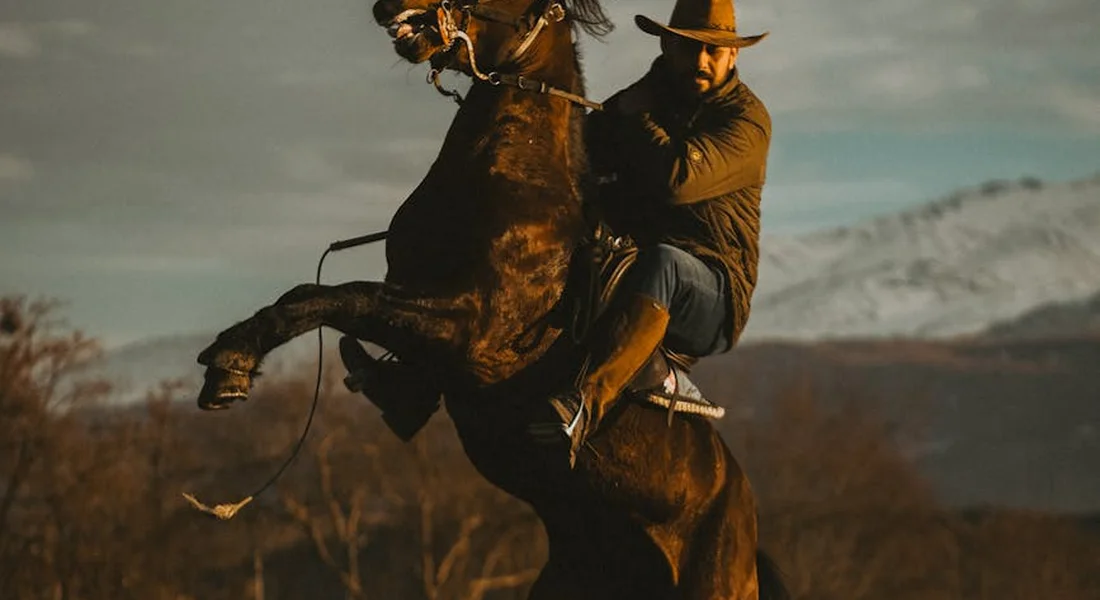
You must physically check every water source twice a day, no excuses. Ice can form a deceptively thin crust that hides frozen buckets below. My morning ritual involves a gloved hand breaking the surface ice on Rusty’s bucket, listening for the satisfying crackle that tells me he has liquid to drink. This isn’t a glance from the barn door; it’s a hands-on inspection.
Look for clues beyond the ice. Check water levels against marks you made on the bucket. Are they dropping? Search for telltale hay strands or bits of feed floating on top-a sure sign your horse has been drinking. A dry muzzle or manure that’s drier and firmer than usual are your first red flags that hydration is slipping. Consider hydration mistakes—five common reasons your horse might not drink enough— as potential culprits. This daily diligence is the bedrock of winter care.
7 Barn-Tested Tricks to Boost Winter Water Intake
1. Serve Warm Water, Not Just Thawed Water
There’s a vast difference between ice-free and appetizing. Horses often prefer water between 45-65°F. I fill buckets with hot water from the tap in the evening; by the time Luna noses in, it’s a comfortable tepid. Offering a warm slurry is far more inviting than a bone-chilling drink that can cause gut cramps. Think of it like preferring tea over a melted ice cube.
Invest in an insulated bucket or wrap standard ones with old blankets. The goal is to slow the cooling, not create a spa. I’ve found that a simple bucket insulator made from a cut-up foam sleeping pad can buy you several extra hours of liquid water.
2. Keep Water Moving to Delay Freezing
Moving water freezes slower. A small, affordable aquarium bubbler placed in a large trough works wonders. The gentle gurgle also seems to attract curious drinkers. Ensure any cords are completely protected and out of reach of curious teeth-Pipin once taught me a very expensive lesson about pony-proofing.
If you use automatic waterers, verify the heating element and the float valve daily. A malfunction can leave your horse with a frozen block or, worse, an empty bowl. The hum of a working heater and the sight of a ripple are among the most reassuring sounds and sights in a winter barn.
3. Use Salt to Create Natural Thirst
Horses on dry winter hay often don’t get enough salt. Provide a plain white salt block free-choice, and add a tablespoon of loose salt to their daily grain. This stimulates thirst naturally, encouraging them to seek out water without you forcing it. Avoid mineralized blocks for this purpose; you want pure sodium chloride.
Monitor their consumption. A sudden spike in licking can indicate a deficiency. Always ensure fresh water is immediately available when supplementing salt-it’s about prompting a drink, not creating a deficit.
4. Feed a Warm, Soaked Mash
This is my top hack. A nightly mash adds crucial water from the inside out. Soak beet pulp or a handful of senior feed in hot water for 15 minutes until it’s a warm, soupy consistency.
- It provides hydration.
- It offers a comforting, warm meal.
- It helps prevent impaction colic.
The smell of warm beet pulp on a cold evening brings every horse in my barn to their stall door, Rusty included, who normally couldn’t care less about dinner time. Let it cool to a safe temperature before serving.
5. Enhance Water Palatability Gently
If a horse is stubborn, a subtle flavor can help. Add a splash of apple juice or a few ounces of unsweetened electrolyte powder to a fresh bucket. The key is to use a tiny amount; you’re hinting at flavor, not making cider. Start clean with plain water first, then add the enhancer to one bucket as a test.
Never use sugary sodas or excessive molasses. You risk disrupting gut flora or turning your water into a syrupy, undrinkable mess that freezes faster. Rinse buckets thoroughly daily to prevent any residue buildup that might put them off.
6. Install a Safe, Reliable Water Heater
For tanks or automatic waterers, a quality heater is a game-changer. Choose one with a fully enclosed, grounded heating element and a guard to prevent contact. Always plug heaters into a GFCI outlet to prevent electrical shock-this is non-negotiable for horse and human safety.
Install it before the deep freeze sets in. Test it weekly by feeling the water for warmth and checking for any frayed wires. A reliable heater should maintain water just above freezing, not produce a hot tub. The initial cost pays for itself in peace of mind.
7. Monitor Intake Like a Hawk
Knowing how much they drink is everything. Mark buckets with tape or a permanent marker at gallon intervals. Track the drop between refills; a 1,000-pound horse should drink at least 5-10 gallons a day, more if active. Note any changes in behavior.
Watch for subtle signs of dehydration:
- Skin tenting for more than two seconds when pinched at the shoulder.
- Dull, dry eyes instead of a bright, moist look.
- Less frequent urination or unusually dark urine.
Catching a dip in water consumption early lets you troubleshoot before it becomes a veterinary emergency. Trust your daily hands-on check over any assumption.
Selecting and Using a Water Heater Safely
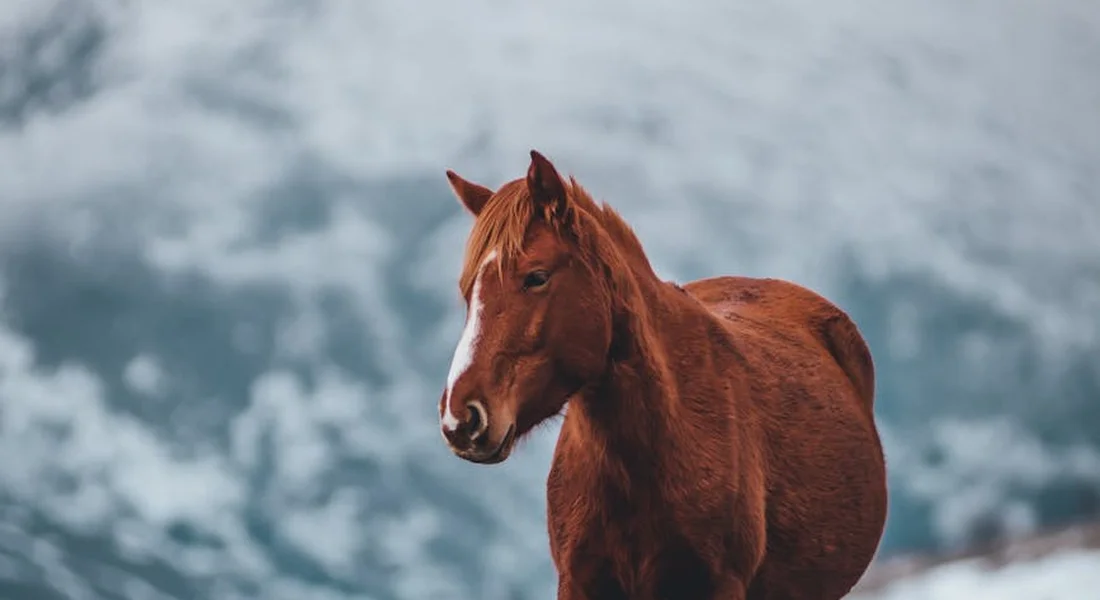
I learned the hard way with old Rusty. One bitter January morning, I found his trough with a skin of ice and him standing there, parched. He’d rather go thirsty than crack through that cold shock. Do horses handle cold weather winter conditions as well as we expect? A reliable water heater changed everything. Investing in a quality heater isn’t just a convenience; it’s a direct line to your horse’s health and comfort during the deep freeze.
You have two main types: submersible models that sit on the bottom and floating tank heaters. I prefer submersible heaters for large troughs-they distribute warmth more evenly. For smaller buckets, a floating heater can do the trick. Always choose a heater with built-in, fully functional GFCI (Ground Fault Circuit Interrupter) protection to prevent electrical shocks in wet environments.
Installation is straightforward, but never rush it. Here’s my barn-tested routine:
- Unplug everything. Always.
- Secure the cord out of reach of curious mouths. Pipin once thought a dangling cord was a new toy, and we had a very exciting five minutes.
- Anchor the heater according to the manual, usually with a suction cup or bracket, so it doesn’t get knocked around by drinking horses.
- Plug it into a GFCI outdoor outlet, not a long extension cord, which can overheat.
Check the heater twice daily. Listen for the gentle hum, feel the water for warmth, and look for any frayed wires or mineral buildup. A quick visual and touch check when you do morning feeds takes seconds but prevents big problems.
Remember, heaters work best in clean water. Ensure the water quality is good for your horse’s health. Scrub that trough weekly to prevent algae and scale, which can coat the heating element and make it less efficient or even hazardous. The sound of ice-free water and the sight of your horse drinking deeply is worth every bit of that upkeep.
Beyond the Trough: Supporting Hydration Through Management
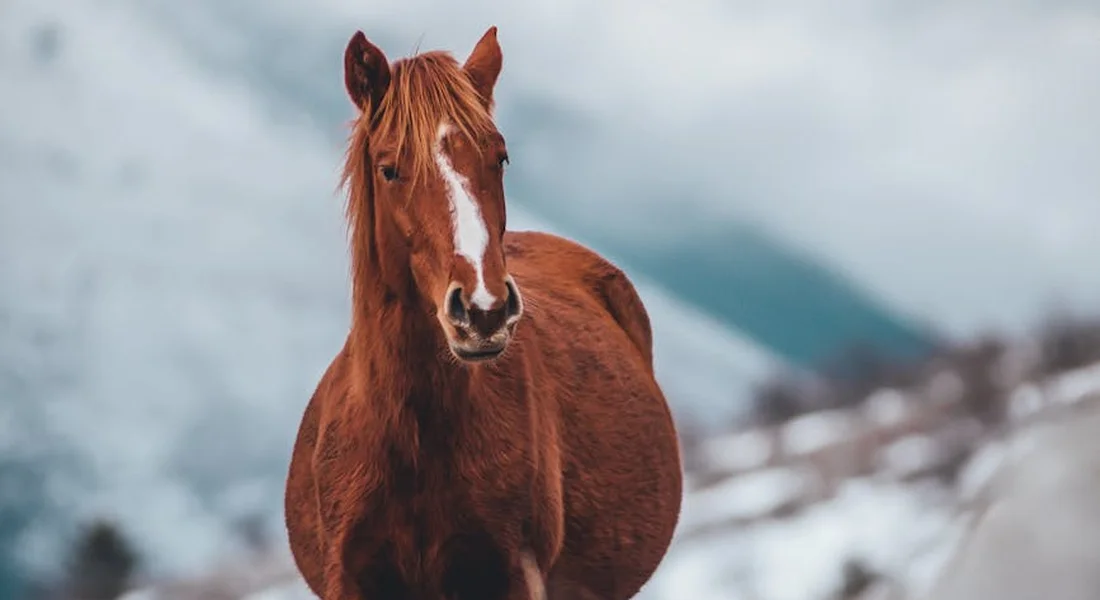
Even with a heater humming away, smart management multiplies your efforts. Think of hydration as a full-picture puzzle, not just a water bucket. Your horse’s diet is a secret weapon for getting more fluids into them, often without them even noticing.
Soaking hay is my go-to hack. It does double duty by reducing dust and adding gallons of water intake. I’ll dunk a few flakes of hay in warm water for 10-15 minutes before feeding. Luna, my sensitive Thoroughbred, loves the softened texture, and she consumes an extra half-gallon of water with every meal. That said, wet hay has safety considerations—check for mold and avoid soaking too long to prevent choking. I’ll cover essential wet-hay safety tips in a follow-up.
Don’t forget the power of salt. A plain white salt block is fine, but for precise control, I add a tablespoon of loose salt to my horses’ grain twice a day. Salt stimulates thirst naturally, encouraging them to seek out water on their own terms.
Here are three more management moves I use every winter:
- Offer warm mashes. Mix a scoop of senior feed or beet pulp with hot water. It creates a soothing, hydrating meal that also warms them from the inside.
- Monitor urine output. Keep an eye on stall wetness or piles in the paddock. Dark, scant urine is a red flag for dehydration.
- Maximize turnout. Even in cold weather, movement keeps digestion and circulation going, which supports hydration. If you have a natural, running water source that rarely freezes, turnout access to it is golden.
Electrolytes can help, but use them wisely. I only administer them if a horse is sweating under blankets or has worked hard. Always provide ample fresh water alongside them. Forcing a dehydrated horse to eat electrolytes without water can actually pull more fluid from their system, making things worse. If you’re unsure whether your horse is dehydrated, check for the signs and explore practical solutions.
Watch your horses. Rusty will always head to the trough after his salted grain. Pipin prefers to drink from a freshly filled bucket, not one that’s been sitting. Their habits are your best guide. Combining heated water with these thoughtful management tricks builds a hydration safety net that holds strong through the longest winter.
Frequently Asked Questions About Winter Hydration for Horses
What are the signs of dehydration in horses during winter?
Look for dry, crumbly manure in the stall, which is a key early indicator. Monitor for reduced urination, shown by fewer wet spots in bedding or soil. Check for physical cues like prolonged skin tenting or dry, tacky gums.
How can you encourage a horse to drink more water in cold weather?
Serve water at a lukewarm temperature to make it more inviting and prevent discomfort. Incorporate loose salt into their daily diet to naturally stimulate thirst. Offer hydrating warm mashes, such as soaked beet pulp, to increase fluid intake through feed.
What is the ideal water temperature for horses in winter?
Horses typically prefer water between 45 to 65 degrees Fahrenheit in cold weather. This range helps avoid thermal shock and encourages regular drinking. Maintaining this temperature can reduce the risk of impaction colic and support overall hydration. Year-round comfort requires considering seasonal variation, aligning with the ideal temperature horse stable seasonal guide for season-specific targets. A seasonal guide helps set clear targets.
From the Frozen Trough: Parting Thoughts
Focus on the basics: break ice diligently, offer slightly warm water, and use salt to encourage drinking. Your primary job is to make water so appealing and accessible that your horse chooses to drink long before dehydration sets in.
Stay observant and patient as you figure out which combination of tricks suits your barn life. Your horse’s well-being hinges on you noticing the small signs, so keep watching and adjusting-that’s the heart of good care.
Further Reading & Sources
- Horse Hydration: Winter Health Concerns – Asset Publisher
- Getting Your Horse to Drink Water in Winter – Hydration Tips
- How to Keep Your Horse Hydrated During the Winter – The Horse
- 5 Tips to Get Your Horse to Drink More Water During Winter
At Horse and Hay, we are passionate about providing expert guidance on all aspects of horse care, from nutrition to wellness. Our team of equine specialists and veterinarians offer trusted advice on the best foods, supplements, and practices to keep your horse healthy and thriving. Whether you're a seasoned rider or new to equine care, we provide valuable insights into feeding, grooming, and overall well-being to ensure your horse lives its happiest, healthiest life.
Health