
How Much Water Does a Horse Need Daily? A Clear Guide for Horse Owners
Published on: February 18, 2026 | Last Updated: February 18, 2026
Written By: Henry Wellington
Hello from the barn aisle. If you’ve ever paced past a full water bucket at the end of the day, worried your horse hasn’t drunk enough, you’re not alone. That quiet trough can spark real fear of dehydration, colic, and emergency vet calls.
Let’s put that worry to rest. In this article, I’ll break down the hydration puzzle into manageable pieces. We’ll cover:
- The baseline gallon count most adult horses require and how to calculate it.
- How weather, sweat, and even your hay type dramatically shift daily needs.
- The early, often-missed signs of dehydration every owner must recognize.
- Practical, gentle strategies to encourage water intake for the pickiest sippers.
This guidance comes from a decade of barn management, where monitoring water consumption was as daily a chore as feeding my own crew, from Rusty to clever little Pipin.
Why Hydration is Non-Negotiable for Your Horse
Think of your horse’s body like a finely-tuned car engine. Water is the coolant, the oil, and the fuel all in one. Without it, everything seizes up. I learned this the hard way one blistering July afternoon with Luna, my sensitive Thoroughbred. After a light workout, she turned her nose up at the water trough. By evening, her eyes were dull, her gums tacky, and her skin tented when pinched. That quiet panic, the frantic call to the vet—it was a stark reminder that dehydration isn’t just about thirst; it’s a silent emergency. Knowing how to check if your horse is dehydrated can be a lifesaver.
Water isn’t a passive passenger in your horse’s system; it’s the foreman on every job site. From dissolving minerals for nutrient absorption to cushioning joints and regulating body temperature, every critical process grinds to a halt without enough fluid. It keeps the digestive slurry moving, preventing colic, and flushes waste from muscles and kidneys.
Here’s a quick list of bodily functions that absolutely depend on proper hydration:
- Digestion and prevention of impaction colic
- Lubrication for joints and soft tissues
- Temperature regulation through sweating
- Nutrient transport in the bloodstream
- Waste removal via kidneys and manure
The Daily Gallon Count: How Much Water Does a Horse Need?
The baseline rule is simple: a horse needs roughly one gallon of water for every 100 pounds of body weight each day. So, a 1,200-pound gelding is looking at a minimum of 12 gallons. But that’s just for a horse standing around in perfect weather. You must view this number as a starting point, not a finish line, because life at the barn is rarely perfect or idle.
Calculating your own horse’s needs is straightforward. First, get a good weight tape measurement or use a scale if you have access. Second, multiply that weight by 0.01 to find the minimum gallon count. Third, add more based on their daily reality-are they in work, are they a mare with a foal, is the hay bone-dry?
A Quick Reference Chart for Equine Water Needs
| Horse Weight | Minimum Daily Gallons | Notes |
|---|---|---|
| 800 lbs (Pony) | 8 gallons | Base requirement for maintenance. |
| 1000 lbs (Avg. Horse) | 10 gallons | Add 1-3 gallons for light trail work. |
| 1200 lbs (Draft Cross) | 12 gallons | Lactating mares may need double this amount. |
| 1400 lbs (Warmblood) | 14 gallons | Hot weather can spike this by 50% or more. |
When Thirst Spikes: Exercise, Heat, and More
Your horse’s water bucket isn’t a static piece of barn furniture. Its demands change with the day’s demands. Always monitor consumption and be ready to provide extra water before your horse even asks for it, especially during these high-need times.
- Exercise: A solid hour of work can require an extra 3-6 gallons to replace sweat loss. Cool them out with ample walking and offer small, frequent sips.
- Hot & Humid Weather: When temperatures soar, needs can jump by 50-100%. I always add an extra bucket to stalls and check pasture troughs twice daily in summer.
- Lactation: A nursing mare is producing milk around the clock. She might easily need 20-25 gallons a day to support herself and her foal.
- Dry Hay Diet: Horses on hay drink more than those on lush pasture. If your hay is particularly dusty or dry, expect water intake to be on the higher end of the scale.
What Changes Your Horse’s Thirst? Factors Affecting Water Intake
Your horse’s water bucket isn’t just a static fixture. Daily needs swing with life at the barn. Five main factors dictate how much they’ll drink. Keeping a mental tally of these elements lets you spot shifts in your horse’s normal pattern before trouble brews. From my own crew, I watch Luna drain her bucket on a hot afternoon after work, while steady Rusty drinks more methodically when his hay is extra dry.
- Environmental Temperature: Heat skyrockets demand. Cold weather brings its own challenges.
- Diet Type: A horse on lush pasture sips less than one munching dry hay.
- Activity Level: A sweaty workout requires more fluid replacement than a day at leisure.
- Age: Older horses and young foals often need more attentive hydration support.
- Health Status: Conditions like fever, diarrhea, or kidney issues directly drive thirst up or down.
Temperature and Climate Impact
A scorching summer day can easily double your horse’s water intake. Their body works overtime to cool itself. Conversely, winter’s chill reduces their willingness to drink, but not their physiological need. Icy water is unappealing. Offer slightly warm water in winter to encourage drinking and prevent dangerous impaction colic. A heated bucket or a kettle of warm water from the tap makes a real difference. You can find more tips for winter hydration here.
Beyond the Bucket: Ensuring Your Horse Drinks Enough
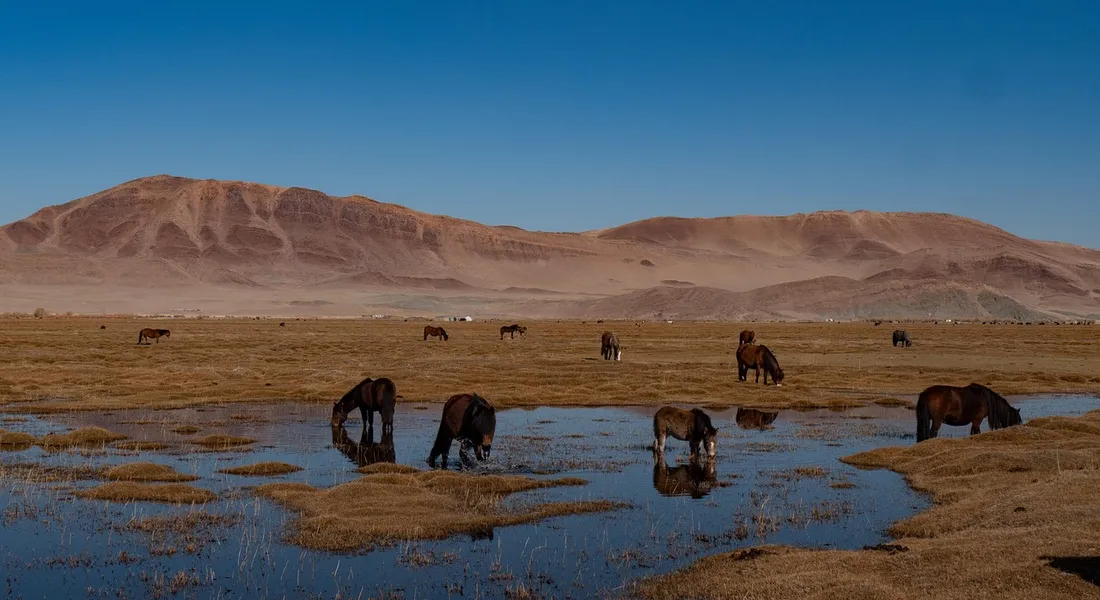
Think of water access as a constant invitation, not a twice-daily chore. I learned this watching Luna, my dapple grey Thoroughbred, who would rather go thirsty than sip from a bucket with a faint hay smell. Your horse must have clean, fresh water available at all times, full stop. Placement matters too-set troughs and buckets in quiet, shaded spots where your horse feels secure, away from the bang of gates and the hustle of feeding time.
Cleanliness is your first defense. My barn rule is to scrub every bucket and trough daily with a stiff brush and a vinegar rinse. The sharp, clean smell tells me it’s working. A daily scrub removes invisible slime that can make water taste terrible to your sensitive equine partner. For the fussy drinker, a trick I use with old Rusty is adding a splash of unsweetened apple juice to his water on scorching days-it turns hydration into a treat.
Water Source Wisdom: Troughs, Buckets, and Autowaterers
Choosing a waterer isn’t about fancy features; it’s about what works for your routine and your horse’s comfort. From rubber buckets to automatic systems, I’ve tested them all through seasons of mud, freezing cold, and chewing ponies.
- Heavy Rubber Buckets: My go-to for stalls. They’re durable, affordable, and make a soft thud instead of a scary clang. Easy to drag out and scrub, but keep an eye on ponies like Pipin who see them as chew toys.
- Plastic or Polyethylene Troughs: Ideal for pastures. Get a dark color to slow algae growth. They hold plenty but can crack in a hard freeze, so I tap them with my boot to check for winter damage.
- Automatic Waterers: They offer constant level and can save labor. The catch? You must check them every single day. Run your hand under the valve to feel the flow. Some horses, especially older ones, distrust the silent refill.
No metal is magical-the clean, fresh water inside it is what counts. A familiar bucket often wins over a mysterious automated bowl.
Monitoring Made Simple: How to Track Intake
You can spot trends without complicated equipment. Mark your stall buckets with a permanent pen at the top water line during morning feeding, then note how far the level has dropped by evening. This two-second check gives you a clear picture of daily consumption.
For pasture troughs, I paint a simple ruler on the inside wall. Watch your horse’s behavior, too; notice if they drink deeply after work or just nip at the water. A sudden change, like Luna skipping her usual post-ride drink, is a bright red flag. Make water checks as routine as tossing hay. An enriching pasture supports natural drinking and grazing patterns. It fits into a broader plan to optimize turnout and welfare.
Water Wisdom: Quality, Access, and Proactive Care
True water care means looking past the surface. Test your water source at least once a year for high mineral content or contaminants, particularly if you rely on well water. Regular testing helps you identify practical steps to improve your horses’ water source, ensuring healthier hydration. Strange tastes from iron or sulfur will keep horses away.
In any turnout, provide more than one water point to stop bossy horses from guarding the supply. Integrating these checks into your daily rhythm prevents problems from sneaking up. Here’s how I apply this in different settings:
- For Stall-Bound Horses: Use two buckets, placed apart. Scrub them both daily. If you use an autowaterer, physically check it at every stall visit-don’t just glance.
- For Pasture Horses: Anchor large troughs in shaded areas. Clean them completely every week to prevent sludge. In winter, break ice morning and night. One trough per every three horses is a good minimum.
Your attention to the quality, access, and rhythm of watering is a direct act of gentle horsemanship that supports every aspect of health. The sound of a horse taking a long, satisfied drink after turnout is the best confirmation your system works.
FAQ: How Much Water Does a Horse Need Daily?
How can I calculate my horse’s specific daily water needs beyond the baseline?
Begin by using the standard formula of one gallon per 100 pounds of body weight for a resting horse in mild conditions. Factor in additional gallons for variables like intense exercise, high temperatures, or dry forage diets by tracking sweat loss and weather changes. Always cross-reference this calculation with your horse’s actual drinking behavior to catch any discrepancies early.
How do I adjust a standard water needs chart for my individual horse?
Treat the chart as a flexible guide, adding or subtracting gallons based on your horse’s unique lifestyle and health status. Incorporate adjustments for specific scenarios, such as lactation or aging, which may require doubling intake or offering more frequent access. Consistently update your estimates seasonally to align with environmental shifts and activity levels, especially when considering feed and water consumption limits.
What features should I look for in a water feeder to promote consistent hydration?
Opt for feeders that ensure a constant supply of clean water, like large, anchored troughs or heated buckets in winter to prevent freezing. Prioritize designs that are easy to clean and refill, minimizing disruptions that might deter hesitant drinkers. Test different placements in calm, accessible spots to encourage regular use without competition from herd mates.
Water Wisdom from the Trough
Provide fresh, clean water at all times and monitor intake daily, adjusting for weather, workload, and diet. A horse’s water bucket should never be empty, as consistent access is the single most important factor in preventing dehydration. Regular hydration should be supported by offering water before and after work to encourage steady intake. Additional tips to promote drinking will be covered in the next section.
Good horse care means watching for subtle cues and acting with patience. Your horse’s well-being starts with you listening to what their thirst tells you.
Further Reading & Sources
- How Much Drinking Water Does Your Horse Need?
- Cool, Clear Water | AAEP
- Horse Hydration: Your Questions Answered – The Horse
- Drinking Behavior of Horses: Six Facts About Water Intake – Kentucky Equine Research
At Horse and Hay, we are passionate about providing expert guidance on all aspects of horse care, from nutrition to wellness. Our team of equine specialists and veterinarians offer trusted advice on the best foods, supplements, and practices to keep your horse healthy and thriving. Whether you're a seasoned rider or new to equine care, we provide valuable insights into feeding, grooming, and overall well-being to ensure your horse lives its happiest, healthiest life.
Nutrition