
Equine Ulcers and Behavior: How Gut Health Directly Shapes Your Horse’s Mind
Hello fellow equestrians, is your once-willing horse now cinchy, sour, or inexplicably spooky? You’re not imagining things, and it’s probably not a training issue. That sudden edge or resistance often stems from pain we can’t see, turning routine rides into a battle of wills and safety into a real concern.
I’m going to walk you through exactly how a troubled stomach can create a troubled mind. In this article, we’ll cover:
- How to decode the subtle physical and behavioral signs of equine ulcers.
- The direct biological pathway-the gut-brain axis-that turns digestive pain into anxiety or aggression.
- Actionable changes to daily routine, from turnout to feeding, that prevent and soothe ulcer-related distress.
This isn’t just theory; it’s wisdom forged from years in the barn aisles, listening to the quiet language of horses like my sensitive Thoroughbred, Luna, whose entire demeanor shifted once we addressed her gut.
The Gut-Brain Axis: Your Horse’s Second Nervous System
What is the Gut-Brain Connection in Plain Barn Language?
Picture a busy barn at dawn: the soft thud of hooves on bedding, the smell of fresh hay, and your horse’s quiet nicker. Now, imagine a direct phone line running from his stomach to his brain, with constant chatter about comfort and danger. That’s the gut-brain axis. This live wire means a bellyache never stays just a bellyache; it directly pilots your horse’s mood and reactions.
I think of it like my mare Luna’s sensitivity. When her digestion is perfect, she’s all graceful curiosity. But let her gut get sour, and that same sensitivity turns into jumpy anxiety over a rustling leaf. Millions of nerve cells in the digestive tract form a second nervous system, sending more signals to the brain than the brain sends back.
It’s evolution’s design for survival. A wild horse with gut pain needs to feel restless to move and find better forage. Your stalled or stressed horse experiences the same primal wiring, but with nowhere to gallop, that distress fuels unwanted behaviors instead.
Neurochemistry 101: How Gut Health Steers Mood
Let’s break down the chemistry without the lab coat. Over 90% of your horse’s serotonin, the crucial calming neurotransmitter, is manufactured in the gut lining. A healthy, ulcer-free gut produces steady serotonin, promoting a steady, trainable mind.
Damage from ulcers slashes that production. Suddenly, your horse has a neurochemical deficit, and behaviors like irritability, spookiness, or learned helplessness can fill the void. I’ve seen it firsthand: after we addressed Pipin’s hindgut issues, his serotonin levels-and his cheerful, cheeky personality-bounced back.
It’s not just serotonin. The gut microbiome influences dopamine and GABA, which regulate motivation and anxiety. Prioritizing turnout and forage is the closest thing to natural Prozac, fostering the good gut bugs that keep these chemicals in balance. A grain-heavy, stall-bound life does the opposite, creating a internal environment ripe for behavioral storms.
Reading the Signs: Behavioral Clues That Scream “Ulcer”
Common Behavioral Red Flags
Ulcers don’t always announce themselves with colic. More often, they speak through behavior changes. Here is my barn-tested list of red flags.
- Newfound girthiness or cinchiness, where even gentle tightening makes them pin ears, swish tail, or even cow-kick.
- A sudden dip in performance, like a willing trail horse like Rusty becoming hesitant or a keen jumper losing power.
- Excessive teeth grinding or jaw clamping, often heard during feeding or when anticipating work.
- Changes in eating: picking at hay, slow chewing, or dropping grain. Rusty once started meticulously sorting his pellets, which was our clue.
- Unexplained irritability on the cross-ties or when being groomed, especially along the belly.
- Pawing, frequent lying down, or staring at the flank when not in obvious colic.
View any abrupt behavioral shift as a potential pain signal, not a training regression or personality flaw.
Is It Training or Pain? Decoding the Difference
Separating a pain response from a training issue saves everyone frustration. Pain is often inconsistent and situational. Do horses feel pain in their hooves? They can, and subtle signs may precede a refusal. If your horse refuses a transition only in the arena after a morning without hay, but does it perfectly on the trail, suspect discomfort over defiance.
With sensitive souls like Luna, I track everything. A logbook noting work, feed, turnout, and behavior patterns is invaluable. Pain-based resistance typically fluctuates with management changes, while a training hole appears more consistently across contexts.
Try this stable hack: does the behavior improve after a dose of a gut-soother like alfalfa or a long, calm turnout session? A positive response to comfort measures is a giant, flashing arrow pointing toward physical discomfort, not a mental block.
Foregut vs. Hindgut: A Behavioral Symptom Check
Where the ulcer lives changes the behavioral presentation. Use this comparison to guide your conversation with your vet.
| Foregut (Stomach & Small Intestine) | Hindgut (Cecum & Colon) |
|---|---|
| Reacts during feeding: teeth grinding, anxious pacing by the stall door. | Reacts during movement: tail swishing, short-strided gait, reluctance to engage hindquarters. |
| Shows pain related to acid: sour attitude on an empty stomach, pickiness with hay. | Shows pain related to gas/fermentation: pawing, looking at flank, bloated appearance. |
| Often linked to stress and intermittent feeding. Luna’s stall-bound anxiety spikes this risk. | Often linked to high-starch diets and antibiotic use. Pipin’s treat-heavy diet was a culprit. |
| May still eat grain eagerly but leave roughage. | May show general lethargy or depression, even at pasture. |
Foregut pain often shouts around meal times, while hindgut discomfort murmurs during exercise or at rest. Advocating for nearly constant forage access and minimizing grain protects the entire digestive tract, smoothing out those gut-brain messages for a happier, healthier partner.
From Gut Lining to Bad Attitude: The Pain Pathway
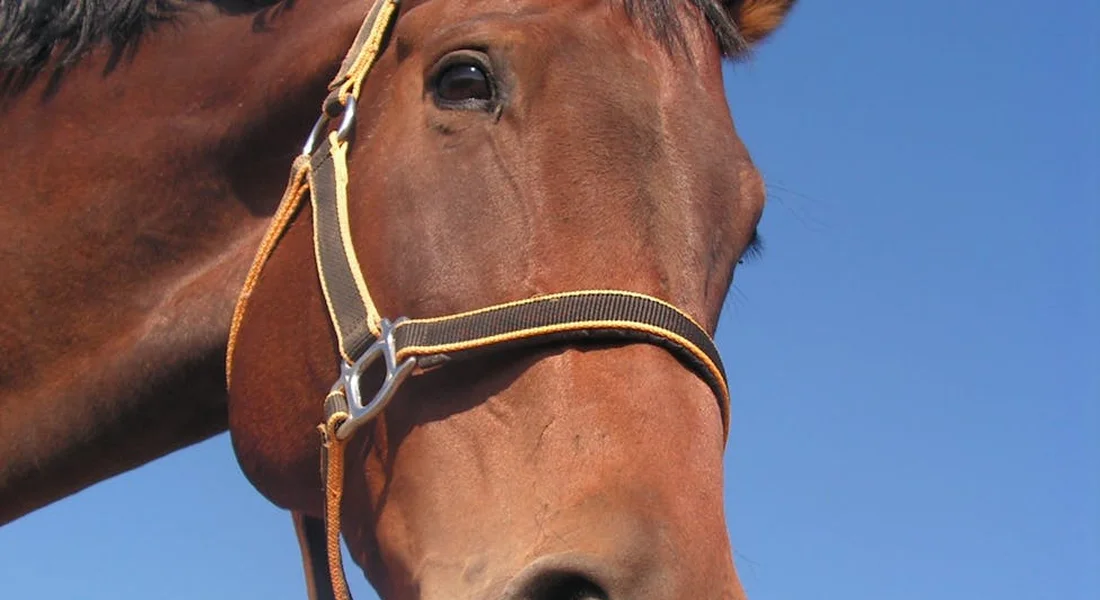
Think of your horse’s stomach lining as a sensitive alarm system. When acid splashes on an unprotected spot, it doesn’t just sit there quietly. It sends a constant, sharp signal up the vagus nerve—a direct phone line to the brain. That signal has one message: pain. Unlike humans, horses cannot vomit, so that pain cannot be relieved by expelling the stomach contents.
This isn’t a subtle ache. It’s a persistent, grating distress that a horse cannot escape. They can’t tell us where it hurts. Instead, they react to the world through the lens of that pain. A girth tightened over a tender belly? That’s an attack. Being asked to collect and engage their core? That’s agony. Recognizing subtle signs of equine pain is how we translate their silent language into care. What we label as ‘bad attitude’ is often just a rational response to constant internal discomfort.
I’ve seen this pathway light up with my own horses. Luna, my sensitive Thoroughbred, would flinch at girthing and break into a sweat over nothing. It looked like anxiety, but the root was lower down. Rusty, normally steady, began balking at puddles-not from stubbornness, but because the splash and movement exacerbated a deeper ache.
Physical Signs That Scream “Gut Hurt”
- Reactive to girthing or cinching, may swing head, pin ears, or even cow-kick.
- Resists bending, collecting, or moving with impulsion, as it engages abdominal muscles.
- Shows a “cold back” or dips away when first mounted.
- Exhibits sudden, unexplained spookiness or a general “hair-trigger” sensitivity.
- Develops poor appetite, especially for grain, but may pick at hay.
Stress: The Fuel for Ulcers and Problem Behaviors
Stress is the great ulcer-maker. It reduces saliva production (nature’s antacid) and increases cortisol, which ramps up stomach acid. It’s a perfect, painful storm. A stressed gut leads to pain, which leads to stress behaviors, which creates more gut damage. Breaking this cycle is our primary job as managers.
Management Stressors That Harm the Gut
- Intermittent Feeding: Long stretches without forage leave the stomach empty and acid unbuffered. The horse’s gut is designed for a near-constant trickle of food.
- High-Starch Diets: Large grain meals ferment quickly, producing volatile fatty acids that can drop stomach pH to corrosive levels.
- Social Isolation: Horses are herd animals. Keeping one alone in a stall without visual or physical contact is a profound psychological stressor.
- Limited Turnout: Confinement stalls movement, curiosity, and the simple act of walking while grazing-all vital for mental and physical gut health.
- Inconsistent Routines: Horses thrive on predictability. Erratic feeding times, changing stall mates, or chaotic handling create low-grade chronic anxiety.
Turning Stress Around: The Role of Turnout and Routine
The cure is often in the cause. We must become architects of a low-stress life. For me, this meant a fundamental shift in how I managed my three. Pipin’s cheeky escapes were a sign; he was voting with his hooves for more freedom.
Maximum turnout with companions is not a luxury; it is the single most effective management tool for preventing and managing ulcer-related behaviors. Moving and grazing allows for natural saliva production, buffers stomach acid, and reduces boredom and anxiety.
Establish a rhythmic, predictable daily routine. Feed at the same times. Turn out and bring in on schedule. Your horse will relax, knowing what comes next. I feed my trio their grain in a specific order every single morning-they don’t pace or whinny, they just wait their turn. To tailor this further, see our guide on creating the perfect horse feeding schedule daily routine.
Finally, look at the feed bin. Soak hay to reduce dust and increase water intake. Replace some high-starch grains with fat sources like rice bran or soaked beet pulp. Use a slow-feeder net to make that hay last longer. Any change in diet must be made gradually over 7-10 days to avoid colic, but the shift towards more forage and less concentrated stress is worth the patience. The difference in their eyes, and their attitude under saddle, will tell you so.
Getting a Diagnosis: From Suspicion to Certainty
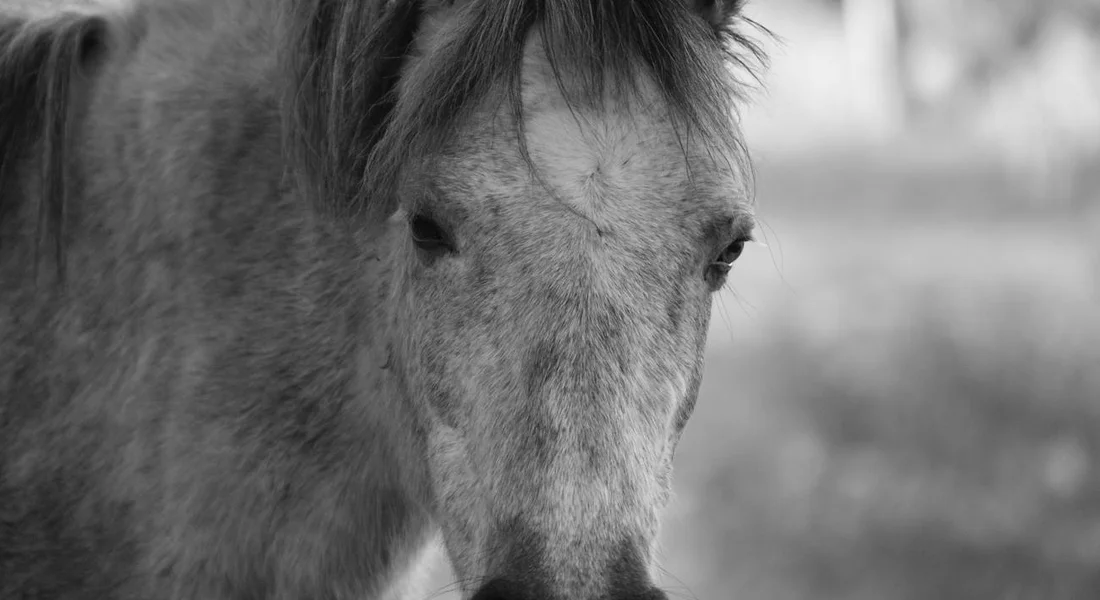
The Veterinary Path to Confirmation
You notice your horse grinding its teeth or seems sour when you tighten the girth. That gut feeling you have is worth listening to. Schedule a vet exam the moment you spot consistent behavioral red flags paired with physical signs like a dull coat or weight loss. I learned this with Luna, my sensitive Thoroughbred; her increased reactivity under saddle was my first clue something was amiss in her gut. Diagnosis isn’t guesswork-it requires a gastroscopy. This procedure lets your vet look directly at the stomach lining with a camera passed through the nose. It’s straightforward and provides a clear picture of any ulcers, their type, and severity. Waiting and hoping often just lets minor irritation bloom into a painful problem.
Do not try to diagnose or treat ulcers on your own with over-the-counter supplements. Only a vet can differentiate between squamous and glandular ulcers, which require distinct treatment approaches. The process is quick, and most horses handle it well with mild sedation. View it as an investment in your horse’s comfort and your partnership. The peace of mind from knowing exactly what you’re dealing with is worth far more than the cost of endless trial and error.
Treatment Protocols and the Behavior Timeline
Once diagnosed, your vet will prescribe a protocol, typically a course of omeprazole to reduce stomach acid. Consistency with medication timing is non-negotiable for healing to occur. You must also address the management factors that caused the ulcers in the first place, or you’ll be right back here in a few months. Pair the medicine with dietary changes, like providing more forage. I saw Rusty’s grumpy attitude around feeding time vanish after two weeks on his protocol, but his full return to his steady self took over a month.
Behavioral improvements can be a rollercoaster. Expect to see subtle shifts in demeanor, like a calmer eye or less tail swishing, before you see major changes under saddle. The timeline depends on the ulcer severity and your horse’s individuality. Follow-up scopes are common to ensure healing is complete before stopping medication. Rushing this process is a disservice to your horse. Patience here is a direct form of gentle horsemanship.
Building a Ulcer-Resistant Lifestyle: Prevention Over Cure
Feed Management: Mimicking the Grazing Gut
The horse’s stomach produces acid continuously, but saliva-which neutralizes acid-is only made during chewing. Your number one goal is to keep your horse chewing for as many hours a day as possible. This means mimicking natural grazing. Understanding how a horse’s digestive system works can help you make informed decisions. Ditch two or three large grain meals. Instead, offer free-choice hay from a slow-feeder net. If your horse needs concentrates, split them into four or more tiny meals throughout the day. The steady trickle of forage keeps the gut buffered and content, like a slow, steady campfire rather than a sporadic bonfire.
Always provide hay before grain. A belly full of hay first acts as a sponge, slowing the passage of concentrates and reducing acid splash. For easy keepers like Pipin, I use low-sugar hay in a tight-net slow feeder. It keeps him busy and out of mischief for hours, satisfying both his gut and his clever mind. Water access is critical too; a dehydrated horse has less saliva. Check those buckets twice a day, and consider a heated source in winter. To help you decide which hay types are best for your horse, a complete comparison is worth reviewing. It compares options like alfalfa, timothy, meadow hay, and grass hays for various goals and health considerations.
The Stable Environment Hack List
Stress is a direct ulcer trigger. Your stable management can build a buffer against it. Maximizing turnout with companions is the single best thing you can do for your horse’s mental and gastric health. If your horse tends to buck when stressed, calming routines can help prevent it. These same practices can also make it easier to stop bucking when nerves run high. Here is my practical hack list to create a low-stress home:
- Prioritize herd turnout. Even if it’s just one friend, it reduces anxiety dramatically.
- If stall-bound, ensure visual contact with other horses. A mirror can help in isolation.
- Keep routines predictable. Horses thrive on knowing when feed and turnout happen.
- Reduce stable noise. Radio constant chatter can be stressful; opt for calm silence.
- Provide constant forage. A slow-feeder hay net should never be empty.
- Use a ground feeder or put hay on the stall floor to encourage a natural head-down posture.
Discipline and Breed Considerations
Some horses carry a higher inherent risk. High-performance disciplines with intense training, frequent travel, and show stress are a perfect storm for gastric upset. The sensitive Thoroughbred, like my Luna, often has a more reactive system. For these horses, consider a preventive omeprazole protocol during peak stress periods, as recommended by your vet. But don’t just medicate and carry on-adjust the training too. Incorporate more warm-up and cool-down time at the walk, which encourages gut movement.
Stocky breeds like Quarter Horses aren’t immune. Even a steady eddy like Rusty can develop ulcers from management flaws, like long intervals without forage. Beyond ulcers, different breeds have their own common health issues to watch. A quick breed watch can help you anticipate and address them alongside ulcer prevention. For all horses, evaluate the pressure points: is the saddle fit perfect? Are training sessions varied and positive? Ulcer prevention is holistic. It’s about listening to the thud of hooves on pasture and the quiet sound of chewing, not just the creak of the saddle. Build your routine around the gut, and the good behavior will follow.
Frequently Asked Questions: The Gut-Brain Connection and Equine Behavior
Can treating ulcers resolve behavioral issues, and how quickly?
Yes, treating ulcers can resolve related behavioral issues, but it requires a full healing protocol and management changes. You may see initial improvements in demeanor within a few weeks as pain subsides. Complete behavioral resolution, however, often aligns with full mucosal healing confirmed by a follow-up scope, which can take a month or more.
Are certain behaviors like cinchiness or reluctance to work specifically linked to ulcer pain?
Absolutely. Cinchiness is a classic sign, as pressure from the girth directly aggravates the inflamed stomach lining. Reluctance to work, especially to engage the core or collect, occurs because these movements cause physical discomfort in the abdominal cavity. These behaviors are direct, rational reactions to internal pain rather than acts of disobedience.
What is the difference in behavioral symptoms between foregut and hindgut ulcers?
Foregut ulcers often cause behavioral symptoms centered around feeding times, like anxiety at meal delivery or teeth grinding. Hindgut ulcers more commonly influence behaviors during movement, such as a short-strided gait or tail swishing while riding. The key difference lies in when the symptoms are most apparent: foregut issues flare around digestion, while hindgut issues manifest during exercise or at rest.
Your Horse’s Comfort Starts Within
If your horse is sour at feeding time or tense under saddle, treat it as a critical clue to investigate their gut health first. Not eating properly is a clue that something deeper is off, usually tied to gut health. Understanding why it happens points you toward practical solutions to restore appetite and well-being. Making that call to your veterinarian is the single most effective action you can take to address the root cause, not just the symptoms.
Progress might be measured in quiet nickers and relaxed rides, not overnight fixes. From managing Rusty’s treat-motivated calm to Luna’s high-strung nature, I’ve learned that true horsemanship means honoring the physical horse before asking for performance.
Further Reading & Sources
- Using Nutrition to Manage and Prevent Stomach Ulcers in Horses
- Equine Gastric Ulcer Syndrome | School of Veterinary Medicine
- That Gut Feeling: The What, Why, & How to Identify / Treat Equine Gastric Ulcers | Abraham’s Equine Clinic
- Gastric Ulcers | B&W Equine Vets
At Horse and Hay, we are passionate about providing expert guidance on all aspects of horse care, from nutrition to wellness. Our team of equine specialists and veterinarians offer trusted advice on the best foods, supplements, and practices to keep your horse healthy and thriving. Whether you're a seasoned rider or new to equine care, we provide valuable insights into feeding, grooming, and overall well-being to ensure your horse lives its happiest, healthiest life.
Behavior