
How to Stop a Horse from Bucking and Calm a Stressed Horse: Safe, Effective Methods
Hello fellow equestrians! That heart-sinking moment when your horse bunches up to buck or locks into a nervous sweat is more than just annoying-it’s a real safety scare for you and a clear cry for help from them.
Let’s fix this together. I will guide you through a clear plan that covers pinpointing the physical or emotional triggers behind the behavior, gentle, instant techniques to diffuse tension right now, and consistent groundwork to build a calmer, more trusting horse for the long haul.
My own time in the saddle and at the stall door, managing barns and training everything from steady quarter horses to spooky thoroughbreds, has given me a toolkit of reliable, horse-friendly solutions.
Decoding the Buck: Why Your Horse Acts Out
A buck is rarely just naughtiness; it’s a full-body telegram from your horse. Decoding that message starts with ditching the frustration and putting on your detective hat. I’ve spent countless hours in the barn seeing how a change in the wind or a new fly spray can rewrite a horse’s entire script.
Is It Mischief or Pain? Spotting the Difference
Distinguishing a pain buck from a behavioral one saves your sanity and your horse’s well-being. Playful bucks, like Pipin’s famous spring-time friskies, come with a loose body and a bright, engaged eye-it’s an exclamation point, not a scream. Pain or fear bucks are tighter, sharper, and often leave a tense silence in their wake.
Common Signs of Pain-Related Bucking
Pain bucking is a symptom, not the disease. Look for these clues before you correct the behavior.
- Girthiness: Swishing tail, pinned ears, or even snapping when cinched.
- Asymmetry: Reluctance to bend one way, or consistently bucking on a particular lead.
- Touch Sensitivity: Flinching skin over the back, loins, or when grooming the belly.
- Altered Posture: A hollowed back, parked out stance, or constant shifting of weight.
If your steady-eddie like Rusty starts bucking out of the blue, your first call should be to the vet, not the trainer. Saddle fit and dental checks are non-negotiable starting points.
Reading Stress Signals and Anxiety in Body Language
Horses broadcast anxiety long before their feet leave the ground. Learning to read this preview prevents the main feature. Understanding how to manage separation anxiety in horses helps you respond with calm, consistent training. This awareness guides safer, more confident handling.
- The Frozen Frame: A sudden halt in movement, with muscles locked and breath held.
- Tail Tales: A clamped tail or one swishing in sharp, irritable flicks.
- Eye and Ear Cinema: Whites showing, with ears rapidly flicking or fixed rigidly forward.
- Snort Code: Short, tense snorts versus long, relaxing ones.
I’ve watched Luna’s nostrils flare and her neck stiffen into a plank seconds before a spook-buck combination; spotting that sequence is your cue to soften and reassure.
The Usual Suspects: Common Causes of Bucking
When pain and stress are ruled out, this checklist helps pinpoint the trigger. My barn manager mantra is: “Excess energy and confusion are the most common trainers of bad habits.”
- Saddle Slip or Pinch: Even a well-fitted saddle can shift on a horse that’s lost or gained weight.
- Insufficient Turnout: Horses need to be horses first. Twenty-four-seven stall life is a recipe for explosive rides.
- Digestive Discomfort: Ulcers or grain overload can make a horse cinchy and reactive.
- Conflicting Aids: Muddy signals from the rider-pulling reins while kicking legs-create frustration.
- Environmental Overload: New sights, sounds, or even a change in footing can trigger a fear response.
- Physical Overfacing: Asking for collection or a new maneuver before the horse is muscled or mentally prepared.
A day-long turnout did more to cure a client’s horse of bucking than any round-pen session; never underestimate the power of simple, horse-centric management.
The Rider’s Response: Immediate Steps When Bucking Starts
When the world goes upside down, your reaction writes the next chapter. Your aim is to be a calm, decisive leader, not just a passenger hanging on. I’ve learned this through sudden launches and graceful recoveries alike.
Stay Safe: Your Priority in the Saddle
Protecting yourself is step one for everyone’s safety. If you’re on the ground, you’re no help to your horse.
- Exhale Forcefully. Blow out tension to keep your own body from locking up. Fear is contagious.
- Deepen Your Seat. Drop your weight into your heels and allow your seat to absorb the motion, not fight it.
- Find the Horizon. Look where you want to go, not down at the bouncing neck. Your balance follows your gaze.
- Plan Your Exit. If the bucks are escalating or you’re losing balance, a controlled dismount is a smart choice, not a defeat.
I once rode out a series of bucks by focusing on a single tree in the distance and singing a silly song; it kept me calm and the episode passed quickly.
Regain Control: Techniques to Stop the Buck
Once secure, your job is to redirect the energy. Think of it as turning a fireworks display into a directed laser beam.
Using Your Seat and Leg Aids Effectively
Your seat and legs are your primary tools to disengage the hindquarters. A deep, following seat encourages the horse to round its back and step under, which physically inhibits the buck.
- Sit Tall and Soft: Avoid crouching or gripping. Imagine a string lifting your chest.
- Apply Consistent Leg: Use a steady, wrapping leg aid to ask the hind legs to step forward and under the body.
- Engage Your Core: A supportive abdomen stabilizes you and helps maintain rhythm.
Forward motion is the cure for upward explosion-you’re asking for a powerful trot or canter, not a rodeo.
Rein Handling to Redirect Energy
Reins guide direction, not act as emergency brakes. Sharp pulls often make things worse by hurting the mouth and throwing the horse off balance.
- Maintain Elastic Contact: Keep a feel of the mouth, but let your elbows be shock absorbers.
- Bend the Neck: Use a direct rein to gently flex the head to one side. This disrupts the straight-line thrust needed for a full buck.
- Create a Circle: Combine the bend with inside leg to guide the horse onto a small, manageable circle. This replaces panic with a task.
- Avoid Sawing: Don’t see-saw the reins. Steady, one-rein guidance is clearer and kinder.
With a fresh horse, I often use a softening inside bend and a leg yield off the track; it changes their focus and uses their brain. Redirecting energy always beats trying to suppress it.
Building Trust from the Ground Up: Training for Calmness
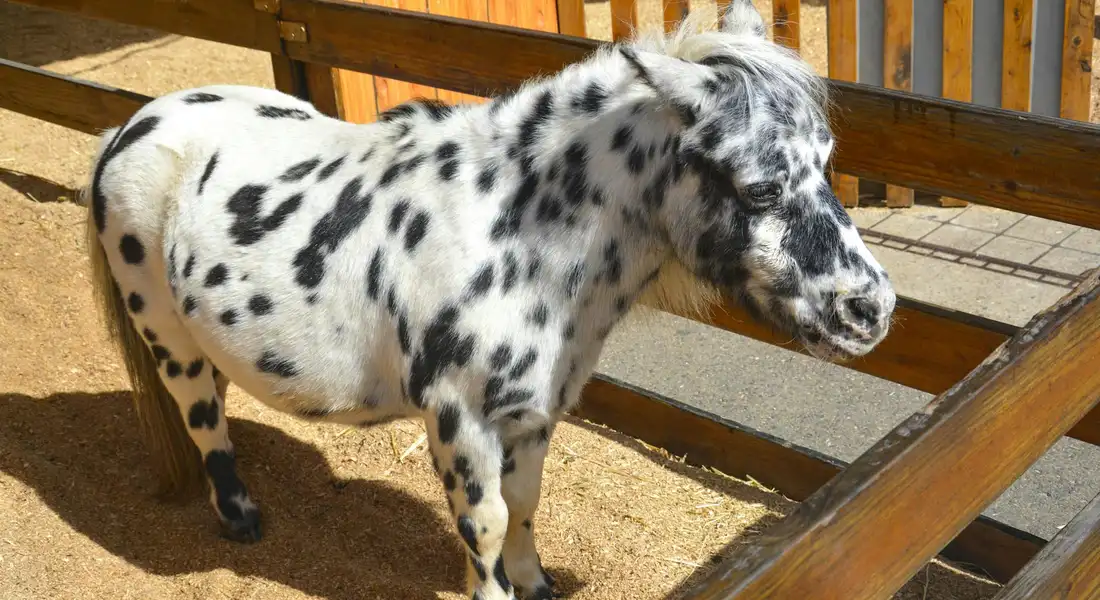
Before you even think about climbing into the saddle, the real work happens on the ground. I’ve spent countless hours in the round pen with horses like Luna, who used to spin and snort at her own shadow, teaching me that trust is built through patience, not pressure. Building a foundation of calmness makes everything else possible.
Foundation Groundwork for Respect and Relaxation
Start with simple exercises that teach your horse to yield to pressure. Ask them to back up from a light touch on the chest, or move their hindquarters over with a cue near their flank. When Rusty first arrived, he’d brace against any pressure, but now he softens at the slightest ask, and his whole demeanor changes from tense to tranquil. These basic yields are the alphabet of your communication. That foundation becomes your doorway to teaching your horse basic ground manners, shaping calm, respectful behavior on the ground. In the next steps, you’ll see practical drills that expand on this groundwork.
Lunging and Longeline Work for Focus
Lunging isn’t about running your horse in circles until they’re tired; it’s a conversation. Use your body language and voice to ask for transitions—walk, trot, canter, and back down. That’s the essence of lunge horse exercise training—building balance and responsiveness through controlled transitions. With consistent cues, you and your horse move as one. When I work with Luna on a longeline, directing her energy into controlled movements, the rhythm of her hooves in the soft sand becomes a meditation for both of us. This practice teaches impulse control.
- Begin with a clear vocal cue for each gait.
- Use your body position to direct movement, not just the line.
- Incorporate frequent halts and changes of direction to maintain mental engagement.
- End the session when the horse offers a relaxed, focused walk.
Desensitization Drills for the Spooky Horse
Spooks happen, but the goal is to build confidence, not fear. Follow this gradual approach. The key is to progress at your horse’s pace, rewarding curiosity with a break, not forcing confrontation. Pipin, our Shetland escape artist, used to bolt from flapping tarps, but now he’ll curiously nibble at one.
- Start with a neutral object like a plastic bag on a stick.
- Let your horse observe and sniff it from a comfortable distance.
- Gently rub it on areas like the neck and shoulder where they are less sensitive.
- Keep your own breathing slow and calm-horses mirror our energy.
- Gradually introduce more challenging stimuli like empty feed sacks or umbrellas.
Establishing Leadership Through Consistent Handling
Leadership isn’t about being loud; it’s about being reliable. Handle your horse the same way every day-from how you halter them to how you pick their feet. A calm, assertive leader helps an anxious horse feel safe. When your presence is steady, trust follows. Inconsistency breeds anxiety, so I make sure my actions are predictable, which builds a deep-seated trust that transfers directly under saddle. A horse who trusts your consistency on the ground is far less likely to challenge you.
Creating a Calm Environment: Horse Care and Management
Training is only half the battle; a horse’s daily life in the barn profoundly affects their mindset. Think about it: would you be calm living in a noisy, confined space with an unpredictable routine? I’ve seen cranky stall-bound horses transform after a week of proper turnout. That’s the kind of mindset behind the “good horse, tired horse” approach. It also ties into debunking five exercise turnout myths you’ll see discussed next.
Turnout Time: The Ultimate Stress Reliever
Horses are born to walk, graze, and socialize. Denying them turnout is like putting a lid on a boiling pot. Aim for at least 12 hours of daily turnout in a safe pasture with a buddy-the difference in a horse’s attitude is night and day. A healthy exercise turnout schedule helps balance movement and rest. It supports fitness and a calmer demeanor. Rusty, after a long day on the trail, still gets his turnout; he wanders, rolls, and just exists as a horse.
Stall and Barn Management for a Peaceful Mind
Even with turnout, the stall should be a sanctuary, not a prison. Ensure it’s clean, dry, and well-ventilated. I keep a radio on low volume in our barn to mask sudden noises that might startle the horses, creating a buffer against the unpredictable. Simple changes can prevent a lot of stress.
Designing a Low-Stress Living Space
Think about your horse’s view and comfort. Here are key elements for a low-stress stall.
- Visual access to other horses via windows or Dutch doors.
- Rubber mats for joint comfort and insulation.
- Constant access to fresh, clean water.
- Environmental enrichment like slow-feed hay nets or safe toys.
- Good ventilation to reduce ammonia smells and respiratory issues.
I’ve arranged stalls so each horse has a visual line to a companion, which cut down on weaving and stall-walking immediately. These changes mimic natural living conditions and are among the key features of a well-designed horse stable.
Nutrition and Calming Aids: Support, Not Quick Fixes
Diet plays a huge role in behavior. Focus on these nutritional basics before considering supplements.
- Provide ample fiber from good-quality hay or pasture.
- Avoid high-sugar grains and sweet feeds that can cause energy spikes.
- Ensure a balanced mineral intake, especially magnesium, from a quality ration balancer.
Some horses benefit from calming aids like magnesium-rich supplements or herbs, but these are helpers, not heroes-they support a calm baseline you’ve already built. I tried a calming supplement with Luna during fly season, but it was no substitute for her daily turnout and consistent routine.
The Calm Rider: Skills to Prevent and Manage Stress
A tense rider creates a tense horse. Your emotional state transmits directly down the reins and through your seat. I’ve learned this the hard way, rushing through chores only to hop on and wonder why Luna felt like a coiled spring. Your first and most important tool for a calm horse is your own regulated nervous system.
Your Body Language Speaks Louder Than Words
Horses are prey animals wired to mirror the herd. If you are stiff, holding your breath, and staring intently at a potential “monster” (like a flapping tarp), you are broadcasting danger. Instead, breathe out deeply, soften your eyes, and relax your jaw. Let your shoulders drop.
On the ground, move with deliberate calm. I practice this daily with Pipin, our cheeky escape artist. If I chase him, the game is on. If I turn my shoulder and breathe slowly, he often pauses, curiosity overriding mischief. Approach every interaction as if you are the steadying leader your horse is seeking, not another source of unpredictable energy.
Riding Techniques to Defuse Tension Before It Starts
Anticipation is your superpower. Learn your horse’s pre-buck or pre-spook tells-a stiffening back, pinned ears, a head snatch. The moment you feel that rigidity, your job is to redirect, not punish.
Proactive Cue Control and Clear Communication
Vague, constant nagging with legs or reins is incredibly stressful. It’s like someone poking you while shouting in your ear. Be crisp and clear.
- Ask for a single, specific transition: a deliberate walk-to-halt, or a gentle trot-walk-trot.
- Use small circles or serpentines to break a forward charge before it becomes a bolt.
- If you feel that “coil,” ask for a gentle bend. You cannot easily buck if your spine is softly arced.
Redirecting nervous energy into a simple, familiar task gives your horse a job to focus on and rebuilds their confidence in your guidance. I use this constantly with Rusty on windy trail days; a request for shoulder-in past a scary log works wonders.
Fitness and Flexibility for Horse and Rider
A horse that is physically stiff or weak is more likely to buck from discomfort or imbalance. Likewise, a rigid rider bounces on a horse’s back like a sack of potatoes.
- Incorporate regular suppling work: leg yields, circles, and stretching over the topline.
- Build cardio slowly. A tired horse is a calm horse, but an exhausted horse is an injury risk.
- As a rider, work on your independent seat and soft follow-through with your hands. Core strength is safety.
Think of fitness as creating a buffer zone-a body that can handle surprises without immediately panicking or hurting. The satisfying rhythm of a balanced canter is built in the slow, deliberate work of a hundred walk-trot transitions.
Beyond Behavior: When to Call for Help
Not every buck is a training issue. Sometimes, it’s a cry for help written in the only language they have. Your role is to listen.
The Veterinary Check: Ruling Out Physical Discomfort
This is always step one for a new or sudden behavior. Pain is a powerful motivator. A full work-up should include:
- Back and Sacroiliac assessment: Soreness here can make a girth feel like a vice.
- Dental exam: Sharp hooks or ulcers cause pain when the bit contacts them.
- Gastric Ulcer screening: Especially in high-strung horses or those with limited turnout.
- Saddle fit evaluation: A pinching tree or bridging panel will cause a reaction every single time.
- Foot balance and lameness exam: Even subtle soreness can make a horse resent being ridden.
Investing in a vet check is not admitting defeat; it’s the foundation of ethical horsemanship and often the fastest route to a solution. I’ve seen a “spooky” horse transform after ulcer treatment and a saddle re-flocking.
Knowing When to Bring in a Professional Trainer
If your vet gives the all-clear, but you still feel unsafe or out of your depth, it’s time to call a pro. There is no shame in this.
- You feel your confidence eroding every ride.
- You’ve plateaued and the behavior is not improving with consistent, correct work.
- The horse’s reactions are escalating in intensity or frequency.
- You recognize the issue is rooted in fear or a training gap you lack the experience to fill.
A good trainer provides fresh eyes, a proven skill set, and a safety net for both you and your horse. They can see the subtle cue you’re missing or the leverage the horse is using. For a horse like Luna, her sensitivity needed a trainer’s ultra-soft touch to rebuild trust after a scare I couldn’t solve alone. It was the best decision I made for us both.
Frequently Asked Questions: How to Stop a Horse from Bucking and Calm a Stressed Horse
How often should I practice desensitization drills to maintain my horse’s calmness?
Practice these drills several times a week to reinforce confidence and reduce reactivity. Keep sessions brief and positive to prevent overwhelming your horse. Consistent, gentle exposure helps solidify a calm response over time.
What is the best way to handle a fear-based buck compared to a pain-based one?
For fear bucks, focus on calming redirects like soft bends or circles instead of punishment. Use a steady voice and relaxed posture to reassure your horse and avoid escalating anxiety. Gradually introduce the fear trigger in controlled steps to build trust and desensitization. Recognizing common horse fears and skittish behavior helps tailor these techniques to manage anxiety. This awareness supports more confident, gradual exposure to triggers.
Can adjusting my horse’s turnout schedule really help stop bucking behavior?
Yes, increasing daily turnout time allows natural movement and socializing, which reduces pent-up energy and stress. Ensure safe pasture access with companionship to promote mental well-being. A consistent routine helps manage energy levels and minimizes frustration that can lead to bucking. Choosing the right turnout environment, pasture versus paddock, is also crucial for their comfort and safety.
Back in the Herd
Always rule out pain or ill-fitting tack as the root cause first, as discomfort is a primary motivator for bucking. A consistent routine of groundwork, calm riding, and positive reinforcement builds the trust needed to dissolve that nervous energy.
Progress is rarely a straight line, so celebrate the small victories and never sacrifice safety for ambition. Your horse’s behavior is his language; your most important job is to become a fluent listener.
Further Reading & Sources
- Understand and End Your Horse’s Bucking Habit With These Expert Tips
- r/Equestrian on Reddit: Whats everyone’s go to method when a horse bucks and acts up?
- How to stop a horse bucking: BHS senior coach explains – Your Horse
- MARLO – HOW WE CALMED HIS OVEREXCITABILITY (BUCKING AND BRONKING) IN ONLY A FEW DAYS – NEIGHKED
At Horse and Hay, we are passionate about providing expert guidance on all aspects of horse care, from nutrition to wellness. Our team of equine specialists and veterinarians offer trusted advice on the best foods, supplements, and practices to keep your horse healthy and thriving. Whether you're a seasoned rider or new to equine care, we provide valuable insights into feeding, grooming, and overall well-being to ensure your horse lives its happiest, healthiest life.
Behavior