
Monthly Horse Feed Costs: A Clear Budget Breakdown for Smart Owners
Hello fellow equestrians, opening another feed store invoice with a slight wince? That familiar tug between providing the best for your horse and managing your bank account is a real barn-yard dilemma.
Let’s sort the hay from the chaff. I’ll walk you through a practical monthly estimate, covering the true price of quality hay and grain in your region, how to adjust feed for a retired trail horse versus a high-energy competitor, and my favorite stable hacks to save money without compromising an ounce of health or happiness.
Having budgeted feed for everything from reliable Rusty to sensitive Luna over a decade of barn management, I trust these numbers from the ground up.
The Foundation: What Goes Into a Monthly Feed Bill
Your monthly feed bill isn’t one single number. It’s the sum of three core ingredients, with the proportions changing for every horse in my barn. Think of it like a personalized grocery list. The final total hinges entirely on your horse’s size, metabolism, and job description.
- Roughage (Hay/Pasture): This is the non-negotiable base, the bulk of both the diet and the cost. Easy keepers like my Quarter Horse, Rusty, might thrive on just this and a supplement.
- Concentrates (Grain/Pellets): These are your balancers and energy boosts. Not every horse needs them. My Thoroughbred, Luna, gets a measured portion to maintain her weight and fuel her work, while Pipin the pony would balloon on even a handful.
- Supplements: The finishing touches, from a basic vitamin-mineral pellet to targeted support for joints, hooves, or digestion. This is where individual needs really shine.
More Than Just Hay: The Three-Legged Stool of Equine Nutrition
Picture your horse’s diet as a sturdy, three-legged stool. Remove one leg, and the whole thing becomes wobbly and unsafe. Roughage is the first leg, fueling the hindgut and keeping the mind and gut content through constant, slow chewing.
Concentrates are the second leg, providing dense calories and specific nutrients that hay alone might lack. The third leg is supplements, fine-tuning the balance. And let’s not forget the ground the stool sits on: clean, fresh water. It’s the zero-cost item we must never take for granted.
Your Horse’s Weight and Workload: The Great Dictators
Forget guesswork. Your horse’s body language and schedule call the shots. Follow these steps to get a real handle on their needs.
- Estimate Weight: Use a weight tape. Do it monthly. I was shocked to learn Luna weighed 150lbs less than I guessed, which changed her entire feeding plan.
- Assess Activity: Is your horse a retired trail horse like Rusty (light work), an athlete in training like Luna (heavy work), or a pasture ornament like Pipin (maintenance)?
- Calculate Roughage: A horse needs 1.5-2% of their body weight in hay daily. For a 1,000lb horse in light work, that’s 15-20 pounds of hay every single day. That’s the math that matters most.
Hay: The Bedrock of the Diet and Your Largest Line Item
This is where your budget lives or dies. You learn to judge hay by the sweet smell of grass, the dusty sneeze it doesn’t cause, and the satisfying thud of a dense, heavy bale. Quality is everything. Poor hay is not a bargain; it’s wasted money and a potential health risk.
| Hay Type | Protein & Energy | Best For | Avg. Cost per Standard Bale* |
|---|---|---|---|
| Grass (Timothy, Orchard) | Moderate protein, lower energy | Easy keepers, maintenance, some metabolic issues | $8 – $18 |
| Legume (Alfalfa) | High protein, high energy | Performance horses, young stock, hard keepers needing weight | $12 – $25+ |
*Costs are highly regional and seasonal. A bale typically weighs 40-60lbs.
What Swings the Price of a Bale?
If you’ve ever seen hay prices leap from one season to the next, you’ve felt the pinch of these factors. A single drought year in the prime hay-growing regions can send costs nationwide into a spiral for years after.
- Weather & Drought: No rain means no growth. I remember one parched summer where local second-cut hay vanished, and prices nearly doubled.
- Regional Supply & Fuel: Transportation is a huge cost. Buying hay shipped across three states adds a hefty premium.
- Hay Testing Results: Proven high-nutrient hay (high RFV) commands a higher price, just like premium fuel for your car.
Buying Smart: Square Bales, Round Bales, and Storage
Being a savvy hay buyer is a core stable management skill. A little strategy stretches your dollars and ensures quality.
- Buy Off-Season if You Can: Purchasing hay in the fall right after harvest is often cheapest. This requires dry, rodent-proof storage space.
- Consider Bulk or Shared Purchases: Splitting a whole truckload or a large round bale with trustworthy barn mates can slash the per-bale cost.
- Inspect, Don’t Just Assume: Open a bale from the middle of the load. Check for mold, dust, weeds, and leafiness. Good hay smells sweet, not musty.
Proper storage-off the ground, under cover, and out of the weather-protects your investment from becoming a compost pile you still paid for.
Grain and Concentrates: Necessary or Nice to Have?
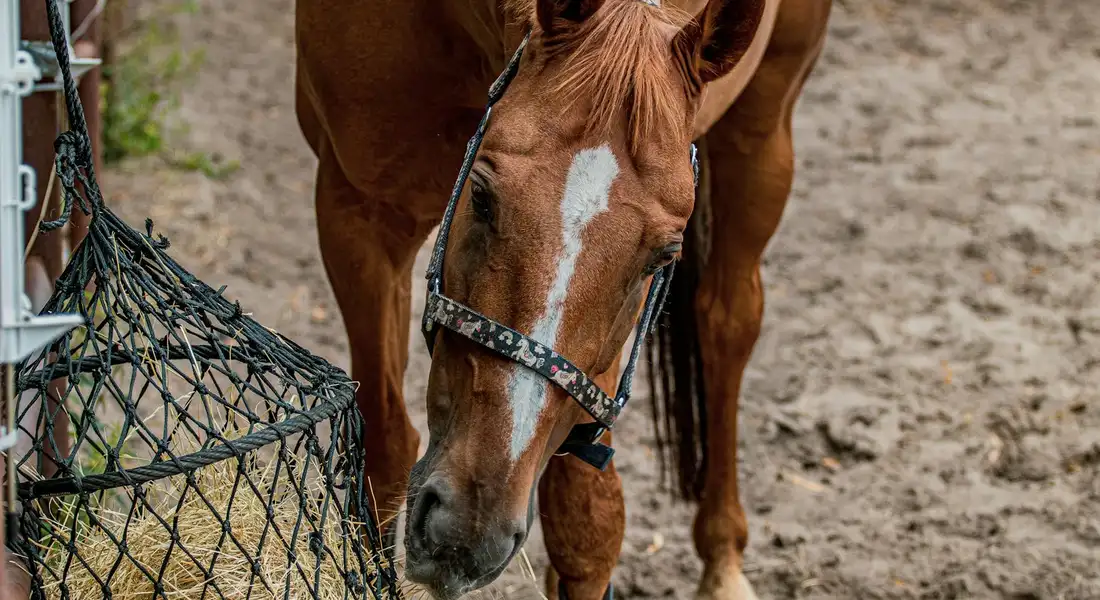
I’ve fed plenty of horses who view grain as a bonus, not a requirement. For many, like my reliable Rusty, a flake of good hay is dinner enough. Grain is a supplement, not a staple, for the average pleasure horse.
You only need to open your wallet for grain if your horse is a “hard keeper” who struggles to hold weight or an athlete in serious work. For them, concentrated calories are non-negotiable. Let’s break down the common options you’ll see in the feed room. Especially if you’re trying to put healthy weight on a horse.
- Oats: The classic choice. They’re less processed, lower in starch, and cost about $15 to $20 for a 50-pound bag. They provide steady energy without the sugar spike.
- Textured Sweet Feeds: This mix of grains, coated in molasses, is highly palatable. Bags run $18 to $25. Be cautious with sugar-sensitive horses; Luna’s Thoroughbred metabolism would buzz on this.
- Complete Pellets: These fortified nuggets offer uniform nutrition in every bite. Prices hit $20 to $30 per bag, but feeding rates are lower-often just 1 to 2 pounds daily for maintenance.
Cost adds up fast. Feeding 5 pounds of a $25 bag daily costs roughly $75 a month. Compare that to a horse on hay alone, and you see the difference.
Reading the Feed Tag: Protein, Fat, and Your Wallet
Don’t just glance at the price tag; study the feed tag. It’s your nutritional map and budget sheet all in one. Protein gets the headline, but fat and fiber are the supporting actors.
A 14% protein feed might be cheaper per bag, but if your horse needs double the serving to meet its energy needs, your cost per feeding doubles, too. You’re buying more bags more often.
Take Luna, my dapple grey. She’s sensitive and needs calm energy. I choose a high-fat (10%), low-starch (<20%) feed. The bag costs more, but I feed half the amount. It saves money and keeps her mind settled. Cheaper feed would require larger, more aggravating portions for her.
The Pellet Predicament: Uniform Nutrition vs. Chewing Time
Pellets offer perfect portion control. Every mouthful has the same balance of vitamins. The downside? They’re gone in a flash. Horses barely chew them.
Whole grains like oats promote longer chewing, which aids digestion and fights stall boredom-a real benefit for mental wellness. Knowing how much to feed daily is essential. Following the daily oats feeding guidelines helps keep your horse on a balanced routine. The trade-off is horses might sort through a mix, leaving the less tasty bits.
For my old pony Pipin, pellets are a lifesaver. His aged teeth struggle with whole grains. I soak his pellets into a warm mash, which makes them easy to eat and gives him extra hydration, a simple hack for senior comfort.
The Pasture Factor: Letting Grass Do the Work
The most cost-effective feed isn’t in a bag. It’s under their feet. The quiet, ripping sound of a horse grazing good pasture is the sound of money staying in your pocket.
Quality turnout can cut your hay bill in half during the growing season, making pasture management a smart financial investment. It’s not free, but it’s efficient. You trade hay costs for upkeep like seeding ($100+ per acre) and fertilizing.
Rotational grazing is the key. Move horses between paddocks to let grass recover. This practice builds a resilient “salad bar” and reduces your need to buy expensive hay. The right rotational grazing system is essential for promoting healthy pasture growth. The smell of fresh, trampled grass and the sight of a contented herd is the ultimate reward.
Assessing Your Acreage: Is It a Salad Bar or a Desert?
Not all green space is equal. You need to play detective in your own field. Good pasture management starts with an honest evaluation.
Maximum turnout is a cornerstone of equine welfare, providing movement, social interaction, and forage that their guts are designed to process. Follow these steps to see what you’re really working with.
- Identify Your Grasses: Get on your hands and knees. Look for nutritious grasses like timothy or brome, not just weeds. A diverse mix is best.
- Measure Acreage Per Horse: Two acres per horse is a good minimum to prevent overgrazing. Less than that, and you’re looking at a dirt lot that still requires full hay rations.
- Use a Grazing Muzzle if Needed: For easy keepers like Rusty, a grazing muzzle is a tool, not a punishment. It allows safe turnout time, prevents waste from trampling, and guards against laminitis. He can wander and socialize without overloading on rich grass.
Supplements: The Budget Wildcard
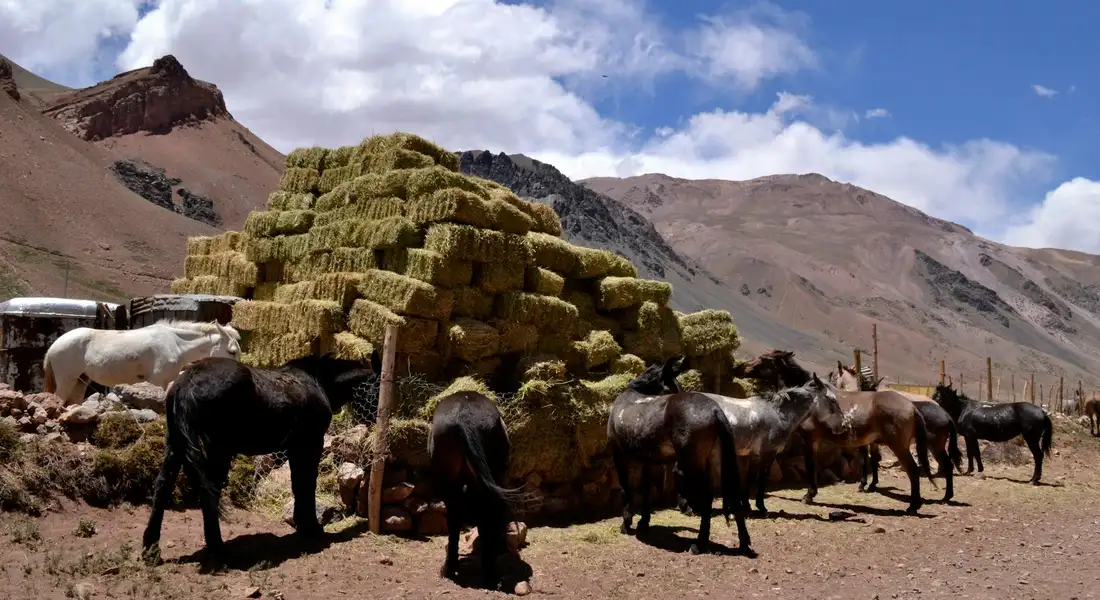
That feed room shelf full of powders and pellets is where monthly costs can quietly double. I treat supplements like a toolbox-you only need the tools for the job at hand. Start with a forage-first diet; good hay or pasture often reduces the need for extra bottles. Over the years, I’ve sorted them into three practical categories.
- Vital: A balanced vitamin and mineral pellet or salt. This fills the gaps your hay might miss, especially in regions with selenium-deficient soil.
- Condition-Specific: Targeted support for joints, hooves, or digestion. Think glucosamine for an aging trail partner like Rusty, or biotin for a horse with weak hoof walls.
- “Insurance” Types: Things like calming aids or coat enhancers. These aren’t always necessary, but some owners use them for show season or during stressful changes.
On average, a basic vitamin supplement runs $15-$25 monthly. A dedicated hoof biotin supplement can be $20-$40. A quality joint powder often lands between $30 and $60.
The “Kitchen Sink” Approach and Why It Fails
I watched a friend spend hundreds monthly on a stack of ten supplements for her mare. The mare’s energy was still erratic. The real fix came from swapping her mediocre hay for richer, greener alfalfa mix—a change that cost less than half her supplement regimen. More powders rarely solve a problem rooted in base nutrition. If you’re piling on supplements, it’s time to pause. Consult an equine nutritionist who can analyze your hay and build a simple, effective plan.
Building Your Realistic Monthly Cost Breakdown
Let’s translate this into real numbers for different types of horses. Costs vary wildly by region, but this table gives you a scaffold. I’ve based these on my three barn mates to keep it grounded.
| Horse Type (Example) | Monthly Hay Cost | Monthly Grain Cost | Supplement Cost | Estimated Total |
|---|---|---|---|---|
| Idle Pleasure Horse (Rusty) | $120 (4 bales/week) | $40 (light ration balancer) | $25 (joint support) | $185 |
| Moderate Work Horse (Luna) | $150 (5 bales/week) | $80 (performance grain) | $45 (hoof & calmer) | $275 |
| Hard Keeper (Senior/Thin) | $180 (6 bales/week + alfalfa) | $100 (high-fat feed) | $60 (digestive aid & vitamins) | $340 |
Notice how hay remains the largest line item-prioritizing quality here saves money on the back end. Pipin, my clever Shetland, gets by on far less hay but reminds me that even small mouths need balanced minerals.
Sample Math: Figuring Cost Per Day, Then Per Month
Let’s use Luna as our example. She eats one bale of hay every two days, so about 15 bales a month. At $10 per bale, that’s $150. She gets 6 pounds of grain daily, which is roughly one 50-pound bag per month, costing $80. Her two supplements total $45 monthly. Track actual consumption for a week; you might find you’re over-pouring grain, which is money literally falling on the stall floor. Her total: $150 + $80 + $45 = $275 per month. Break that down to about $9 per day to keep your athlete fueled.
Trimming the Bill: Practical Stable Hacks for Feed Efficiency
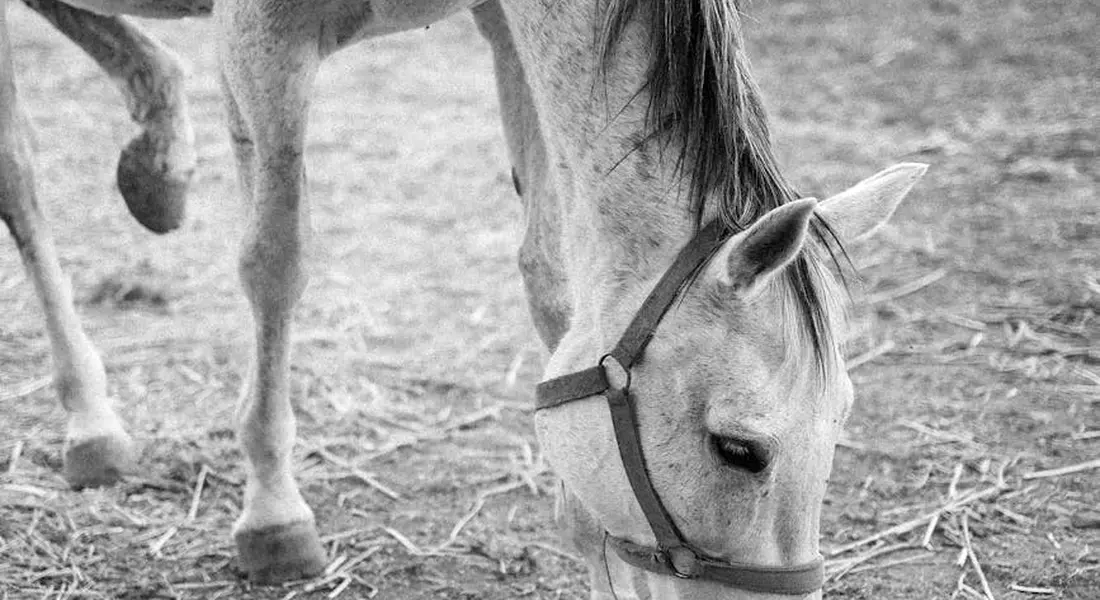
Saving money on feed is not about cutting corners on nutrition. It’s about smart management that respects the horse’s nature and stops your hard-earned cash from blowing away in the wind or being gobbled by pests. This is a crucial aspect of feeding for optimal health and performance.
Reduce Waste, Not Rations
Watching a horse scatter half his hay into his bedding is a special kind of frustration. I’ve spent too many evenings forking perfectly good timothy out of Pipin’s stall, muttering about his wasteful ways. The goal is to slow them down and capture every bite.
- Use Slow-Feed Hay Nets. This is my number-one recommendation for any horse. Nets transform a frantic, wasted meal into hours of calm, natural foraging. The satisfying rustle and slow pull of hay mimic grazing, keeping their minds and guts busy. For a good-doer like Rusty, it helps prevent boredom and overeating. For a nervous Nellie like Luna, it’s a steadying ritual.
- Feed on Mats, Not Sand or Mud. Throwing hay directly onto sandy ground or muddy paddocks is a fast track to wasted forage and sand colic risk. A simple rubber mat or even a clean, designated patch of hard ground means they can eat every last stem instead of trampling it into the muck.
- Store Feed in Rodent-Proof Bins. Mice and rats are not your barn mates; they are thieves. A plastic trash can with a tight lid is a cheap defense. Hearing them scurry in the grain room at night isn’t just creepy-it’s the sound of your feed budget literally being eaten.
These methods put every piece of hay and grain to work for your horse’s benefit, turning waste into wellness. Understanding which types of hay are best for horses can further tailor this approach. A complete comparison of hay types will help you choose the right forage for your horse’s needs.
Strategic Shopping and Forage Focus
Chasing the latest supplement is often a costly detour. The real magic happens with the foundation of their diet: forage. Getting this right solves most problems before they start.
- Get Your Hay Tested. Don’t guess what’s in your hay; know. A basic forage test is surprisingly affordable and tells you the exact protein, sugar, and mineral levels. This means you can buy a $30 bag of balancer to address specific deficiencies instead of a $300 assortment of “maybe” supplements.
- Buy Grain in Bulk with Barn Friends. Splitting a 50-pound bag with a buddy is fine, but consider going in together on a ton from a local mill. The per-pound savings are significant, and you’ll make fewer trips to the feed store. Just ensure you have proper, airtight storage to keep it fresh.
- Prioritize Excellent Hay Over Everything Else. I will always budget for the best hay I can find before I spend a dime on grain. A horse’s digestive engine is designed to run on long-stem roughage. Green, leafy, clean-smelling hay does more for condition, temperament, and gut health than any bucket of pellets ever could.
The most cost-effective “supplement” you can provide is not in a bag-it’s unlimited turnout time on good pasture. Movement and forage are the pillars of health, reducing feed-related behavioral issues and vet bills down the line. Invest in the hay and the space to eat it.
Frequently Asked Questions on Monthly Horse Feed Costs
How much does it cost to feed a Belgian Draft horse per month?
Belgian Draft horses, being much larger, typically consume significantly more feed than an average-sized horse. Monthly costs can range from $300 to $500 or more, depending on hay quality and activity level. Focusing on efficient roughage and bulk purchases is key to managing expenses for these gentle giants.
What is the annual cost to feed a horse?
Annual costs are derived by multiplying your stable monthly estimate by 12, but factor in seasonal changes like winter hay reliance. For instance, a horse with a $275 monthly feed bill would cost around $3,300 annually. This perspective aids in setting aside savings for consistent care throughout the year.
How has horse feed cost inflation affected budgeting?
Inflation driven by drought, rising fuel costs, and supply chain disruptions has steadily increased feed prices over time. Smart owners now budget for annual price hikes of 3-5% or more to avoid shortfalls. Monitoring local agricultural reports and locking in early purchases can help mitigate these financial pressures.
Your Feed Budget, Your Horse’s Health
Build your monthly budget starting with the cost of local hay or pasture, then layer on grain and supplements only if needed. The most critical piece of your horse’s diet, both for health and for your wallet, will always be that foundation of good-quality roughage—so it’s key to know how much hay your horse should eat daily.
View your feed calculations as a starting point, not a rigid rule, and watch your horse’s ribs and energy level more closely than your spreadsheet. Use body condition scoring to translate what you observe into action. Adjust feed accordingly as your horse changes. A consistent, observant partnership with your horse is the ultimate tool for managing their well-being and your costs wisely.
Further Reading & Sources
- Feeding Your Horse: A Cost Budgeting Breakdown Guide
- r/Equestrian on Reddit: How much does everyone spend on horses a month? (No board/pasture)
- True Cost of Feeding Your Horse – Seminole Feed
- What is a Normal Daily Horse Feed Expense in 2023?
At Horse and Hay, we are passionate about providing expert guidance on all aspects of horse care, from nutrition to wellness. Our team of equine specialists and veterinarians offer trusted advice on the best foods, supplements, and practices to keep your horse healthy and thriving. Whether you're a seasoned rider or new to equine care, we provide valuable insights into feeding, grooming, and overall well-being to ensure your horse lives its happiest, healthiest life.
Nutrition