
Horsemanship Mistakes: 8 Ways You’re Accidentally Undermining Your Horse’s Confidence
Hello fellow equestrians! Does your horse brace when you tighten the girth or seem chronically worried about the mounting block? That tension is more than a bad day; it’s a crack in their confidence, and left unchecked, it can lead to dangerous behavioral issues or costly vet bills from avoidable accidents.
I’ve felt that same knot in my stomach watching a reliable horse like my old Quarter Horse, Rusty, suddenly doubt a familiar trail. Building trust is a daily practice, and often, we unknowingly chip away at it with simple, correctable habits.
In this article, I’ll walk you through eight specific missteps that sabotage your horse’s sense of security. We’ll focus on practical fixes for:
- Inconsistent cues that leave your horse guessing
- Skipping the slow, patient groundwork
- Overfacing them in training or on the trail
- Neglecting non-negotiable turnout and herd time
- Using tack that pinches or presses
- Missing the quiet “no” in their body language
- Responding to fear with frustration
- Creating a chaotic, unpredictable daily routine
My advice comes from over a decade of barn management and training, learned through patience with sensitive souls like Luna and the clever antics of ponies like Pipin.
The 8 Horsemanship Mistakes That Erode Trust
-
Inconsistent Cues From the Rider
Your horse listens to your entire body, not just your words. Mixed signals, like pairing a leg squeeze with a loose rein when you usually keep contact, create pure static. I saw this with Luna when I’d inconsistently use my voice for transitions. Her ears would flick back and forth in confusion. Clarity turns your cues into a reliable language your horse can understand and follow with confidence. Learning to read their body language helps you tell if your horse is happy with the conversation you’re having. When their ears soften, eyes stay soft, and their stance relaxes, you know you’re communicating well.
Steps to Achieve Consistency
- Choose one distinct aid for each request and do not deviate.
- Film your riding sessions to spot unconscious mixed signals.
- Start each session with a simple drill, like walk-halt transitions, using identical aids.
-
Not Releasing Pressure Promptly
Pressure asks the question; release gives the answer. Holding on too long, even by a second, teaches your horse that trying doesn’t pay off. The release of pressure is the reward, and its timing is everything in building a willing partner.
Step-by-Step Guide to Timing Your Release
- Apply the lightest pressure possible to make your request.
- Watch for the slightest try-a weight shift, a muscle twitch, a thought.
- Release all pressure instantly the moment you see or feel that try.
- Give your horse a full breath to process that their action made the pressure stop.
-
Micromanaging Every Step
Constant minor corrections with the reins or your legs tell your horse they can’t do anything right. It kills relaxation and creates a nervous, mechanical gait. On a trail ride with Rusty, I once over-steered him around every root and rock. He became rigid. When I finally gave him his head on a familiar path, his stride opened up and he sighed. Trust your horse to use their own body and brain sometimes; it builds their confidence in their own abilities.
-
Lack of Clear Leadership
Horses seek security from a calm, decisive leader. If you’re wishy-washy in your movements or decisions, your horse feels unsafe and may become pushy or nervous. Your calm, purposeful energy is the anchor that lets your horse relax and focus. This is especially important when dealing with common horse fears and skittish behavior.
Tips for Projecting Calm, Decisive Energy
- Move with intention during groundwork-your footsteps should have a rhythm.
- Make small decisions confidently, like where to stop in the arena or when to groom.
- Breathe deeply from your belly; a steady breath projects steadiness.
-
Skipping Essential Groundwork
Groundwork is not a pre-ride chore you rush through. It’s the daily conversation that builds respect and trust. Skipping it is like trying to have a deep talk with a friend you never listen to. Investing ten minutes in focused groundwork can prevent an hour of frustration under saddle.
Basic Desensitization Exercises to Build Trust
- Introduce novel objects: Let them sniff and explore a tarp, umbrella, or ball.
- Practice yielding hindquarters and forequarters to light pressure on the halter.
- Simulate vet care: Practice rubbing where injections might go or holding up feet.
-
Punishing Fearful Reactions
Yelling or yanking the reins when a horse spooks just piles your anger on top of their fear. It teaches them that scary things make you scary too. With Luna’s high-energy spooks, I learned to sit deep, exhale, and ask her to target my hand with her nose. Redirecting their focus to a simple, familiar task is the fastest way to drain anxiety from a scary moment.
-
Rushing Their Bravery
Flooding a horse with a scary stimulus until they “get over it” shatters trust. You might win the battle but lose the war for their confidence. Real bravery is built one tiny, successful step at a time, never by force.
Steps for Patient, Incremental Exposure
- Present the new object (like a flag) at a distance where your horse notices but stays calm.
- Reward any calm observation with a rest period or a scratch.
- Over multiple sessions, slowly decrease the distance, letting the horse choose to investigate.
- If they tense up, back up to the previous successful step and end on a good note.
-
Allowing Your Tension to Overflow
Your horse feels the catch in your breath and the tightness in your thighs before you even pick up the reins. They mirror your nervous system. I’ve walked into the barn after a bad day and felt Pipin, normally cheeky, become wary and distant. You must manage your own emotions first, because you cannot offer calm guidance from a place of chaos.
Practical “Stable Hacks” for Managing Yourself
- Before you touch your horse, take three slow breaths, focusing on the exhale.
- Consciously drop your shoulders and unclench your jaw as you groom.
- Talk to your horse in a low, steady tone about anything-it regulates your breathing and soothes them.
Why Inconsistent Cues and Pressure Timing Confuse Your Horse
A horse’s brain is wired for clear, immediate feedback. When your signals are muddy or your rewards are delayed, you create a frustrating puzzle they can’t solve. This confusion breeds anxiety, which you might mistake for stubbornness. Poor communication doesn’t just slow progress; it actively teaches your horse to distrust your requests.
The Horse’s Learning Process: A Simple Analogy
Think of training like operating a vending machine. Push the correct button (apply consistent pressure), and you get a snack (release). If the buttons are unlabeled or stick sometimes, you stop putting money in. Your horse operates the same way.
Common Cue Inconsistencies in Grooming, Tacking, and Riding
- Grooming: Correcting your horse for moving when you brush the belly one day but ignoring it the next.
- Tacking: Sometimes saddling quickly, other times fussing with the pad for minutes, changing the pressure narrative.
- Riding: Using stronger leg aid on the right turns than the left, or having “loud” hands that constantly adjust the contact.
This lack of clarity is a safety issue. A confused horse is more likely to offer a panic response like bolting or rearing. Precision in your aids is not nitpicking; it is the foundation of safe, cooperative horsemanship.
A Simple Exercise for Refining Leg and Hand Aids
In a safe, enclosed area, at a standstill, practice applying and releasing a single aid. Lightly close your calf until your horse shifts its weight, then instantly soften your leg. Do the same with a gentle squeeze on the rein until you feel a slight give in the jaw, then release. This drill sharpens your feel and teaches your horse that your aids are specific, intentional, and always have an off switch.
How Micromanaging and Lack of Leadership Create Anxiety
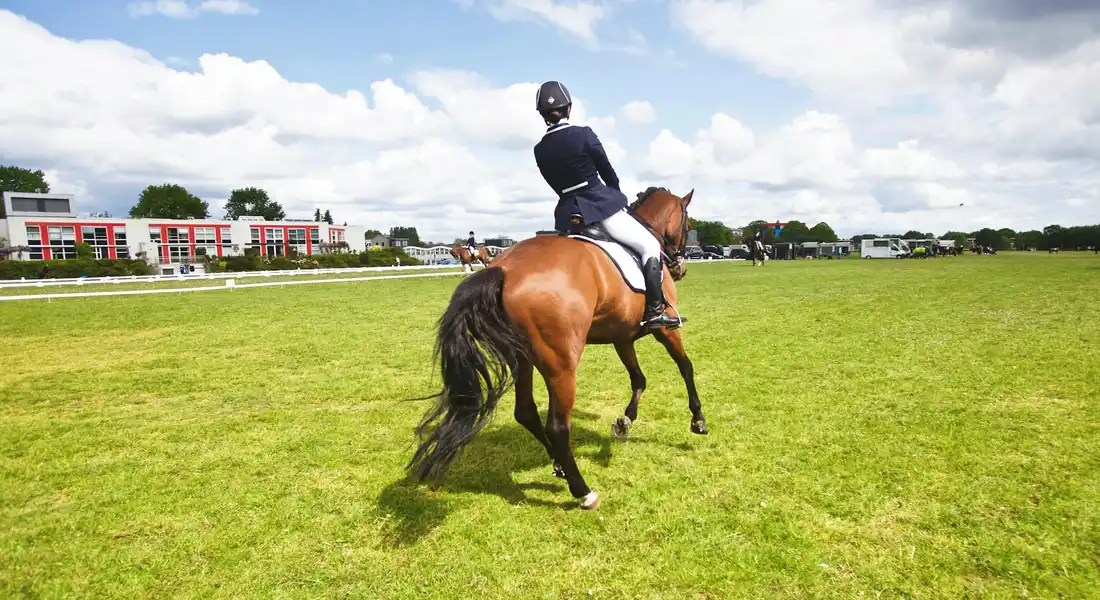
From Nervous Hovering to Assertive Guidance: A Pipin-Sized Lesson
I see it all the time: a well-meaning owner clutches the lead rope like a lifeline, their energy a buzz of worry that travels straight down the line to the horse. This isn’t leadership; it’s micromanagement. Your horse feels every jittery thought. Assertive guidance feels like a calm, predictable boundary, while nervous hovering feels like static electricity-confusing and alarming for the animal. Lead and steer your horse with intention—guide with calm clarity, not anxious tension. When you lead, steer your horse with steady energy, and your partner learns to follow the pace and path you set. I learned this firsthand with Pipin, our Shetland escape artist. If I was hesitant or vague when leading him, he’d immediately test me, ducking his head or trying to drag me to the tasty weeds. But with a calm, clear intention and a steady rope, he’d walk politely beside me, secure in knowing I was in charge of the pace and path.
Leadership is Not Dominance
Leadership in horsemanship is about creating safety through clarity, not fear through force. A leader says, “Follow me, I’ve got this.” A dominator says, “Do this or else.” Your horse seeks a competent partner who makes the decisions easy, not a bully who sparks resistance. It’s about partnership, not dominance. Think of it like guiding a friend through a crowded room versus shoving them along.
Spotting the Signs of Insecurity
A horse lacking confidence in your leadership won’t always act out. Watch for subtler cues that signal anxiety. These include a tense jaw, a fixed stare or avoiding eye contact, frequent snorting when not exercising, and a general rigidity in their body when you handle them. Adopting a calm, assertive leadership style can help your anxious horse settle and respond with more confidence. This approach helps you guide training with steadiness and empathy. Ears pinned flat or constant tail swishing during simple tasks are clear whispers that your horse feels unsettled and insecure in your presence.
Building Confidence with Predictable Patterns
Horses thrive on consistency. Build their trust by establishing clear, repeatable communication. This starts with the fundamental ask-and-release. Here’s how to apply it:
- Ask with gentle pressure: Whether it’s a nudge from your leg or light tension on the lead rope, apply the cue.
- Release immediately upon try: The millisecond your horse makes any movement in the right direction, stop the pressure. This reward teaches them that listening is easy and pays off.
- Keep routines reliable: Feed, turn out, and groom in a similar order each day. This predictability tells your horse the world is a stable, non-threatening place.
A horse who knows what to expect from you is a horse who can relax and learn, turning anxiety into attentive partnership. This is the foundation for building a strong bond and learning to trust your horse.
The Critical Role of Groundwork in Building Confidence
The Unskippable Foundation: More Than Just Lungeing
If you want a confident horse under saddle, you must build a confident horse on the ground. I view groundwork as non-negotiable for equine welfare-it’s where you build the dictionary for your entire relationship. This work teaches your horse how to think, process pressure, and find answers without the weight and complexity of a rider on their back. It’s also deeply tied to turnout time; those hours of free movement and social negotiation in the pasture are nature’s own groundwork, building mental resilience and physical balance.
Teaching Pressure and Clarity from the Ground
Groundwork translates abstract commands into physical language your horse understands. By using spatial pressure from your body and the clear signal of a lead rope, you teach yields, respect, and focus. Every time you ask your horse to move its hindquarters away from a gentle tap of your hand, you’re teaching it to be responsive and calm, not reactive and fearful. This work forms the basis for teaching your horse basic ground manners. It emphasizes calm responses, respectful spacing, and consistent yielding. The round pen or even a quiet corner of the arena becomes your classroom for patience.
Step-by-Step: Introducing a Scary Object
Let’s make the theoretical practical. Here is how I introduce something novel, like a fluttering tarp, to build curiosity instead of fear.
- Start at a distance: Lay the tarp on the ground far away where your horse can just see it. Let them observe while you stand calmly.
- Approach together: Using your halter and lead, walk towards it. If they stop or tense, stop. Breathe. Let them look. Do not pull.
- Reward the look: The moment they relax their neck or even glances at it without panic, release all pressure and take a step back. This rewards the bravery of observation.
- Build slowly: Over many sessions, gradually move closer. Let them sniff it. Finally, walk alongside it, then over it. The goal is not to force contact, but to make the object irrelevant.
This process turns a potential spook into a confidence-building victory, proving to your horse that new things are not threats when you are there.
The Tools You Truly Need
You don’t need fancy equipment. Your kit is simple:
- A well-fitting halter.
- A sturdy, comfortable lead rope.
- An abundance of patience.
Your most important tool is your own calm energy and the willingness to break every lesson into small, understandable pieces for your horse. Invest time here, and you’ll find your rides become conversations, not corrections.
Why Punishing Fearful Reactions is Counterproductive
Correcting the Spook Only Digs a Deeper Hole
That instinct to yell “whoa” or give a sharp tug when your horse shies is a natural one. I’ve fought it myself. But treating fear like disobedience is like blaming the smoke alarm for the fire. It addresses the wrong problem.
Fear is a biological imperative, not a choice; punishing it teaches your horse that you are part of the danger, not the solution.
The Neurology of Fear Versus Willful Ignorance
Disobedience comes from a thinking brain. Fear bypasses thought entirely, triggering a flood of adrenaline meant for escape. When you punish during this state, you cement the association. I learned this with Luna, my sensitive Thoroughbred. A rustling gutter sent her sky-high one rainy afternoon. My old trainer’s voice in my head said to drive her past it. Instead, I stopped, let my body go soft, and just waited. After five long minutes of snorting, she took a step forward on her own and blew out a huge breath. That voluntary step was worth more than any forced march.
Your patience after a scare writes a new story for your horse: one where curiosity can eventually outweigh panic.
Practical Alternatives to the Punishment Trap
Next time your horse reacts, shelf the correction. Try this sequence instead:
- Pause and Breathe: Freeze your own body. Take a deep, audible breath to signal safety.
- Redirect the Focus: Ask for a simple, familiar task. A one-step backup or head lowering works wonders.
- Reward the Try: The second you see a relaxed muscle-a lowered head, a licking chew-release all pressure or offer a quiet “good.”
This isn’t permissiveness; it’s strategic communication.
Handling Sudden Reactions Safely
Safety must anchor your patience. When leading, maintain an arm’s length and keep the rope folded, not wrapped. In the saddle, secure your seat and look where you want to go. Your calm physical management in a sudden moment prevents the incident from escalating and protects you both.
How Your Own Tension and Anxiety Transfer to Your Horse
You Are the Emotional Thermostat in the Stall
Horses are exquisite biofeedback machines. They feel the jangle of your keys in your pocket, the quickness of your breath, the tightness in your shoulders. They don’t know you’re stressed about work; they just know their human feels like a predator.
Your mood directly sets the temperature for your horse’s confidence and comfort.
Physical Signs You’re Broadcasting Nerves
Your horse’s body will tell you when they’re picking up your anxiety. Watch for these mirrored signals:
- A stiff, high tail carriage during grooming when you’re feeling rushed.
- Excessive eye white or tightness around the muzzle as you tack up.
- Reluctance to move forward freely under saddle, often feeling “stuck” to the ground.
I once arrived at the barn frazzled and tried to hustle Rusty through his hoof pick. His usual steady stance became a dance of avoidance. He wasn’t being difficult; he was reacting to my hurried, scattered hands.
Recognizing that your horse’s resistance is often a reflection of your own state is the first step toward changing the dance.
Two-Minute Barn-Side Resets
Before you clip the lead rope, invest two minutes in yourself. These techniques are non-negotiable for gentle horsemanship:
- The Sigh and Drop: Take a deep inhale, then exhale with an audible sigh, letting your shoulders drop. Do this three times.
- Palms on the Panel: Place both hands flat on the stall door or fence. Feel the solid wood. This grounds your energy instantly.
- Sing a Silly Song: Humming or singing softly forces regular breathing and tells your horse your intent is peaceful.
Your Energy as Herd Language
In the herd, calm, predictable energy is leadership. Erratic, tense energy signals danger. When you bring a centered presence, you become a trustworthy anchor. This is why ample turnout time is so critical; it allows horses to regulate their nervous systems through herd contact, making them more resilient to our human imperfections. Your steady energy, combined with their natural social coping, builds a foundation of true confidence.
Patience and Clarity: Keys to Rebuilding Confidence
I remember the first time I asked Luna to stand quietly at the mounting block after a scare; my impatience was a physical tension she mirrored instantly. Rebuilding confidence is like watching grass grow-you can’t rush it, but with consistent care, you’ll one day have a solid footing. True trust is rebuilt in the mundane moments: the quiet brush strokes, the patient wait at the gate, the shared silence at the end of a day.
Your Blueprint for Steady Progress
Synthesizing all the fixes means understanding that confidence is a skill, not a trait. It’s woven from repeated, positive experiences. Rebuilding this neural pathway takes more calendar pages than you might like, but the result is a horse who trusts you from the inside out. With Rusty, it took a full season of gentle trail walks before his shoulders dropped at the sight of a puddle.
The Daily Interaction Checklist
Print this out. Stick it on your tack trunk. These small actions, done daily, compound into monumental shifts.
- Begin with breath: Before you even touch the halter, stand at your horse’s shoulder and match your breathing to theirs for three cycles. This syncs your nervous systems.
- Trade pressure for information: Apply the lightest cue possible-a finger touch, a whisper. Release instantly at the slightest try. This teaches that your requests are conversations, not commands.
- Schedule joy: Every single session must include something your horse genuinely enjoys. For Pipin, it’s a minute of scratching his withers; for others, it’s a bite of hand-grazed clover.
- Quit while you’re ahead: End on a relaxed sigh, a soft eye, or a lick-and-chew. That is your success metric, not a perfectly executed maneuver.
How Gentle Predictability Forges Resilience
Consistency isn’t boring; it’s security. When your horse knows you won’t surprise them with sudden moves or unclear expectations, their brain stops scanning for threats. This safe predictability allows their nervous system to downshift from constant alertness to a state where learning can actually happen. I built Luna’s confidence by doing the same gentle groundwork sequence, in the same order, every time for months.
Your Final Three Pillars of Practice
Keep these reminders etched in your mind. They are the bedrock.
- Your body is a broadcast system: A clenched jaw or hurried step shouts “danger!” to your horse. Consciously relax your eyelids, soften your knees, and let your exhales be longer than your inhales.
- Give the gift of processing time: After you ask a question, shut up. Wait. Let them think. The space between your cue and their response is where confidence is born. Rushing it breeds anxiety.
- Comfort is the ultimate goal: If your horse’s mind is worried, you are not training. You are adding to the noise. Their mental comfort is the only arena where real confidence can live and grow.
Frequently Asked Questions About Horsemanship Mistakes
How can inconsistent cues from a rider confuse and unsettle a horse?
Horses learn through clear, repeatable communication and become stressed by unpredictable signals. Mixed messages force the horse to guess what you want, which creates mental static and hesitation. This confusion erodes their willingness to try, as they cannot find a reliable pattern to follow for safety and reward. To deepen this, a look at horse behavior psychology helps connect signals, reactions, and learning. The understanding horse behavior psychology complete guide offers a practical framework you can apply to training.
Why is releasing pressure immediately so important for building trust with a horse?
The instant release of pressure is the primary way a horse understands they have given the correct response. This timely reward turns a request into a clear conversation, reinforcing their good decision. It builds trust by proving you are a fair and predictable partner who listens as much as you ask.
In what ways does micromanaging a horse’s every step create anxiety?
Constant minor corrections with reins, legs, or body deny the horse any autonomy or chance to balance themselves. This nervous hovering communicates that you do not trust them to perform even basic movements, making them feel perpetually wrong. The resulting anxiety stifles relaxation and creates a tense, mechanical partner afraid to make a mistake.
Your Next Steps for a Trusting Partnership
Focus on consistency in your cues and environment to help your horse feel secure. When your horse is worried, the most effective thing you can do is slow down, breathe, and break the task into smaller, achievable steps they can understand. This is also part of creating a safe, enriching environment for your horse, which supports calm learning and trust.
Good horsemanship is a journey of observation and adjustment, not perfection. Your horse is communicating constantly; making the effort to listen is what transforms routine care into a true connection.
Further Reading & Sources
- Common Horse Training Mistakes – Horse Illustrated
- Improve Your Horsemanship and Stop Bugging Your Horse!
- 40 Tips for Better Horsemanship – AQHA
- 6 Principles to Better Horsemanship – Oregon Horse Council
At Horse and Hay, we are passionate about providing expert guidance on all aspects of horse care, from nutrition to wellness. Our team of equine specialists and veterinarians offer trusted advice on the best foods, supplements, and practices to keep your horse healthy and thriving. Whether you're a seasoned rider or new to equine care, we provide valuable insights into feeding, grooming, and overall well-being to ensure your horse lives its happiest, healthiest life.
Behavior