
Preventing Common Horse Stable and Paddock Hazards: A Practical Guide
Published on: July 30, 2026 | Last Updated: July 30, 2026
Written By: Henry Wellington
Hello fellow equestrians. That sudden dread when you spot a loose board or a mysterious plant in the pasture? It’s a feeling I know all too well mucking out stalls and watching my own herd. A single overlooked hazard can lead to a costly vet visit or a serious injury in the blink of an eye.
Let’s walk through your property together, eyes sharp for trouble. I’ll show you how to spot and solve the most frequent risks, from faulty fencing and gate latches to poor drainage that ruins footing, toxic plants hiding in plain sight, and improper feed or tack storage that invites trouble.
My years as a barn manager and trainer, keeping characters like the escape-artist pony Pipin safe, have taught me that the best safety measure is a well-informed set of eyes.
Hazards Hiding in Your Horse’s Stall
I’ve spent countless hours mucking out, reorganizing, and just sitting in stalls observing. What seems like a safe box can harbor more risks than you’d think. A quiet stall is a horse’s sanctuary, but only if we’ve done our homework to make it that way.
The Ground Beneath Their Hooves
Stall flooring and bedding aren’t just about comfort; they’re the foundation of leg and hoof health. Soggy, matted bedding or concrete without proper cushioning is an invitation for trouble. I learned this the hard way when Luna developed a stubborn hoof abscess after a week on damp bedding I’d let slide during a busy spell. Your horse spends hours standing in one spot, so that ground needs support. Choosing the best bedding material for a horse stable is key to providing that support and moisture management. It helps keep the stall drier, reduces matting, and supports hoof health day after day.
Deep, dry bedding is your first line of defense. It soaks up urine, provides cushion, and encourages lying down for proper rest. Check for wet spots daily-I mean really dig your boot heel in. Those damp patches breed bacteria and ammonia. For flooring, a rubber mat system over a well-drained base is my gold standard. It reduces bedding use and gives a consistent, non-slip surface. Your goal is a stall where the footing feels secure and dry, not like a spongy, shifting bog.
The Air They Breathe
Step into a stall and take a deep breath. What do you smell? Fresh hay, or a sharp, eye-watering sting? That sting is ammonia from urine, and it’s murder on delicate equine lungs. Dust from old hay or bedding is just as bad. Poor ventilation is a silent hazard that can lead to heaves, a respiratory condition as debilitating as asthma in people. I keep a small battery-operated fan in the aisle during summer to encourage airflow, but nothing beats good old-fashioned cross-ventilation from windows and doors.
Soak hay to settle dust, and choose low-dust bedding like peat moss or shredded paper if you have a sensitive horse. Muck out diligently to remove wet spots before that ammonia has a chance to build up. Your horse’s clean air is non-negotiable; listen for coughing or see nasal discharge, and your air quality is likely the culprit — especially when you know how to spot respiratory issues.
Structural Snafus and Sharp Edges
Run your hand along every inch of your stall walls, door frames, and feeders. You’re looking for splinters, loose boards, protruding nails, or rusted metal edges. Horses are clumsy giants and will find every sharp object. Pipin, our Shetland, once ripped his blanket on a barely-exposed screw head I’d missed. A monthly “barn feeling” walk-through, where you literally touch every surface, can prevent a nasty cut or puncture.
Pay special attention to:
Paddock and Pasture Perils
Turnout is vital for mental and physical health, but a paddock isn’t a “set it and forget it” space. It requires the same vigilance as the stall. Watching Rusty blissfully roll in his sandy spot reminds me why we do this, but only because I’ve first checked that spot for rocks and ensured proper fencing and layout.
Unsteady Footing and Hidden Holes
Mud is more than a messy nuisance; it’s a breeding ground for thrush and can suck a hoof right off a leg in a deep patch. Hidden holes, often dug by burrowing animals or from old fence posts, are perfect for snapping a leg. Walk your pastures weekly, especially after heavy rain or frost heaves, filling in holes as you go.
Manage mud by creating a sacrifice area with gravel or wood chips near the gate where traffic is heaviest. Rotate pastures if you can to let grass recover and ground firm up. Good paddock footing is resilient and well-drained, preventing those boggy areas where horses sink and strain. For mud season, these steps help protect pastures and your horses’ hooves, keeping turnout safer and grazing more sustainable. They also make it easier to manage hoof health during wetter months.
Toxic Troubles and Stinging Insects
Know every plant in your pasture. Common killers like red maple, oleander, and yew can appear from seemingly nowhere. I keep a laminated guide of local toxic plants in the tack room. Regularly walk fence lines to spot unfamiliar sprouts, and never dump garden clippings where horses can reach them.
Standing water in old tires or buckets breeds mosquitoes, and decaying feed attracts wasps. Clear away any debris that holds water. Check for wasp nests in sheltered corners of run-in sheds before turning a horse out. A peaceful pasture is one where the biggest buzz comes from happy bees pollinating clover, not from swarming pests.
Water Woes and Feed Spills
Clean, fresh water is the simplest and most critical thing. Algae in troughs can be toxic, and stagnant water is a haven for parasites. Scrub troughs weekly. In winter, ensure heaters are working and cords are protected from curious chewers. I check water levels and clarity twice a day, as reliably as feeding time; a dehydrated horse is a crisis waiting to happen.
Spilled grain or piles of wet hay left in the rain invite mold, colic, and unwanted rodents. Feed in designated areas that are easy to sweep or rake clean. Immediate cleanup of any feed spill prevents a midnight buffet for pests and protects your horse from digestive upset. A tidy feed area is a cornerstone of preventative care, especially when it comes to feeding mold-free hay.
The Constant Concern: Fencing Failures
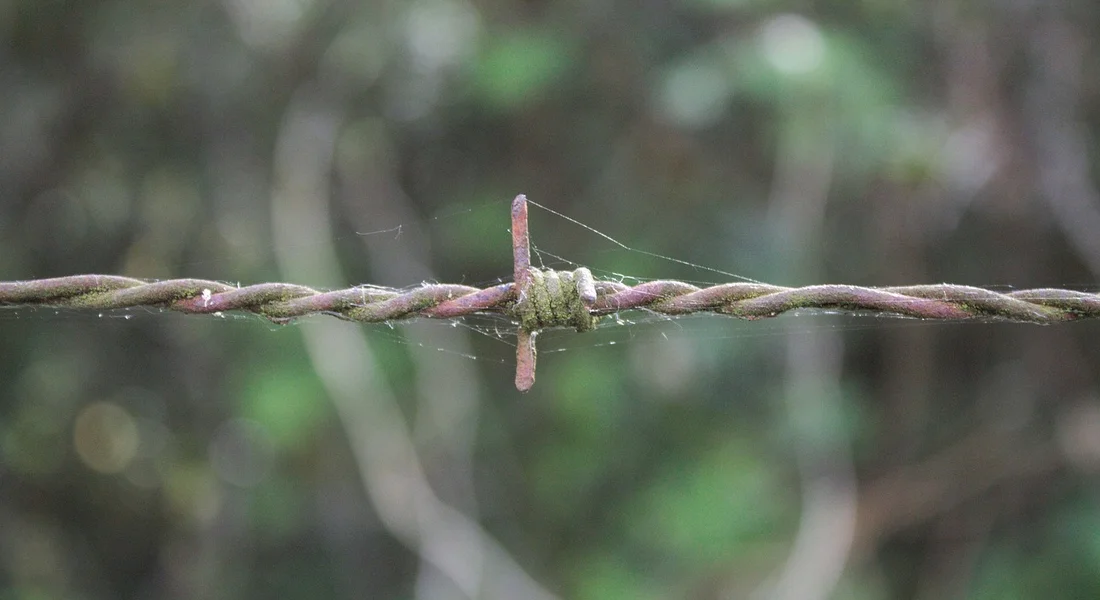
Bad fencing isn’t just an escape risk; it’s a surgery bill waiting to happen. I’ve spent too many evenings patching a board that Luna found with her hip or extracting a splinter from Rusty’s curious muzzle. The right fence is a quiet guardian, and the wrong one is a constant, sharp-toothed threat.
Choosing and Maintaining Safe Boundaries
Your fence choice depends on your horse’s personality and your budget. No single type is perfect, but some are perilous. I avoid diamond-mesh wire like the plague; a panicked hoof can punch through and get trapped, turning a simple spook into a disaster. For my clever Houdini, Pipin, a single hot wire atop a solid wooden fence is the only thing that works. It’s all about choosing the right fencing based on your horse’s breed and temperament.
Wood is classic but demands vigilance. A rotting post or a protruding nail can appear overnight after a storm. I walk my lines after every big weather event, listening for the groan of weak wood and looking for fresh scratches on posts. Run your hand along every board your horse can reach; your fingers will find splinters and cracks your eyes will miss.
Vinyl looks tidy but can become brittle and shatter. High-tensile wire is cost-effective but must be kept taut and visible with reflectors. Electric tape is a great psychological barrier but requires a consistently powerful charger. The material matters less than your commitment to its condition.
- Wood: Check for rot at the ground line, loose nails, and cracked rails. Replace with kickboards if you have a playful herd.
- Vinyl/PVC: Inspect for impact cracks, sun bleaching, and any pieces that have become sharp.
- Wire (High-Tensile, Polymer): Ensure it’s taut. Look for loose staples, broken insulators, and any sagging that could entangle a leg.
- Electric: Test the voltage weekly. Keep vegetation trimmed from the line. The ‘click’ of a functioning charger is the sound of safety.
The Daily Hazard Hunt: Your Management Routine
Barn blindness is real. You walk past the same corner for weeks, and then one day you see it: a loose hinge, a rusted bucket edge, a new hole by the water trough. A proactive routine turns you from a fixer into a preventer, saving you from midnight vet calls.
Your Morning “Walk-Through” Checklist
With your first cup of coffee in hand, do a slow lap. This isn’t about chores; it’s about senses. Listen for the drip of a leaky faucet creating ice or mud. Smell for anything sharp or sour beyond the normal hay and manure. Look at your horses’ eyes-are they calm, or is someone pacing a fence line nervously? Touch gate latches and feed tubs.
- Ground Patrol: Scan for new holes, exposed roots, trash that blew in, or dropped tools.
- Water Watch: Look for debris in troughs, ensure heaters are working (in winter), and check for leaks.
- Fence Glance: Do a visual sweep of the perimeter. Is a board down? Is the tape sagging?
- Hardware Check: Give the gate latch a firm rattle. Is it still secure?
The Weekly Deep-Dive Inspection
This is your hands-on hour. Grab a screwdriver, a pair of pliers, and your phone to take notes.
- Get Physical with Fences: Shake posts. Push on boards. Run a cloth along wire to catch snags. Check the entire length of every electric fence with a voltmeter.
- Inside the Stable: Test every stall latch, window bolt, and feed door. Look for chewed edges, loose screws in hardware cloth, and worn door sweeps.
- Tack and Feed Storage: Ensure feed bins are mouse-proof and latched. Check that hay nets are intact without frayed ropes. Confirm all cleaning supplies are locked away.
- Drainage and Footing: After rain, note where puddles form (Rusty will thank you). Look for washouts around gates and high-traffic areas that could cause a misstep.
This weekly ritual is like preventative healthcare for your property; it finds the small ache before it becomes a catastrophic break. I found a nearly-severed hinge pin on Luna’s paddock gate during one of these deep dives. It would have failed within days.
What Are the Most Common Horse Stable and Paddock Hazards? – FAQ
What are the top fire prevention hazards in a stable?
Accumulated dust, cobwebs, and loose hay in aisles and lofts are significant fire fuels. Electrical faults from outdated wiring, overloaded sockets, or damaged appliance cords are a common ignition source. Strictly store all flammables like paints and solvents in a locked metal cabinet away from the main barn.
How can pests beyond insects create a hazard?
Rodents like mice and rats can chew through electrical wires, creating a fire risk, and contaminate feed with droppings. They also damage insulation and structures, creating entry points for drafts and further deterioration. Their presence can attract predators like snakes into the barn environment, posing an additional threat.
What common human management errors create immediate hazards?
Leaving tools, pitchforks, or wheelbarrows in aisleways creates tripping and injury risks for both horses and handlers. Failing to fully secure a gate or stall door after use is a primary cause of escapes and injuries. Incorrectly mixing or storing medications, supplements, or cleaning chemicals can lead to poisoning or dangerous reactions.
From the Barn Manager’s Logbook
Address the obvious-secure fencing, clean footing, and stored tools-but never underestimate the hidden threats like chewed boards or stale water. Your most powerful prevention tool is a slow, sensory walk of the property every single day, using your eyes, ears, and even your nose to spot what doesn’t belong.
Safety is woven from these small, consistent habits, not grand gestures. Your horse’s calm demeanor or sudden unease is the clearest report card on your stewardship, so make watching them part of the routine. Understanding common horse fears and skittish behavior helps you interpret reactions before they escalate. With that insight, you can apply calm, consistent strategies to manage anxiety and keep safety intact.
Further Reading & Sources
- Horse and stable safety
- Safety Recommendations for the Stable, Barn Yard, and Horse/Livestock Structures | Equine Science Center
- 20 Hidden Hazards of Horsekeeping
- Horse Yard Safety | Blue Cross
At Horse and Hay, we are passionate about providing expert guidance on all aspects of horse care, from nutrition to wellness. Our team of equine specialists and veterinarians offer trusted advice on the best foods, supplements, and practices to keep your horse healthy and thriving. Whether you're a seasoned rider or new to equine care, we provide valuable insights into feeding, grooming, and overall well-being to ensure your horse lives its happiest, healthiest life.
Stable Management