
Essential Horse Grooming Tools: Build Your Kit for Health and Shine
Published on: December 26, 2025 | Last Updated: December 26, 2025
Written By: Henry Wellington
Hello fellow equestrians, does the sight of a muddy, tangled coat or a hoof packed with dirt make your heart sink? I get it-improper grooming can hide problems that lead to skin infections, lameness, and a horse that’s downright grouchy under saddle.
Let’s fix that. In this guide, I’ll break down the non-negotiable tools for your tack box. You’ll learn about the four core brushes for every coat type, hoof care must-haves to stop thrush in its tracks, and specialized tools for manes, tails, and delicate skin.
My years as a barn manager and trainer, spent with everything from steady Quarter Horses to fine-skinned Thoroughbreds, have taught me that the right tool in your hand is the first step to a healthy, contented horse.
The Heart of the Matter: Why Grooming is Daily Bonding
Forget the idea of grooming as just a chore before you ride. That ten minutes of quiet, focused contact is your daily handshake with your horse. It’s when you learn the landscape of their body-the new bump behind Luna’s elbow from a playful kick in the field, the subtle swell above Rusty’s knee that says he might need a lighter day. This routine is your primary language of care, spoken through your hands and a few simple tools. By grooming your horse step by step, you deepen trust and strengthen your bond. That deliberate routine turns care into a conversation you both look forward to.
I’ve solved more behavioral puzzles during grooming than in the arena. A flinch over the withers can point to a poorly fitting saddle. Resistance to lifting a hoof often traces back to a forgotten stone bruise. This time tells them you are a caretaker first, not just a pilot. Are the best bonding activities for your horse really the ones that make him light up when you approach? These little rituals help you read his comfort and tailor your care to what you both enjoy. The rhythmic motion of brushing lowers heart rates, both yours and the horse’s, and builds a reservoir of trust you’ll draw on later.
The Core Four: Tools for Every Single Session
You don’t need a fancy kit. These four tools are the non-negotiable foundation. Master these, and you’re covering 95% of what your horse needs for basic health and coat shine. These essentials are especially important to know for first-time horse owners.
The Curry Comb: Your Dirt-Loosening Workhorse
Start here, always. A rubber curry comb with gentle, nubbed fingers is your best friend. Use a firm, circular motion over all the big muscle groups-neck, shoulders, barrel, hindquarters. This action brings dirt, dead skin, and loose hair to the surface and stimulates the skin’s natural oils. Listen for the satisfying crinkle of dry sweat and dirt breaking up under your palms; that’s the sound of a job started right.
Avoid bony areas like the legs, face, and spine. On a sensitive thoroughbred like Luna, I use a softer, gentle curry or a grooming mitt. On sturdy Rusty? I can get in there with some gusto. This step is like pre-washing a very large, muddy plate.
The Dandy Brush: For Shaking Off the Big Stuff
Next, grab your dandy brush with its stiff, natural bristles. Its job is to flick away the debris you just curry-combed to the surface. Use short, flicking strokes, following the direction of the hair growth. You’ll see clouds of dust and hair fly off-deeply satisfying proof you’re getting to the good stuff underneath.
This brush is for the body only, never the face or delicate legs. I keep a separate, softer brush for those areas. For a pony like Pipin with a dense winter coat, a dandy brush is indispensable for breaking through the fuzzy top layer.
The Soft Body Brush: The Final Polish
This is the finishing brush, with soft, dense bristles-often synthetic or fine horsehair. It sweeps away the last traces of dust and lays the coat flat and shiny. Use long, sweeping strokes over the entire body. This is the brush that brings out the dapples on a grey or the deep copper shine on a sorrel like Rusty.
It’s also your final sensory check. Your hand glides over the coat, feeling for any remaining scabs, ticks, or skin irregularities you might have missed. This is the calming, connecting part of the ritual.
The Hoof Pick: Your Non-Negotiable Health Check
No grooming session is complete without it. Period. Start by running your hand down the leg, then squeeze the tendon to ask for the hoof. Work from heel to toe, carefully digging out packed mud, manure, and stones from the grooves around the frog. Clearing this debris prevents thrush and bruising, making this the most important health tool in your kit.
Look at what you pick out. Is there a foul smell or black, pasty gunk? That’s thrush. Is the frog healthy and springy, or dry and cracked? Is there any heat in the hoof wall? This daily, up-close inspection is how you catch an abscess or a loose shoe before it becomes a crippling problem. Even clever Pipin knows the drill-hoof up, treat earned.
Managing Mane and Tail: Tools for Tangle-Free Care

There’s nothing quite like the satisfaction of running your fingers through a silky, tangle-free mane. It’s a bonding ritual. But achieving that requires the right tools and techniques to avoid turning grooming into a tug-of-war your horse will dread. For the best way to manage your horse’s mane and tail, a simple, consistent routine helps. Small daily detangling and conditioning keep knots at bay.
Choosing Your Weapon: Combs vs. Brushes
This isn’t just a matter of preference; it’s about physics and hair type. I’ve learned this through trial and error, often with a very patient Rusty and a very impatient Luna.
Wide-tooth combs, usually made of plastic or flexible rubber, are your first line of defense. Their job is to gently separate large knots without breaking hair. Always start at the very bottom of the tail or the ends of the mane, working your way up slowly. If you hit a snag, hold the hair above the tangle in your fist to prevent any pulling on the sensitive roots.
For daily maintenance, a quality brush is king. My personal favorite is a natural bristle brush. The boar bristles are excellent for distributing the horse’s natural oils, adding shine and lifting away dust. For thicker tails, a paddle brush with a mix of plastic and bristle pins can work wonders. Be sure to use these brushes alongside other essential tools for daily horse stable maintenance.
- Wide-Tooth Comb: Your detangling hero. Use on dampened hair for best results.
- Natural Bristle Brush: Perfect for daily shine and dust removal. Gentle on the hair cuticle.
- Paddle Brush: Covers more area on thick manes and tails. Look for ball-tipped pins to prevent scratching.
- Metal “Pulling” Comb: Use with extreme caution. Primarily for thinning and shortening manes, not for routine brushing.
Sprays and Conditioners: The Secret to Silky Hair
Think of these as your grooming assistants. A good spray adds slip, which drastically reduces breakage. I keep a bottle mixed with water and a splash of silicone-free conditioner right by the cross-ties.
For a standard spray bottle, I use about one part conditioner to ten parts water. A light mist on a tangled tail makes the comb glide through. For tails that are dry or brittle, a leave-in cream conditioner applied sparingly to the mid-lengths and ends can work miracles. Avoid slathering the roots, as this can create a greasy, dirty base that attracts dust.
Ingredients matter. Silicone-based products give incredible instant slip and shine, but can build up over time. For regular use, I prefer formulas with aloe, lanolin, or coconut oil. Pipin, our Shetland, has a tail that’s a magnet for burrs; a quick spritz before turnout helps them slide right out.
- Detangling Spray: A diluted mix in a spray bottle is your everyday workhorse. Mist, wait a moment, then comb.
- Leave-In Conditioner: Best for rehabbing dry, damaged hair. Use sparingly.
- Show Sheen: The ultimate silicone-based gloss for competitions. Rinse out after use to prevent buildup.
- Homemade Option: Water with a dollop of human hair conditioner (the slippery, creamy kind) works in a pinch.
For Bath Days and Sweaty Workouts: The Wet Grooming Kit
A proper bath isn’t just about making your horse shine for a show. It’s a core part of muscle recovery and skin health after a hard ride. Think of a good rinse and scrape as cooling therapy that prevents chill and keeps pores clear. My wet kit stays ready by the wash rack, a collection of simple tools that make the job efficient and thorough. Even beginners can master it with a simple step-by-step guide. A proper step-by-step guide to bathing your horse walks you through prep, shampooing, rinsing, and drying for best results.
The Sweat Scraper: Efficient Water Removal
This is your number one tool for moving water off the coat fast. A metal or rigid plastic blade follows the horse’s contours, shearing off sheets of water in one pass. Using a sweat scraper correctly pulls water away from the skin, which is vital for preventing your horse from catching a chill in a drafty barn. I learned this the hard way with Rusty years ago; a fuzzy coat holding water is a perfect recipe for shivers.
You have two main choices. A flexible, curved plastic scraper is gentle and perfect for sensitive areas like the belly. A straight metal blade is my go-to for large, muscular areas like the quarters and neck.
- Plastic/Flexible: Gentle, quieter, and less intimidating for spooky horses. Great for legs and finishing touches.
- Metal/Rigid: Most efficient for heavy water removal on large body parts. Cools muscles quickly after intense work.
Always scrape in the direction of the hair growth, following the natural lay of the coat. Work from the top of the neck down, over the shoulders, barrel, and hindquarters. The sound of water thudding into the drain is deeply satisfying.
Sponges and Mitts: For Soap and Rinse
Not all sponges are created equal. Using the right one prevents cross-contamination and keeps your horse comfortable. I strictly maintain a two-sponge system: one dedicated solely for the face, and another for the body and dock. This simple rule protects your horse’s sensitive eyes and nostrils from soap residue or dirt.
A large, soft-cell sponge is perfect for applying shampoo and sluicing water over the back and legs. For the face, a smaller, ultra-soft sponge lets you work gently around the eyes and muzzle. Watch a horse’s expression when you use a soft sponge on their forehead; they often lean into it, enjoying the sensation.
- Body Sponge: Large, durable, and easy to wring out. Use it for applying conditioner and the initial rinse.
- Face Sponge: Small, soft, and often a different color. Never use soap on it-just clear, warm water.
- Sweat Mitts: A fantastic alternative! These fleece-lined mitts let you wash and scrub with the comfort of your hand, giving you great control for massaging soap into tight areas like the girth zone.
Remember to wring your sponges and mitts out thoroughly in clean water frequently. Rinsing is the most critical step; leftover shampoo is a direct ticket to dry, itchy skin and a dull coat. I test by running my hand down a rinsed leg-it should squeak, not slide.
Clipping and Trimming: Tools for a Neat Appearance
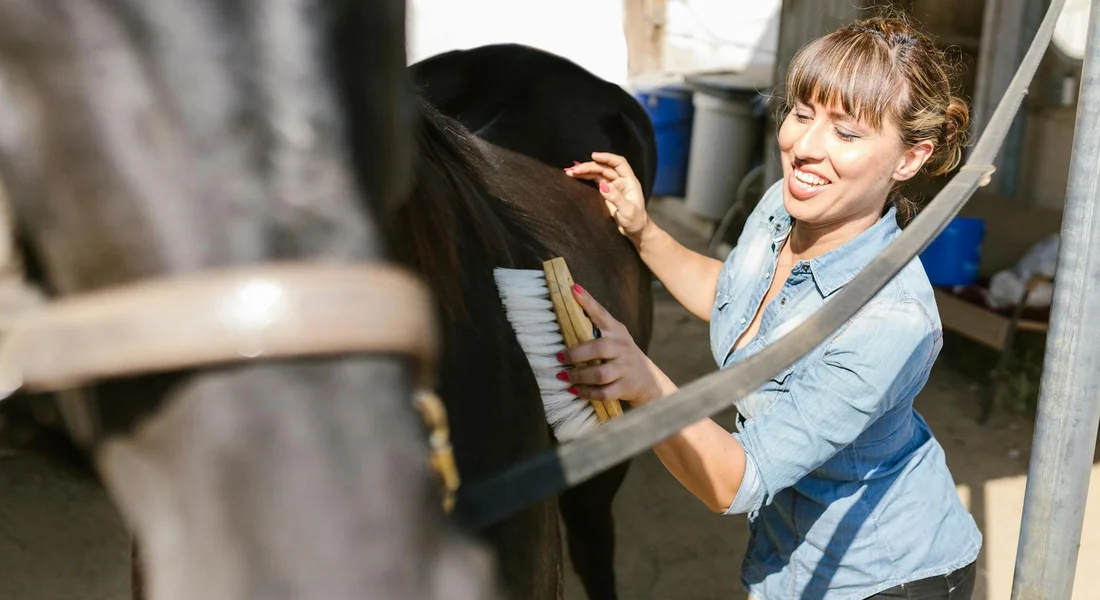
The buzz of clippers is the sound of a job getting done. It’s about more than vanity. A tidy clip prevents chafing under tack, helps a sweaty horse cool down faster, and lets you see the skin beneath for any nicks or issues. I’ve spent many an afternoon making Rusty presentable for a show or just giving Luna’s fetlocks a neat-up to keep mud from caking.
Electric Clippers and Maintenance
Think of your clippers like a good farrier: their performance depends entirely on how you care for them. A dull, dirty, or overheating pair will pull hairs and make your horse clipper-shy for life. Your horse’s memory of a bad clipping session can last far longer than the actual haircut.
You have two main choices for body work: heavy-duty and lightweight. I use a powerful corded model for rugged winter coats or full-body clips. For sensitive areas like faces, ears, and legs, or for a nervous soul like Luna, a small cordless trimmer is a game-changer. Its gentle hum is far less intimidating.
Choosing your tool comes down to your horse and your tasks. Consider these points:
- Horse Temperament: A quiet, battery-operated trimmer is perfect for a spooky Thoroughbred’s face or Pipin’s clever, wiggly self.
- Coat Type: A sturdy QH like Rusty, with his dense sorrel coat, needs the muscle of a main clipper for a clean bib clip.
- Job Frequency: Weekend touch-ups? Go cordless. Full clip every season? Invest in a reliable corded workhorse.
Maintenance is non-negotiable. Here is my post-clipping ritual, every single time.
- Brush hair and dust from the clipper blades and body with the small brush that comes in the kit.
- Apply blade coolant or disinfectant spray. This cools the metal and kills bacteria.
- Add a few drops of clipper oil to the moving parts between the blades. You should see it seep through.
- Wipe off any excess oil before storing.
Blade care is its own art. Dull blades pull and heat up fast. Learn to recognize the sound of a sharp blade-it’s a clean, steady buzz, not a labored chugging. Have a second set of sharp blades on hand so you can swap mid-job. For longevity, clean blades with a toothbrush and soapy water after heavy use, dry them completely, and coat them in a light oil before storage.
Always test clipper temperature on your inner wrist. If it’s hot to you, it’s scorching to your horse. Let them cool frequently. For a sensitive horse, I keep a can of blade coolant in my apron pocket and spray the blades every few minutes. That extra thirty seconds of care builds immense trust. It tells Luna she’s safe, and it tells me the job will be done right.
Building a Kit That Works for You: Selection and Storage
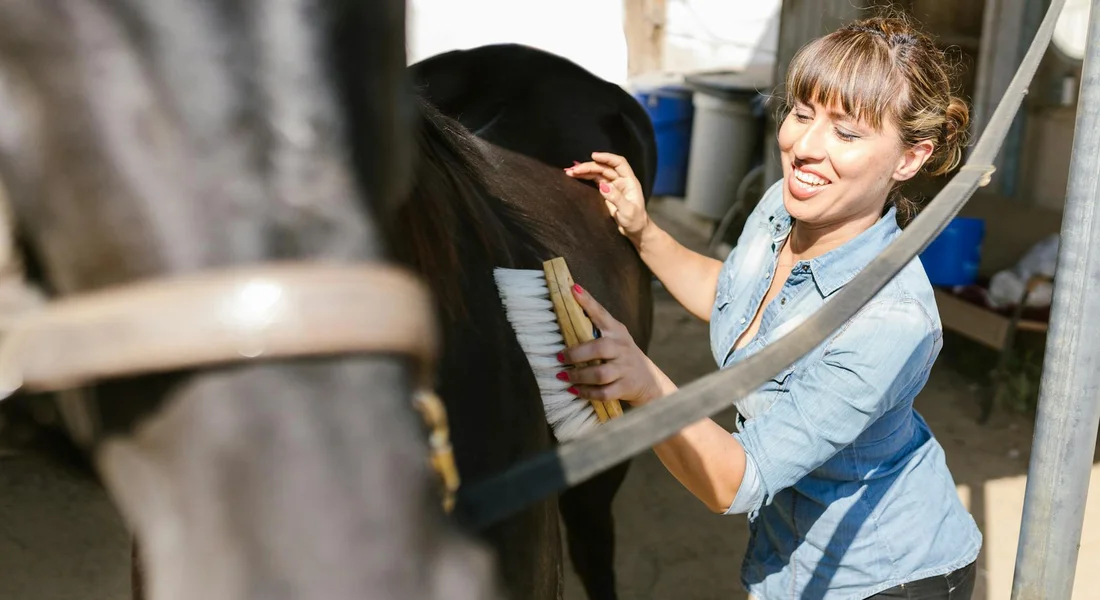
Your grooming kit should feel like an extension of your own hands, not a clunky chore. This means thinking about you, your horse, and where all this stuff lives when you’re not using it.
Ergonomics and Comfort: Tools for Arthritic Hands
Cold mornings turn my own hands into stiff, clumsy mitts. I’ve learned that the right tool handle can mean the difference between a soothing massage for Luna and a frustrating, awkward scrub. Picking tools for comfort isn’t a luxury; it’s a necessity for thorough, patient grooming.
Look for brushes and combs with wide, padded, or contoured handles. These distribute pressure across your palm instead of pinching in your fingers. Rubberized grips are a godsend on damp days. I switched to a curry comb with a large, soft-rubber handle loop years ago, and my morning wrist ache vanished.
Your grip strength and joint health directly impact the pressure and consistency you can apply, making ergonomic tools a genuine welfare issue for your horse’s skin and coat. Tail care is a key part of overall equine welfare, and the tail deserves as much gentleness as the mane. Proper tail maintenance answers common questions about whether horses have tails and how to care for them. For mane and tail work, seek out long-toothed combs you can hold in a full fist. Let your arms and shoulders do the work of detangling, not your cramped fingers.
- Prioritize rubber or foam-padded handles over slick, thin plastic or wood.
- Test the grip in the store-if it feels awkward empty, imagine it with wet hair and pressure.
- Consider tool weight. A heavy, all-metal shedding blade is efficient but exhausting; a lighter plastic-bladed version gets the same job done.
- For stiff backs (yours, not the horse’s!), look for extended-handle grooming mitts or long-backed body brushes to save you from constant bending.
Keeping It All Together: Buckets, Bags, and Holsters
A grooming kit scattered across the barn aisle is a hazard and a headache. I’ve spent more time than I’d like to admit hunting for the hoof pick Pipin has inevitably kicked under the stall door. Good storage protects your investment and streamlines your routine.
A simple five-gallon plastic bucket is the barn classic for a reason. It’s durable, affordable, washable, and you can sit on it. Toss in a liner bag with pockets to keep tools upright and organized. For the mobile groom, a dedicated tote with multiple compartments keeps everything at your fingertips.
The best system is the one you’ll actually use consistently, so choose something that suits your barn’s layout and your own habits. I keep a primary kit in a wall-mounted holster by the cross-ties, which holds my daily-use brushes, and a mobile tote for wound care and shows. This prevents the dreaded “brush migration” phenomenon.
| Option | Best For | Considerations |
|---|---|---|
| Plastic Bucket | Budget-minded, stationary grooming areas, barns with water access for washing. | Tools can become a jumbled mess at the bottom. Add a plastic organizer insert. |
| Soft-Sided Tote with Pockets | Mobile grooming, showing, lessons, or keeping a personal kit in a shared barn. | Fabric can hold dirt and moisture. Look for waterproof or easy-wipe materials. |
| Wall-Mounted Holster or Rack | Dedicated grooming stalls or cross-tie areas. Keeps tools visible and air-drying. | Requires a permanent fixture. Brushes are exposed to dust and curious equine noses. |
No matter your choice, make a habit of cleaning tools out weekly. Knock hair and dust out of brushes, wipe down plastic combs, and let everything air dry completely. A mildewy brush defeats the entire purpose of grooming. I do this every Sunday-the smell of clean brushes and leather promise a fresh start to the week.
FAQ: Essential Horse Grooming Tools
Where can I find specialized grooming tools for arthritic hands?
Many retailers now offer ergonomically designed tools with wide, cushioned handles and non-slip grips. Brands like GripSoft or Oster produce paddled brushes and looped curry combs that require less finger strength. Always test the weight and grip of a tool before purchasing to ensure it minimizes strain on your joints.
What are the best places to shop for horse grooming tools for sale?
Farm supply stores like Tractor Supply offer a solid selection of basic grooming kits and individual tools at affordable prices. For more specialized or high-end equipment, dedicated equestrian retailers, both online and local tack shops, provide the widest variety. Checking online marketplaces can also yield good deals on both new and gently used grooming supplies.
Are there resources like worksheets to learn horse grooming tools names and uses?
Yes, many equestrian educational websites and Pony Club manuals offer free, downloadable worksheets for identifying tools and their purposes. These resources are excellent for young riders or new horse owners to build foundational knowledge. Creating your own checklist for your kit can also serve as a practical, personalized learning tool.
A Well-Groomed Horse is a Happy Horse
Start with a simple, high-quality kit of a curry comb, dandy brush, body brush, hoof pick, and mane comb, then tailor your tools to your horse’s specific coat and comfort. The most critical routine is a thorough hoof pick before and after every ride to prevent stones and thrush.
View grooming as your daily dialogue, not just a chore, where patience builds trust and reveals subtle clues about your horse’s health. Your best tool will always be your attention to the feel of their coat and their feedback during your touch, especially when grooming and touch help deepen your connection with your horse.
Further Reading & Sources
- Grooming Tools: What You Need for Effective Horse Grooming
- Put Together the Essential Horse Grooming Kit | Stable Talk | Farnam
- Horse Grooming Essentials – Smart Grooming
- 5 Essential Horse Grooming Tools with Cowboy Magic
At Horse and Hay, we are passionate about providing expert guidance on all aspects of horse care, from nutrition to wellness. Our team of equine specialists and veterinarians offer trusted advice on the best foods, supplements, and practices to keep your horse healthy and thriving. Whether you're a seasoned rider or new to equine care, we provide valuable insights into feeding, grooming, and overall well-being to ensure your horse lives its happiest, healthiest life.
Tools and Equipment