
Horse Lifespan by Breed and Type: Your Guide to Planning and Longevity
Published on: December 27, 2025 | Last Updated: December 27, 2025
Written By: Henry Wellington
Hello fellow equestrians. You’re staring at your grazing horse, calculating future years, or sifting through breed profiles with a knot of worry about long-term commitment. That anxiety over escalating care costs and ensuring a dignified retirement is a sign of a good owner.
I will walk you through the facts and stable-tested advice to clear the haze. Here is exactly what we will cover:
- Realistic life expectancy ranges for popular breeds, from sturdy drafts to clever ponies
- How daily choices in turnout, nutrition, and hoof care directly dictate those years
- Recognizing the subtle shifts in your senior horse and adapting their world with grace
My decisions at the barn have been shaped by years of managing the care for sensitive Thoroughbreds, hardy Quarter Horses, and everything in between.
The Average Horse Lifespan: Setting Realistic Expectations
Typical Lifespan Range for Domestic Horses
Forget the old “one horse year equals seven human years” myth; horse aging is not linear. A well-cared-for domestic horse typically lives 25 to 30 years. I’ve found that setting realistic expectations starts with knowing that a horse’s middle age hits around 15, and “senior” status often begins at 20. Genetics play a role, but daily care is the true lifespan lever you control.
In my barn, Rusty, at 12, is in his prime, while little Pipin the pony is a spry senior at 15. The range is vast. I’ve cheered for horses thriving past 30 and comforted owners saying goodbye sooner. The single biggest factor I’ve witnessed is consistent, preventative care rooted in understanding the individual animal in front of you.
Here’s what directly shapes that lifespan number:
- Daily Turnout: Horses are moving grazers. Stalled horses face higher risks of colic, stiffness, and mental stress.
- Dental Schedule: Sharp points and worn teeth hinder nutrition. Float teeth at least annually.
- Hoof Integrity: Regular farrier visits prevent cascading leg and joint issues. No foot, no horse.
- Weight Management: Keep them lean. Extra pounds strain the heart, joints, and metabolic systems.
What “Aging Gracefully” Looks Like in Horses
Aging gracefully isn’t about avoiding years; it’s about maintaining quality of life. You’ll know it by the bright eye, the steady rhythm of grazing, and the eager nicker at feeding time. In senior horse care, special health considerations—such as dental checks and joint support—help keep that vitality. Proactive veterinary care and nutrition adjustments make a lasting difference. An older horse should have a calm presence, not a dull one-there’s a vital difference between contentment and depression.
Watch for the subtle shifts. A stiff walk out of the stall that loosens up after a few steps is common. A reluctance to move at all is a red flag. Your job is to become a detective of comfort, noticing the small winces during grooming or the changed way they stand at rest.
Practical “stable hacks” for supporting your senior partner:
- Feed for Easy Digestion: Soak senior pellets or cubes. Offer softer hay. I add warm water to Rusty’s feed now, and the sound of his contented chewing is my reassurance.
- Provide Gentle Footing: Deep, soft sand or well-maintained dirt is kinder on arthritic joints than hard-packed ground.
- Modify Your Grooming: Use a softer brush on thinning skin. Pay extra attention to those hard-to-reach itchy spots.
- Keep Them Moving: Controlled, daily turnout is non-negotiable. It keeps the gut moving and the joints lubricated.
How Breed, Type, and Size Directly Impact Equine Longevity
The Lifespan Spectrum: From Ponies to Draft Horses
Size and build are powerful predictors of longevity. Generally, the smaller the equine, the longer the potential lifespan. Ponies, like my clever Pipin, are famously long-lived, often reaching 30 to 35 years with good care. Their sturdy, efficient physiology is built to last.
Light horse breeds, like Quarter Horses and Arabians, often hit that 25-30 year average. Draft horses, the gentle giants, often have shorter lifespans, averaging 18 to 25 years. The immense weight their frames must carry creates more wear on joints and organs, making meticulous care from day one absolutely critical. This reality highlights how physical traits can influence a horse’s health and lifespan. Understanding these links helps tailor care to support longevity. I’ve managed drafts, and the thud of their heavy hooves is a constant reminder of the structural demands on their bodies.
Compare common types:
- Shetland & Welsh Ponies: 30+ years. Hardy, but prone to metabolic issues like laminitis if overfed.
- Arabian Horses: 25-30 years. Noted for longevity and stamina, but can be fine-boned.
- Quarter Horses: 25-30 years. Generally robust, but some lines are prone to specific genetic disorders.
- Thoroughbreds (like Luna): 20-25 years. Their high-strung metabolism and racing history can lead to earlier wear.
- Draft Breeds (Clydesdale, Percheron): 18-25 years. Susceptible to joint disease and heart strain.
Purebred vs. Crossbred: Does Hybrid Vigor Matter?
In a word: yes. Hybrid vigor-the boost in health from mixing genetic lines-is real in horses. Crossbreds often have fewer breed-specific genetic weaknesses. A well-bred cross, like a Quarter Horse-Thoroughbred, can inherit the best traits of both: durability and athleticism, potentially smoothing the path to a longer life.
This isn’t a purebred indictment. Many purebreds live long, healthy lives. But a closed gene pool can concentrate problems. For instance, some Quarter Horse lines carry genes for HYPP, while certain draft breeds are prone to JEB. Knowing your breed’s common health pitfalls allows for proactive, targeted care that can directly extend lifespan.
When considering longevity, ask these questions:
- What hereditary conditions are screened for in this breed or lineage?
- Is the horse’s conformation built for durability, or is it extreme for show trends?
- Has the horse had a demanding early career (like racing) that might impact long-term soundness?
Ultimately, pedigree is just the blueprint. The stable environment you create-full of gentle hands, fresh air, and thoughtful nutrition-is the house where your horse’s long life is truly built.
Horse Lifespan Statistics by Common Breed and Type
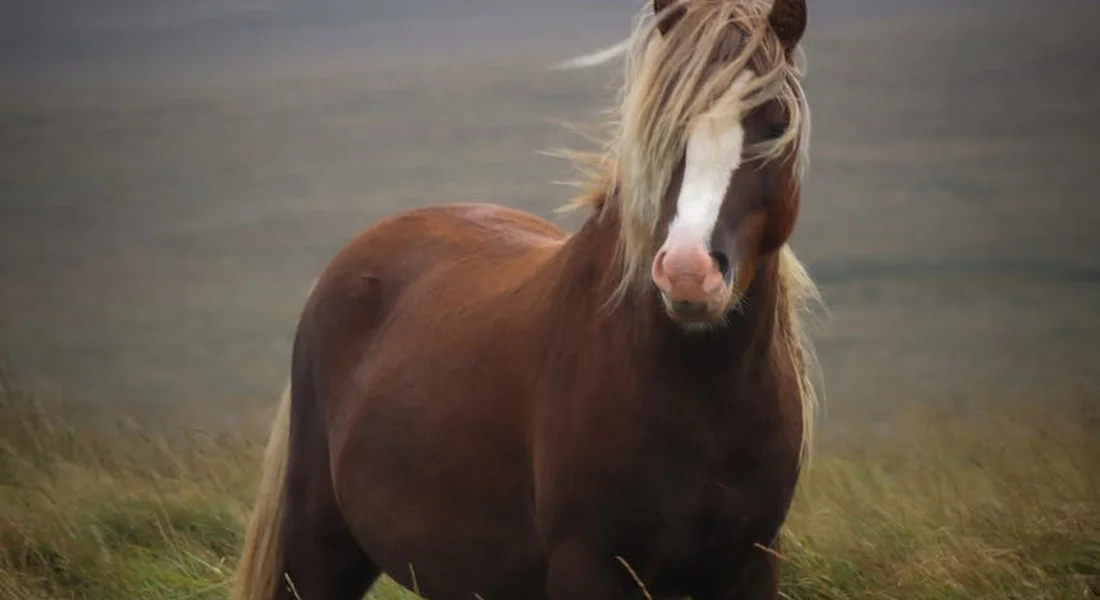
You can’t judge a horse by its cover, but you can make some educated guesses about its longevity. Genetics play a starring role, but how we manage our horses writes the final chapter. A horse built for hard work needs a retirement plan as thoughtful as its training schedule.
Long-Living Breeds: The Champions of Equine Longevity
These breeds are the tortoises of the horse world, often outliving their flashier cousins through hardy genetics and sensible constitutions.
- Arabians: Famous for stamina and a robust metabolic system, they frequently live into their late 20s and 30s. Their deep history as desert partners forged incredible resilience.
- Quarter Horses: When managed well, these versatile athletes commonly reach 25-30+ years. I’ve known many, like my old reliable Rusty, who became wise schoolmasters in their golden years.
- Many Pony Breeds: Shetlands, Welsh ponies, and their kin are famously long-lived. It’s not unusual for a pony to see 35 or even 40 years. Their smaller size puts less stress on joints and organs over a lifetime.
- Icelandic Horses: Isolated breeding and a slow maturation process contribute to lifespans often exceeding 30 years. They are built to last.
Their secret isn’t just genetics; it’s that their traditional uses often align with a lifestyle of consistent movement and forage-based diets, a blueprint we can copy for any horse.
Popular Light Horse Breed Lifespans
These are the horses you see in most arenas and pastures. Their lifespans are a direct reflection of their careers and our care.
Quarter Horse Lifespan
The American Quarter Horse, with its calm demeanor and sturdy build, often enjoys a lifespan of 25 to 30+ years. The key is managing for soundness. They are prone to metabolic issues and certain genetic conditions like HYPP. A Quarter Horse’s longevity is won in the details: maintaining a lean body condition, providing ample turnout to move freely, and proactive hoof and dental care. My old guy Rusty, at 12, is in his prime, but his routine is already geared for the long haul-slow feeds, daily miles on the trail, and careful monitoring for any stiffness.
Thoroughbred Lifespan
Thoroughbreds, bred for intense speed, have an average lifespan of 25-28 years. Knowing this average lifespan reframes longevity as a lifelong goal. Daily care—nutrition, gut health, and low-stress routines—can influence how many healthy years follow. Their challenges often stem from the rigors of early racing. Supporting a Thoroughbred into a long retirement means prioritizing gut health, managing any old injuries with compassion, and providing a calm, predictable routine. They are sensitive souls, like my mare Luna, who thrives on consistency. Their thin skin and nervous energy require a manager who reads subtle cues. A well-cared-for off-track Thoroughbred can be a vibrant partner for decades.
Arabian Horse Lifespan
Arabians are the marathoners, frequently living into their 30s. Their efficient metabolism and historical hardiness are legendary. To support an Arabian’s natural longevity, focus on preventing obesity, ensuring quality dental care for their distinctive dish-shaped face, and engaging their intelligent mind. A bored Arabian is a stressed Arabian. They need a job or companionship to stay content well into their senior years.
Draft Horse and Pony Breed Lifespans
At opposite ends of the size spectrum, these groups share a common thread: when freed from extreme physical demands, they can enjoy remarkably long lives.
Draft Horse Lifespan (e.g., Clydesdale, Percheron)
Gentle giants like Clydesdales and Percherons have an average lifespan of 18-25 years. Their size is their greatest health challenge. Protecting a draft horse’s longevity is an exercise in preventative care: managing weight to avoid crushing strain on legs and feet, vigilant monitoring for laminitis, and providing footing that cushions their substantial weight. They are not built for prolonged confinement. Daily, low-impact movement is non-negotiable for their joint and circulatory health.
Pony Breed Lifespan (e.g., Shetland, Welsh)
Do not let their size fool you. Ponies are incredibly durable, with many Shetlands and Welsh ponies living 30-40 years. The single greatest threat to a pony’s long life is overfeeding. Their thrifty metabolism is a blessing and a curse, requiring strict weight management to avoid metabolic disaster. My cheeky Shetland, Pipin, is a master forager who would happily eat himself into illness. His longevity depends on a sparse drylot, a slow-feed net, and constant vigilance. With that, he’ll be causing mischief for decades to come.
The Internal Factors: What Determines an Individual Horse’s Lifespan
While breed gives us a general range, the real story of longevity is written in the details of each horse’s life. Think of it like this: genetics loads the gun, but lifestyle pulls the trigger. I’ve seen sturdy ponies worn down by poor management and fine-bred Thoroughbreds thriving well into their twenties because their people paid attention. It’s not just about knowing how long different breeds typically live, but understanding the individual needs of each horse.
Genetic Blueprint and Inherited Health
Your horse’s DNA is the first chapter of their life story. Some breeds are simply hardwired for robustness. Draft crosses often have that legendary constitution, while some lighter breeds might be predisposed to specific metabolic or skeletal issues. It’s not a death sentence, but a heads-up. Knowing your horse’s genetic tendencies is the first step in proactive, preventative care that can add quality years.
Beyond breed, look at the family tree. This is where your homework as a buyer pays off. Ask about the dam and sire’s lifespan and cause of death. Did they have a history of laminitis, recurrent colic, or chronic arthritis? My mare Luna, for instance, came with a note about her sire having sensitive feet. That wasn’t a dealbreaker, but it meant I committed to meticulous hoof care and diet management from day one. Inherited traits are a blueprint, not a fate.
Daily Care Habits That Add (or Subtract) Years
This is where you, the owner, have immense power. Longevity isn’t about one grand gesture; it’s the product of ten thousand small, correct choices. It’s the smell of clean water, the feel of a level paddock underfoot, and the sound of contented chewing.
Let’s break down the daily pillars of a long life:
Diet & Digestion: The Foundation
- Forage First: The horse’s gut is designed for near-constant trickle feeding. I keep hay in front of my guys for at least 18 hours a day. It keeps the digestive machinery humming, prevents ulcers, and mimics natural grazing.
- Weight Watch: Both obesity and being underweight are silent killers. I run my hands over ribs weekly. You should feel them, not see them. A fat horse is not a healthy horse; it’s a candidate for metabolic disaster.
- Consistency is King: Sudden changes in feed, even hay type, can cause colic. Any switch is done over a week, slowly and with a watchful eye.
Hoof & Tooth Health: The Non-Negotiables
- Farrier on Schedule: A bad trim alters limb alignment, causing cascading joint stress. My farrier is on a strict 6-week cycle, rain or shine. No exceptions.
- Annual Dental Float: Sharp points and hooks make chewing painful and inefficient. A horse in dental pain drops feed, loses condition, and can develop behavior issues. Rusty gets his yearly check like clockwork.
Movement & Mind: The Happiness Factor
- Turnout is Medicine: Stall confinement creates physical stiffness and mental stress. My horses are out daily, moving freely. It oils their joints, stimulates their mind, and lets them just be horses. Freedom of movement is the cheapest and most effective joint supplement you can provide.
- Appropriate Exercise: Match the work to the horse. Don’t hammer an older horse with intense drills, but don’t let them become a pasture potato either. Gentle, consistent work keeps muscles supporting aging joints.
Parasite & Pain Management
- Smart Deworming: I do fecal egg counts, not just rotate chemicals on the calendar. This prevents parasite resistance and avoids unnecessarily dosing my horse.
- Listen to the Small Signals: A slight head bob, hesitation at a tiny fence, or a grump when cinching can be the first whispers of pain. Addressing minor soreness early prevents major lameness later.
Your Horse’s Environment: The Foundation for a Long Life
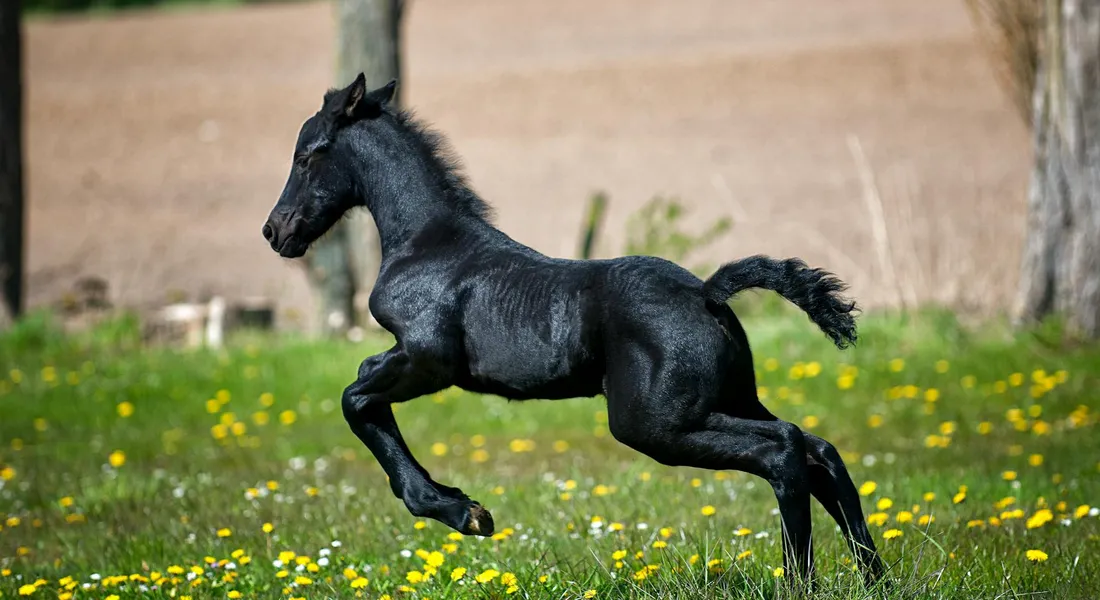
I’ve mucked enough stalls to know that a horse’s longevity is built in their pasture and barn, not just in their pedigree. A safe, stimulating environment acts like daily medicine, preventing a host of physical and mental ailments before they ever start. It’s the difference between a horse that merely survives and one that thrives well into their twenties.
Think about the smell of fresh hay and the quiet thud of hooves on soft dirt. These simple sensory details signal a space where a horse can simply be a horse, which is the ultimate foundation for health.
Why Turnout Time is Non-Negotiable for Longevity
My Thoroughbred, Luna, taught me this lesson painfully. A week of stall rest turned her into a nervous wreck with stocked-up legs. Forcing a grazing animal to stand still in a box is like asking you to live in your bathroom; it’s cramped, boring, and awful for your circulation.
Turnout directly combats the top age-related killers: colic, laminitis, and arthritis. Constant, low-level movement keeps gut contents shifting and joint fluid circulating, which is why my old guy Rusty stays so sound on the trails.
Here’s what you’re really providing with daily pasture time:
- Mental enrichment that reduces stereotypic behaviors like weaving.
- Natural hoof mechanism, which pumps blood up the legs with every step.
- Freedom to choose social interaction, reducing stress hormones.
- Access to sunlight for vitamin D synthesis, crucial for calcium absorption.
I aim for a minimum of 10 hours of turnout for every horse in my care, rain or shine. Invest in good waterproof blankets and a drained paddock area so weather is never an excuse. A healthy exercise turnout schedule for your horse supports consistent movement and steady conditioning. Planning turnout times also helps with recovery and welfare.
Preventive Veterinary and Hoof Care
Preventive care is the art of fixing problems when they’re small and cheap to solve. I budget for routine care the same way I budget for hay-it’s a fixed, non-negotiable cost of responsible ownership.
Your veterinary partnership should be proactive, not reactive. Twice-yearly check-ups, even for the healthy-seeming horse, create a baseline that makes spotting trouble early effortless.
- Schedule dental exams every six months. I’ve seen poor mastication from sharp points lead to choke and weight loss in seemingly hearty eaters.
- Tailor your deworming program based on fecal egg counts, not just the calendar. This prevents parasite resistance.
- Discuss core and risk-based vaccines with your vet. West Nile Virus, for instance, is a real threat in many areas.
- Learn to take your horse’s vital signs. Knowing their normal resting pulse saves panic during a potential colic event.
Hoof care is daily preventive medicine. The few minutes you spend picking hooves let you feel for heat, spot a lost shoe, or catch a pebble before it becomes an abscess.
My cheeky pony Pipin is a master at hiding minor foot soreness, so I’m meticulous. Establish a relationship with a skilled farrier who visits every 5-7 weeks, as regular trims prevent catastrophic limb misalignment.
- Pick hooves from heel to toe, cleaning the collateral grooves and frog thoroughly.
- Apply a topical thrush preventative like a diluted iodine solution during wet seasons.
- Feel the coronary band for bumps or warmth, early signs of laminitis.
- Provide a clean, dry standing area to prevent hooves from staying constantly wet or mucky.
Practical Steps to Maximize Your Horse’s Lifespan
Think of longevity not as a goal, but as the result of a thousand small, good decisions. From the smell of fresh hay to the rhythm of daily turnout, a predictable routine is the strongest foundation for a long, healthy life. My years in the barn have shown me that the oldest horses are often the simplest keepers, loved with consistency.
Building a Longevity-Focused Care Routine
Your daily routine is your most powerful tool. Prioritize turnout above almost everything else; a horse who moves freely is a horse whose mind and body stay resilient. I built my schedule around this, and even my sensitive Thoroughbred, Luna, is more settled with all-day access to her paddock.
Feed for steady energy, not spikes. Base every meal on quality forage, using grain only as a necessary supplement for hard keepers or intense work. Rusty, my Quarter Horse, maintains perfect weight on good pasture and a flake of alfalfa-mix hay at night.
- Hoof Health: Pick out feet daily without fail. Listen for the *thud* of a clean hoof on the ground. Schedule trims every 6-8 weeks to prevent strain on tendons and joints.
- Dental Checks: Arrange an annual float. Poor mastication leads to choke, colic, and weight loss. My pony Pipin gets his teeth done yearly, and his ability to chew keeps his cheeky personality shining.
- Preventive Care: Partner with your vet on a parasite control and vaccination plan. This stops problems before they start, protecting vital systems over decades.
- Consistent Movement: Match exercise to your horse’s job. A 20-minute walk under saddle five days a week does more for joint health than a two-hour ride once a week.
Become a student of normal. Knowing the exact feel of your horse’s gaits and the usual look in their eye lets you spot the smallest change, the earliest warning sign. This attentive habit is what catches issues early.
Adapting Care for the Senior Horse
Caring for a senior is a shift from management to gentle stewardship. Your focus moves from performance to preservation, ensuring comfort in every single interaction. I’ve learned to slow down and observe, letting horses like Rusty show me what they need.
Reformulate their diet for easy eating and digestion. Soaked senior pellets, beet pulp, and chopped hay can be lifesavers for worn teeth and slower guts. I add a measured scoop of a joint supplement to the feed, and the difference in how an old horse stands up from a nap is undeniable.
- Monitor Body Condition Monthly: Use your hands as much as your eyes. Run them over the ribs, withers, and rump. Senior horses lose muscle mass first, often along the topline.
- Adjust Exercise Gently: Replace schooling sessions with quiet trail walks or hand-grazing. The goal is circulation, not fitness. Luna, as she ages, will thrive on relaxed hacking.
- Optimize Their Environment: Provide deep, supportive bedding. Install a heated water bucket in winter. A rubber matted stall with easy access to a quiet paddock reduces stress on old bones.
- Increase Veterinary Partnership: Schedule wellness checks every six months. Bloodwork can reveal subtle shifts in kidney or metabolic function long before outward symptoms appear.
Cherish the pace. The slow, steady rhythm of senior care-the extra time brushing, the patience at feeding time-rewards you with a profound partnership. Watching Pipin teach a new foal manners, or seeing Rusty’s ears prick up on a familiar trail, reminds you that every year together is a gift earned by good care.
Horse Lifespan by Breed and Type: FAQ
How does breed affect a horse’s lifespan?
Breed significantly influences lifespan through genetic predisposition for size, conformation, and common health issues. Generally, smaller ponies and hardy light horse breeds like Arabians often live the longest, while larger draft breeds typically have shorter average lifespans. This is primarily due to the metabolic and structural demands placed on their bodies over a lifetime. Beyond breed, lifespan as a pet is shaped by several factors. Daily care, nutrition, and preventive veterinary work all influence how long a horse may live.
Do crossbred or mixed-breed horses live longer than purebreds?
Crossbred horses often benefit from hybrid vigor, which can reduce the prevalence of certain hereditary disorders concentrated in closed gene pools. This genetic diversity can contribute to overall hardiness and a potentially longer, healthier life. However, a well-managed purebred with proactive care tailored to its known breed risks can also achieve exceptional longevity.
What are the key factors within a breed that determine individual lifespan?
The single greatest factor is the quality of daily care, including consistent turnout, proper nutrition, and preventive hoof and dental care. An individual’s specific conformation, any inherited health conditions, and the demands of its early career also play crucial roles. Ultimately, an owner’s commitment to attentive, proactive management is the most powerful determinant of lifespan within any breed.
Stewarding a Long, Healthy Life
Breed provides a blueprint, but your daily decisions on nutrition, turnout, and preventive care write the real story of your horse’s years. The single most impactful thing you can do is to become a student of your individual horse, providing care that responds to their changing needs rather than sticking rigidly to a breed stereotype.
True horsemanship means watching for the slight stiffness that says they need a longer warm-up or the quiet look that asks for a slower pace. Their well-being is a conversation, and your patience and attention are the best replies you can give.
Further Reading & Sources
- How Long Do Horses Live? With Horse Breed Lifespan Chart
- How Long Do Horses Live? [Complete Guide] – Rogue Pet Science
- Horse Lifespan: Understanding the Age Span of Horses – JH HORSE STALL
- How Long Do Horses Live? | Information from Professionals
At Horse and Hay, we are passionate about providing expert guidance on all aspects of horse care, from nutrition to wellness. Our team of equine specialists and veterinarians offer trusted advice on the best foods, supplements, and practices to keep your horse healthy and thriving. Whether you're a seasoned rider or new to equine care, we provide valuable insights into feeding, grooming, and overall well-being to ensure your horse lives its happiest, healthiest life.
Breed-Specific Care