
How Your Horse’s Physical Build Shapes Its Health and Lifespan
Hello fellow stable hands. That nagging worry when your horse seems a bit off or the vet bill arrives-it often circles back to one core question: is their body working for them or against them? I’ve spent many late nights with a flashlight, wondering the same thing over a stall door.
Let’s get straight to the point. We’re going to look at how a horse’s form directly informs its function and future. This isn’t just theory; it’s practical knowledge you can use today to advocate for your horse’s well-being.
- Conformation’s long shadow: how a horse’s basic structure predicts soundness.
- Breed-specific blueprints and the health quirks they bring to the pasture.
- Hoof and limb integrity-your first line of defense against systemic issues.
- The silent lifespan factor: dental wear and digestive health.
I’ve based this on years of mucking stalls, fitting tack, and learning from every horse from reliable Rusty to sensitive Luna.
Breed and Size: The Genetic Baseline for Longevity
Think of breed and size as your horse’s built-in owner’s manual. A Shetland pony like my Pipin often trots happily into his 30s, while a massive draft horse might see his late teens or early 20s. This isn’t random. Larger bodies generally work harder, with faster metabolic engines and more weight stressing those delicate leg bones. I’ve watched Luna, my lean Thoroughbred, burn through hay piles that would keep Rusty content for days. Size directly shapes daily care.
- Ponies & Small Breeds: Often live 25-35+ years. Slower metabolisms make them easy keepers, but they’re prone to obesity and laminitis.
- Light Horse Breeds (Quarter Horses, Thoroughbreds): Typical lifespan of 25-30 years. Balanced metabolism, but sport-specific stresses can wear joints.
- Draft & Heavy Breeds: Often live 18-25 years. Their great size strains the cardiovascular system and skeletal structure, increasing risks of arthritis and metabolic issues.
How Breed Predisposes to Certain Conditions
Genetics load the gun; environment pulls the trigger. Knowing your horse’s breed clues you into what to watch for, allowing for proactive care. My old Quarter Horse, Rusty, has the classic sturdy build, but I still check him for the subtle signs of polysaccharide storage myopathy (PSSM) that can affect his breed. Here’s a quick reference for common links.
| Breed | Common Genetic Predisposition | Management Focus |
|---|---|---|
| Quarter Horse | PSSM (tying-up), HYPP | Low-starch diet, regular consistent exercise |
| Thoroughbred | Ulcers, thin soles, bleeding disorders | Frequent forage, padded hoof boots, stress reduction |
| Warmbloods | Osteochondritis Dissecans (OCD) | Controlled growth in youngsters, joint support |
| Arabian | Severe Combined Immunodeficiency (SCID) | Genetic testing for breeding stock |
| Draft Breeds | Chronic Progressive Lymphedema, arthritis | Meticulous leg hygiene, weight management |
| Shetland Pony | Equine Metabolic Syndrome, laminitis | Strict grazing control, lean body condition |
The Size Factor: Metabolism and Structural Stress
Caring for a 17-hand horse versus a 12-hand pony isn’t just about buying bigger brushes. The thud of a draft horse’s hoof is a reminder of the sheer force its joints absorb with every step. Larger horses have higher caloric needs but are also more prone to digestive upheaval and exertional rhabdomyolysis. Smaller ponies pack weight on like sponges. Your care checklist must scale accordingly.
- Adjust Feed by Weight, Not Volume: Use a scale or weight tape. A cup of grain for Pipin is a meal; for a draft, it’s a garnish.
- Prioritize Joint Support Early: For big horses, consider quality glucosamine supplements before stiffness even appears.
- Monitor Hoof Wear Closely: More mass equals faster wear. Frequent trims and correct shoeing are non-negotiable for soundness.
- Control Grazing Intake: Use a muzzle for easy-keeping ponies and smaller breeds to prevent grass overload.
- Ensure Adequate Turnout Space: Larger horses need room to move freely to maintain muscle and joint health without constant pounding.
Conformation: The Blueprint for Soundness and Joint Health
Conformation is the architecture you can’t change. A well-built horse wears like a trusty boot; a poorly built one strains like a chair with a wobbly leg. Standing back and critically assessing your horse’s structure is the first step in preventing a lifetime of compensations and lameness. It’s a skill I use every time I evaluate a new horse at the barn, from the slope of the shoulder to the angle of the hoof.
- Start from the Side: Look for a straight line from the point of the buttock, down the back of the cannon bone, to the heel. This assesses leg alignment.
- Check the Front: Imagine a plumb line from the point of the shoulder straight down. It should bisect the knee, cannon, and fetlock.
- Evaluate the Back: A moderately long, strong loin is ideal. A very short back can be rigid; a very long one may lack strength.
- Assess the Shoulder: A sloping shoulder (about 45 degrees) translates to smoother movement and better shock absorption.
- Look at the Hooves: They should be symmetrical and proportional to the horse’s size. Mismatched hooves often signal uneven weight bearing.
Reading the Lines: How Structure Predicts Problems
Every deviation from ideal is a clue to future wear. Calf knees (knees set back) are like faulty shock absorbers, predisposing to carpal arthritis over years of concussion. Sickle hocks (excessively angled) place constant strain on the ligaments, inviting sprains. Think of a horse with a steep pastern as having high heels-it looks elegant but transmits more concussion up the leg. My sensitive Luna has very upright pasterns, so I’m extra vigilant about footing and use supportive boots on hard ground.
Supporting the Framework Through Life Stages
Your management should evolve with your horse’s age and build. Running a heavy-bodied young horse on hard ground is like driving a truck with poor suspension off-road-it’s only a matter of time before something cracks. Listen to your horse’s body more than the calendar.
During grooming and tacking up, watch for these red flags of joint stress:
- New resistance to picking up feet or stiffness when moving off after rest.
- Localized heat or swelling, especially around fetlocks, knees, or hocks.
- Shortened stride or a reluctance to go downhill.
- Visible muscle wasting over the hips or along the topline.
- Behavioral changes like grumpiness when girthed, often signaling back or rib discomfort.
Match workload to structure: a horse with straight shoulders and pasterns is not built for high-impact jumping but might excel at steady trail work. Increase turnout time to let them move freely and maintain joint fluidity. To build and strengthen horse muscle effectively, use gradual, targeted conditioning. Pair this with proper rest and nutrition for best results. It’s the gentle, consistent support that adds years to their service and life to their years.
Hoof Shape and Health: The Foundation of Every Step
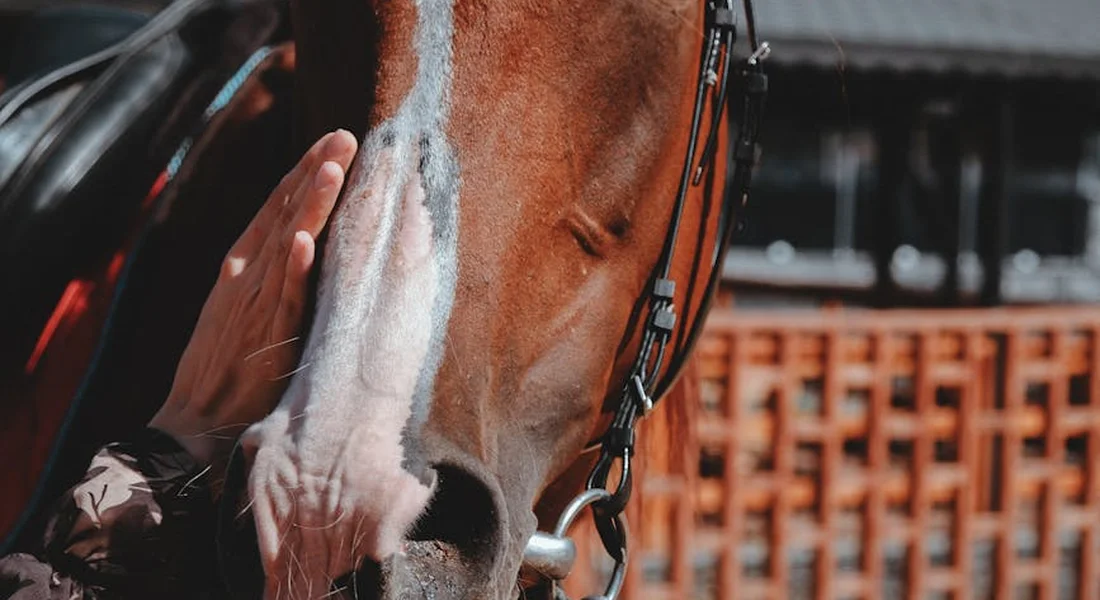
Think of your horse’s hooves as the tires on your truck. The right shape and tread mean a smooth, safe ride. The wrong ones lead to a breakdown. A hoof that’s balanced and wears naturally from movement promotes healthy locomotion from the leg up. Poor hoof health, like chronic cracks or incorrect angles, creates uneven stress. This strain travels up the leg, damaging joints and soft tissues over years. It can turn a sound horse into a pasture pet far too early.
I learned this with Luna. Her thoroughbred feet are more upright and brittle. Without vigilant care, she developed a minor hoof capsule distortion. It changed her stride just enough to make her back sore. Consistent, correct hoof care isn’t just about avoiding lameness; it’s about preserving your horse’s entire athletic framework for the long haul. Daily attention is your first line of defense.
- Pick out each foot thoroughly, feeling for loose shoes, warm spots, or punctures.
- Run your hand down the pastern and over the coronary band, checking for swelling or heat.
- Look at the hoof wall for new cracks, chips, or separation at the white line.
- Inspect the sole for bruising (reddish spots) or an unusual smell.
- Note the frog. It should be firm and elastic, not mushy or shriveled.
The Hoof as a Barometer for Systemic Health
That old saying “no hoof, no horse” is profound because the hoof often signals internal trouble. Laminitis is the classic example. It’s not just a foot problem; it’s a metabolic fire alarm. Horses with a cresty neck or easy keepers, like many ponies, are predisposed. Their metabolic traits make them prone to insulin dysregulation, which can trigger laminitic episodes. A good farrier is your partner in managing this. They don’t just trim for today’s shape. They trim for the growth pattern needed to support a horse’s unique conformation and health challenges long-term.
Your farrier’s rasp is a powerful tool for preventative medicine, helping to mitigate the mechanical stresses that systemic conditions place on the hoof. Regular turnout on varied terrain is nature’s own farrier, encouraging strong digital cushions and promoting circulation that supports overall hoof vitality.
Identifying Early Warning Signs in the Hoof
While picking feet, move beyond just removing muck. Engage your senses. A foul, cheesy smell from the frog can indicate thrush. A sole that feels spongy under thumb pressure might point to early abscess formation. Look for rings or ridges around the hoof wall. These can map out past periods of fever, nutritional stress, or founder. A hoof that consistently wears more on one side often points to a conformational imbalance upstream, like toed-in or toed-out legs.
Catching these whispers from the hoof early allows you to address the root cause-be it diet, pasture management, or saddle fit-before it becomes a scream of pain. Pipin, my Shetland, taught me this. His quick, clever hooves would develop slight flares if his trim was delayed by even a week, a quiet reminder of his body’s constant dialogue with the ground.
Dental Architecture and Digestive Efficiency
A horse’s teeth are their built-in feed processors. Their shape-those long, continuously erupting crowns-and how they wear down directly dictate how well food is broken apart. Sharp points or uneven wear create ulcers on the cheeks and tongue. This pain causes a horse to chew inefficiently or “quid,” dropping half-chewed wads of hay. Whole, undigested hay stems in manure are a clear sign your horse is starving in a full paddock, unable to access the nutrients locked inside. To catch issues early, look for signs your horse needs dental care. Early dental checks can prevent discomfort and help your horse chew more efficiently.
You cannot separate dental health from body condition score; a ribby horse with a full hay net is very often a horse with a painful mouth. Here are signs your horse needs an equine dentist or vet:
- Dropping grain or partially chewed hay balls (“quidding”).
- Excessive salivation or foul breath.
- Head tilting or tossing while eating.
- Undigested grain in manure.
- Resistance to the bit or bridling.
- Unexplained weight loss despite good feed.
From Mouth to Gut: The Digestion Chain
Think of digestion as a factory line. The mouth is the receiving dock where raw materials are ground down. If the grinders (molars) are faulty, large, coarse material gets shipped to the next station-the stomach and intestines. This overwhelms the system. Poorly chewed forage can contribute to impactions and colic. Whole grains that escape chewing ferment where they shouldn’t, leading to gas and digestive upset.
Dental issues are a direct pipeline to choke and colic, two of our most dreaded barn emergencies. I think of Rusty, my Quarter Horse. His slightly uneven wear meant he wasn’t grinding one side fully. We found whole oats in his manure, a silent red flag. A float fixed the issue and his weight stabilized. His digestion chain was back online, turning hay into energy, not trouble. Always ensure your horse’s first step in digestion is a pain-free, efficient chew. It sets the stage for everything that follows.
Body Condition and Nutrition: Fueling the Physical Form
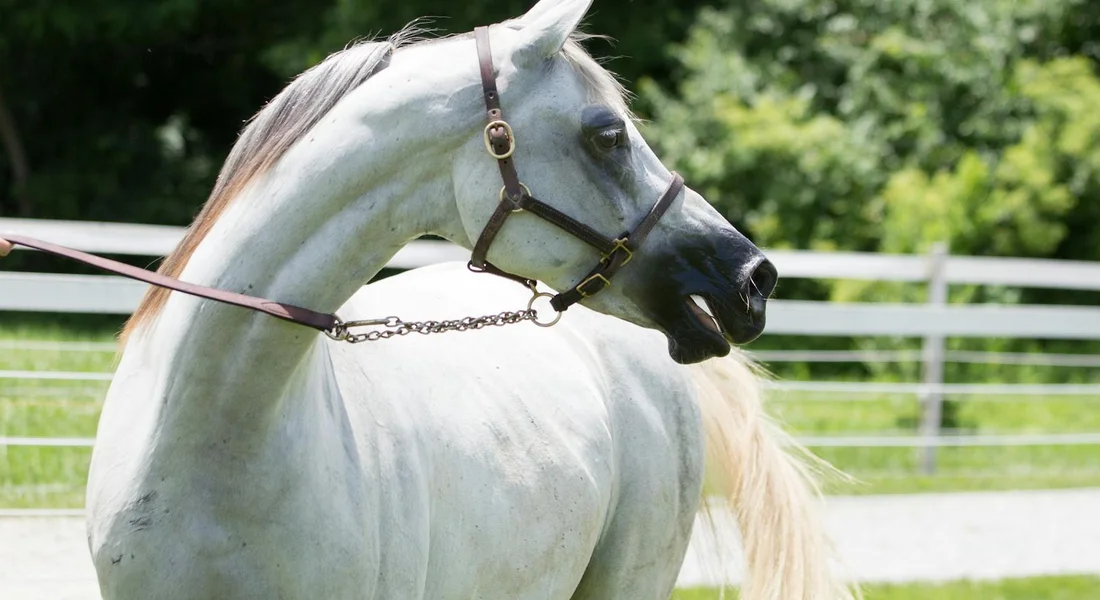
Your horse’s shape is a direct window into their wellbeing. Muscle mass and fat coverage are not just about looks; they are vital signs you can see and feel. A well-covered rib cage and a smooth neck crest speak volumes about proper fuel. A sunken back or visible hip bones whisper of need. Running your hands over your horse’s body every week tells a more honest story than any scale.
The Body Condition Score (BCS) system is your best friend for translating what you see and feel. It’s a simple 1-to-9 scale where 1 is emaciated and 9 is obese. I use it on every horse in my care, from Pipin the pony to Luna the Thoroughbred. You assess key areas: the ribs, behind the shoulder, over the withers, and along the neck. Consistency is key, so pick a regular day for your hands-on check. That’s how I assess each horse’s condition, making sure no changes go unnoticed.
| BCS Score | Ideal Physical State | Nutritional Adjustments |
|---|---|---|
| 1-3 (Thin) | Ribs, spine, and hip bones are prominent. No fatty tissue can be felt. | Immediate veterinary consultation. Increase high-quality forage. Consider adding a fat source like rice bran or vegetable oil slowly. |
| 4-6 (Moderate) | Ribs can be felt but not seen. Back is level. Neck blends smoothly into shoulders. | Maintain current diet. This is the healthiest range for most horses. Monitor weight monthly. |
| 7-9 (Fat) | Ribs cannot be felt. Noticeable crease down the back. Bulging fat around neck and tailhead. | Reduce or eliminate concentrates. Use a slow-feed hay net to extend chewing time. Increase daily movement and turnout. |
That table isn’t just a chart; it’s a conversation starter with your horse. Remember my old reliable Rusty? Keeping him at a steady 5 means he has the energy for trails without the joint stress of extra weight. A perfect score is not the goal; a consistent, healthy condition is.
Tailoring Diet to Physical Demands and Traits
Feeding a horse is not one-size-fits-all. Their age, inherent metabolism, and job demand a customized menu. A senior horse processes nutrients differently than a growing yearling. A high-strung horse like Luna burns calories just standing still. Think of feed as targeted fuel, not just filler.
Start with these practical steps. First, know your horse’s baseline with a BCS. Second, evaluate their workload: is it light, moderate, or heavy? Third, consider their traits. A horse with a naturally cresty neck may need lower-sugar forage. A hard keeper with a narrow frame might need more frequent, smaller meals. Always make dietary changes over 7-10 days to avoid colic.
- Physical traits signaling more calories: Difficulty maintaining weight in winter, prominent withers and ribs even with good hay, a dull coat despite deworming.
- Traits signaling specific supplements: Weak hoof walls (biotin), stiff movement in older horses (glucosamine), or heavy sweating in electrolyte loss. A vet can guide you here.
- Age adjustments: Seniors often need soaked hay pellets for easier chewing. Youngsters require balanced protein for growth. The fiery middle-aged athlete needs clean energy from fats and fibers.
I learned this with Pipin. His pony metabolism meant even rich pasture could push him from a 6 to an 8 in weeks. His diet is mostly straw-mixed hay to keep him busy and trim. Your feed room should reflect the unique bodies in your barn.
The Heart and Lungs: Cardiovascular and Respiratory Fitness
A horse’s engine is hidden in its barrel. Physical traits like a deep girth can mean greater lung capacity, while a narrow windpipe might predispose a horse to airflow issues. These inherent blueprints set the stage for fitness. A broad-chested draft cross may have powerhouse stamina, but a fine-boned Arabian might have efficient heat dissipation. You build fitness on the foundation nature provided, not against it.
Respiratory health is everything. Listen for a clean, quiet breath at rest. Noisy breathing, a chronic cough, or flared nostrils during light work can signal trouble like allergies or even a condition like “roaring.” Cardiovascular fitness shows in recovery. Time how long it takes for your horse’s pulse and breathing to return to normal after exercise. This simple recovery check is how you measure your horse’s fitness over time. In the next steps, you’ll find a quick guide to measuring your horse’s recovery time after exercise. A fit horse recovers quickly; a struggling one takes much longer.
Building fitness safely means respecting these bodily limits. You wouldn’t ask a horse with a past tendon injury to jump deep sand right away. For all body types, start with long, slow walks to strengthen tendons and lung capacity. Increase hill work for heart strength. Turnout is non-negotiable cardio; it lets them move and breathe freely on their own terms.
Exercise as Medicine for the Body’s Engine
Work is not a punishment; it’s preventative care. A progressive regimen respects the horse’s current fitness and physical traits. For a heavier horse, focus on conditioning before asking for sharp maneuvers. For a lean, high-energy type, provide enough work to manage mental and physical stress. The goal is to build a resilient body, not a tired one.
Start with a four-week foundation program. Week one is 20 minutes of walking daily. Week two adds 5 minutes of trotting. Week three introduces gentle hill work at a walk. Week four consolidates with 30 minutes of mixed walk and trot. Always include a proper warm-up and cool-down. This slow build protects joints, tendons, and that all-important cardiorespiratory system.
Know the signs of respiratory health versus distress. Good health sounds like steady, rhythmic breaths that match the effort. The nostrils may flare but without strain. Distress sounds harsh: coughing, wheezing, or heaving sides long after stopping. A horse in distress may also stick its nose out far to try and open its airways. If you hear a roaring whistle during exertion, stop and call your vet-it’s a sign of a paralyzed airway. I monitor Luna closely for this; her Thoroughbred heritage makes her prone to such issues. Being able to identify signals early helps you manage respiratory issues in horses. In the next steps, you’ll find guidance on identifying and managing these issues.
- Signs of Good Respiratory Health: Quiet breathing at rest, quick recovery rate, eager attitude during work, no nasal discharge.
- Signs of Respiratory Distress: Prolonged heavy breathing post-exercise, frequent coughing, audible wheezing or whistling, flared nostrils at a walk, lethargy.
Fitness is a gift you give your horse. It keeps their heart strong, their lungs clear, and their mind engaged. Listen to the body’s feedback-the thud of hooves on the trail, the rhythm of their breath-it’s the best guide you have. To deepen this practice, understanding heart rate and respiration monitoring helps you quantify effort and tailor training. This added insight makes your observations even more meaningful for long-term fitness.
Living Environment and Proactive Care: Supporting Inherent Traits
A horse’s physique isn’t just for show-it’s a blueprint for their care. I’ve spent years watching how Rusty’s sturdy quarter horse frame thrives on daily pasture time, while Luna’s finer thoroughbred build demands a more nuanced approach. Your management choices either work with their natural design or fight against it. Turnout isn’t a luxury; it’s the foundational therapy that keeps their joints fluid, their digestion ticking, and their minds quiet. Think of it as daily maintenance for the engine.
Preventive vet care acts as the shield for this physical integrity. A simple vaccine or strategic deworming schedule does more than check a box. It guards against internal invaders that can trigger catastrophic failures like colic or laminitis. I’ve seen a case of preventable strangles wreak havoc on a herd’s respiratory health, a stark reminder. Proactive parasite control directly protects the delicate gut lining, a key player in avoiding digestive shutdowns. You’re not just preventing disease; you’re preserving the very structure that lets your horse move and graze as nature intended.
Common disease management is where theory meets the dirt. A horse prone to metabolic issues, much like some easy-keeping ponies, needs an environment that mimics natural, constant movement to regulate insulin. Managing a horse’s access to rich spring grass is a direct, hands-on intervention for hoof and metabolic health, far more effective than treating laminitis after it strikes. It’s about reading the physical cues-the slight change in hoof warmth, the softer manure-and adjusting their world before the trait becomes a liability.
Pasture vs. Stall: A Question of Movement and Metabolism
Contrast a horse’s life on pasture versus in a stall, and you’re comparing a flowing river to a stagnant pond. On pasture, the constant, low-grade movement self-lubricates joints, naturally wears hooves, and massages the digestive tract to keep things moving. The stall, while sometimes necessary, presses pause on these vital functions. Stiffness starts in the stall, not the arena, because synovial fluid needs motion to circulate. Digestion slows, risking impaction, and hooves can become brittle without the stimulus of varied ground.
For the stalled horse-be it due to injury, weather, or facility limits-creativity is key. Your goal is to simulate the metabolic and mechanical benefits of pasture. Here are my tried-and-true stable hacks to get them moving:
- Install a slow-feed hay net at the far end of the stall from the water. This forces them to walk back and forth, mimicking grazing steps.
- Turn out in a small, safe paddock or “run” even for just an hour. The change of scenery and freedom to roll is gold for their mind and body.
- Scatter their daily grain ration in a thin layer over a clean rubber mat. They’ll hunt and peck, engaging core muscles and extending feeding time.
- Perform gentle stretches or massage during grooming sessions. Ask for a slight weight shift or a step-over to engage those stabilizing muscles.
- If space allows, hang a horse-safe toy like a lick ball. Curiosity can prompt nosing and pushing, adding minutes of incidental activity.
Remember a horse like Pipin, our clever Shetland. His compact build doesn’t need a vast expanse, but his metabolism demands trickle feeding and movement to avoid founder. Even in a confined space, multiple small meals spread out force him to travel his stall, turning a potential health risk into managed activity. Listen to the thud of hooves on dirt-it’s the sound of health being built, one step at a time.
FAQ: How Do a Horse’s Physical Traits Affect Its Lifespan and Health?
How does a horse’s dental health impact its overall health and lifespan?
Dental health directly affects a horse’s ability to properly chew and digest food, which is the first critical link in the nutrient absorption chain. Sharp points or uneven wear cause pain, leading to inefficient chewing (quidding) and an increased risk of choke, impaction colic, and malnutrition. Consistent, professional dental care, such as regular dental floatings, is therefore a non-negotiable practice for preventing digestive crises and ensuring a horse receives full nutritional benefit from its feed throughout its life.
What is the impact of a horse’s conformation (body structure) on its health and longevity?
Conformation is the unchangeable architectural blueprint that determines how effectively a horse absorbs and distributes force with every movement. Deviations from ideal angles, such as calf knees or sickle hocks, place excessive, uneven stress on specific joints, ligaments, and tendons, predisposing the horse to chronic lameness and early-onset arthritis. Proactive management, including workload tailored to structure and vigilant monitoring for signs of compensation, is essential to support a horse’s inherent framework for as long as possible.
How does preventive veterinary care influence a horse’s lifespan?
Preventive veterinary care acts as a systematic shield for a horse’s physical integrity, catching subtle issues before they become major problems. Regular check-ups, vaccinations, and strategic parasite control protect vital systems from disease and internal damage that can trigger life-threatening conditions like severe colic or laminitis. This proactive partnership, which includes dental and hoof care, is a cornerstone of responsible stewardship that directly contributes to maximizing both healthspan and lifespan.
Your Horse’s Physical Story
Your horse’s build—from his hoof angle to his back length—directly shapes his care needs and potential weak spots. Common health issues often tie back to anatomy, so understanding his conformation helps you anticipate problems. By recognizing these links, you can tailor care to his unique structure. Making a habit of hands-on checks and informed, preventative care is the single most powerful thing you can do to support his long-term health.
Progress in horse care is measured in years, not days, so pair your knowledge with patience and soft hands. The best advice always comes from the horse himself, so learn to listen to the messages in his stride and his eyes. This mindset is especially important as horse care requires ongoing time and commitment.
Further Reading & Sources
- Conformation and the Link to Long Term Soundness of the Horse
- Conformation of the horse
- Horse Lifespan Guide: How Long Do Horses Live
- Evaluating Horse Conformation | CAES Field Report
At Horse and Hay, we are passionate about providing expert guidance on all aspects of horse care, from nutrition to wellness. Our team of equine specialists and veterinarians offer trusted advice on the best foods, supplements, and practices to keep your horse healthy and thriving. Whether you're a seasoned rider or new to equine care, we provide valuable insights into feeding, grooming, and overall well-being to ensure your horse lives its happiest, healthiest life.
Health