
Can Horses Eat Zucchini and Squash? Your Barn-Tested Guide to Safe Vegetable Treats
Published on: September 21, 2026 | Last Updated: September 21, 2026
Written By: Henry Wellington
Hello fellow equestrians! That fresh-picked zucchini in your hand and your horse’s hopeful nudge at the gate-it’s a classic barnyard moment. You’re wondering if this garden surplus is a safe snack or a shortcut to an upset stomach and a worrying vet bill.
I’ve been right there in the aisle with you, debating treat choices while my crew watches intently. This guide will cut through the confusion and give you clear, practical answers. We’ll cover:
- Whether zucchini and squash are truly safe for your horse’s digestion.
- The right way to prepare these veggies to prevent any choking risk.
- A whole list of other safe vegetable treats and the dangerous ones to always avoid.
- My barn-honed method for introducing any new food without drama.
You can trust this advice-I’ve spent years as a barn manager and trainer, navigating the treat preferences and delicate digestive systems of everything from reliable Quarter Horses to spirited Thoroughbreds.
The Straight Answer: Are Zucchini and Squash Safe for Horses?
Yes, both zucchini and squash are perfectly safe for horses to eat. I’ve tossed chunks to Rusty in his paddock for years. Always introduce any new treat, even a vegetable, in a small amount to see how your horse’s unique digestion handles it. Watch for loose manure or a turned-up nose, which is Luna’s style when she’s skeptical, especially when trying something like carrots or carrot greens.
Think of these veggies as crunchy, low-sugar alternatives to traditional carrot or apple slices. They add variety and hydration to the treat menu. The key is preparation-always wash them to remove pesticides and cut them into manageable pieces to prevent choking.
Zucchini: The Hydrating Garden Staple
Zucchini is a summer squash with a soft skin and high water content. It’s a fantastic snack on a hot day. I often slice one into thick rounds and hand-feed them to the horses after a light ride. Its mild flavor and soft texture make it a hit even with pickier eaters, though Pipin will still inspect every piece for hidden grain.
You can feed it raw. Just wash it, cut off the stem, and slice it. No need to peel it. The seeds are small and soft, posing no issue. For older horses or those with dental issues, grating zucchini over their hay can encourage eating and provide extra moisture.
Squash Varieties: From Summer to Winter
Not all squash are created equal, but most are horse-friendly. Here’s a quick barn guide:
- Summer Squash: Like yellow crookneck or pattypan. These are similar to zucchini-tender, moist, and fine fed raw. Treat them the same way.
- Winter Squash: Think butternut, acorn, or spaghetti squash. These have tougher, inedible rinds and hard seeds. You must cook winter squash until soft and remove the seeds and rind before offering it to your horse. A mashed spoonful mixed into feed is a warm treat in cold weather.
I once left a small butternut squash on a bench, and Pipin proved his escape artist reputation by rolling it around his stall like a trophy. Never feed the hard, uncooked flesh or rind of winter squash; it’s a choking hazard and difficult to digest.
Nutritional Benefits: More Than Just a Crunch
These vegetables offer real nutritional value, not just empty calories. Switching up treats with veggies like zucchini can support overall gut health by providing diverse fibers. Their high water content also aids hydration, which is crucial for horses on dry hay. Understanding the hay bales vs pellets vs cubes nutritional breakdown for your horse can guide feeding choices and balance energy and minerals. This awareness helps tailor hydration and supplementation to your horse’s needs.
Let’s break down what’s in that crunch:
- Vitamin A: Supports vision and immune function. Zucchini and yellow squash are good sources.
- Vitamin C: An antioxidant. While horses produce their own, extra from veggies doesn’t hurt.
- Potassium: An electrolyte lost in sweat, making these a smart post-ride snack.
- Fiber: Promotes healthy gut motility. The fiber in squash is gentle and easily fermented.
Compared to many fruits, zucchini and squash provide minerals without a big sugar spike, which is better for metabolic horses. I’ll give Luna a few slices instead of an apple when she needs to keep a sleek figure. Remember, treats should never exceed 10% of the daily diet-think of them as a supplement to good forage and turnout.
How to Prepare Zucchini and Squash for Your Horse
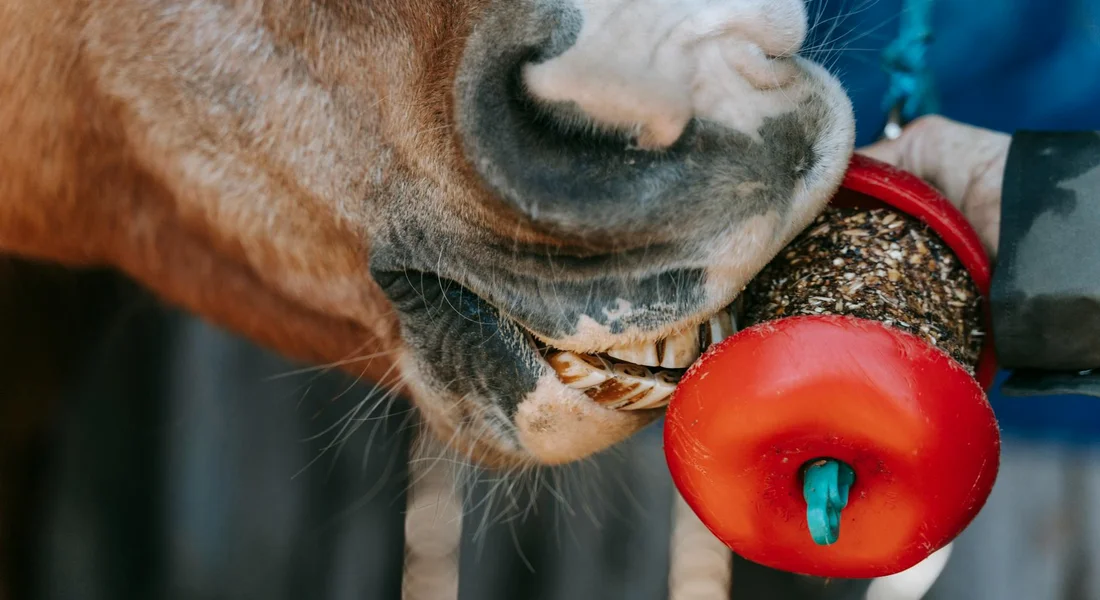
Think of prep work as the final safety check before your horse gets a novel snack. A little effort here prevents big worries later. I always wash veggies in a bucket with a splash of apple cider vinegar before they even meet my crew.
Always scrub the skin under cool water to remove any dirt or potential pesticide residue, even if the zucchini is from your own garden. A quick once-over with a vegetable brush does the trick. You’d be surprised what clings to a summer squash.
To Peel or Not to Peel?
This is a common barn-yard debate. For most horses, the skin is perfectly fine and adds fiber. My Quarter Horse, Rusty, will devour a zucchini wheel, skin and all, with zero fuss. For a sensitive soul like my Thoroughbred, Luna, I might peel the first few offerings to avoid any textural surprise that could put her off.
If the skin is tough, waxy, or from a store-bought vegetable, peeling is a safe and courteous option for your equine friend. It removes any doubt. For soft, young garden squash, leave it on.
Cutting for Safety and Ease
Size and shape matter more than you think. You want to avoid a choking hazard and make it easy to chew.
- Long Batons or Sticks: Ideal for hand-feeding. Cut the squash into pieces about the size of a large carrot. This encourages chewing and keeps fingers safe.
- Round Wheels or Coins: Perfect for tossing in a feed tub or on the ground for enrichment. Keep them thick, about an inch wide.
- Grated or Shredded: A brilliant option for older horses, ponies like my Pipin who inhale their food, or for mixing into a damp mash to hide supplements.
Never feed a whole, uncut squash. A horse might try to bite into it like an apple and get a slippery, dangerous mouthful.
The Seed Question
With smaller, immature zucchini and yellow squash, the seeds are soft and negligible. With larger, mature vegetables, especially winter squash like butternut, the seed cavity becomes hard and fibrous.
For any large squash, take the extra minute to scoop out the central seed mass with a spoon before cutting. It’s not that the seeds are toxic; it’s that they present an unnecessary, tough choking risk. Better safe than sorry.
Feeding Guidelines: The Golden Rule of Moderation
Treats are just that-a treat. They are not a substitute for balanced forage and feed. This rule is the cornerstone of safe snack-giving.
The foundation of your horse’s diet must always be quality forage like hay or grass; vegetables are merely a flavorful sprinkling on top of that foundation. Understanding the essential components of a healthy horse diet helps you balance that mix. Overdoing it, even with healthy foods, can lead to digestive upset or nutritional imbalance.
How Much and How Often?
Portion control is simple. Think in terms of a handful, not a bucketful.
- Quantity: One to two cups of chopped squash per day is a safe, reasonable limit for a full-sized horse. For a pony like Pipin, a half-cup is plenty.
- Frequency: This isn’t a daily requirement. Offer these veggies a few times a week as a surprise. I might give Rusty a few batons after a long trail ride, or scatter some coins in Luna’s paddock to encourage foraging.
- Introduction: Start with one or two small pieces. Watch your horse’s reaction for a day. Do they chew thoroughly? Is their manure normal? This slow introduction is your best safety net.
I keep a container of pre-cut veggie treats in the barn fridge. It makes it easy to grab a single serving without overfeeding.
What Does Moderation Actually Prevent?
Sticking to small amounts avoids several pitfalls. You prevent a drastic change in the gut’s pH or microbial population, which can cause gas or loose stools. You also ensure the horse fills up on the fiber they need from hay first. A sudden large load of any unfamiliar food can overwhelm the cecum, the horse’s large fermentation vat, leading to colic. A few pieces are a snack; a whole squash is a shock to the system.
Recognizing Adverse Reactions
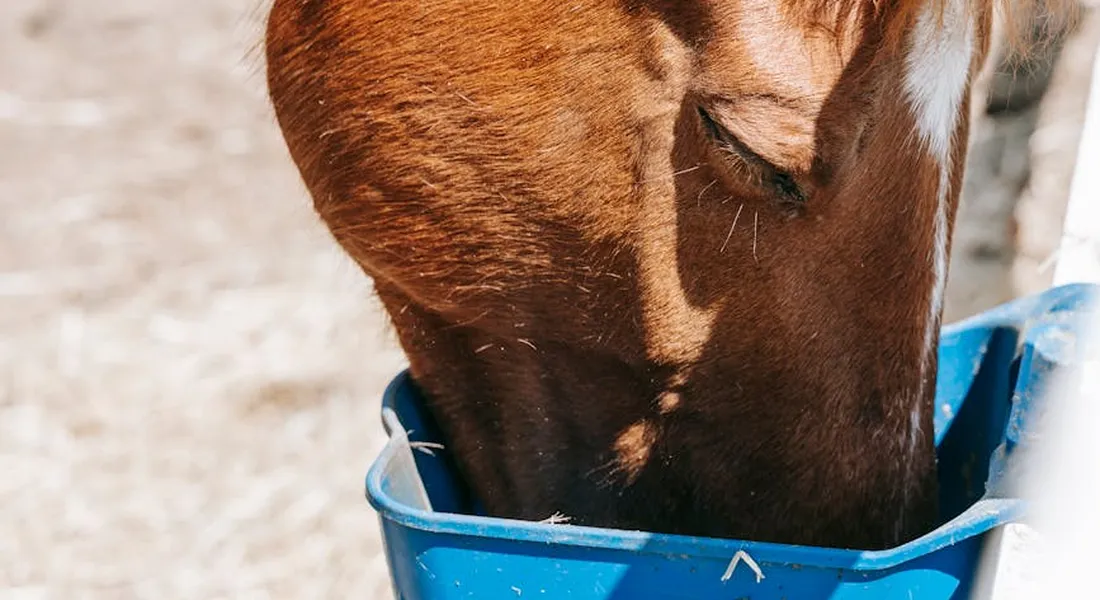
Even with safe foods, every horse is an individual. I’ve seen Luna turn her nose up at a perfectly good carrot, while Pipin would try to eat the grocery bag it came in. You must become a detective, watching for subtle signs that a new treat isn’t agreeing with your horse. This vigilance is non-negotiable for their welfare. It also helps stop them from eating inappropriate items. Secure the surroundings and teach boundaries to curb risky cravings.
Introduce any new food, including zucchini, in a tiny amount-think one or two small cubes. Offer it separately from their normal feed so you can pinpoint the culprit. Watch them for the next several hours.
Signs of Digestive Discomfort or Toxicity
- Changes in manure consistency: either too loose or unusually dry.
- Excessive gas or a bloated appearance in the belly.
- Lethargy or unusual unwillingness to move.
- Pawing at the ground or looking at their flank, which can indicate colic.
- Any swelling around the lips, muzzle, or eyes.
- Hives or raised bumps on the skin.
- Difficulty breathing or excessive salivation.
If you see signs of swelling, hives, or breathing trouble, stop the treats immediately and call your veterinarian; this could signal a rare allergic reaction. For mild digestive grumbles, pull the new item from the menu and stick with their known favorites. A bored horse in a stall might overindulge on anything new, so I always offer novel treats during turnout time when they are moving around naturally.
Safe Vegetable Alternatives: Building a Treat Menu
Variety is the spice of life, and it keeps treat time interesting. Building a safe menu is like stocking your own fridge-you want healthy staples. My rule in the barn is simple: if it’s a common, non-starchy vegetable I’d eat raw, it’s likely a fair game in moderation. Always wash everything thoroughly to remove pesticides.
- Carrots & Apples: The classic for a reason. Cut carrots lengthwise for safer chewing and slice apples to avoid the core.
- Celery: Great for hydration. Chop it into short sticks to prevent stringy pieces.
- Green Beans: A crunchy favorite. Fresh or frozen (thawed) are both fine.
- Peeled Cucumber: Incredibly refreshing on a hot day. I often share slices with Rusty after a long trail ride.
- Peppermints: The commercial sugar-free ones are a safe, occasional sugar hit.
- Watermelon: A summer hit! They can eat the flesh and rind, but skip the seeds where possible.
Rotating these options prevents boredom and allows you to see what brings your horse the most joy without upsetting their system. Remember, treats are supplements to a diet built on quality forage, not a replacement for it.
What to Avoid: A Short List of No-Nos
This list is short but critical. Some common human foods contain compounds that are toxic to the equine digestive system. Keeping a “do not feed” list on your barn fridge is a smart stable hack that protects every horse on the property. I’ve had to gently educate many well-meaning visitors over the years. It’s essential to know which foods are toxic to horses to ensure their safety.
- Onions, Garlic, Leeks, & Chives: All members of the allium family can cause anemia by damaging red blood cells.
- Potatoes & Tomatoes: Avoid both the plant and the unripe fruit. They contain solanine, a glycoalkaloid poison.
- Stone Fruit Pits: The pits from peaches, plums, and avocados contain cyanide compounds and are a choking hazard.
- Rhubarb: The leaves are highly toxic, containing oxalates that can cause kidney failure.
- Meat & Dairy Products: Horses are strict herbivores. Their digestive system cannot process these.
- Bread & Processed Human Snacks: These can cause dangerous impactions and offer zero nutritional value.
When in doubt, leave it out. The risk is never worth a moment of curiosity. Your horse’s health and trust are built on the consistency and safety of everything you offer them, from their hay to the treat in your pocket.
FAQ: Can Horses Eat Zucchini and Squash? Safe Vegetable Treats for Equines
Can horses eat zucchini?
Yes, horses can safely eat zucchini as a low-sugar treat. Always wash it thoroughly and cut it into pieces to prevent choking. Introduce it slowly in small amounts to check for any digestive sensitivity. Unlike some other vegetables such as cabbage, which can cause gas, zucchini is generally well-tolerated.
Can horses eat squash?
Most squash varieties are safe, but preparation depends on the type. Summer squash can be fed raw, while winter squash must be cooked and have the tough rind and seeds removed. Feed all squash in moderation to avoid gastrointestinal issues.
What are safe vegetable treats for equines?
Safe vegetable treats include carrots, apples, celery, and green beans, all cut appropriately. Avoid toxic foods like onions, potatoes, and rhubarb leaves entirely. Rotate treats occasionally and always base your horse’s diet on quality forage. When trying new vegetables, make sure to check what vegetables can horses eat.
From the Treat Bucket
Fresh zucchini and squash are safe, hydrating snacks for horses when served washed and cut into manageable pieces. The most important step is to introduce them slowly, offering just a slice or two at first to ensure your horse’s digestion handles it well. For a broader vegetable safety guide that includes lettuce and eggplant, see our Horses Eat Lettuce Eggplant Vegetable Safety Guide. It offers practical tips for safely introducing other vegetables as well.
Let your horse’s interest and response guide you, never rushing the process. Good horsemanship is built on these quiet moments of observation and care. It’s essential to understand horse behavior to strengthen your bond.
Further Reading & Sources
- Can Horses Eat Squash and Zucchini? Find Out Now
- Can Horses Eat Zucchini? | Strathorn Farm Stables
- Can Horses Eat Squash? Your Complete Guide to Safe Equine Nutrition – Dream Horse
- Foods in Your Kitchen That Your Horse Can Eat Too – A Guide – American Stalls
At Horse and Hay, we are passionate about providing expert guidance on all aspects of horse care, from nutrition to wellness. Our team of equine specialists and veterinarians offer trusted advice on the best foods, supplements, and practices to keep your horse healthy and thriving. Whether you're a seasoned rider or new to equine care, we provide valuable insights into feeding, grooming, and overall well-being to ensure your horse lives its happiest, healthiest life.
Nutrition